

Free Mühlviertel Travel Guide & Mobile App
Explore Mühlviertel with free travel guides. Discover regional history, expert tips, proposed trips, and audio guides on web or mobile app.


Explore Austria's Mühlviertel for granite hills, forest trails, medieval towns, textile heritage, monasteries and hearty Upper Austrian food.
Read more about Mühlviertel
When is the best time to visit Mühlviertel?
Best: June–August · 22–24°C| Month | High (°C) | Rainfall (mm) |
|---|---|---|
| January | 1 | 45 |
| February | 4 | 40 |
| March | 8 | 45 |
| April | 13 | 50 |
| May | 19 | 60 |
| June (best) | 22 | 75 |
| July (best) | 24 | 85 |
| August (best) | 24 | 80 |
| September | 19 | 65 |
| October | 13 | 55 |
| November | 7 | 50 |
| December | 3 | 45 |
Getting to and around Mühlviertel
How to get there
Transportation
Top city travel guides in Mühlviertel
The cities of Mühlviertel, and the easiest places to base yourself.

Swipe for more cities
Best attractions in Mühlviertel
Mühlviertel attractions are spread through a landscape where natural features and rural heritage are closely connected. Freistadt's walled old town provides the region's strongest historic urban experience, while Kefermarkt is known for its remarkable late-Gothic winged altar. Stift Schlägl combines religious architecture, art, cultural collections and a long brewing tradition, and the Mühlviertel Textile Centre in Haslach explains the area's linen and weaving history through demonstrations and exhibitions. In the eastern region, the Naturpark Mühlviertel offers marked walks among granite boulders, wooded valleys, meadows and traditional villages. Burg Clam adds a major medieval stronghold above the Klambach valley, while Bad Leonfelden is associated with spa culture and upland recreation. Forest trails, cycling roads, horse-riding routes, farm shops and small museums broaden the experience beyond formal monuments. The Bohemian Forest landscapes near the Czech border are particularly suited to walking and cross-border cultural itineraries, whereas the lower Mühlviertel provides easier access towards the Danube. Seasonal conditions and opening arrangements vary, so a flexible itinerary is useful.
-
Tourist attraction
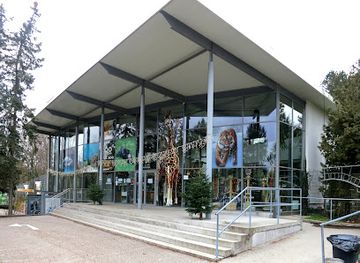
Zoo Schmiding / Museum - meeting of cultures
Explore Zoo Schmiding in Krenglbach: A unique blend of wildlife and culture awaits in Upper Austria's premier zoo destination.
-
Concentration camp memorial site
Mauthausen Memorial
Explore the profound history of Mauthausen Memorial, a solemn tribute to the victims of the Holocaust and a place for reflection and remembrance.
-
Castle
Rožmberk Castle
Experience the allure of Rožmberk Castle, a historic gem in the Czech Republic, offering breathtaking views and a rich tapestry of heritage.
-
Tourist attraction
Linz’s main square
Explore Hauptplatz, Linz's historic main square, where stunning architecture, vibrant markets, and rich culture come alive in the heart of Austria.


Best landmarks in Mühlviertel
Freistadt's medieval walls, towers and gates form the Mühlviertel's most recognisable historic ensemble, enclosing a town centre whose arcades recall its former role on the route to Bohemia. The late-Gothic winged altar in the parish church at Kefermarkt is a landmark of European-quality medieval woodcarving and gives the small market town an importance beyond its size. Stift Schlägl, with its church, monastic buildings and long institutional history, is a defining architectural presence in the northern Mühlviertel. Burg Clam stands above the Klambach valley in the east, its fortified silhouette conveying the region's medieval borderland history. In the Naturpark Mühlviertel, granite formations are landmarks of a different kind: weathered boulders, rock outcrops and stone fields express the ancient geology of the plateau and shape local paths and legends. The wooded ridges towards the Bohemian Forest and the Sternstein area provide the region's principal natural horizons, while village churches, wayside shrines and granite farm walls give the wider countryside a consistent visual identity.
-
Concentration camp memorial site
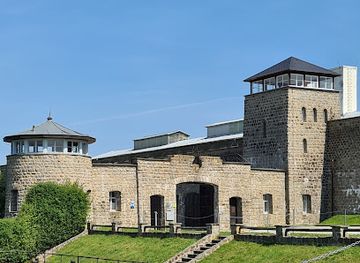
Mauthausen Memorial
Explore Mauthausen Memorial, a historical site dedicated to the memory of concentration camp victims, offering profound insight and reflection.
-
Tourist attraction
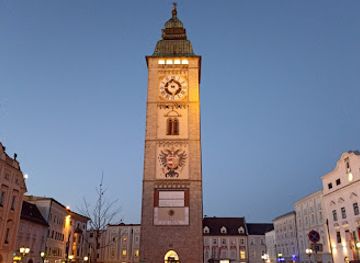
Stadtturm Enns
Explore the iconic Stadtturm Enns, a historic tower offering panoramic views of Austria's oldest city and a glimpse into its past.
-
Observation deck
Franz-Josefs-Warte
Experience breathtaking panoramic views of Linz and the Danube River from the historic Franz-Josefs-Warte observation tower.
-
Museum
Mühlviertler Schlossmuseum Freistadt
Explore 800 years of regional history, folk art, and craftsmanship at Freistadt's Mühlviertler Schlossmuseum, housed in a medieval castle.

Explore Mühlviertel on the map
Plan your trip on one map. See where the top cities, national parks and sights are, and book hotels and experiences in a few clicks.
Best hotels in Mühlviertel
Best restaurants in Mühlviertel
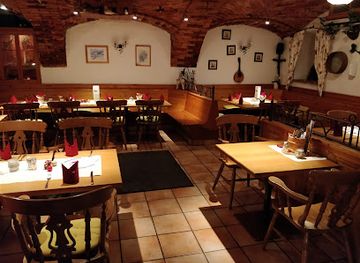
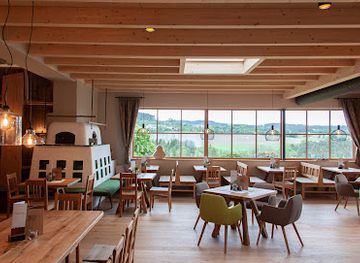
Dining in the Mühlviertel reflects Upper Austrian rural cooking, with potatoes, bread, dumplings, dairy products, pork, game, freshwater fish and seasonal vegetables appearing in inns and contemporary restaurants. Mühlviertler Erdäpfel, regional potato specialities, are an important local reference, while pastries, farmhouse cakes and substantial snacks suit walking days. Village Gasthäuser remain central to the food culture, often serving straightforward meals alongside local beer, cider-like Most or non-alcoholic orchard drinks. Around Aigen-Schlägl, beer connected with the Schlägl brewing tradition is a notable regional accompaniment, while farm shops and markets provide bread, cheese, honey, preserves, spirits and other produce. Haslach and the larger market towns offer cafés and more modern dining, but the region's culinary identity is best understood through the relationship between farms, forests, small producers and inns. Menus change with the season, and game, mushrooms and asparagus may appear when locally available rather than throughout the year.
-
Restaurant
Pöstlingberg Schlössl
Experience exquisite Austrian cuisine with breathtaking views at Pöstlingberg Schlössl in Linz.
-
Restaurant
Wia z'haus Lehner
Experience authentic Austrian cuisine at Wia z'haus Lehner in Linz - where tradition meets flavor in every dish.
-
Restaurant
Mirellenstüberl
Experience authentic Austrian cuisine at Mirellenstüberl, nestled in scenic Niederkulm—perfect for food lovers and hikers alike.
-
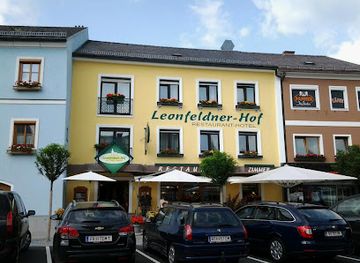
Austrian
Leonfeldner-Hof
Discover the heart of Austria at Leonfeldner-Hof: where tradition meets comfort in Bad Leonfelden's finest hotel and restaurant.

Best bars in Mühlviertel
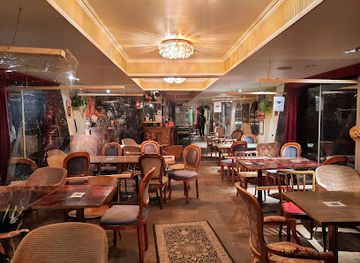
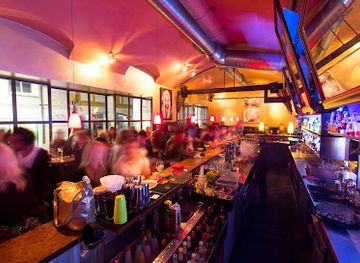
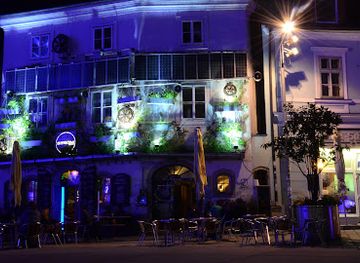
Evening life in the Mühlviertel is generally social and local rather than centred on large clubs. Traditional inns, brewery-linked establishments, hotel bars and cafés provide the main settings for a quiet drink or meal, particularly in Freistadt, Bad Leonfelden, Rohrbach-Berg and the larger market towns. Some venues host live music, cultural events or seasonal gatherings, while younger nightlife is more likely to be found in town-centre bars or through events than in a permanent club district. Rural evenings often finish earlier, and distances between villages make planning a return journey important. Beer, regional fruit drinks and non-alcoholic options are widely available, so experiencing the local atmosphere need not revolve around alcohol. Linz, outside the Mühlviertel, offers a substantially larger choice of concerts, late bars and clubs for visitors combining the region with an urban stay.
-
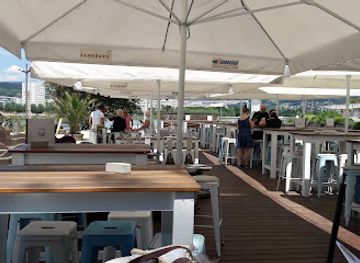
Bar
SANDBURG
Discover SANDBURG, a trendy bar and lounge in Linz, perfect for cocktails, local brews, and a lively atmosphere to unwind after a day of exploration.
-
Bar
Salonschiff Fräulein Florentine
Discover the charm of Linz at Salonschiff Fräulein Florentine, a unique floating bar and restaurant offering art, culture, and culinary delights.
-
Cocktail bar
Lennox - Bar
Experience the vibrant nightlife at Lennox, Linz's premier cocktail bar, offering innovative drinks and an energetic atmosphere for all.
-
Bar
Cafe Strom
Discover the vibrant atmosphere of Cafe Strom, the perfect bar in Linz for local culture, unique drinks, and unforgettable experiences.
Best nightclubs in Mühlviertel
Evening life in the Mühlviertel is generally social and local rather than centred on large clubs. Traditional inns, brewery-linked establishments, hotel bars and cafés provide the main settings for a quiet drink or meal, particularly in Freistadt, Bad Leonfelden, Rohrbach-Berg and the larger market towns. Some venues host live music, cultural events or seasonal gatherings, while younger nightlife is more likely to be found in town-centre bars or through events than in a permanent club district. Rural evenings often finish earlier, and distances between villages make planning a return journey important. Beer, regional fruit drinks and non-alcoholic options are widely available, so experiencing the local atmosphere need not revolve around alcohol. Linz, outside the Mühlviertel, offers a substantially larger choice of concerts, late bars and clubs for visitors combining the region with an urban stay.
-
Night club
Remembar
Immerse yourself in the electrifying nightlife of Linz at Remembar, where music, dance, and exquisite drinks collide for an unforgettable experience.
-
Night club
Nightclub Night Flight
Discover the vibrant nightlife of Traun at Nightclub Night Flight, where electrifying music and an energetic atmosphere await every party lover.
-
Disco club
Blackpearl club&Lounge
Discover the heart of Linz's nightlife at Blackpearl Club & Lounge, where unforgettable nights and vibrant beats await every party-goer.
-
Night club
Nightclub Eveline
Discover the vibrant nightlife of Kremsmünster at Nightclub Eveline, where electrifying beats and unforgettable memories await.


Best shops in Mühlviertel
Shopping in the Mühlviertel is concentrated in market-town high streets rather than large retail districts. Freistadt, Rohrbach-Berg, Bad Leonfelden, Haslach and Pregarten have everyday shops, cafés, bakeries and independent businesses, while smaller villages may have only limited services. Haslach is the principal place to explore the region's textile heritage, with linen and woven goods offering a more distinctive purchase than generic Alpine souvenirs. Farm shops and seasonal markets sell potatoes, bread, honey, preserves, cheese, spirits, herbs and other products from local producers; availability varies by season and producer. Regional beer, craft food and well-made wood or stone objects can also reflect the Mühlviertel's agricultural and material traditions. Visitors interested in antiques, ceramics, books or local art should look in the historic centres and cultural venues of the market towns, where stock and opening arrangements are more variable than in Austria's major cities.
-
Shopping mall
Passage Linz
Experience the essence of modern shopping at Passage Linz, featuring a variety of stores, dining options, and entertainment in the heart of Linz, Austria.
-
Toy store
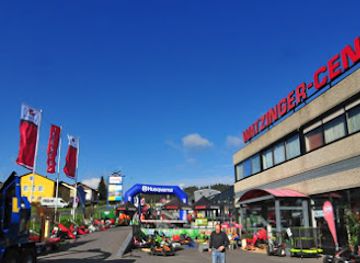
YES1 by Watzinger Kids-Fun
Discover an enchanting toy store in Reichenau im Mühlkreis, perfect for families and kids to explore, play, and find memorable gifts.
-
Gift shop
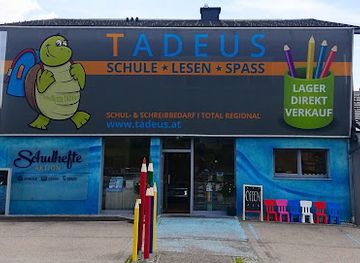
Schulhefte Aktion - TADEUS
Discover a variety of school supplies, books, and unique gifts at Schulhefte Aktion - TADEUS in Bad Leonfelden, Austria.
-
Gift shop
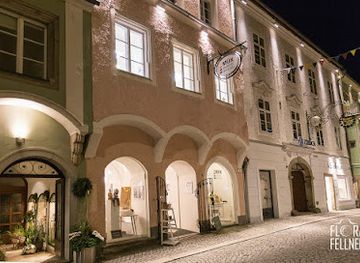
mük - Mühlviertler Kunst.Hand.Werk
Explore mük in Freistadt – a unique fusion of a gift shop, art gallery, and cultural center showcasing local craftsmanship and creativity.
Get your free copy of our complete guide to Mühlviertel, delivered straight to you.
Everything on this page, from attractions and restaurants to essentials and local phrases, in one PDF you can read offline, print or share.
Already have an account? Sign in
Your Mühlviertel guide is ready.
We'll send it to · Not you? Sign out

Getting your guide ready…
We are putting together a fresh copy of the Mühlviertel guide. This can take up to a minute.
This can take a few moments. If your browser asks, choose Allow so the download can start. You'll find the guide in your Downloads folder.
Nothing happened? Download it again
Sorry, the guide is taking longer than usual. Please try again in a minute, or get it by email instead.
Mühlviertel essentials
Currency and Payment
Safety
Emergency Situations
Do's and Don'ts
Local Tips
From Eve
Local phrases worth knowing
You don't need to get them perfect. A few words go a long way, and locals appreciate the effort.
Basics
| English | Local | Say it |
|---|---|---|
| Hello | Grüß Gott | [Groos Got] |
| Goodbye | Auf Wiedersehen | [Owf Veederzehn] |
| Yes | Ja | [Ya] |
| No | Nein | [Nine] |
| Please/You're welcome | Bitte | [Bitta] |
| Thank you | Danke | [Danka] |
| Excuse me/Sorry | Entschuldigung | [Entshuldigung] |
| How are you? | Wie geht's? | [Vee geets?] |
| Fine. And you? | Gut. Und dir? | [Goot. Oond deer?] |
| Do you speak English? | Sprechen Sie Englisch? | [Shprecken Zee Englisch?] |
| I don't understand | Ich verstehe nicht | [Ish fershteh nikht] |
Eating & Drinking
| English | Local | Say it |
|---|---|---|
| I'd like to see the menu, please | Ich hätte gerne die Speisekarte, bitte | [Ish het-teh gehr-ne dee Shpeizekarte, bitta] |
| I don't eat meat | Ich esse kein Fleisch | [Ish es-se kyan Fleish] |
| Cheers! | Prost! | [Prohst!] |
| I would like to pay, please | Ich möchte bezahlen, bitte | [Ish merhte be-zah-len, bitta] |
Emergencies
| English | Local | Say it |
|---|---|---|
| Help! | Hilfe! | [Hil-fe!] |
| Go away! | Geh weg! | [Ge weg!] |
| Call the Police! | Rufen Sie die Polizei! | [Rufen Zee dee Polizei!] |
| Call a doctor! | Rufen Sie einen Arzt! | [Rufen Zee ein-en Artzt!] |
| I'm lost | Ich bin verloren | [Ish bin fer-lo-ren] |
| I'm ill | Ich bin krank | [Ish bin krank] |
Shopping
| English | Local | Say it |
|---|---|---|
| I'd like to buy... | Ich möchte kaufen... | [Ish merhte kau-fen...] |
| I'm just looking | Ich schaue nur | [Ish shau-e noor] |
| How much is it? | Wie viel kostet es? | [Vee feel kostet es?] |
| That's too expensive | Das ist zu teuer | [Das ist tsu toyer] |
| Can you lower the price? | Könnten Sie den Preis senken? | [Kern-ten Zee den Preis senken?] |
Time & Numbers
| English | Local | Say it |
|---|---|---|
| What time is it? | Wie spät ist es? | [Vee shpaet ist es?] |
| It's one o'clock | Es ist ein Uhr | [Es ist ayn Ohr] |
| Half past (10) | Halb (zehn) | [Halb (tsayn)] |
| Morning | Morgen | [Mor-gen] |
| Afternoon | Nachmittag | [Nach-mit-tahg] |
| Evening | Abend | [Ah-bent] |
| Yesterday | Gestern | [Ges-tern] |
| Today | Heute | [Hoy-te] |
| Tomorrow | Morgen | [Mor-gen] |
| 1 | Eins | [Ayns] |
| 2 | Zwei | [Tsvai] |
| 3 | Drei | [Dry] |
| 4 | Vier | [Fear] |
| 5 | Fünf | [Fünf] |
| 6 | Sechs | [Zeks] |
| 7 | Sieben | [Zee-ben] |
| 8 | Acht | [Acht] |
| 9 | Neun | [Noyn] |
| 10 | Zehn | [Tseyn] |
Transport & Directions
| English | Local | Say it |
|---|---|---|
| Where's a/the...? | Wo ist ein/das...? | [Vo ist ayn/das...?] |
| What's the address? | Wie ist die Adresse? | [Vee ist dee Adres-se?] |
| Can you show me (on the map)? | Könnten Sie mir (auf der Karte) zeigen? | [Kern-ten Zee meer (owf dare Kar-te) tsai-gen?] |
| When's the next (bus)? | Wann kommt der nächste (Bus)? | [Vann komt dare nay-shte (Bus)?] |
| A ticket (to ....) | Ein Ticket (nach ....) | [Ayn Ticket (nahkh ....)] |
History of Mühlviertel
Early Settlement and the Northern Forest
The Mühlviertel's uplands were shaped over centuries by the gradual settlement and clearance of the woodland north of the Danube. Its soils and cooler climate favoured mixed farming, livestock, flax and later potatoes rather than the intensive grain agriculture of some lower Austrian landscapes. Granite outcrops, wooded ridges and scattered farmsteads remain visible reminders of the region's geological and agricultural character. Medieval routes linked local communities with markets south of the Danube and with Bohemia to the north, making the area both a rural frontier and a corridor of exchange.
Medieval Lords, Castles and Monasteries
From the High Middle Ages, noble families and religious foundations consolidated control over the Mühlviertel. Fortified sites such as Burg Clam protected estates and routes, while monasteries organised landholding, worship and education. Stift Schlägl, founded in the twelfth century and later associated with the Premonstratensians, became especially influential in the north-west. Market towns including Freistadt grew where trade, taxation and regional administration came together. Their walls, gates, churches and street plans preserve the political and commercial structure of the medieval borderland.
Freistadt and the Bohemian Trade Routes
Freistadt prospered because it stood on an important route between the Danube region and Bohemia. Its merchants traded in goods including salt, grain and textiles, while the town's fortifications reflected both commercial wealth and the insecurity of a frontier zone. The historic centre, with its preserved walls, gates, towers and arcaded buildings, still expresses that role. The town's development was not isolated from wider Central European politics: changes in borders, markets and ruling dynasties repeatedly altered the economic opportunities available to communities across the Mühlviertel.
Religious Conflict and the Reformation Era
As elsewhere in Upper Austria, the sixteenth and seventeenth centuries brought religious conflict and political tension to the Mühlviertel. Protestant ideas gained support in parts of the region, while Habsburg authorities and Catholic institutions later pursued re-Catholicisation. Churches, pilgrimage traditions, monasteries and devotional features in villages and fields reflect the long consequence of these struggles. The period also confirmed the importance of local landlords and ecclesiastical foundations, whose estates influenced settlement, farming and social organisation well beyond the towns.
Flax, Linen and Rural Industry
For many centuries, flax cultivation, spinning and weaving supplemented farming incomes in the Mühlviertel. Haslach an der Mühl became a particularly important centre for linen and textile production, connecting household work and specialist craft with wider markets. Industrial methods later changed the scale and organisation of production, but the craft legacy survived in textile collections, workshops and regional design. Linen is more than a souvenir theme here: it explains part of the region's historic economy and the relationship between small farms, domestic labour, merchants and market towns.
War, Borders and the Twentieth Century
The Mühlviertel's northern position made the twentieth century especially consequential. The collapse of the Austro-Hungarian Empire changed the political setting, while the border with Czechoslovakia and later the Iron Curtain restricted movement and separated communities. During the Second World War, the region was affected by the violence and repression of the Nazi period, including the nearby Mauthausen concentration camp complex south of the Danube, which is outside the Mühlviertel but part of the wider historical context. After 1989, cross-border contact with Czechia expanded and former frontier landscapes became places of cooperation and shared remembrance.
Modern Rural and Cultural Renewal
Since the late twentieth century, the Mühlviertel has combined agriculture and forestry with small-scale manufacturing, tourism, brewing, craft production and cultural work. Historic buildings have been adapted as museums, workshops and visitor centres, while walking and cycling routes make the granite uplands and former borderlands more accessible. Organic farming and regional food production are prominent in parts of the region, although the Mühlviertel remains economically diverse rather than defined by a single industry. Its contemporary identity rests on maintaining local character while remaining connected to Linz, the wider Upper Austrian economy and neighbouring Czechia.
Mühlviertel in Photos
Browse through our photo collection highlighting the charm and character of the destination.
Neighbouring regions of Mühlviertel
The closest regions to Mühlviertel, if you have time for more than one.
-

-

-

-

-


Swipe for more regions
Explore more
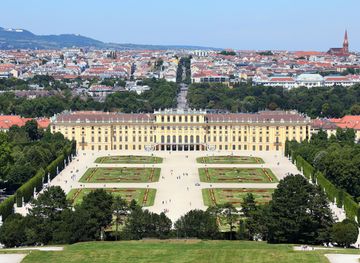
Explore more of Austria
Discover Austria's blend of alpine landscapes, rich cultural heritage, and culinary delights, from Vienna's historic charm to Tyrol's dramatic beauty.
Explore Austria