

Free Upper Austria Travel Guide & Mobile App
Explore Upper Austria with free travel guides. Discover regional history, expert tips, proposed trips, and audio guides on web or mobile app.


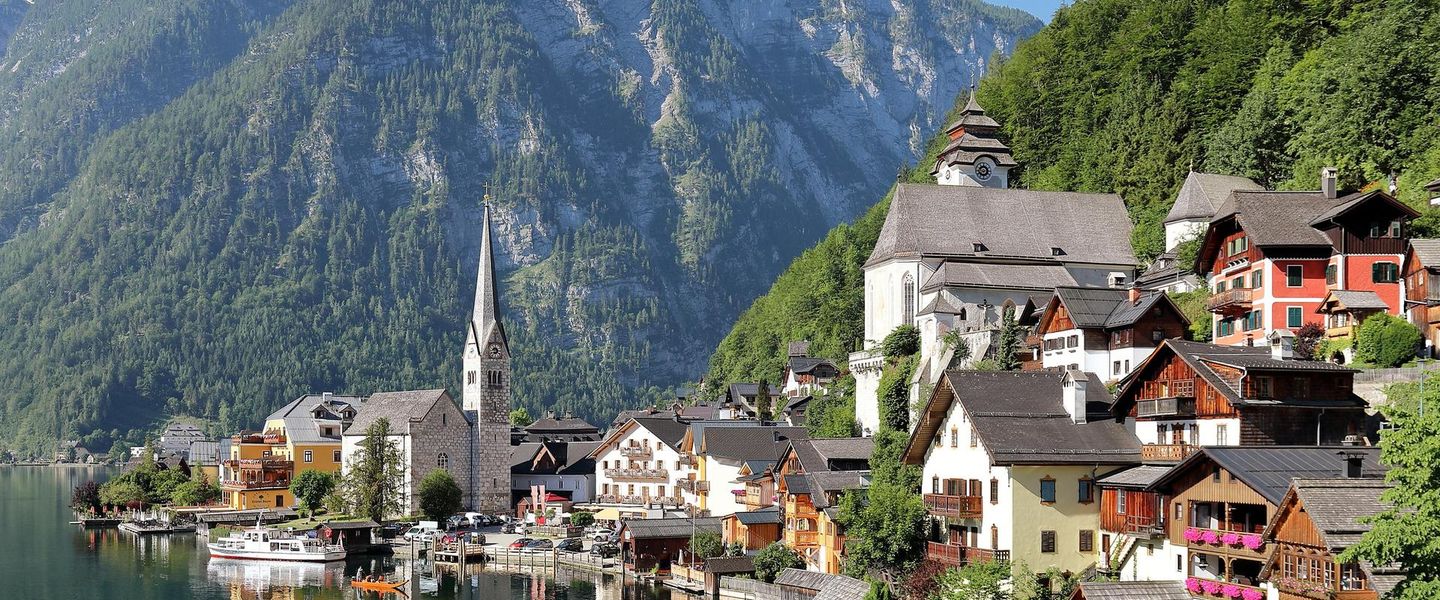


Upper Austria combines Danube cities, imperial towns, monastery heritage, Salzkammergut lakes, mountain scenery and distinctive regional food.
Read more about Upper Austria
When is the best time to visit Upper Austria?
Best: June–August · 22–24°C| Month | High (°C) | Rainfall (mm) |
|---|---|---|
| January | 3 | 40 |
| February | 4 | 35 |
| March | 9 | 40 |
| April | 14 | 50 |
| May | 19 | 65 |
| June (best) | 22 | 80 |
| July (best) | 24 | 90 |
| August (best) | 24 | 85 |
| September | 20 | 60 |
| October | 14 | 50 |
| November | 8 | 45 |
| December | 3 | 40 |
Getting to and around Upper Austria
How to get there
Transportation
Top city travel guides in Upper Austria
The cities of Upper Austria, and the easiest places to base yourself.
-

-
-


Swipe for more cities
Destinations in Upper Austria
Resorts, valleys and scenic spots worth a trip of their own.
-

-

-
-
-

-
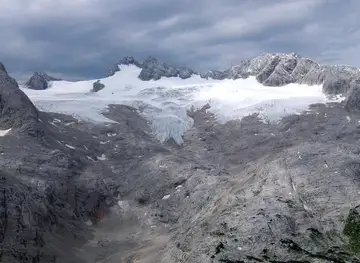


Swipe for more destinations
Best attractions in Upper Austria
Upper Austria offers a broad mix of urban culture, religious heritage, industrial history and outdoor scenery. Linz is the main cultural centre, with the Ars Electronica Center, Lentos Kunstmuseum and Danube-facing historic streets, while Pöstlingberg provides elevated views over the city. Monasteries including St Florian, Kremsmünster and Wilhering reveal the artistic and intellectual importance of ecclesiastical foundations through architecture, libraries, music and collections. Steyr combines a preserved old town with industrial heritage, and the Mauthausen Memorial provides a serious place of remembrance. In the south, the Upper Austrian Salzkammergut brings together Lake Traunsee, Gmunden, Bad Ischl, Hallstatt and Obertraun, with boating, swimming, walking and mountain excursions in season. The Mühlviertel and Innviertel are better suited to slower touring through wooded hills, market towns, breweries, farms and small museums. Danube cycling, lakeside paths, winter activities and family-oriented museums broaden the options, although schedules and access can vary considerably between the region’s urban centres and rural valleys.
-
Observation deck
Panoramic Viewpoint - Hallstatt Skywalk
Experience breathtaking panoramic views of Hallstatt & the Alps from this easily accessible skywalk, 360 meters above the UNESCO World Heritage town.
-
Castle
Schloss Ort
Experience the historical allure and stunning natural beauty of Schloss Ort, a captivating castle on the shores of Lake Traunsee, Austria.
-
Observation deck
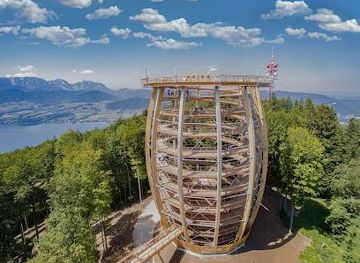
Baumwipfelpfad Salzkammergut
Explore the Baumwipfelpfad Salzkammergut, a stunning treetop walkway in Gmunden, Austria, offering breathtaking views and unique nature experiences.
-
Monastery
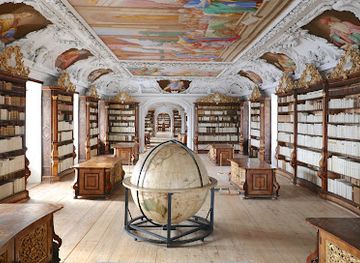
Kremsmünster Abbey
Explore a historic Benedictine abbey in Austria, featuring Baroque architecture, a magnificent library, and centuries of scientific tradition.


Best landmarks in Upper Austria
The Danube-facing old town and hilltop Pöstlingberg are among Linz’s most recognisable features, while the city’s modern museums add a contemporary layer to its historic streets. In Steyr, the confluence of the Enns and Steyr rivers frames a distinguished old town of Gothic, Renaissance and Baroque buildings, with the Bummerlhaus as a notable civic landmark. Enns, one of Austria’s oldest towns, is marked by its medieval town tower and connection with the Roman settlement of Lauriacum. The monumental Baroque complex of St Florian Abbey represents the power and artistic ambition of Upper Austria’s monastic tradition, as does the long-established abbey at Kremsmünster. In the south, Gmunden’s Schloss Ort stands on a small island in Lake Traunsee, while the lakes and mountains around Hallstatt and Obertraun form a powerful natural and cultural landscape. The Mauthausen Memorial is a landmark of a different kind: its surviving camp structures and quarry landscape embody the region’s responsibility to remember Nazi persecution and mass murder.
-
Historical place
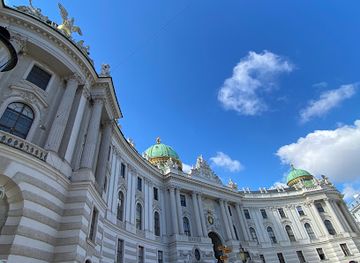
Hofburg
Explore the Hofburg Palace in Vienna: a historic imperial residence with museums, art, and the world-renowned Spanish Riding School.
-
Fortress
Fortress Hohensalzburg
Explore a 900-year-old fortress with stunning views, museums, and historical insights into Salzburg's rich past. A must-see landmark!
-
Castle
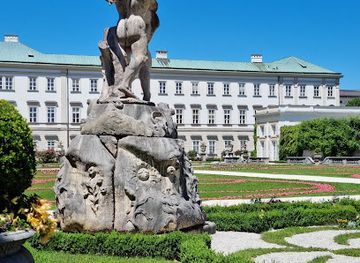
Mirabell Palace
Discover Salzburg's enchanting Mirabell Palace: a Baroque masterpiece with stunning gardens, rich history, and 'Sound of Music' fame.
-
Tourist attraction
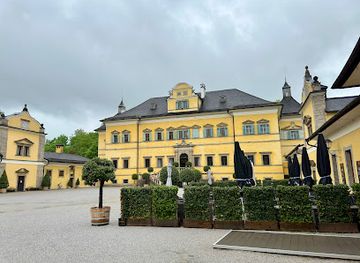
Schloss Hellbrunn
Discover Schloss Hellbrunn: A Baroque palace with playful trick fountains and stunning gardens just south of Salzburg.

Explore Upper Austria on the map
Plan your trip on one map. See where the top cities, national parks and sights are, and book hotels and experiences in a few clicks.
Best hotels in Upper Austria
Best restaurants in Upper Austria
Upper Austrian food combines substantial Austrian cooking with produce from the Danube plain, Alpine foothills and Salzkammergut lakes. Traditional inns serve soups, schnitzel, roast meats, dumplings, seasonal vegetables and pastries, while Linz offers the region’s broadest choice of contemporary restaurants, cafés and international cuisines. Linzer torte is the best-known sweet associated with the capital, and its lattice pastry appears in bakeries throughout the region. Around the lakes, freshwater fish is an important seasonal feature, while farm shops and rural kitchens sell local cheeses, cured products, bread and fruit-based specialities. The Innviertel and other farming districts have a strong inn culture, with hearty portions and locally produced drinks; Upper Austrian cider, known locally as Most, is particularly associated with fruit-growing areas. Dining ranges from simple bread-and-cheese plates and coffee houses to refined restaurants, but opening days can be limited in smaller villages, especially outside the main season.
-
Austrian
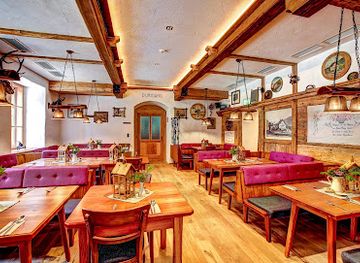
Welterbe-Wirtshaus Steegwirt
Experience authentic Austrian cuisine at Welterbe-Wirtshaus Steegwirt in Bad Goisern, surrounded by breathtaking alpine landscapes.
-
Greek
Delphi Restaurant
Savor authentic Greek flavors at Delphi Restaurant in Thalheim – where every meal is a celebration of Mediterranean cuisine.
-
Restaurant
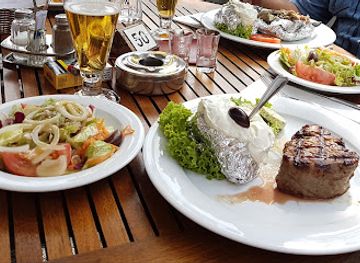
PAULS steak & veggi Linz
Discover the best of American steakhouse cuisine with vegan delights at PAULS Steak & Veggi Linz - A culinary hotspot in the heart of Austria.
-
Restaurant
Restaurant Rauner
Experience authentic Austrian cuisine in Linz at Restaurant Rauner - where tradition meets taste.

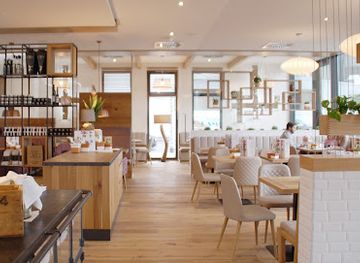
Best bars in Upper Austria
Evening life in Upper Austria varies sharply by location. Linz has the region’s most developed scene, with bars, cafés, live-music venues, cultural events and late-night options concentrated around the central city and Danube-side districts. Wels and Steyr offer a smaller selection of pubs, wine bars, music venues and restaurants, while university and cultural programming can bring additional activity at particular times of year. In the Salzkammergut, evenings generally centre on traditional inns, hotel bars, lakeside restaurants and occasional live music rather than a large club culture. Rural districts are oriented towards local pubs, breweries and social gatherings, and many venues close earlier than urban visitors may expect. Seasonal festivals and summer events can alter the atmosphere, but their dates and programmes change. Visitors should check local listings rather than assume late-night transport or entertainment will be available in small lake and mountain communities.
-
Cocktail bar
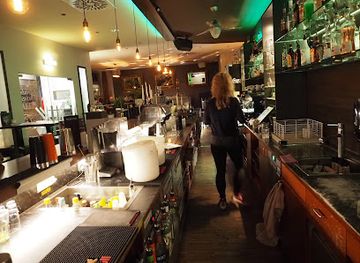
Lennox - Bar
Discover the vibrant Lennox cocktail bar in Linz, where innovative drinks and a lively atmosphere await every visitor.
-
Cocktail bar
Cocktails • Café Bar Club Catering
Experience the lively atmosphere at Cocktails Café Bar Club in Ybbs an der Donau, where delicious drinks and vibrant nightlife blend seamlessly.
-
Cocktail bar
Die Cocktailbar Linz
Discover the lively charm of Die Cocktailbar Linz, where expertly mixed cocktails and a vibrant atmosphere await your visit in the heart of Linz.
-
Cocktail bar
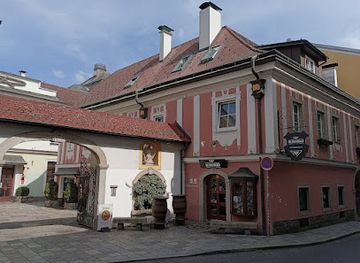
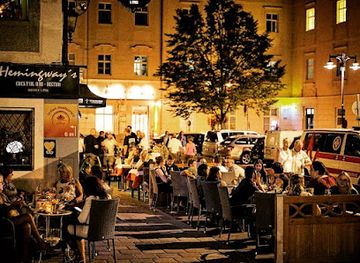
HEMINGWAY'S MUSIC & JAZZ BAR
Hemingway's Music & Jazz Bar: A vibrant cocktail bar in Linz with live music, exceptional drinks, and a welcoming atmosphere for an unforgettable night out.

Best nightclubs in Upper Austria
Evening life in Upper Austria varies sharply by location. Linz has the region’s most developed scene, with bars, cafés, live-music venues, cultural events and late-night options concentrated around the central city and Danube-side districts. Wels and Steyr offer a smaller selection of pubs, wine bars, music venues and restaurants, while university and cultural programming can bring additional activity at particular times of year. In the Salzkammergut, evenings generally centre on traditional inns, hotel bars, lakeside restaurants and occasional live music rather than a large club culture. Rural districts are oriented towards local pubs, breweries and social gatherings, and many venues close earlier than urban visitors may expect. Seasonal festivals and summer events can alter the atmosphere, but their dates and programmes change. Visitors should check local listings rather than assume late-night transport or entertainment will be available in small lake and mountain communities.
-
Night club
Remembar
Discover the vibrant nightlife of Linz at Remembar, where music, dancing, and unforgettable memories await every night.
-
Night club
Nightclub Night Flight
Discover the electrifying nightlife at Nightclub Night Flight in Traun, where unforgettable music and vibrant atmosphere await every weekend.
-
Adult entertainment club
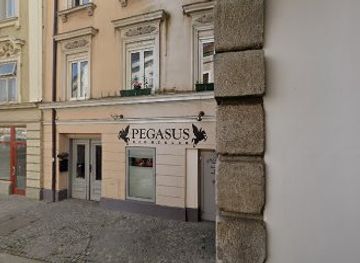
Nightclub Pegasus
Discover the electrifying nightlife of Wels at Nightclub Pegasus, where vibrant music and stunning performances create unforgettable experiences.
-
Night club
Nightclub Eveline
Experience an electrifying night at Nightclub Eveline in Kremsmünster, where music, dance, and fun collide in a vibrant atmosphere.


Best shops in Upper Austria
Shopping in Upper Austria is strongest in its regional centres and historic market towns rather than in a single large retail district. Linz combines modern high-street shopping and department stores with independent design shops, bookshops, galleries and cafés around the central streets. Wels and Steyr provide practical retail, local boutiques and historic town-centre browsing, while Gmunden is known for ceramics and craft traditions associated with the Salzkammergut. In smaller towns and villages, look for farm shops, bakeries, cheese, cured products, cider, honey and seasonal preserves rather than extensive souvenir ranges. Markets vary by town and day, so check locally before planning a visit. Hallstatt and other heavily visited lakeside settlements have shops selling postcards, decorative crafts and regional food, but prices and selection reflect tourist demand. Useful souvenirs include Linzer torte from a reputable bakery, locally made pottery, Austrian textiles, books on Alpine or regional history and packaged farm products that comply with customs rules for the onward journey.
-
Outlet mall
Designer Outlet Parndorf
Experience luxury shopping at Designer Outlet Parndorf, where designer brands meet incredible discounts in a stylish setting.
-
Shopping mall
Westfield Shopping City Süd
Discover the ultimate shopping destination in Austria at Westfield Shopping City Süd, where fashion, food, and fun meet.
-
Shopping mall
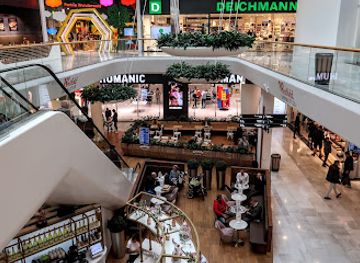
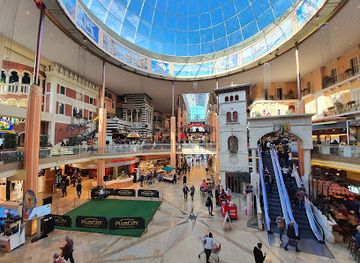
PlusCity
Experience the best of shopping, dining, and entertainment at PlusCity, Pasching's ultimate shopping destination.
-
Shopping mall
Europark Salzburg
Experience the ultimate shopping and entertainment destination in Salzburg at Europark, featuring over 150 shops, diverse dining options, and fun family activities.

Get your free copy of our complete guide to Upper Austria, delivered straight to you.
Everything on this page, from attractions and restaurants to essentials and local phrases, in one PDF you can read offline, print or share.
Already have an account? Sign in
Your Upper Austria guide is ready.
We'll send it to · Not you? Sign out

Getting your guide ready…
We are putting together a fresh copy of the Upper Austria guide. This can take up to a minute.
This can take a few moments. If your browser asks, choose Allow so the download can start. You'll find the guide in your Downloads folder.
Nothing happened? Download it again
Sorry, the guide is taking longer than usual. Please try again in a minute, or get it by email instead.
Upper Austria essentials
Currency and Payment
Safety
Emergency Situations
Do's and Don'ts
Local Tips
From Eve
Local phrases worth knowing
You don't need to get them perfect. A few words go a long way, and locals appreciate the effort.
Basics
| English | Local | Say it |
|---|---|---|
| Hello | Grüß Gott | [Groos Gott] |
| Goodbye | Ade | [Ah-day] |
| Yes | Ja | [Yah] |
| No | Nein | [Nyn] |
| Please/You're welcome | Bitte | [Bitta] |
| Thank you | Danke | [Dahnkeh] |
| Excuse me/Sorry | Entschuldigung | [Ent-shool-dee-goong] |
| How are you? | Wie geht's? | [Vee gates?] |
| Fine. And you? | Gut. Und dir? | [Goott. Oond deer?] |
| Do you speak English? | Sprechen Sie Englisch? | [Shprekh-en Zee Eng-lish?] |
| I don't understand | Ich verstehe nicht | [Ish fer-shtay-eh nikht] |
Eating & Drinking
| English | Local | Say it |
|---|---|---|
| I'd like to see the menu, please | Ich möcht die Speisekarte sehen, bitte | [Ish moikht dee Shpyze-kahr-teh zayn, bitta] |
| I don't eat meat | Ich esse kein Fleisch | [Ish ess-eh kyn Fly-sh] |
| Cheers! | Prost! | [Prohst!] |
| I would like to pay, please | Ich möchte bezahlen, bitte | [Ish moikht-eh beh-tsah-len, bitta] |
Emergencies
| English | Local | Say it |
|---|---|---|
| Help! | Hilfe! | [Hil-fe!] |
| Go away! | Geh weg! | [Gay vek!] |
| Call the Police! | Rufen Sie die Polizei! | [Ru-fen Zee dee Po-li-tsai!] |
| Call a doctor! | Rufen Sie einen Arzt! | [Ru-fen Zee eye-nen Artst!] |
| I'm lost | Ich bin verloren | [Ish bin fer-lo-ren] |
| I'm ill | Ich bin krank | [Ish bin krahng] |
Shopping
| English | Local | Say it |
|---|---|---|
| I'd like to buy... | Ich möchte kaufen... | [Ish moikht-eh kau-fen...] |
| I'm just looking | Ich schaue nur | [Ish shau-eh noor] |
| How much is it? | Wie viel kostet das? | [Vee feel kost-et das?] |
| That's too expensive | Das ist zu teuer | [Das ist tsu toyer] |
| Can you lower the price? | Können Sie den Preis senken? | [Kern-en Zee den Price senk-en?] |
Time & Numbers
| English | Local | Say it |
|---|---|---|
| What time is it? | Wie spät ist es? | [Vee shpayt ist es?] |
| It's one o'clock | Es ist ein Uhr | [Es ist ayn Oor] |
| Half past (10) | Halb (10) | [Halb (10)] |
| Morning | Morgen | [Mor-gen] |
| Afternoon | Nachmittag | [Nahkht-mit-tahg] |
| Evening | Abend | [Ah-bent] |
| Yesterday | Gestern | [Geh-stern] |
| Today | Heute | [Hoy-teh] |
| Tomorrow | Morgen | [Mor-gen] |
| 1 | Eins | [Ayns] |
| 2 | Zwei | [Tsvy] |
| 3 | Drei | [Dry] |
| 4 | Vier | [Feer] |
| 5 | Fünf | [Foonf] |
| 6 | Sechs | [Zex] |
| 7 | Sieben | [Zee-ben] |
| 8 | Acht | [Ahkht] |
| 9 | Neun | [Noyn] |
| 10 | Zehn | [Tsayn] |
Transport & Directions
| English | Local | Say it |
|---|---|---|
| Where's a/the...? | Wo ist ein/das...? | [Vo ist ayn/das...?] |
| What's the address? | Wie ist die Adresse? | [Vee ist dee Ah-dres-se?] |
| Can you show me (on the map)? | Können Sie mir (auf der Karte) zeigen? | [Kern-en Zee meer (owf der Kar-te) tsai-gen?] |
| When's the next (bus)? | Wann kommt der nächste (Bus)? | [Vahn komt der nay-sht-eh (Boos)?] |
| A ticket (to ....) | Ein Ticket (nach ....) | [Ayn Ti-ket (nahkh ....)] |
History of Upper Austria
Prehistoric salt and early settlement
Salt shaped the southern part of present-day Upper Austria long before the Roman period. The Salzkammergut’s deposits attracted organised extraction and trade, while lakes, valleys and river corridors supported farming, craft production and settlement. Hallstatt is associated with the Iron Age archaeological culture named after the town, although the culture extended across a much wider Alpine area. Finds from the region demonstrate long-distance connections through tools, ornaments and burial customs. Salt production remained an important economic force over later centuries, helping to explain the wealth and strategic value of communities around Hallstatt, Bad Ischl and the wider Salzkammergut.
Roman Noricum and the Danube frontier
Much of Upper Austria formed part of the Roman province of Noricum, with the Danube serving as a major frontier zone. Roman military and trading settlements developed along the river, including Lauriacum at present-day Enns, one of the most important Roman sites in the region. Roads connected the Danube with Alpine passes and inland communities, encouraging commerce and cultural exchange. Roman remains at Enns and the museum complex at nearby Obernberg am Inn help visitors understand the province’s military, administrative and urban organisation. Christianity also gained a lasting foothold in the late Roman period, although the frontier was eventually transformed by political and military upheaval.
Medieval monasteries, towns and dynasties
During the Middle Ages, Upper Austria developed through the interaction of church foundations, aristocratic estates, market towns and river trade. Monasteries such as St Florian, Kremsmünster, Wilhering and Schlierbach became religious, educational and economic centres, holding land and shaping local culture. Towns including Linz, Steyr, Wels and Enns benefited from commerce along the Danube and from routes towards Bohemia, Bavaria and the Alps. The region was successively influenced by the Babenbergs and then the Habsburgs, whose expanding territories gave Upper Austria a durable place within the political structure of Austria.
The Habsburg era and the Salzkammergut
Under Habsburg rule, Upper Austria became an important part of the Austrian lands. Salt extraction in the Salzkammergut was closely regulated because salt was a valuable state resource, and its revenues supported the ruling dynasty. Towns such as Gmunden and Hallstatt grew through administration, trade and salt-related activity. Country residences and monasteries were remodelled in Baroque and later styles, leaving a strong architectural legacy. In the nineteenth century, the imperial court’s summer presence in Bad Ischl turned the town into a fashionable resort and linked the Salzkammergut with the cultural and political world of imperial Vienna.
Ironworking, trade and industrialisation
Upper Austria’s rivers, forests and mineral resources supported metalworking and manufacturing for centuries. Steyr became especially important for iron processing, weapons production and skilled craft, while the Enns and Steyr rivers powered mills and workshops. The arrival of railways and the expansion of industrial enterprises during the nineteenth and early twentieth centuries connected local producers with national and international markets. Linz developed into a major industrial and transport centre on the Danube, while Wels retained its importance as a commercial crossroads. This industrial inheritance remains visible in townscapes, museums and the region’s modern economic profile.
The Second World War and Mauthausen
The Nazi period brought persecution, forced labour and mass murder to Upper Austria. The Mauthausen concentration camp, established in 1938 near the Danube east of Linz, became the centre of a large camp network whose prisoners were exploited in quarries, factories and construction projects. The Mauthausen Memorial preserves the former camp site and documents the experiences of prisoners and the crimes committed there. Its exhibitions and surviving structures require a respectful visit and provide essential context for understanding the region’s twentieth-century history. The period also transformed Linz through wartime industrial expansion and later reconstruction.
Post-war reconstruction and contemporary culture
After 1945, Upper Austria underwent rapid reconstruction, industrial growth and urban modernisation. Linz’s heavy-industry base remained significant, but the city increasingly invested in education, design and cultural institutions. The Ars Electronica Festival and Ars Electronica Center helped establish Linz as an international centre for digital and media art, while other towns maintained strong traditions in music, crafts and heritage conservation. Tourism expanded in the Salzkammergut, building on its lakes, mountains, imperial associations and historic settlements. Today the region balances manufacturing and research with agriculture, cultural tourism and outdoor recreation.
Upper Austria in Photos
Browse through our photo collection highlighting the charm and character of the destination.
Neighbouring regions of Upper Austria
The closest regions to Upper Austria, if you have time for more than one.
-

-

-

-

-


Swipe for more regions
Explore more
Explore more of Austria
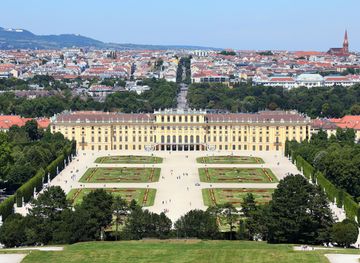
Discover Austria's blend of alpine landscapes, rich cultural heritage, and culinary delights, from Vienna's historic charm to Tyrol's dramatic beauty.
Explore Austria