

Free Flachgau Travel Guide & Mobile App
Explore Flachgau with free travel guides. Discover regional history, expert tips, proposed trips, and audio guides on web or mobile app.


Explore Flachgau in Austria for lake swimming, riverside history, rural cycling, market towns and easy access to Salzburg’s northern countryside.
Read more about Flachgau
When is the best time to visit Flachgau?
Best: June–August · 22–24°C| Month | High (°C) | Rainfall (mm) |
|---|---|---|
| January | 2 | 50 |
| February | 3 | 40 |
| March | 8 | 50 |
| April | 13 | 60 |
| May | 18 | 70 |
| June (best) | 22 | 90 |
| July (best) | 24 | 100 |
| August (best) | 23 | 90 |
| September | 20 | 70 |
| October | 14 | 60 |
| November | 7 | 60 |
| December | 3 | 50 |
Getting to and around Flachgau
How to get there
Transportation
Top city travel guides in Flachgau
The cities of Flachgau, and the easiest places to base yourself.

Swipe for more cities
Destinations in Flachgau
Resorts, valleys and scenic spots worth a trip of their own.
-
-


Swipe for more destinations
Best attractions in Flachgau
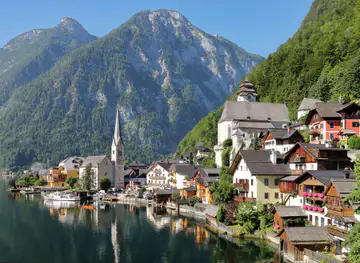
Flachgau’s attractions are spread across a lowland landscape of lakes, river settlements, market towns and working countryside. The Wallersee and the Trumer Seen provide opportunities for swimming, boating, walking and cycling, with lakeside paths and meadow landscapes that are especially appealing in warmer months. Historic interest centres on places such as Mattsee, whose collegiate monastery and museums reflect the region’s ecclesiastical past, and Oberndorf, associated with the first performance of “Silent Night”. In Großgmain, the Salzburg Open-Air Museum presents historic rural buildings relocated from across the Salzburg region, giving visitors an accessible introduction to traditional construction, farming and village life. Bürmoos offers a different perspective through its industrial and peat-mining history. Churches, farmsteads, local museums and small town centres fill out the cultural landscape, while the Salzach provides riverside walking and cycling opportunities. Flachgau is less about a single headline attraction than about the contrast between accessible lakes, agricultural settlements, historic institutions and the expanding communities around Salzburg.
-
Fortress Hohensalzburg
Explore the historic Fortress Hohensalzburg in Salzburg, a majestic medieval fortress with stunning views, rich history, and captivating museums.
-
Castle
Schloss Hellbrunn
Experience the charm of Salzburg at Schloss Hellbrunn, a magnificent castle with enchanting gardens and intriguing trick fountains.
-
Zoo
Salzburg Zoo Hellbrunn
Experience the captivating Salzburg Zoo Hellbrunn, home to diverse wildlife and beautiful gardens, perfect for families and nature lovers.
-
Tourist attraction
Salzburg Cathedral
Explore the grandeur of Salzburg Cathedral, a magnificent Baroque masterpiece rich in history and architectural beauty in the heart of Salzburg.


Best landmarks in Flachgau
Mattsee Collegiate Church and its associated monastic complex are among Flachgau’s most important historic landmarks, expressing the long influence of Salzburg’s ecclesiastical institutions on the northern lowlands. In Oberndorf, the Silent Night Chapel marks the site associated with the first performance of the carol in 1818 and has become the district’s best-known international cultural symbol. The Salzach itself is a major geographical landmark, particularly around Oberndorf, where the river’s historic relationship with the neighbouring Bavarian town of Laufen is visible in the settlement pattern and bridges; Laufen is outside Austria and should be treated as a nearby cross-border place rather than part of Flachgau. The lakes form a second group of defining landmarks: Wallersee, Obertrumer See, Mattsee and Grabensee shape the region’s identity through open water, reed beds and wooded shores. In Großgmain, the historic rural buildings assembled at the Salzburg Open-Air Museum offer an architectural record of the wider Salzburg countryside within the district.
-
Fortress
Fortress Hohensalzburg
Visit Fortress Hohensalzburg, a historical landmark in Salzburg, showcasing medieval architecture and breathtaking views of the city and Alps.
-
Castle
Mirabell Palace
Experience the baroque elegance of Mirabell Palace in Salzburg, a historical gem surrounded by enchanting gardens and rich cultural heritage.
-
Tourist attraction
Schloss Hellbrunn
Explore the enchanting Schloss Hellbrunn, a captivating palace and park in Salzburg, renowned for its whimsical fountains and stunning gardens.
-
Museum
Mozart's Birthplace
Experience the birthplace of Mozart in Salzburg, where history, music, and culture harmoniously blend in a captivating museum.


Explore Flachgau on the map
Plan your trip on one map. See where the top cities, national parks and sights are, and book hotels and experiences in a few clicks.
Best hotels in Flachgau
Best restaurants in Flachgau
Dining in Flachgau reflects northern Salzburg’s blend of Alpine, lakeside and agricultural traditions. Country inns and village restaurants commonly serve Austrian staples such as schnitzel, dumplings, roast dishes, soups and seasonal vegetables, alongside regional bread and pastries. Dairy products are important in the surrounding farming economy, and freshwater fish may appear on menus around the lakes, although availability is seasonal and varies by establishment. Farm shops and local markets are useful for cheese, meat, eggs, baked goods, preserves and other produce to enjoy on a walk or picnic. Around Mattsee, Seekirchen, Oberndorf and the larger communities, visitors will find cafés and contemporary restaurants as well as traditional inns. Salzburg city, outside Flachgau, offers the broadest choice of international and fine dining, but the district itself rewards travellers who seek informal meals, local ingredients and the slower rhythm of a rural Austrian dining room.
-
Austrian
Sternbräu
Experience authentic Austrian dining at Sternbräu in Salzburg – where tradition meets taste in every bite.
-
Austrian
Bärenwirt
Discover the heart of Austrian cuisine at Bärenwirt - where tradition meets taste in the scenic beauty of Salzburg.
-
Restaurant
Zum Zirkelwirt
Experience authentic Austrian cuisine at Zum Zirkelwirt in Salzburg—where tradition meets flavor in every dish.
-
Austrian
Braurestaurant IMLAUER
Experience authentic Austrian cuisine at Braurestaurant IMLAUER in Salzburg - a blend of tradition and taste awaits you.


Best bars in Flachgau
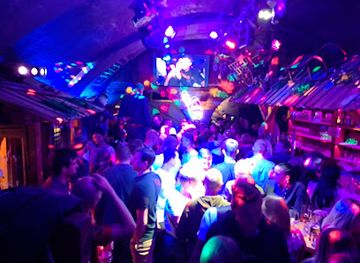
Evening life in Flachgau is generally modest and local rather than organised around a large club scene. Traditional inns, village cafés and bars provide the main settings for a drink or a meal, with the strongest choice in larger towns such as Seekirchen, Neumarkt and Oberndorf. Lakeside communities can feel more active during the summer bathing season, although nightlife remains dependent on local events and individual businesses. Bürmoos and other northern settlements have a community-oriented evening culture, while younger visitors and those seeking theatres, concert venues, cocktail bars or nightclubs usually travel into Salzburg city, which lies outside the district. Regional breweries and Austrian drinks may feature on menus, but alcohol is not central to every evening; a lakeside walk, a village restaurant or a cultural visit can be equally characteristic ways to spend the night.
-
Bar
Monkeys cafe bar cityoasis
Experience the vibrant social scene at Monkeys Cafe Bar in Salzburg, where cocktails, a lush garden, and a lively atmosphere await you.
-
Cocktail bar
Darwin's Cafe Bar
Experience the vibrant atmosphere and innovative cocktails at Darwin's Cafe Bar, a must-visit destination in Salzburg for relaxation and socializing.
-
Irish pub
Murphy's Law Irish Pub
Experience the charm of Ireland right in Salzburg at Murphy's Law Irish Pub, where authentic cuisine, drinks, and music come together.
-
Irish pub
O'Malley's Irish Pub
Discover O'Malley's Irish Pub in Salzburg – a vibrant blend of Irish culture, hearty food, and live music in a welcoming atmosphere.


Best nightclubs in Flachgau
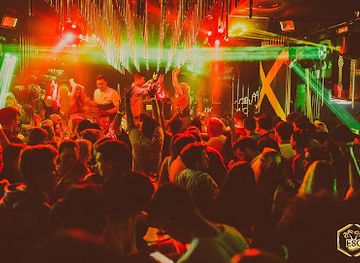
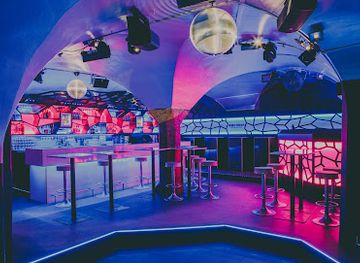
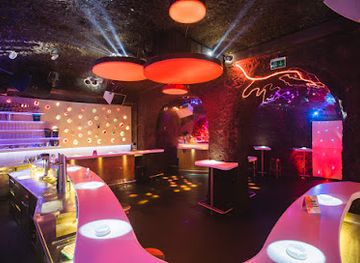
Evening life in Flachgau is generally modest and local rather than organised around a large club scene. Traditional inns, village cafés and bars provide the main settings for a drink or a meal, with the strongest choice in larger towns such as Seekirchen, Neumarkt and Oberndorf. Lakeside communities can feel more active during the summer bathing season, although nightlife remains dependent on local events and individual businesses. Bürmoos and other northern settlements have a community-oriented evening culture, while younger visitors and those seeking theatres, concert venues, cocktail bars or nightclubs usually travel into Salzburg city, which lies outside the district. Regional breweries and Austrian drinks may feature on menus, but alcohol is not central to every evening; a lakeside walk, a village restaurant or a cultural visit can be equally characteristic ways to spend the night.
-
Disco club
City Beats
Experience the electrifying nightlife of Salzburg at City Beats, where every night is a celebration of music, dance, and fun.
-
Disco club
Half Moon Club
Discover the vibrant nightlife at Half Moon Club, Salzburg's premier disco club blending bar and lounge vibes for an unforgettable experience.
-
Disco club
Soda Club
Experience the vibrant nightlife of Salzburg at Soda Club, a premier disco club offering energetic music and a lively atmosphere.
-
Night club
City Alm
Experience the vibrant nightlife of Salzburg at City Alm, the ultimate night club and bar for unforgettable evenings.
Best shops in Flachgau
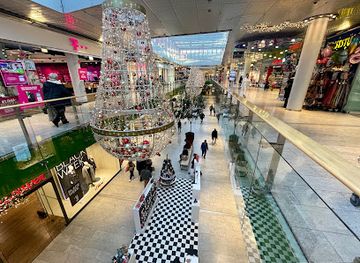
Shopping in Flachgau is centred on practical town centres, local services, independent retailers and food rather than extensive luxury or designer districts. Seekirchen, Neumarkt, Oberndorf and other larger settlements have everyday high-street shops, cafés and markets, while Salzburg city outside the district provides the most extensive regional retail choice. Farm shops are particularly worthwhile for Salzburg-area dairy products, bread, smoked or cured foods, preserves and seasonal produce, although opening arrangements vary. Around the lakes, small businesses may sell outdoor goods, locally made items and simple holiday supplies. Mattsee and other historic centres are suitable for browsing craft, gift and gallery-style shops when available, while museums and cultural sites can provide books and regionally themed souvenirs. Visitors looking for durable souvenirs should consider food products, traditional craftwork or locally designed items rather than generic Alpine merchandise, and should carry cash for some smaller producers and market stalls.
-
Shopping mall
Europark Salzburg
Discover Europark Salzburg: Your ultimate shopping destination with a variety of stores, dining, and entertainment options in the heart of the city.
-
Shopping mall
EUROPARK - Salzburg
Experience the best of shopping, dining, and entertainment at Europark, Salzburg's ultimate shopping destination for tourists and locals alike.
-
Outlet mall
Designer Outlet Salzburg
Discover incredible savings and a delightful shopping experience at the Designer Outlet Salzburg, home to top brands and scenic beauty.
-
Shopping mall
Forum 1
Discover the best shopping experience in Salzburg at Forum 1, featuring diverse retail, dining, and entertainment options.


Get your free copy of our complete guide to Flachgau, delivered straight to you.
Everything on this page, from attractions and restaurants to essentials and local phrases, in one PDF you can read offline, print or share.
Already have an account? Sign in
Your Flachgau guide is ready.
We'll send it to · Not you? Sign out

Getting your guide ready…
We are putting together a fresh copy of the Flachgau guide. This can take up to a minute.
This can take a few moments. If your browser asks, choose Allow so the download can start. You'll find the guide in your Downloads folder.
Nothing happened? Download it again
Sorry, the guide is taking longer than usual. Please try again in a minute, or get it by email instead.
Flachgau essentials
Currency and Payment
Safety
Emergency Situations
Do's and Don'ts
Local Tips
From Eve
Local phrases worth knowing
You don't need to get them perfect. A few words go a long way, and locals appreciate the effort.
Basics
| English | Local | Say it |
|---|---|---|
| Hello | Grüß Gott | [Groos Got] |
| Goodbye | Auf Wiedersehen | [Owf Veederzayn] |
| Yes | Ja | [Yah] |
| No | Nein | [Nayn] |
| Please/You're welcome | Bitte | [Bitt-eh] |
| Thank you | Danke | [Dahn-keh] |
| Excuse me/Sorry | Entschuldigung | [Ent-shool-dee-goong] |
| How are you? | Wie geht's? | [Vee gates?] |
| Fine. And you? | Gut. Und dir? | [Goot. Oond deer?] |
| Do you speak English? | Sprechen Sie Englisch? | [Shprecken Zee English?] |
| I don't understand | Ich verstehe nicht | [Ikh fershteh nikht] |
Eating & Drinking
| English | Local | Say it |
|---|---|---|
| I'd like to see the menu, please | Ich hätte gerne die Speisekarte, bitte | [Ikh hetta gern-eh dee Shpyze-kart-eh, bitt-eh] |
| I don't eat meat | Ich esse kein Fleisch | [Ikh ess-eh kyan Flesh] |
| Cheers! | Prost! | [Prohst!] |
| I would like to pay, please | Ich möchte bezahlen, bitte | [Ikh moechte beh-zahlen, bitt-eh] |
Emergencies
| English | Local | Say it |
|---|---|---|
| Help! | Hilfe! | [Hil-feh!] |
| Go away! | Geh weg! | [Gay vek!] |
| Call the Police! | Rufen Sie die Polizei! | [Roofen Zee dee Polizei!] |
| Call a doctor! | Rufen Sie einen Arzt! | [Roofen Zee eye-nen Artzt!] |
| I'm lost | Ich habe mich verlaufen | [Ikh hab-eh mikh fer-lau-fen] |
| I'm ill | Ich bin krank | [Ikh bin krank] |
Shopping
| English | Local | Say it |
|---|---|---|
| I'd like to buy... | Ich möchte kaufen... | [Ikh moechte kau-fen...] |
| I'm just looking | Ich schaue nur | [Ikh shau-eh noor] |
| How much is it? | Wie viel kostet es? | [Vee feel kost-et es?] |
| That's too expensive | Das ist zu teuer | [Das ist tsoo toy-er] |
| Can you lower the price? | Könnten Sie den Preis senken? | [Kern-ten Zee den Price senken?] |
Time & Numbers
| English | Local | Say it |
|---|---|---|
| What time is it? | Wie spät ist es? | [Vee shpayt ist es?] |
| It's one o'clock | Es ist ein Uhr | [Es ist ine Oor] |
| Half past (10) | Halb (10) | [Halb (10)] |
| Morning | Morgen | [Mor-gen] |
| Afternoon | Nachmittag | [Nahkh-mit-tahg] |
| Evening | Abend | [Ah-bent] |
| Yesterday | Gestern | [Gest-ern] |
| Today | Heute | [Hoy-teh] |
| Tomorrow | Morgen | [Mor-gen] |
| 1 | Eins | [Eyns] |
| 2 | Zwei | [Zvy] |
| 3 | Drei | [Dry] |
| 4 | Vier | [Veer] |
| 5 | Fünf | [Fünf] |
| 6 | Sechs | [Zex] |
| 7 | Sieben | [Zee-ben] |
| 8 | Acht | [Aht] |
| 9 | Neun | [Noyn] |
| 10 | Zehn | [Tsehn] |
Transport & Directions
| English | Local | Say it |
|---|---|---|
| Where's a/the...? | Wo ist ein/das...? | [Vo ist ine/das...?] |
| What's the address? | Was ist die Adresse? | [Vas ist dee Adresse?] |
| Can you show me (on the map)? | Könnten Sie mir (auf der Karte) zeigen? | [Kern-ten Zee meer (owf der Kart-eh) zay-gen?] |
| When's the next (bus)? | Wann fährt der nächste (Bus)? | [Vann fer-t der naych-stuh (Boos)?] |
| A ticket (to ....) | Ein Ticket (nach ....) | [Ine Ticket (nahkh ....)] |
History of Flachgau
Celtic and Roman Settlement
The lowlands north of Salzburg formed part of a long-settled landscape before the modern region existed. Celtic communities occupied the Salzach basin and surrounding lake country, and Roman rule later brought the area into the province of Noricum. Juvavum, the Roman settlement that developed into Salzburg city just south of Flachgau, was an important regional centre connected to roads, agriculture and river transport. Although many traces are archaeological rather than monumental, the Roman period established patterns of settlement and communication that continued to influence the northern Salzburg landscape.
Christianisation and the Salzburg Church
From late antiquity onwards, Christian institutions shaped the region’s political and cultural development. Salzburg’s archbishops and monasteries administered land, encouraged settlement and established parish networks across the northern lowlands. Mattsee became particularly important through its collegiate monastery, whose origins reach back to the early medieval period. Churches and ecclesiastical estates remained prominent features of Flachgau for centuries, and the distribution of villages, farms and parish centres still reflects this period of religious and territorial organisation.
Medieval Market and River Settlements
During the Middle Ages, the Salzach was both a transport route and a political boundary. Oberndorf and Laufen, now divided between Austria and Germany, developed as a connected river settlement with commercial importance. Market towns elsewhere in Flachgau served farming communities and linked the lake districts with Salzburg. Trade in agricultural goods, timber and other regional products supported local growth, while roads and river crossings helped bind the district to the archiepiscopal capital.
The Archiepiscopal State and Its End
For many centuries, Flachgau belonged to the ecclesiastical principality governed by the archbishops of Salzburg. Their authority extended beyond religious matters to taxation, landholding, law and fortified or representative buildings. The end of the archbishopric during the Napoleonic era brought rapid political change, with Salzburg passing through different administrations before becoming part of the Austrian Empire. These changes altered the region’s governing framework but left its churches, estates and settlement pattern largely intact.
Salzburg’s Incorporation into Austria, 1816
Salzburg became part of the Austrian Empire in 1816 after the territorial rearrangements that followed the Napoleonic Wars. This marked the beginning of the region’s long-term integration into the Austrian state, although local identity continued to be shaped by Salzburg’s distinctive history and dialect. New administrative arrangements, improved roads and later railways strengthened links between Flachgau’s villages, market towns and the city of Salzburg, encouraging trade and greater movement of people.
Silent Night and Oberndorf, 1818
The Christmas carol “Silent Night” was first performed in Oberndorf in 1818. It was written by the local priest Joseph Mohr, with music by Franz Xaver Gruber, who worked as a teacher and organist in nearby Arnsdorf. The original parish church was later damaged by flooding and demolished, and the Silent Night Chapel now commemorates the event. The carol subsequently spread internationally, giving Oberndorf a cultural significance far beyond its size and linking the Salzach town with a global Christmas tradition.
Industry, Peat and Railway Connections
The nineteenth and twentieth centuries brought industrial change to parts of Flachgau. Bürmoos developed around glassmaking and peat extraction, industries that used local resources and created employment beyond traditional farming. Railway construction connected the northern district more closely with Salzburg and the wider Austrian network, supporting commuting, trade and the movement of goods. Some industrial traces survive in local museums and town histories, providing a counterpoint to the region’s better-known lakes, churches and rural landscapes.
Suburban Growth and a Regional Landscape
After the Second World War, Flachgau experienced strong population growth as Salzburg expanded beyond its municipal boundary. Towns such as Eugendorf, Seekirchen and Hallwang became increasingly connected to the city through commuting, housing and commerce, while farming continued in the surrounding countryside. This mixture of suburban development, active agriculture, lake recreation and historic villages defines much of contemporary Flachgau. The district is therefore not simply a rural retreat but a changing part of the Salzburg metropolitan area.
Flachgau in Photos
Browse through our photo collection highlighting the charm and character of the destination.
Neighbouring regions of Flachgau
The closest regions to Flachgau, if you have time for more than one.
-
-

-

-

-


Swipe for more regions
Explore more
Explore more of Austria
Discover Austria's blend of alpine landscapes, rich cultural heritage, and culinary delights, from Vienna's historic charm to Tyrol's dramatic beauty.
Explore Austria