

Free Tennengau Travel Guide & Mobile App
Explore Tennengau with free travel guides. Discover regional history, expert tips, proposed trips, and audio guides on web or mobile app.


Explore Tennengau in Austria for Celtic salt heritage, Hallein's old town, limestone gorges, Alpine valleys and mountain walking near Salzburg.
Read more about Tennengau
When is the best time to visit Tennengau?
Best: June–August · 23–26°C| Month | High (°C) | Rainfall (mm) |
|---|---|---|
| January | 2 | 50 |
| February | 4 | 55 |
| March | 8 | 60 |
| April | 14 | 65 |
| May | 19 | 70 |
| June (best) | 23 | 75 |
| July (best) | 26 | 80 |
| August (best) | 25 | 80 |
| September | 20 | 75 |
| October | 14 | 70 |
| November | 8 | 65 |
| December | 3 | 60 |
Getting to and around Tennengau
How to get there
Transportation
Top city travel guides in Tennengau
The cities of Tennengau, and the easiest places to base yourself.

Swipe for more cities
Destinations in Tennengau
Resorts, valleys and scenic spots worth a trip of their own.
-

-
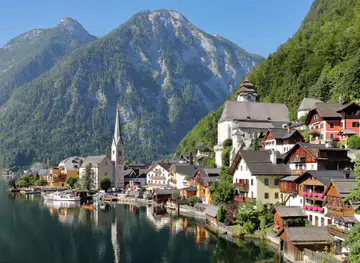
-
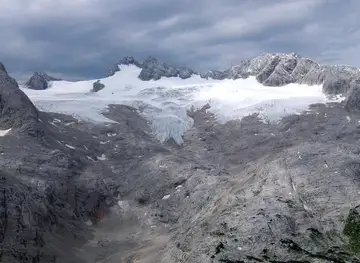
-

-
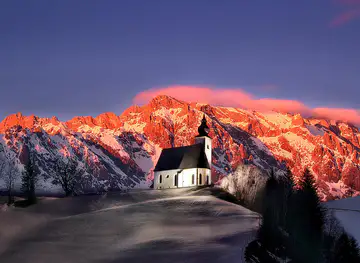


Swipe for more destinations
Best attractions in Tennengau
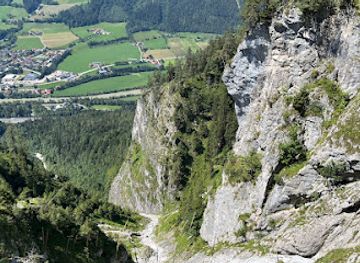
Tennengau's attractions range from underground industrial heritage to limestone scenery. In Hallein, the Celtic Museum explains the area's prehistoric salt economy and the Dürrnberg salt mine provides a long-established visitor route through the region's mining history. The town's old streets and riverside setting add a cultural dimension without requiring a large urban itinerary. Around Golling, the waterfall is reached on a wooded path, while Golling Castle introduces the medieval history of the Salzach corridor. The Bluntautal offers gentle valley walking beneath steep mountain walls, and the Salzachöfen near Golling is a dramatic gorge shaped by the river. The Lammerklamm in Scheffau is another notable natural attraction, with walkways following the narrow cleft of the Lammer River. Adnet's geological heritage, rural museums and stoneworking tradition add interest for travellers who look beyond the principal sights. Abtenau and the surrounding Lammertal provide access to mountain pastures, hiking routes and winter recreation, with activities varying according to weather and season. Across the region, the appeal lies in the close succession of villages, historic sites, gorges, farms and Alpine landscapes rather than in one concentrated resort.
-
Tourist attraction
Schloss Hellbrunn
Explore the magical gardens and trick fountains of Schloss Hellbrunn, a baroque masterpiece nestled in the heart of Salzburg's scenic landscape.
-
Historical landmark
The Eagle's Nest
Visit The Eagle's Nest for breathtaking views and a rich historical experience in the Bavarian Alps, a must-see landmark near Berchtesgaden, Germany.
-
Tourist attraction
Salzburg Zoo Hellbrunn
Experience the magic of wildlife at Salzburg Zoo Hellbrunn, where nature and conservation come together in a stunning setting.
-
Tourist attraction
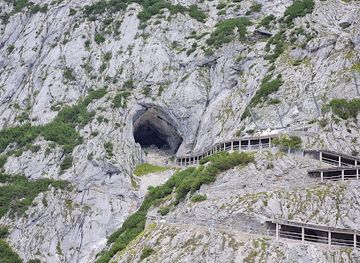
Eisriesenwelt
Explore Eisriesenwelt, the largest ice cave in the world, where nature's frozen beauty awaits in the stunning Austrian Alps.
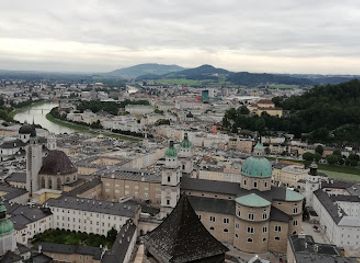

Best landmarks in Tennengau
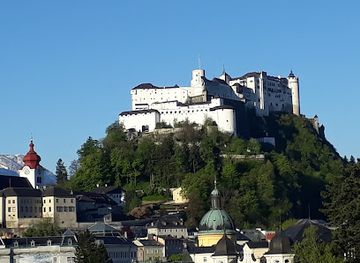
Hallein's historic centre is Tennengau's most important urban landmark ensemble, with narrow streets and buildings shaped by centuries of salt production and trade. Above it, the Dürrnberg landscape and its mine are powerful reminders of the resource that supported the town and the Salzburg archbishops. Golling Castle occupies a prominent position above the Salzach corridor and represents the defensive and administrative role of the settlement in the medieval period. The Golling waterfall is a natural landmark as well as a popular walking destination, dropping through a wooded setting below the surrounding limestone mountains. The Lammerklamm near Scheffau is defined by the river's narrow passage through rock, while the Salzachöfen expresses the erosive force of the main valley river. Adnet's red limestone is a geological and cultural landmark, visible through local quarrying traditions and architectural use. In the southern district, the high valleys and mountain silhouettes around Abtenau provide a broader landscape landmark: open pastures and wooded slopes contrast with the dense settlement of the Salzach valley and show how strongly Tennengau's identity changes with elevation.
-
Fortress
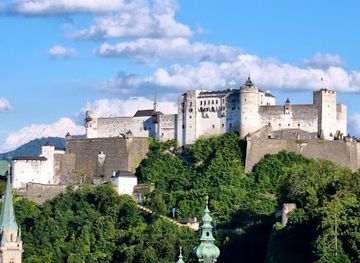
Fortress Hohensalzburg
Explore a medieval fortress with panoramic views, museums, and historical insights in the heart of Salzburg, Austria.
-
Castle
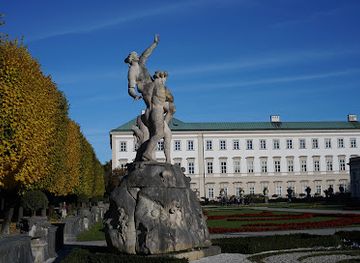
Mirabell Palace
Discover the Baroque splendor of Mirabell Palace and its enchanting gardens in Salzburg, a historic landmark famed for its architecture, musical heritage, and 'Sound of Music' legacy.
-
 Tourist attraction
Schloss Hellbrunn
Discover the magic of Schloss Hellbrunn: a Baroque palace with world-famous trick fountains and stunning gardens just outside Salzburg.
-
Museum
Mozart's Birthplace
Explore the early life of a musical prodigy at Mozart's Birthplace, a meticulously preserved museum in the heart of Salzburg's Old Town.
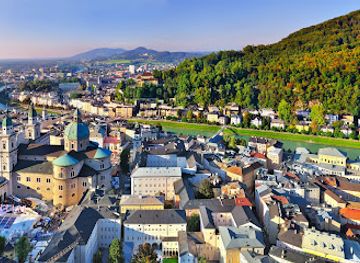
Explore Tennengau on the map
Plan your trip on one map. See where the top cities, national parks and sights are, and book hotels and experiences in a few clicks.
Best hotels in Tennengau
Best restaurants in Tennengau
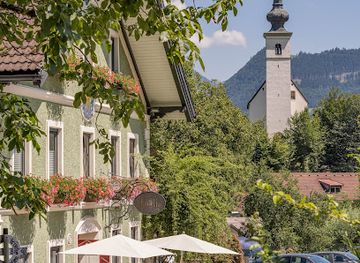
Tennengau's food reflects Salzburg's Alpine traditions and the region's farming landscape. Traditional inns serve dishes such as dumplings, soups, roast meats and seasonal game, while dairy products, bread and pastries are important parts of everyday local food culture. Around Hallein and Golling, visitors will find the broadest choice of cafés, restaurants and historic-style inns; in smaller villages, dining is more closely tied to individual guesthouses, farms and mountain huts. Local producers and farm shops are useful for cheese, cured meats, bread, honey and other provisions for walking trips. The region is not defined by a single dish, but by the combination of pasture-based dairy farming, Austrian baking, seasonal ingredients and hearty cooking suited to the climate. Mountain huts generally offer simple, filling meals rather than extensive menus, and opening arrangements can be seasonal. Salzburg's wider specialities are widely available, but travellers can also seek out products linked to Tennengau's farms and valleys, particularly when visiting markets or rural producers.
-
Restaurant
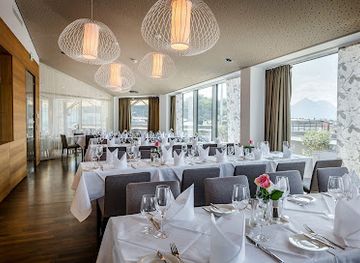
IMLAUER Sky - Bar & Restaurant in Salzburg
Discover fine dining with stunning panoramic views at IMLAUER Sky - Bar & Restaurant in Salzburg.
-
Restaurant
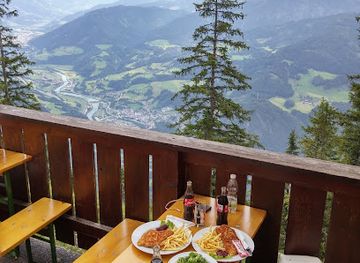
Dr. Oedl Schutzhaus
Experience authentic Austrian cuisine amidst stunning alpine views at Dr. Oedl Schutzhaus in Werfen.
-
European
K2 Restaurant Cafe
Experience authentic Austrian cuisine at K2 Restaurant Cafe in St. Martin am Tgb—where tradition meets taste.
-
Restaurant
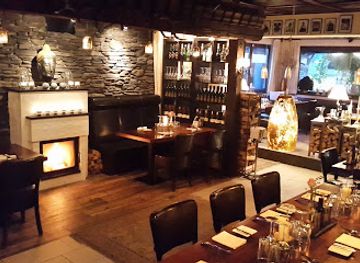
Gasthof Abfalter
Discover authentic Austrian cuisine and warm hospitality at Gasthof Abfalter in Golling an der Salzach.
Best bars in Tennengau
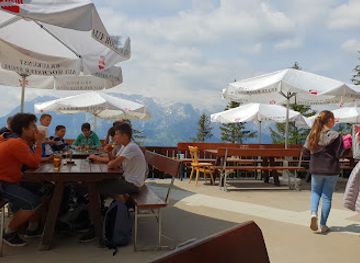
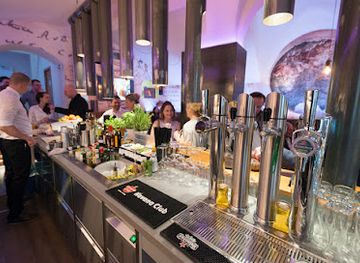
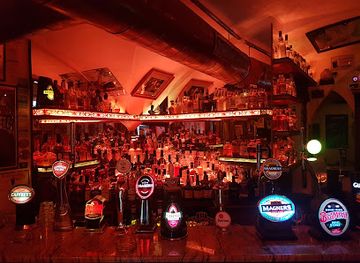
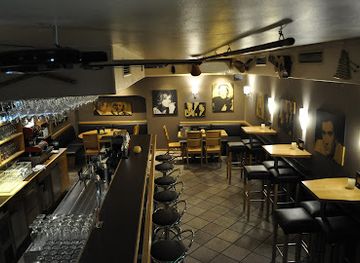
Evenings in Tennengau are generally centred on traditional inns, hotel bars, cafés and local meeting places rather than a large nightclub scene. Hallein has the widest choice of places for a drink after visiting its museums, with a mixture of contemporary cafés, restaurants and established public houses in and around the old town. Golling and Abtenau offer a smaller evening scene, often connected to inns, accommodation businesses and seasonal tourism. In rural communities, nightlife may consist of a meal, a quiet drink or occasional live music rather than late-night entertainment. Visitors should expect earlier closing patterns outside the main towns and should check current arrangements locally. The region's evening character is best understood through its food, conversation and village hospitality, not as an extension of Salzburg's city nightlife.
-
Restaurant
Dr. Oedl Schutzhaus
Experience alpine dining at its best at Dr. Oedl Schutzhaus, where traditional cuisine meets stunning mountain views in Werfen, Austria.
-
Cocktail bar
Darwin's Cafe Bar
Discover the vibrant atmosphere of Darwin's Cafe Bar in Salzburg, where cocktails meet cozy charm in a beautiful garden setting.
-
Bar
The Salzburg Whiskey Museum - Bar
Experience the finest whiskeys in a cozy atmosphere at the Salzburg Whiskey Museum - Bar, a must-visit for whiskey enthusiasts in Austria.
-
Bar
StageBar Salzburg
Enjoy a lively night at StageBar Salzburg, where music, cocktails, and a welcoming atmosphere create unforgettable memories in the heart of the city.
Best nightclubs in Tennengau
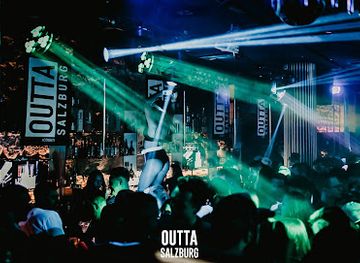
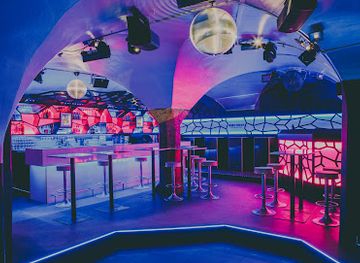
Evenings in Tennengau are generally centred on traditional inns, hotel bars, cafés and local meeting places rather than a large nightclub scene. Hallein has the widest choice of places for a drink after visiting its museums, with a mixture of contemporary cafés, restaurants and established public houses in and around the old town. Golling and Abtenau offer a smaller evening scene, often connected to inns, accommodation businesses and seasonal tourism. In rural communities, nightlife may consist of a meal, a quiet drink or occasional live music rather than late-night entertainment. Visitors should expect earlier closing patterns outside the main towns and should check current arrangements locally. The region's evening character is best understood through its food, conversation and village hospitality, not as an extension of Salzburg's city nightlife.
-
Disco club
City Beats
Discover the vibrant nightlife at City Beats, Salzburg's premier disco club with electrifying music and a lively atmosphere.
-
Disco club
Half Moon Club
Dive into Salzburg's nightlife at Half Moon Club, a premier disco club and lounge offering unforgettable dance and drink experiences.
-
Night club
City Alm
Experience the vibrant nightlife of Salzburg at City Alm, where eclectic music and lively atmosphere create unforgettable nights.
-
Disco club
Club G7 Salzburg
Unleash your night at Club G7 Salzburg, the ultimate disco haven for dance lovers seeking a vibrant nightlife experience.


Best shops in Tennengau
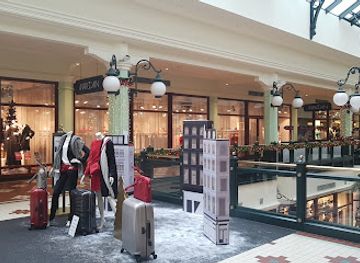
Shopping in Tennengau is concentrated in Hallein and the market towns of the Salzach valley, where independent shops, bakeries, cafés and everyday retailers serve local communities. Hallein's historic centre is the best place to browse small businesses alongside museums and restaurants, while Golling provides a more compact selection connected with its visitor economy. Farm shops and direct-sales outlets are valuable for regional food products such as cheese, bread, honey, cured goods and seasonal produce. In rural areas, opening times can be limited, so buying provisions during the day is sensible. Visitors interested in local material culture can look for crafts, woodwork, handmade goods and products associated with Alpine farming, while Adnet's distinctive red limestone provides a particularly regional connection, although quarry material is not a conventional souvenir. Larger-scale designer shopping is better sought outside Tennengau in Salzburg city; within the district, the emphasis is on useful local produce, independent retail and market-town character.
-
Shopping mall
Europark Salzburg
Experience shopping, dining, and entertainment at Europark Salzburg, Austria's premier shopping destination with over 150 stores and diverse dining options.
-
Outlet mall
Designer Outlet Salzburg
Discover unbeatable deals on top designer brands amidst the stunning scenery of Salzburg at the Designer Outlet Salzburg.
-
Tourist attraction
Eisriesenwelt
Discover the breathtaking Eisriesenwelt, the largest ice cave in the world, featuring stunning formations and unforgettable alpine adventures.
-
Shopping mall
Shopping Arena Alpenstraße
Discover Salzburg's Shopping Arena Alpenstraße, a vibrant hub of fashion, dining, and entertainment in the heart of the city.

Get your free copy of our complete guide to Tennengau, delivered straight to you.
Everything on this page, from attractions and restaurants to essentials and local phrases, in one PDF you can read offline, print or share.
Already have an account? Sign in
Your Tennengau guide is ready.
We'll send it to · Not you? Sign out

Getting your guide ready…
We are putting together a fresh copy of the Tennengau guide. This can take up to a minute.
This can take a few moments. If your browser asks, choose Allow so the download can start. You'll find the guide in your Downloads folder.
Nothing happened? Download it again
Sorry, the guide is taking longer than usual. Please try again in a minute, or get it by email instead.
Tennengau essentials
Currency and Payment
Safety
Emergency Situations
Do's and Don'ts
Local Tips
From Eve
Local phrases worth knowing
You don't need to get them perfect. A few words go a long way, and locals appreciate the effort.
Basics
| English | Local | Say it |
|---|---|---|
| Hello | Grüß Gott | [Grewss Gott] |
| Goodbye | Auf Wiedersehen | [Owf Veederzayn] |
| Yes | Ja | [Yah] |
| No | Nein | [Nayn] |
| Please/You're welcome | Bitte | [Bitta] |
| Thank you | Danke | [Dahnka] |
| Excuse me/Sorry | Entschuldigung | [Entshooldigung] |
| How are you? | Wie geht's? | [Vee gates?] |
| Fine. And you? | Gut. Und dir? | [Gooot. Oond deer?] |
| Do you speak English? | Sprechen Sie Englisch? | [Shprecken Zee English?] |
| I don't understand | Ich verstehe nicht | [Ish fershteh niht] |
Eating & Drinking
| English | Local | Say it |
|---|---|---|
| I'd like to see the menu, please | Ich hätte gerne die Speisekarte, bitte | [Ish hette gurneh dee Shpaizkarte, bitta] |
| I don't eat meat | Ich esse kein Fleisch | [Ish essuh kyan Flysh] |
| Cheers! | Prost! | [Prohst!] |
| I would like to pay, please | Ich möchte bezahlen, bitte | [Ish merchte betzalan, bitta] |
Emergencies
| English | Local | Say it |
|---|---|---|
| Help! | Hilfe! | [Hilfe!] |
| Go away! | Geh weg! | [Gay vek!] |
| Call the Police! | Rufen Sie die Polizei! | [Roofen Zee dee Polizai!] |
| Call a doctor! | Rufen Sie einen Arzt! | [Roofen Zee einen Artzt!] |
| I'm lost | Ich habe mich verirrt | [Ish habuh mikh ferirt] |
| I'm ill | Ich bin krank | [Ish bin krank] |
Shopping
| English | Local | Say it |
|---|---|---|
| I'd like to buy... | Ich möchte ... kaufen | [Ish merchte ... kauffen] |
| I'm just looking | Ich schaue nur | [Ish shauuh noor] |
| How much is it? | Wie viel kostet es? | [Vee feel kostet es?] |
| That's too expensive | Das ist zu teuer | [Das ist tsoo toyah] |
| Can you lower the price? | Könnten Sie den Preis senken? | [Kurnten Zee den Pryce senken?] |
Time & Numbers
| English | Local | Say it |
|---|---|---|
| What time is it? | Wie spät ist es? | [Vee shpayt ist es?] |
| It's one o'clock | Es ist ein Uhr | [Es ist ayn Oor] |
| Half past (10) | Halb (10) | [Halb (10)] |
| Morning | Morgen | [Morgn] |
| Afternoon | Nachmittag | [Nahchmitag] |
| Evening | Abend | [Aabend] |
| Yesterday | Gestern | [Gestern] |
| Today | Heute | [Hoyte] |
| Tomorrow | Morgen | [Morgn] |
| 1 | Eins | [Ayns] |
| 2 | Zwei | [Tsvai] |
| 3 | Drei | [Dry] |
| 4 | Vier | [Fear] |
| 5 | Fünf | [Fünf] |
| 6 | Sechs | [Zex] |
| 7 | Sieben | [Zee-bin] |
| 8 | Acht | [Acht] |
| 9 | Neun | [Noyn] |
| 10 | Zehn | [Tsen] |
Transport & Directions
| English | Local | Say it |
|---|---|---|
| Where's a/the...? | Wo ist ein/eine ...? | [Vo ist ayn/eena ...?] |
| What's the address? | Was ist die Adresse? | [Vas ist dee Adresse?] |
| Can you show me (on the map)? | Könnten Sie mir (auf der Karte) zeigen? | [Kurnten Zee meer (owf der Karte) tsaygen?] |
| When's the next (bus)? | Wann kommt der nächste (Bus)? | [Vann komt der nayshte (Boos)?] |
| A ticket (to ....) | Ein Ticket (nach ...) | [Ayn Ticket (nahch ...)] |
History of Tennengau
Prehistoric Salt on the Dürrnberg
The Dürrnberg above Hallein was a major prehistoric salt-producing area, with archaeological evidence showing that Celtic communities exploited its deposits during the Iron Age. Salt was valuable for preserving food and supporting long-distance exchange, and the settlement developed connections with a wider Alpine trading world. Burial sites, tools and other finds reveal a society with substantial wealth and complex cultural contacts. The Celtic Museum in Hallein presents this archaeological heritage, while the mine on the Dürrnberg demonstrates the geological resource that made the area important long before the modern Austrian state existed.
Roman Juvavum and the Salzach Corridor
After the Roman conquest of the Celtic kingdom of Noricum, the wider Salzburg basin became part of the Roman provincial system. Juvavum, located at present-day Salzburg outside Tennengau, was the principal urban centre, while the Salzach corridor connected settlements, farms and routes through the Alpine foothills. Roman influence brought new administrative structures, infrastructure and commercial connections to the region. Although many visible Roman remains are concentrated elsewhere in Salzburg province, Tennengau's later settlement pattern was helped by its position along this long-established north–south route.
Medieval Salzburg and the Salt Economy
During the Middle Ages, Tennengau became closely tied to the Prince-Archbishopric of Salzburg. The archbishops controlled important resources and routes, and salt from the Dürrnberg helped support their political authority and building campaigns. Hallein grew as a production and trading town, while castles, churches and administrative settlements developed along the Salzach and its tributary valleys. Golling Castle, associated with the defence and administration of the southern approach to Salzburg, remains a visible reminder of this period. The region's historic architecture reflects the influence of ecclesiastical government and salt wealth.
Hallein's Salt Industry and Town Development
Salt extraction remained central to Hallein's economy for centuries. Mining and brine production encouraged specialised work, trade and urban growth, while the Dürrnberg landscape was shaped by shafts, transport routes and associated settlements. Hallein's historic centre preserves the scale of a town that served an industrial and commercial function rather than merely a rural one. Industrial methods changed over time, and the salt works eventually ceased production in the modern era, but the town's museums and mining heritage continue to explain how a subterranean resource influenced Tennengau's society and economy.
Adnet Marble and Regional Craft Industries
The limestone quarries around Adnet became renowned for a red, patterned stone used in architectural details, sculpture and memorials. Known as Adnet marble, the material was worked over many centuries and travelled beyond the immediate district through Salzburg's building and artistic networks. Quarrying required specialist knowledge and linked Tennengau to the region's religious, civic and funerary architecture. The stone is a reminder that the district's historical economy was not based on salt alone: forestry, farming, stoneworking and transport all contributed to the settlement and cultural landscape.
Railways, Roads and Modern Mobility
The development of modern roads and the railway through the Salzach valley strengthened Tennengau's links with Salzburg and the southern Alpine regions. Hallein and Golling benefited from improved movement of people, goods and industrial products, while previously more isolated valleys became increasingly connected to markets and tourism. Transport also changed the balance between the valley settlements and mountain communities such as Abtenau. Today, the railway remains an important north–south corridor, while roads provide access to the region's gorges, villages and highland landscapes.
From Industrial District to Outdoor Destination
In the twentieth and twenty-first centuries, Tennengau diversified beyond traditional extraction and agriculture. Heritage interpretation, walking, cycling, winter sports and rural tourism became increasingly important, particularly around Golling, Scheffau and Abtenau. Hallein developed a cultural role through museums and the presentation of its salt and Celtic past, while smaller communities retained farming and forestry alongside visitor services. This transition has not erased the region's working landscape: its modern identity is built from the continuing interaction of historic industry, Alpine agriculture, transport and recreation.
Tennengau in Photos
Browse through our photo collection highlighting the charm and character of the destination.
Neighbouring regions of Tennengau
The closest regions to Tennengau, if you have time for more than one.
-

-

-

-

-


Swipe for more regions
Explore more
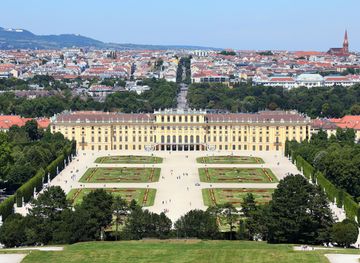
Explore more of Austria
Discover Austria's blend of alpine landscapes, rich cultural heritage, and culinary delights, from Vienna's historic charm to Tyrol's dramatic beauty.
Explore Austria