

Free Lavanttal Travel Guide & Mobile App
Explore Lavanttal with free travel guides. Discover regional history, expert tips, proposed trips, and audio guides on web or mobile app.


Explore Lavanttal in eastern Austria for abbeys, orchard landscapes, historic towns, mountain walks and authentic Carinthian food traditions.
Read more about Lavanttal
When is the best time to visit Lavanttal?
Best: June–August · 24–26°C| Month | High (°C) | Rainfall (mm) |
|---|---|---|
| January | 3 | 41 |
| February | 5 | 43 |
| March | 10 | 51 |
| April | 15 | 56 |
| May | 20 | 66 |
| June (best) | 24 | 77 |
| July (best) | 26 | 81 |
| August (best) | 25 | 79 |
| September | 21 | 70 |
| October | 15 | 61 |
| November | 8 | 56 |
| December | 3 | 50 |
Getting to and around Lavanttal
How to get there
Transportation
Best attractions in Lavanttal
Lavanttal’s attractions are spread through a working valley rather than concentrated in a single resort. Wolfsberg offers the regional museum in the Lavanthaus, a historic centre and access to Schloss Wolfsberg, while St Paul is home to the Benedictine abbey and its important artistic and book collections. St Andrä and the smaller valley settlements add churches, chapels and rural heritage, often best visited as part of a scenic drive or cycling itinerary. Above the valley, the Saualpe and Koralpe provide walking, mountain biking, winter sports and wide views across Carinthia and towards neighbouring Alpine ranges. The lower slopes are marked by orchards, farms and forest roads, with seasonal opportunities to discover local fruit cultivation and direct-sale produce. Families may prefer shorter woodland walks and accessible viewpoints, while experienced walkers can plan longer high-level routes after checking conditions. Cultural attractions, agricultural landscapes and outdoor recreation are closely connected here: a visit to an abbey or museum can readily be combined with a village inn, farm shop or valley walk.
-
Tourist attraction
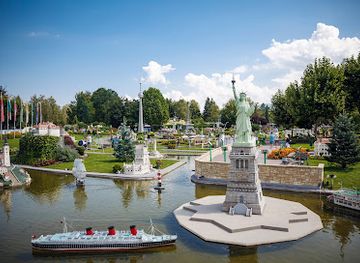
Minimundus
Discover Minimundus in Klagenfurt am Wörthersee, where the world's iconic landmarks come to life in stunning miniature form. A unique family-friendly attraction.
-
Tourist attraction
Freizeitanlagen Walderlebniswelt Klopeiner See
Experience the perfect blend of adventure and nature at Freizeitanlagen Walderlebniswelt Klopeiner See, a family-friendly amusement park in Austria.
-
Tourist attraction
Wolfsberg Castle
Explore the majestic Wolfsberg Castle, a medieval gem offering stunning views, rich history, and captivating exhibitions in the heart of Austria.
-
Tourist attraction
Werner Berg Museum
Discover the artistic legacy of Werner Berg at the Werner Berg Museum in Bleiburg, Austria, a remarkable destination for art lovers and cultural enthusiasts.
Best landmarks in Lavanttal
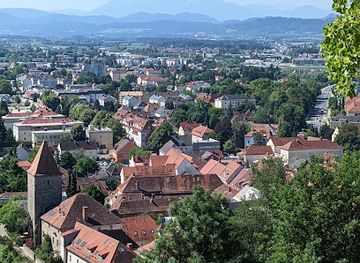
The most recognisable historic landmark in central Lavanttal is Schloss Wolfsberg, a castle associated with the town’s medieval and later administrative importance and set above the urban centre. Its presence helps explain Wolfsberg’s role as the valley’s principal settlement, even when access arrangements for the interior vary. St Paul Abbey is the region’s most significant ecclesiastical landmark: its substantial monastery complex, church and collections embody more than nine centuries of Benedictine history and form a powerful architectural focus in the southern valley. St Andrä’s churches and historic religious buildings reflect the former importance of the town as an ecclesiastical centre, while parish churches and wayside chapels throughout the valley preserve the visual character of rural Carinthia. The Lavant River itself is a geographical landmark, linking the settlements from the northern valley to the Drava near Lavamünd. Above it, the wooded ridges of the Saualpe and the broad high country of the Koralpe define Lavanttal’s skyline and provide its most enduring natural landmarks.
-
Stadium
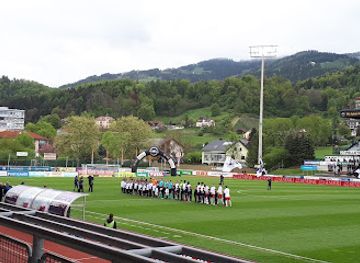
Lavanttal-Arena
Experience the thrill of live soccer at Lavanttal-Arena in Wolfsberg, Austria, where passion meets sportsmanship amidst breathtaking scenery.
-
Castle
Wolfsberg Castle
Discover the enchanting Wolfsberg Castle, a historic gem in Austria, boasting breathtaking views, rich history, and cultural events for every traveler.
-
Catholic church
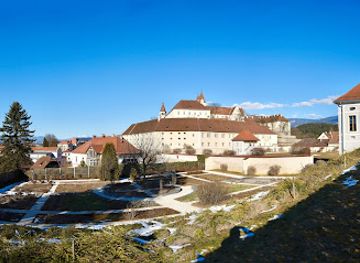
Saint Paul's Abbey, Lavanttal
Explore the historical and architectural wonders of Saint Paul's Abbey in Lavanttal, a serene retreat for spiritual seekers and culture enthusiasts alike.
-
Historical landmark
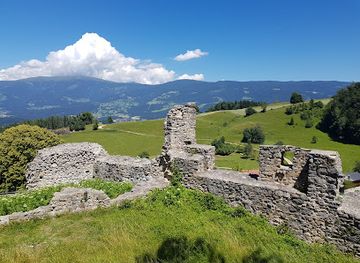
Rabenstein Castle
Discover the enchanting Rabenstein Castle, a historical landmark in Austria offering stunning architecture and breathtaking views amidst lush landscapes.
Explore Lavanttal on the map
Plan your trip on one map. See where the top cities, national parks and sights are, and book hotels and experiences in a few clicks.
Best hotels in Lavanttal
Best restaurants in Lavanttal
Dining in Lavanttal reflects eastern Carinthia’s rural landscape and the produce of its farms. Traditional inns and family-run restaurants commonly serve Austrian and Carinthian dishes such as dumplings, noodles, soups, seasonal game and hearty meat preparations, with menus changing according to local availability. Orchard fruit is an important regional theme, appearing as apples and pears, juices, preserves, cider-style drinks and schnapps; pumpkin products, cheeses, smoked meats and farmhouse breads are also found in local shops and direct-sales outlets. Wolfsberg and the larger settlements provide the broadest choice of cafés, bakeries and contemporary restaurants, while villages and mountain areas tend towards small inns and seasonal dining. Visitors should look for farm shops, weekly or seasonal markets and regional-produce signs rather than expecting a single signature dish. Portions and service styles vary, and rural kitchens may observe limited opening days, so checking ahead is useful when dining outside the main towns.
-
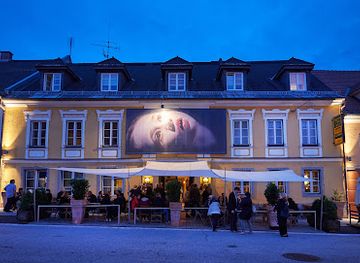
Restaurant
Brauhaus Breznik
Discover the heart of Bleiburg at Brauhaus Breznik—where delicious food meets exquisite craft beer in a charming setting.
-
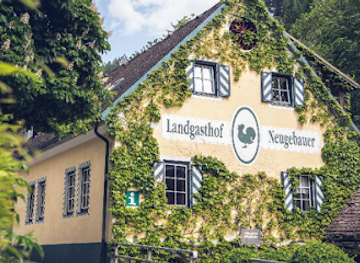
Restaurant
Landgasthof Neugebauer
Experience authentic Austrian cuisine and cozy accommodations at Landgasthof Neugebauer in picturesque Lölling.
-
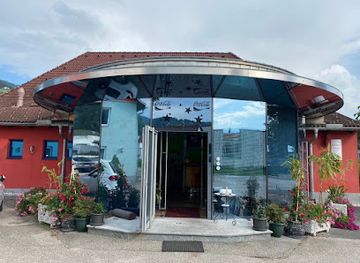
Chinese
Chinarestaurant „Zur Großen Mauer“
Discover the rich flavors of China at Chinarestaurant „Zur Großen Mauer“, where every dish tells a story.
-
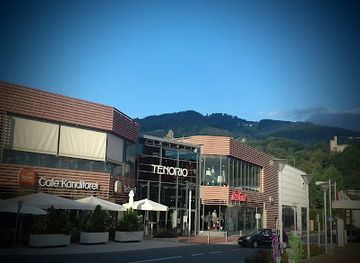
Restaurant
Graf's Gastronomy im Tenorio
Discover the culinary charm of Graf's Gastronomy im Tenorio in Wolfsberg - where tradition meets innovation in every dish.
Best bars in Lavanttal
Evenings in Lavanttal are centred more on traditional pubs, inns, cafés and restaurant dining than on a large nightclub scene. Wolfsberg has the broadest choice of places to meet for a drink, while St Paul, St Andrä and other market towns offer smaller local venues and occasional live music or cultural programmes. Rural nightlife tends to follow the rhythm of village events, seasonal celebrations and hospitality businesses rather than fixed entertainment districts. Austrian beer, wine, fruit juices and spirits from the surrounding agricultural area are available alongside non-alcoholic drinks, and some establishments provide a relaxed setting for conversation rather than late-night dancing. Visitors staying in mountain accommodation should plan their return journey carefully, as evening public transport is limited away from the main corridor and taxis may need to be booked in advance.
-
Restaurant
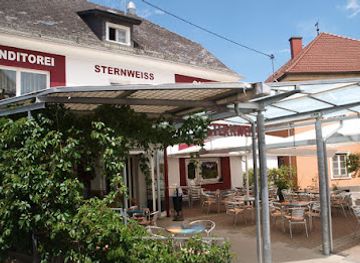
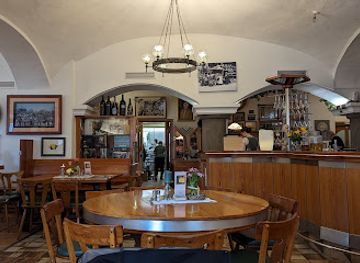
Gasthaus Café Konditorei Sternweiss
Discover the delightful flavors of Austria at Gasthaus Café Konditorei Sternweiss, where traditional cuisine meets sweet indulgence.
-
Restaurant
Gasthaus Poppmeier
Experience traditional Austrian cuisine at Gasthaus Poppmeier in Sankt Paul im Lavanttal, where local flavors meet warm hospitality.
-
Bar
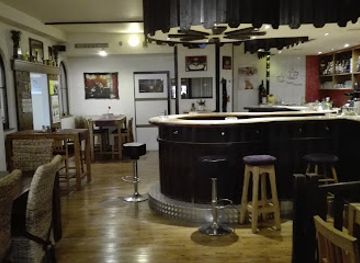
Bierbaron Völkermarkt
Experience the best of Völkermarkt's nightlife at Bierbaron, your go-to bar for an extensive selection of beers, cocktails, and wines.
-
Bar
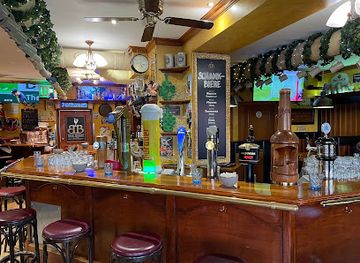
Canadian's Pub, Peter Mayer
Experience the vibrant atmosphere and delicious foods at Canadian's Pub, Sankt Andrä's top spot for food, drinks, and good company.
Best nightclubs in Lavanttal
Evenings in Lavanttal are centred more on traditional pubs, inns, cafés and restaurant dining than on a large nightclub scene. Wolfsberg has the broadest choice of places to meet for a drink, while St Paul, St Andrä and other market towns offer smaller local venues and occasional live music or cultural programmes. Rural nightlife tends to follow the rhythm of village events, seasonal celebrations and hospitality businesses rather than fixed entertainment districts. Austrian beer, wine, fruit juices and spirits from the surrounding agricultural area are available alongside non-alcoholic drinks, and some establishments provide a relaxed setting for conversation rather than late-night dancing. Visitors staying in mountain accommodation should plan their return journey carefully, as evening public transport is limited away from the main corridor and taxis may need to be booked in advance.
-
Night club
Tanzcafe-Discothek Stefanhof
Discover the pulsating nightlife at Tanzcafe-Discothek Stefanhof, a premier night club in Bleiburg, Austria, where music and dance come alive.
-
Night club
Villa De Luxe Klagenfurt Bar & Laufhaus
Discover the vibrant nightlife at Villa De Luxe Klagenfurt, a leading adult entertainment club and bar in Klagenfurt am Wörthersee.
-
Night club
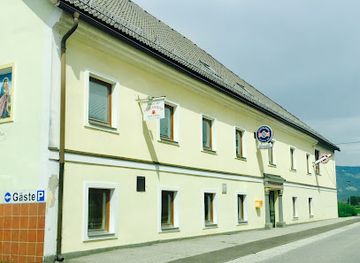
Nachtclub Pavillon
Discover the vibrant nightlife at Nachtclub Pavillon in Wolfsberg, where electrifying music and an energetic atmosphere await party enthusiasts.
-
Night club
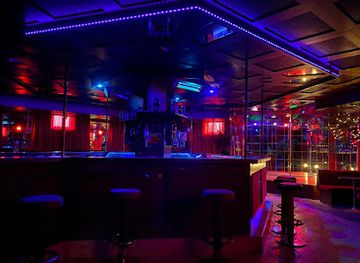
Nightclub - Pavillon
Discover vibrant nightlife at Pavillon Nightclub in Wolfsberg, where music, dancing, and an electrifying atmosphere await you.
Best shops in Lavanttal
Shopping in Lavanttal is led by Wolfsberg’s town centre, where visitors find everyday services, Austrian fashion and household retail alongside cafés, bakeries and independent businesses. Smaller market towns such as St Paul, St Andrä and Bad St Leonhard offer a more local scale, with traditional shops and practical supplies rather than extensive specialist retail. The most distinctive purchases are usually regional products: apple and pear juices, preserves, honey, pumpkin products, cheeses, smoked foods, baked goods and locally made spirits. Farm shops and direct-sales outlets are particularly useful for finding these items, although opening arrangements vary. Craft and gift shops, galleries and seasonal stalls may carry woodwork, ceramics, textiles and locally themed souvenirs, while abbey-related book or cultural retail is available around St Paul’s heritage institutions. Visitors should distinguish genuinely regional produce from generic Austrian souvenirs and keep fragile food or drink purchases in mind when travelling by air.
-
Shopping mall
Westfield Shopping City Süd
Explore Westfield Shopping City Süd: Austria's premier shopping destination with over 300 stores and diverse dining options.
-
Shopping mall
Westfield Donau Zentrum
Discover Vienna's largest shopping destination at Westfield Donau Zentrum, where fashion, dining, and entertainment come together in a vibrant atmosphere.
-
Tourist attraction
Zotter Schokolade
Explore the enchanting world of Zotter Schokolade, a famous chocolate factory offering unique flavors, tours, and tastings in the heart of Austria.
-
Shopping mall
G3 Shopping Resort Gerasdorf
Explore the G3 Shopping Resort Gerasdorf for an unparalleled shopping experience with diverse stores, delightful dining, and exciting events.

Get your free copy of our complete guide to Lavanttal, delivered straight to you.
Everything on this page, from attractions and restaurants to essentials and local phrases, in one PDF you can read offline, print or share.
Already have an account? Sign in
Your Lavanttal guide is ready.
We'll send it to · Not you? Sign out

Getting your guide ready…
We are putting together a fresh copy of the Lavanttal guide. This can take up to a minute.
This can take a few moments. If your browser asks, choose Allow so the download can start. You'll find the guide in your Downloads folder.
Nothing happened? Download it again
Sorry, the guide is taking longer than usual. Please try again in a minute, or get it by email instead.
Lavanttal essentials
Currency and Payment
Safety
Emergency Situations
Do's and Don'ts
Local Tips
From Eve
Local phrases worth knowing
You don't need to get them perfect. A few words go a long way, and locals appreciate the effort.
Basics
| English | Local | Say it |
|---|---|---|
| Hello | Hallo | [Hah-lo] |
| Goodbye | Auf Wiedersehen | [Owf Vee-der-zay-en] |
| Yes | Ja | [Yah] |
| No | Nein | [Nine] |
| Please/You're welcome | Bitte | [Bit-te] |
| Thank you | Danke | [Dahn-ke] |
| Excuse me/Sorry | Entschuldigung | [Ent-shool-dee-goong] |
| How are you? | Wie geht's dir? | [Vee gates deer?] |
| Fine. And you? | Gut. Und dir? | [Goot. Oond deer?] |
| Do you speak English? | Sprichst du Englisch? | [Spreekst doo Eng-lish?] |
| I don't understand | Ich verstehe nicht | [Ish fer-shtay-uh nikht] |
Eating & Drinking
| English | Local | Say it |
|---|---|---|
| I'd like to see the menu, please | Ich hätte gerne die Speisekarte, bitte | [Ish het-te gayr-nuh dee Shpie-ze-kar-teh, bit-te] |
| I don't eat meat | Ich esse kein Fleisch | [Ish ess-eh kine Flysh] |
| Cheers! | Prost! | [Prohst] |
| I would like to pay, please | Ich möchte bezahlen, bitte | [Ish mer-kte beh-tsah-len, bit-te] |
Emergencies
| English | Local | Say it |
|---|---|---|
| Help! | Hilfe! | [Hil-feh] |
| Go away! | Geh weg! | [Geh vek] |
| Call the Police! | Rufen Sie die Polizei! | [Roo-fen Zee dee Po-lee-tsai] |
| Call a doctor! | Rufen Sie einen Arzt! | [Roo-fen Zee eye-nen Artz] |
| I'm lost | Ich habe mich verlaufen | [Ish hah-beh mikh fer-lau-fen] |
| I'm ill | Ich bin krank | [Ish bin krank] |
Shopping
| English | Local | Say it |
|---|---|---|
| I'd like to buy... | Ich möchte kaufen... | [Ish mer-kte cow-fen] |
| I'm just looking | Ich schaue nur | [Ish shau-eh noor] |
| How much is it? | Wie viel kostet es? | [Vee feel kos-tet ess?] |
| That's too expensive | Das ist zu teuer | [Dahs ist tsoo toy-er] |
| Can you lower the price? | Kannst du den Preis senken? | [Kanst doo den Preis zen-ken?] |
Time & Numbers
| English | Local | Say it |
|---|---|---|
| What time is it? | Wie spät ist es? | [Vee shpaht ist ess?] |
| It's one o'clock | Es ist ein Uhr | [Ess ist ine Oor] |
| Half past (10) | Halb (zehn) | [Hahlb (tsayn)] |
| Morning | Morgen | [Mor-gen] |
| Afternoon | Nachmittag | [Nahk-mit-tahg] |
| Evening | Abend | [Ah-bent] |
| Yesterday | Gestern | [Gehs-tern] |
| Today | Heute | [Hoy-te] |
| Tomorrow | Morgen | [Mor-gen] |
| 1 | Eins | [Ine] |
| 2 | Zwei | [Tsvy] |
| 3 | Drei | [Dry] |
| 4 | Vier | [Feer] |
| 5 | Fünf | [Foonf] |
| 6 | Sechs | [Zex] |
| 7 | Sieben | [Zee-ben] |
| 8 | Acht | [Ahkt] |
| 9 | Neun | [Noyn] |
| 10 | Zehn | [Tsayn] |
Transport & Directions
| English | Local | Say it |
|---|---|---|
| Where's a/the...? | Wo ist ein/das...? | [Vo ist ine/dahs...?] |
| What's the address? | Wie lautet die Adresse? | [Vee lout-et dee Ah-dres-se?] |
| Can you show me (on the map)? | Kannst du mir (auf der Karte) zeigen? | [Kanst doo meer (owf der Kar-te) tsai-gen?] |
| When's the next (bus)? | Wann kommt der nächste (Bus)? | [Vahn komt der nay-sh-te (Boos)?] |
| A ticket (to ....) | Ein Ticket (nach....) | [Ine Ti-ket (nahkh....)] |
History of Lavanttal
Early settlement and Roman-era connections
The Lavant Valley has been used for settlement and movement since prehistoric times, benefiting from fertile valley-floor land and routes linking the eastern Alps with Carinthia and neighbouring regions. Archaeological evidence from the wider valley indicates activity before Roman rule, while the Roman period brought the area into a more organised network of roads, estates and rural production. Lavanttal was not a major imperial city, but its transport corridors and agricultural resources connected local communities with larger centres elsewhere in Carinthia. The valley’s later settlement pattern continued to follow the river, side valleys and usable passes.
Medieval settlement and the rise of Wolfsberg
During the Middle Ages, Lavanttal developed within the political world of the Duchy of Carinthia and the wider Holy Roman Empire. Churches, manorial estates and fortified positions helped control land, routes and agricultural production. Wolfsberg grew as an important settlement in the central valley, while the surrounding communities became linked to regional lords, ecclesiastical institutions and market networks. The town’s castle and historic churches reflect this period of consolidation. Medieval development also established many of the boundaries between valley settlements and upland farming areas that remain visible in the region’s geography.
The foundation and influence of St Paul Abbey
St Paul Abbey was founded in 1091 by members of the Spanheim dynasty and became one of the most influential religious institutions in Carinthia. Its Benedictine community accumulated manuscripts, artworks, books and landed property, making the abbey both a spiritual centre and an important guardian of regional cultural heritage. The monastery was dissolved during the reforms of Emperor Joseph II in the late eighteenth century, but Benedictine monks returned in the early nineteenth century. The abbey’s buildings, collections and continuing religious role remain among Lavanttal’s clearest links with medieval and early modern Europe.
Habsburg administration and regional trade
From the late Middle Ages into the early modern period, Lavanttal was shaped by Habsburg rule, ecclesiastical landholding and the economic life of Carinthia. Timber, livestock, agricultural produce and minerals moved through the valley and across nearby Alpine routes. Market towns provided services for farmers and craft workers, while parish churches and estates influenced the appearance of settlements. Political changes elsewhere in the Habsburg lands affected taxation, administration and religious life, but the valley retained a predominantly rural character. Its position between Carinthian centres and routes towards Styria helped maintain its regional importance.
Mining, forestry and industrial development
Lavanttal’s mountains contain mineral resources that supported mining and metalworking at different times, while forests supplied timber and charcoal. Coal extraction also became significant in parts of the Wolfsberg area during the industrial era, creating employment and connecting local communities to wider energy markets. These industries never transformed the valley into a large urban manufacturing region, but they left a visible legacy in settlement growth, transport infrastructure and family histories. As extraction declined, agriculture, forestry, services and tourism became more important to the regional economy.
Railways and modern regional connections
The development of railway links in the nineteenth and twentieth centuries strengthened connections between Lavanttal, the rest of Carinthia and neighbouring Styria. Rail transport helped move timber, agricultural goods and industrial products while making Wolfsberg and other valley settlements more accessible. The railway also supported commuting and the gradual integration of the valley into Austria’s national economy. Modern road improvements and the Koralm railway project have further altered the region’s strategic position, although the valley’s dispersed settlement pattern and mountain geography continue to shape everyday travel.
Agriculture, heritage and contemporary Lavanttal
In recent decades, Lavanttal has combined established farming traditions with outdoor recreation, cultural tourism and small-scale food production. Orchards, direct-sales farms and regional processing preserve an agricultural identity, while St Paul Abbey, Wolfsberg’s museums and the valley’s historic churches provide a cultural focus. Hiking, cycling and winter activities draw visitors towards the Saualpe and Koralpe without erasing the importance of working landscapes. Contemporary Lavanttal is therefore best understood as a living rural region, where industrial memories, religious heritage and modern mobility coexist with farming and mountain life.
Lavanttal in Photos
Browse through our photo collection highlighting the charm and character of the destination.
Neighbouring regions of Lavanttal
The closest regions to Lavanttal, if you have time for more than one.
-

-

-

-

-


Swipe for more regions
Explore more
Explore more of Austria
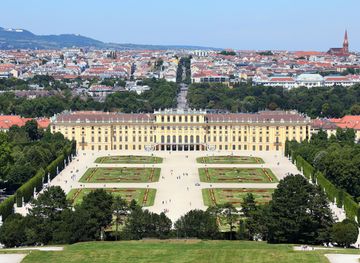
Discover Austria's blend of alpine landscapes, rich cultural heritage, and culinary delights, from Vienna's historic charm to Tyrol's dramatic beauty.
Explore Austria