Liechtensteinklamm Travel Guide
Free Guide: Discover the raw power and beauty of the Alps at Liechtensteinklamm, one of Austria's most stunning natural gorges.


A brief summary of Liechtensteinklamm
Discover the raw power and beauty of the Alps at Liechtensteinklamm, one of Austria's most stunning natural gorges.
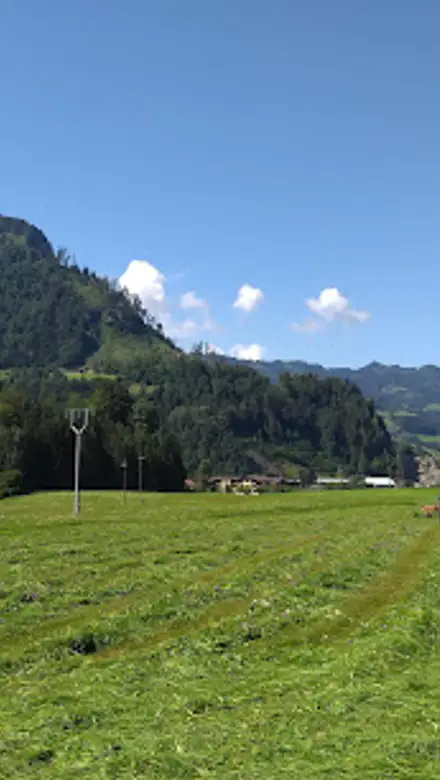
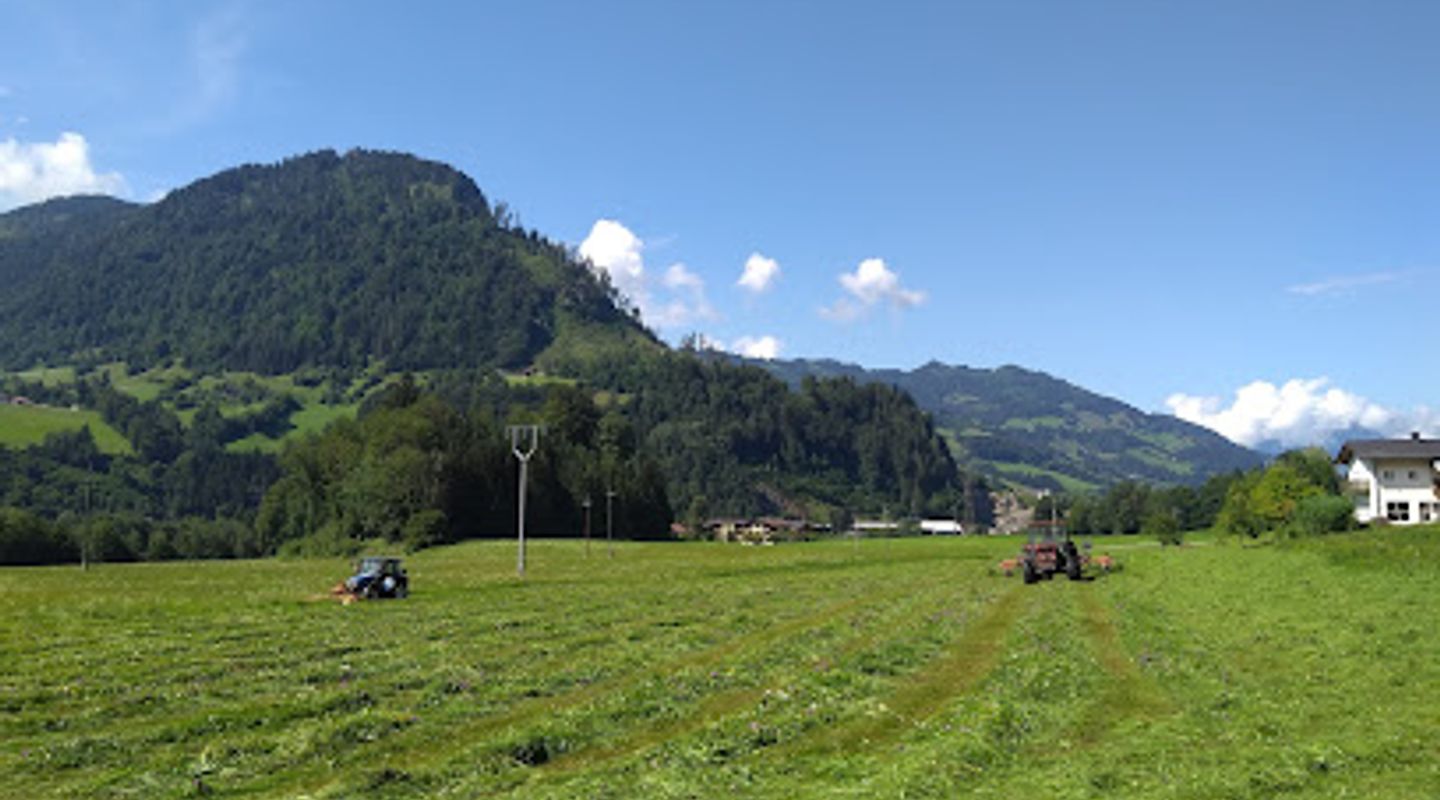
The Liechtensteinklamm (Liechtenstein Gorge) is a dramatic gorge carved by the Großarler Ache, near St. Johann im Pongau in the Austrian Alps. It features towering cliffs, a thunderous waterfall, and the impressive 'Helix' spiral staircase. It's a memorable experience for the whole family.
- Address
- Liechtensteinklammstraße 123, 5600 St. Johann im Pongau
- Phone
- Website
Getting there
Car
Public Transport
Discover more about Liechtensteinklamm
Overview
The Liechtensteinklamm, or Liechtenstein Gorge, is one of the longest and deepest gorges in the Alps, located near St. Johann im Pongau, Austria. Over thousands of years, the relentless force of the Großarler Ache carved its way through the rock, creating a 4-kilometer-long gorge with accessible sections reaching about 1 kilometer. Towering cliffs rise up to 300 meters, dwarfing those who venture into its depths. The narrowest points of the gorge measure only a few meters across, amplifying the sense of being embraced by nature's raw power.The Liechtensteinklamm's history is intertwined with human ingenuity and a touch of philanthropy. In 1875, members of the Pongau Alpine Club embarked on a mission to make the gorge accessible to the public. Facing financial constraints, they sought assistance from Prince Johann II of Liechtenstein, who owned hunting grounds in the nearby Grossarl valley. The Prince, known for his appreciation of nature, generously donated funds to support the project. In gratitude, the gorge, initially known as the Grossarlerklamm, was renamed Liechtensteinklamm.Today, visitors can explore the gorge via a network of meticulously constructed walkways, bridges, and tunnels. These structures allow safe passage through the heart of the gorge, providing breathtaking views of the cascading waterfalls and sculpted rock formations. One of the most striking features is the 'Helix,' a spiral staircase that plunges 30 meters into the depths of the gorge, offering a unique perspective on the surrounding landscape. The Helix was added during renovations completed in 2020, following a rockslide in 2017.The Liechtensteinklamm was awarded second place in the ORF show "9 Places – 9 Treasures" in 2022, marking it as one of Austria's most significant treasures. Local folklore tells the tale of the devil attempting to bring water to Grossarl but failing. In his rage, he hurled the water into the gorge, creating the dramatic landscape visitors see today.
Evendo Review Centre
 Google
Guest reviews
Explore Liechtensteinklamm on the map
A handpicked selection of must-see spots near Liechtensteinklamm, mapped for you.
Get your free copy of our complete guide to Liechtensteinklamm, delivered straight to you.
Everything on this page, from opening hours and how to get there to Eve’s tips and the best time to go, in one PDF you can read offline, print or share.
Already have an account? Sign in
Your Liechtensteinklamm guide is ready.
We'll send it to · Not you? Sign out

Getting your guide ready…
We are putting together a fresh copy of the Liechtensteinklamm guide. This can take up to a minute.
This can take a few moments. If your browser asks, choose Allow so the download can start. You'll find the guide in your Downloads folder.
Nothing happened? Download it again
Sorry, the guide is taking longer than usual. Please try again in a minute, or get it by email instead.
Other nearby places you may find interesting
The closest places of the same kind, if this one is not quite what you had in mind.
-
-
-
-
-


Swipe for more places
More to explore near Liechtensteinklamm

 Best experiences near Liechtensteinklamm
 Best hotels near Liechtensteinklamm
 Best landmarks near Liechtensteinklamm
 Best attractions near Liechtensteinklamm
 Best shops near Liechtensteinklamm
 Best restaurants near Liechtensteinklamm
 Best bars near Liechtensteinklamm
Do you manage this location?
Take control to get all the benefits, like improved information, better appearance, and stronger visibility across AI-powered discovery.
Explore more

Explore more of Pongau
Discover Pongau: A picturesque region in the Austrian Alps, perfect for skiing, hiking, and immersing in rich history and culture.
Explore Pongau
Explore more of Austria
Discover Austria's blend of alpine landscapes, rich cultural heritage, and culinary delights, from Vienna's historic charm to Tyrol's dramatic beauty.
Explore Austria