

Free Lower Austria Travel Guide & Mobile App
Explore Lower Austria with free travel guides. Discover regional history, expert tips, proposed trips, and audio guides on web or mobile app.


Explore Lower Austria’s Wachau vineyards, Danube heritage, Vienna Woods, wine villages and alpine foothills on varied cultural and outdoor journeys.
When is the best time to visit Lower Austria?
Best: June–August · 24–26°C| Month | High (°C) | Rainfall (mm) |
|---|---|---|
| January | 3 | 40 |
| February | 5 | 35 |
| March | 11 | 40 |
| April | 15 | 45 |
| May | 20 | 55 |
| June (best) | 24 | 65 |
| July (best) | 26 | 70 |
| August (best) | 25 | 65 |
| September | 21 | 60 |
| October | 15 | 50 |
| November | 8 | 45 |
| December | 5 | 40 |
Getting to and around Lower Austria
How to get there
Transportation
Top city travel guides in Lower Austria
The cities of Lower Austria, and the easiest places to base yourself.
-

-

-

-


Swipe for more cities
Destinations in Lower Austria
Resorts, valleys and scenic spots worth a trip of their own.
-

-
-
-

-

-


Swipe for more destinations
Best attractions in Lower Austria
Lower Austria’s attractions range from Roman archaeology to alpine recreation. At Carnuntum, east of Vienna, reconstructed buildings and excavated remains explain the scale of a Roman provincial city. Along the Danube, Melk Abbey, Göttweig Abbey and the historic towns of the Wachau combine religious heritage, art and river scenery, while Krems and Stein provide museums, galleries and urban culture. The Danube wetlands of Donau-Auen National Park offer a contrasting experience of floodplain forest, channels and wildlife close to the capital. In the north, wine villages, cellar lanes and small museums reveal the agricultural character of the Weinviertel and Waldviertel. The Vienna Woods are suited to walking, viewpoints and excursions from Baden, while the Mostviertel and the southern mountains provide longer hiking routes, gorges and winter activities around the Ötscher, Schneeberg and Rax landscapes. Cycling is particularly rewarding along the Danube, but the region’s attractions are dispersed, so itineraries work best when organised by district rather than treated as a single compact sightseeing circuit.
-
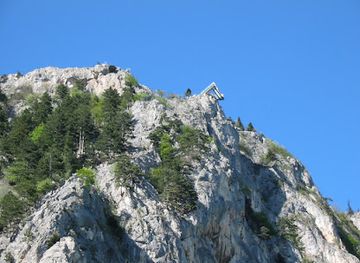
Observation deck
Skywalk Aussichtspunkt
Discover breathtaking views and adventure at Skywalk Aussichtspunkt, a stunning observation deck in Lower Austria's picturesque landscape.
-
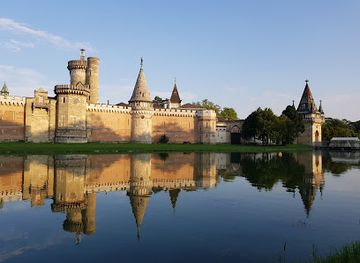
Castle
Franzensburg
Discover the fairy-tale charm of Franzensburg Castle in Laxenburg, a neo-Gothic masterpiece surrounded by stunning parklands and rich history.
-
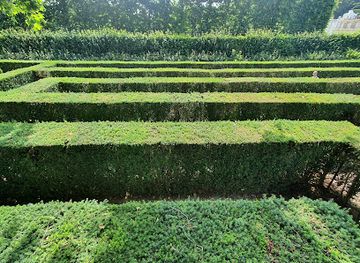
Garden
Maze
Experience the charm of Vienna through the enchanting Maze at Schönbrunn Gardens – a historical landmark offering fun and beautiful views.
-
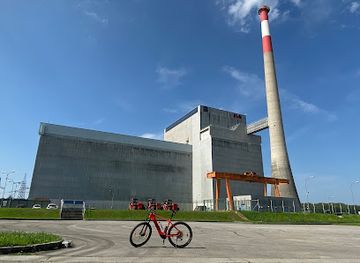
Museum
AKW Zwentendorf
Discover the intriguing world of nuclear energy at AKW Zwentendorf, a unique museum experience in Austria that blends history, science, and stunning landscapes.
Best landmarks in Lower Austria
Melk Abbey is Lower Austria’s most recognisable Baroque landmark, occupying a commanding position above the Danube at the western entrance to the Wachau. On the opposite side of the valley, the ruins of Dürnstein Castle rise above the town associated with Richard the Lionheart’s imprisonment, while Dürnstein’s blue-and-white Baroque church tower provides a distinctive river landscape marker. Göttweig Abbey stands on a wooded hill south of the Danube and is visible across much of the surrounding countryside. The excavated and reconstructed Roman complex at Carnuntum gives the eastern part of the region a landmark of archaeological rather than medieval character. In the south, the Semmering Railway’s viaducts and mountain alignments represent nineteenth-century engineering on a grand scale, and the Rax and Schneeberg massifs form prominent natural reference points. The medieval centres of Krems and Stein preserve historic streets, gates and civic buildings that reflect the Danube’s long commercial importance.
-
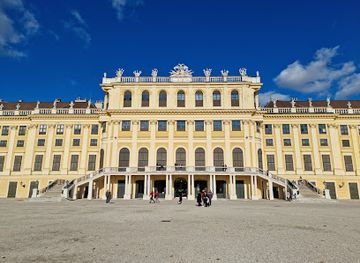
Castle
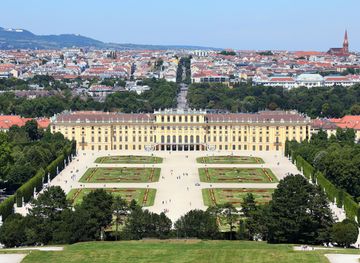
Schönbrunn Palace
Explore the grandeur of Schönbrunn Palace, a UNESCO World Heritage site, showcasing Baroque architecture and lush gardens in Vienna.
-
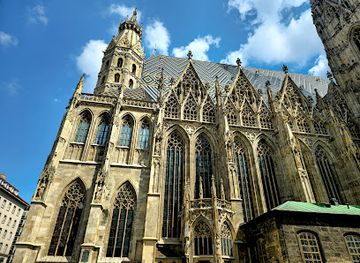
Cathedral
St. Stephen's Cathedral
Explore St. Stephen's Cathedral, a stunning Gothic landmark in Vienna, rich in history and breathtaking architecture, perfect for every traveler.
-
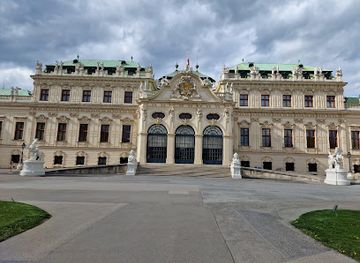
Museum
Belvedere Palace
Explore the enchanting Belvedere Palace, a Baroque gem in Vienna, showcasing stunning art and breathtaking gardens in a historic setting.
-
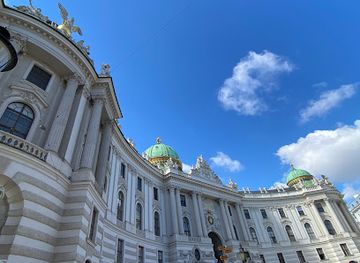
Historical place
Hofburg
Discover the opulence and history of Hofburg, Vienna's imperial palace, featuring museums and stunning architecture that will enchant every visitor.
Explore Lower Austria on the map
Plan your trip on one map. See where the top cities, national parks and sights are, and book hotels and experiences in a few clicks.
Best hotels in Lower Austria
Best restaurants in Lower Austria
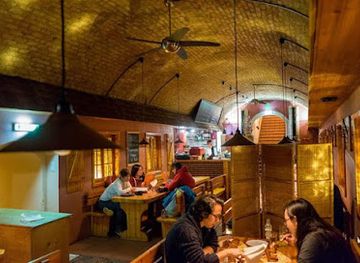
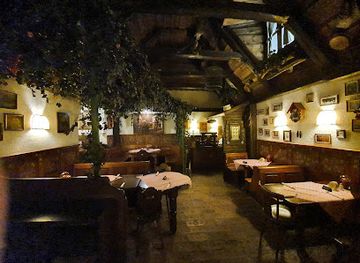
Dining in Lower Austria is closely tied to its agricultural districts and wine culture. Heurige serve regional wine alongside simple plates such as cold meats, spreads, cheese, pickles and seasonal produce, with the atmosphere ranging from informal village taverns to polished wine estates. Grüner Veltliner and Riesling are prominent in the Wachau and Weinviertel, while the Mostviertel is associated with pear and apple most, a fermented drink that may be dry, sparkling or gently sweet according to the producer. Wachau apricots appear in jams, pastries and desserts when in season, and farm shops sell fruit, oils, honey and preserved goods. Larger towns including Krems, Baden, St. Pölten and Wiener Neustadt provide cafés and contemporary restaurants, while rural inns often focus on hearty Austrian cooking and regional ingredients. Advance planning is sensible for small wine taverns, whose opening days and menus can be seasonal.
-
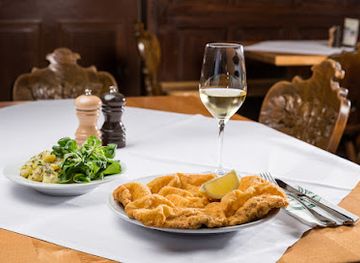
Austrian
Figlmüller Bäckerstraße
Discover authentic Austrian flavors at Figlmüller Bäckerstraße - home of the legendary schnitzel in Vienna's vibrant heart.
-
Restaurant
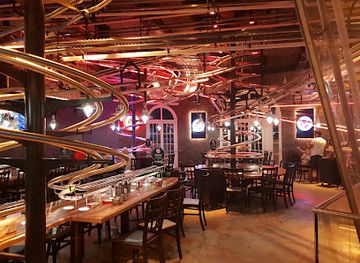
ROLLERCOASTERRESTAURANT Vienna
Discover the unique dining experience at ROLLERCOASTERRESTAURANT Vienna where gourmet food meets thrilling roller coaster fun.
-
Austrian
Ribs of Vienna
Experience the taste of Austria at Ribs of Vienna - where tradition meets flavor in a cozy setting.
-
Austrian
Puerstner
Discover the heart of Austria through exquisite cuisine at Puerstner in Vienna's historic district.
Best bars in Lower Austria
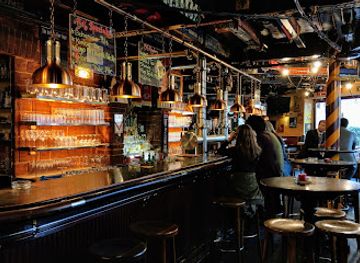
Evening life in Lower Austria is shaped more by wine taverns, traditional inns and town-centre cafés than by a large club scene. The Wachau and Weinviertel offer relaxed evenings in Heurige, where local wines and conversation take precedence over late-night entertainment; opening patterns can be seasonal or limited to particular days. Krems has the region’s strongest concentration of cultural venues, student-oriented bars and later evening options, while Baden combines restaurants, cafés and a long association with spa-town leisure. St. Pölten and Wiener Neustadt provide more conventional urban nightlife, including bars and occasional live music, but neither should be approached as a major European club destination. In rural districts, an evening may centre on a village inn, a local wine event or a meal after a day outdoors. Arrange a taxi, designated driver or public-transport connection before drinking, especially in vineyard and mountain areas.
-
Brewpub
1516 Brewing Company
Discover Vienna's vibrant beer culture at 1516 Brewing Company, where craft beer meets delicious cuisine in a lively brewpub atmosphere.
-
Irish pub
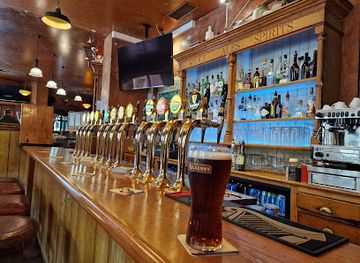
Flanagans
Experience the charm of Ireland in Vienna at Flanagans, where traditional cuisine meets a vibrant pub atmosphere.
-
Bar
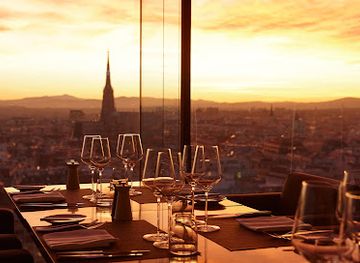
Das LOFT
Experience exquisite dining and breathtaking views at Das LOFT, Vienna's premier rooftop restaurant and bar, where culinary artistry meets stunning cityscapes.
-
Cocktail bar
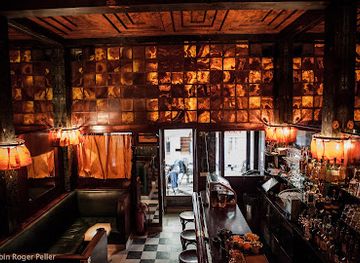
Loos American Bar
Discover the charm of Loos American Bar, Vienna's iconic cocktail destination, where every sip tells a story in a stylish setting.
Best nightclubs in Lower Austria
Evening life in Lower Austria is shaped more by wine taverns, traditional inns and town-centre cafés than by a large club scene. The Wachau and Weinviertel offer relaxed evenings in Heurige, where local wines and conversation take precedence over late-night entertainment; opening patterns can be seasonal or limited to particular days. Krems has the region’s strongest concentration of cultural venues, student-oriented bars and later evening options, while Baden combines restaurants, cafés and a long association with spa-town leisure. St. Pölten and Wiener Neustadt provide more conventional urban nightlife, including bars and occasional live music, but neither should be approached as a major European club destination. In rural districts, an evening may centre on a village inn, a local wine event or a meal after a day outdoors. Arrange a taxi, designated driver or public-transport connection before drinking, especially in vineyard and mountain areas.
-
Disco club
U4 Vienna
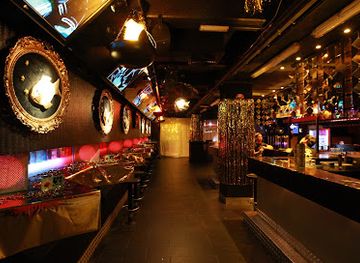
Experience the electrifying nightlife of U4 Vienna, a premier disco club and event venue, where music and celebration come alive.
-
Dance club
O - the club
Experience Vienna's nightlife at O - The Club, a chic dance club where music and style meet for an unforgettable evening.
-
Disco club
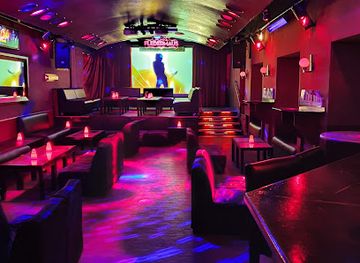
Cabaret Fledermaus
Discover the vibrant nightlife of Vienna at Cabaret Fledermaus, where eclectic performances and lively music create a unique experience.
-
Night club
A-Danceclub
Experience the heart of Vienna's nightlife at A-Danceclub, where music, dance, and vibrant atmosphere come together for an unforgettable evening.


Best shops in Lower Austria
Shopping in Lower Austria is strongest in historic town centres, village farm shops and wine-growing districts rather than in large luxury retail zones. Krems and Stein offer independent shops, galleries, bookshops and food retailers alongside their cultural institutions, while Baden has a more urban high-street and spa-town character. Across the Wachau and Weinviertel, visitors can buy bottled wine, grape products, jams, oils and seasonal produce directly from established producers; Wachau apricot products are especially associated with the Danube valley. Mostviertel farm shops provide apple and pear products, most and other rural specialities, while Waldviertel is known for regional food and traditional craft associations, including pottery in parts of the district. Weekly markets vary by town and season, so check local listings rather than assuming daily operation. For gifts, choose clearly labelled regional products and buy wine from producers who can explain its origin and storage needs.
-
Outlet mall
Designer Outlet Parndorf
Discover unbeatable deals on designer brands at Designer Outlet Parndorf, where luxury shopping meets exceptional value.
-
Shopping mall
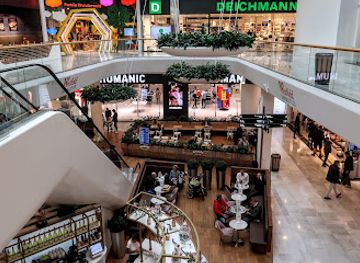
Westfield Shopping City Süd
Discover a shopper's paradise at Westfield Shopping City Süd, Austria's largest shopping mall with endless retail options and delightful dining experiences.
-
Shopping mall
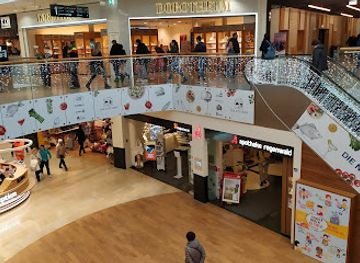
Westfield Donau Zentrum
Discover Westfield Donau Zentrum, Vienna's ultimate shopping mall with over 250 stores, diverse dining options, and entertainment for the entire family.
-
Outlet mall
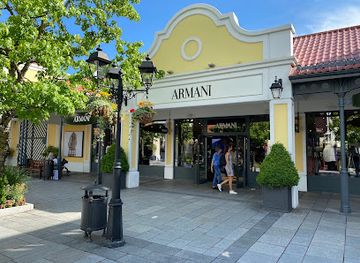
Fashion Outlet Parndorf
Discover unbeatable fashion deals at Fashion Outlet Parndorf, Austria's top shopping destination with over 160 international brands at your fingertips.

Get your free copy of our complete guide to Lower Austria, delivered straight to you.
Everything on this page, from attractions and restaurants to essentials and local phrases, in one PDF you can read offline, print or share.
Already have an account? Sign in
Your Lower Austria guide is ready.
We'll send it to · Not you? Sign out

Getting your guide ready…
We are putting together a fresh copy of the Lower Austria guide. This can take up to a minute.
This can take a few moments. If your browser asks, choose Allow so the download can start. You'll find the guide in your Downloads folder.
Nothing happened? Download it again
Sorry, the guide is taking longer than usual. Please try again in a minute, or get it by email instead.
Lower Austria essentials
Currency and Payment
Safety
Emergency Situations
Do's and Don'ts
Local Tips
From Eve
Local phrases worth knowing
You don't need to get them perfect. A few words go a long way, and locals appreciate the effort.
Basics
| English | Local | Say it |
|---|---|---|
| Hello | Hallo | [Hah-loh] |
| Goodbye | Auf Wiedersehen | [Owf Vee-der-zay-en] |
| Yes | Ja | [Yah] |
| No | Nein | [Nyn] |
| Please/You're welcome | Bitte | [Bit-teh] |
| Thank you | Danke | [Dahn-keh] |
| Excuse me/Sorry | Entschuldigung | [Ent-shool-dee-goong] |
| How are you? | Wie geht's? | [Vee gate's?] |
| Fine. And you? | Gut. Und dir? | [Gooot. Oond deer?] |
| Do you speak English? | Sprechen Sie Englisch? | [Shpreh-chen Zee Englisch?] |
| I don't understand | Ich verstehe nicht | [Ick fer-shtay-eh nikht] |
Eating & Drinking
| English | Local | Say it |
|---|---|---|
| I'd like to see the menu, please | Ich hätte gerne die Speisekarte, bitte | [Ick het-teh ger-neh dee Shpy-ze-kar-teh, bit-teh] |
| I don't eat meat | Ich esse kein Fleisch | [Ick es-seh kyn Flysh] |
| Cheers! | Prost! | [Prohst!] |
| I would like to pay, please | Ich möchte bezahlen, bitte | [Ick merkh-teh beh-tsah-len, bit-teh] |
Emergencies
| English | Local | Say it |
|---|---|---|
| Help! | Hilfe! | [Hil-feh!] |
| Go away! | Geh weg! | [Gay vek!] |
| Call the Police! | Rufen Sie die Polizei! | [Roo-fen Zee dee Poh-li-tsai!] |
| Call a doctor! | Rufen Sie einen Arzt! | [Roo-fen Zee eye-nen Artst!] |
| I'm lost | Ich bin verloren | [Ick bin fer-lo-ren] |
| I'm ill | Ich bin krank | [Ick bin krank] |
Shopping
| English | Local | Say it |
|---|---|---|
| I'd like to buy... | Ich möchte... kaufen | [Ick merkh-teh... kau-fen] |
| I'm just looking | Ich schaue nur | [Ick shau-eh noor] |
| How much is it? | Wie viel kostet es? | [Vee feel kost-et es?] |
| That's too expensive | Das ist zu teuer | [Dahs ist tsoo toy-er] |
| Can you lower the price? | Können Sie den Preis senken? | [Kern-nen Zee den Pryce zen-ken?] |
Time & Numbers
| English | Local | Say it |
|---|---|---|
| What time is it? | Wie spät ist es? | [Vee shpaet ist es?] |
| It's one o'clock | Es ist ein Uhr | [Es ist ine Oor] |
| Half past (10) | Halb (10) | [Halb (zehn)] |
| Morning | Morgen | [Mor-gen] |
| Afternoon | Nachmittag | [Nahch-mittag] |
| Evening | Abend | [Ah-bent] |
| Yesterday | Gestern | [Ges-terrn] |
| Today | Heute | [Hoy-teh] |
| Tomorrow | Morgen | [Mor-gen] |
| 1 | Eins | [Eyns] |
| 2 | Zwei | [Tsvy] |
| 3 | Drei | [Dry] |
| 4 | Vier | [Fear] |
| 5 | Fünf | [Fünf] |
| 6 | Sechs | [Zex] |
| 7 | Sieben | [Zee-ben] |
| 8 | Acht | [Acht] |
| 9 | Neun | [Noyn] |
| 10 | Zehn | [Tzayn] |
Transport & Directions
| English | Local | Say it |
|---|---|---|
| Where's a/the...? | Wo ist ein/das...? | [Vo ist ine/dahs...?] |
| What's the address? | Was ist die Adresse? | [Vahs ist dee Ah-dres-seh?] |
| Can you show me (on the map)? | Können Sie mir (auf der Karte) zeigen? | [Kern-nen Zee meer (owf der Kar-teh) tsai-gen?] |
| When's the next (bus)? | Wann kommt der nächste (Bus)? | [Vahn kommt der nay-shte (Boos)?] |
| A ticket (to ....) | Ein Ticket (nach ...) | [Ine Ti-ket (nahkh ...)] |
History of Lower Austria
Prehistoric Danube and Alpine Settlement
Lower Austria has been inhabited since prehistoric times, with the Danube valley providing fertile land, water transport and a natural route between central and eastern Europe. The Venus of Willendorf, discovered near the village of Willendorf in the Wachau, is one of Europe’s best-known Palaeolithic figurines and dates from roughly 29,500 years ago. Later Neolithic and Bronze Age communities farmed, traded and built settlements across the Danube basin and foothills. Archaeological remains in the region illustrate a long history of movement along the river and the gradual development of settled agriculture.
Roman Frontier on the Danube
Much of present-day Lower Austria formed part of the Roman province of Noricum, with the Danube serving as the northern frontier of the empire. Forts and settlements developed along the river, including the important military site at Carnuntum east of Vienna. Carnuntum became a major provincial centre with an amphitheatre, civic buildings and a military presence, and its excavated remains now provide one of the region’s clearest windows into Roman life. Roman roads, trade and administration connected the Danube corridor with Alpine and central European routes.
Medieval March and Babenberg Rule
After the Roman period, the Danube frontier and surrounding lands were shaped by changing Slavic, Bavarian and Magyar influences. The eastern marches developed into the territorial basis of Austria, and the Babenberg dynasty made the area a significant political centre during the High Middle Ages. Monasteries, castles and market settlements expanded, while river trade strengthened towns such as Krems and Stein. The Babenbergs also established Vienna as their principal residence before the Habsburg era, leaving a legacy visible in Lower Austria’s monastic foundations, fortifications and medieval town plans.
Monasteries, Estates and the Habsburg Landscape
From the late Middle Ages through the Habsburg period, Lower Austria became a landscape of monasteries, noble estates, vineyards and market towns linked to Vienna. Melk Abbey, rebuilt in its present Baroque form in the early eighteenth century, demonstrates the wealth and cultural influence of the Benedictines. Göttweig Abbey and other religious houses also acted as centres of learning, land management and artistic production. Roads and river traffic connected rural districts with the imperial capital, while viticulture, grain growing and forestry remained central to the regional economy.
Ottoman Wars and Defensive Borderlands
Lower Austria was affected by the Ottoman wars that shaped central European politics in the sixteenth and seventeenth centuries. Fortified places along the Danube and around Vienna were part of a wider defensive system, and the 1683 relief of Vienna marked a decisive moment in the Habsburg-Ottoman conflict. The campaigns brought disruption, migration and economic strain, but the subsequent consolidation of Habsburg power also encouraged reconstruction and Baroque building. Castles, town walls and religious monuments in eastern and central Lower Austria reflect this period of insecurity and renewal.
Industrialisation and the Semmering Railway
The nineteenth century brought new industries, improved roads and major railway construction. The Semmering Railway, opened in 1854 across the mountain pass between Lower Austria and Styria, made an extraordinary engineering route through steep terrain and helped connect Vienna with the Adriatic-facing south. The line encouraged tourism and the development of mountain resorts around Semmering. Elsewhere, textile production, metalworking, timber, food processing and river commerce expanded, while spa towns such as Baden developed a more formal urban and cultural life.
Twentieth-Century Change and Regional Renewal
The twentieth century brought war, border changes and economic transformation. Lower Austria suffered from the Second World War and the post-war division of Europe, particularly in districts close to the Iron Curtain along the northern and eastern borders. Agriculture remained significant, but industrial employment, commuter settlements and modern transport increasingly connected the region with Vienna. Since the late twentieth century, heritage conservation, wine tourism, river recreation and protected landscapes have become important parts of the regional economy, while archaeological sites and restored historic towns have gained renewed cultural prominence.
Lower Austria in Photos
Browse through our photo collection highlighting the charm and character of the destination.
Neighbouring regions of Lower Austria
The closest regions to Lower Austria, if you have time for more than one.
-

-

-

-

-


Swipe for more regions
Explore more
Explore more of Austria
Discover Austria's blend of alpine landscapes, rich cultural heritage, and culinary delights, from Vienna's historic charm to Tyrol's dramatic beauty.
Explore Austria