
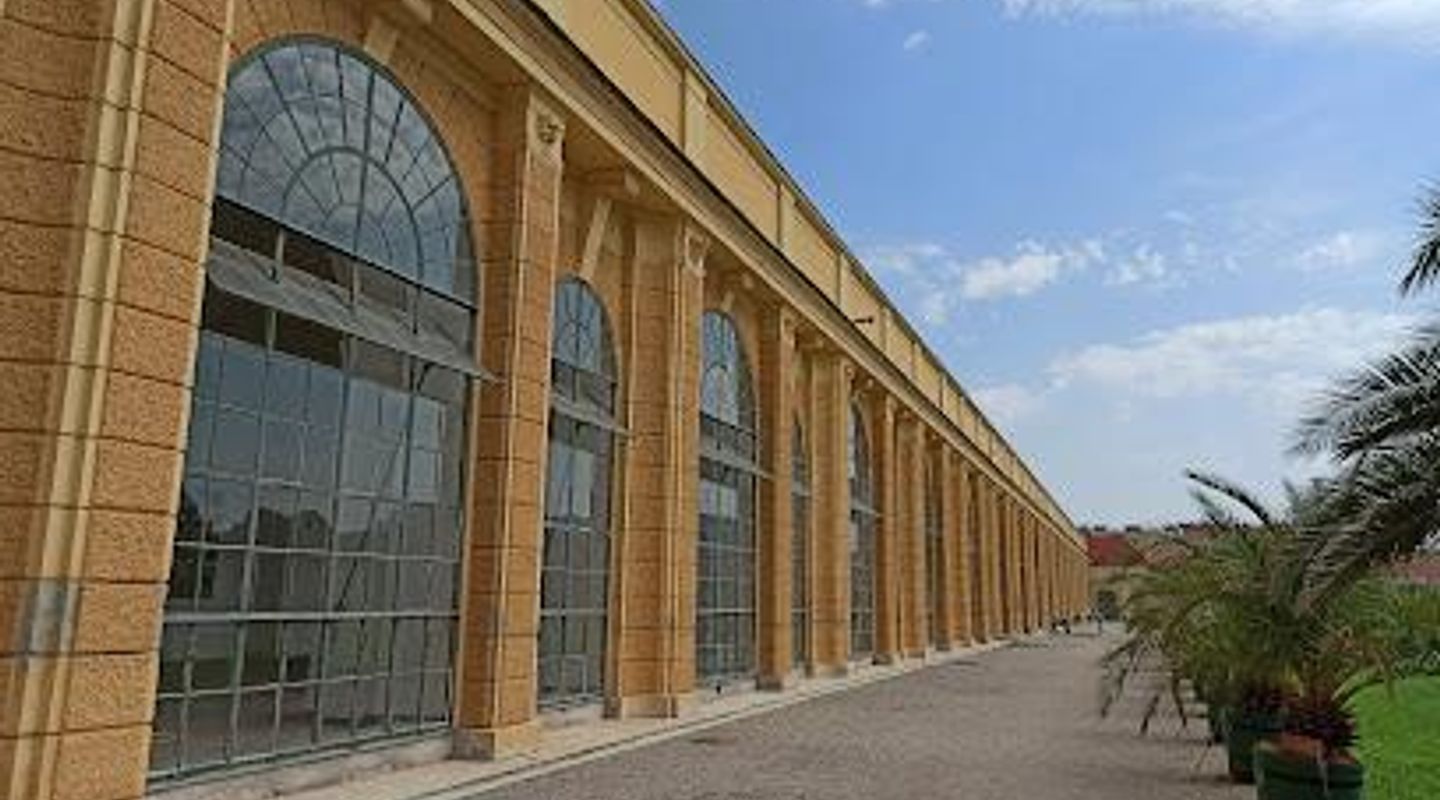
Orangery, Vienna Travel Guide
Explore the Schönbrunn Orangery: a historic Baroque conservatory, home to exotic plants and classical concerts in Vienna.
The Schönbrunn Orangery, built in 1754, is one of the largest Baroque orangeries in the world, second only to Versailles. Once a winter home for exotic plants, it now hosts concerts and events, offering a glimpse into imperial garden culture.
A brief summary to Orangery
- Schönbrunner Schloßstraße 47, Vienna, Hietzing, 1130, AT
- Click to display
- Click to display

Know before you go
Hi, I'm Eve. Here are a few practical things to know before exploring Orangery.
- Visit during the warmer months (April-November) to see the exotic plants displayed in the Orangery garden.
- Attend a classical concert at the Orangery to experience its historical musical ambiance.
- Consider a combined ticket to access other Schönbrunn attractions like the palace, gardens, and Gloriette.
Do you manage this location?
Take control to get all the benefits, like improved information, better appearance, and stronger visibility across AI-powered discovery. Learn more about listing your business on Evendo
Activate your presenceOther nearby places you may find interesting
The closest places of the same kind, if this one is not quite what you had in mind.
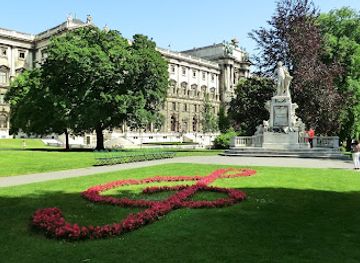

Explore Orangery on the Map
A handpicked selection of must-see spots near Orangery, mapped for you.
Unlock the Best of Orangery
Buy tickets
Book tours with entry


Getting There
-
Public Transport
The Schönbrunn Orangery is easily accessible via Vienna's efficient public transport system. Take the U4 metro line to the 'Schönbrunn' station. From the station, walk approximately 400 meters to the Schönbrunn Palace grounds. Follow the signs to the Orangery, passing the main palace entrance on your left. Tram lines 10 and 60, as well as bus 10A, also stop at the 'Schloss Schönbrunn' station near the main entrance. A single public transport ticket costs €2.40.
-
Walking
From the Schönbrunn Palace main entrance, face the palace and walk to the left. Pass under the archway and continue past the Privy Garden on your right and the Marionette Theatre on your left. The entrance to the Orangery is just beyond the theatre. This is a pleasant walk through the palace grounds.
-
Taxi
Taxis are readily available throughout Vienna. A short taxi ride from the city center to Schönbrunn Palace typically costs between €10 and €20, depending on traffic and distance. Taxi fares start at €3.80, with per-kilometer charges varying. Be sure the meter is running or agree on a fixed price in advance.
-
Car
If driving, take the A1 motorway and exit at Hietzing, following signs for 'Schloss Schönbrunn'. Parking is available on Schönbrunner Schloßstraße, opposite the Orangery. Parking costs approximately €3.90 per hour, up to a maximum of €39 per day. Consider using a Park and Ride garage outside the city center for cheaper daily rates (around €4.40) and taking the U4 metro line to Schönbrunn.
Discover more about Orangery













Your all‑in‑one travel companion app
Explore expert travel guides, compare and book tours, experiences, hotels, and more—all from the palm of your hand. Download now for seamless trip planning wherever your wanderlust takes you.


Explore More of Vienna
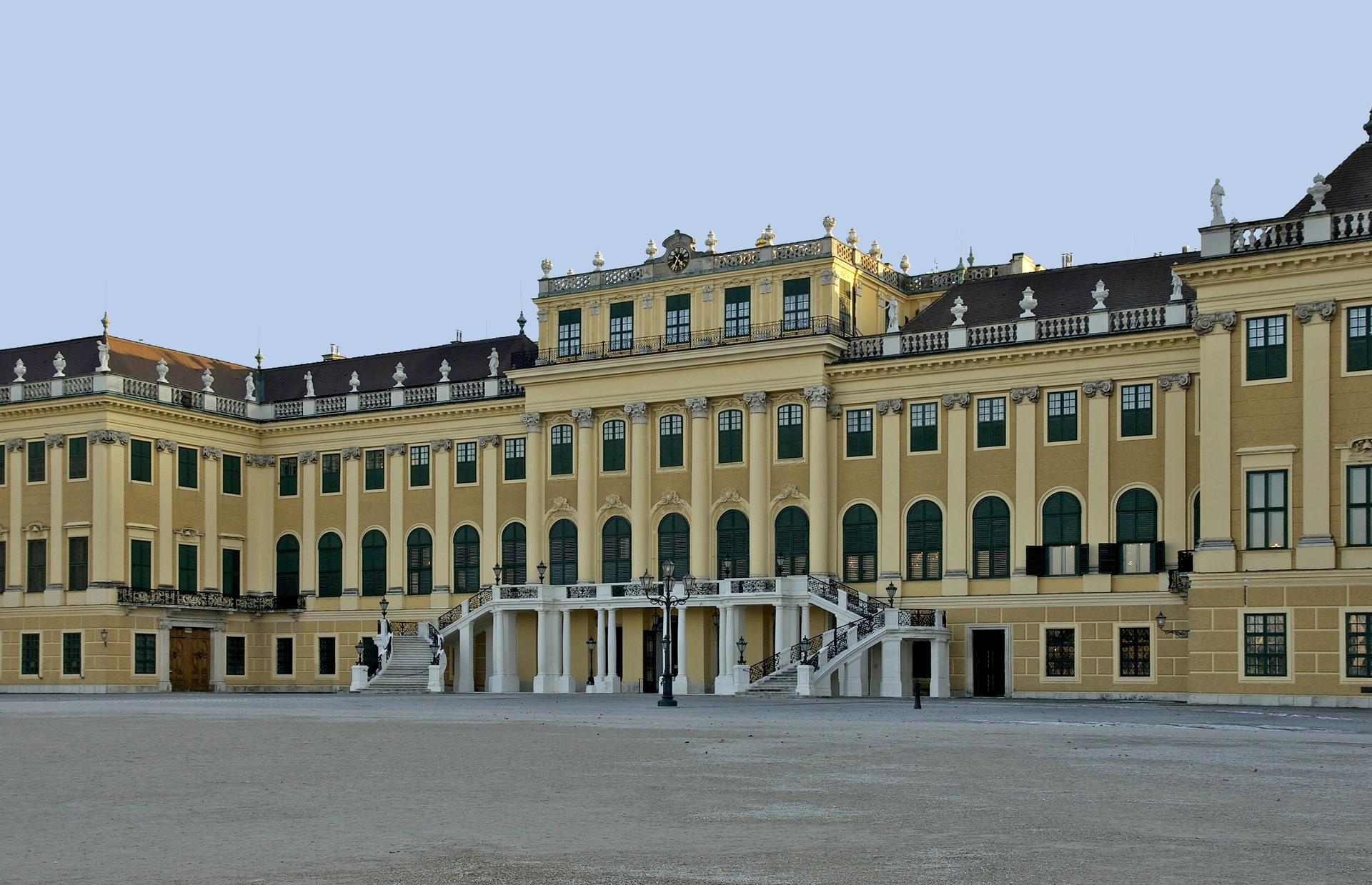
Looking beyond Orangery? Discover Vienna for broader travel guides, local hot-spots, and regional highlights.
Explore Vienna
A revitalized park in Vienna's Meidling, offering a peaceful escape with historical ties and artistic features near the Theresienbad swimming complex.
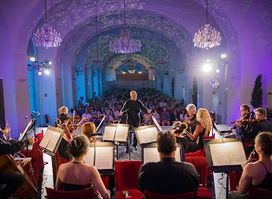
Experience Vienna's classical music heritage at Schoenbrunn Palace, with enchanting concerts by Mozart and Strauss in a baroque setting.
