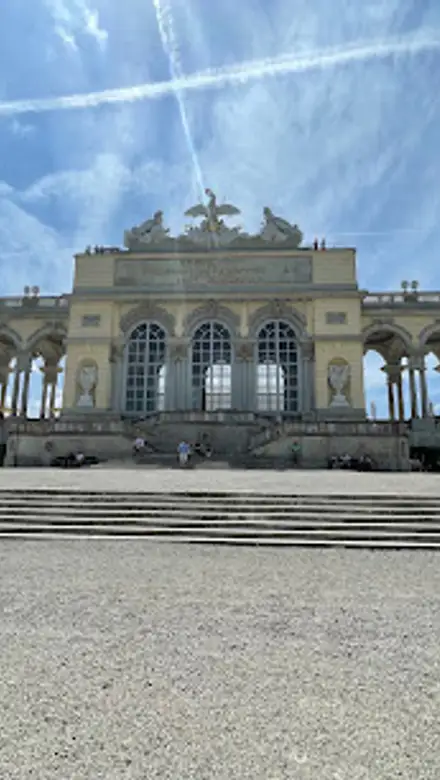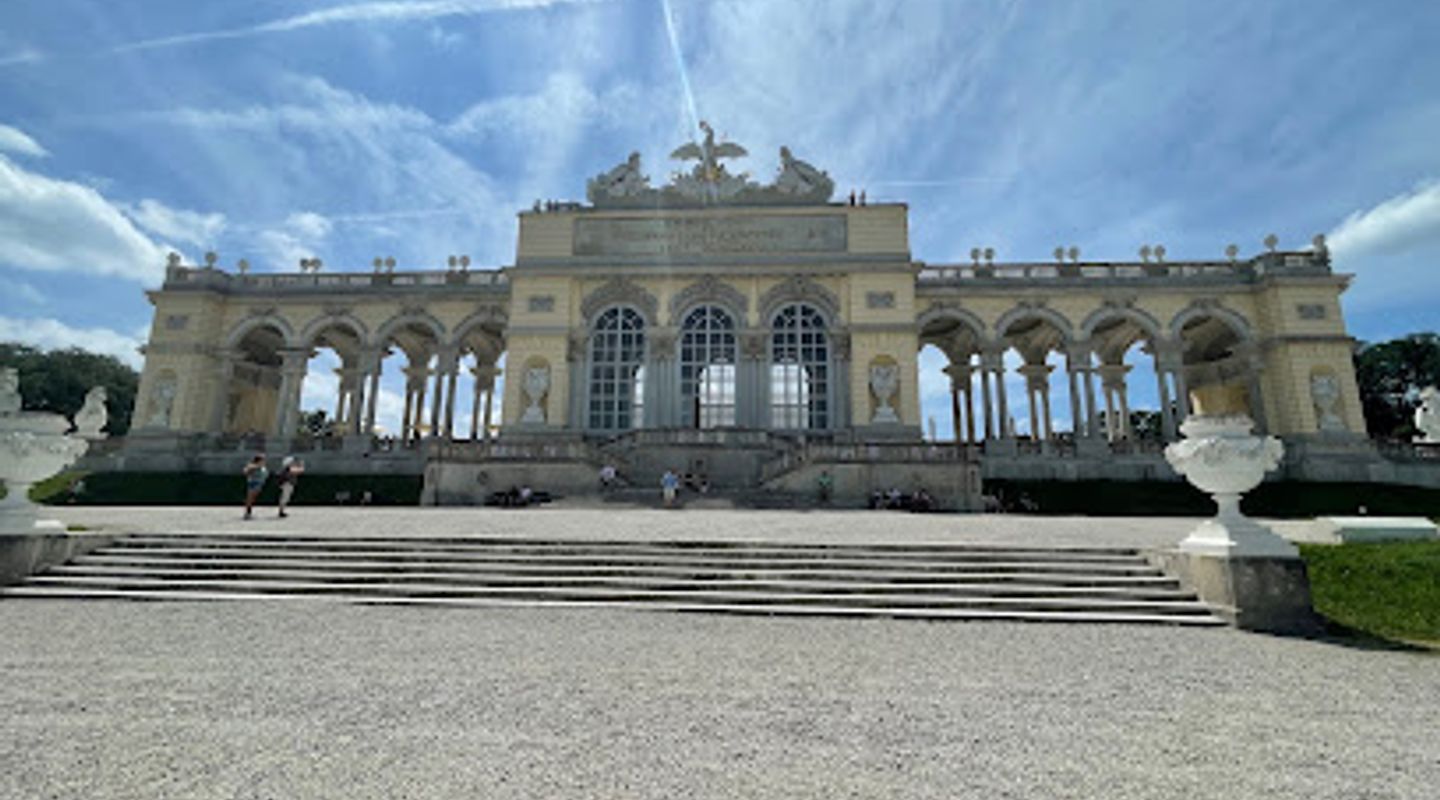
Roman Ruin, Vienna Travel Guide
A picturesque 18th-century architectural folly in Schönbrunn Palace gardens, evoking the grandeur of ancient Rome and Habsburg imperial aspirations.
Located in the Schönbrunn Palace gardens, the Roman Ruin is an 18th-century architectural folly designed to resemble a crumbling ancient Roman temple. Built in 1778 by Johann Ferdinand Hetzendorf von Hohenberg, it embodies the Romantic era's fascination with antiquity and picturesque decay.
A brief summary to Roman Ruin
- Schönbrunner Schloßstraße 47, Vienna, Hietzing, 1130, AT
- Click to display
- Click to display
- Monday 6:30 am-9 pm
- Tuesday 6:30 am-9 pm
- Wednesday 6:30 am-9 pm
- Thursday 6:30 am-9 pm
- Friday 6:30 am-9 pm
- Saturday 6:30 am-9 pm
- Sunday 6:30 am-9 pm

Know before you go
Hi, I'm Eve. Here are a few practical things to know before exploring Roman Ruin.
- Visit early in the morning or late in the afternoon to capture the best light for photographs, enhancing the textures of the ruin and the surrounding gardens.
- Take your time to wander around the ruin and admire its architectural details, reflecting on the stories it has to tell.
- Combine your visit to the Roman Ruin with other attractions in the Schönbrunn Palace gardens, such as the Neptune Fountain and the Gloriette.
Do you manage this location?
Take control to get all the benefits, like improved information, better appearance, and stronger visibility across AI-powered discovery. Learn more about listing your business on Evendo
Activate your presenceOther nearby places you may find interesting
The closest places of the same kind, if this one is not quite what you had in mind.
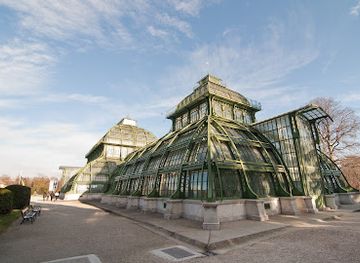

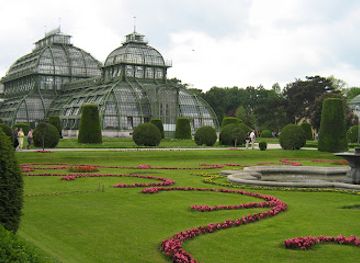
Explore Roman Ruin on the Map
A handpicked selection of must-see spots near Roman Ruin, mapped for you.
Unlock the Best of Roman Ruin
Buy tickets
-
No tickets available
Book tours with entry

Book tours without entry
-
No tours available
Getting There
-
Public Transport
The easiest way to reach the Roman Ruin is by taking the U4 metro line to the 'Schönbrunn' station. From the station, follow the signs towards Schönbrunn Palace. Enter the palace gardens and walk towards the Neptune Fountain. The Roman Ruin is located to the left of the fountain, a short walk along the path. A single ride on the U-Bahn costs approximately €2.40. Alternatively, take tram lines 10 or 60, or bus 10A to the Schloss Schönbrunn station, near the main entrance. From there, walk through the gardens to the Roman Ruin.
-
Walking
If you are already within the Schönbrunn Palace gardens, walk towards the Neptune Fountain. From there, the Roman Ruin is a short walk to the left. Follow the path through the gardens, and you will find the ruin nestled among the trees.
-
Driving
If driving, parking is available on Schönbrunner Schloßstraße. Parking fees are approximately €3.90 per hour, with a maximum daily rate of €39. From the parking area, walk to the main entrance of Schönbrunn Palace, enter the gardens, and proceed towards the Neptune Fountain. The Roman Ruin is located to the left of the fountain. Parking garages are also available in the area, such as Garage Schlossallee Schönbrunn, with hourly rates around €3.80 and daily rates around €32. APCOA also offers parking nearby.
Discover more about Roman Ruin













Your all‑in‑one travel companion app
Explore expert travel guides, compare and book tours, experiences, hotels, and more—all from the palm of your hand. Download now for seamless trip planning wherever your wanderlust takes you.


Explore More of Vienna
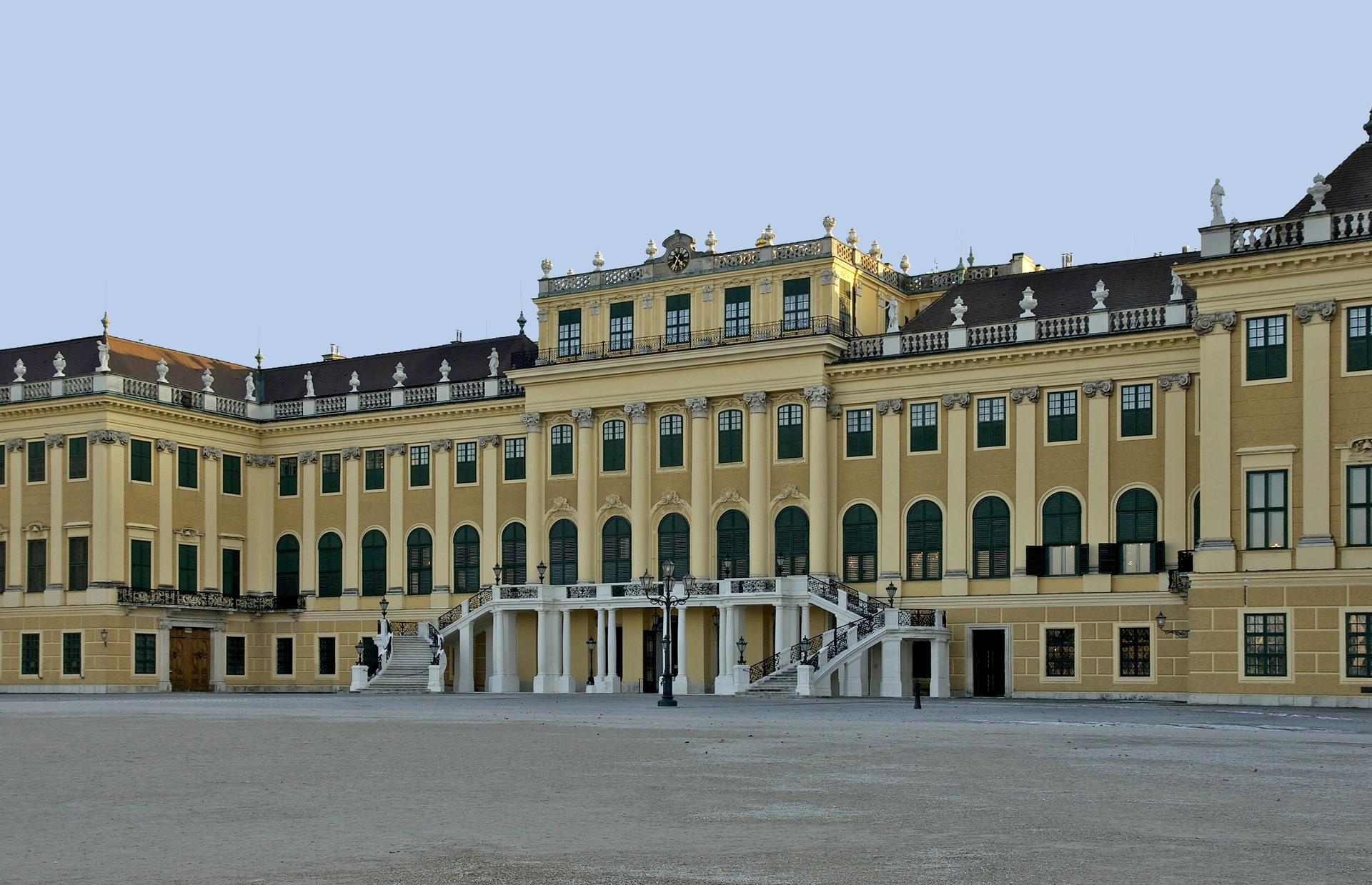
Looking beyond Roman Ruin? Discover Vienna for broader travel guides, local hot-spots, and regional highlights.
Explore Vienna
Experience the magic of Christmas in an imperial setting at the Weihnachtsmarkt Schloss Schönbrunn, offering crafts, cuisine, and festive cheer.
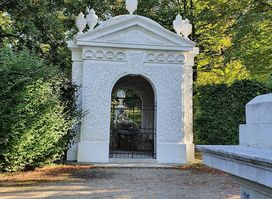
Discover the enchanting Fair Spring at Schönbrunn Palace, a historical gem in Vienna with serene gardens and stunning architecture.