

Hietzing (Vienna) Travel Guide - Free
Explore Hietzing in Vienna with Evendo's free guide. Find the best shops, historic streets, restaurants, and gems on web or mobile.


Hietzing in Vienna pairs Schönbrunn Palace, imperial gardens, village streets and the Lainzer Tiergarten with calm local life beside the Vienna Woods.
Palace, Park and Former Village
Hietzing occupies Vienna’s south-western edge, stretching from the grand ensemble of Schönbrunn Palace towards wooded hills and the broad green expanse of the Lainzer Tiergarten. Although it is officially Vienna’s 13th district, Hietzing feels less like a single urban quarter than a collection of historic villages, elegant residential streets and protected landscapes. Its oldest centre gathers around Alt-Hietzing and the parish church, while nearby Hietzinger Hauptstraße, Hietzinger Platz and Am Platz provide the district’s everyday shops, cafés and services.Read more about Hietzing
Schönbrunn and Imperial Vienna
Green Space and Residential Life
Best attractions in Hietzing
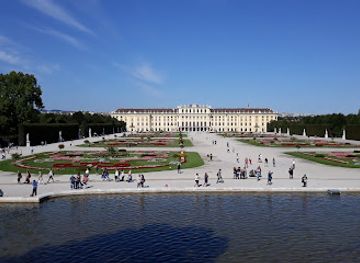
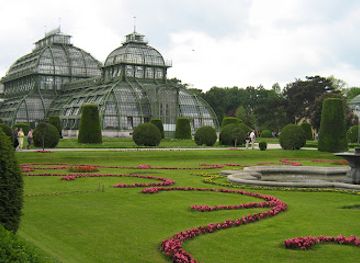
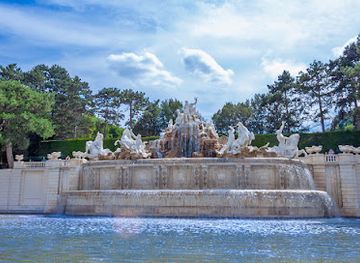
Schönbrunn Palace and its extensive grounds are Hietzing’s principal attraction, combining state rooms, formal parterres, the Neptune Fountain, the Gloriette, the Roman Ruin, the maze and the Palm House within a single historic landscape. The palace gardens also provide long walking routes and views across Vienna, although their scale makes a short visit feel incomplete. Near the main entrance, the Vienna Zoo, Tiergarten Schönbrunn, occupies part of the former imperial menagerie and is closely tied to the palace estate. Around Hietzinger Platz, visitors can see the parish church of Maria Hietzing and explore the older village-like street pattern. Farther west, the Lainzer Tiergarten offers woodland, meadows and the Hermesvilla, a former imperial retreat, creating a markedly different attraction from Schönbrunn’s formal ceremonial setting.
-
Tourist attraction
Maze
Explore a historical maze in Vienna's Schönbrunn Palace Gardens. Fun for all ages with a viewing platform and playful activities.
7 min walk · 0.6 km from neighbourhood centre
-
Tourist attraction
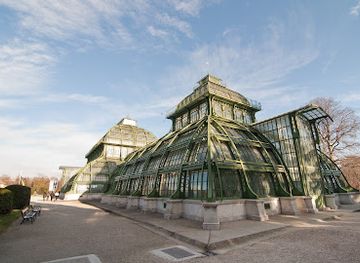
Großes Palmenhaus Schönbrunn
Explore a world of exotic flora within Vienna's stunning Schönbrunn Palace Park, where imperial history meets botanical wonder in one of Europe's largest glasshouses.
5 min walk · 0.4 km from neighbourhood centre
-
Tourist attraction
Desert House
Explore the beauty and resilience of desert life at Vienna's Desert House in Schönbrunn Palace Park.
5 min walk · 0.4 km from neighbourhood centre
-
Tourist attraction
Neptune Fountain
Experience Baroque splendor at the Neptune Fountain in Vienna's Schönbrunn Palace Gardens, a majestic monument to art and Habsburg imperial power.
9 min walk · 0.7 km from neighbourhood centre

Best landmarks in Hietzing
Schönbrunn Palace is Hietzing’s defining architectural landmark, its Baroque façade and ceremonial gardens expressing the former importance of the Habsburg summer residence. The Gloriette crowns the hill behind the palace, while the Palm House adds an elegant nineteenth-century structure to the grounds. Tiergarten Schönbrunn occupies the site of the imperial menagerie and remains a notable historic institution as well as a visitor attraction. In the older centre, the parish church of Maria Hietzing anchors the village tradition from which the district developed, while Hietzinger Platz and Am Platz preserve the scale of a former settlement centre. At the western edge, Hermesvilla stands within the Lainzer Tiergarten as an imperial retreat surrounded by woodland. Together, these places explain Hietzing’s distinctive combination of courtly heritage, village history and protected landscape.
-
Garden
Maze
Explore a delightful recreation of a classic Baroque maze in Vienna's Schönbrunn Palace Gardens, offering fun for all ages.
7 min walk · 0.6 km from neighbourhood centre
-
Zoo
Desert House
Explore the beauty and resilience of desert life in Vienna's Schönbrunn Palace Park. Discover unique plants and animals from around the globe.
5 min walk · 0.4 km from neighbourhood centre
-
Fountain
Neptune Fountain
A stunning Baroque fountain in Vienna's Schönbrunn Palace Gardens, featuring Neptune and mythological figures.
9 min walk · 0.7 km from neighbourhood centre
-
Fountain
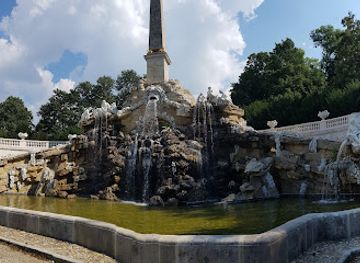
Obelisk Fountain
A monumental fountain in Schönbrunn Palace gardens featuring an obelisk adorned with symbolic sculptures, reflecting Habsburg power and artistic ambition.
13 min walk · 1.1 km from neighbourhood centre

Explore Hietzing on the map
A handpicked selection of must-see spots in Hietzing, mapped for you.
Best hotels in Hietzing
Best restaurants in Hietzing
Hietzing’s dining scene is centred on established local streets rather than a dense restaurant quarter. Around Hietzinger Platz, Hietzinger Hauptstraße and Am Platz, traditional Viennese cafés and restaurants sit alongside everyday bakeries and contemporary eateries. Café Dommayer is associated with the neighbourhood’s long café tradition, while Brandauer’s Schlossbräu near Schönbrunn offers a substantial Austrian-style setting close to the palace grounds. Viennese classics such as schnitzel, tafelspitz, pastries and coffee are easy to find, while the district’s residential character means that dining tends to be calmer and more dispersed than in central Vienna. The palace area is convenient for a meal between visits, but exploring the streets around Alt-Hietzing reveals more of the local rhythm. Visitors heading towards the Lainzer Tiergarten should plan food stops in advance, as woodland areas have fewer dining choices.
-
Italian
Da Ferdinando
Experience authentic Italian flavors at Da Ferdinando in Vienna—home of delicious pizza and warm hospitality.
6 min walk · 0.5 km from neighbourhood centre
-
Austrian
Plachutta Stammhaus Hietzing
Experience authentic Austrian cuisine at Plachutta Stammhaus Hietzing - where tradition meets fine dining in Vienna's picturesque Hietzing district.
7 min walk · 0.6 km from neighbourhood centre
-
Austrian
Wambacher
Experience authentic Austrian cuisine at Wambacher in Hietzing - where tradition meets taste in every delightful dish.
6 min drive · 1.8 km from neighbourhood centre
-
Mediterranean
MARIO Pasta-Grill-Bar
Savor authentic Mediterranean flavors at MARIO Pasta-Grill-Bar in Hietzing, Vienna – where every meal is a celebration of culinary artistry.
7 min walk · 0.6 km from neighbourhood centre


Best bars in Hietzing
Hietzing is not a major clubbing district, and its evenings are shaped more by cafés, traditional restaurants, hotel bars and neighbourhood pubs than by late-night venues. The streets around Hietzinger Platz, Am Platz and Hietzinger Hauptstraße offer the greatest concentration of places for an unhurried drink or dinner, while the Schönbrunn area can remain active because of palace visitors and cultural programmes. Some restaurants provide a convivial Austrian atmosphere with beer and wine, but the district generally becomes quieter as it extends towards Ober St. Veit, Speising and the Lainzer Tiergarten. Visitors seeking large clubs, specialist cocktail bars or a late music scene will usually find a broader choice in central Vienna or in neighbouring nightlife districts, making Hietzing better suited to evenings built around conversation, food and local surroundings.
-
Restaurant
Brandauer Schlossbräu
Experience the authentic taste of Austria at Brandauer Schlossbräu, a delightful restaurant in the heart of Vienna's Hietzing district.
5 min walk · 0.4 km from neighbourhood centre
-
Restaurant
Waldemar-Tagesbar
Experience the charm of Vienna at Waldemar-Tagesbar, where culinary delights meet a warm and inviting atmosphere in the heart of Hietzing.
6 min walk · 0.5 km from neighbourhood centre
-
Bar
Das Alt
Experience the charm of Das Alt, a bar and Irish pub in Vienna's Hietzing district, offering a cozy atmosphere and delectable food and drinks.
7 min walk · 0.6 km from neighbourhood centre
-
Bar
Brandauer Bierstube
Discover the vibrant atmosphere and local brews at Brandauer Bierstube, a hidden gem in Vienna's Hietzing district.
5 min walk · 0.4 km from neighbourhood centre


Best nightclubs in Hietzing
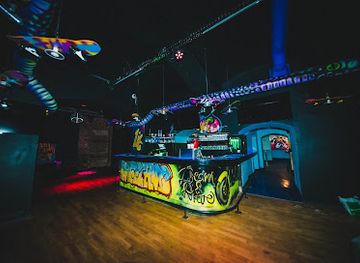
Hietzing is not a major clubbing district, and its evenings are shaped more by cafés, traditional restaurants, hotel bars and neighbourhood pubs than by late-night venues. The streets around Hietzinger Platz, Am Platz and Hietzinger Hauptstraße offer the greatest concentration of places for an unhurried drink or dinner, while the Schönbrunn area can remain active because of palace visitors and cultural programmes. Some restaurants provide a convivial Austrian atmosphere with beer and wine, but the district generally becomes quieter as it extends towards Ober St. Veit, Speising and the Lainzer Tiergarten. Visitors seeking large clubs, specialist cocktail bars or a late music scene will usually find a broader choice in central Vienna or in neighbouring nightlife districts, making Hietzing better suited to evenings built around conversation, food and local surroundings.
-
Disco club
U4 Vienna
Experience Vienna's electrifying nightlife at U4, a premier disco club known for its vibrant atmosphere and unforgettable events.
5 min drive · 1.7 km from neighbourhood centre
-
Blues club
REIGEN LIVE
Discover the heartbeat of Vienna's music scene at REIGEN LIVE, where delicious food meets captivating live performances in a cozy setting.
3 min walk · 0.2 km from neighbourhood centre
-
Bar
Schaumweinhäuschen
Experience the charm of Schaumweinhäuschen in Vienna, where exquisite sparkling wines and a cozy atmosphere create unforgettable memories.
6 min walk · 0.5 km from neighbourhood centre
-
Night club
California Funn Club - Nachtclub in Wien
California Funn Club in Vienna: Your ultimate destination for an electrifying nightlife experience filled with music, dancing, and unforgettable moments.
16 min drive · 5.2 km from neighbourhood centre


Best shops in Hietzing
Shopping in Hietzing is predominantly local and practical, with independent retailers, bakeries, florists, cafés and specialist services concentrated along Hietzinger Hauptstraße, Lainzer Straße, Altgasse and the area around Hietzinger Platz. The former village centres provide a more relaxed alternative to Vienna’s large central shopping streets, and browsing is best combined with an architectural walk through Alt-Hietzing or Ober St. Veit. A local market tradition is associated with Hietzinger Platz, where market activity may offer seasonal produce and everyday goods, though schedules can vary. Around Schönbrunn, visitors will find palace-related souvenirs and museum-shop merchandise rather than a broad independent retail scene. The district is not primarily a destination for fashion chains or large department stores; its appeal lies in neighbourhood commerce, Austrian food shopping and the small-scale streets around the historic centres.
-
Souvenir store
Museum Shop
Discover exquisite souvenirs and gifts at the Schönbrunn Museum Shop, a treasure trove of Austrian culture and history.
7 min walk · 0.6 km from neighbourhood centre
-
Gift shop
Fuchs Geschenke & Accessoires
Discover unique gifts and local treasures at Fuchs Geschenke & Accessoires, a charming gift shop in Vienna's picturesque Hietzing district.
6 min walk · 0.4 km from neighbourhood centre
-
Women's clothing store
INA SCHULZ
Explore INA SCHULZ in Vienna for a unique selection of women's clothing that combines style, quality, and personalized service in a charming boutique atmosphere.
9 min walk · 0.7 km from neighbourhood centre
-
Toy store
Wild Republic HandelsgesmbH (Zoo Shop Wien)
Experience the charm of Wild Republic in Vienna, where unique toys and souvenirs await to enhance your travel memories.
6 min walk · 0.5 km from neighbourhood centre


Hietzing essentials
Getting There
Getting Around
Safety
Emergency Situations
Do's and Don'ts
Local Tips

From Eve
Local phrases worth knowing
You don't need to get them perfect. A few words go a long way, and locals appreciate the effort.
Basics
| English | Local | Say it |
|---|---|---|
| Hello | Servus | [Zer-voos] |
| Goodbye | Auf Wiedersehen | [Owf Vee-der-zen] |
| Yes | Ja | [Yah] |
| No | Nein | [Nine] |
| Please/You're welcome | Bitte | [Bit-teh] |
| Thank you | Danke | [Dahn-keh] |
| Excuse me/Sorry | Entschuldigung | [Ent-shool-dee-gung] |
| How are you? | Wie geht es dir? | [Vee gayt es deer] |
| Fine. And you? | Gut. Und dir? | [Goot. Oont deer] |
| Do you speak English? | Sprechen Sie Englisch? | [Shpre-khen zee Eng-lish] |
| I don't understand | Ich verstehe nicht | [Eekh fair-shtay-heh nikht] |
Eating & Drinking
| English | Local | Say it |
|---|---|---|
| I'd like to see the menu, please | Ich hätte gerne die Speisekarte, bitte | [Eekh het-teh gair-neh dee shpy-zeh-kahr-teh, bit-teh] |
| I don't eat meat | Ich esse kein Fleisch | [Eekh ess-eh kine Fly-sh] |
| Cheers! | Prost! | [Prohst] |
| I would like to pay, please | Ich würde gerne bezahlen, bitte | [Eekh vur-deh gair-neh beh-tsah-len, bit-teh] |
Emergencies
| English | Local | Say it |
|---|---|---|
| Help! | Hilfe! | [Hil-feh] |
| Go away! | Geh weg! | [Gay vehg] |
| Call the Police! | Rufen Sie die Polizei! | [Roo-fen zee dee po-lee-tsay] |
| Call a doctor! | Rufen Sie einen Arzt! | [Roo-fen zee eye-nen ahrts] |
| I'm lost | Ich habe mich verirrt | [Eekh hah-beh meekh fair-eert] |
| I'm ill | Es geht mir nicht gut | [Es gayt meer nikht goot] |
Shopping
| English | Local | Say it |
|---|---|---|
| I'd like to buy... | Ich möchte kaufen... | [Eekh mairk-teh kou-fen] |
| I'm just looking | Ich schaue nur | [Eekh shou-eh noor] |
| How much is it? | Wie viel kostet es? | [Vee feel kohs-tet es] |
| That's too expensive | Das ist zu teuer | [Dahs ist tsoo toy-er] |
| Can you lower the price? | Können Sie den Preis senken? | [Ker-nen zee den price zain-ken] |
Time & Numbers
| English | Local | Say it |
|---|---|---|
| What time is it? | Wie spät ist es? | [Vee shpeht ist es] |
| It's one o'clock | Es ist ein Uhr | [Es ist iyn oor] |
| Half past (10) | Halb elf | [Halb elf] |
| Morning | Morgen | [Mor-gen] |
| Afternoon | Nachmittag | [Nahkh-mit-tahg] |
| Evening | Abend | [Ah-bent] |
| Yesterday | Gestern | [Gehs-tern] |
| Today | Heute | [Hoy-teh] |
| Tomorrow | Morgen | [Mor-gen] |
| 1 | Eins | [Ines] |
| 2 | Zwei | [Tsvai] |
| 3 | Drei | [Dry] |
| 4 | Vier | [Fir] |
| 5 | Fünf | [Foonf] |
| 6 | Sechs | [Zeks] |
| 7 | Sieben | [Zee-ben] |
| 8 | Acht | [Akht] |
| 9 | Neun | [Noin] |
| 10 | Zehn | [Tsen] |
Transport & Directions
| English | Local | Say it |
|---|---|---|
| Where's a/the...? | Wo ist ein/der...? | [Voh ist iyn/der] |
| What's the address? | Was ist die Adresse? | [Vahs ist dee ah-dreh-suh] |
| Can you show me (on the map)? | Können Sie mir zeigen (auf der Karte)? | [Ker-nen zee meer tsai-gen (ouf der kar-teh)] |
| When's the next (bus)? | Wann kommt der nächste (Bus)? | [Vahn komt der nakh-steh (boos)] |
| A ticket (to ....) | Eine Fahrkarte (nach ....) | [Eye-nuh fahr-kahr-teh (nahkh)] |
History of Hietzing
Village Origins beside the Wien River
Hietzing developed from a settlement associated with the Wien River and the estates west of Vienna. Its name is generally connected with the medieval form Hiezing or similar variants, although the precise linguistic origin is not entirely certain. For centuries, the area was a village outside the walled city, supported by vineyards, farming and local ecclesiastical institutions. The parish church of Maria Hietzing, rebuilt in historic forms after earlier structures, remains a reminder of this village centre. Neighbouring settlements such as Ober St. Veit, Unter St. Veit and Hacking evolved separately, giving the modern district its layered character rather than a single, uniformly planned origin.
The Imperial Estate at Schönbrunn
Schönbrunn transformed Hietzing’s importance when the Habsburg court developed the estate as a summer residence. The palace took its present eighteenth-century form under Maria Theresa, and its gardens, service buildings and ceremonial routes reshaped the surrounding countryside. Court activity encouraged roads, trades and accommodation, while the estate’s extensive grounds remained a powerful physical presence between the villages and Vienna. Schönbrunn was not simply a palace isolated from local life: its servants, craftsmen, gardeners and suppliers formed part of the area’s economy. The imperial association later helped make Hietzing attractive to affluent residents seeking a semi-rural setting close to the capital.
Railways, Trams and Suburban Growth
During the nineteenth century, improved roads, railways and tram connections drew Hietzing more closely into Vienna’s expanding urban network. The opening of the Vienna Valley railway and later tram development made travel between the western suburbs and the city centre more practical, while Schönbrunn became increasingly accessible to visitors. Villas, garden houses and more substantial apartment buildings appeared beside older village streets, particularly around the palace and the established centres of Hietzing and St. Veit. In 1892 Hietzing was incorporated into Vienna along with several other suburban communities, formalising a relationship that transport and economic change had already made increasingly close.
A District Shaped by Green Space
Twentieth-century Hietzing retained its low-density residential character in large parts of the district, even as Vienna expanded around it. Schönbrunn’s palace and gardens became a public cultural destination, while the Lainzer Tiergarten preserved a substantial wooded landscape at the city’s western margin. The district’s identity consequently developed around a balance of heritage, villas, local commercial streets and protected nature rather than heavy industry or dense metropolitan building. Today, historic villages, post-war housing, schools and medical institutions coexist with major visitor sites, and the contrast between Schönbrunn’s formal imperial landscape and the quieter woodland of Lainzer Tiergarten remains central to Hietzing’s character.
Hietzing in Photos
Browse through our photo collection highlighting the charm and character of the destination.
Neighbourhoods near Hietzing
The closest neighbourhoods to Hietzing, if you have time for more than one stop.
-

-

-

-

-


Swipe for more neighbourhoods
Explore more

Explore more of Vienna
Vienna blends imperial palaces, classical music, grand coffeehouses and contemporary culture in Austria’s elegant capital, rich in history, art and architecture.
Explore Vienna