Imperial Treasury: A Glimpse into Habsburg Splendor
Discover over a thousand years of European history through the dazzling treasures of the Habsburgs and the Holy Roman Empire at Vienna's Imperial Treasury.
The Imperial Treasury in Vienna's Hofburg Palace is a dazzling collection of secular and religious artifacts spanning over a thousand years of European history. Housing treasures of the Habsburg dynasty and the Holy Roman Empire, the treasury showcases imperial crowns, jewels, robes, and religious relics. Visitors can marvel at the Austrian Imperial Crown, the Holy Lance, the world's largest cut emerald, and the legendary agate bowl believed to be the Holy Grail. The treasury offers a unique insight into the power, wealth, and artistic achievements of the Habsburgs, making it a must-see for history buffs and anyone captivated by royal finery. Located in the heart of Vienna, it's an easily accessible and unforgettable experience.
A brief summary to Имперская сокровищница во дворце Хофбург
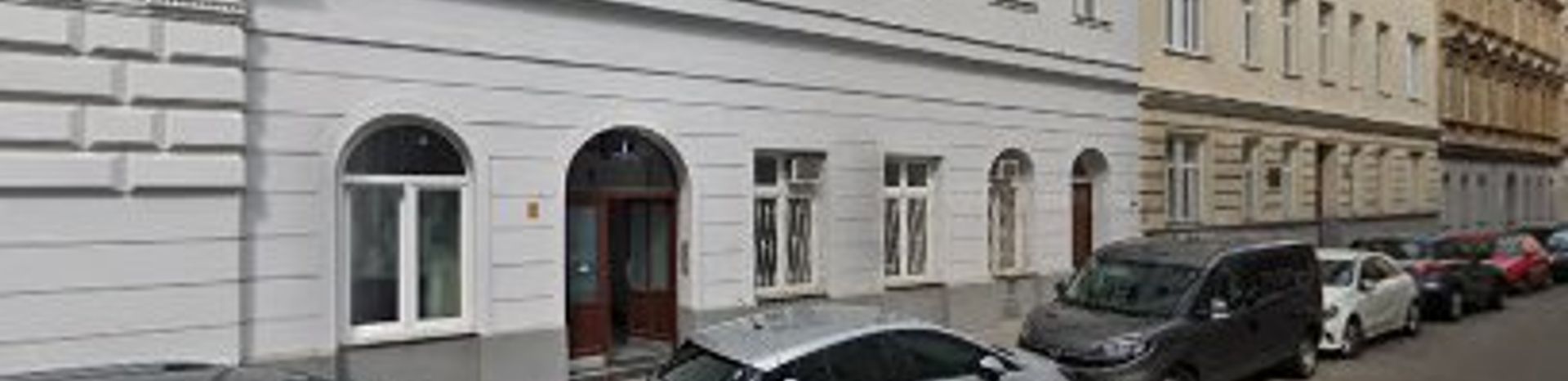
- Nickelgasse 1, Vienna, Leopoldstadt, 1020, AT
Local tips
- Visit early in the morning or later in the afternoon to avoid the largest crowds, especially during peak tourist season.
- Consider purchasing a combination ticket that includes entry to other attractions in the Hofburg Palace to save money.
- Photography without flash is allowed, so bring your camera to capture the stunning displays.
- Allow at least 1.5 to 2 hours to fully explore the treasury's 21 rooms and appreciate the vast collection.
- Take advantage of the audio guides available in multiple languages to gain deeper insights into the history and significance of the artifacts.

Getting There
-
Public Transport
The Imperial Treasury is easily accessible via Vienna's efficient public transport system. Take the U3 metro line to the Herrengasse station. From there, it's approximately an 8-minute walk to the Hofburg Palace. Alternatively, take tram lines 1, 2, D, or 71 to the Burgring stop or bus lines 1A or 2A to Michaelerplatz. From any of these stops, follow signs to the Hofburg Palace and the Schweizerhof (Swiss Courtyard), where the entrance to the Treasury is located. A single ticket for public transport within Vienna costs €2.40.
-
Walking
If you are already in Vienna's city center (Innere Stadt), walking to the Imperial Treasury is a pleasant option. From St. Stephen's Cathedral, walk west along Graben and then turn left onto Kohlmarkt. Continue straight until you reach Michaelerplatz. The Hofburg Palace will be on your left. Enter the palace complex and follow signs to the Schweizerhof, where the Treasury entrance is located.
-
Taxi/Ride-Share
Taxis and ride-sharing services are readily available in Vienna. A short taxi ride from anywhere in the Innere Stadt to the Hofburg Palace will typically cost between €8 and €15, depending on traffic and distance.
-
Driving
While driving to the Imperial Treasury is possible, parking in the city center can be challenging and expensive. The Hofburg Garage is located directly underneath the Hofburg Palace, offering convenient but costly parking. Expect to pay around €5-€6 per hour. Alternatively, consider using a Park & Ride facility on the outskirts of Vienna and taking public transport to the city center. Public parking spaces reserved for disabled drivers are available on Heldenplatz.
Discover more about Имперская сокровищница во дворце Хофбург
Iconic landmarks you can’t miss

Имперская сокровищница во дворце Хофбург
0.0 km
Discover over a thousand years of European history through the dazzling treasures of the Habsburgs and the Holy Roman Empire at Vienna's Imperial Treasury.
Bezirksmuseum Leopoldstadt
0.4 km
Explore Leopoldstadt's vibrant past at Bezirksmuseum: history, culture, and Jewish heritage come alive in Vienna's 2nd district.
Hannakenbrunnen
0.7 km
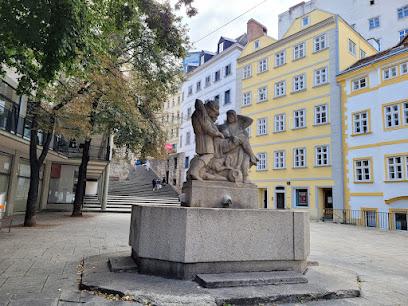
Discover the Hannakenbrunnen, a serene Viennese fountain blending art, history, and local folklore near the iconic Maria am Gestade church.
Schottenring
0.7 km
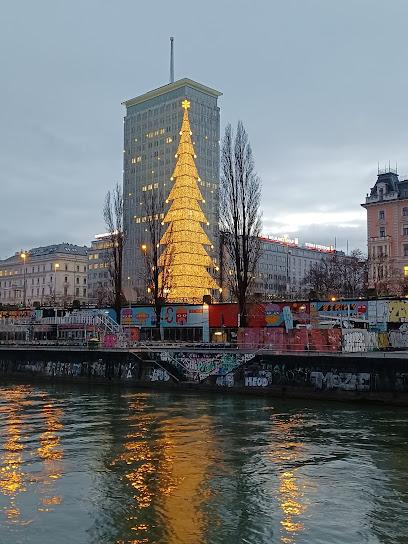
Discover the historic charm of Schottenring, a stunning boulevard in Vienna showcasing beautiful architecture and vibrant local culture.
Desider-Friedmann-Platz
0.7 km
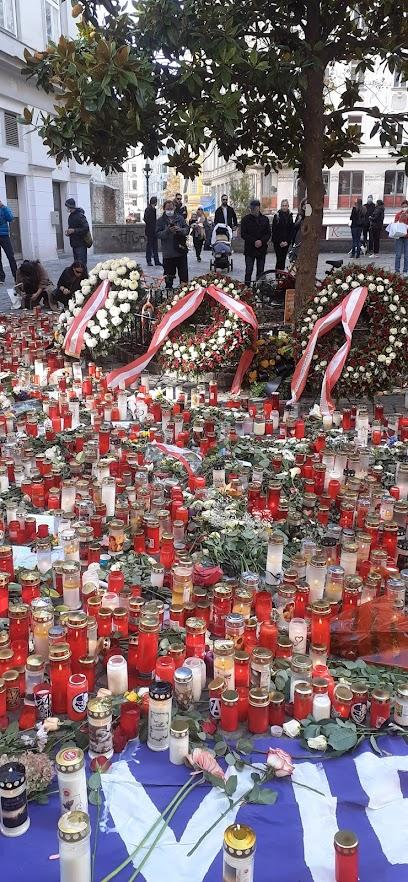
Experience the vibrant atmosphere of Desider-Friedmann-Platz, a picturesque square in Vienna surrounded by stunning architecture and delightful cafés.
Börse
0.7 km
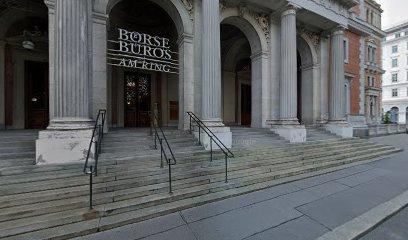
Explore the Börse in Vienna, a stunning architectural landmark that reflects the city’s financial history and artistic heritage in the heart of Innere Stadt.
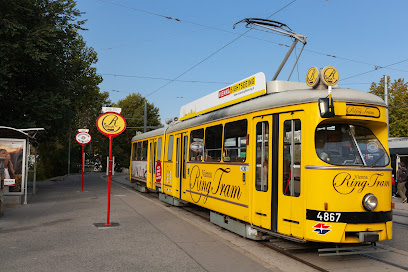
Vienna Ring Tram Sightseeing
0.7 km
Explore Vienna's iconic landmarks on the scenic Ring Tram, a comfortable and informative journey through the heart of Austria's capital.
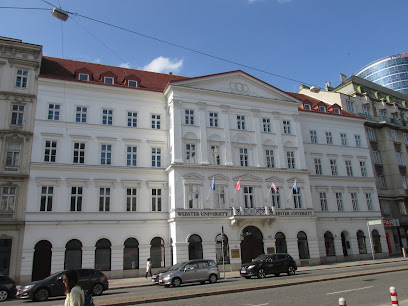
Palais Wenkheim
0.8 km
Discover Palais Wenkheim in Vienna's Leopoldstadt: A classical landmark blending 19th-century elegance with modern education.
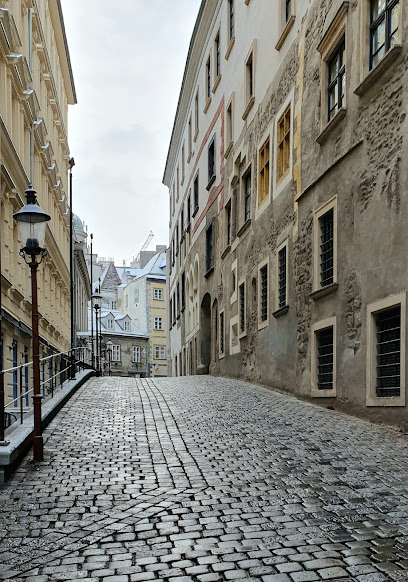
Rare secular gothic facade
0.8 km
Explore Vienna's Rare Secular Gothic Facade, a stunning historical landmark that reflects the city's rich architectural heritage.
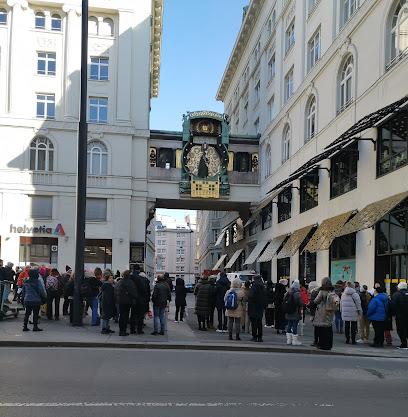
Hoher Markt
0.8 km
Discover Vienna's oldest square, where Roman history meets medieval markets and the iconic Ankeruhr, offering a unique glimpse into the city's vibrant past.
Judenpl.
0.8 km
Explore the historical Judenplatz in Vienna, where rich Jewish heritage meets stunning architecture in a vibrant, cultural atmosphere.
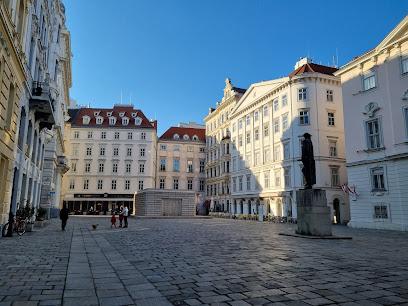
Judenplatz Holocaust Memorial
0.8 km
Explore the Judenplatz Holocaust Memorial in Vienna, a haunting tribute to the Jewish victims of the Holocaust, blending history with profound remembrance.
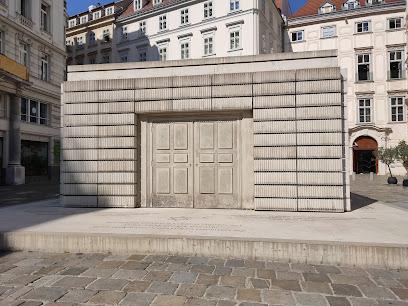
Judenplatz
0.8 km
Explore Judenplatz in Vienna—a captivating historical landmark rich in Jewish heritage and architectural beauty, perfect for culture enthusiasts.
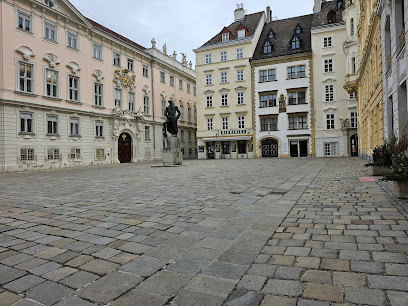
Bürgerhaus
0.8 km
Discover the Bürgerhaus, a hidden Gothic landmark in Vienna's historic Griechengasse, offering a glimpse into the city's medieval past and vibrant cultural heritage.
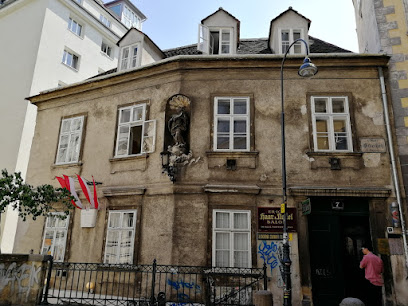
Van-Swieten-Hof
0.8 km
Explore the architectural elegance of Van-Swieten-Hof, a historical landmark in Vienna that reflects the city's rich cultural heritage and charm.
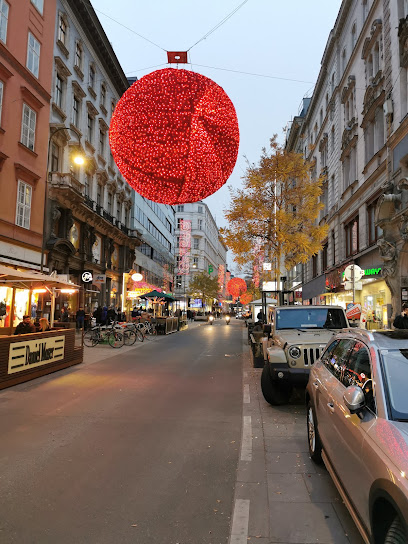
Unmissable attractions to see

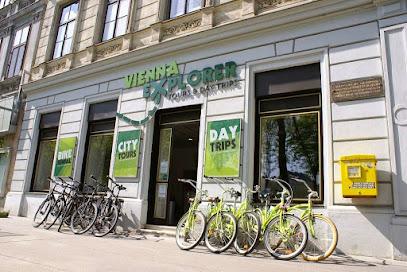
Vienna Explorer
0.4 km
Explore Vienna like never before with bicycle rentals, guided tours, and seamless airport shuttles, all at Vienna Explorer.
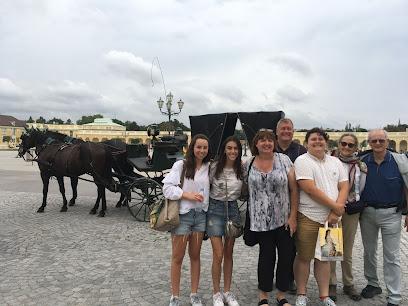
Insight Cities Vienna
0.4 km
Discover Vienna's history and culture with Insight Cities, offering personalized guided tours for an unforgettable travel experience.
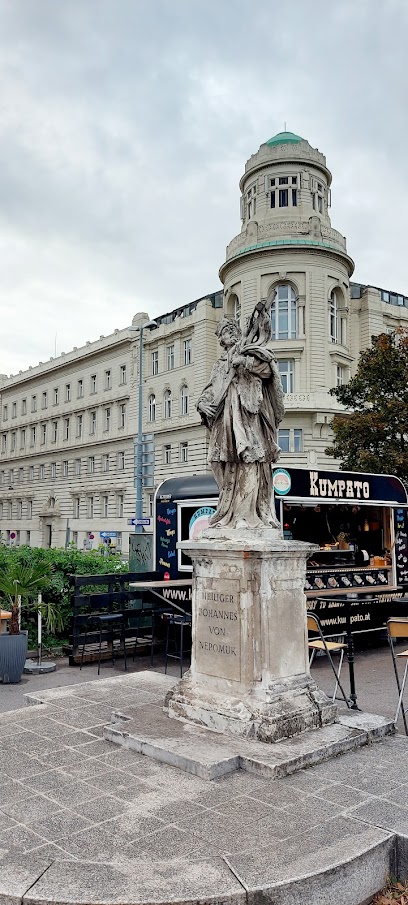
Denkmal Heiliger Johannes von Nepomuk
0.5 km
A serene monument in Vienna's Alsergrund dedicated to St. John of Nepomuk, the protector against floods, embodying faith and history.
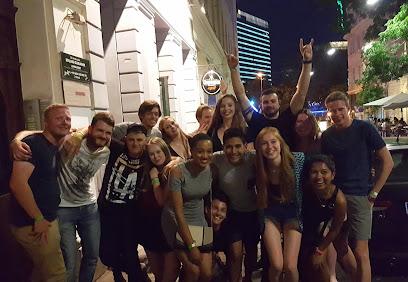
Vienna Nights Pub Crawl
0.6 km
Experience the vibrant nightlife of Vienna with the Vienna Nights Pub Crawl - an unforgettable journey through the city's best bars and hidden gems.
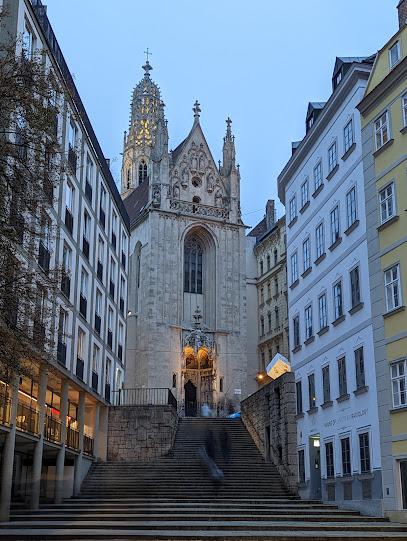
Catholic Church Maria am Gestade
0.7 km
Explore the serene beauty and rich history of Maria am Gestade, a stunning Gothic Catholic church in the heart of Vienna, Austria.
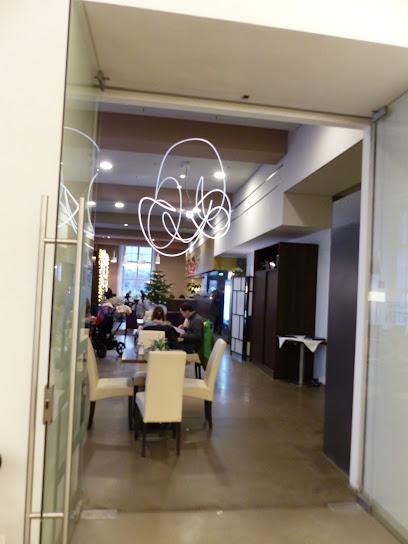
Vienna Porcelain Manufactory Augarten
0.7 km
Explore the rich heritage of porcelain craftsmanship at Vienna Porcelain Manufactory Augarten, where art and history beautifully converge.
Stadttempel
0.7 km
Explore the Stadttempel in Vienna: A Historical Jewish Synagogue and Cultural Landmark Reflecting Rich Heritage.
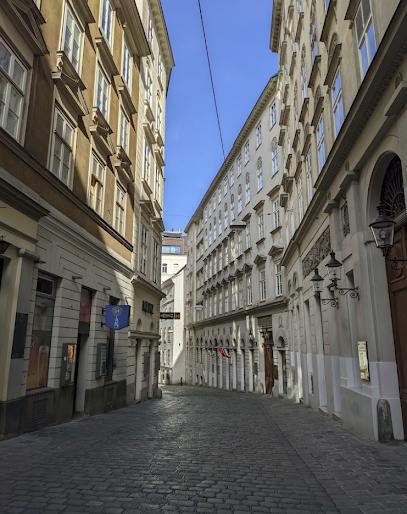
Archives Of The Austrian Resistance
0.7 km
Explore the Archives of the Austrian Resistance, a museum dedicated to the courageous individuals who fought against Nazi oppression in Austria.
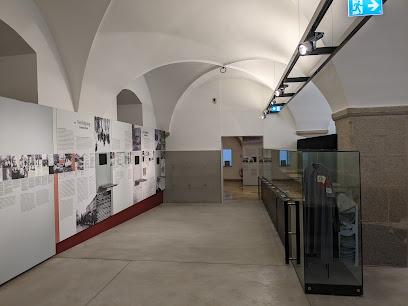
Altes Rathaus
0.8 km
Explore the stunning Altes Rathaus in Vienna, a historical landmark rich in culture and stunning architecture, perfect for history enthusiasts and casual visitors alike.
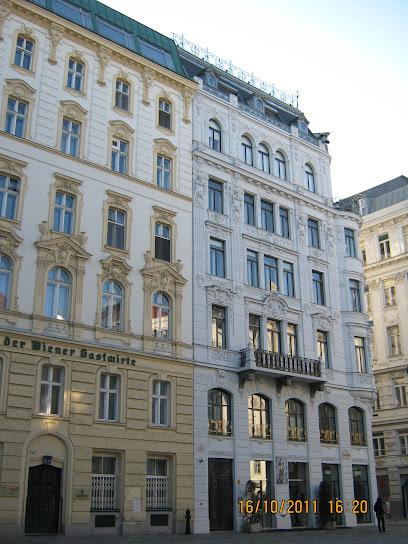
Hotrod Tour Wien
0.8 km
Explore the stunning city of Vienna in style with Hotrod Tour Wien, where adventure meets history in an unforgettable sightseeing experience.

Museum Judenplatz
0.8 km
Discover the profound history of Jewish culture at Museum Judenplatz in Vienna, a key cultural landmark and a must-visit tourist attraction.
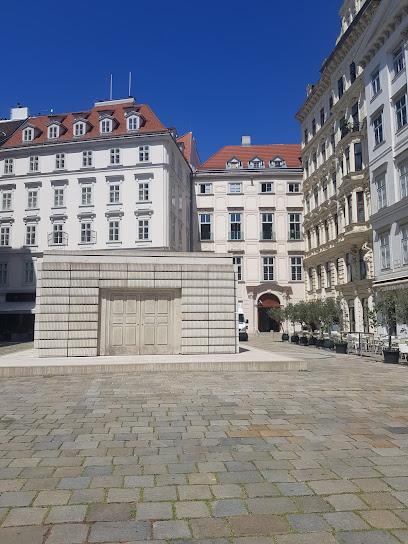
Wedding Fountain
0.8 km
Experience the charm of Vienna at the Wedding Fountain, a picturesque landmark steeped in history and artistry, perfect for capturing memorable moments.
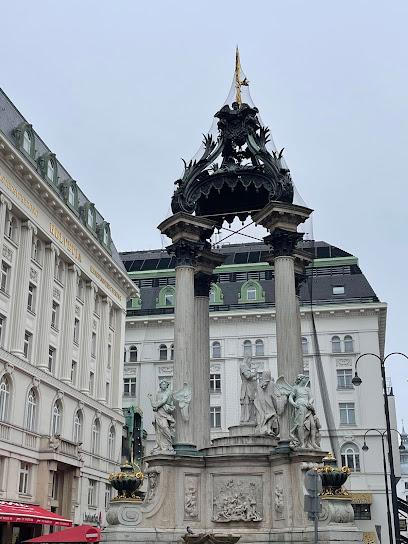
Ankeruhr
0.8 km
Experience Vienna's history in motion at the Ankeruhr, a stunning Art Nouveau clock with a daily parade of historical figures and enchanting music.
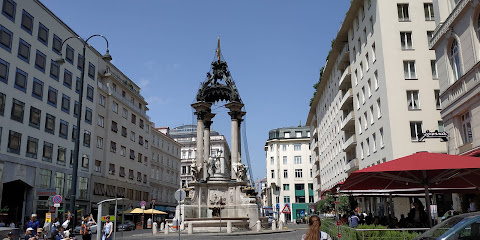
Sigmund Freud Museum
0.9 km
Discover the Sigmund Freud Museum in Vienna, a historic site dedicated to the life and work of the father of psychoanalysis. Explore exhibits and enjoy the café.
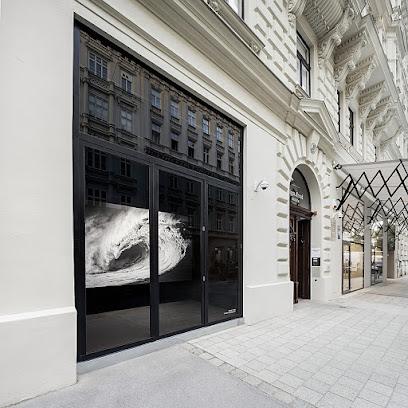
Palais Collalto
0.9 km
Discover the elegance of Palais Collalto, a stunning historical landmark that reflects Vienna's aristocratic past amidst the city's vibrant charm.
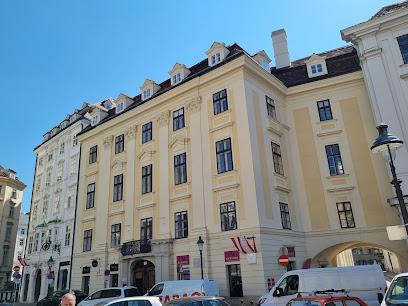
Essential places to dine

Skopik & Lohn
0.3 km
Discover Skopik & Lohn: A premier dining destination in Vienna offering innovative Austrian cuisine in an inviting atmosphere.
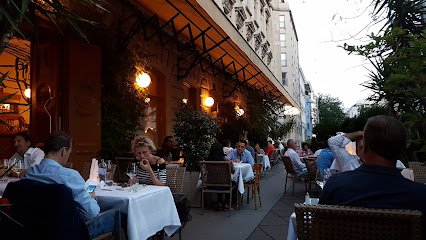
Schank zum Reichsapfel
0.4 km
Savor the best of traditional Austrian cuisine in Vienna at Schank zum Reichsapfel with warm hospitality and delicious local flavors.
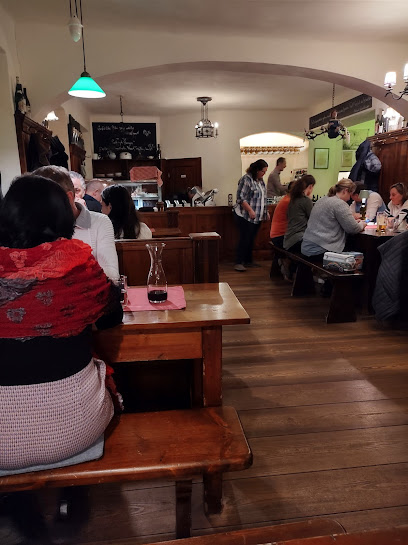
Restaurant EDVARD
0.6 km
Discover culinary excellence at Restaurant EDVARD – where traditional Austrian flavors meet modern gastronomy in an elegant setting.
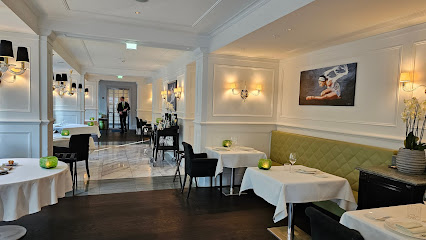
Zum Roten Bären
0.6 km
Discover the essence of Austrian cuisine at Zum Roten Bären in Vienna – where tradition meets taste in a cozy atmosphere.
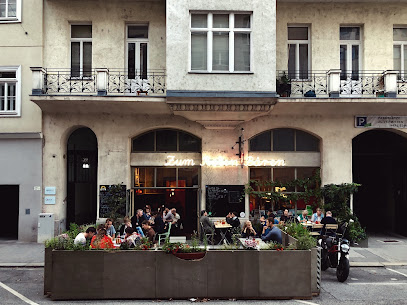
Spelunke
0.7 km
Discover authentic Austrian cuisine at Spelunke in Vienna - where tradition meets modern culinary art.
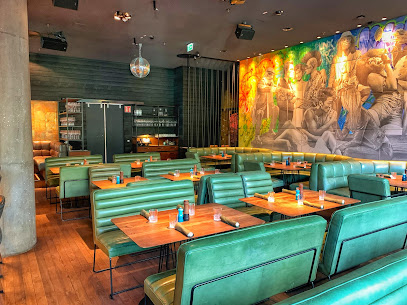
Das LOFT
0.7 km
Experience gourmet dining with stunning views at Das LOFT in Vienna - where culinary art meets breathtaking skyline vistas.
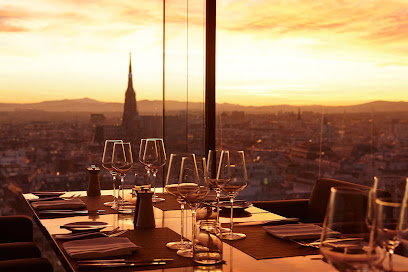
Café & Restaurant Motto am Fluss
0.7 km
Discover exquisite European cuisine and stunning riverside views at Café & Restaurant Motto am Fluss in Vienna.
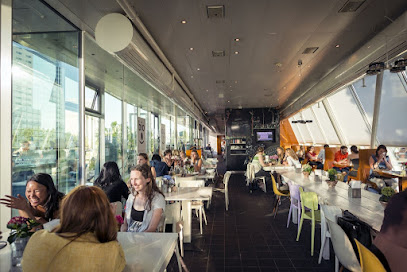
LETO Restaurant Bar
0.7 km
Experience the essence of Mediterranean flavors at LETO Restaurant Bar in the heart of Vienna.
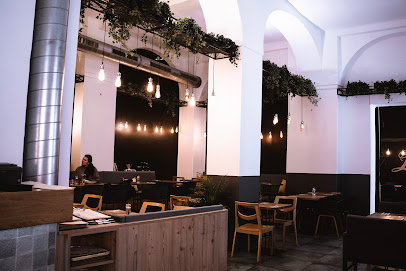
Schachtelwirt
0.7 km
Discover the flavors of Austria at Schachtelwirt, where tradition meets modernity in a vibrant dining atmosphere.
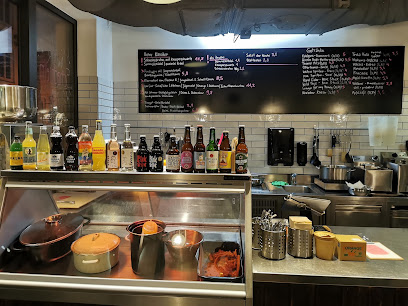
Nestroy Gasthaus & Biergarten
0.8 km
Experience authentic Austrian cuisine and vibrant atmosphere at Nestroy Gasthaus & Biergarten in Vienna's charming Leopoldstadt.
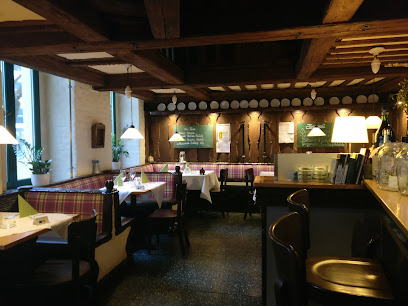
FAMILY AND FRIENDS
0.8 km
Experience the warmth of Viennese hospitality at Family and Friends, where delicious cuisine meets inviting ambiance in the heart of Vienna.
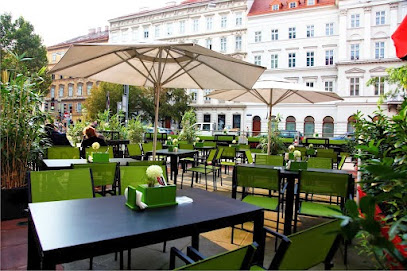
Griechenbeisl
0.8 km
Discover authentic Austrian flavors at Griechenbeisl - Vienna's historic dining treasure offering exquisite cuisine in an enchanting atmosphere.
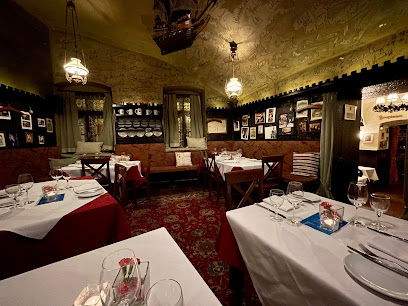
Pramerl and the Wolf
0.9 km
Experience fine dining at Pramerl and the Wolf in Vienna - where tradition meets innovation in every exquisite dish.
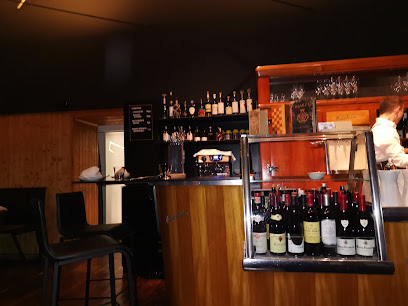
ef16 Restaurant Weinbar
0.9 km
Experience modern European cuisine at ef16 Restaurant Weinbar in Vienna - where fine dining meets exceptional meat dishes and exquisite wines.
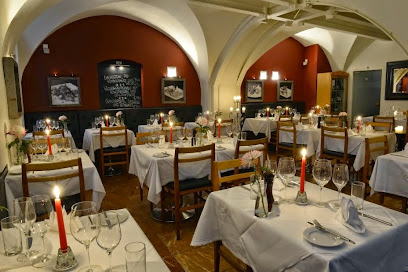
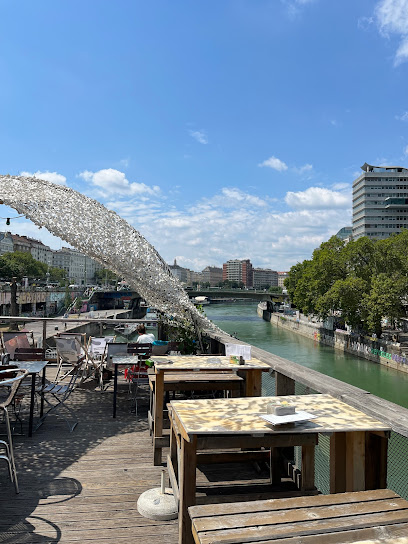
Speisen ohne Grenzen am Badeschiff
0.9 km
Experience diverse global cuisine and breathtaking riverside views at Speisen ohne Grenzen am Badeschiff in Vienna.
Markets, malls and hidden boutiques

The Shop around the Corner
0.2 km
Explore the vibrant fashion scene of Vienna at The Shop around the Corner, where unique second-hand treasures await every visitor.
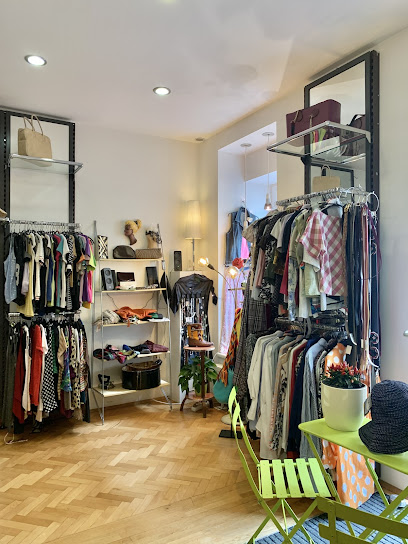
Second Hand Boutique Spatz
0.3 km
Explore sustainable fashion at Second Hand Boutique Spatz in Vienna, where unique men's and women's clothing awaits in a charming atmosphere.
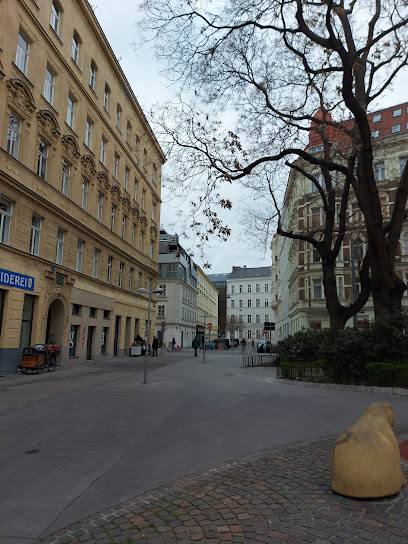
Living-Corner
0.5 km
Discover unique gifts and authentic souvenirs at Living-Corner, a charming gift shop in Vienna’s Leopoldstadt, perfect for travelers seeking local treasures.
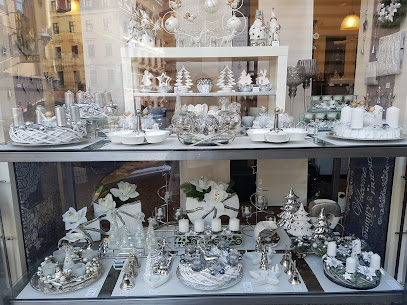
Luv the Shop
0.5 km
Explore Luv the Shop in Vienna for stylish clothing and unique fashion finds in a trendy boutique atmosphere.
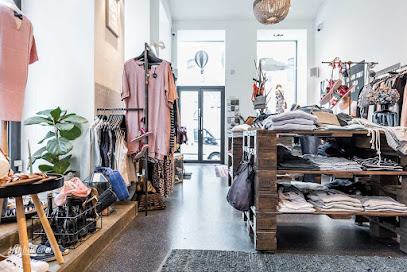
Song
0.7 km
Explore avant-garde fashion and unique styles at Song, a must-visit store in the heart of Vienna's Leopoldstadt district.
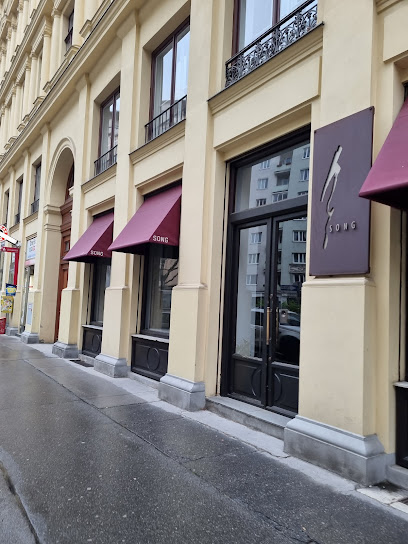
DUFT UND KULTUR Bazar
0.8 km
Explore the enchanting DUFT UND KULTUR Bazar in Vienna, home to exquisite carpets, ceramics, and perfumes that embody the city's rich cultural heritage.
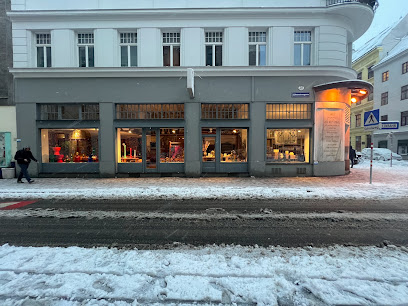
AndersWo - Salon der Kostbarkeiten I Wien
0.8 km
AndersWo - Salon der Kostbarkeiten: A Vintage Haven in Vienna's Leopoldstadt, Curating Unique Fashion and Beauty Treasures.
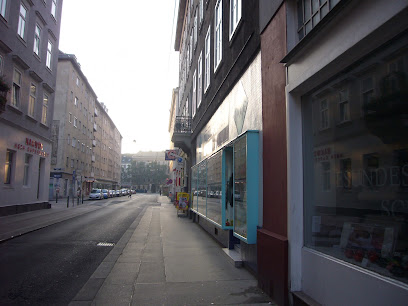
Das Neue Schwarz
0.9 km
Discover unique vintage fashion at Das Neue Schwarz in Vienna, where style meets sustainability in a charming shopping experience.
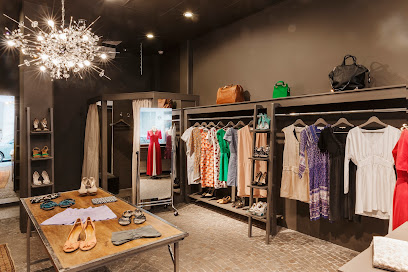
HONEST SECOND HAND
0.9 km
Explore Honest Second Hand, Vienna's premier destination for vintage clothing and unique fashion finds in a charming setting.
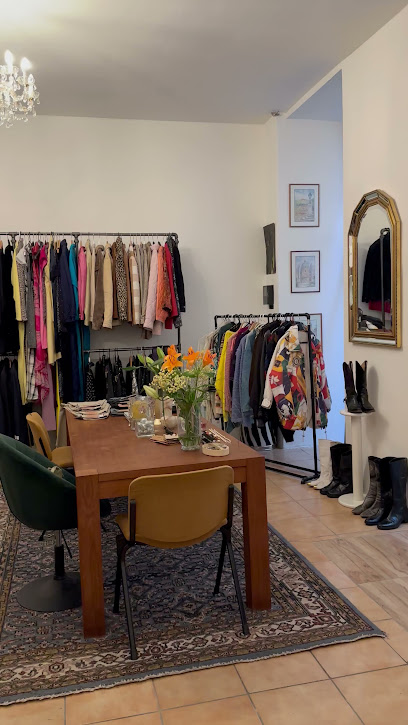
Souvenir outlet
0.9 km
Explore a charming souvenir outlet in Vienna, offering unique gifts and local treasures to commemorate your travels.
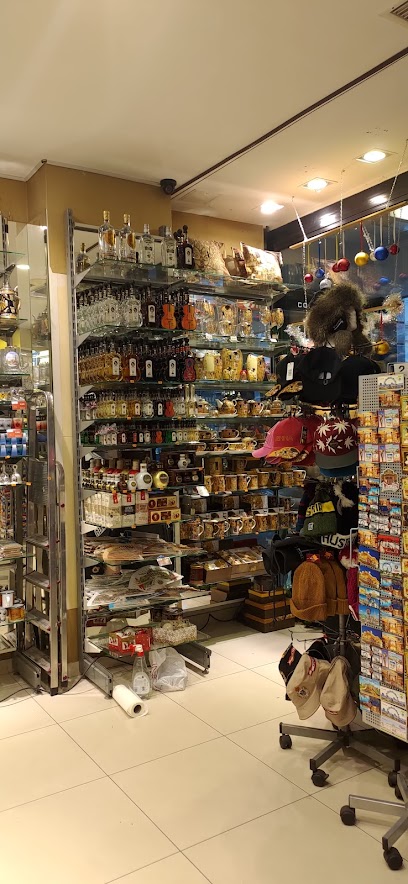
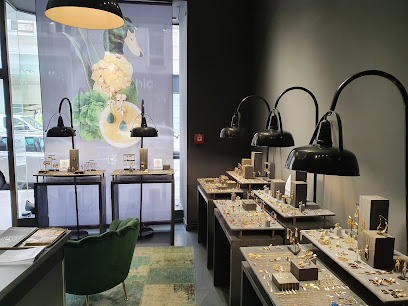
The Craftshop Vienna
1.0 km
Discover the charm of handmade jewelry at The Craftshop Vienna, where creativity meets tradition in the heart of the city.
COS
1.0 km
Explore COS in Vienna for stylish, minimalist clothing that combines quality craftsmanship with contemporary design.
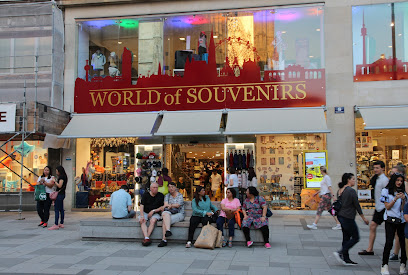
World of Souvenirs
1.0 km
Explore the World of Souvenirs in Vienna and uncover unique treasures that capture the essence of Austrian culture.
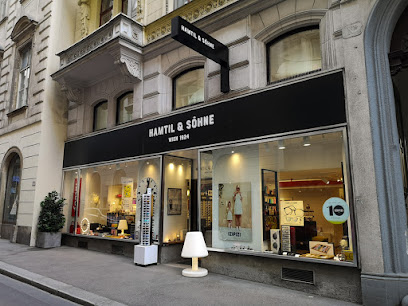
HAMTIL & SÖHNE - Concept Store Vienna
1.0 km
Explore HAMTIL & SÖHNE in Vienna - a unique concept store offering exclusive gifts and local design treasures, perfect for every visitor.
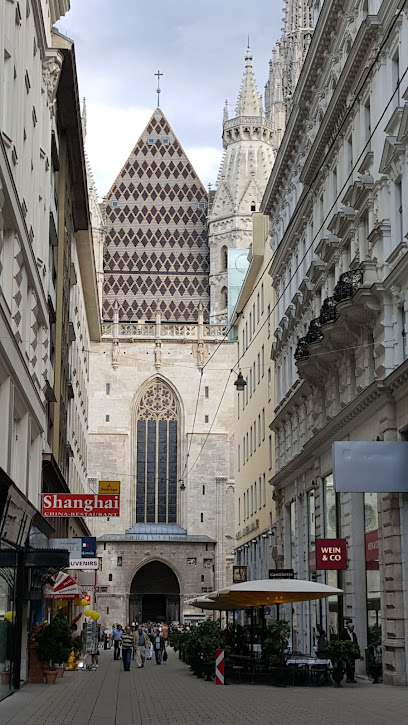
Ferstel Passage
1.0 km
Explore the architectural beauty and unique shopping experience at Ferstel Passage in Vienna, a hidden gem for every traveler.
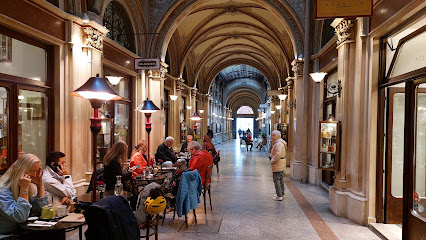
Essential bars & hidden hideouts

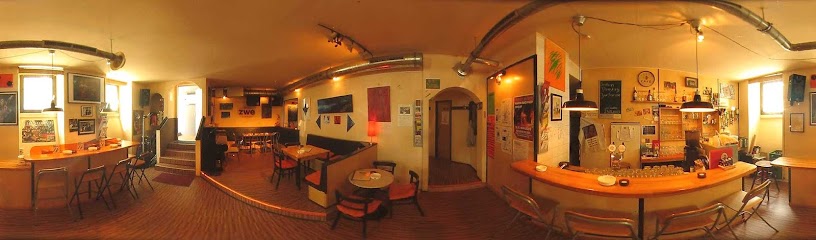
ZWE
0.2 km
Discover the vibrant atmosphere of ZWE, Vienna's premier jazz bar offering live performances, a rich cultural experience, and delightful drinks.
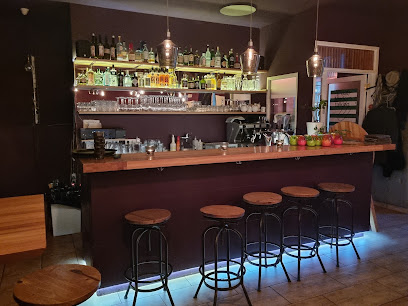
Basz Bar
0.3 km
Experience vibrant nightlife at Basz Bar in Vienna's Leopoldstadt, where unique cocktails and a welcoming atmosphere await.
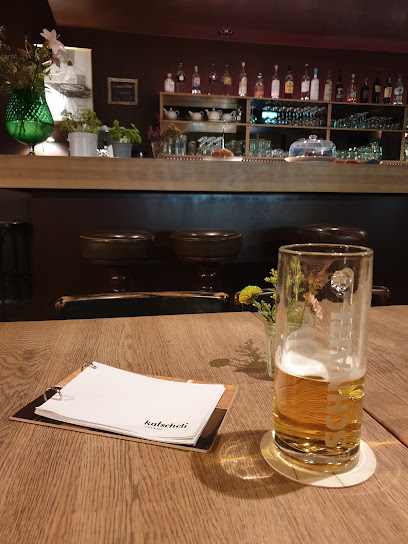
Katscheli – Cafe & Bar
0.4 km
Discover the charm of Katscheli – Cafe & Bar, a cozy spot in Vienna's Leopoldstadt offering delicious snacks and refreshing drinks in a warm atmosphere.
Hammond Bar
0.4 km
Experience the vibrant atmosphere and exquisite drinks at Hammond Bar, Vienna's go-to destination for cocktails and coffee.
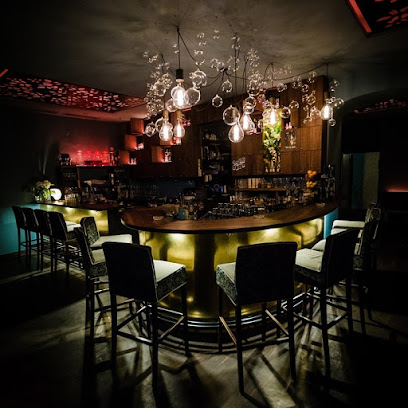
Franz von Hahn
0.5 km
Experience the vibrant nightlife of Vienna at Franz von Hahn, a bar offering exceptional drinks and lively entertainment in Leopoldstadt.
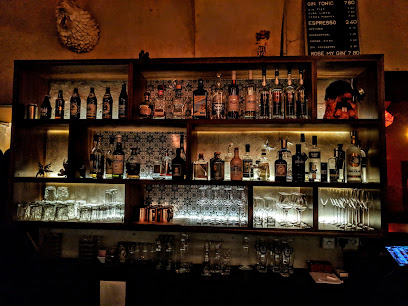
STAGE BAR
0.6 km
Discover Stage Bar, Vienna's premier cocktail destination offering vibrant nightlife and expertly crafted drinks in a stylish atmosphere.
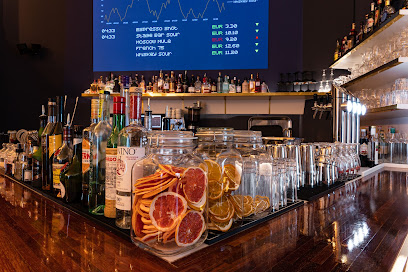
The Look Bar
0.6 km
Discover the vibrant nightlife at The Look Bar, a hidden gem in Vienna offering affordable drinks and an eclectic atmosphere that invites socializing.
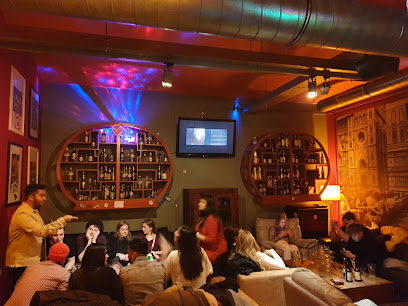
Dino's Apothecary Bar
0.6 km
Experience the art of mixology at Dino's Apothecary Bar, Vienna's premier cocktail destination with a creative twist.
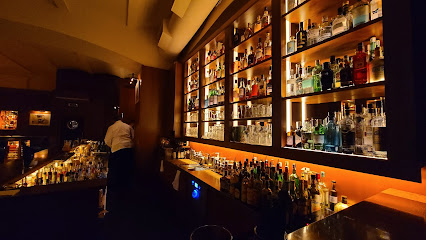
Grüner Kakadu
0.6 km
Discover the vibrant cocktail scene at Grüner Kakadu, Vienna's premier cocktail bar known for its creative drinks and lively atmosphere.
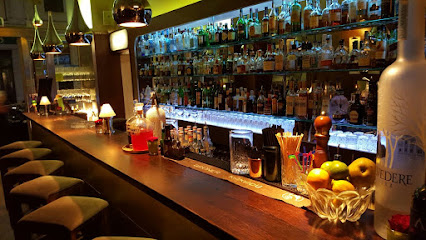
leiwand Bar & so...
0.7 km
Experience the vibrant atmosphere of Leiwand Bar & So..., a perfect blend of Austrian cuisine and drinks in the heart of Vienna.
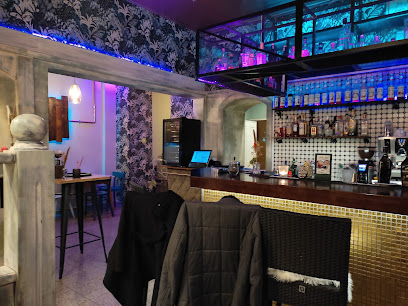
Roter Engel
0.7 km
Experience the vibrant nightlife of Vienna at Roter Engel, a stylish lounge known for its great music and welcoming atmosphere.
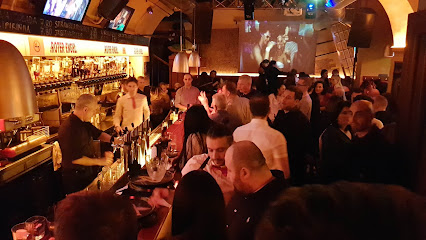
Morgans - Rum and More
0.7 km
Discover the rich flavors of rum in a cozy atmosphere at Morgans - Rum and More in Vienna, perfect for a delightful night out.
Funky Monkey Bar
0.7 km
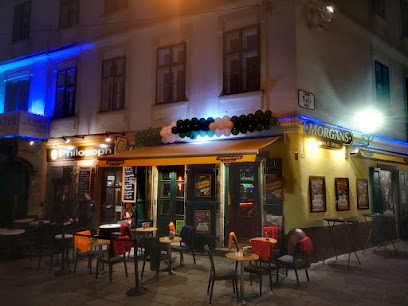
Discover the lively vibe of Funky Monkey Bar in Vienna, where great drinks and an electric atmosphere come together for an unforgettable night out.
First Floor
0.7 km
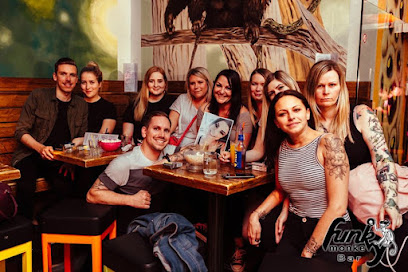
Discover the elegance of First Floor, Vienna's premier bar for exquisite cocktails and a vibrant nightlife experience.
Chill Out Lounge I Cocktail Bar 1010 Wien
0.7 km
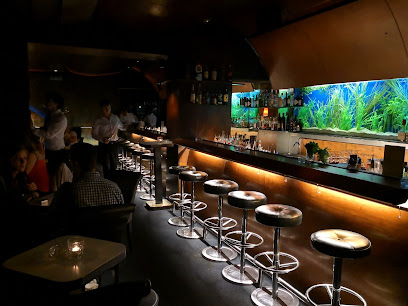
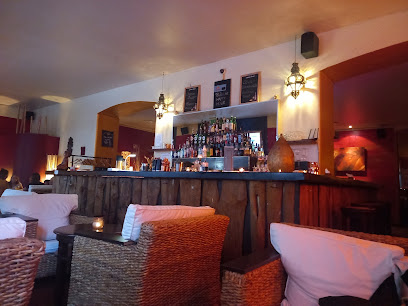
Experience the vibrant cocktail culture of Vienna at Chill Out Lounge, where creativity meets relaxation in a chic setting.
Nightclubs & after hour spots

Flex
0.3 km
Discover Flex in Vienna: A premier disco club and bar, perfect for an unforgettable night out by the Danube Canal.
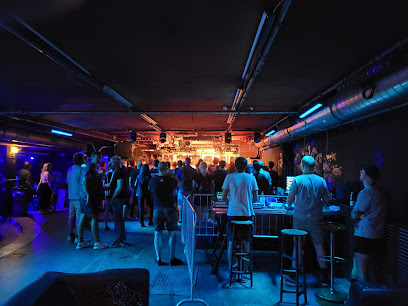
Bricks
0.5 km
Experience Vienna's vibrant nightlife at Bricks, a lively night club and bar offering great music, cocktails, and unforgettable moments.
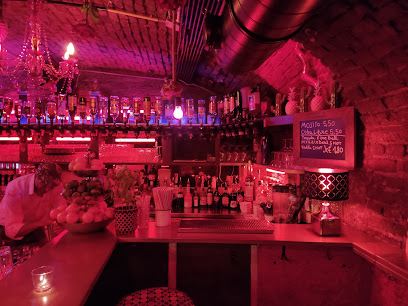
Fashiontv Club Vienna
0.6 km
Discover the vibrant nightlife at Fashiontv Club Vienna, where music, style, and energy collide in the heart of the city.
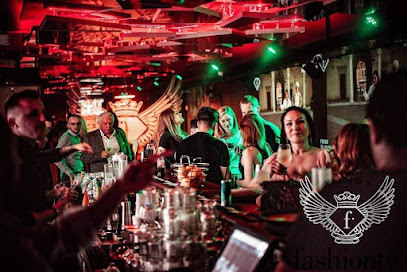
Wundabar
0.7 km
Experience the rhythm of Vienna's nightlife at Wundabar, a vibrant disco club perfect for dancing the night away with friends.
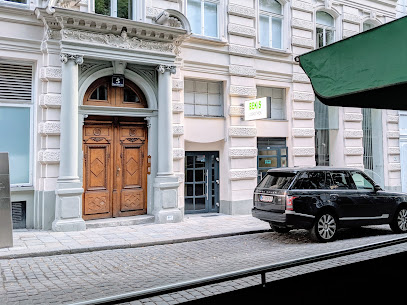
Club44 - Nightclub in Wien 1020
0.7 km
Discover the electrifying nightlife at Club44, a premier nightclub in Vienna's Leopoldstadt, featuring top DJs and a vibrant atmosphere until dawn.
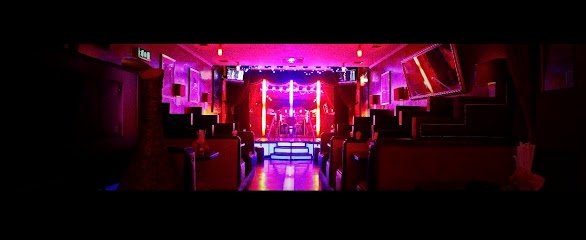
Vienna Gnadenlos - der Club im Bermudadreieck
0.7 km
Discover the vibrant nightlife of Vienna at Gnadenlos, a premier disco club in the heart of the city known for its electrifying atmosphere and great music.
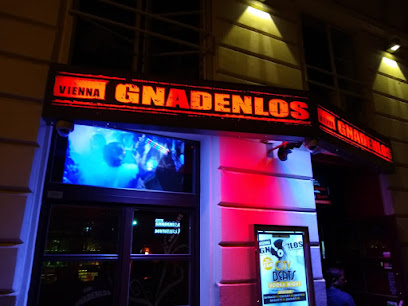
PRST
0.8 km
Discover the heart of Vienna's nightlife at PRST, where the beats are electrifying and the energy is contagious.
Cabaret Fledermaus
1.2 km
Discover the vibrant nightlife of Vienna at Cabaret Fledermaus, a premier disco club combining dance and bar vibes for an unforgettable experience.
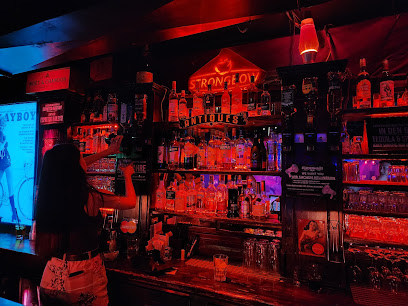
Madame Bar
1.2 km
Discover the vibrant nightlife at Madame Bar in Vienna, where electrifying music and stylish ambiance create the perfect party destination.
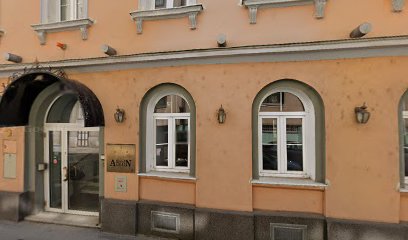
Red Room
1.2 km
Discover the vibrant atmosphere of Red Room, Vienna’s premier night club offering exquisite cocktails and an unforgettable nightlife experience.
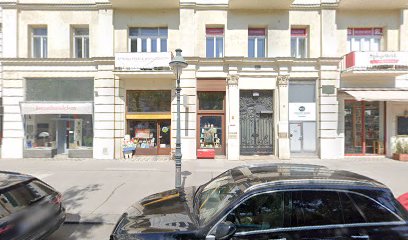
deluxe girls
1.2 km
Deluxe Girls in Vienna: A Nightclub Experience Unmatched in Energy, Style, and Entertainment.
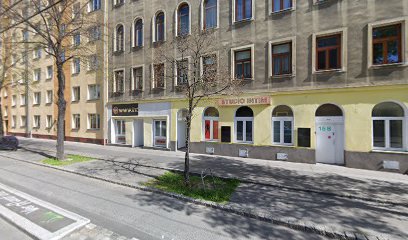
Café Manhattan
1.2 km
Experience the vibrant nightlife of Vienna at Café Manhattan, a lively night club in the heart of Brigittenau, perfect for dancing and socializing.
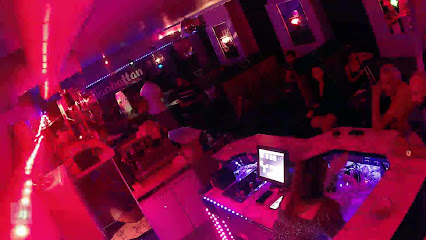
Chez Nous
1.2 km
Experience the heartbeat of Vienna's nightlife at Chez Nous, a vibrant night club where dancing and fun never stop.
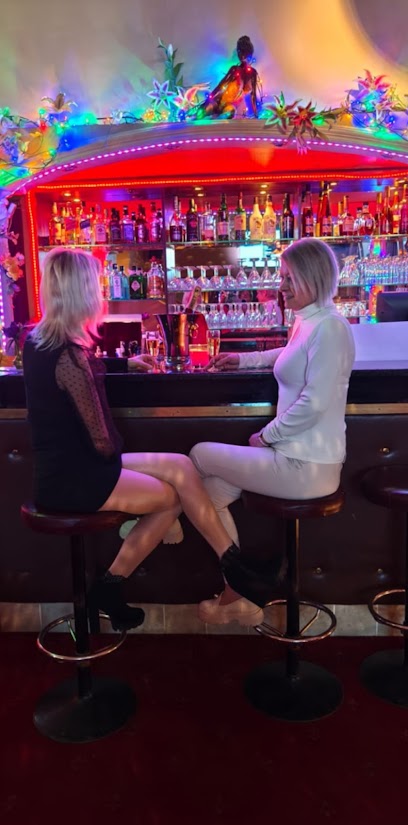
Flucc
1.4 km
Discover Vienna's nightlife at Flucc, a lively disco club offering diverse music, unique events, and an electrifying atmosphere for unforgettable nights.
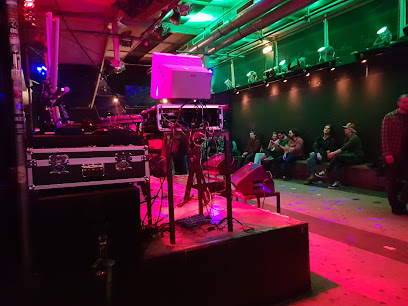
Beverly Hills Club
1.4 km
Discover the ultimate nightlife experience at Beverly Hills Club in Vienna, where luxury meets vibrant energy and unforgettable music.