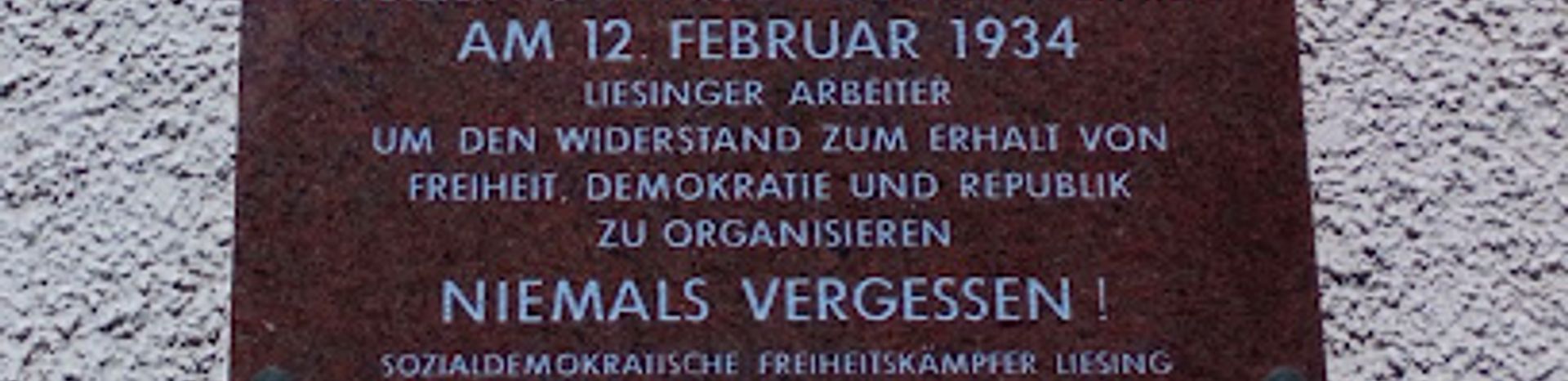
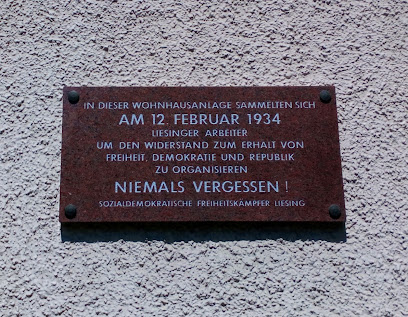
Gedenktafel für den 12. Februar 1934
A solemn memorial in Vienna's Liesing district commemorating the Austrian Civil War and the fight for democracy against Austro-fascism on February 12, 1934, inviting reflection on Austria's complex past.
The Gedenktafel für den 12. Februar 1934 (Memorial Plaque for February 12, 1934) commemorates a pivotal moment in Austrian history, marking the beginning of the Austrian Civil War. This conflict arose from escalating tensions between the Social Democratic Party and the Austro-fascist government, erupting into open violence on February 12, 1934. The plaque serves as a solemn reminder of the struggle for democracy and freedom against authoritarianism. Located in the Liesing district of Vienna, it invites reflection on the events that shaped Austria's path in the 20th century. The memorial is a place for locals and tourists to remember the victims and fighters of the February Uprising. It stands as a symbol of resistance and a testament to the enduring quest for social justice and political liberty. Visiting this site offers a poignant opportunity to connect with Austria's complex past and contemplate the importance of safeguarding democratic values.
A brief summary to Gedenktafel für den 12. Februar 1934
- Elisenstraße 36, Vienna, Liesing, 1230, AT
- Visit website
Local tips
- Take a moment to reflect on the historical significance of the plaque and the events of February 1934 in Austria.
- Combine your visit with a walk through the surrounding Liesing district to experience a typical Viennese residential area.
- Consider visiting other memorials in Vienna related to the February Uprising and the Austro-fascist period for a broader understanding of this era.

Getting There
-
Public Transport
From central Vienna, take the U6 subway line to Alterlaa. From there, take bus 60A towards Liesing and get off at the Elisenstraße stop. The memorial plaque is a short walk from the bus stop, located at Elisenstraße 36. A single ticket for public transport within Vienna costs €2.40 and is valid for one journey, allowing changes between different lines.
-
Walking
If you are already in the vicinity of Liesing, you can reach Elisenstraße 36 by walking. Use a map app to guide you towards Elisenstraße, orienting yourself using local landmarks such as the Liesing train station or the Riverside shopping center. From the train station, walk east along Seybelgasse, then turn right onto Elisenstraße. The memorial plaque will be on your left after a few blocks. No costs are associated with walking.
Discover more about Gedenktafel für den 12. Februar 1934
Iconic landmarks you can’t miss

Gedenktafel für den 12. Februar 1934
0.0 km
A solemn memorial in Vienna's Liesing district commemorating the Austrian Civil War and the fight for democracy against Austro-fascism on February 12, 1934, inviting reflection on Austria's complex past.
Schloss Liesing
0.5 km
Discover the serene beauty and historical charm of Schloss Liesing, a hidden castle gem in Vienna's Liesing district, perfect for a peaceful escape.

ehem. Pfarrkirche Liesing St. Servatius
1.1 km
Explore the serene beauty of St. Servatius Memorial Park, a historic gem in Liesing, Vienna, perfect for relaxation and reflection amidst nature.
Denkmal Widerstandskämpfer Viktor Mrnustik und Franz Heindl
1.5 km
A poignant memorial in Vienna honoring two Austrian resistance fighters, Viktor Mrnustik and Franz Heindl, who were executed for their courageous opposition to the Nazi regime.
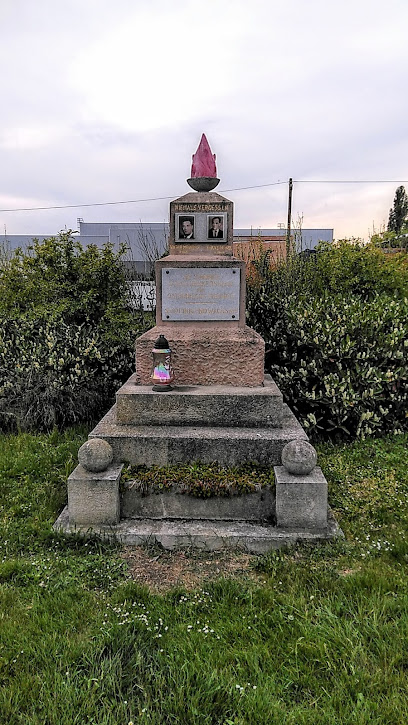
Denkmal der Stadt Liesing für die Opfer der Weltkriege
1.6 km
A solemn memorial in Vienna's Liesing district, honoring the victims of the World Wars and promoting peace and reflection within the community.
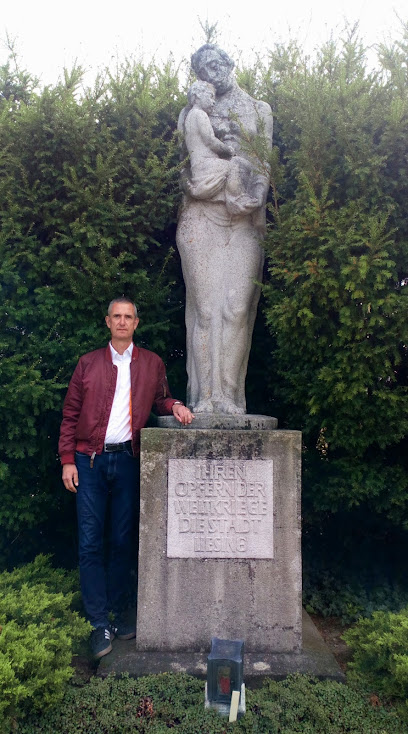
Maurer Rathaus Park
1.8 km
Discover tranquility at Maurer Rathaus Park, a lush green oasis in Vienna's Liesing district, perfect for relaxation, picnics, and family fun amidst historical landmarks and community spirit.
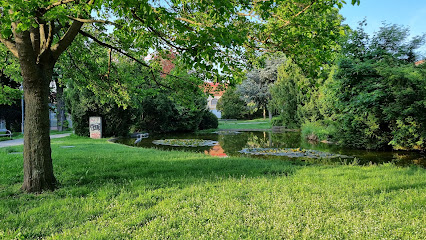
Denkmal für Therese Klostermann
1.8 km
Explore the Denkmal für Therese Klostermann, a serene memorial park in Vienna dedicated to courage, resilience, and the enduring quest for freedom.
Wotrubakirche - Katholische Kirche zur Heiligsten Dreifaltigkeit
2.0 km
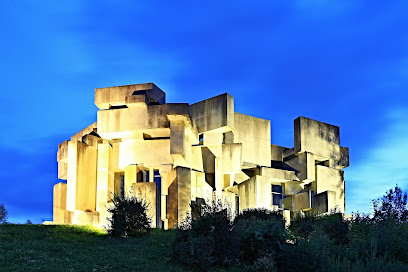
Discover Vienna's Brutalist gem: The Wotrubakirche, a unique church constructed from concrete blocks, offering a blend of architectural innovation and spiritual serenity on the Georgenberg.
Himmelswiese
2.0 km
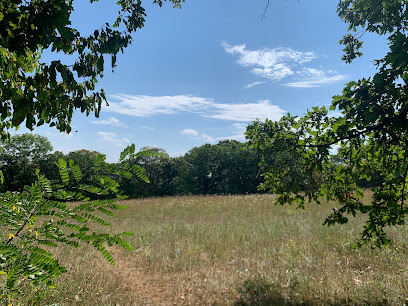
Discover Vienna's hidden hiking paradise: Himmelswiese offers breathtaking panoramic views, serene trails, and a tranquil escape into nature, easily accessible by public transport.
Marterl
2.4 km
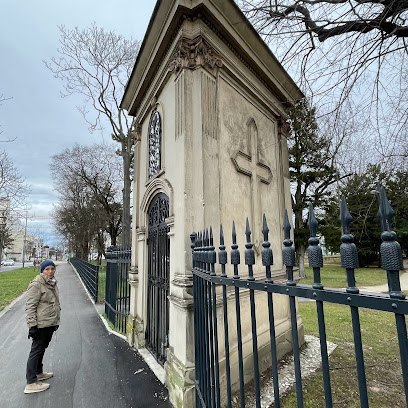
Discover tranquility at Marterl, a picturesque place of worship in Liesing, Vienna, where culture and serenity meet.
Kalksburger Schubertpark
2.8 km
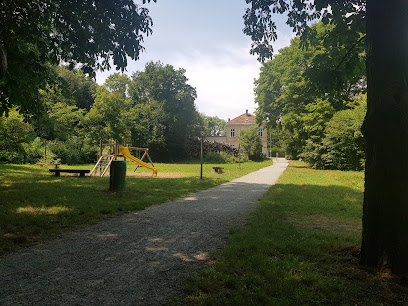
Explore the serene beauty of Kalksburger Schubertpark in Vienna, the perfect urban oasis for picnics, strolls, and relaxation amidst nature.
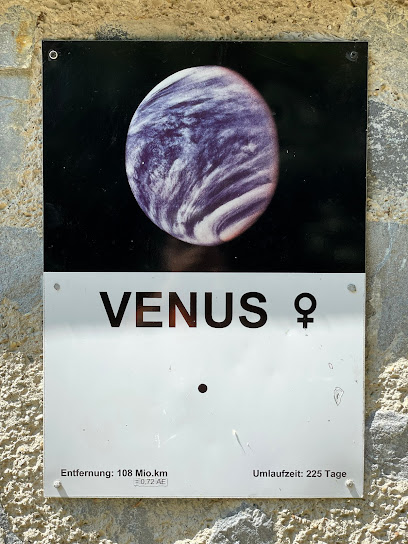
Planetenwanderweg Wien - VENUS
2.9 km
Explore the cosmos on foot at Planetenwanderweg Wien - VENUS, a unique hiking trail blending astronomical education with natural beauty in Vienna's Liesing district.
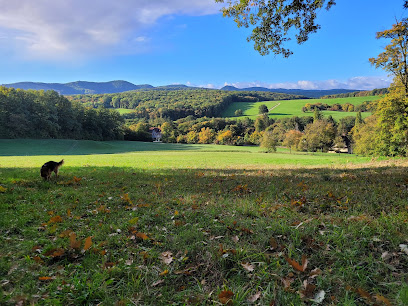
Planetenwanderweg Wien
3.0 km
Explore the cosmos on foot along Vienna's Planetenwanderweg, a unique 6km hiking trail showcasing our solar system in scale within the beautiful Lainzer Tiergarten.
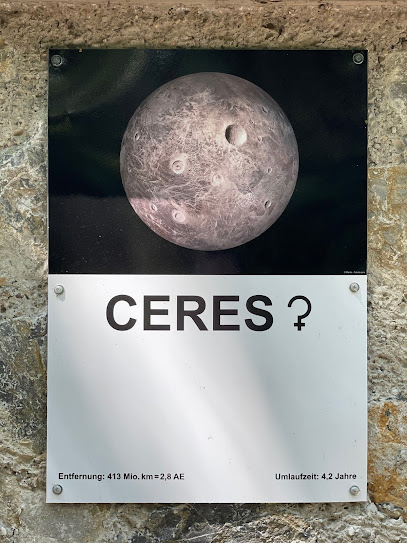
Planetenwanderweg Wien - CERES
3.0 km
Explore the solar system on foot along Vienna's Planetenwanderweg, a captivating 6km hiking trail showcasing planets in a 1:1 billion scale amidst the scenic Lainzer Tiergarten.
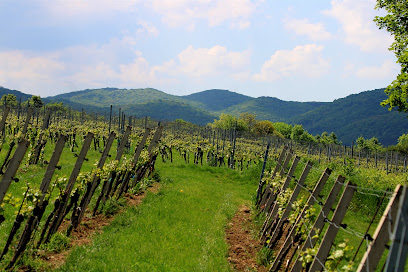
Brunner Weinwanderweg
3.3 km
Discover the beauty of Austrian wine country on the Brunner Weinwanderweg, a scenic hiking trail through vineyards with stunning views and local wine taverns.
Unmissable attractions to see

Wandplastik Alchemist Sehfeld
1.1 km
Explore the Wandplastik Alchemist Sehfeld, a captivating outdoor sculpture in Vienna's Liesing district that embodies creativity and mystery.
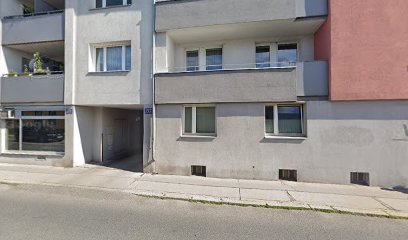
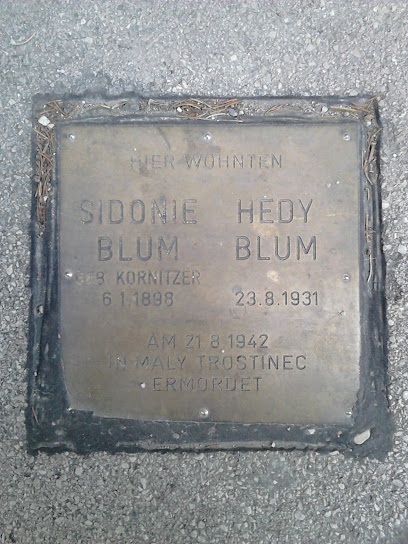
Steine der Erinnerung in Liesing - Sidonie und Hedy Blum
1.3 km
Reflect on Vienna's history at the Steine der Erinnerung memorial stones for Sidonie and Hedy Blum, a poignant tribute to Holocaust victims in the Liesing district.
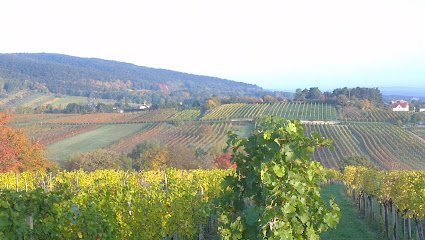
Winery Wölflinger Karl & Karin
1.6 km
Experience the best of Austrian wine culture at Winery Wölflinger, where fine wines, exquisite cuisine, and a serene garden await your discovery.
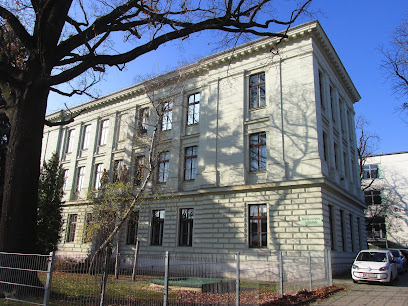
Liesing District Museum
1.7 km
Discover the captivating history and cultural heritage of Vienna's 23rd district at the Liesing District Museum, a treasure trove of local stories and artifacts.
Gerhard Marold
1.8 km
Experience the serene charm of Gerhard Marold in Vienna's Liesing district, a hidden gem blending history and local culture.
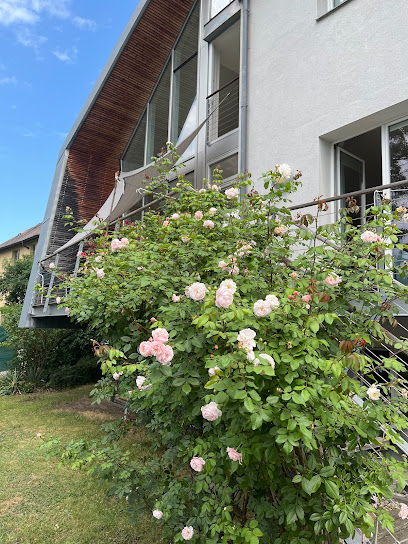
Perchtoldsdorfer Heide
2.0 km
Explore the stunning landscapes of Perchtoldsdorfer Heide, a serene nature preserve ideal for hiking and enjoying the beauty of Austria.
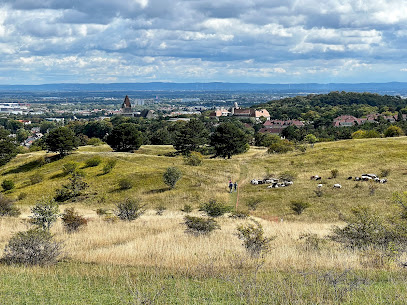
Maurer Wald
2.4 km
Explore the serene trails of Maurer Wald, a national forest near Vienna, perfect for hiking, mountain biking, and reconnecting with nature.
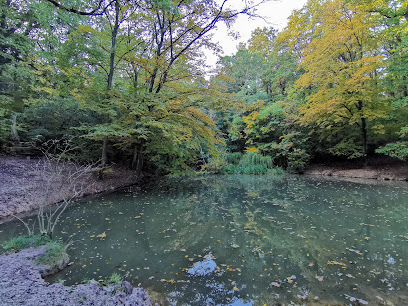
Wasserfall an der Riegermühle
2.4 km
Experience the serene beauty of Wasserfall an der Riegermühle, a charming waterfall in Vienna's Liesing district, perfect for relaxation and nature lovers.
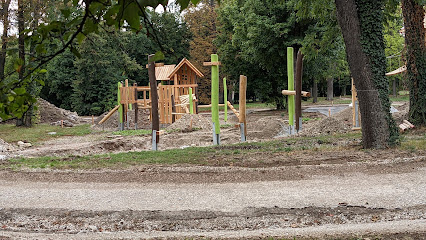
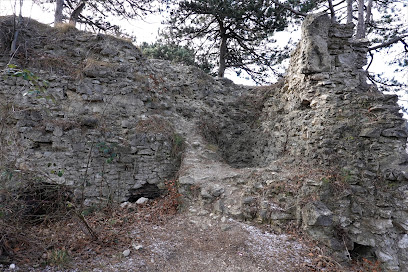
Burgruine Kammerstein
3.3 km
Explore the historic Burgruine Kammerstein in Perchtoldsdorf, Austria, where captivating ruins meet breathtaking views and rich cultural heritage.
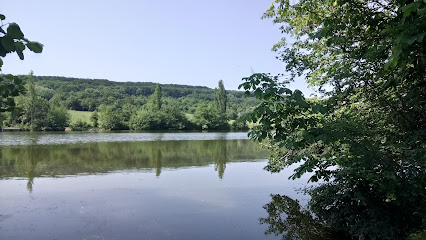
Hohenauer Teich
3.7 km
Explore the serene beauty of Hohenauer Teich in Hietzing, Vienna - a tranquil pond perfect for leisure, picnics, and nature walks.
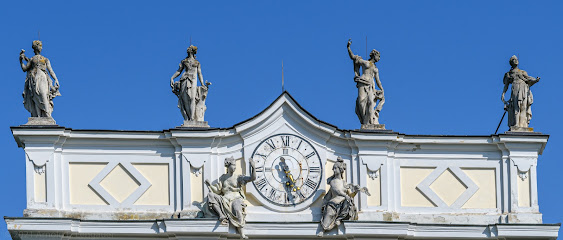
Hetzendorf Palace
4.2 km
Explore the enchanting Hetzendorf Palace in Vienna, a stunning Baroque castle with serene gardens and rich history, perfect for a peaceful escape.
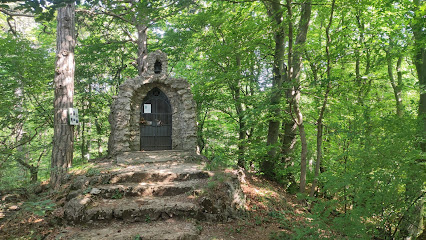
Perchtoldsdorfer Waldandacht
4.3 km
Experience the natural beauty and tranquility of Perchtoldsdorfer Waldandacht, a serene retreat in Austria’s stunning countryside.
Wien Museum Hermesvilla
4.4 km
Explore the enchanting Wien Museum Hermesvilla, a cultural treasure nestled in Lainzer Tiergarten, showcasing Vienna's rich history and breathtaking nature.
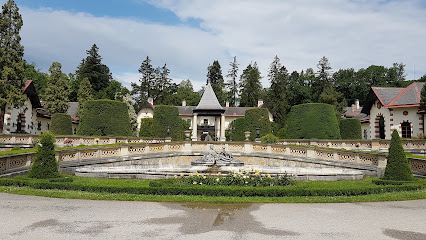
HEINDL SchokoMuseum Wien
4.7 km
Explore the delicious world of chocolate at HEINDL SchokoMuseum Wien, where learning meets indulgence in a sweet adventure.
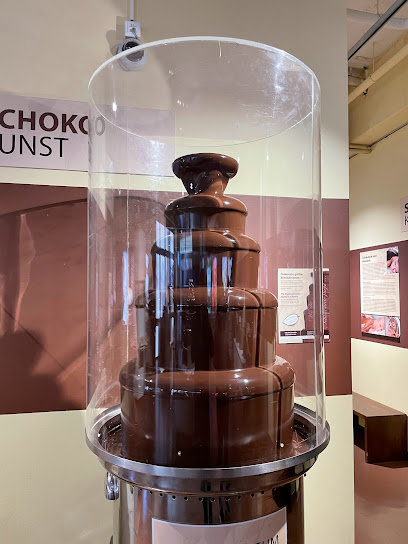
Castle Liechtenstein
4.8 km
Discover the timeless beauty of Castle Liechtenstein, a historic landmark offering captivating architecture and breathtaking views in Austria.
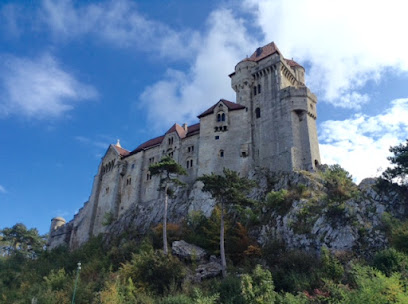
Essential places to dine

Restaurant Liesinger Bräu
0.4 km
Experience authentic Austrian cuisine and vibrant atmosphere at Liesinger Bräu - your perfect dining spot in Vienna's Liesing district.
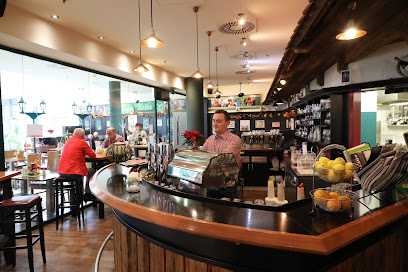
Stastino
0.4 km
Experience authentic Italian cuisine at Stastino in Vienna's Liesing district – where every meal feels like a trip to Italy.
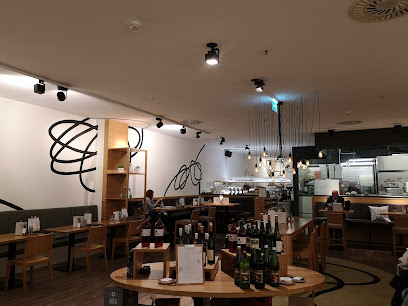
Stasta
0.5 km
Discover Stasta: A culinary gem in Vienna offering authentic Austrian dishes with a modern twist amidst a cozy atmosphere.
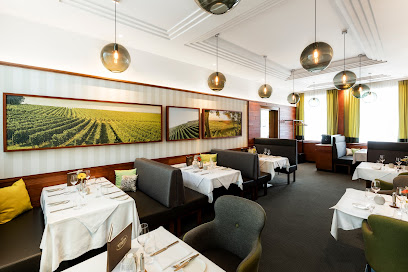
Restaurant Wood and Stone Perchtoldsdorf
1.4 km
Experience culinary excellence at Restaurant Wood and Stone - a must-visit haven for meat lovers in Perchtoldsdorf.
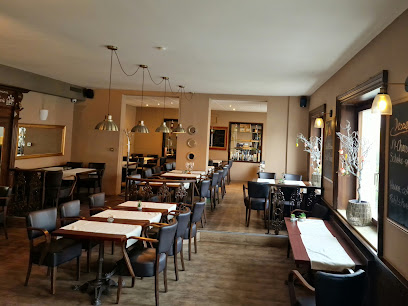
Restaurant Atzgersdorf
2.0 km
Experience authentic Austrian flavors at Restaurant Atzgersdorf in Vienna – where tradition meets modern cuisine in a cozy setting.
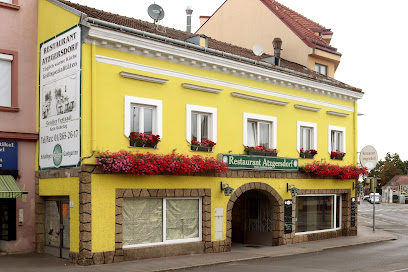
Gasthaus Bauer
2.6 km
Experience authentic Austrian cuisine at Gasthaus Bauer in Liesing, Vienna – a hidden gem for food lovers seeking traditional flavors.
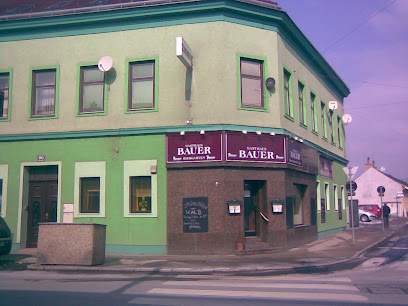
Restaurant Zu den 3 Linden
3.2 km
Experience authentic Austrian cuisine at Restaurant Zu den 3 Linden in Vienna – where tradition meets flavor in every dish.
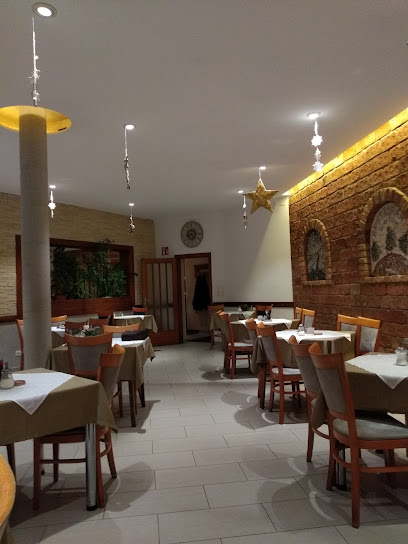
Restaurant May31
3.2 km
Experience authentic Italian cuisine at Restaurant May31 in Vienna - a culinary haven offering delicious dishes in a warm ambiance.
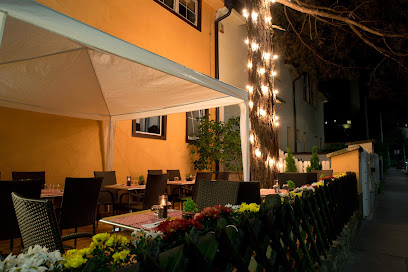
Restaurant Wiesenstadt
3.2 km
Discover the flavors of Austria at Restaurant Wiesenstadt – where tradition meets tranquility in Liesing's beautiful garden setting.
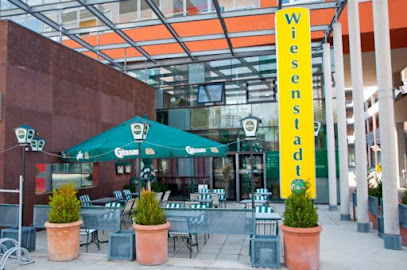
Ramundi
3.3 km
Experience authentic Italian cuisine at Ramundi in Vienna - renowned for delicious pizzas and cozy dining ambiance.
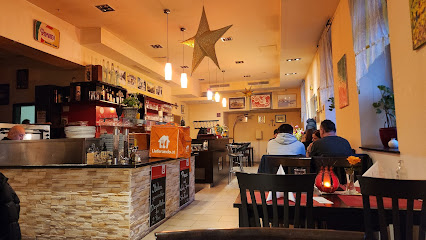
Casa Mia
3.4 km
Experience authentic Italian cuisine at Casa Mia in Vienna, where every meal is a journey through Italy's rich culinary heritage.
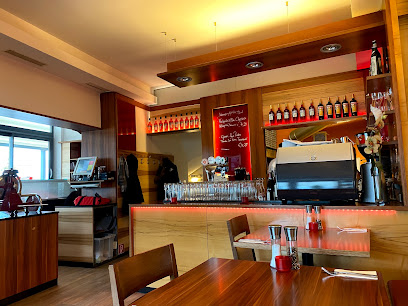
Fischer´s American Restaurant
3.7 km
Savor classic American dishes in a lively setting at Fischer's American Restaurant in Vienna.
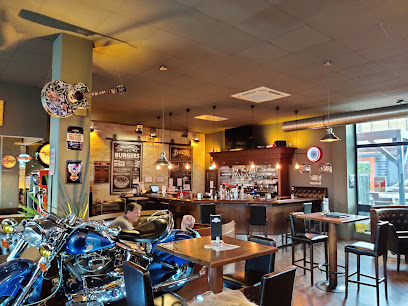
Restaurant Waldtzeile
4.2 km
Experience authentic Viennese cuisine at Restaurant Waldtzeile - where tradition meets taste in a cozy inn setting.
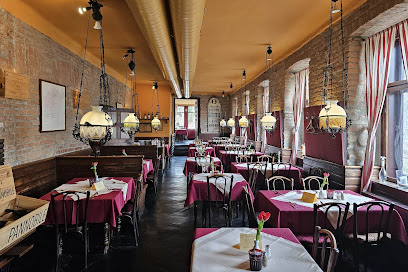
Restaurant Beethoven
4.4 km
Experience authentic Austrian cuisine at Restaurant Beethoven - where tradition meets modern culinary artistry.
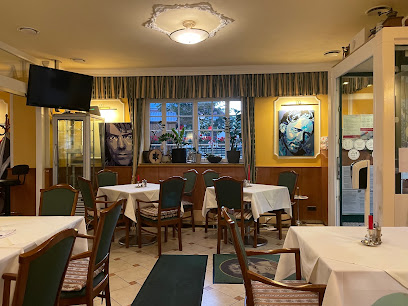
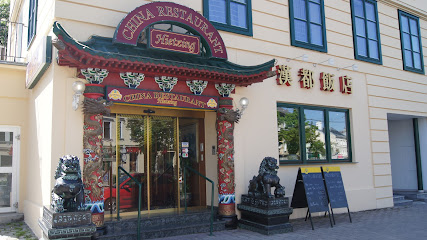
China Restaurant Hietzing
4.6 km
Discover the vibrant tastes of Chinese cuisine at China Restaurant Hietzing with an extensive buffet and inviting atmosphere perfect for all diners.
Markets, malls and hidden boutiques

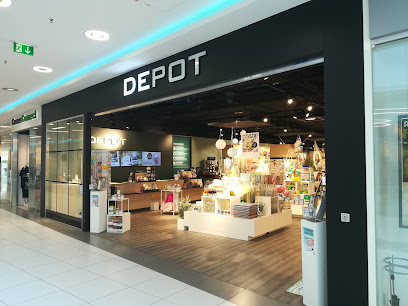
Depot
0.3 km
Discover unique gifts and stylish furniture at Depot in Vienna, a must-visit for home decor enthusiasts and gift shoppers.
Riverside Einkaufszentrum
0.4 km
Explore Riverside Einkaufszentrum, a vibrant shopping mall in Vienna, offering diverse shops, dining, and entertainment for every visitor.
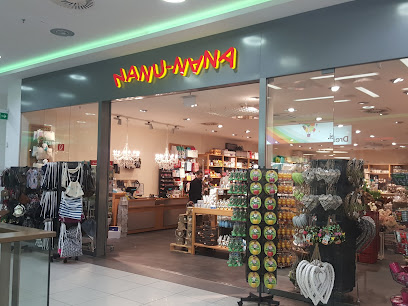
NANU-NANA
0.4 km
Explore the creativity of Vienna at NANU-NANA, your ultimate destination for unique gifts, home decor, and craft supplies.
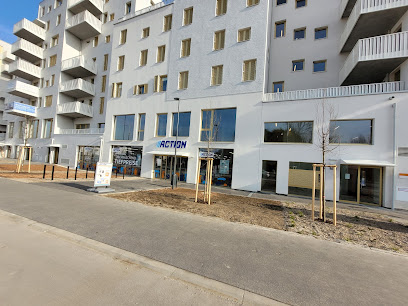
Action Wien
0.9 km
Explore Action Wien, a diverse shopping destination in Vienna offering everything from gifts to DIY supplies in a vibrant atmosphere.
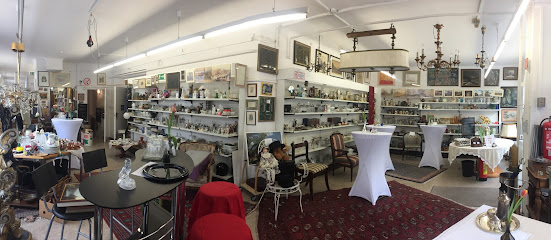
Liesinger Fundgrube
1.1 km
Explore Liesinger Fundgrube, Vienna's hidden antique store brimming with vintage treasures and rich history.
Tinky Watch
1.2 km
Discover timeless elegance at Tinky Watch, Vienna's premier destination for stylish fashion accessories that define modern chic.
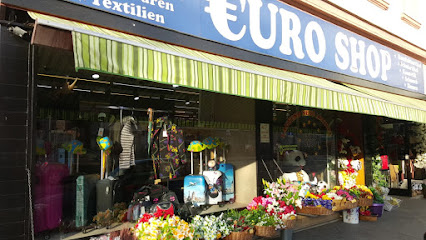
EURO SHOP
2.0 km
Explore EURO SHOP in Vienna, where affordability meets variety, offering home goods and unique treasures for every traveler.
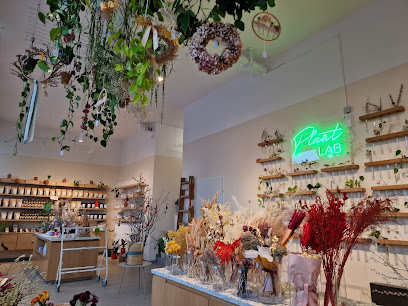
Glücksmomente
2.1 km
Explore Glücksmomente in Vienna: a unique gift shop and café blending local crafts, floral beauty, and delightful brews for a charming experience.
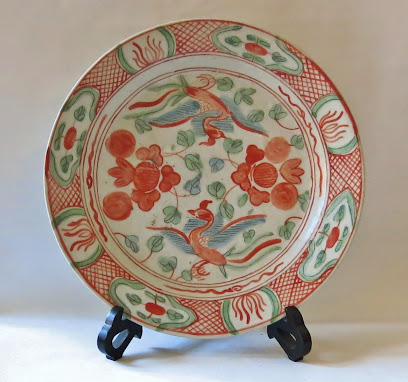
collect.at
2.8 km
Discover the charm of antiques and unique artistry at Collect.at, Vienna's premier antique store in Liesing district.
Palmira Boutique
3.4 km
Explore Palmira Boutique in Vienna for unique local crafts and a charming shopping experience that reflects the city's rich heritage.
Boutique Vercelli
3.9 km
Explore Boutique Vercelli in Hietzing, Vienna - where modern fashion meets timeless elegance in a charming setting.
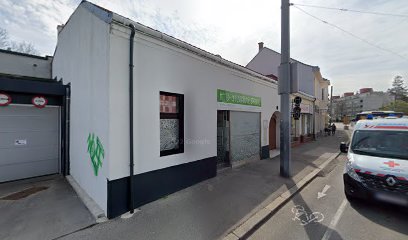
Westfield Shopping City Süd
4.5 km
Discover a shopper's paradise at Westfield Shopping City Süd, Austria's largest shopping mall with endless retail options and delightful dining experiences.
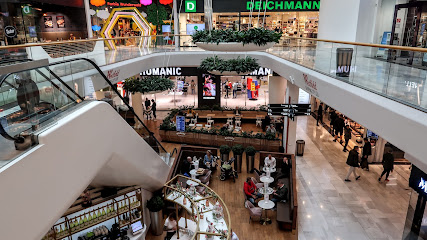
Wild Republic HandelsgesmbH (Zoo Shop Wien)
5.7 km
Experience the charm of Wild Republic in Vienna, where unique toys and souvenirs await to enhance your travel memories.
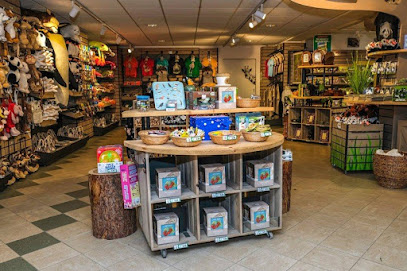
super.
5.7 km
Explore the chic and trendy offerings at Super., a premier clothing store in Vienna's charming Hietzing district, perfect for fashion lovers.
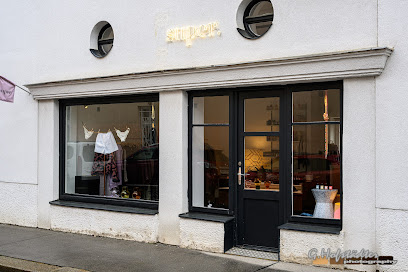
Come in Geschenkboutique
5.7 km
Explore Come in Geschenkboutique in Vienna for unique handcrafted gifts and souvenirs that perfectly capture the city's essence.
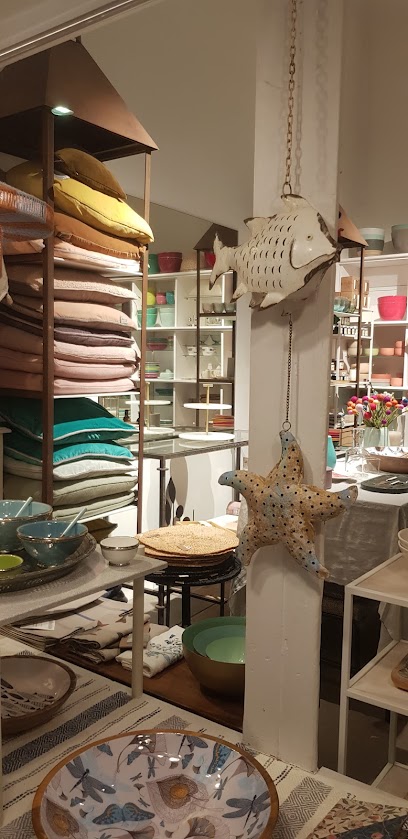
Essential bars & hidden hideouts

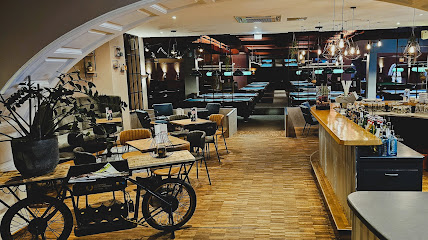
Billardcafe KÖÖ 23
0.5 km
Experience the vibrant nightlife at Billardcafe KÖÖ 23, Vienna's premier pool hall and cocktail bar for a fun-filled evening.
Kakadu Beisl
1.3 km
Experience the vibrant essence of Viennese pub culture at Kakadu Beisl, where traditional flavors and warm hospitality come together.
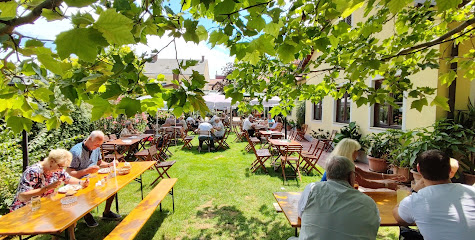
Weinbau & Heuriger Weindorfer
1.3 km
Discover the enchanting Weinbau & Heuriger Weindorfer, where exquisite local wines meet authentic Austrian cuisine in a charming setting.
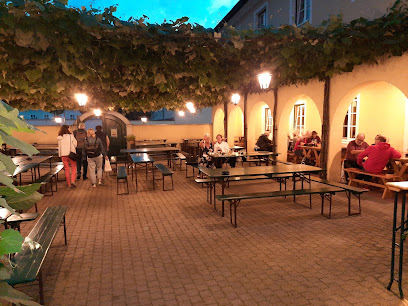
Edlmoser Vineyard & Winery
1.8 km
Discover the charm of Edlmoser Vineyard & Winery, Vienna's premier destination for exquisite wines and breathtaking vineyard views.
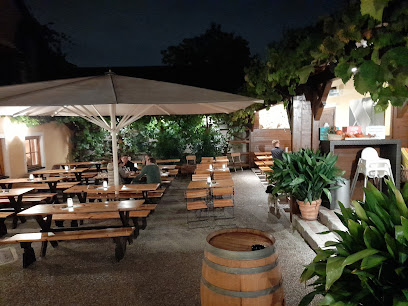
Schabernak Café Bar Pub
1.8 km
Discover the charm of Schabernak Café Bar Pub in Vienna, where delightful drinks and a cozy atmosphere await you.
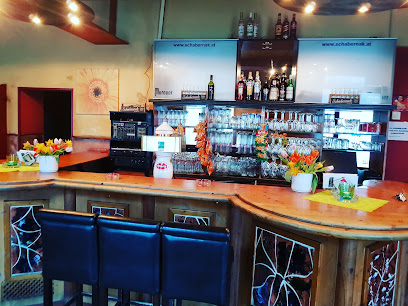
Café Rumpelstilzchen
2.8 km
Discover the cozy charm of Café Rumpelstilzchen in Vienna, where delightful treats and a warm atmosphere await every visitor.
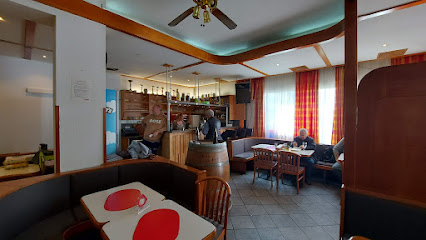
Leone Lounge & More
3.3 km
Discover the vibrant atmosphere of Leone Lounge & More, a cozy bar in Vienna's Liesing district, perfect for relaxation and socializing with friends.
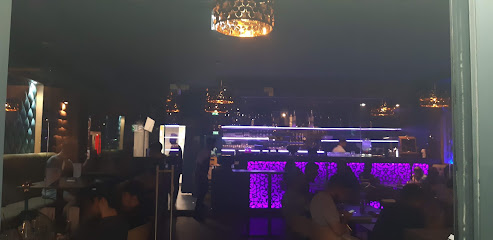
Weinviertel Hütte
3.4 km
Experience the rustic charm of Weinviertel Hütte, a cozy bar in Vienna's Liesing borough, perfect for unwinding with friends and enjoying local drinks.
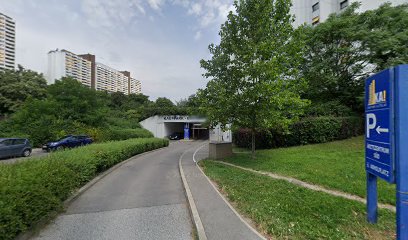
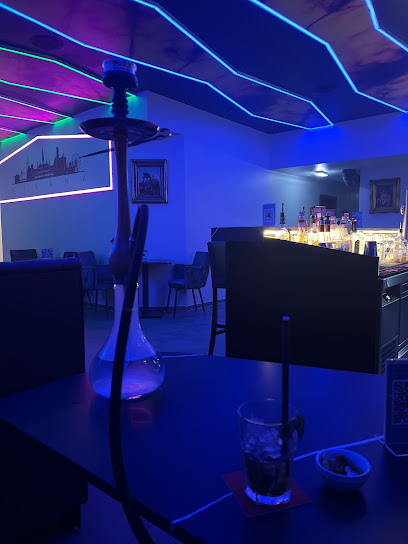
Primelounge Vienna
3.6 km
Discover Vienna's premier lounge for a unique hookah experience and vibrant nightlife amidst a cozy and stylish atmosphere.
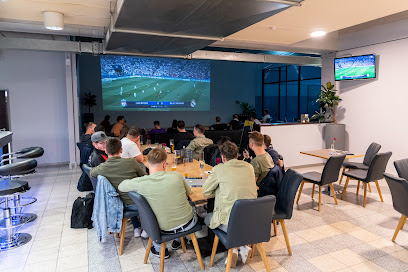
Padeldome Sportsbar
3.8 km
Discover Padeldome Sportsbar in Vienna: a lively bar for sports enthusiasts and casual visitors, offering a vibrant atmosphere and delicious refreshments.
Cleopatra Bar
4.0 km
Discover the lively atmosphere and delicious drinks at Cleopatra Bar, a vibrant nightlife spot in Vienna's Meidling district.
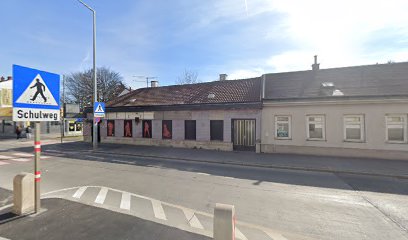
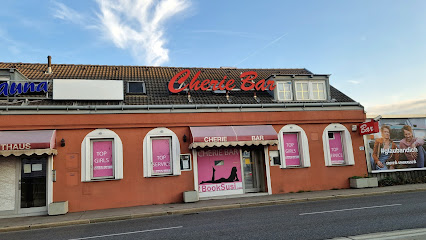
Cherie-Bar
4.3 km
Experience the vibrant nightlife of Vienna at Cherie-Bar, a charming spot in Meidling offering a unique blend of local flavors and friendly service.
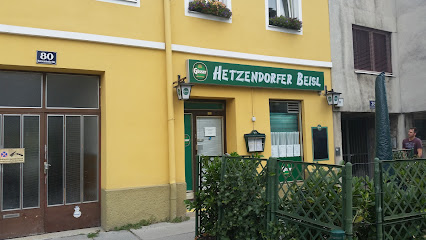
Hetzendorfer Beisl
4.4 km
Experience the authentic Viennese bar scene at Hetzendorfer Beisl, where local culture and hospitality come together in a cozy atmosphere.
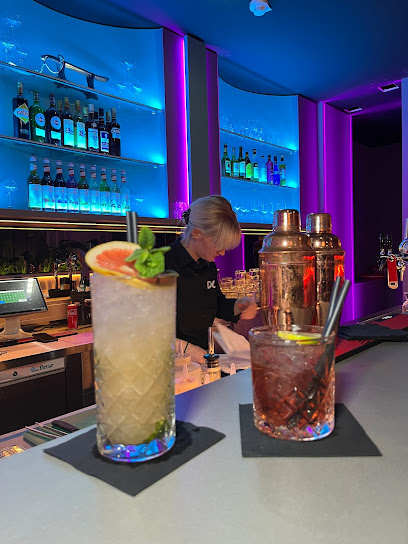
R Bar
5.0 km
Discover the charm of R Bar in Vienna, where unique cocktails and a cozy atmosphere create the perfect night out for travelers and locals alike.
Schaumweinhäuschen
5.8 km
Discover the rustic charm and exquisite sparkling wines of Schaumweinhäuschen, a hidden bar gem in Vienna's enchanting Hietzing district.