Background

Schönbrunn Palace: Imperial Grandeur in Vienna

Explore Vienna's Schönbrunn Palace: A UNESCO World Heritage site, former imperial summer residence, and Baroque masterpiece with stunning gardens and rich history.

4.7

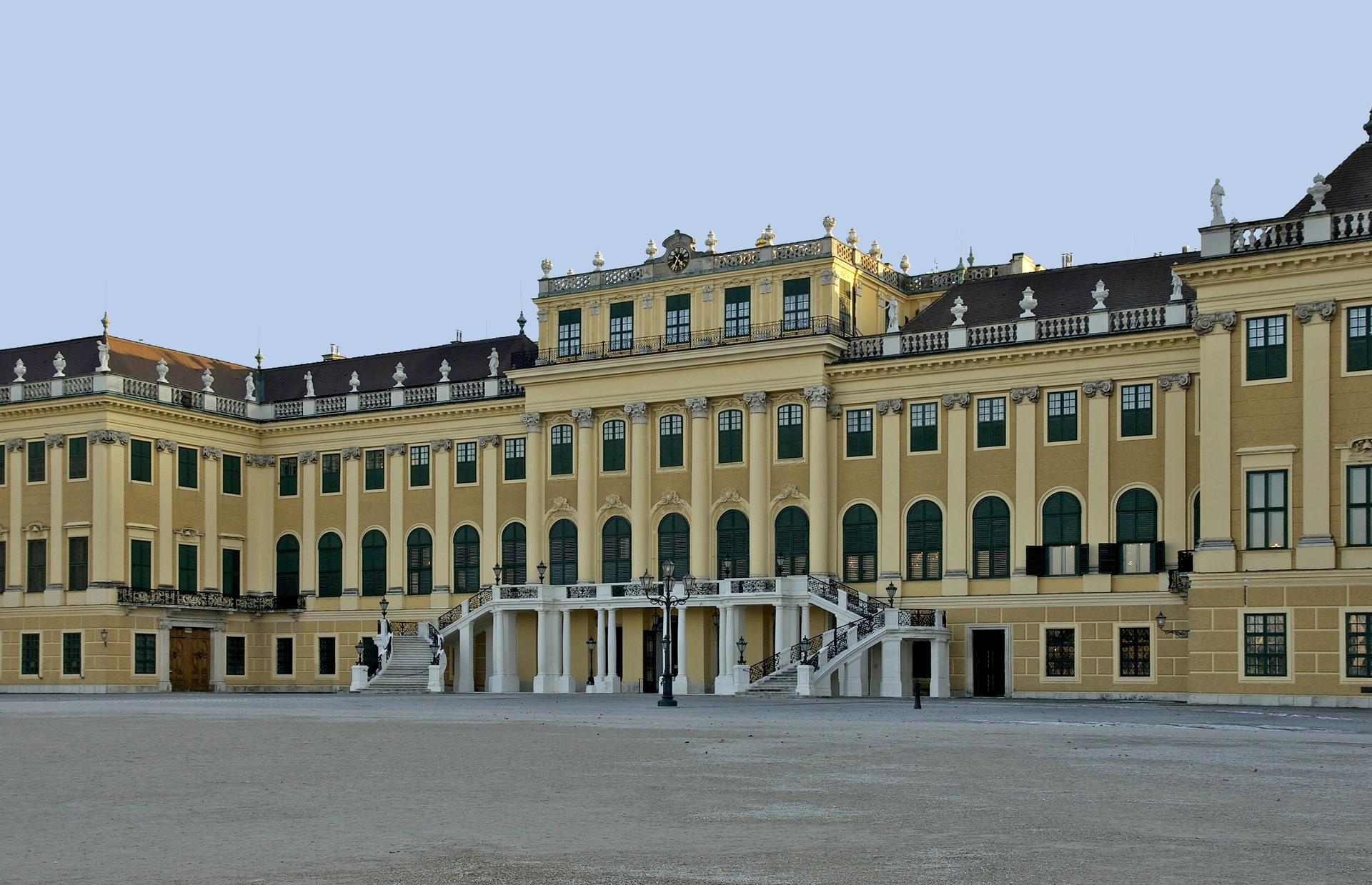
Schönbrunn Palace, Vienna's magnificent former imperial summer residence, is a sprawling Baroque complex steeped in history and Habsburg opulence. A UNESCO World Heritage site, it boasts 1,441 rooms, meticulously landscaped gardens, and numerous attractions within its grounds. From the opulent staterooms where emperors once held court to the enchanting gardens with the Gloriette offering panoramic views, Schönbrunn provides a captivating glimpse into Austria's imperial past. Whether you're exploring the palace's lavish interiors, strolling through the manicured gardens, or enjoying the panoramic views from the Gloriette, Schönbrunn Palace offers an unforgettable experience. Don't miss the Imperial Carriage Museum, the world's first zoo, or the charming maze. With its rich history, stunning architecture, and diverse attractions, Schönbrunn is a must-see destination for any visitor to Vienna.

A brief summary to Schönbrunn Palace

  • Monday 8:30 am-5:30 pm
  • Tuesday 8:30 am-5:30 pm
  • Wednesday 8:30 am-5:30 pm
  • Thursday 8:30 am-5:30 pm
  • Friday 8:30 am-5:30 pm
  • Saturday 8:30 am-5:30 pm
  • Sunday 8:30 am-5:30 pm

Local tips

  • Purchase tickets online in advance, especially during peak season, to avoid long queues and secure your preferred entry time.
  • Allocate at least half a day to fully explore the palace, gardens, and other attractions within the Schönbrunn complex.
  • Wear comfortable shoes as you'll be doing a lot of walking, especially if you plan to explore the extensive gardens.
  • Consider visiting during the shoulder seasons (mid-March to early June or September to early November) for pleasant weather and fewer crowds.
  • Take advantage of the free audio guides available in multiple languages to enhance your understanding of the palace's history and significance.
widget icon

Getting There

  • Public Transport

    From central Vienna, the U4 (green line) is the most direct route. Take the U4 to the 'Schönbrunn' station. Upon exiting the station, follow the signs; the palace entrance is a short walk (approximately 5 minutes) along a paved walkway. Alternatively, trams 10 and 60, and bus 10A, all stop at 'Schloss Schönbrunn', directly opposite the main entrance. A single trip ticket for Vienna's public transport costs €2.40.

  • Taxi/Ride-Share

    A taxi or ride-sharing service from Vienna's city center to Schönbrunn Palace typically takes 20-30 minutes, depending on traffic. Expect to pay between €25-€35 for the ride. Note that during peak hours, surge pricing may apply.

  • Driving

    If driving, follow signs for 'Schloss Schönbrunn'. Parking is available on Schönbrunner Schloßstraße, but spaces are limited and can be expensive. Parking fees are approximately €4.50 per hour. Consider using a Park-and-Ride garage outside the city center and taking public transport for a less stressful and more cost-effective option. There are designated parking spaces for disabled persons at the main gate.

Unlock the Best of Schönbrunn Palace

Buy tickets

    No tickets available

Book tours with entry

    No tours available

Book tours without entry

    No tours available

Discover more about Schönbrunn Palace

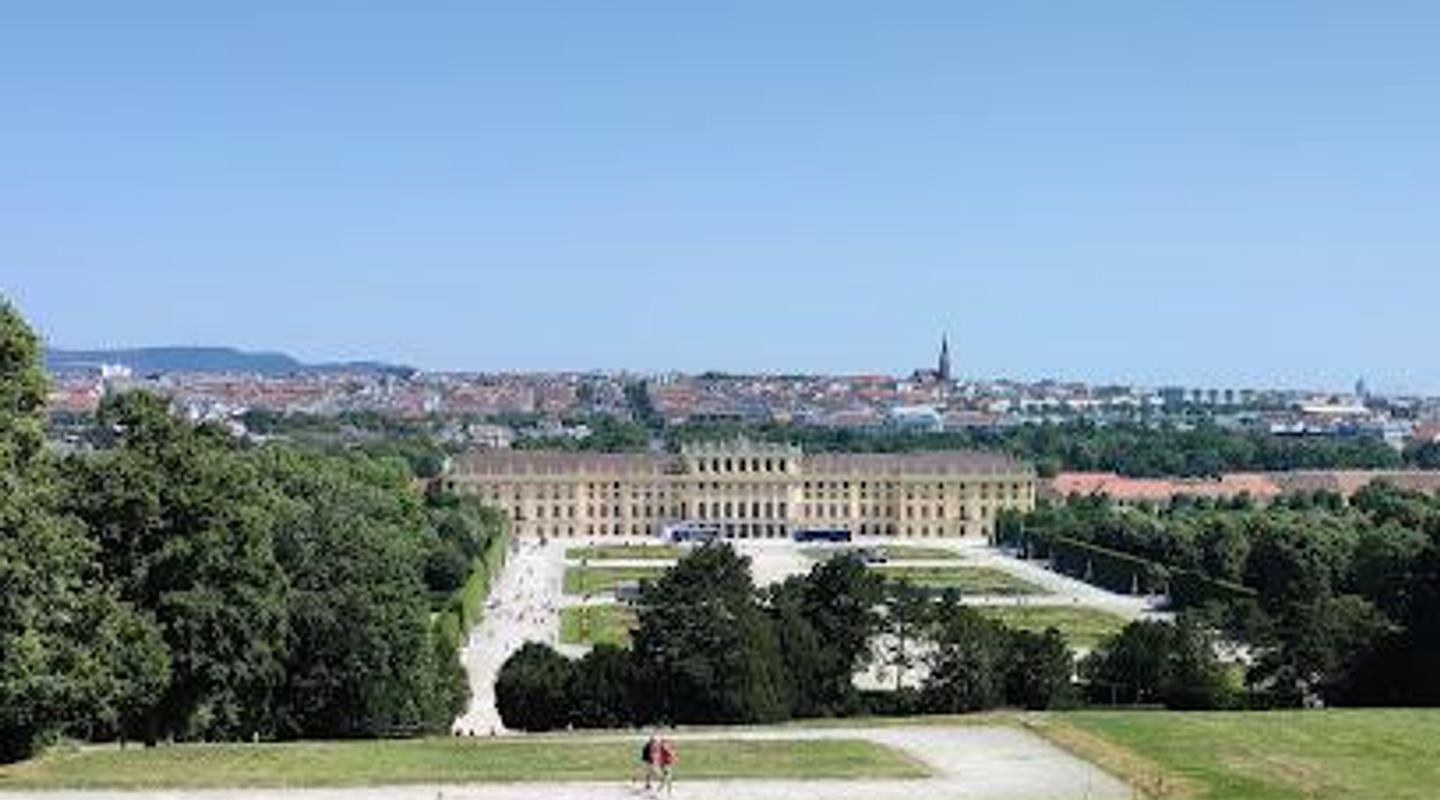
Schönbrunn Palace, a sprawling testament to Habsburg power and architectural grandeur, stands as Vienna's most-visited attraction and a UNESCO World Heritage site. More than just a palace, it's a meticulously crafted ensemble of history, art, and nature, offering a captivating journey through Austria's imperial past. The palace's origins trace back to the 16th century when Emperor Maximilian II acquired the Katterburg estate, transforming it into a hunting lodge. However, it was Emperor Leopold I who commissioned the construction of a new palace in the late 17th century, entrusting the design to the renowned Baroque architect Johann Bernhard Fischer von Erlach. While Fischer von Erlach's initial plans were ambitious, the palace we see today largely reflects his vision, later refined and expanded by Nicolaus Pacassi during the reign of Empress Maria Theresa. Maria Theresa played a pivotal role in shaping Schönbrunn into the magnificent summer residence it became. Under her reign, the palace underwent significant expansion and redecoration, transforming it into a center of political and social life. The interiors were lavishly furnished in the Rococo style, reflecting the empress's refined taste and the era's artistic sensibilities. It was during this time that Schönbrunn truly became a Gesamtkunstwerk, a total work of art, seamlessly blending architecture, gardens, and decorative arts. The palace boasts an astounding 1,441 rooms, each with its own unique character and story. While only a selection of these rooms are open to the public, they offer a tantalizing glimpse into the lives of the Habsburg emperors and empresses. The staterooms, in particular, are a sight to behold, adorned with intricate stucco work, gilded decorations, and exquisite frescoes. The Hall of Mirrors, where a young Mozart once performed for the imperial court, is a testament to the palace's rich musical history. The Grand Gallery, with its soaring ceilings and opulent décor, served as a venue for grand balls and state receptions. Beyond the palace walls, the meticulously landscaped gardens beckon visitors to explore their beauty and tranquility. Designed in the French Baroque style, the gardens feature symmetrical flowerbeds, manicured lawns, and impressive fountains. The Neptune Fountain, a dramatic centerpiece, depicts the Roman god of the sea surrounded by mythical creatures. The Great Parterre, a vast expanse of meticulously arranged flowerbeds, offers a stunning visual spectacle. Ascending the hill behind the palace, the Gloriette, a magnificent arcaded structure, provides panoramic views of Schönbrunn and the city of Vienna. Originally built as a dining hall and festival hall, the Gloriette now houses a café, offering visitors a chance to relax and soak in the breathtaking scenery. Schönbrunn's allure extends beyond its architecture and gardens. The palace grounds are home to a variety of attractions, including the world's oldest zoo, Tiergarten Schönbrunn, founded in 1752. The Imperial Carriage Museum showcases the Habsburgs' impressive collection of carriages and sleighs. The Maze and Labyrinth offer a playful diversion for visitors of all ages. The Children's Museum provides an interactive glimpse into the lives of imperial children. Schönbrunn Palace has witnessed significant historical events. Napoleon Bonaparte used the palace as his headquarters during his occupation of Vienna. Emperor Franz Joseph I, one of Austria's most beloved rulers, was born and spent much of his life at Schönbrunn. The palace served as the venue for important political negotiations, including the Congress of Vienna in 1815. Today, Schönbrunn Palace stands as a symbol of Austria's imperial past and a testament to the enduring power of art and architecture. Its meticulously preserved state allows visitors to step back in time and experience the grandeur of the Habsburg court. Whether you're exploring the palace's opulent interiors, strolling through the manicured gardens, or enjoying the panoramic views from the Gloriette, Schönbrunn Palace offers an unforgettable experience. It is a place where history comes alive, where beauty abounds, and where the legacy of the Habsburgs continues to inspire awe and wonder. Visiting Schönbrunn is more than just a sightseeing trip; it's an immersion into a world of imperial splendor. Allow ample time to explore the vast complex, and consider purchasing tickets in advance to avoid long queues. Wear comfortable shoes, as you'll be doing a lot of walking. And be sure to bring your camera to capture the unforgettable sights and memories of this magnificent palace.

Popular Experiences near Schönbrunn Palace

Popular Hotels near Schönbrunn Palace

Select Currency