Kapellhaus: A German Cultural Oasis in Baku
Experience the cultural fusion of Germany and Azerbaijan at Baku's Kapellhaus, a historic center hosting diverse events and promoting enduring ties.
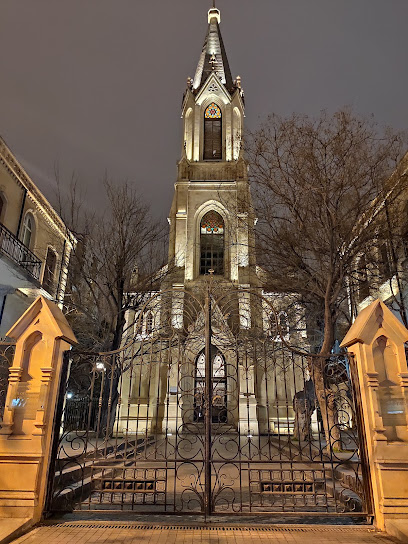
Kapellhaus, located on 28 May Street in Baku, is a beautifully restored cultural center that stands as a symbol of the enduring ties between Azerbaijan and Germany. Originally built in 1908 as part of a Lutheran church complex, it served Baku's German community. Today, it hosts a variety of cultural events, promoting dialogue and mutual appreciation between the two nations.
A brief summary to Kapellhaus
- 35 28 May St, Baku, Nasimi, AZ
- +994124938041
- Visit website
Local tips
- Check the event schedule in advance, as Kapellhaus hosts a variety of concerts, exhibitions, and cultural events.
- Explore the surrounding 28 May Street, which offers a mix of shops, cafes, and architecture, providing a glimpse into Baku's modern urban life.
- Consider attending a classical music concert to experience the venue's excellent acoustics.

Getting There
-
Walking
Kapellhaus is located on 28 May Street in central Baku, making it easily accessible on foot from many nearby landmarks. From Fountain Square, walk east along Nizami Street, then turn right onto 28 May Street. Kapellhaus will be on your left. Walking from Fountain Square takes approximately 10-15 minutes. There are no costs associated with walking.
-
Public Transport
The closest metro station to Kapellhaus is 28 May, which is a major transportation hub in Baku. From the station, walk west along 28 May Street for about 5 minutes to reach Kapellhaus. A single metro fare costs 0.30 AZN and requires a BakiKart, which can be purchased and topped up at the metro station. Buses also run along 28 May Street; a bus ride also costs 0.30 AZN with a BakiKart.
-
Taxi
Taxis are readily available in Baku and offer a convenient way to reach Kapellhaus. You can hail a taxi on the street or use ride-hailing apps like Uber or Bolt. A short taxi ride from the city center to Kapellhaus typically costs between 3-7 AZN, depending on traffic and the distance. Be sure the driver uses a meter or agree on a fare before starting your journey.
Discover more about Kapellhaus
Iconic landmarks you can’t miss

Kapellhaus
0.0 km
Experience the cultural fusion of Germany and Azerbaijan at Baku's Kapellhaus, a historic center hosting diverse events and promoting enduring ties.
Heydər Əliyevin heykəli
0.3 km
A prominent Baku landmark honoring Azerbaijan's former president, offering insights into the nation's history, culture, and political evolution.
Muğan bağı
0.4 km
Escape the city bustle at Muğan Bağı, Baku's tranquil park offering lush greenery and soothing water features near the central train station.
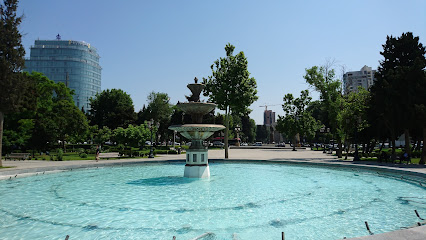
Mughan Garden
0.4 km
Escape the city bustle at Mughan Garden, a revitalized green space in Baku offering tranquility and a touch of nature's beauty.
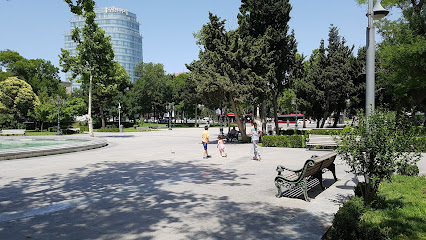
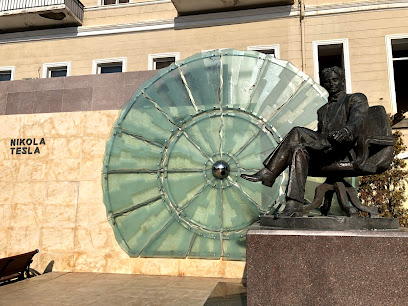
Nikola Tesla Park
0.4 km
A peaceful Baku park honoring Nikola Tesla, blending art, nature, and Azerbaijani-Serbian friendship.
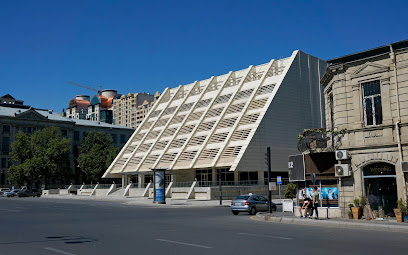
Heydar Aliyev Palace
0.5 km
Baku's premier music venue, hosting diverse concerts & events in a landmark setting. Experience Azerbaijan's vibrant cultural scene!
Nasimi monument
0.6 km
A monument honoring the legacy of the Azerbaijani poet and philosopher, Imadaddin Nasimi, in the heart of Baku.
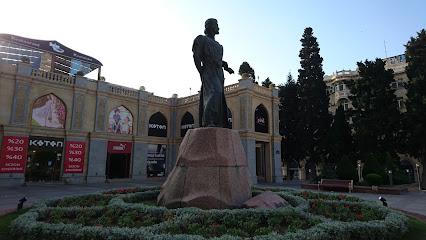
Freedom Square
0.7 km
Experience the grandeur of Baku at Freedom Square, a historic landmark and central gathering place surrounded by stunning architecture.
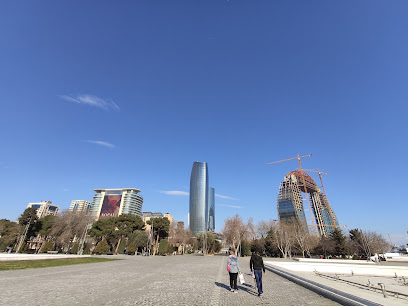
Ashkenazi Synagogue of Baku
0.8 km
Discover the Ashkenazi Synagogue in Baku, a symbol of Jewish heritage and interfaith harmony in Azerbaijan's vibrant capital.
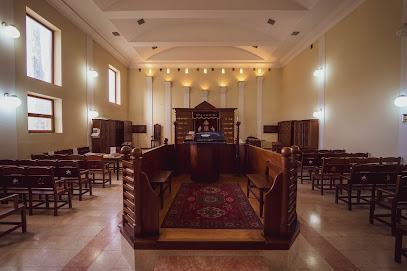
Nizami St
1.0 km
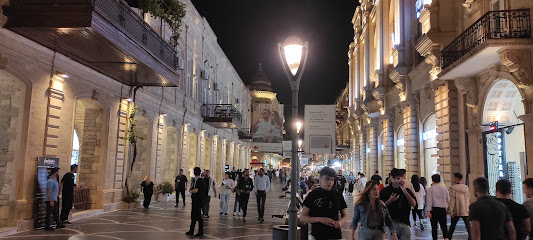
Experience the vibrant heart of Baku on Nizami Street, a captivating blend of history, culture, and modern life, offering world-class shopping, dining, and architectural marvels.
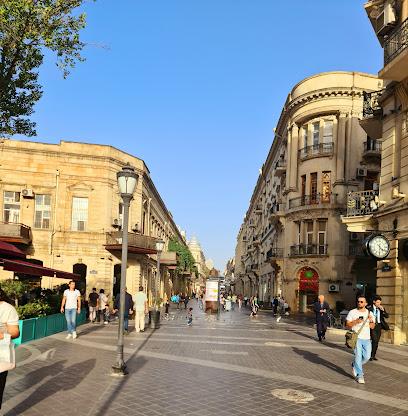
NİZAMİ KÜÇƏSİ
1.0 km
Experience the vibrant heart of Baku on Nizami Street: a blend of history, culture, shopping, and dining in Azerbaijan's capital.
Saint Gregory the Illuminator Church
1.1 km
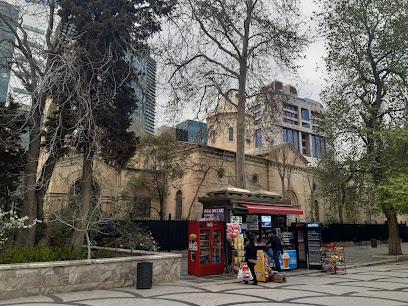
Explore Baku's only remaining Armenian monument, a 19th-century church near Fountains Square, reflecting the city's diverse cultural heritage.
Shirvanshah Museum Restaurant
1.2 km
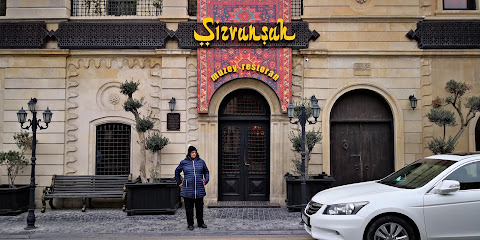
Experience Azerbaijani culture through cuisine, art, and music in a historic 19th-century setting in Baku's UNESCO-listed Old City.
Seaside boulevard
1.2 km
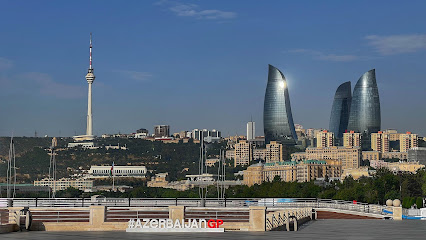
Experience Baku's vibrant heart at the Seaside Boulevard: a blend of history, culture, and stunning Caspian Sea views.
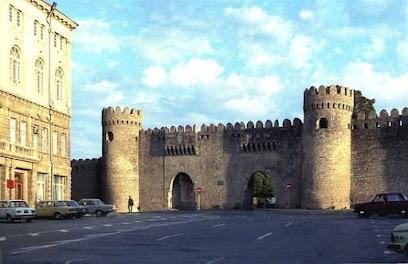
Gosha Gala Gapysy
1.3 km
Discover Baku's rich history at the iconic Gosha Gala Gapysy, the historic Double Gates and entrance to the UNESCO-listed Old City.
Unmissable attractions to see

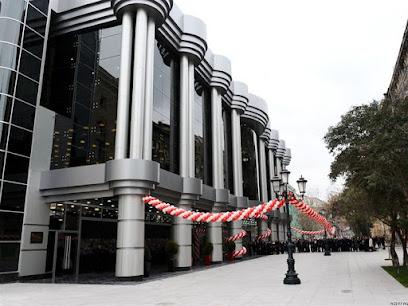
Azerbaijan State Theatre of the Young Spectator
0.4 km
Experience captivating performances for children at Baku's Azerbaijan State Theatre of the Young Spectator, a cultural gem since 1928.
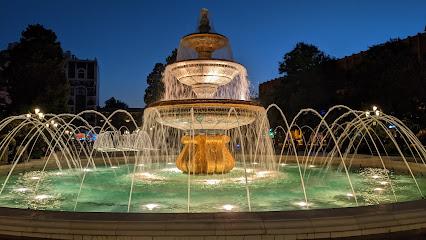
Сümhuriyyət bağı
0.4 km
Escape to Cümhuriyyət Bağı in Baku: A serene urban oasis blending nature, culture, and history in the heart of the city.
Sintetik
0.5 km
Experience Baku's underground techno scene at Sintetik, the city's only dedicated electronic music club, showcasing local and international DJs.
The Azerbaijan Government House
0.6 km
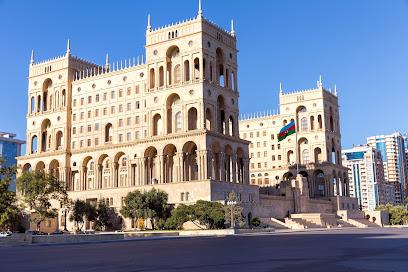
Discover Baku's iconic Government House: a blend of Soviet-era architecture and Azerbaijani heritage, located in the heart of the city.
Füzuli Park
0.7 km
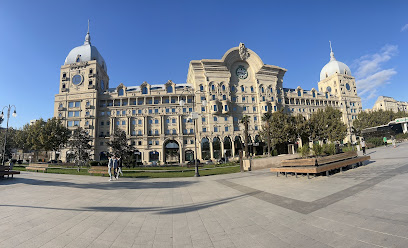
Escape to tranquility in Baku's Füzuli Park: A tribute to Azerbaijani poet Muhammad Fuzuli, offering lush greenery and a peaceful retreat.
Tusi-Bohm Planetarium
0.7 km
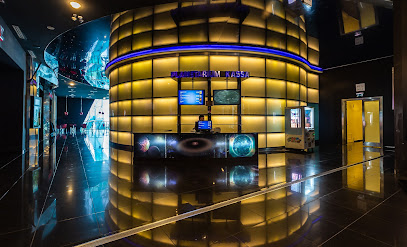
Explore the universe at Baku's Tusi-Bohm Planetarium: immersive shows, virtual tours, and cosmic education for all ages!
Azerbaijan State Academic Russian Drama Theater
0.7 km
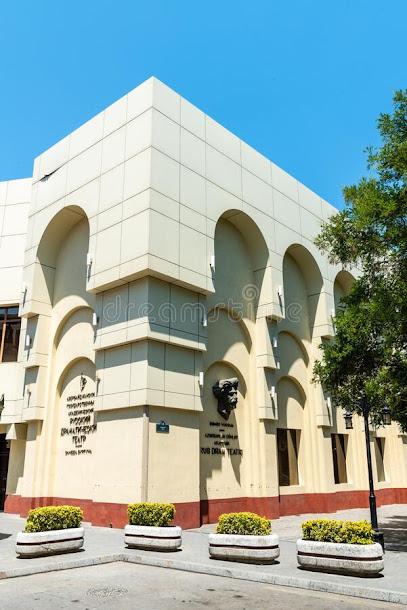
Experience the enduring cultural connections between Azerbaijan and Russia at this historic theater, showcasing Russian drama and classic plays in the heart of Baku.
Dənizkənarı Milli Park
0.8 km
Discover Baku's iconic seaside promenade: a blend of history, culture, and stunning Caspian Sea views, offering a vibrant escape for all travelers.
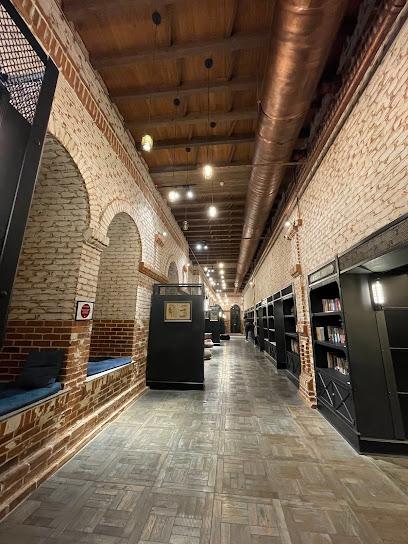
Baku Book Center
0.8 km
Explore a world of literature and culture at the Baku Book Center, offering diverse books, engaging events, and a welcoming atmosphere for all book lovers.
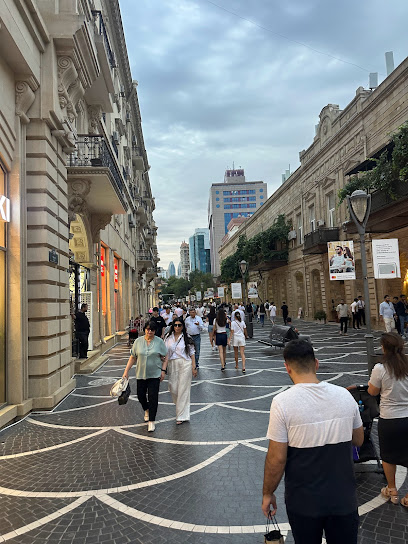
Liberty Square Baku
0.9 km
Experience the heart of Baku at Liberty Square, a vibrant hub where history meets modernity, surrounded by stunning architecture on bustling Nizami Street.
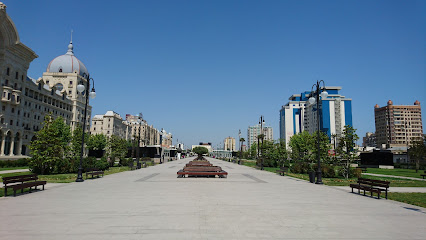
Winter Park
0.9 km
Escape the city bustle in Baku's Winter Park: a green oasis with fountains, trees, and underground access for year-round enjoyment.
Caspian Sea Cruise
1.0 km
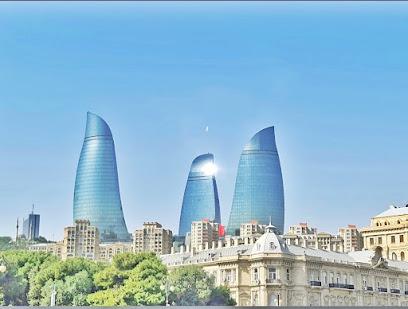
Experience Baku's charm from the Caspian Sea: stunning skyline views, relaxing sea breezes, and unforgettable memories await on this scenic cruise.
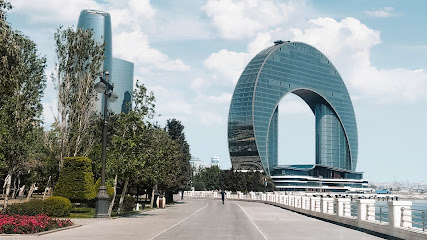
Saat Qülləsi
1.0 km
Saat Qülləsi: A timeless Baku landmark, offering a central point of reference and a glimpse into the city's modern heritage.
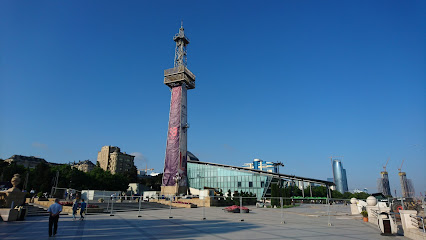
National Museum of History of Azerbaijan
1.0 km
Explore Azerbaijan's rich past at Baku's National Museum of History, housed in a stunning 19th-century palace. Discover over 300,000 artifacts from ancient times to today.
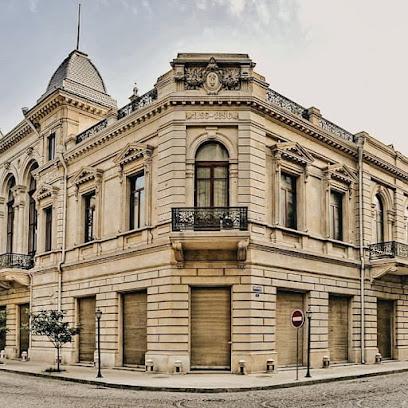
City Pub Crawl Baku
1.1 km
Explore Baku's vibrant nightlife with a guided pub crawl, experiencing local bars, meeting new friends, and enjoying a safe, memorable night out.

Essential places to dine

Maharani Indian Restaurant
0.1 km
Discover the vibrant flavors of India at Maharani Indian Restaurant in Baku, where authentic cuisine meets exceptional hospitality.
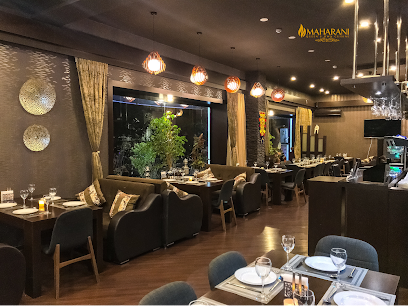
Station Baku Restaurant
0.2 km
Experience the unique charm of Station Baku Restaurant where traditional Azerbaijani flavors meet playful presentation in a delightful atmosphere.
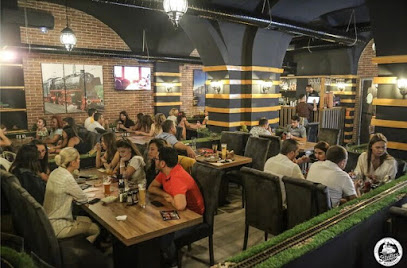
Caspian Restaurant
0.3 km
Experience authentic Azerbaijani flavors at Caspian Restaurant in Baku – where tradition meets modern dining.
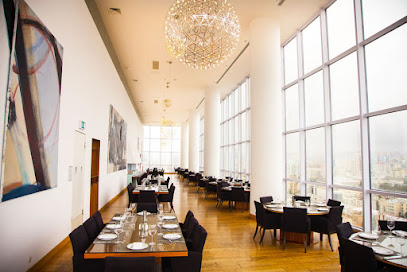
Biryani Restaurant Baku Azerbaijan
0.4 km
Experience authentic Azerbaijani cuisine at Biryani Restaurant in Baku—where every dish tells a story and every flavor excites your palate.
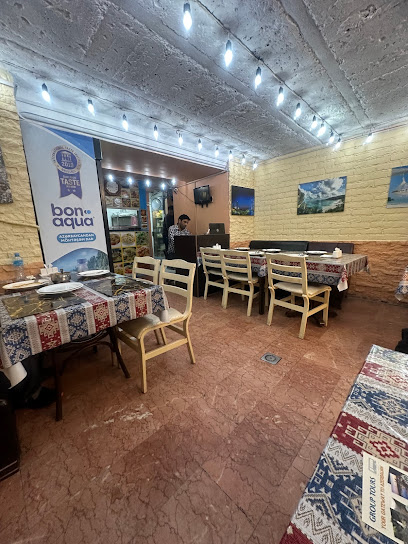
Marani Restaurant
0.5 km
Experience authentic Azerbaijani cuisine at Marani Restaurant in Baku—where tradition meets taste in an elegant setting.
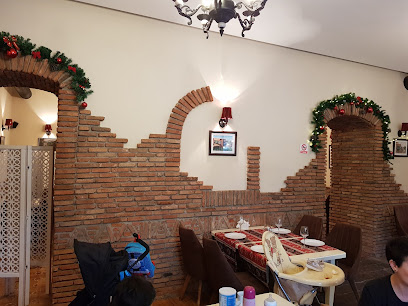
Mari Vanna
0.5 km
Experience the essence of Russia at Mari Vanna in Baku – where traditional flavors meet warm hospitality.
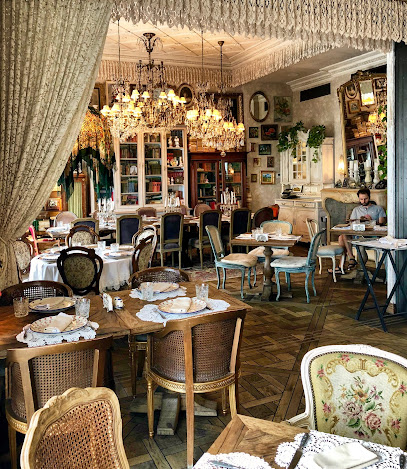
Agabala
0.6 km
Discover Agabala in Baku for an authentic taste of Azerbaijani cuisine amidst a warm and welcoming atmosphere.
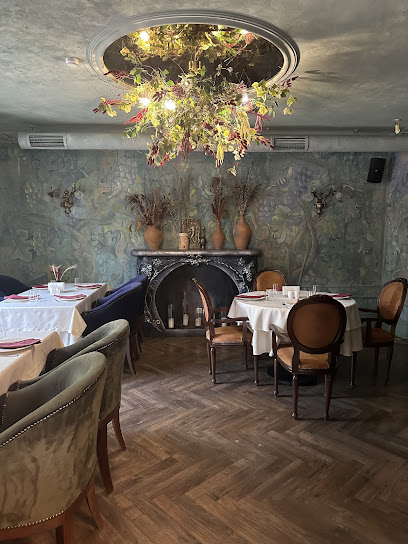
Great Wall
0.6 km
Discover the flavors of China at Great Wall in Baku - where authentic cuisine meets warm hospitality.
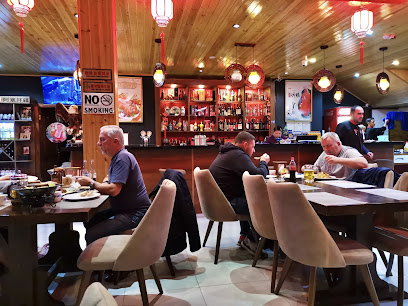
Anadolu Restaurant
0.6 km
Experience authentic Turkish and Azerbaijani flavors at Anadolu Restaurant in Baku - where culture meets cuisine.
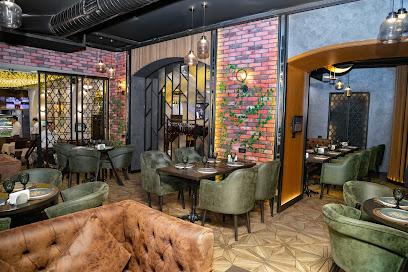
Partizan Restaurant
0.6 km
Experience authentic Azerbaijani cuisine at Partizan Restaurant in Baku – where every dish tells a story.
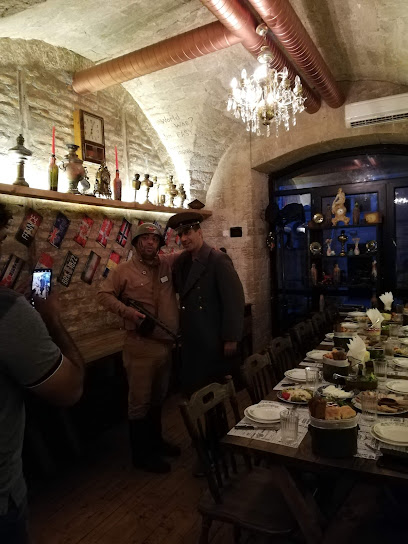
Khamsa Restaurant Baku
0.6 km
Discover authentic Azerbaijani flavors at Khamsa Restaurant in Baku - where tradition meets taste in a delightful dining experience.
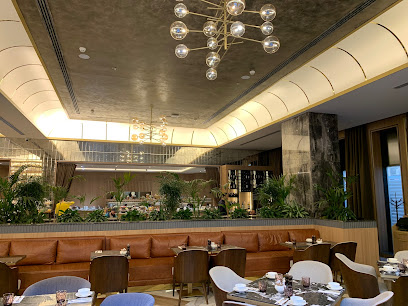
Dubai Marina Restaurant Baku
0.7 km
Experience the best of Indian and Arab cuisine at Dubai Marina Restaurant Baku - where every meal is a celebration of flavor.
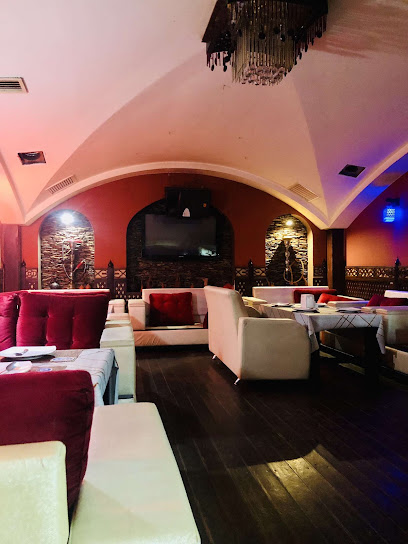
Kolorit Cafe&Dining Torqoviy
0.7 km
Experience the essence of Azerbaijani flavors at Kolorit Cafe&Dining in Baku - where culinary art meets tradition.
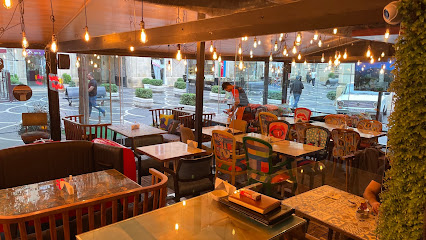
Namak Restaurant Baku
0.7 km
Discover authentic Azerbaijani flavors at Namak Restaurant in Baku—where tradition meets modern culinary excellence.
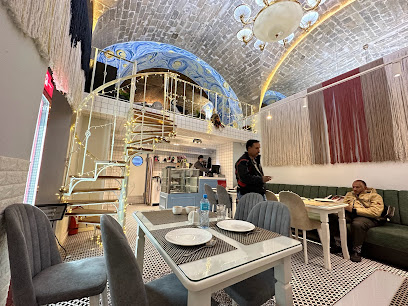
Imereti Georgian Restaurant
0.7 km
Experience authentic Georgian cuisine at Imereti Restaurant in Baku - where tradition meets flavor in every dish.
Markets, malls and hidden boutiques

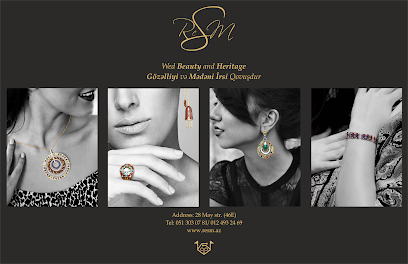
Resm
0.1 km
Explore exquisite handcrafted jewelry at Resm, an essential stop for tourists seeking authentic Azerbaijani craftsmanship in the heart of Baku.
the homm
0.1 km
Discover unique handcrafted gifts at The Homm in Baku, a treasure trove of local culture and artistry.
Baharstore
0.2 km
Explore Baharstore in Baku for an exquisite selection of cosmetics and beauty products that cater to all your beauty needs.
28 Mall
0.2 km
Experience the ultimate shopping and dining adventure at 28 Mall in Baku, Azerbaijan, where variety and entertainment meet.
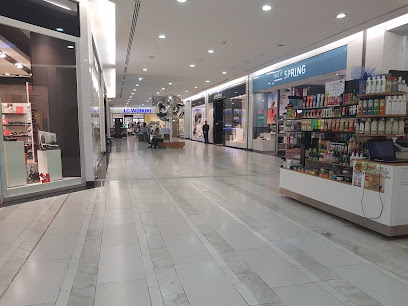
LourenWilton
0.3 km
Discover the essence of Baku at LourenWilton, a vibrant store offering unique local crafts and contemporary goods for every traveler.
Cartier
0.4 km
Discover luxury at Cartier in Baku, where exquisite jewelry, elegant fashion accessories, and captivating perfumes await discerning shoppers.
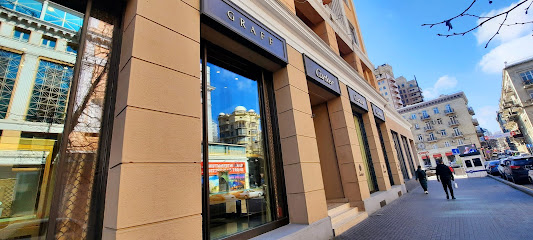
Mountainshop.az
0.4 km
Discover the ultimate outdoor experience at Mountainshop.az, your go-to shop for outdoor gear and equipment in Baku.
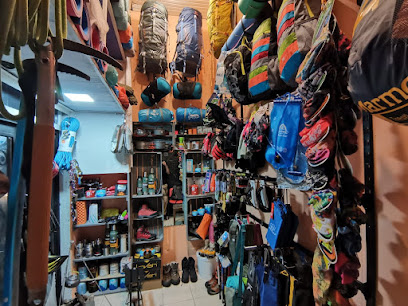
USEL.AZ Gift shop
0.4 km
Explore a treasure trove of unique Azerbaijani souvenirs at USEL.AZ Gift Shop in Baku, where every item tells a story.
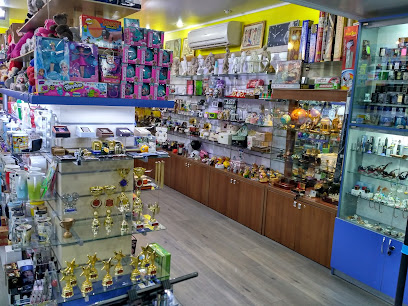
Çəhrayı
0.5 km
Explore Çəhrayı Gift Shop in Baku for unique Azerbaijani souvenirs and a taste of local craftsmanship in a welcoming atmosphere.
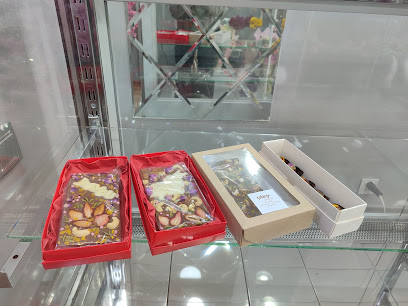
Gridoaz Gift shop
0.6 km
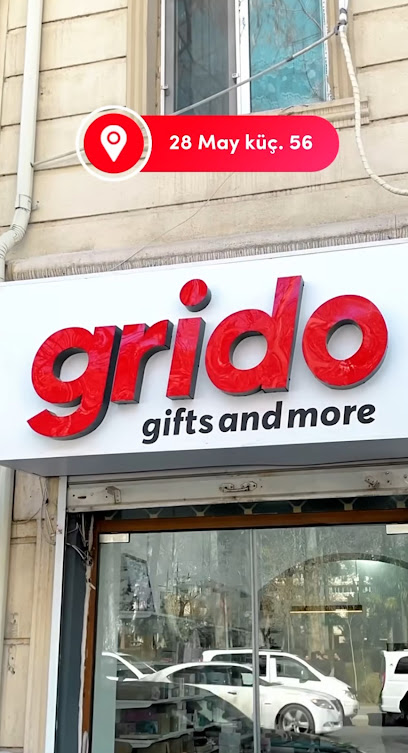
Explore Gridoaz Gift Shop in Baku for unique Azerbaijani souvenirs and gifts that capture the spirit of the region.
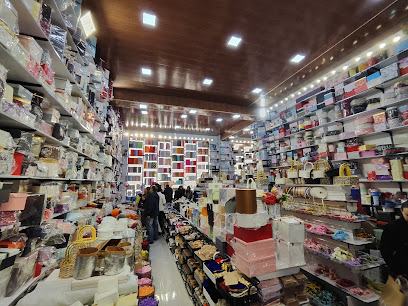
QutuShop 28 May
0.6 km
Explore the vibrant culture of Azerbaijan at QutuShop 28 May, your go-to destination for unique gifts and local handicrafts.
Ciraq National Souvenirs
0.6 km
Discover unique Azerbaijani gifts at Ciraq National Souvenirs, where tradition meets craftsmanship in the heart of Baku.
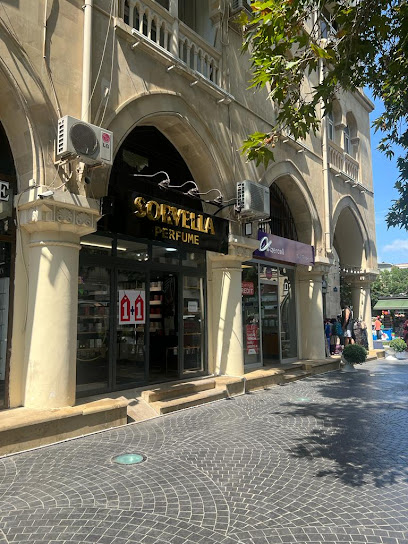
Sorvella Parfum Shop
0.6 km
Discover the exquisite world of fragrances at Sorvella Parfum Shop in Baku, where scent meets art in a beautifully curated selection.
Avenue Boutique
0.7 km
Experience the vibrant shopping and dining scene at Avenue Boutique, the ultimate retail destination in Baku, offering local and international brands.
Promod Baku
0.7 km
Discover contemporary fashion at Promod Baku, the ultimate shopping destination for trendy clothing and accessories in the heart of Azerbaijan's capital.
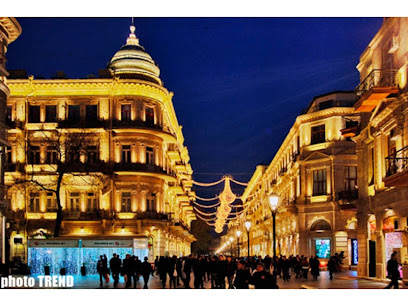
Essential bars & hidden hideouts

Buta Art Club
0.0 km
Experience the vibrant nightlife of Baku at Buta Art Club, a premier karaoke bar where music, food, and fun come together.
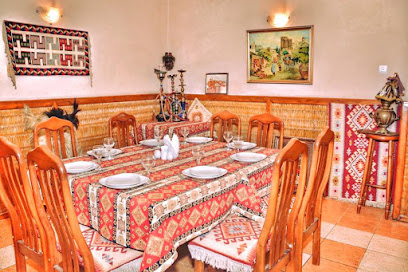
Nelson Pub
0.2 km
Discover the vibrant nightlife at Nelson Pub in Baku, where exquisite drinks and local culture come together for an unforgettable experience.
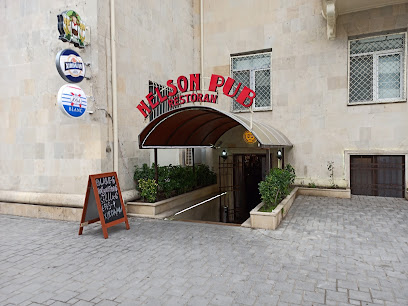
The Orange Grove Baku
0.3 km
Discover the electric nightlife of Baku at The Orange Grove, the ultimate night club and event venue for an unforgettable experience.
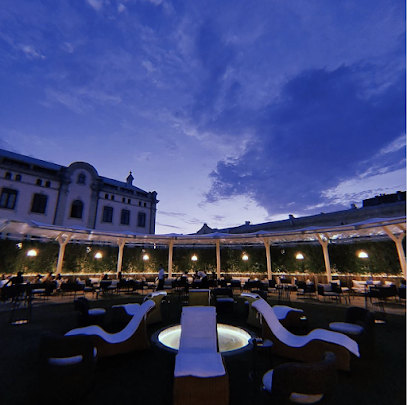
Piano
0.3 km
Discover Baku's vibrant karaoke scene at Piano, where your favorite songs come to life in a lively atmosphere of fun and camaraderie.
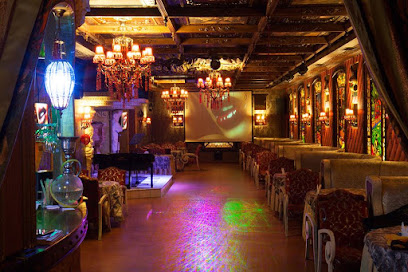
Konti Pub and Restaurant Baku
0.4 km
Discover the lively ambiance and delicious flavors at Konti Pub and Restaurant in Baku, where local culture meets culinary delight.
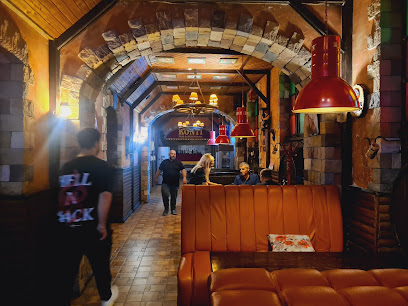
Benua Karaoke-Bar
0.4 km
Immerse yourself in the lively atmosphere of Benua Karaoke-Bar, Baku's premier destination for karaoke, great food, and unforgettable nights.
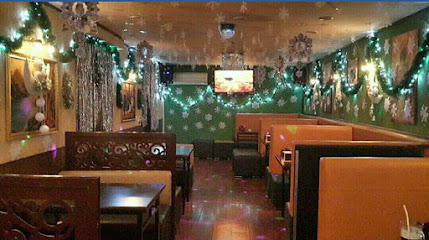
Scarface Lounge & Pub
0.4 km
Discover the lively essence of Baku's nightlife at Scarface Lounge & Pub, where great drinks and vibrant atmosphere await.
Retro Harmony
0.4 km
Discover the authentic taste of Azerbaijani cuisine at Retro Harmony, a charming restaurant in Baku, perfect for food lovers.
Biker's Pub
0.5 km
Discover Biker's Pub: A vibrant hub in Baku where great food, drinks, and biker culture collide for an unforgettable experience.
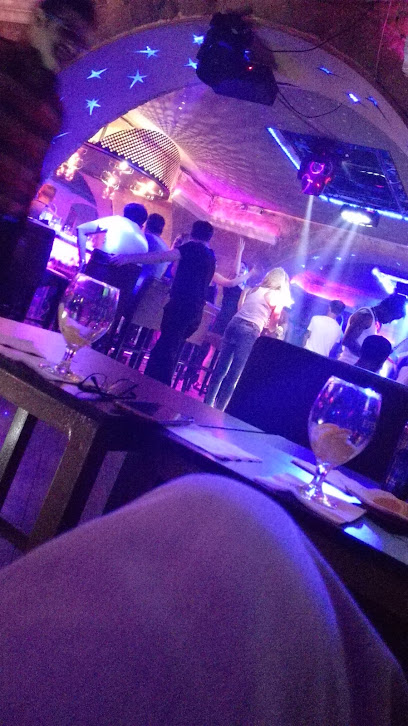
Cowboy Pub & Restaurant
0.5 km
Discover Cowboy Pub & Restaurant in Baku: A lively spot for delicious food and vibrant nightlife in the heart of Azerbaijan's capital.
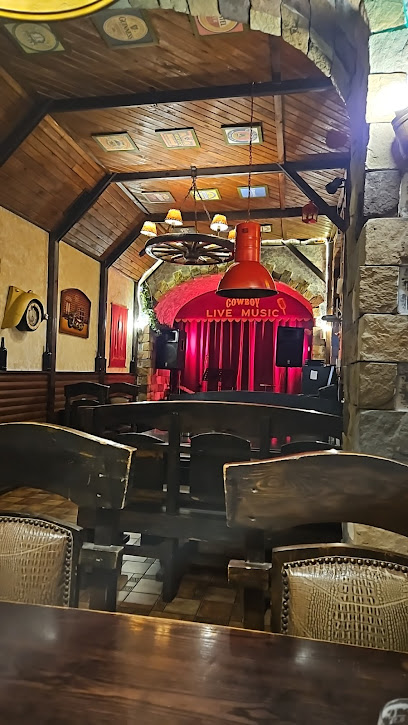
Saqi Wine Bar
0.5 km
Experience the finest selection of wines in Baku at Saqi Wine Bar, the ultimate destination for relaxation and indulgence.
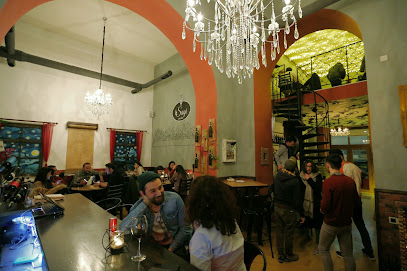
Pushkin Pub
0.5 km
Discover the vibrant atmosphere of Pushkin Pub in Baku, where great food, drinks, and live music create unforgettable nights.
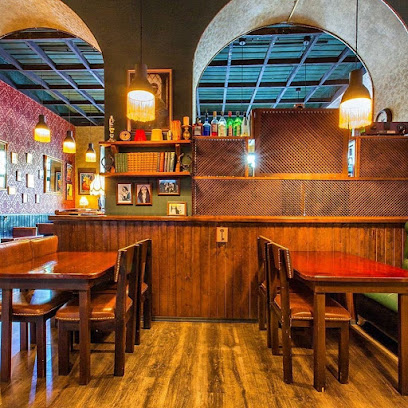
Megobari Georgian Restobar
0.5 km
Explore the authentic flavors of Georgia at Megobari Georgian Restobar, a delightful dining destination in Baku offering a rich culinary experience.
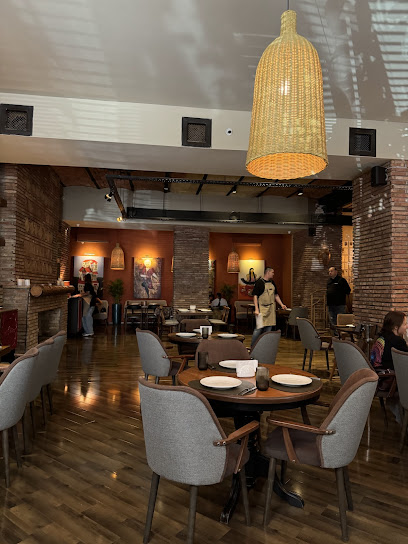
Greenwich Tavern
0.6 km
Experience the rich flavors of international wines and local cuisine at Greenwich Tavern, a cozy wine bar in Baku's vibrant heart.
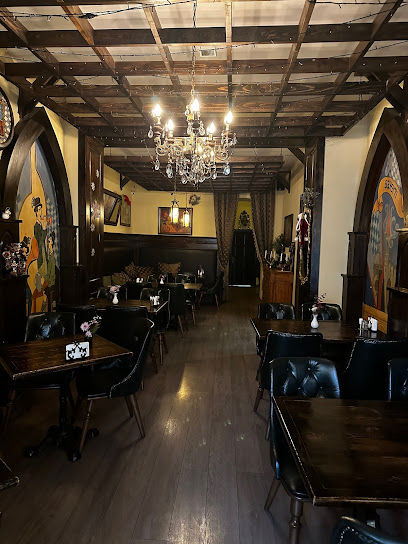
360 Bar, Hilton Baku
0.6 km
Discover the 360 Bar at Hilton Baku, where stunning skyline views meet exquisite cocktails in a chic lounge atmosphere.
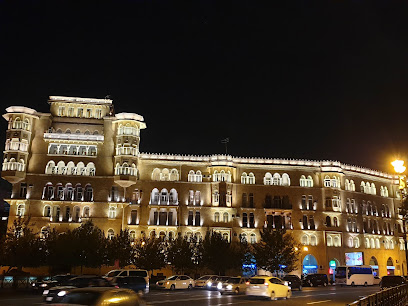
Nightclubs & after hour spots

Wind Breeze Karaoke Club
0.3 km
Wind Breeze Karaoke Club in Baku: A lively night club where you can sing, dance, and enjoy the vibrant local nightlife experience.
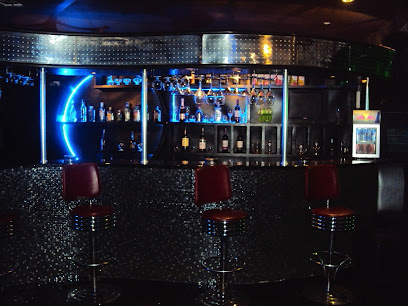
Hüseynin klubu
0.4 km
Discover the heartbeat of Baku's nightlife at Hüseynin Klubu, where unforgettable parties and vibrant energy await you!
Status Club Baku
0.4 km
Discover the heart of Baku's nightlife at Status Club, where electrifying music and vibrant atmosphere create unforgettable nights.
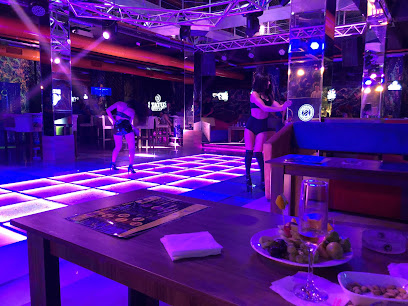
hiss club
0.7 km
Discover the electric nightlife of Baku at Hiss Club, where unforgettable parties and diverse crowds come to life.

XOXO Club & Karaoke
0.7 km
Discover Baku's nightlife at XOXO Club & Karaoke, where vibrant atmosphere, karaoke fun, and delicious drinks create unforgettable experiences.

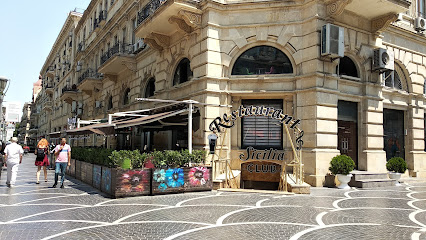
Sicilia club restaurant
0.7 km
Discover the lively nightlife at Sicilia Club Restaurant, a premier night club in Baku, perfect for dancing and enjoying a vibrant atmosphere.
Secrets VIP Club
0.7 km
Unleash your nightlife spirit at Secrets VIP Club, Baku's premier destination for unforgettable dance and entertainment experiences.

City Club
0.8 km
Immerse yourself in the pulsating nightlife of Baku at City Club, where top DJs and an electrifying atmosphere await.
Arabian Dance Club
0.9 km
Immerse yourself in the lively nightlife of Baku at the Arabian Dance Club, where traditional music and dance create an unforgettable experience.
Noterdam Club
1.0 km
Dive into the heart of Baku's nightlife at Noterdam Club, where music and dance create unforgettable memories.