

Free Baku Travel Guide & Mobile App
Plan your Baku trip with Evendo. Get free guides to top attractions, restaurants, hotels, and bars. Web access or download the mobile app.


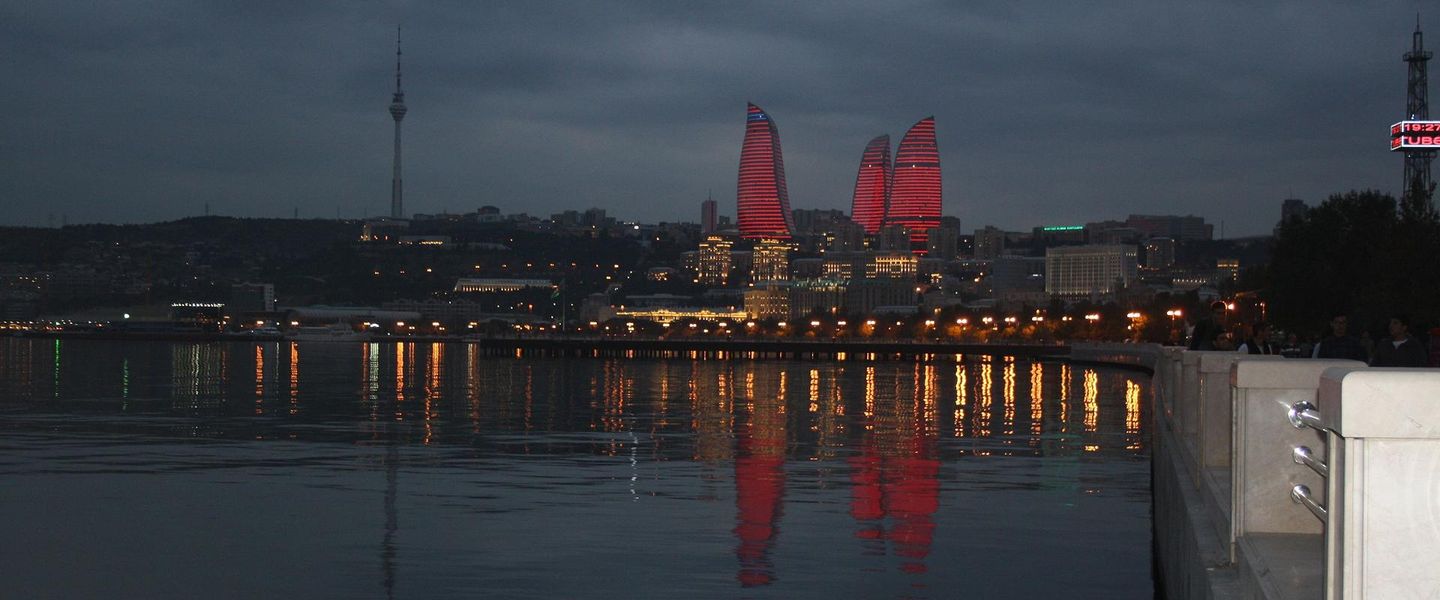


Baku combines a medieval walled city, Caspian views, oil-boom architecture, modern museums and Azerbaijani culture across the Absheron Peninsula.
Old City and Oil Wealth
Baku rises beside the Caspian Sea on the Absheron Peninsula, where medieval walls, nineteenth-century oil mansions and bold contemporary architecture share the same skyline. At its historic core, Icherisheher, narrow lanes wind past sandstone buildings, courtyards, mosques and caravanserais, with the Maiden Tower and Palace of the Shirvanshahs forming the city’s most recognisable medieval ensemble. Beyond the walls, the fortunes created by Azerbaijan’s oil boom transformed Baku at the end of the nineteenth century, leaving grand façades along streets such as Istiglaliyyat and Nizami.Read more about Baku
A City of Contrasts
The Caspian and the Absheron Peninsula
When is the best time to visit Baku?
Best: May, September–October · 23–30°C| Month | High (°C) | Rainfall (mm) |
|---|---|---|
| January | 7 | 21 |
| February | 8 | 18 |
| March | 13 | 22 |
| April | 19 | 24 |
| May (best) | 24 | 18 |
| June | 31 | 10 |
| July | 35 | 7 |
| August | 35 | 9 |
| September (best) | 30 | 14 |
| October (best) | 23 | 24 |
| November | 17 | 23 |
| December | 11 | 25 |
Getting to and around Baku
How to get there
Transportation
Best attractions in Baku
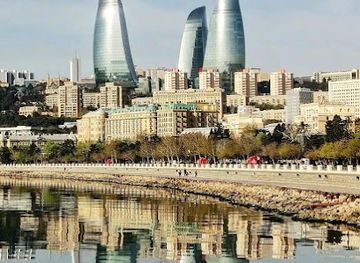
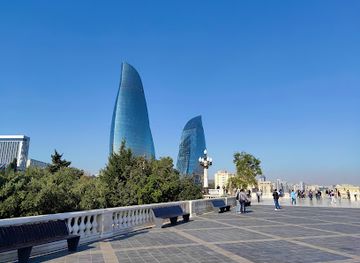
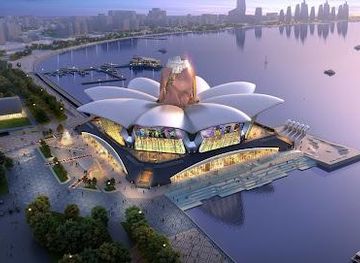
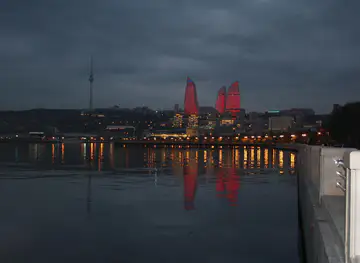
Baku’s sightseeing begins in Icherisheher, the walled old city where the Maiden Tower, Palace of the Shirvanshahs and quiet stone lanes reveal the capital’s medieval character. Beyond the walls, the Museum of Azerbaijan Carpet displays the country’s celebrated weaving traditions in a building shaped like a rolled carpet, while the National Museum of History occupies the former mansion of oil magnate Taghiyev. The waterfront Boulevard offers gardens, public spaces and expansive views across the Caspian, with the Baku Eye and nearby cultural venues adding a modern leisure dimension. On the hillside, the Flame Towers create the city’s most recognisable contemporary silhouette, and the Heydar Aliyev Centre presents exhibitions within Zaha Hadid’s sweeping white architecture. For a different atmosphere, the Central Botanical Garden and the city’s older residential streets provide quieter glimpses of everyday Baku beyond its grandest façades.
-
Cultural center
Heydar Aliyev Centre
Discover Baku's architectural masterpiece: the Heydar Aliyev Center, a cultural hub showcasing Azerbaijan's rich heritage and contemporary art in a stunning, fluid design.
19 min walk · 1.5 km from city centre
-
National park
Dənizkənarı Milli Park
Discover Baku's iconic seaside promenade: a blend of history, culture, and stunning Caspian Sea views, offering a vibrant escape for all travelers.
14 min drive · 4.6 km from city centre
-
Park
Highland Park
Experience Baku's beauty from above: Highland Park offers panoramic views, historical monuments, and a tranquil escape in the heart of the city.
20 min drive · 6.6 km from city centre
-
Tourist attraction
Mini Venice
Experience the charm of Venice in Baku! Picturesque canals, gondola rides, and waterfront cafes await at this enchanting miniature city on Baku Boulevard.
18 min drive · 6.0 km from city centre


Best landmarks in Baku
Baku’s most important landmarks express successive chapters of its history. The Maiden Tower, a powerful cylindrical structure within Icherisheher, is associated with the medieval walled city, although aspects of its original purpose and dating remain debated. Nearby, the Palace of the Shirvanshahs forms a major surviving royal and religious complex from the medieval Shirvan period. The old city walls mark the historic limits of Baku and frame gates, mosques, caravanserais and residential lanes. The nineteenth-century Ismailiyya Palace and the Palace of Happiness show how oil wealth introduced elaborate architectural ambition beyond the medieval core. On the waterfront, the Baku Boulevard represents the capital’s relationship with the Caspian, while the Flame Towers and Heydar Aliyev Centre embody its contemporary architectural image. Together these structures make Baku’s urban history legible through stone, ornament and dramatic modern forms.
-
Cultural center
Heydar Aliyev Centre
Discover Baku's architectural marvel: a cultural hub showcasing Azerbaijan's rich heritage and contemporary art in a stunning, fluid design.
19 min walk · 1.5 km from city centre
-
National park
Dənizkənarı Milli Park
Discover Baku's iconic seaside promenade: a blend of history, culture, and stunning Caspian Sea views, offering a vibrant escape for all.
14 min drive · 4.6 km from city centre
-
Park
Highland Park
Baku's Highland Park: Panoramic views, historical landmarks, and a tranquil escape in the heart of Azerbaijan's capital.
20 min drive · 6.6 km from city centre
-
Hotel
Fairmont Baku - Flame Towers
Experience Baku in style at the Fairmont, located in the iconic Flame Towers, offering luxury and breathtaking views of the Caspian Sea and city skyline.
19 min drive · 6.5 km from city centre


Explore Baku on the map
Plan your Baku trip on one map. See where the top attractions, landmarks, restaurants, bars and hotels are, find what's near where you're staying, and book hotels and experiences in a few clicks.
Neighbourhoods in Baku
-

-

-

-

-


Swipe for more neighbourhoods
Best hotels in Baku
Best restaurants in Baku
Baku’s food culture reflects Azerbaijani traditions shaped by the Caucasus, Iran, Central Asia and the Caspian. Menus commonly feature plov, dolma, grilled meats, qutab filled with herbs or meat, fresh salads and soups, while regional cheeses, preserves and fragrant herbs appear in everyday cooking. Tea served in pear-shaped armudu glasses is an important social custom, often accompanied by jam, pastries or dried fruit. Restaurants in and around Icherisheher offer traditional dishes in historic surroundings, while central streets such as Nizami and the areas around Fountain Square contain contemporary Azerbaijani restaurants, cafés and international dining. Yashil Bazaar and Teze Bazaar provide insight into the ingredients behind the cuisine, from fruit and vegetables to spices, nuts and sweets. Caspian fish and seafood may also appear, although availability and preparation vary by establishment.
-
Restaurant
Firuze restaurant
Discover authentic Azerbaijani flavors at Firuze Restaurant in Baku – where tradition meets modern dining.
15 min drive · 5.0 km from city centre
-
Hotel
Fairmont Baku - Flame Towers
Savor Mediterranean elegance with Caspian panoramas in Baku's Flame Towers, where modern luxury meets fresh, flavorful cuisine and skyline-defining views.
19 min drive · 6.5 km from city centre
-
Restaurant
Dolma Restaurant
Discover authentic Azerbaijani cuisine at Dolma Restaurant in Baku - a culinary journey filled with rich flavors and warm hospitality.
15 min drive · 5.1 km from city centre
-
Restaurant
Shirvanshah Museum Restaurant
Discover the rich flavors of Azerbaijan at Shirvanshah Museum Restaurant - where tradition meets modernity in every dish.
13 min drive · 4.4 km from city centre


Best bars in Baku
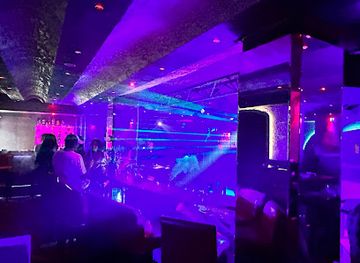
Baku’s evening scene is concentrated in the centre, particularly around Fountain Square, Nizami Street and the lanes near Icherisheher. Visitors can find cafés, wine bars, cocktail venues, hotel lounges and restaurants that remain active after dark, while the Boulevard provides a quieter setting for an evening walk beside the Caspian. Several venues offer live music, including Azerbaijani mugham, jazz and contemporary performances, reflecting the capital’s long musical tradition. Nightclubs and late-night bars exist, but the atmosphere is generally more mixed than in a dedicated club district, with nightlife spread among restaurants, lounges and entertainment spaces. Dress standards vary, though smart casual clothing is useful for more formal venues. Alcohol is available in many establishments, but visitors should respect local sensibilities and use licensed taxis or reputable app-based transport after late evenings.
-
Lounge
360 Bar, Hilton Baku
Discover breathtaking views and exquisite drinks at 360 Bar, Hilton Baku, the city's premier lounge for unforgettable evenings.
13 min drive · 4.4 km from city centre
-
Pub
Hops Pub Baku
Discover the vibrant nightlife of Baku at Hops Pub, where craft beer meets a lively atmosphere in the heart of the city.
15 min drive · 5.0 km from city centre
-
Bar
Latitude & Longitude Bar Lounge
Experience Baku's nightlife at Latitude & Longitude Bar Lounge, where modern vibes meet exquisite drinks for an unforgettable evening.
15 min drive · 5.2 km from city centre
-
Irish pub
Finnegan's
Discover Finnegan's, Baku's premier Irish pub offering delicious cuisine, vibrant atmosphere, and a perfect blend of local and European flavors.
15 min drive · 5.0 km from city centre


Best nightclubs in Baku
Baku’s evening scene is concentrated in the centre, particularly around Fountain Square, Nizami Street and the lanes near Icherisheher. Visitors can find cafés, wine bars, cocktail venues, hotel lounges and restaurants that remain active after dark, while the Boulevard provides a quieter setting for an evening walk beside the Caspian. Several venues offer live music, including Azerbaijani mugham, jazz and contemporary performances, reflecting the capital’s long musical tradition. Nightclubs and late-night bars exist, but the atmosphere is generally more mixed than in a dedicated club district, with nightlife spread among restaurants, lounges and entertainment spaces. Dress standards vary, though smart casual clothing is useful for more formal venues. Alcohol is available in many establishments, but visitors should respect local sensibilities and use licensed taxis or reputable app-based transport after late evenings.
-
Night club
Nightoffice
Dive into Baku's electrifying nightlife at Nightoffice, a premier night club offering unforgettable music and vibrant atmosphere until dawn.
15 min drive · 5.1 km from city centre
-
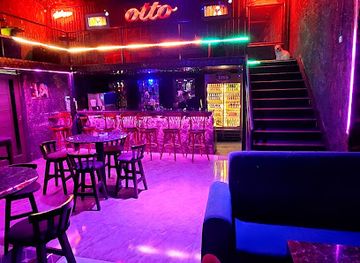
Night club
Otto
Discover the pulse of Baku nightlife at Otto Nightclub—where electrifying music and vibrant ambiance create unforgettable experiences.
15 min drive · 5.1 km from city centre
-
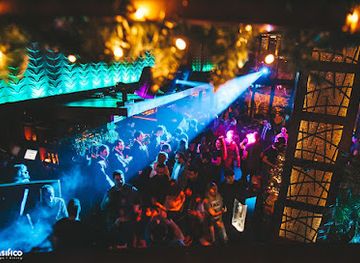
Night club
Pasifico Lounge and Dining
Discover the vibrant nightlife and exquisite dining at Pasifico Lounge, a top destination on Baku's Seaside Boulevard.
14 min drive · 4.8 km from city centre
-
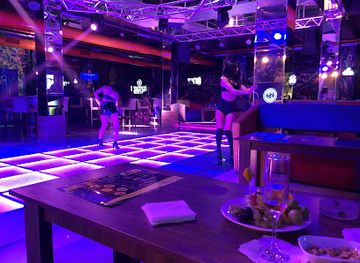
Night club
Status Club Baku
Dive into Baku's nightlife at Status Club, where electrifying beats meet an unforgettable atmosphere, perfect for tourists and locals alike.
13 min drive · 4.4 km from city centre
Best shops in Baku
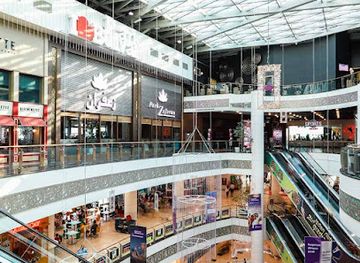
Shopping in Baku ranges from traditional food markets and carpet shops to polished malls and independent boutiques. Yashil Bazaar and Teze Bazaar are useful places to see the ingredients of Azerbaijani cooking, including saffron, dried fruit, nuts, spices, cheeses and sweets, though visitors should compare prices and pack food securely. Carpet shops and specialist galleries offer kilims and Azerbaijani carpets, but buyers should request proper documentation because some carpets and antiques may require export permission. Nizami Street combines historic façades with fashion, jewellery, cafés and international retailers, while Port Baku Mall and Deniz Mall provide modern shopping in contemporary settings. Locally made ceramics, copperware, textiles, tea glasses, miniature art and packaged sweets can make more distinctive purchases than generic souvenirs. Bargaining may be possible in informal markets but is not expected in fixed-price shops or malls.
-
Shopping mall
Ganjlik Mall
Discover Ganjlik Mall in Baku, where shopping meets entertainment with a diverse selection of stores, dining, and family-friendly activities.
5 min drive · 1.6 km from city centre
-
Shopping mall
28 Mall
Explore Baku's 28 Mall – a shopping paradise blending local culture and international brands for an unforgettable retail experience.
11 min drive · 3.8 km from city centre
-
Shopping mall
Park Bulvar Mall
Explore Park Bulvar Mall in Baku - A premier shopping and dining destination with diverse options and vibrant atmosphere.
14 min drive · 4.5 km from city centre
-
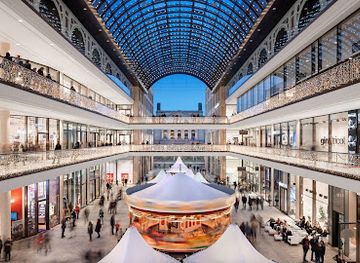
Shopping mall
Dəniz Mall
Experience the best of shopping, dining, and entertainment at Dəniz Mall, Baku's premier shopping destination.
19 min drive · 6.2 km from city centre

Get your free copy of our complete guide to Baku, delivered straight to you.
Everything on this page, from attractions and restaurants to essentials and local phrases, in one PDF you can read offline, print or share.
Already have an account? Sign in
Your Baku guide is ready.
We'll send it to · Not you? Sign out

Getting your guide ready…
We are putting together a fresh copy of the Baku guide. This can take up to a minute.
This can take a few moments. If your browser asks, choose Allow so the download can start. You'll find the guide in your Downloads folder.
Nothing happened? Download it again
Sorry, the guide is taking longer than usual. Please try again in a minute, or get it by email instead.
Baku essentials
Currency and Payment
Safety
Emergency Situations
Do's and Don'ts
Local Tips
From Eve
Local phrases worth knowing
You don't need to get them perfect. A few words go a long way, and locals appreciate the effort.
Basics
| English | Local | Say it |
|---|---|---|
| Hello | Salam | [sah-lahm] |
| Goodbye | Sag ol | [sahg awl] |
| Yes | Bəli | [beh-lee] |
| No | Xeyr | [kheyr] |
| Please/You're welcome | Xahiş edirəm | [kha-hee-sh ed-ee-rum] |
| Thank you | Təşəkkür edirəm | [teh-she-kur ed-ee-rum] |
| Excuse me/Sorry | Bağışlayın | [bah-gee-shlah-yuhn] |
| How are you? | Necəsən? | [neh-jeh-suhn] |
| Fine. And you? | Yaxşıyam. Sən? | [yahkh-shee-yahm. sahn] |
| Do you speak English? | İngilis dilində danışa bilərsən? | [ing-ee-lees dee-leen-duh dah-nee-shah bee-luhr-suhn] |
| I don't understand | Anlamıram | [ahn-lah-muh-rahm] |
Eating & Drinking
| English | Local | Say it |
|---|---|---|
| I'd like to see the menu, please | Xahiş edirəm menuya baxmaq istəyirəm | [kha-hee-sh ed-ee-rum meh-noo-yah bakh-mahq is-teh-yee-ruhm] |
| I don't eat meat | Mən ət yemirəm | [muhn aht yeh-mee-ruhm] |
| Cheers! | Sağ olun! | [sahg awl-oon] |
| I would like to pay, please | Xahiş edirəm ödəmək istəyirəm | [kha-hee-sh ed-ee-rum uhd-eh-mehk is-teh-yee-ruhm] |
Emergencies
| English | Local | Say it |
|---|---|---|
| Help! | Kömək! | [kuh-muhk] |
| Go away! | Uzaq ol! | [oo-zahk awl] |
| Call the Police! | Polisi çağırın! | [poh-lee-see chah-gee-ruhn] |
| Call a doctor! | Həkim çağırın! | [heh-keem chah-gee-ruhn] |
| I'm lost | Yolumu itirmişəm | [yoh-loo-moo ee-teer-mee-shuhm] |
| I'm ill | Xəstəyəm | [khes-tuh-yuhm] |
Shopping
| English | Local | Say it |
|---|---|---|
| I'd like to buy... | Almaq istəyirəm... | [ahl-mahq is-teh-yee-ruhm] |
| I'm just looking | Sadəcə baxıram | [sah-deh-jeh bakh-uh-rahm] |
| How much is it? | Neçəyədir? | [neh-jeh-yuh-deer] |
| That's too expensive | Çox bahadır | [choh bah-hah-duhr] |
| Can you lower the price? | Qiyməti endirmək mümkündür? | [kee-uh-meh-tee ehn-deer-mehk moo-mkoon-dur] |
Time & Numbers
| English | Local | Say it |
|---|---|---|
| What time is it? | Saat neçədir? | [saht neh-jeh-deer] |
| It's one o'clock | Bir sətirədir | [beer sah-tee-ruh-deer] |
| Half past (10) | Onun yarısı | [oh-noon yah-ruh-suh] |
| Morning | Səhər | [suh-hehr] |
| Afternoon | Günorta | [goon-oor-tah] |
| Evening | Axşam | [akh-shahm] |
| Yesterday | Dünən | [doo-nuhn] |
| Today | Bu gün | [boo goon] |
| Tomorrow | Sabah | [sah-bah] |
| 1 | Bir | [beer] |
| 2 | İki | [ee-kee] |
| 3 | Üç | [ooch] |
| 4 | Dörd | [durrd] |
| 5 | Beş | [besh] |
| 6 | Alti | [ahl-tee] |
| 7 | Yeddi | [yeh-dee] |
| 8 | Səkkiz | [suhk-keez] |
| 9 | Doqquz | [dohk-kooz] |
| 10 | On | [ohn] |
Transport & Directions
| English | Local | Say it |
|---|---|---|
| Where's a/the...? | ... haradadır? | [... hah-rah-dah-duhr] |
| What's the address? | Ünvan nədir? | [oon-vahn neh-deer] |
| Can you show me (on the map)? | Mənə göstərə bilərsiniz (xəritədə)? | [muh-nuh gohs-teh-ruh bee-luhr-see-neez kheh-ree-teh-duh] |
| When's the next (bus)? | Növbəti (avtobus) neçədədir? | [nuhb-buh-tee ahf-toh-boos neh-jeh-deer] |
| A ticket (to ....) | Bir biletlə (....-a) | [beer bee-let-luh (....-ah)] |
History of Baku
Early Settlements and Sacred Fires
The Absheron Peninsula has been inhabited since antiquity, benefiting from its position on routes linking the Caucasus, Iran and the Caspian basin. Baku’s early history is associated with its sheltered harbour, natural petroleum seepages and Zoroastrian fire traditions, although the precise origins of the urban settlement are difficult to establish. Classical and medieval sources refer to the wider area under names connected with the Caspian coast and its fortified communities. The peninsula’s combustible gases and oil-bearing ground later became part of the cultural imagination surrounding Azerbaijan as the Land of Fire. These natural resources were significant long before industrial extraction, shaping local trade, settlement patterns and the religious associations that remain visible in nearby sites such as Ateshgah.
The Medieval Shirvanshah Capital
By the Middle Ages, Baku had become an important fortified port within the historical region of Shirvan. In the twelfth century, the Shirvanshah rulers developed Baku as a political centre, particularly after an earthquake damaged Shamakhi in 1191. The walled settlement expanded around the harbour and gained religious, administrative and commercial buildings. The Palace of the Shirvanshahs, the Maiden Tower and surviving sections of the defensive walls belong to the layered medieval city visible in Icherisheher today, although the monuments represent different periods of construction and alteration. Baku’s position on Caspian trade routes brought contact with merchants and cultures from across the Caucasus, Central Asia and the Middle East.
Persian and Russian Imperial Rule
Baku remained contested during the early modern period as regional powers sought control of the Caspian shore. It came under Russian rule after the Russo-Persian War of 1804–1813 and the Treaty of Gulistan, with the transfer confirmed and extended after the Treaty of Turkmenchay in 1828. Imperial administration altered the city’s political and commercial orientation, while its harbour became increasingly important to Russian interests in the Caucasus. Baku’s population included Muslims, Armenians, Russians, Jews, Europeans and other communities, creating a cosmopolitan social environment. The old walled town continued to function as the historic core while new quarters developed beyond its medieval boundaries.
The Oil Boom and a New City
The rapid expansion of oil production in the second half of the nineteenth century transformed Baku. Industrial drilling, refining, rail connections and shipping attracted capital, engineers and workers from across the Russian Empire and beyond. The Nobel and Rothschild interests were among the major forces in the oil economy, while local entrepreneurs such as Zeynalabdin Taghiyev invested in industry, education and civic institutions. Wealth from petroleum funded grand residences, public buildings and European-influenced streets outside the old city. At the same time, industrial growth produced difficult labour conditions and sharp social inequalities. This oil-boom landscape established much of the architectural character of central Baku.
Revolution, Republic and Soviet Transformation
The upheavals following the Russian Revolution brought severe political instability to Baku. In 1918, the Azerbaijan Democratic Republic established Baku as its capital after forces associated with the republic captured the city during the final months of the First World War. The republic was short-lived: Soviet power was established in Azerbaijan in 1920. Under the Soviet Union, Baku became the capital of the Azerbaijan Soviet Socialist Republic and expanded as an industrial, administrative and cultural centre. Oil remained fundamental, while planned districts, apartment blocks, theatres and public institutions reshaped the city beyond its imperial-era avenues. Soviet modernisation added another substantial layer to Baku’s urban identity.
Independence and the Contemporary Capital
Azerbaijan restored its independence in 1991 following the dissolution of the Soviet Union. Baku subsequently experienced large-scale redevelopment, supported by energy revenues and the strategic importance of the capital on the Caspian. The waterfront was extensively landscaped, major cultural buildings were constructed and older districts were restored or adapted for tourism and public life. Contemporary landmarks such as the Flame Towers and the Heydar Aliyev Centre stand alongside medieval walls and oil-era mansions, creating a deliberately varied skyline. The city’s modern identity remains closely linked to petroleum, but it is also expressed through museums, international events, Azerbaijani arts and the continuing life of Icherisheher.
Baku in Photos
Browse through our photo collection highlighting the charm and character of the destination.
Cities near Baku
The closest cities to Baku, if you have time for more than one stop.
-

-

-

-

-


Swipe for more cities
Explore more
Explore more of Azerbaijan
Discover Azerbaijan: A captivating blend of ancient heritage, stunning natural landscapes, and vibrant modernity at the crossroads of Europe and Asia.
Explore Azerbaijan