
Bayat Castle: Cradle of the Karabakh Khanate
Discover Bayat Castle: the first capital of the Karabakh Khanate, a testament to Azerbaijan's rich history and strategic importance in the 18th century.
Explore Bayat Castle, the first capital of the Karabakh Khanate, founded in 1748 by Panah Ali Khan. Though only partially surviving, this historic site offers a glimpse into the origins of a powerful Azerbaijani dynasty and the strategic thinking behind its initial establishment.
A brief summary to Bayat qalası
- 72C5+G7M, Gaynag, AZ
Local tips
- Wear comfortable shoes, as exploring the ruins involves walking on uneven terrain.
- Bring water and snacks, as there are limited facilities near the fortress.
- Check the weather forecast before your visit, as the area can be exposed and windy.

Getting There
-
Taxi/Ride-Share
From the center of Agcabedi, a taxi or ride-sharing service is the most convenient way to reach Bayat Castle. The journey is approximately 20-30 minutes. Confirm the fare before starting your trip; expect to pay around 5-8 AZN.
-
Public Transport
From Agcabedi, take a local bus or 'daha' (shared minibus) towards Gaynag village. The journey takes approximately 30-40 minutes. From Gaynag, Bayat Castle is about 2 km away; you can walk or hire a local taxi for the final leg. The bus fare is around 0.5-1 AZN. A taxi from Gaynag to the fortress should cost around 2-3 AZN.
Discover more about Bayat qalası
Iconic landmarks you can’t miss

Bayat qalası
0.0 km
Discover Bayat Castle: the first capital of the Karabakh Khanate, a testament to Azerbaijan's rich history and strategic importance in the 18th century.

Yevlax Məscidi
39.8 km
Discover Yevlax Məscidi, a serene mosque in Azerbaijan, embodying faith, culture, and architectural beauty in the heart of Yevlax.
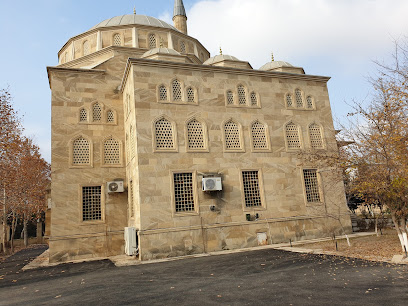
Qeyro Elvinin Evi
40.7 km
Discover serenity in Yevlakh at Qeyro Elvinin Evi, a perfect park for relaxation, recreation, and connecting with nature.
Gəncəsər monastırı
47.0 km
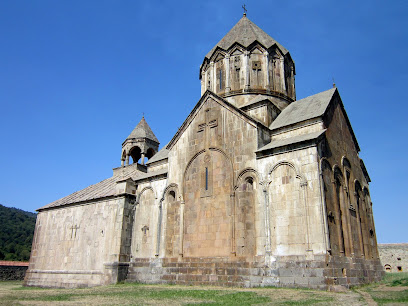
Discover Gəncəsər Monastery in Azerbaijan: a 13th-century Armenian cathedral, architectural gem, and spiritual center with a rich history and stunning views.
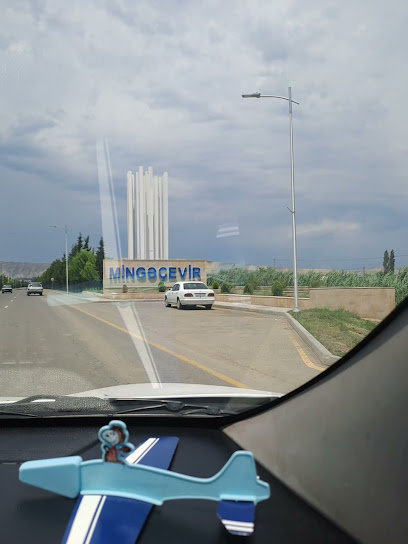
Mingəçevir sign- Nur şəhəri
53.2 km
Welcome to Mingəçevir: Explore ancient history, modern energy, and serene landscapes in Azerbaijan's 'City of Lights'.
Azatutyan hraparak
53.6 km
Explore the vibrant Azatutyan Hraparak in Khankendi, a town square rich in local culture, history, and lively atmosphere perfect for tourists.
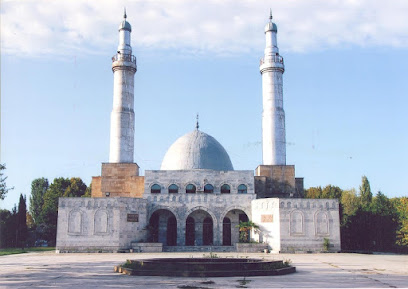
Seher Mescidi
54.6 km
Discover the spiritual heart of Mingecevir at Seher Mescidi, a mosque blending Islamic architecture with Azerbaijani heritage.
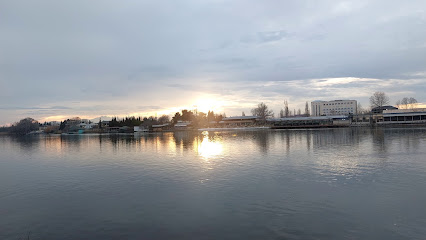
Kür'ün Qırağı
55.0 km
Escape to Kür'ün Qırağı in Mingecevir for riverside hiking, tranquil nature walks, and breathtaking views of Azerbaijan's Kura River.
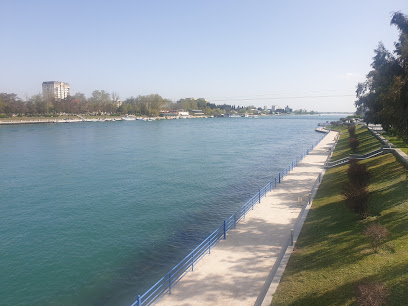
St. Astvatsatsin Church
55.6 km
Discover St. Astvatsatsin Church in Khankendi, a modern symbol of faith and Armenian heritage in a city with a rich and complex history.
I love Mingachevir
55.6 km
Capture the spirit of Mingachevir at this iconic landmark, where history, culture, and the beauty of the Kura River converge.
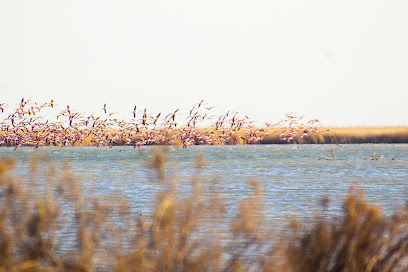
AğGöl Milli Parkı giriş
57.4 km
Discover Azerbaijan's AğGöl National Park: A birdwatcher's paradise with diverse wildlife and stunning wetland landscapes.
Mingachevir reservoir
57.6 km
Explore Azerbaijan's largest reservoir for water sports, fishing, and scenic beauty. A perfect escape by the 'City of Lights'.
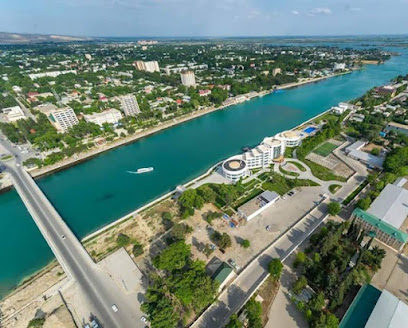
Mingechevir Hydro Power Plant
57.7 km
Explore Azerbaijan's engineering marvel: the Mingechevir Hydro Power Plant, a beacon of sustainable energy on the Kura River.
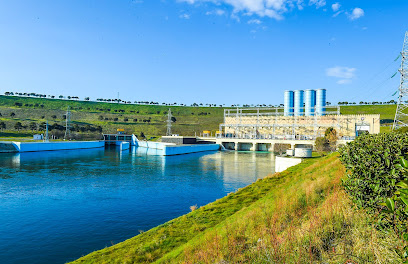
Mingəçevir su anbarı
57.8 km
Discover Azerbaijan's largest lake: perfect for boating, fishing, and scenic relaxation by the Kura River in Mingachevir.
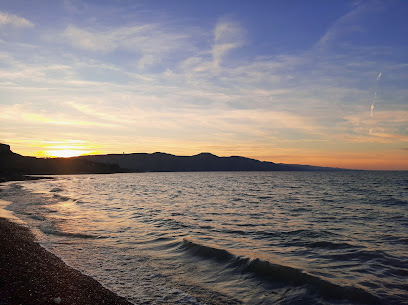
3-ce buxta, Mingəçevir su anbarı
58.6 km
Discover 3-ce Buxta on Mingachevir Reservoir: Hike scenic trails, enjoy nature, and explore Azerbaijan's largest reservoir.
Unmissable attractions to see

Askeran Fortress
40.4 km
Explore Askeran Fortress: An 18th-century marvel with panoramic views and a rich history along the Qarqar River in Azerbaijan.

BAYRAQ MEYDANI
41.9 km
Experience Azerbaijani culture and national pride at Goranboy's Bayraq Meydani, a vibrant square with stunning architecture and a lively community atmosphere.
Tatik-Papik
52.4 km
Discover Tatik-Papik in Khankendi, a poignant memorial symbolizing cultural heritage and resilience.
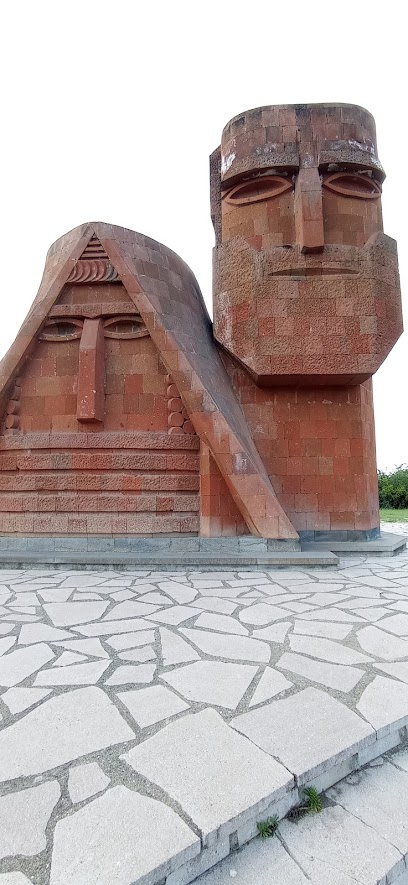
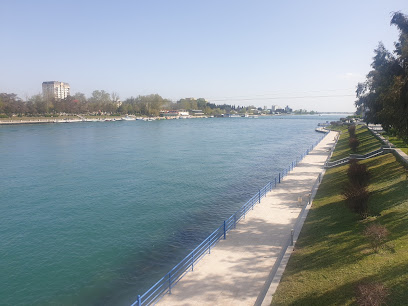
Mingachevir Kur river
55.6 km
Explore the scenic beauty and tranquil atmosphere of the Kur River in Mingachevir, Azerbaijan's 'City of Lights'.
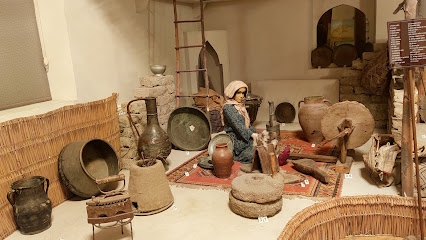
Mingəçevir Tarix muzeyi
55.9 km
Unearth millennia of history at Mingachevir Museum, from ancient settlements to Azerbaijan's modern 'City of Lights'.
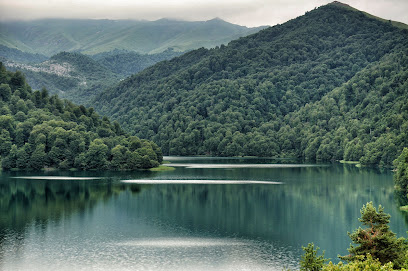
Lake Göygöl
59.6 km
Discover Lake Göygöl: Azerbaijan's breathtaking alpine lake with crystal-clear waters, stunning scenery, and tranquil hiking trails.
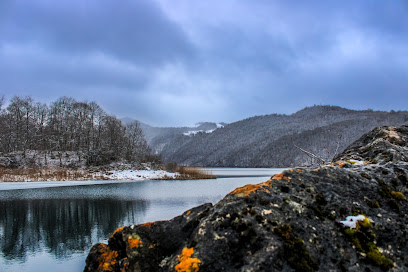
Goygol
59.9 km
Discover the pristine beauty of Goygol, Azerbaijan's 'Blue Lake,' nestled in the Caucasus Mountains, offering breathtaking scenery, hiking trails, and a tranquil escape into nature.
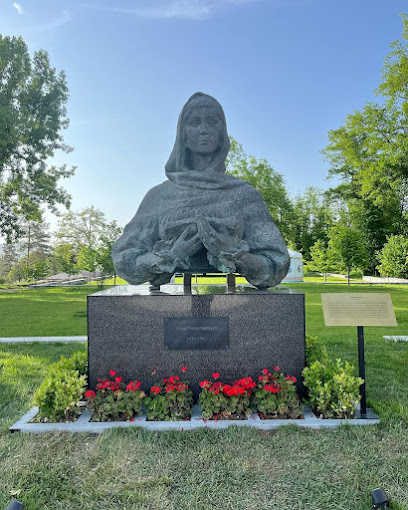
Xanqızı Natəvanın Güllələnmiş heykəli
60.5 km
Discover the breathtaking Xanqızı Natəvanı sculpture in Shusha, a tribute to the beloved Azerbaijani poetess amidst stunning landscapes.
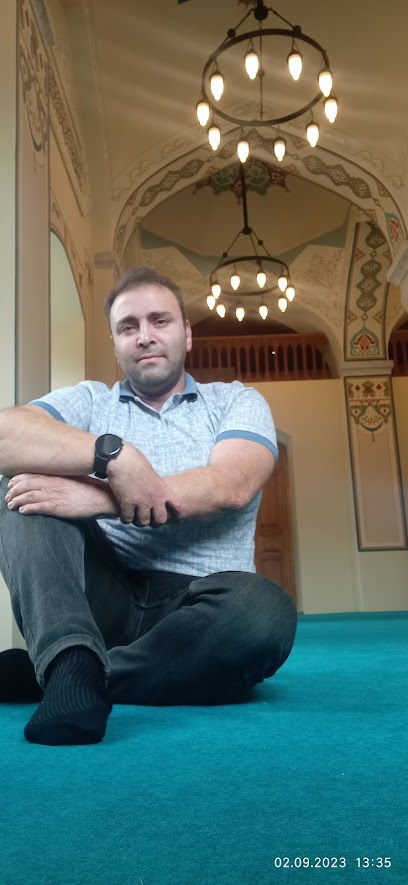
Xanlıq Muxtar Karvansarayı
60.6 km
Explore the historical Xanlıq Muxtar Caravanserai in Shusha, a significant 18th-century architectural monument reflecting the city's rich past.
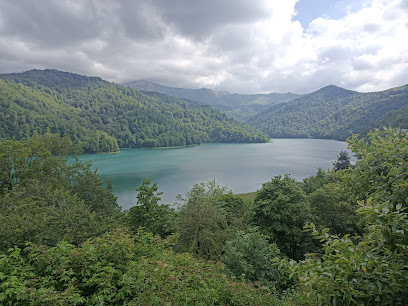
Goygol National Park
61.2 km
Discover Azerbaijan's first national park, home to the stunning Lake Goygol, offering hiking, diverse wildlife, and breathtaking landscapes.
İbrahim Xəlil Xanın mağara sığınacağı
61.3 km
Discover the historical significance of İbrahim Xəlil Xan's Cave Refuge in Shusha, a testament to Azerbaijan's rich cultural heritage.
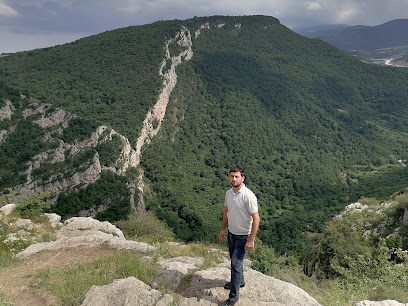
Şamkənd, Qızılqaya
63.2 km
Discover Şamkənd, Qızılqaya: A serene Azerbaijani village with stunning landscapes, rich culture, and warm hospitality.
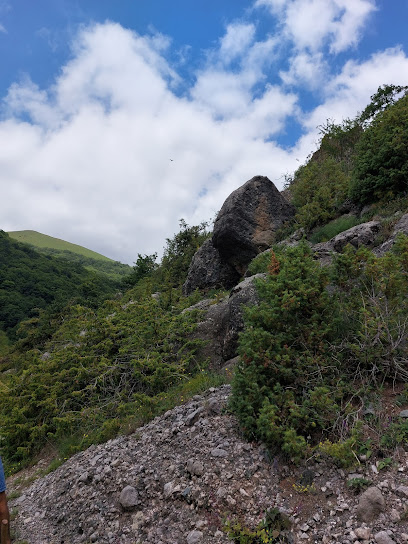
Amaras Monastery
65.5 km
Discover Amaras Monastery: A historic Armenian religious site and the birthplace of Armenian literacy, nestled in the heart of Artsakh.
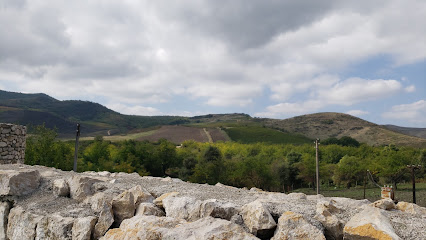
Agh Gol National Park
65.6 km
Discover Azerbaijan's ornithological oasis at Agh Gol National Park, a haven for migratory birds and a Ramsar Wetland of International Importance.
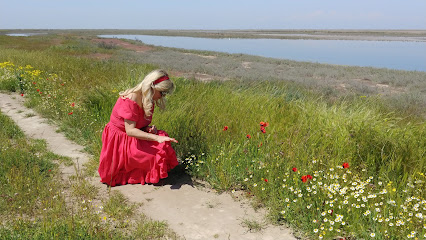
Nizami Ganjavi Museum
66.9 km
Explore the life and works of the legendary poet Nizami Ganjavi at this cultural landmark in Ganja, Azerbaijan.
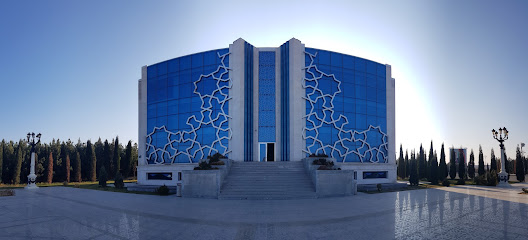
Essential places to dine

Hemdem Restaurant And Hotel
37.0 km
Discover the perfect blend of traditional flavors and modern comfort at Hemdem Restaurant and Hotel in Yevlakh.
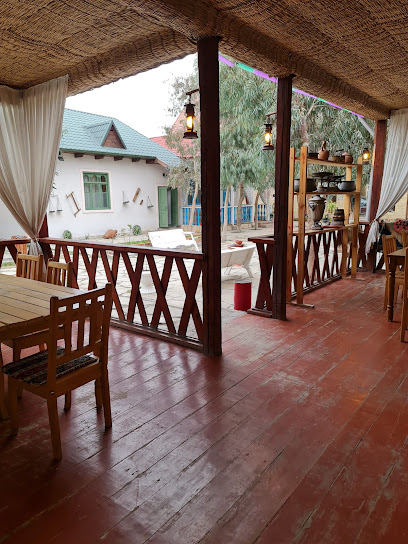
Pramida
37.6 km
Discover the rich flavors of Azerbaijani cuisine at Pramida in Yevlakh – where tradition meets taste.
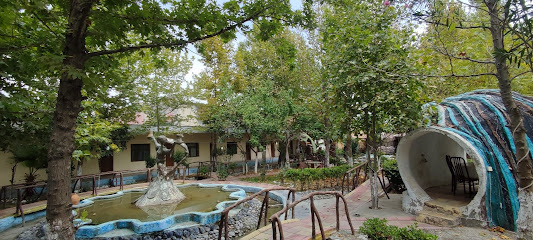
SHARUR
38.0 km
Experience authentic Azerbaijani cuisine at Sharur in Yevlakh—where tradition meets taste in a warm and welcoming atmosphere.
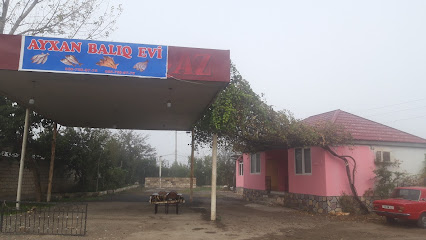
Ayxan balq evi
38.0 km
Experience authentic Azerbaijani cuisine at Ayxan Balq Evi in Yevlakh—where every meal tells a story.
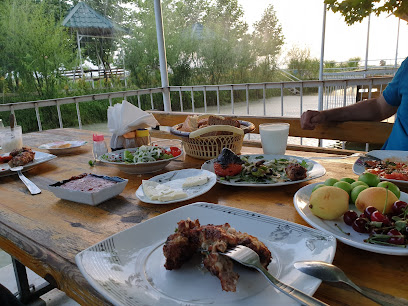
Sahil restoranı
38.8 km
Discover the flavors of Azerbaijan at Sahil Restoranı in Yevlakh – where every meal is a celebration of local cuisine.
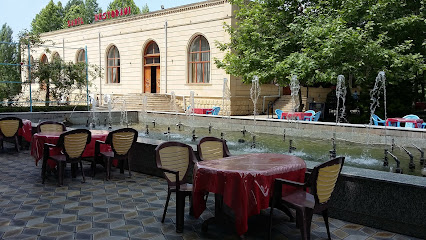
Məsi dönər
39.1 km
Discover the rich flavors of Azerbaijani cuisine at Məsi Dönər in Yevlakh – home of delicious döner kebabs and traditional dishes.
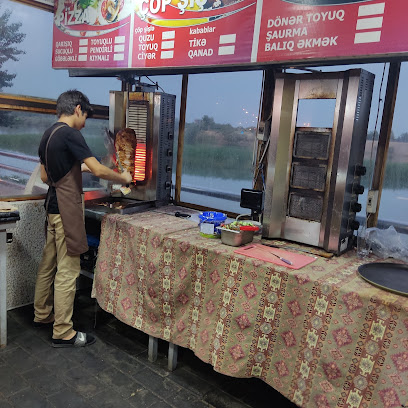
Mirvari Ailevi Kafe
39.1 km
Experience authentic Azerbaijani cuisine at Mirvari Ailevi Kafe in Yevlakh - where every meal tells a story.
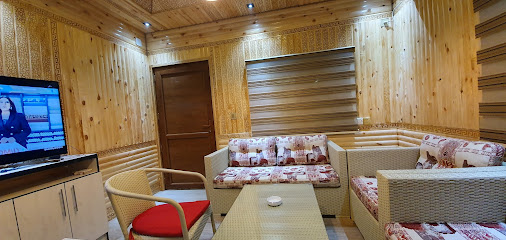
Ruzetam Əyləncə Mərkəzi
39.5 km
Experience endless fun at Ruzetam Əyləncə Mərkəzi - the ultimate family-friendly entertainment center in Yevlakh!
Üç Qardaş Restoran
39.5 km
Experience authentic Azerbaijani flavors at Üç Qardaş Restoran in Yevlakh - where tradition meets taste!
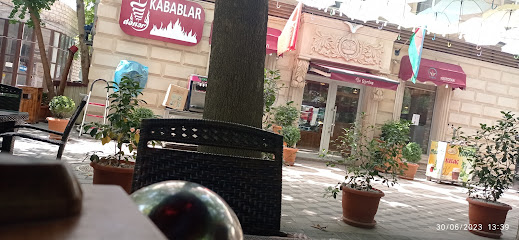
SENEM RESTAURANT.
39.7 km
Experience authentic Azerbaijani cuisine in Yevlakh at Senem Restaurant - where every meal tells a story.
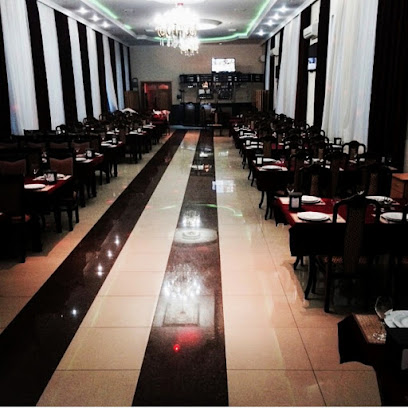
Su Sonasi
40.0 km
Experience authentic Azerbaijani cuisine at Su Sonasi in Yevlakh - where every meal is a celebration of flavor and hospitality.
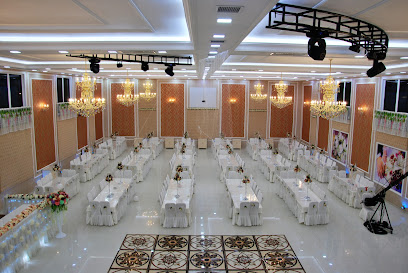
Ağ Zambaq Resdoran
40.0 km
Discover the flavors of Azerbaijan at Ağ Zambaq Restaurant in Yevlakh – a perfect spot for families to enjoy delicious local cuisine together.
Mayak restoran
41.4 km
Discover family-friendly dining at Mayak Restoran in Yevlakh - savor traditional Azerbaijani dishes in a warm and inviting atmosphere.
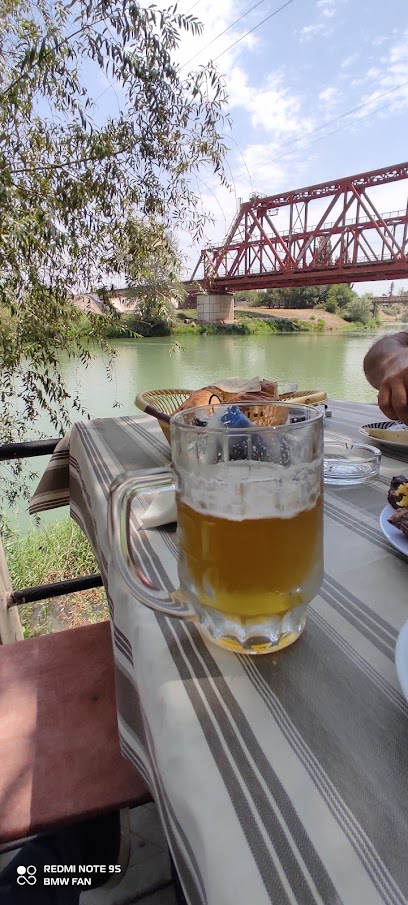
culuxlu
47.6 km
Discover the authentic tastes of Azerbaijan at Culuxlu, Agjabedi's premier dining destination known for its warm hospitality and delicious local cuisine.
Restoran
48.3 km
Discover the authentic tastes of Azerbaijani cuisine at this top-rated restaurant in Zardab, where tradition meets flavor.
Markets, malls and hidden boutiques

Hədiyyələr
10.2 km
Explore Hədiyyələr, Terter's unique gift shop offering a blend of antiques and local art, perfect for capturing the essence of Azerbaijan.
『THE』B0SSツ
17.4 km
Explore the charm of Azerbaijan at 『THE』B0SSツ, a unique gift shop in Quzanlı featuring handcrafted souvenirs and local treasures.
Xonçaların Satışı Və Kirayəsi
18.2 km
Explore the charm of Azerbaijan at Xonçaların Satışı Və Kirayəsi, an exquisite gift shop showcasing antiques and local artistry in Quzanlı.
Fərid Market
35.1 km
Discover everyday essentials and local snacks at Fərid Market in Yevlakh, the perfect stop for travelers seeking convenience and culture.
Ağcəbədi mal bazarı
35.5 km
Discover the heart of Azerbaijani culture at Ağcəbədi Mal Bazarı, a vibrant market filled with fresh produce, local crafts, and rich flavors.

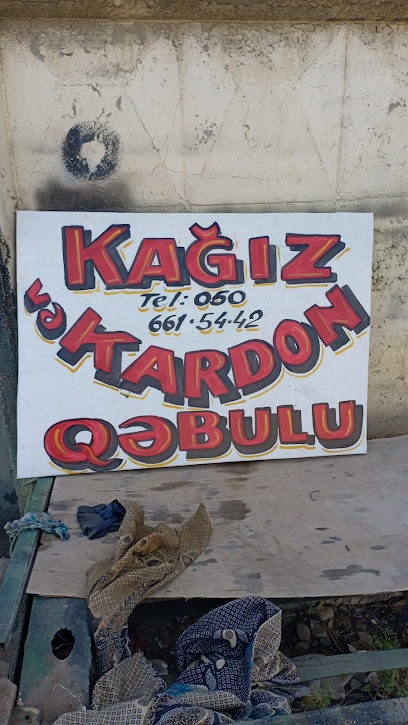
Kagiz Kardon qedulu
38.2 km
Explore the enchanting world of Kagiz Kardon qedulu, a paper store in Yevlakh offering exquisite handmade papers and unique stationery.
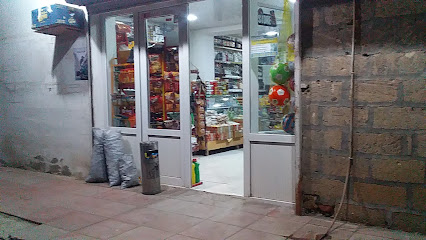
Anar Market
38.5 km
Explore the authentic flavors of Azerbaijan at Anar Market, a vibrant grocery store in Yevlakh showcasing local produce and delicacies.
Yevlax SEVİNC ucuzluq mağaza
38.8 km
Explore Yevlax SEVİNC ucuzluq mağaza for affordable shopping, unique souvenirs, and a taste of local culture in Yevlakh, Azerbaijan.
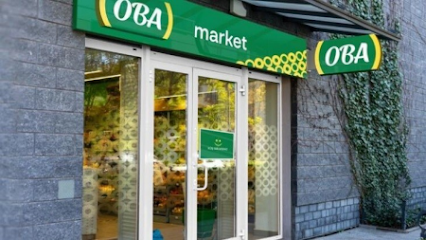
OBA market
38.8 km
Discover the charm and flavors of OBA Market in Yevlakh, a vibrant hub showcasing local goods, culinary delights, and rich Azerbaijani culture.
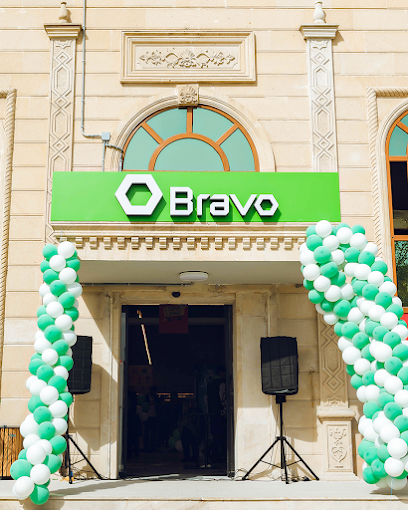
Bravo
38.8 km
Explore the flavors of Azerbaijan at Bravo Supermarket in Yevlakh, where local produce meets international goods for a delightful shopping experience.
HÜSEYNİN BUTKASI
39.1 km
Explore the cultural charm of Yevlakh at HÜSEYNİN BUTKASI, your destination for authentic Azerbaijani products and local treasures.
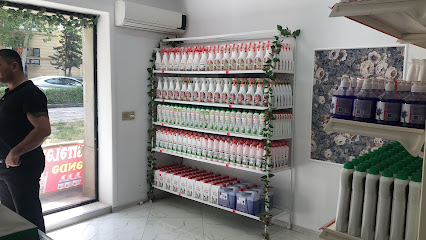
Yuyucu və təmizlik vasitələri toptan və pərakəndə
39.2 km
Experience Yevlakh's local culture through its general store, offering unique products and a friendly atmosphere for tourists.
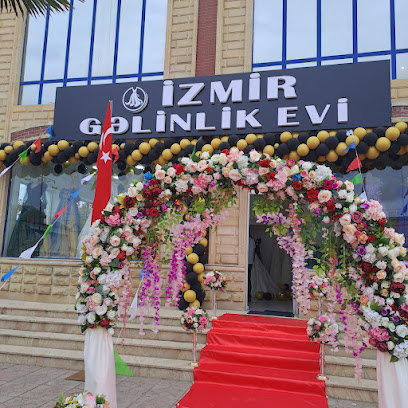
izmir gelinlik evi
39.3 km
Explore Izmir Gelinlik Evi, Yevlakh's premier bridal shop offering exquisite wedding dresses and personalized service for your special day.
İNŞAAT MAĞAZASI
39.3 km
Discover Yevlakh's hardware haven, where local craftsmanship meets an extensive selection of tools and materials for every project.
3 Qardaş 5+
39.3 km
Explore the authentic Azerbaijani culture and delightful local products at 3 Qardaş 5+, a charming store in Yevlakh.
Essential bars & hidden hideouts

Ələddinin Kruqu
16.2 km
Experience authentic Azerbaijani hospitality at Ələddinin Kruqu, a charming bar in Mehdili offering a delightful ambiance and local flavors.
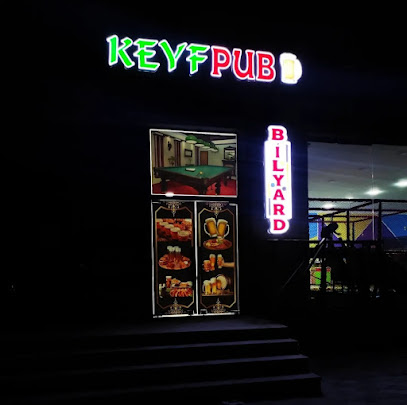
KEYF PUB
18.4 km
Discover the lively atmosphere of Keyf Pub in Quzanlı, where tradition meets contemporary bar culture for an unforgettable experience.
Domba Ramiz
35.7 km
Experience the vibrant culture and hospitality of Semedabad at Domba Ramiz, a cozy bar with local charm and delicious drinks.
Elvinin kafesi
35.8 km
Experience the warmth of local culture at Elvinin Kafesi, a cozy bar in Qizilhajili, offering unique drinks and vibrant social atmosphere.
Saleh dayimin dukani
39.1 km
Discover the lively atmosphere of Saleh Dayimin Dukani in Yevlakh, where local culture and vibrant nightlife come together in a unique bar experience.
Vip status sarab evi
39.5 km
Discover the vibrant nightlife at Vip Status Sarab Evi, a top bar in Yevlakh offering local drinks and a lively atmosphere.
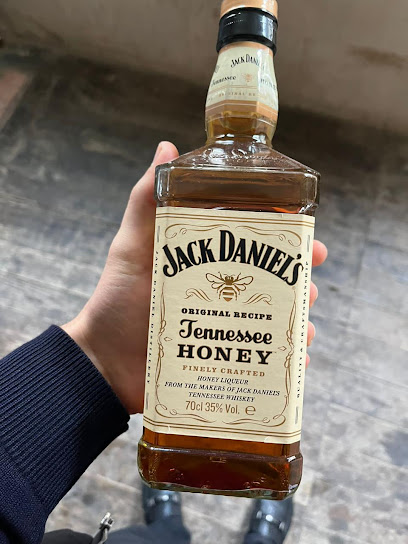
PUB__360
39.5 km
Discover the lively atmosphere of PUB__360 in Yevlakh, where local flavors meet vibrant nightlife for an unforgettable experience.
Bal Kafe
39.8 km
Discover the charm of Bal Kafe in Yevlakh, where local flavors and a cozy atmosphere await every traveler.
Yevlax Ağ Ev
40.8 km
Discover the warm hospitality and unique local flavors at Yevlax Ağ Ev, a charming bar in Aran, Azerbaijan.
Ağ ev Yevlax
44.2 km
Discover the charm of Ağ ev Yevlax, a cozy bar in Yuxarı Qarxun, perfect for unwinding with drinks and local culture.
Therapy Pub
53.8 km
Experience the vibrant atmosphere and diverse drink selection at Therapy Pub, Mingəçevir's top spot for nightlife and relaxation.
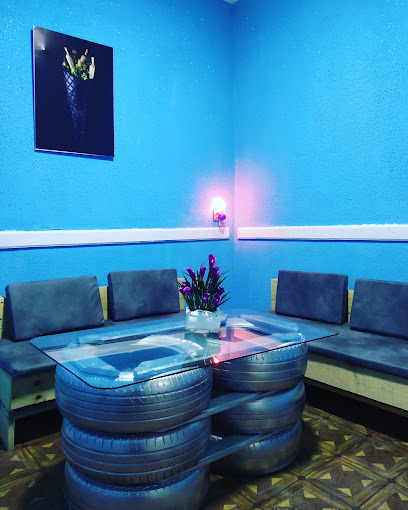
MEDUZA PUB
54.1 km
Discover the energetic vibes of Meduza Pub in Mingəçevir, where local beer culture meets an inviting atmosphere for tourists and locals alike.
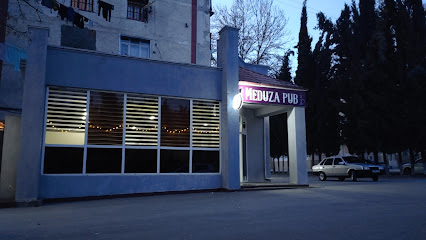
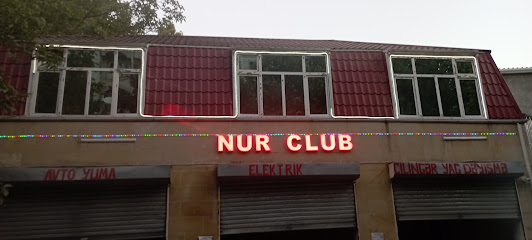
Nur club
54.3 km
Unwind at Nur Club, Mingecevir's lively bar offering a stylish atmosphere, diverse drink selection, and unforgettable nightlife experiences.
Heydər Əliyev 33
55.3 km
Experience the vibrant bar culture of Mingecevir at Heydər Əliyev 33, where local flavors and lively atmospheres await.
CİTY PUB
55.3 km
Discover Mingecevir's nightlife at CİTY PUB, a vibrant bar where locals and tourists gather for drinks, laughter, and unforgettable memories.
Nightclubs & after hour spots

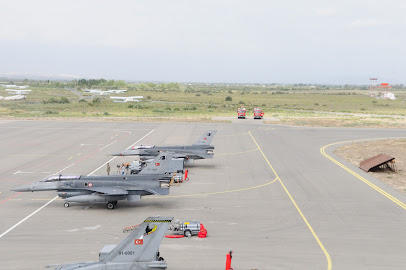
Yevlakh Airport
41.2 km
Discover the heart of Azerbaijan through Yevlakh Airport, your gateway to cultural adventures and breathtaking landscapes.
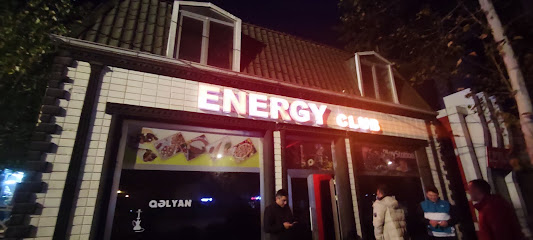
Enerji club
55.2 km
Discover the lively atmosphere of Enerji Club, Mingecevir's premier karaoke bar, where music and fun unite for an unforgettable night out.
Heyat cay evi
58.4 km
Experience the vibrant nightlife at Heyat Cay Evi in Şamaxı, where traditional Azerbaijani culture meets modern entertainment!
Göygöl Rayon İrəvan İdman Klubu
68.4 km
Discover sports and recreation at Göygöl Rayon İrəvan İdman Klubu, a vibrant hub nestled in the beautiful landscapes of Goygol, Azerbaijan.
Şəmkir çayçısı
69.8 km
Discover the electric atmosphere of Şəmkir çayçısı, a top night club in Ganja where locals and tourists unite for unforgettable nightlife experiences.
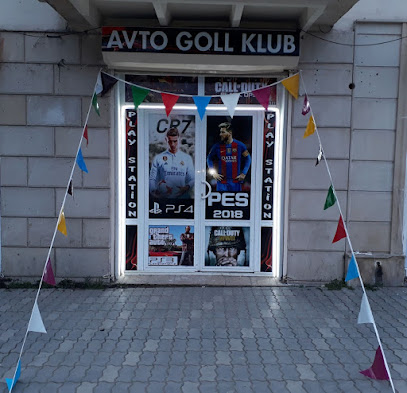
Avto Goll Klub. Play Stayion 4
70.2 km
Discover the nightlife of Ganja at Avto Goll Klub, where music and dance create unforgettable memories in a vibrant atmosphere.
Elsever eminin playstation'u
70.8 km
Discover the lively nightlife of Ganja at Elsever Eminin PlayStation, where pulsating music and vibrant atmosphere await you.
Eliş çay evi
70.8 km
Discover the vibrant nightlife of Ganja at Eliş Çay Evi, where local culture and entertainment come together in an unforgettable experience.
Miraj Tea Club
72.2 km
Experience the vibrant nightlife at Miraj Tea Club in Ganja, where music, dance, and socializing come together for an unforgettable evening.
REX Club
72.8 km
Discover the pulsating heart of Ganja's nightlife at REX Club, where unforgettable entertainment and vibrant atmosphere await.
RAUL AMİNAKEEEE
73.0 km
Experience the electrifying atmosphere at RAUL AMİNAKEEEE, Ganja's ultimate night club for dancing and socializing.
Dəhnə kafe
78.2 km
Experience the heartbeat of Böyük Dəhnə's nightlife at Dəhnə Kafe, where music, dance, and culture come alive.
Çayçı
97.3 km
Discover the vibrant nightlife at Çayçı, Amirvan's premier night club, where music, dance, and culture come alive.


