

Free Karabakh Region Travel Guide & Mobile App
Explore Karabakh Region with free travel guides. Discover regional history, expert tips, proposed trips, and audio guides on web or mobile app.


Karabakh Region pairs Shusha’s mountain heritage with historic towns, agricultural plains and carefully managed journeys through a changing landscape.
Read more about Karabakh Region
When is the best time to visit Karabakh Region?
Best: June–August · 23–26°C| Month | High (°C) | Rainfall (mm) |
|---|---|---|
| January | 4 | 25 |
| February | 4 | 23 |
| March | 8 | 27 |
| April | 14 | 35 |
| May | 18 | 40 |
| June (best) | 23 | 45 |
| July (best) | 26 | 40 |
| August (best) | 25 | 35 |
| September | 21 | 30 |
| October | 15 | 25 |
| November | 9 | 23 |
| December | 5 | 25 |
Getting to and around Karabakh Region
How to get there
Transportation
Best attractions in Karabakh Region
Karabakh's attractions are shaped by its combination of mountain scenery, historic urban culture and a landscape undergoing reconstruction. Shusha is the principal cultural destination, with its fortress setting, historic mosques, traditional streets, literary associations and views across the Lesser Caucasus. The city's musical and poetic heritage is particularly important to Azerbaijani cultural life. Aghdam offers a very different experience, centred on the visible consequences of war and the extensive rebuilding of a former urban centre, while Fuzuli and the surrounding districts provide access to broad agricultural landscapes and routes towards the foothills. Aghjabadi and Barda are more closely associated with the lowland plain, farming and regional settlement history. Historic religious buildings, cemeteries and archaeological sites occur across the region, but access and interpretation can be restricted or subject to conservation work. Outdoor recreation is possible around approved mountain viewpoints and roads, yet this is not a destination for independent hiking away from designated areas because of mines and unexploded ordnance. Visitors should regard official itineraries, guides and authorisation procedures as part of the attraction landscape itself.
-
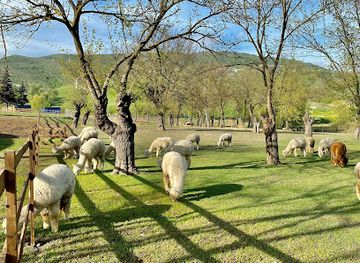
Farm
Alpaca Azerbaijan
Experience a heartwarming escape at Alpaca Azerbaijan in Shamakhi, connecting with gentle alpacas in a serene countryside setting.
-
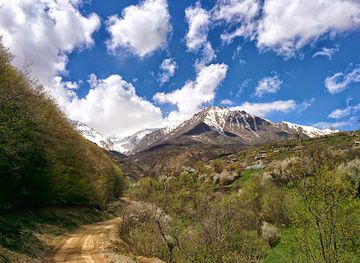
National park
Arevik National Park
Discover Armenia's wild side: Hike through diverse landscapes, spot rare wildlife, and explore the untamed beauty of Arevik National Park.
-
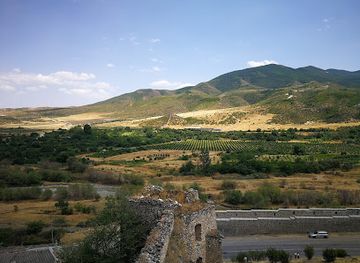
Historical place
Askeran Fortress
Explore Askeran Fortress: An 18th-century marvel with panoramic views and a rich history along the Qarqar River in Azerbaijan.
-
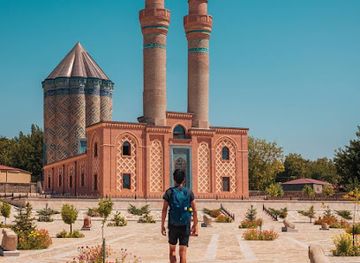
Historical landmark
Mausoleum in Garabaghlar
Discover the medieval marvel of Garabaghlar Mausoleum, a stunning testament to Azerbaijan's Islamic architecture and intricate artistry.
Best landmarks in Karabakh Region
Shusha's fortress walls and steeply elevated setting are the region's most recognisable landmarks, expressing the defensive logic behind the city's eighteenth-century foundation. The Yukhari Govhar Agha Mosque and Ashagi Govhar Agha Mosque are important examples of Shusha's Azerbaijani religious architecture, while the city's historic houses and streets preserve traces of its former role as a cultural centre. Jidir Duzu, a high plateau associated with Shusha's traditional identity, provides a defining mountain outlook, although access must follow current official arrangements. In Aghdam, the damaged Imarat cemetery and the city's former mosque have become powerful symbols of the conflict's physical legacy and the reconstruction now under way. Fuzuli's rebuilt urban areas and newly developed transport infrastructure represent a newer layer of regional significance. Across Karabakh, Armenian churches, monasteries, cemeteries and settlement remains form part of a complex and sensitive historic landscape; their access, condition and official interpretation vary, so visitors should rely on approved routes and qualified local guidance.
-
National park
Dənizkənarı Milli Park
Discover Baku's iconic seaside promenade: a blend of history, culture, and stunning Caspian Sea views, offering a vibrant escape for all travelers.
-
Park
Highland Park
Experience Baku's beauty from above at Highland Park: panoramic views, historical monuments, and a peaceful escape in the heart of the city.
-
Religious destination
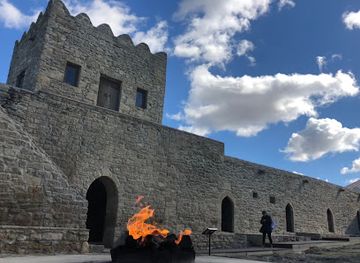
Atashgah Zoroastrian Fire Temple
Explore the Ateshgah Fire Temple in Baku, a historic site showcasing Zoroastrian, Hindu, and Sikh traditions.
-
Art museum
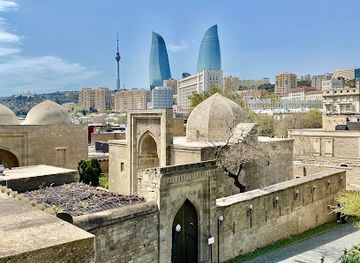
Palace of the Shirvanshahs
Explore Baku's UNESCO-listed Palace of the Shirvanshahs, a 15th-century architectural gem and symbol of Azerbaijan's rich medieval history and royal heritage.
Explore Karabakh Region on the map
Plan your trip on one map. See where the top cities, national parks and sights are, and book hotels and experiences in a few clicks.
Best hotels in Karabakh Region
Best restaurants in Karabakh Region
Dining in Karabakh is currently developing alongside the region's reconstruction rather than operating as a mature restaurant circuit. In Shusha, visitors may encounter Azerbaijani dishes such as plov, dolma, kebabs, qutab and soups, served in hotels, guest facilities and approved restaurants. Local food traditions draw on both mountain and lowland produce, including herbs, dairy products, orchard fruit, grains and lamb, while Fuzuli, Aghjabadi, Barda and neighbouring districts have stronger agricultural connections. Tea remains a familiar part of hospitality, generally accompanied by preserves, pastries or other sweet foods. Rural meals and organised visits may offer a better sense of regional produce than formal dining, but availability varies considerably and should be confirmed in advance. Visitors with dietary requirements should communicate them clearly, as specialist options may be limited outside larger rebuilt facilities. Alcohol is available in Azerbaijan, but restaurants and family settings may have different customs, especially around religious sites and community events.
-
Restaurant
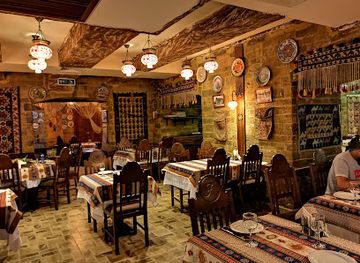
Firuze restaurant
Experience authentic Azerbaijani cuisine at Firuze Restaurant in Baku – where tradition meets taste in a vibrant setting.
-
Restaurant
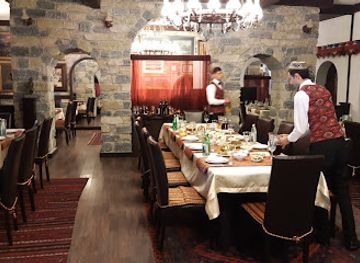
Shirvanshah Museum Restaurant
Discover authentic Azerbaijani flavors at Shirvanshah Museum Restaurant – where culture meets culinary excellence in Baku.
-
Russian
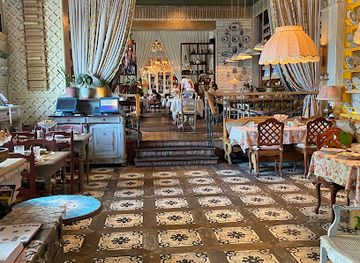
Mari Vanna
Discover authentic Russian cuisine at Mari Vanna in Baku - where traditional flavors meet cozy ambiance.
-
Restaurant
Fisincan Cafe & Restaurant
Discover the flavors of Azerbaijan at Fisincan Cafe & Restaurant in Baku - where tradition meets modern dining.

Best bars in Karabakh Region
Karabakh does not currently have a developed nightlife scene, and evening activity is concentrated in hotel restaurants, cafés, tea settings and private or organised cultural programmes. Shusha may offer the broadest choice of evening hospitality, with music and cultural events reflecting the city's historic association with Azerbaijani composers, singers and poets, but schedules and venues are subject to official arrangements. In Aghdam, Fuzuli, Aghjabadi and other districts, evenings are more likely to centre on dining, family gatherings and quiet hotel facilities than on bars or nightclubs. Visitors should not expect late-night entertainment or assume that venues operate on a fixed schedule. Alcohol is not necessary for participating in local social life, and respectful behaviour is particularly important around religious buildings, memorial sites and communities affected by displacement and conflict.
-
Brewpub
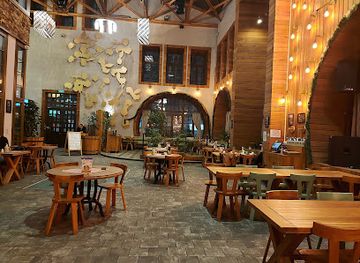
Paulaner Baku
Discover the essence of Bavarian cuisine and craft beer at Paulaner Baku, where excellent food meets a vibrant atmosphere.
-
Bar
360 Bar, Hilton Baku
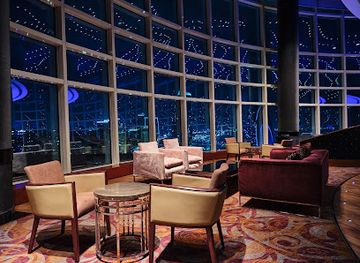
Experience breathtaking views and exquisite cocktails at 360 Bar, Hilton Baku - the ultimate nightlife destination in Azerbaijan.
-
Irish pub
Finnegan's
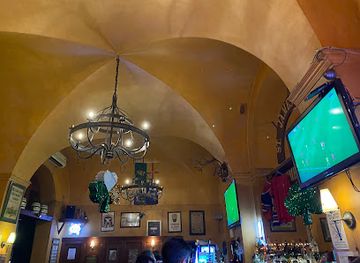
Discover the vibrant atmosphere of Finnegan's Irish Pub, a perfect blend of Irish hospitality and European culinary delights in Baku.
-
Bar
Barfly Social Hub
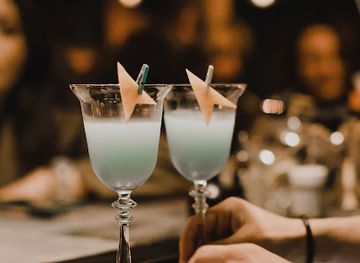
Experience Baku's nightlife at Barfly Social Hub, where innovative cocktails and a vibrant atmosphere await you in the heart of the city.
Best nightclubs in Karabakh Region
Karabakh does not currently have a developed nightlife scene, and evening activity is concentrated in hotel restaurants, cafés, tea settings and private or organised cultural programmes. Shusha may offer the broadest choice of evening hospitality, with music and cultural events reflecting the city's historic association with Azerbaijani composers, singers and poets, but schedules and venues are subject to official arrangements. In Aghdam, Fuzuli, Aghjabadi and other districts, evenings are more likely to centre on dining, family gatherings and quiet hotel facilities than on bars or nightclubs. Visitors should not expect late-night entertainment or assume that venues operate on a fixed schedule. Alcohol is not necessary for participating in local social life, and respectful behaviour is particularly important around religious buildings, memorial sites and communities affected by displacement and conflict.
-
Night club
Nightoffice
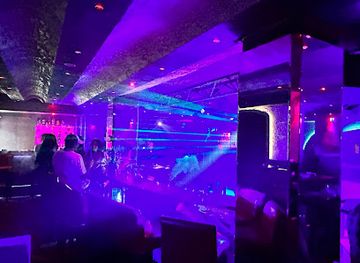
Dive into the electrifying atmosphere of Nightoffice, Baku's premier nightclub, where unforgettable nights and vibrant music come alive.
-
Club
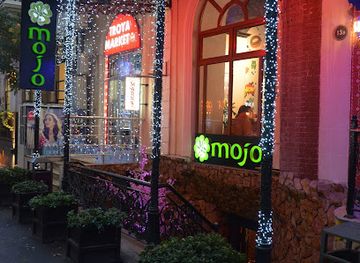
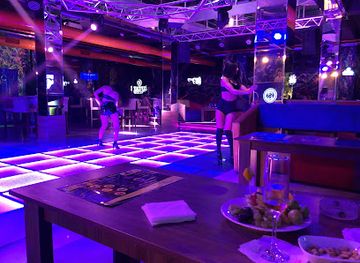
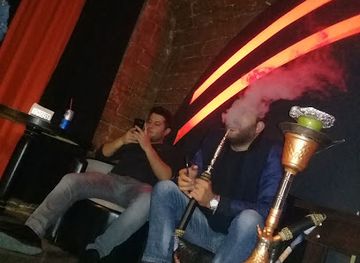
MOJO club
Discover the electrifying nightlife of Baku at MOJO Club, where exceptional DJs and vibrant atmosphere meet for an unforgettable experience.
-
Night club
Status Club Baku
Discover the pulsating nightlife at Status Club Baku, where vibrant beats and an electrifying atmosphere create unforgettable experiences.
-
Night club
hiss club
Discover the electrifying nightlife at Hiss Club in Baku, where vibrant music and an energetic crowd create unforgettable nights.
Best shops in Karabakh Region
Shopping in Karabakh is still limited compared with established Azerbaijani destinations because many commercial centres are being rebuilt. Shusha is the most likely place to find approved outlets for Azerbaijani crafts, locally themed books, textiles, carpets and souvenirs connected with the city's musical and architectural heritage. Visitors should buy only from legitimate sellers and avoid purchasing archaeological objects, fragments or unreliably documented antiques. In Aghjabadi, Barda, Fuzuli and other lowland districts, small shops and markets are more likely to offer seasonal fruit, preserves, honey, tea, baked goods and other agricultural products than specialist fashion or luxury retail. Karabakh carpets and traditional craftwork have strong cultural associations, but provenance and authenticity matter, particularly where historic collections were displaced during conflict. Payment options vary, so keep some Azerbaijani manat available and treat new retail facilities as subject to change while the region's towns continue their reconstruction.
-
Shopping mall
Ganjlik Mall
Explore Ganjlik Mall in Baku for an unforgettable shopping experience, featuring diverse brands, delicious dining options, and exciting entertainment.
-
Shopping mall
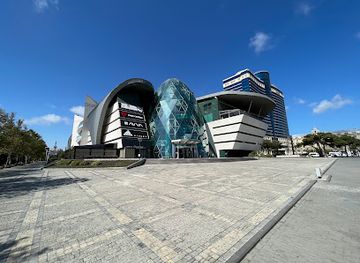
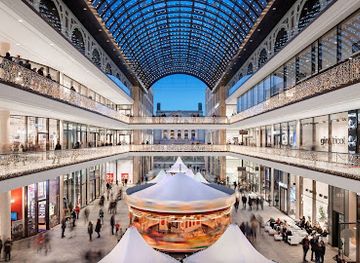
Park Bulvar Mall
Explore the ultimate shopping and dining experience at Park Bulvar Mall, Baku's top shopping destination with stunning sea views.
-
Jewelry store
Xtravaganza DM
Explore luxury and style at Xtravaganza DM, Baku’s premier jewelry store offering exquisite collections in a vibrant shopping atmosphere.
-
Shopping mall
Sadarak Shopping Center
Explore Sadarak Shopping Center, Baku's vibrant hub for shopping, local crafts, and cultural experiences, perfect for every traveler.


Get your free copy of our complete guide to Karabakh Region, delivered straight to you.
Everything on this page, from attractions and restaurants to essentials and local phrases, in one PDF you can read offline, print or share.
Already have an account? Sign in
Your Karabakh Region guide is ready.
We'll send it to · Not you? Sign out

Getting your guide ready…
We are putting together a fresh copy of the Karabakh Region guide. This can take up to a minute.
This can take a few moments. If your browser asks, choose Allow so the download can start. You'll find the guide in your Downloads folder.
Nothing happened? Download it again
Sorry, the guide is taking longer than usual. Please try again in a minute, or get it by email instead.
Karabakh Region essentials
Currency and Payment
Safety
Emergency Situations
Do's and Don'ts
Local Tips
From Eve
Local phrases worth knowing
You don't need to get them perfect. A few words go a long way, and locals appreciate the effort.
Basics
| English | Local | Say it |
|---|---|---|
| Hello | Salam | [sah-lahm] |
| Goodbye | Sağ ol | [sah-ol] |
| Yes | Bəli | [beh-lee] |
| No | Xeyr | [khayr] |
| Please/You're welcome | Zəhmət olmasa | [zeh-met ol-mah-sah] |
| Thank you | Təşəkkür edirəm | [teh-sheh-kyoor eh-dee-rem] |
| Excuse me/Sorry | Bağışlayın | [bah-ghish-lah-yin] |
| How are you? | Necəsiz? | [neh-jeh-seez] |
| Fine. And you? | Yaxşı. Siz? | [yah-kh-shee. seez?] |
| Do you speak English? | İngiliscə danışırsınız? | [een-gee-lee-jah dah-nee-shee-reez] |
| I don't understand | Mən başa düşmürəm | [men bah-shah doosh-moo-rem] |
Eating & Drinking
| English | Local | Say it |
|---|---|---|
| I'd like to see the menu, please | Zəhmət olmasa, menyunu göstərin | [zeh-met ol-mah-sah, men-yoo-noo goh-stah-reen] |
| I don't eat meat | Mən ət yemirəm | [men aht ye-mee-rem] |
| Cheers! | Şərəf! | [sha-rehf] |
| I would like to pay, please | Zəhmət olmasa, ödəmək istəyirəm | [zeh-met ol-mah-sah, oh-deh-mek ees-teh-yee-rem] |
Emergencies
| English | Local | Say it |
|---|---|---|
| Help! | Kömək edin! | [kuh-mehk eh-deen!] |
| Go away! | Getdik! | [geh-teek!] |
| Call the Police! | Polis çağırın! | [poh-lees chah-ghuh-rin!] |
| Call a doctor! | Həkim çağırın! | [heh-keem chah-ghuh-rin!] |
| I'm lost | Mən itmişəm | [men eet-mees-em] |
| I'm ill | Mən xəstəyəm | [men khes-teh-yem] |
Shopping
| English | Local | Say it |
|---|---|---|
| I'd like to buy... | Mən ... almaq istəyirəm | [men ... ahl-mahk ees-teh-yee-rem] |
| I'm just looking | Mən sadəcə baxıram | [men sah-deh-jeh bah-khi-ram] |
| How much is it? | Bu nə qədərdir? | [boo neh keh-dehr-deer?] |
| That's too expensive | Bu çox bahadır | [boo chohk bah-hah-dir] |
| Can you lower the price? | Qiyməti endirə bilərsiniz? | [kee-meh-tee en-dee-reh beh-lah-si-neez?] |
Time & Numbers
| English | Local | Say it |
|---|---|---|
| What time is it? | Saat neçədədir? | [sah-aht neh-cheh-dah-dir?] |
| It's one o'clock | Saat birdir | [sah-aht beer-deer] |
| Half past (10) | On bir yarımdır | [on beer yah-reem-dir] |
| Morning | Səhər | [seh-hair] |
| Afternoon | Gündüz | [goon-dooz] |
| Evening | Axşam | [akh-shahm] |
| Yesterday | Dünən | [doo-nen] |
| Today | Bu gün | [boo goon] |
| Tomorrow | Sabah | [sah-bah] |
| 1 | 1 | [bir] |
| 2 | 2 | [iki] |
| 3 | 3 | [üç] |
| 4 | 4 | [dörd] |
| 5 | 5 | [beş] |
| 6 | 6 | [altı] |
| 7 | 7 | [yeddi] |
| 8 | 8 | [səkkiz] |
| 9 | 9 | [doqquz] |
| 10 | 10 | [on] |
Transport & Directions
| English | Local | Say it |
|---|---|---|
| Where's a/the...? | Nerədədir ...? | [neh-reh-deh-dir ...?] |
| What's the address? | Ünvan nədir? | [oon-vahn neh-dir?] |
| Can you show me (on the map)? | Mənə (xaritada) göstərə bilərsiniz? | [meh-neh (khah-ree-tah-dah) goh-stah-reh beh-lah-si-neez?] |
| When's the next (bus)? | Növbəti (avtobus) nə vaxtdır? | [noh-v-beh-tee (av-toh-boos) neh vahkht-dir?] |
| A ticket (to ....) | Bir bilet (....) | [beer bee-let (....)] |
History of Karabakh Region
Early settlement and the ancient Caucasus
Karabakh's valleys and foothills have supported human settlement since prehistoric times, with archaeological evidence from the wider region showing long patterns of farming, craft production and movement between the lowlands and mountains. Over the centuries, the area lay within changing political and cultural spheres associated with Caucasian Albania, Armenian kingdoms, Persian empires and other regional powers. Its historic importance came partly from its position between the South Caucasus lowlands and the mountain routes leading towards the interior.
The Karabakh Khanate and the foundation of Shusha
Following the death of Nader Shah of Iran in 1747, Panah Ali Khan established the Karabakh Khanate and founded Shusha, traditionally dated to 1752. Built in a naturally defensible mountain position, the city became the khanate's political centre. Its walls, mosques, bazaars, houses and cultural institutions developed over the following decades, while the surrounding khanate linked mountain communities with the agricultural plain. Shusha's later reputation as a centre of Azerbaijani music and poetry grew from this urban and courtly history.
Russian imperial rule and nineteenth-century change
The Karabakh Khanate came under Russian control after the Russo-Persian wars and the Treaty of Gulistan in 1813, with the transition consolidated during the early nineteenth century. Shusha remained an important commercial and cultural town, connected to regional trade routes and influenced by the population movements and administrative changes of the Russian Empire. Churches, mosques, public buildings and residential quarters from different communities formed a complex urban heritage whose surviving elements are now central to debates about conservation and interpretation.
Soviet administration and the Nagorno-Karabakh Autonomous Oblast
In 1923, the Soviet authorities established the Nagorno-Karabakh Autonomous Oblast within the Azerbaijan Soviet Socialist Republic, with a predominantly Armenian population and administrative links to Azerbaijan. The surrounding districts remained outside the autonomous oblast. Soviet industrialisation, agricultural planning and transport development reshaped the region, while questions concerning language, representation, demographic change and administrative status persisted beneath the official political order.
The conflict of the late Soviet and early independence period
Political tensions intensified in the late 1980s as the Soviet Union weakened, leading to armed conflict between Armenian and Azerbaijani forces. By the early 1990s, Armenian forces controlled Nagorno-Karabakh and several surrounding districts, including areas now associated with Aghdam, Fuzuli, Khojavand, Khojaly and parts of the former autonomous oblast. Large-scale displacement affected both Armenian and Azerbaijani communities, and many towns, villages and cultural sites were severely damaged or abandoned. A ceasefire in 1994 left the conflict unresolved for decades.
The 2020 war and the return of Azerbaijani control
The six-week war in autumn 2020 resulted in Azerbaijan regaining control of large areas around and within Karabakh, including Aghdam, Fuzuli, Shusha and other districts. The subsequent ceasefire brought Russian peacekeepers to parts of the former conflict zone and created a new, tightly managed travel and security environment. Reconstruction began alongside demining, road building and the resettlement of displaced residents, although access remained restricted and the humanitarian legacy of the conflict continued to shape everyday life.
The 2023 transition and reconstruction era
In September 2023, Azerbaijan re-established control over the remaining area of the former Nagorno-Karabakh conflict zone, after which Russian peacekeepers departed by 2024. The Azerbaijani government has pursued extensive rebuilding in Shusha, Aghdam, Fuzuli and other settlements, including housing, roads, airports and public institutions. The region's heritage remains sensitive: Azerbaijani monuments and cultural traditions are being restored, while the condition and interpretation of Armenian religious and historic sites continue to attract international attention.
Karabakh Region in Photos
Browse through our photo collection highlighting the charm and character of the destination.
Neighbouring regions of Karabakh Region
The closest regions to Karabakh Region, if you have time for more than one.
-

-

-
-

-


Swipe for more regions
Explore more
Explore more of Azerbaijan
Discover Azerbaijan: A captivating blend of ancient heritage, stunning natural landscapes, and vibrant modernity at the crossroads of Europe and Asia.
Explore Azerbaijan