
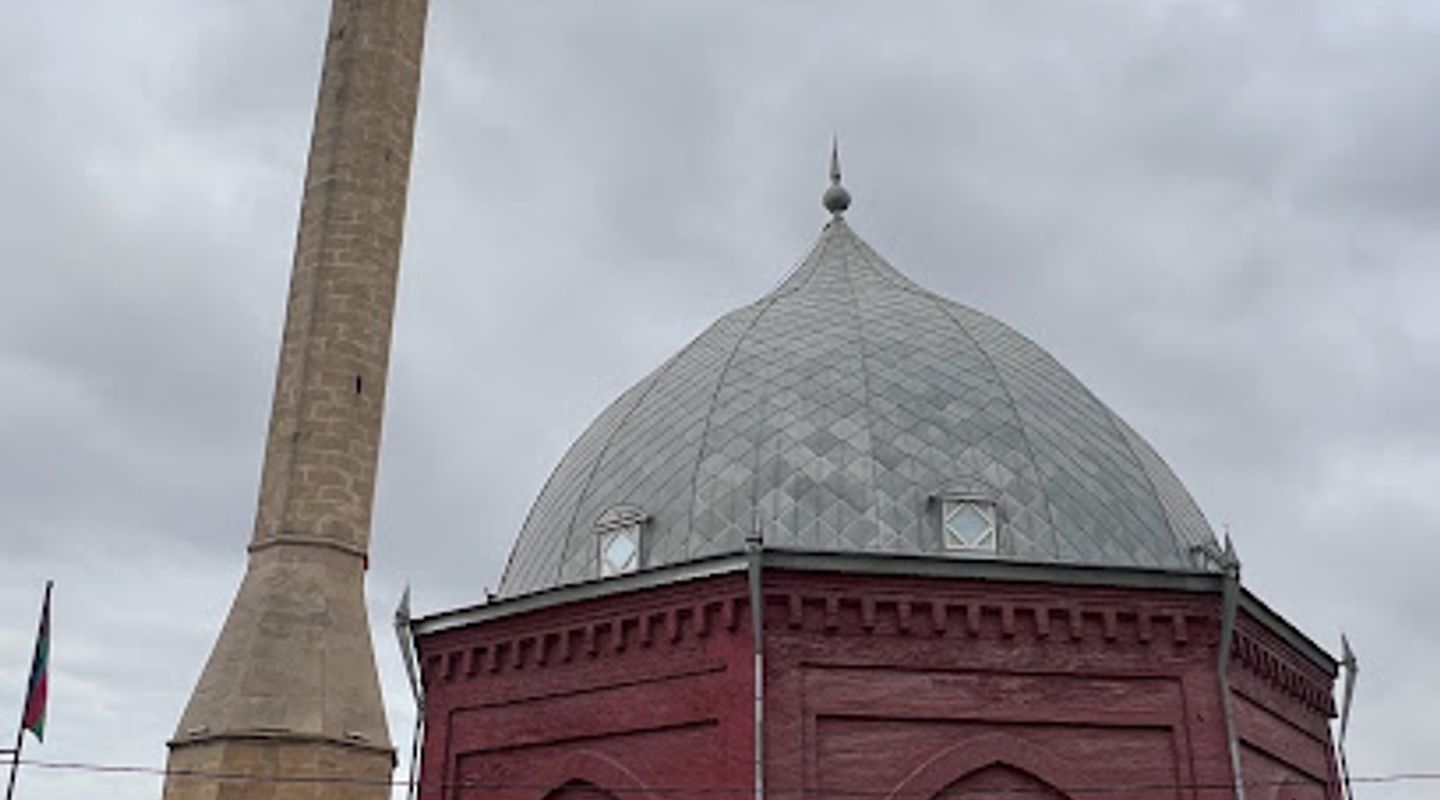
Haji Jafar Mosque, Khachmaz Travel Guide
Discover the Haji Jafar Mosque in Quba: A historic Shia mosque showcasing Islamic architecture and the city's cultural heritage.
The Haji Jafar Mosque in Quba, Azerbaijan, built in 1905, stands as a testament to the city's rich history and enduring spirit. This Shia Islam mosque, named after its benefactor, Haji Jafar, showcases a captivating blend of local craftsmanship and Islamic aesthetics.
A brief summary to Haji Jafar Mosque
- 62 Ərdəbil, Quba, 4000, AZ

Know before you go
Hi, I'm Eve. Here are a few practical things to know before exploring Haji Jafar Mosque.
- Explore the mosque's architecture, noting the use of fired bricks and the unique nail-free construction of the ancient wooden door.
- Consider visiting the nearby Juma Mosque and other historical sites in Quba to enrich your understanding of the region's heritage.
- Respectful attire is required when entering the mosque. Women should cover their heads.
Do you manage this location?
Take control to get all the benefits, like improved information, better appearance, and stronger visibility across AI-powered discovery. Learn more about listing your business on Evendo
Activate your presenceOther nearby places you may find interesting
The closest places of the same kind, if this one is not quite what you had in mind.

Explore Haji Jafar Mosque on the Map
A handpicked selection of must-see spots near Haji Jafar Mosque, mapped for you.
Getting There
-
Walking
From Quba's central square, head south on the main street, following signs toward the mosque. The walk is approximately 15 minutes, allowing you to experience the local scenery. No costs are associated with walking.
-
Public Transport
Take a minibus (marshrutka) from Quba bus station towards Quba city. The fare is around 0.50 AZN. From the city center, it's about a 15-minute walk to the mosque, or you can take a local taxi for approximately 2-3 AZN.
-
Taxi
Taxis are readily available in Quba. A short taxi ride from anywhere in the city center to the Haji Jafar Mosque should cost approximately 2-3 AZN. Confirm the fare with the driver before starting your journey.
Discover more about Haji Jafar Mosque













Your all‑in‑one travel companion app
Explore expert travel guides, compare and book tours, experiences, hotels, and more—all from the palm of your hand. Download now for seamless trip planning wherever your wanderlust takes you.


Explore More of Khachmaz
Looking beyond Haji Jafar Mosque? Discover Khachmaz for broader travel guides, local hot-spots, and regional highlights.
Explore Khachmaz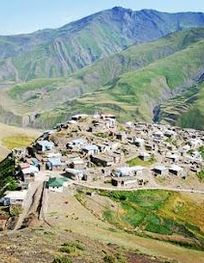
Discover Khinaliq: An ancient mountain village in Azerbaijan with a unique culture, language, and stunning Caucasus Mountain views.
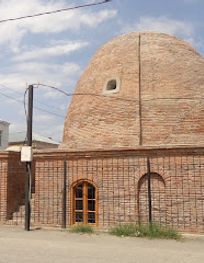
Discover Quba's historical heart at Chukhur Hammam, an 18th-century bathhouse turned museum, filled with stories of community, culture, and resilience.
