

Free Lankaran Region Travel Guide & Mobile App
Explore Lankaran Region with free travel guides. Discover regional history, expert tips, proposed trips, and audio guides on web or mobile app.


Explore Azerbaijan’s Lankaran Region for Caspian coastlines, Hirkan forests, mountain villages, citrus orchards, tea culture and distinctive southern cuisine.
When is the best time to visit Lankaran Region?
Best: May–June, September · 23–28°C| Month | High (°C) | Rainfall (mm) |
|---|---|---|
| January | 8 | 60 |
| February | 9 | 50 |
| March | 14 | 55 |
| April | 19 | 60 |
| May (best) | 23 | 65 |
| June (best) | 28 | 45 |
| July | 31 | 40 |
| August | 30 | 45 |
| September (best) | 27 | 50 |
| October | 20 | 55 |
| November | 14 | 60 |
| December | 10 | 65 |
Getting to and around Lankaran Region
How to get there
Transportation
Destinations in Lankaran Region
Resorts, valleys and scenic spots worth a trip of their own.

Swipe for more destinations
Best attractions in Lankaran Region
The Lankaran Region’s attractions range from subtropical lowlands to cool mountain valleys. In Lankaran, visitors can explore the historic city centre, the surviving fortress area, mosques and local museums before travelling towards the Caspian shore and the Khanbulanchay reservoir. The main natural draw is Hirkan National Park, where humid forest, streams and ancient broad-leaved trees create a very different environment from Azerbaijan’s dry central landscapes. Access and walking arrangements vary, so local advice is valuable. Astara offers coastal scenery and a southern border-town setting, while the roads inland lead to forested foothills and village landscapes. Lerik is a base for mountain views, rural walks and journeys deeper into the Talysh range. Masalli adds the thermal waters of Istisu and access to wooded uplands. Experiences are generally more nature- and culture-oriented than attraction-led, with tea gardens, citrus-growing areas, local food, village visits and scenic drives forming an important part of the region’s appeal.
-
Museum
Khan Palace (Lankaran Museum of History and Ethnography)
Explore Lankaran's rich history and culture at the Khan Palace, a museum showcasing artifacts from the Bronze Age to the Lankaran Khanate.
-
Market
City Bazaar
Experience the vibrant culture and commerce of Lankaran at the City Bazaar, a sensory feast in the heart of the city.
-
Mosque
Boyuk Bazar Mosque
Discover the historical Boyuk Bazar Mosque in Lankaran, a beautiful example of Islamic architecture and a cultural landmark.
-
Museum
Hazi Aslanov house-museum
Explore the life of Azerbaijani hero Hazi Aslanov at his house-museum in Lankaran, showcasing his WWII bravery and Soviet recognition.


Best landmarks in Lankaran Region
Lankaran’s most important historic landmarks are associated with its former role as the centre of the Talysh Khanate. The remains and surviving elements of Lankaran Fortress recall the city’s eighteenth- and early nineteenth-century political importance, while the Kichik Bazar Mosque and the Boyuk Bazar Mosque reflect the architecture and religious life of the old urban centre. The Lankaran Lighthouse, built during the Russian imperial period, is another recognisable marker of the Caspian port town. Beyond the city, the Hirkan forests are landmarks of natural rather than monumental heritage: they preserve ancient Hyrcanian woodland and rare subtropical vegetation. The Talysh Mountains form the region’s geographic backdrop, with Lerik’s elevated valleys providing a sharp contrast to the humid plain. The Khanbulanchay reservoir is a significant modern landscape feature, while the thermal area of Istisu near Masalli represents the region’s longstanding relationship with mineral waters and mountain geology.
-
Hotel
Lankaran Springs Wellness Resort
Experience unparalleled luxury and wellness at Lankaran Springs, a serene escape in Azerbaijan's stunning landscapes.
-
Hotel
Khazar Palace Hotel
Experience luxury and tranquility at Khazar Palace Hotel in Lankaran, Azerbaijan. Enjoy Caspian Sea views, fine dining, and wellness facilities.
-
Museum
Khan Palace (Lankaran Museum of History and Ethnography)
Explore Lankaran's rich history and culture at the Khan Palace Museum, a blend of Azerbaijani and European heritage.
-
Reservoir
Khanbulan Reservoir
Escape to Khanbulan Reservoir: Discover serene beauty, lush landscapes, and tranquil relaxation in Azerbaijan's Lankaran region.


Explore Lankaran Region on the map
Plan your trip on one map. See where the top cities, national parks and sights are, and book hotels and experiences in a few clicks.
Best hotels in Lankaran Region
Best restaurants in Lankaran Region
Southern Azerbaijani cooking makes strong use of rice, herbs, walnuts, poultry, fish, vegetables and the fruit grown in the humid Lankaran plain. Regional specialities to look for include lavangi, often prepared with a walnut-and-herb filling, kuku, plov variations, grilled Caspian fish and soups enriched with fresh herbs. Lankaran’s citrus and tea are especially characteristic, while fruit preserves may accompany tea in homes, cafés and guesthouses. Restaurants in Lankaran and Astara range from straightforward local eateries to hotel dining rooms, and rural establishments may offer a narrower menu based on what is available that day. Markets and roadside stalls are useful for citrus, seasonal produce, bread and preserves rather than formal dining. Menus may use Azerbaijani or Russian as well as limited English, so visual menus or help from accommodation staff can be useful. Tipping is discretionary, with a modest amount welcomed when service is not already included.
-
Family-friendly
Boranı Restoran (Lənkəran Filialı)
Discover Boranı Restoran in Lənkəran - where authentic Azerbaijani flavors meet family-friendly hospitality in a cozy setting.
-
Restaurant
Xan Lenkaran restaurant
Experience authentic Azerbaijani cuisine at Xan Lenkaran Restaurant in Lankaran – where every dish tells a story.
-
Restaurant
Əyləncə Mərkəzi
Discover flavorful Azerbaijani cuisine at Əyləncə Mərkəzi in Lankaran - where tradition meets taste.
-
Restaurant
DAD house Lankaran
Experience authentic Azerbaijani cuisine at DAD House Lankaran - where tradition meets taste in a welcoming setting.


Best bars in Lankaran Region
Nightlife in the Lankaran Region is modest and centred on restaurants, cafés, hotel lounges and traditional tea settings rather than a large club scene. Lankaran offers the widest choice of evening venues, with relaxed restaurants and cafés where residents meet for tea, conversation and local food. Astara has a similarly low-key atmosphere, while evenings in Lerik, Masalli and rural districts generally revolve around guesthouses, family restaurants and quiet walks rather than late-night entertainment. Alcohol is available in some licensed restaurants and hotels, but it is not necessary for participating in local social life. Live music and larger evening events may appear seasonally or on special occasions, though arrangements change and should be checked locally. Visitors should expect early-closing businesses and limited transport options in mountain areas, making it sensible to arrange a return journey before dining away from an accommodation base.
-
Hotel
Lankaran Springs Wellness Resort
Discover a serene oasis at Lankaran Springs Wellness Resort, where luxury meets tranquility in the heart of nature.
-
Family-friendly
Boranı Restoran (Lənkəran Filialı)
Experience the heart of Azerbaijani cuisine at Boranı Restoran, a family-friendly dining gem in Lənkəran, where every meal is a celebration of flavor and hospitality.
-
 Hotel
Luxe Lankaran Hotel
Experience unparalleled luxury and comfort at Luxe Lankaran Hotel, your gateway to the stunning landscapes and rich culture of Lankaran, Azerbaijan.
-
Restaurant
DAD house Lankaran
Explore the authentic flavors of Azerbaijan at DAD House in Lankaran, where every dish tells a story of tradition and taste.


Best nightclubs in Lankaran Region
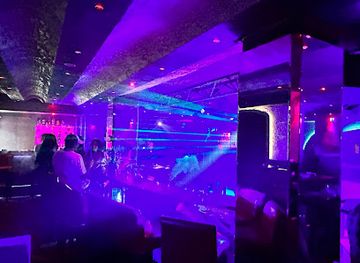
Nightlife in the Lankaran Region is modest and centred on restaurants, cafés, hotel lounges and traditional tea settings rather than a large club scene. Lankaran offers the widest choice of evening venues, with relaxed restaurants and cafés where residents meet for tea, conversation and local food. Astara has a similarly low-key atmosphere, while evenings in Lerik, Masalli and rural districts generally revolve around guesthouses, family restaurants and quiet walks rather than late-night entertainment. Alcohol is available in some licensed restaurants and hotels, but it is not necessary for participating in local social life. Live music and larger evening events may appear seasonally or on special occasions, though arrangements change and should be checked locally. Visitors should expect early-closing businesses and limited transport options in mountain areas, making it sensible to arrange a return journey before dining away from an accommodation base.
-
Night club
Nightoffice
Discover the heart of Baku's nightlife at Nightoffice, where vibrant music, stylish ambiance, and unforgettable experiences await you.
-
Club
MOJO club
Discover the pulsating nightlife of Baku at MOJO Club, where music and atmosphere converge for an unforgettable clubbing experience.
-
Night club
Status Club Baku
Dive into the pulsating nightlife of Baku at Status Club, where electrifying beats and vibrant energy await you.
-
Night club
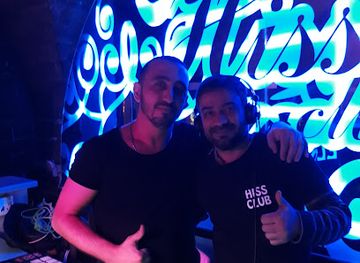
hiss club
Experience the vibrant nightlife at Hiss Club in Baku, where electrifying music and a lively atmosphere create unforgettable nights.


Best shops in Lankaran Region
Shopping in the Lankaran Region is oriented towards food, everyday goods and locally produced items rather than large-scale luxury retail. Lankaran’s markets and central shops are good places to look for local tea, citrus, fruit preserves, rice, herbs, honey and seasonal produce. Small food shops and roadside sellers may offer regional products in simple packaging, while guesthouses sometimes sell tea or preserves made by local households. Astara has a strong trading character because of its position near the Iranian border, although border commerce and retail arrangements can change. In Masalli, Lerik and other inland districts, shopping is more limited but may include honey, dried fruit, woven goods and other rural produce. Lankaran’s town centre is the most practical place for books, clothing, pharmacies and general supplies. Check labelling and transport restrictions before buying food products, and carry fragile jars or tea securely during onward travel.
-
Hotel
Lankaran Springs Wellness Resort
Discover the luxurious tranquility of Lankaran Springs Wellness Resort, offering exquisite spa treatments and breathtaking natural scenery for the ultimate relaxation.
-
Museum
Khan Palace (Lankaran Museum of History and Ethnography)
Immerse yourself in the rich cultural heritage of Lankaran at the Khan Palace, a museum showcasing the region's history and traditions.
-
Market
City Bazaar
Discover the vibrant City Bazaar of Lankaran, where local culture, flavors, and handcrafted treasures come together in a lively marketplace.
-
Hypermarket
Bazarstore
Explore Lankaran’s vibrant shopping scene at Bazarstore, your go-to hypermarket for local flavors and essentials.


Get your free copy of our complete guide to Lankaran Region, delivered straight to you.
Everything on this page, from attractions and restaurants to essentials and local phrases, in one PDF you can read offline, print or share.
Already have an account? Sign in
Your Lankaran Region guide is ready.
We'll send it to · Not you? Sign out

Getting your guide ready…
We are putting together a fresh copy of the Lankaran Region guide. This can take up to a minute.
This can take a few moments. If your browser asks, choose Allow so the download can start. You'll find the guide in your Downloads folder.
Nothing happened? Download it again
Sorry, the guide is taking longer than usual. Please try again in a minute, or get it by email instead.
Lankaran Region essentials
Currency and Payment
Safety
Emergency Situations
Do's and Don'ts
Local Tips
From Eve
Local phrases worth knowing
You don't need to get them perfect. A few words go a long way, and locals appreciate the effort.
Basics
| English | Local | Say it |
|---|---|---|
| Hello | Salam | [sah-lahm] |
| Goodbye | Xudahafiz | [khudah-ah-fiz] |
| Yes | Bəli | [beh-lee] |
| No | Xeyr | [khayr] |
| Please/You're welcome | Zəhmət olmasa/Buyurun | [zeh-met ol-mah-sah/buy-roo] |
| Thank you | Təşəkkür edirəm | [teh-sheh-kyoor eh-deer-em] |
| Excuse me/Sorry | Bağışlayın | [bah-ghish-lah-yin] |
| How are you? | Necəsiniz? | [neh-jeh-sin-iz?] |
| Fine. And you? | Yaxşı. Siz necəsiniz? | [yahk-shee. siz neh-jeh-sin-iz?] |
| Do you speak English? | İngiliscə danışırsınız? | [een-gee-lee-jah dah-nah-shir-sin-iz?] |
| I don't understand | Mən anlamıram | [men ahn-lah-mih-ram] |
Eating & Drinking
| English | Local | Say it |
|---|---|---|
| I'd like to see the menu, please | Zəhmət olmasa, menyuya baxmaq istəyirəm | [zeh-met ol-mah-sah, men-yoo-yah bakh-maq is-teh-yir-em] |
| I don't eat meat | Mən ət yemirəm | [men aht yeh-meer-em] |
| Cheers! | Şərəf! | [sheh-rehf] |
| I would like to pay, please | Zəhmət olmasa, ödəmək istəyirəm | [zeh-met ol-mah-sah, oh-deh-mek is-teh-yir-em] |
Emergencies
| English | Local | Say it |
|---|---|---|
| Help! | Kömək edin! | [kuh-mehk eh-din!] |
| Go away! | Get gedin! | [get geh-din!] |
| Call the Police! | Polisi çağırın! | [po-lee-see chah-gih-rin!] |
| Call a doctor! | Həkimi çağırın! | [heh-kee-mee chah-gih-rin!] |
| I'm lost | Mən itmişəm | [men eet-meh-shem] |
| I'm ill | Mən xəstəyəm | [men khes-teh-yem] |
Shopping
| English | Local | Say it |
|---|---|---|
| I'd like to buy... | Mən ... almaq istəyirəm | [men ... ahl-maq is-teh-yir-em] |
| I'm just looking | Sadəcə baxıram | [sah-deh-jeh bah-khi-ram] |
| How much is it? | Bu nə qədərdir? | [boo neh keh-dehr-dir?] |
| That's too expensive | Bu çox bahadır | [boo chohk bah-ah-dur] |
| Can you lower the price? | Qiyməti endirə bilərsiniz? | [kee-mah-tee en-dee-reh ba-lah-rah-sin-iz?] |
Time & Numbers
| English | Local | Say it |
|---|---|---|
| What time is it? | Saat neçədədir? | [sah-aht neh-cheh-dah-dir?] |
| It's one o'clock | Saat birdir | [sah-aht beer-dir] |
| Half past (10) | On beşidir | [on beh-shee-dir] |
| Morning | Səhər | [seh-her] |
| Afternoon | Gündüz | [gyun-dooz] |
| Evening | Axşam | [akh-sham] |
| Yesterday | Dünən | [doon-ehn] |
| Today | Bu gün | [boo gyun] |
| Tomorrow | Sabah | [sah-bah] |
| 1 | Bir | [beer] |
| 2 | İki | [ee-kee] |
| 3 | Üç | [oohch] |
| 4 | Dörd | [durd] |
| 5 | Beş | [besh] |
| 6 | Altı | [ahl-tee] |
| 7 | Yeddi | [yed-dee] |
| 8 | Səkkiz | [seh-kkeez] |
| 9 | Doqquz | [doq-gooz] |
| 10 | On | [on] |
Transport & Directions
| English | Local | Say it |
|---|---|---|
| Where's a/the...? | Nerədə ... var? | [neh-reh-deh ... var?] |
| What's the address? | Ünvan nədir? | [oon-vahn neh-dir?] |
| Can you show me (on the map)? | Mənə göstərə bilərsiniz (xəritədə)? | [meh-neh gohs-teh-reh ba-lah-rah-sin-iz (khair-it-eh-deh)?] |
| When's the next (bus)? | Növbəti (avtobus) nə vaxtdır? | [nohv-beh-tee (av-toh-boos) neh vahk-tur?] |
| A ticket (to ....) | Bir bilet (....) | [beer bee-let (....)] |
History of Lankaran Region
Ancient Hyrcanian Forests
The forests of the Talysh Mountains belong to the ancient Hyrcanian woodland belt along the southern Caspian, a plant region that survived major climatic changes over millions of years. Their ecological continuity gives the Lankaran lowlands and foothills an importance beyond their scenic value. Relict broad-leaved trees, including ironwood, thrive in the region’s damp valleys. Today, Hirkan National Park protects a representative part of this environment, while the forest remains closely linked to local water systems, agriculture and rural livelihoods.
The Medieval Caspian Frontier
Southern Azerbaijan occupied a strategic position between the Caspian coast, the Iranian plateau and routes through the Caucasus. Settlements in the Lankaran area developed within a wider cultural landscape influenced by Persianate states, local rulers and the trading networks of the Caspian littoral. The region’s humid plain supported rice cultivation and fruit growing, while the mountains sheltered small communities and routes across the Talysh range. Surviving religious and urban traditions reflect this long interaction between coastal trade, agriculture and the southern Caucasus.
The Talysh Khanate, Eighteenth to Early Nineteenth Centuries
Lankaran became the centre of the Talysh Khanate, a semi-independent khanate that emerged during the political fragmentation of the region in the eighteenth century. Its rulers controlled a territory extending from the Caspian lowlands into the Talysh mountains, and Lankaran developed as the principal seat of government and commerce. The khanate’s history is visible in the city’s fortress remains and in the continuing cultural presence of the Talysh people, whose language and traditions form an important part of the region’s identity.
Russian Imperial Incorporation
The political order of the Lankaran area changed after the Russo-Persian wars. The Treaty of Gulistan in 1813 and the Treaty of Turkmenchay in 1828 transferred the northern Azerbaijani khanates, including the Talysh territories, into the Russian Empire. Imperial administration, military infrastructure and new commercial connections reshaped Lankaran and the surrounding plain. The city remained a regional centre, while its position near the Iranian frontier gave it continuing importance in trade and security.
Agriculture, Tea and Citrus
The combination of warm temperatures, rainfall and fertile lowland soils encouraged the expansion of rice, tea and citrus cultivation from the late imperial period through the Soviet era. Tea became one of the region’s most recognisable agricultural products, while mandarins, lemons and other subtropical crops helped distinguish the Lankaran plain from much of Azerbaijan. Soviet agricultural planning brought collective farms, irrigation and processing facilities. Although production and land use have changed since independence, tea gardens and citrus orchards remain central to the region’s public image and rural economy.
Soviet Infrastructure and the Southern Lowlands
During the Soviet period, Lankaran’s position on the southern transport corridor was reinforced by improvements to roads, rail links, agricultural infrastructure and public services. Rice fields, tea plantations and citrus farms were managed within a planned economy, while settlements in the Talysh foothills were connected more closely to the lowland towns. The period also left industrial and civic buildings in Lankaran and contributed to the region’s modern urban form. These developments created much of the infrastructure that still supports travel through the south-east.
Environmental Protection and Contemporary Lankaran
Since Azerbaijan’s independence, the region has increasingly been presented through its natural and cultural assets: Hirkan National Park, the Talysh Mountains, Caspian coastal settlements, tea heritage and subtropical agriculture. Conservation has become especially important as roads, tourism and land development place pressure on forest and wetland habitats. Lankaran remains the main service centre, while Astara, Masalli and Lerik support different forms of coastal, thermal and mountain tourism. The region’s contemporary character is therefore shaped by both economic development and efforts to preserve its distinctive environment.
Lankaran Region in Photos
Browse through our photo collection highlighting the charm and character of the destination.
Neighbouring regions of Lankaran Region
The closest regions to Lankaran Region, if you have time for more than one.
-
-

-

-

-


Swipe for more regions
Explore more
Explore more of Azerbaijan
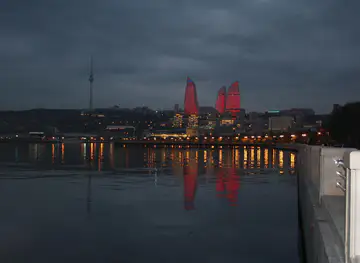
Discover Azerbaijan: A captivating blend of ancient heritage, stunning natural landscapes, and vibrant modernity at the crossroads of Europe and Asia.
Explore Azerbaijan