

Free Talysh Mountains Travel Guide & Mobile App
Explore Talysh Mountains with free travel guides. Discover regional history, expert tips, proposed trips, and audio guides on web or mobile app.


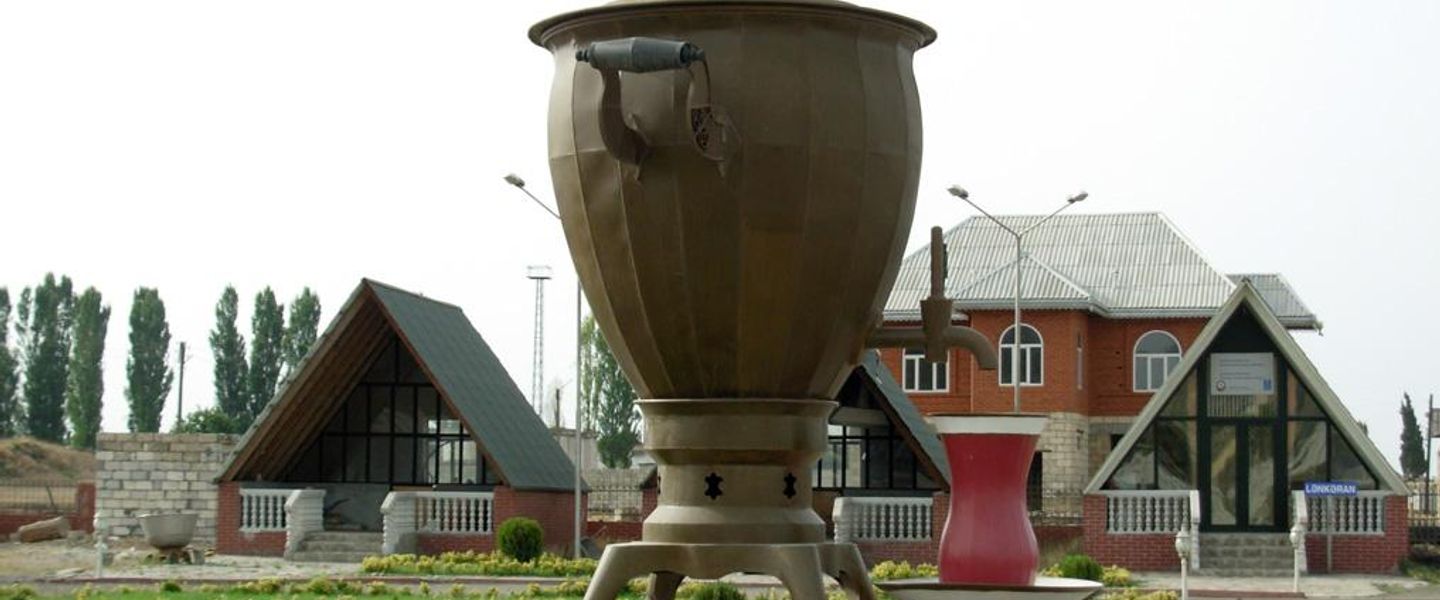


Explore Azerbaijan’s Talysh Mountains for Hyrcanian forests, highland villages, rural walks and the subtropical landscapes of the southern Caspian.
Read more about Talysh Mountains
When is the best time to visit Talysh Mountains?
Best: June–August · 24–27°C| Month | High (°C) | Rainfall (mm) |
|---|---|---|
| January | 5 | 50 |
| February | 6 | 45 |
| March | 10 | 40 |
| April | 14 | 35 |
| May | 20 | 30 |
| June (best) | 24 | 25 |
| July (best) | 27 | 20 |
| August (best) | 26 | 20 |
| September | 22 | 25 |
| October | 15 | 30 |
| November | 10 | 35 |
| December | 6 | 40 |
Getting to and around Talysh Mountains
How to get there
Transportation
Destinations in Talysh Mountains
Resorts, valleys and scenic spots worth a trip of their own.

Swipe for more destinations
Best attractions in Talysh Mountains
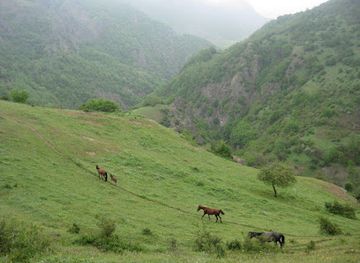
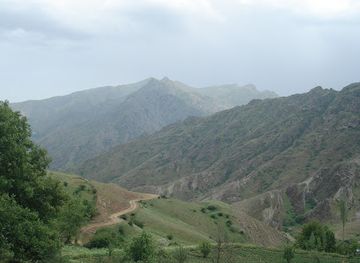
The Talysh Mountains appeal chiefly through landscape and access to nature rather than a large collection of built attractions. Hirkan National Park, extending through the forested foothills near Lankaran and Astara, is the region’s principal protected area and offers opportunities for guided walks, birdwatching and observing the distinctive Hyrcanian vegetation. Lerik provides access to higher mountain scenery, village roads and the open landscapes around Zuvand, while Yardimli is suited to quieter drives through wooded valleys and upland settlements. In the lower districts, visitors can combine forest excursions with the subtropical environment of southern Azerbaijan, including tea-growing areas and citrus orchards around the Lankaran plain. Local museums and cultural venues in the gateway towns help explain Talysh heritage and the history of the southern borderland. Outdoor experiences are weather-dependent, and many trails are informal rather than comprehensively signed, making local guidance valuable. The region is best approached as a destination for walking, photography, rural encounters and ecological interest, with time allowed for slow roads and changing conditions.
-
Hiking area
Khanbulan
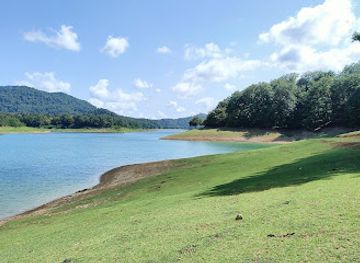
Discover Khanbulan: Hike scenic trails, picnic by the tranquil reservoir, and immerse yourself in the beauty of Azerbaijan's nature.
-
Mountain range
Talish Mountains
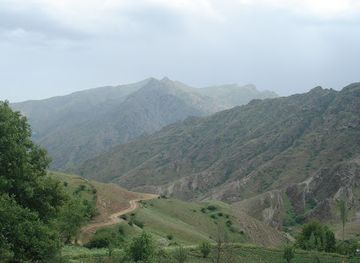
Discover the lush, green landscapes of the Talish Mountains: a haven for nature, adventure, and unique cultural experiences in southern Azerbaijan.
-
National park
Agh Gol National Park
Discover Azerbaijan's natural beauty at Agh Gol National Park, a wetland paradise for birdwatchers and nature enthusiasts.
-
 Woods
WoodsTalysh Forests
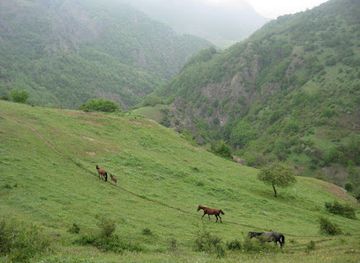
Explore the ancient, biodiverse Talysh Forests: a haven of natural beauty and cultural richness in Azerbaijan and Iran.
Best landmarks in Talysh Mountains
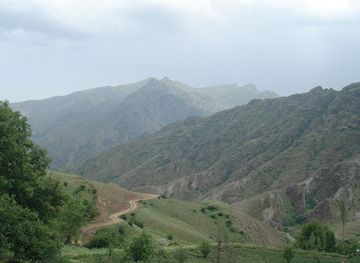
The strongest landmarks of the Talysh Mountains are natural and cultural rather than monumental. The ancient forest landscapes of Hirkan National Park form the region’s defining geographical feature, with dense stands of Hyrcanian broad-leaved trees rising behind the Caspian lowlands. The park’s inclusion within the UNESCO-listed Hyrcanian Forests gives this woodland international significance as well as local ecological importance. Lerik’s mountain setting is another recognisable feature: the town overlooks ridges and valleys that lead towards the Zuvand uplands, where open plateaux contrast with the wetter eastern forests. Yardimli’s surrounding mountains and rural valleys provide a less developed but equally characteristic view of the interior. At the foot of the range, Lankaran’s historic urban fabric and the remains associated with its former khanate-era political importance connect the mountains with the Caspian plain. Astara’s borderland position and wooded surroundings complete the region’s visual identity, although the international frontier means that some roads and viewpoints require local guidance.
-
National park
Dənizkənarı Milli Park
Discover Baku's iconic seaside promenade: a blend of history, culture, and stunning Caspian Sea views along the Caspian Sea, a vibrant escape for all.
-
Religious destination
Atashgah Zoroastrian Fire Temple
Explore the Ateshgah Fire Temple in Baku, a historical site where Zoroastrian, Hindu, and Sikh traditions intertwine, showcasing Azerbaijan's cultural heritage.
-
National park
Agh Gol National Park
Discover Agh Gol National Park: a vital wetland ecosystem in Azerbaijan, perfect for birdwatching and nature enthusiasts, especially during migration seasons.
-
Mountain range
Talish Mountains
Discover the Talish Mountains: A haven of biodiversity, scenic landscapes, and rich cultural heritage in Azerbaijan's southern frontier.

Explore Talysh Mountains on the map
Plan your trip on one map. See where the top cities, national parks and sights are, and book hotels and experiences in a few clicks.
Best hotels in Talysh Mountains
Best restaurants in Talysh Mountains
Dining in the Talysh region reflects the meeting of mountain, forest and Caspian lowland produce. In Lankaran, Astara, Lerik and larger district centres, menus commonly draw on Azerbaijani staples such as plov, kebabs, soups, herb-filled dishes and fresh bread, while southern cooking makes generous use of rice, greens, walnuts, pomegranates and aromatic herbs. Fish is more prominent near the Caspian coast than in the highlands; in mountain villages, visitors are more likely to encounter lamb, poultry, dairy products, seasonal vegetables, honey and home-preserved foods. Tea is central to hospitality, particularly in the south, where locally grown tea may be served with jam, citrus or sweets. Rural guesthouses and family-run eateries may offer the most direct introduction to local food, although menus and payment arrangements can be informal. Ask about ingredients when dietary requirements matter, and expect fewer late-night dining choices once away from the lowland towns.
-
Family-friendly
Boranı Restoran (Lənkəran Filialı)
Discover the rich flavors of Azerbaijan at Boranı Restoran in Lənkəran - a family-friendly dining experience with authentic local cuisine.
-
Restaurant
Xan Lenkaran restaurant
Experience authentic Azerbaijani cuisine at Xan Lenkaran Restaurant in Lankaran – where flavor meets tradition in every dish.
-
Resort hotel
Tebessum Istirahet Merkezi
Discover tranquility at Tebessum Istirahet Merkezi: Your ideal resort hotel with charming cottages and exquisite dining in Azerbaijan.
-
Restaurant
DAD house Lankaran
Experience authentic Azerbaijani cuisine at DAD House Lankaran - where tradition meets flavor in every dish.


Best bars in Talysh Mountains
Nightlife in the Talysh Mountains is modest and generally centred on tea houses, hotel restaurants, cafés and traditional restaurants rather than dedicated clubs. Lankaran and Astara offer the broadest choice of evening venues, while Lerik and Yardimli are quieter, with evenings often spent dining, talking over tea or enjoying views from guesthouse terraces. Azerbaijan’s café and restaurant culture provides non-alcoholic options, and local tea is a more characteristic social drink than a nightlife spectacle. Some hotels and restaurants may serve beer, wine or spirits, but opening arrangements can vary and rural venues may close early. Visitors seeking live entertainment or a wider selection of bars should plan around the larger southern towns rather than expecting a developed mountain club scene. Respect local family and religious sensitivities, particularly in smaller villages and near border communities.
-
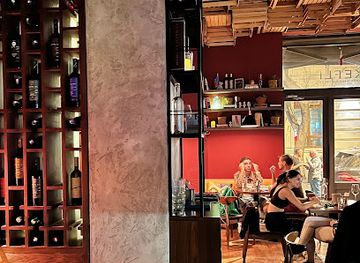
Wine bar
KEFLI Local Wine & Snacks
Experience the finest Azerbaijani wines and delectable snacks at KEFLI Local Wine & Snacks, a must-visit destination for wine lovers in Baku.
-
Restaurant
Tebessum Istirahet Merkezi
Discover the tranquil beauty and exquisite flavors of Azerbaijan at Tebessum Istirahet Merkezi, an enchanting restaurant and resort hotel.
-
Mountain range
Talish Mountains
Explore the breathtaking Talish Mountains, a natural wonder in Azerbaijan, offering stunning views, rich biodiversity, and unforgettable outdoor adventures.
-
Live music bar
Le Chateau Music Bar
Discover the energetic vibe of Le Chateau Music Bar in Baku, where live music meets a welcoming atmosphere for an unforgettable nightlife experience.


Best nightclubs in Talysh Mountains
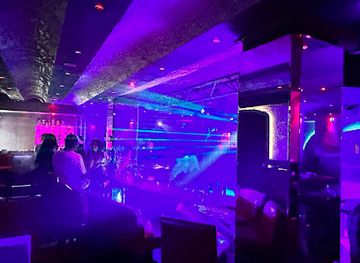
Nightlife in the Talysh Mountains is modest and generally centred on tea houses, hotel restaurants, cafés and traditional restaurants rather than dedicated clubs. Lankaran and Astara offer the broadest choice of evening venues, while Lerik and Yardimli are quieter, with evenings often spent dining, talking over tea or enjoying views from guesthouse terraces. Azerbaijan’s café and restaurant culture provides non-alcoholic options, and local tea is a more characteristic social drink than a nightlife spectacle. Some hotels and restaurants may serve beer, wine or spirits, but opening arrangements can vary and rural venues may close early. Visitors seeking live entertainment or a wider selection of bars should plan around the larger southern towns rather than expecting a developed mountain club scene. Respect local family and religious sensitivities, particularly in smaller villages and near border communities.
-
Night club
Nightoffice
Discover the pulse of Baku's nightlife at Nightoffice, a premier night club offering unforgettable experiences and vibrant entertainment.
-
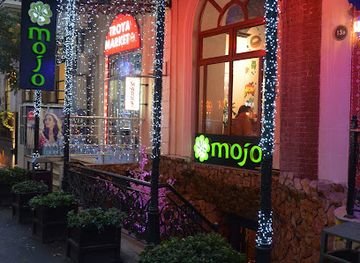
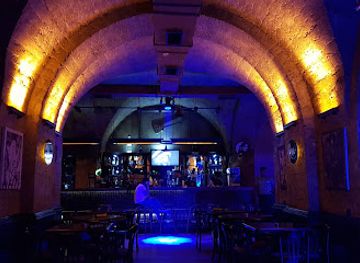
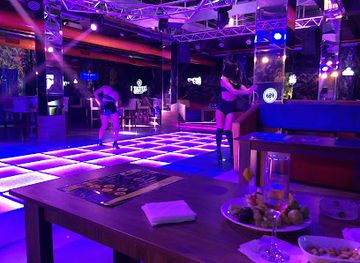
Club
MOJO club
Discover the energetic nightlife of Baku at MOJO Club, where unforgettable moments and electrifying music await you every night.
-
Night club
Otto
Experience the vibrant nightlife of Baku at Otto, a pulsating night club where unforgettable memories are made through music and dance.
-
Night club
Status Club Baku
Dive into Baku's nightlife at Status Club, where music, dance, and unforgettable moments await in a vibrant atmosphere.
Best shops in Talysh Mountains
Shopping in the Talysh Mountains is primarily local and practical rather than centred on large retail districts. Lerik and Yardimli have small town centres with everyday shops, while Lankaran and Astara provide the widest selection of food stores, markets and craft outlets at the foot of the range. Good regional purchases include tea from the southern growing districts, mountain honey, walnuts, dried fruit, herbs, preserves and seasonal citrus products. Village shops and guesthouses may sell home-produced goods, but quality, packaging and payment facilities vary, so buy only what can be transported safely and declare agricultural products where required. In the larger towns, look for Azerbaijani textiles, ceramics, carved items and locally made sweets rather than generic imported souvenirs. Farmers’ markets are useful for observing the relationship between the mountains and the subtropical plain, but trading days and stall availability can change. Bargaining should be polite and moderate, especially with small producers.
-
Jewelry store
Xtravaganza DM
Explore the elegance of Azerbaijani craftsmanship at Xtravaganza DM, Baku's premier jewelry store in a vibrant shopping mall.
-
Store
Sadarak Shopping Center
Explore Sadarak Shopping Center for an unforgettable shopping experience featuring local crafts, international brands, and delicious Azerbaijani cuisine.
-
Shopping mall
Shuvelan Park
Experience the heart of modern shopping and dining at Shuvelan Park in Azerbaijan, where culture meets convenience.
-
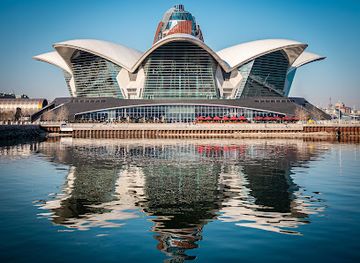
Supermarket
Valeh Market
Discover the heart of Azerbaijan at Valeh Market, a vibrant supermarket offering local produce, artisanal goods, and a taste of authentic culture.

Get your free copy of our complete guide to Talysh Mountains, delivered straight to you.
Everything on this page, from attractions and restaurants to essentials and local phrases, in one PDF you can read offline, print or share.
Already have an account? Sign in
Your Talysh Mountains guide is ready.
We'll send it to · Not you? Sign out

Getting your guide ready…
We are putting together a fresh copy of the Talysh Mountains guide. This can take up to a minute.
This can take a few moments. If your browser asks, choose Allow so the download can start. You'll find the guide in your Downloads folder.
Nothing happened? Download it again
Sorry, the guide is taking longer than usual. Please try again in a minute, or get it by email instead.
Talysh Mountains essentials
Currency and Payment
Safety
Emergency Situations
Do's and Don'ts
Local Tips
From Eve
Local phrases worth knowing
You don't need to get them perfect. A few words go a long way, and locals appreciate the effort.
Basics
| English | Local | Say it |
|---|---|---|
| Hello | Salam | [sah-lahm] |
| Goodbye | Xudaya əmanət | [khudaya amanat] |
| Yes | Bəli | [beh-lee] |
| No | Yox | [yokh] |
| Please/You're welcome | Zəhmət olmasa | [zeh-met ol-ma-sa] |
| Thank you | Təşəkkür edirəm | [teh-sheh-kyoor eh-deer-em] |
| Excuse me/Sorry | Bağışlayın | [bah-ghish-lah-yin] |
| How are you? | Necəsən? | [neh-jeh-sen] |
| Fine. And you? | Yaxşı. Siz? | [yakh-shee. seez?] |
| Do you speak English? | İngilis dilində danışırsınız? | [een-gee-lees dee-lin-deh dah-nuh-sheer-sin-iz?] |
| I don't understand | Mən başa düşmürəm | [men bash-ah doosh-meh-rem] |
Eating & Drinking
| English | Local | Say it |
|---|---|---|
| I'd like to see the menu, please | Menyuya baxmaq istəyirəm, zəhmət olmasa | [men-yoo-yah bakh-maq ees-teh-yeer-em, zeh-met ol-ma-sa] |
| I don't eat meat | Mən ət yemirəm | [men aht ye-mee-rem] |
| Cheers! | Şərabınıza | [sheh-rah-bi-niz-ah] |
| I would like to pay, please | Ödənişi etmək istəyirəm, zəhmət olmasa | [o-deh-nee-shee et-mak ees-teh-yeer-em, zeh-met ol-ma-sa] |
Emergencies
| English | Local | Say it |
|---|---|---|
| Help! | Kömək edin! | [kyo-mehk eh-deen!] |
| Go away! | Get! | [get!] |
| Call the Police! | Polis çağırın! | [po-lees chah-gheer-in!] |
| Call a doctor! | Həkim çağırın! | [heh-keem chah-gheer-in!] |
| I'm lost | Mən itmişəm | [men eet-meh-shem] |
| I'm ill | Mən xəstəyəm | [men khes-teh-yem] |
Shopping
| English | Local | Say it |
|---|---|---|
| I'd like to buy... | Mən ... almaq istəyirəm | [men ... al-maq ees-teh-yeer-em] |
| I'm just looking | Mən sadəcə baxıram | [men sah-deh-jeh bakh-uh-ram] |
| How much is it? | Bu nə qədərdir? | [boo neh keh-dehr-deer?] |
| That's too expensive | Bu çox bahadır | [boo chokh bahah-deer] |
| Can you lower the price? | Qiyməti endirə bilərsiniz? | [kee-mah-tee en-dee-reh bilar-sin-iz?] |
Time & Numbers
| English | Local | Say it |
|---|---|---|
| What time is it? | Saat neçədır? | [sah-aht neh-cheh-deer?] |
| It's one o'clock | Saat birdir | [sah-aht beer-deer] |
| Half past (10) | On bir buçuk | [on beer boo-chook] |
| Morning | Səhər | [sah-hair] |
| Afternoon | Gündüz | [goon-dooz] |
| Evening | Axşam | [akh-sham] |
| Yesterday | Dünən | [doo-nen] |
| Today | Bu gün | [boo gyoon] |
| Tomorrow | Sabah | [sah-bah] |
| 1 | Bir | [beer] |
| 2 | İki | [ee-kee] |
| 3 | Üç | [üch] |
| 4 | Dörd | [doerd] |
| 5 | Beş | [besh] |
| 6 | Altı | [ahl-tee] |
| 7 | Yeddi | [yeh-dee] |
| 8 | Səkkiz | [seh-keeze] |
| 9 | Doqquz | [doq-ooze] |
| 10 | On | [on] |
Transport & Directions
| English | Local | Say it |
|---|---|---|
| Where's a/the...? | Harada ... var? | [har-ah-dah ... var?] |
| What's the address? | Ünvana nədir? | [oon-van-ah neh-deer?] |
| Can you show me (on the map)? | Mənə (xəritədə) göstərə bilərsiniz? | [meh-neh (kheh-ree-tah-deh) gohs-teh-reh bilar-sin-iz?] |
| When's the next (bus)? | Növbəti (avtobus) nə vaxtdır? | [nuh-veh-dee (av-toh-boos) neh vahkh-deer?] |
| A ticket (to ....) | Bir bilet (....) | [beer bee-let (....)] |
History of Talysh Mountains
Ancient Hyrcanian Forests and Early Settlement
The Talysh Mountains belong to the Hyrcanian ecological region, an ancient belt of broad-leaved forest along the southern Caspian. These woodlands survived major climatic changes and preserve plant communities with very long evolutionary histories. Human settlement in the surrounding valleys is also old, supported by springs, fertile soils and routes linking the Caspian plain with the Iranian plateau. Archaeological remains in southern Azerbaijan testify to long-standing agricultural and trading communities, although the region’s difficult terrain meant that settlement remained dispersed rather than concentrated in large cities.
The Medieval Caspian Borderland
Through the medieval period, the southern Azerbaijani borderlands were influenced by successive Persian, Arab, Turkic and local dynasties. The Talysh highlands lay between the Caspian coast and inland routes, making them a zone of cultural exchange rather than an isolated mountain world. Islam became the dominant religion, while farming, herding and woodland use continued to shape village economies. Many of the communities encountered today reflect this long interaction between the Talysh-speaking population, Azerbaijani-speaking neighbours and the political powers that controlled the wider Caspian region.
The Talysh Khanate, Eighteenth to Early Nineteenth Centuries
The Talysh Khanate emerged in the eighteenth century with its political centre at Lankaran, on the lowland edge of the mountains. Its territory included coastal plains and mountain districts, and its rulers navigated between the expanding Russian Empire and the Persian state. The khanate’s position gave the region importance beyond its size, since the Caspian coast provided access to commerce while the mountainous interior offered defensible terrain. Its legacy remains visible in the historical identity of southern Azerbaijan and in the prominence of Lankaran as the region’s traditional urban centre.
Russian Annexation and Imperial Administration
The Talysh Khanate came under Russian control after the Russo-Persian conflicts and the Treaty of Gulistan in 1813. Imperial administration reorganised the area, linked it more closely to the Caucasus, and encouraged new forms of agricultural and commercial development. Political borders divided the wider Talysh homeland between the Russian Empire and Persia, a division that later persisted as the international boundary between Azerbaijan and Iran. The period also brought new administrative structures, military roads and demographic changes to the southern Caspian districts.
Soviet Forestry, Agriculture and Infrastructure
During the Soviet period, the Talysh region was incorporated into the Azerbaijani Soviet Socialist Republic. Roads, schools and administrative services expanded, while tea cultivation, citrus farming and other subtropical agriculture developed particularly in the Lankaran lowlands and foothills. Forests were managed through state institutions, and rural life was drawn into collective agricultural systems. The era helped connect the mountain districts more firmly with Azerbaijan’s wider economy, although the region retained its dispersed settlement pattern and strong local cultural character.
Protected Landscapes and Contemporary Talysh Identity
Since independence, conservation has become increasingly important in the Talysh region. Hirkan National Park was established in 2004 to protect representative Hyrcanian forests and their wildlife, and the Azerbaijani forests form part of the transnational UNESCO-listed Hyrcanian Forests. Tourism remains relatively small-scale, centred on nature, rural hospitality and mountain scenery. At the same time, Talysh cultural identity continues to be expressed through language, music, food and local traditions within the constitutional framework of Azerbaijan.
Talysh Mountains in Photos
Browse through our photo collection highlighting the charm and character of the destination.
Neighbouring regions of Talysh Mountains
The closest regions to Talysh Mountains, if you have time for more than one.
-

-

-

-

-


Swipe for more regions
Explore more
Explore more of Azerbaijan
Discover Azerbaijan: A captivating blend of ancient heritage, stunning natural landscapes, and vibrant modernity at the crossroads of Europe and Asia.
Explore Azerbaijan