
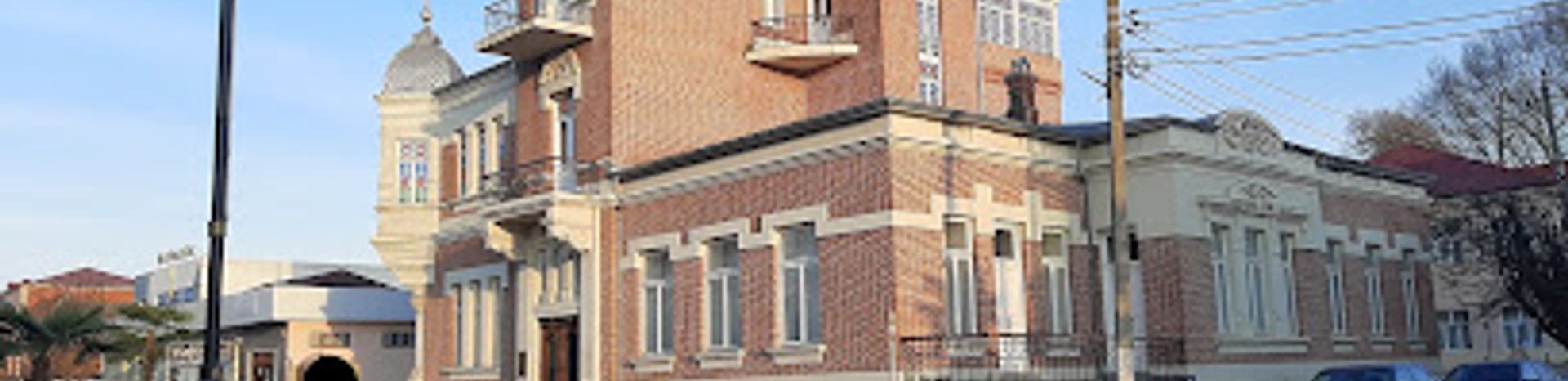
Khan Palace: Lankaran's Historical Gem
Explore Lankaran's rich history and culture at the Khan Palace, a museum showcasing artifacts from the Bronze Age to the Lankaran Khanate.
The Khan Palace, also known as the Lankaran Museum of History and Ethnography, showcases the region's rich history and cultural evolution. Built in the early 20th century by French architects, it blends European and Azerbaijani architectural styles. The museum houses over 7,000 exhibits, offering insights into the area's past, from the Bronze Age to the Lankaran Khanate.
A brief summary to Khan Palace (Lankaran Museum of History and Ethnography)
- QV34+MH6, Lankaran, AZ
- Monday 9 am-6 pm
- Tuesday 9 am-6 pm
- Wednesday 9 am-6 pm
- Thursday 9 am-6 pm
- Friday 9 am-6 pm
- Saturday 9 am-6 pm
- Sunday 9 am-6 pm
Local tips
- Allow at least 2-3 hours to fully explore the museum's extensive collection.
- Visit during the golden hour for the best photo opportunities in the courtyard.
- Wear comfortable shoes, as there is a lot of walking involved.

Getting There
-
Walking
From Lankaran Central Park, head northeast. Turn left on QV34+MH6. The museum is about a 10-minute walk.
-
Public Transport
Local buses operate in Lankaran. Check local routes and schedules to reach the museum from other parts of the city. Bus fares are typically inexpensive.
-
Taxi
Taxis are readily available in Lankaran. Negotiate the fare before starting your journey. Ride-hailing services like Uber or Bolt may also be available. A short taxi ride within the city center should cost approximately 2-3 AZN.
Discover more about Khan Palace (Lankaran Museum of History and Ethnography)
Iconic landmarks you can’t miss

Lankaran Heydar Aliyev City Square
0.2 km
Experience the heart of Lankaran at Heydar Aliyev City Square, where history, culture, and modern life converge in a vibrant atmosphere.

Luxe Lankaran Hotel
0.2 km
Experience modern comfort and Azerbaijani hospitality at Luxe Lankaran Hotel, your gateway to exploring the beautiful city of Lankaran.
World War II Monument
0.3 km
A solemn tribute to the heroes of World War II, the monument stands as a reminder of bravery and sacrifice in Lankaran, Azerbaijan.
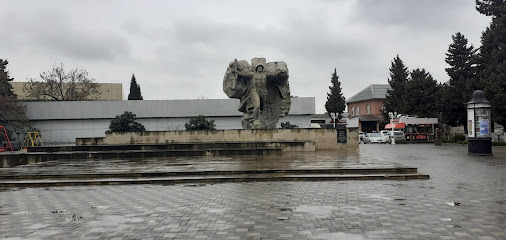
Lankaran fortress
0.4 km
Explore Lankaran Fortress: A historical landmark in Azerbaijan, reflecting the region's strategic past and architectural blend.
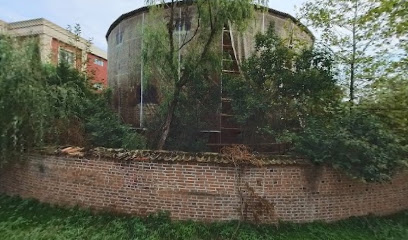
Lankaran State University
0.4 km
Discover Lankaran State University, where education meets culture in the heart of Azerbaijan's beautiful coastal city.
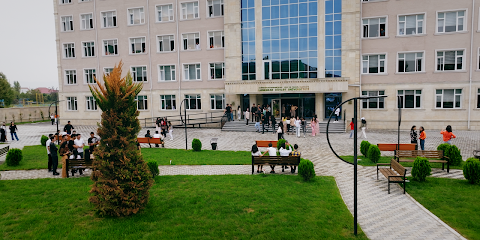
Lənkəran Həzi Aslanov Şəhər Meydanı
0.5 km
Experience the vibrant heart of Lankaran at Hazi Aslanov Square, a hub of culture, history, and community life in Azerbaijan.
Lənkəran rayonu,Sütəmurdov kəndi
0.5 km
Explore the enchanting Lənkəran region in Azerbaijan, where nature's beauty meets rich culture and delicious cuisine.
Khazar Lankaran Central Stadium
0.8 km
Experience the electrifying atmosphere of Azerbaijani football at Khazar Lankaran Central Stadium, a cultural hub in Lankaran.
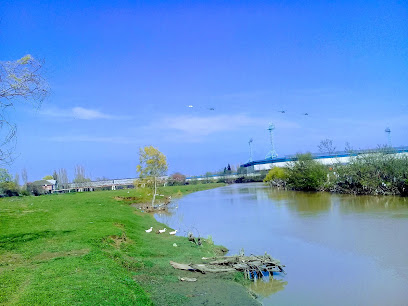
Az Adventures
1.5 km
Explore Azerbaijan's rich culture and breathtaking landscapes with Az Adventures – your gateway to unforgettable travel experiences.
Lankaran
1.7 km
Discover Lankaran: Azerbaijan's hidden gem with black-sand beaches, lush mountains, and a rich Silk Road history. Explore nature, culture, and cuisine.
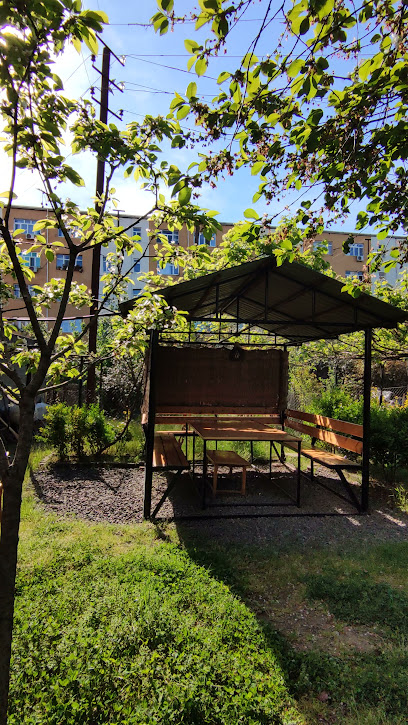
Beluga Beach
2.1 km
Discover Beluga Beach: Azerbaijan's hidden gem with unique black sands, therapeutic qualities, and tranquil Caspian Sea views near historic Lankaran.
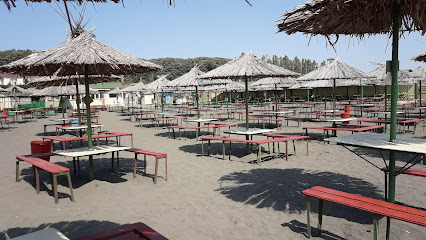
Əlinin kazarması
2.6 km
Experience the natural beauty and tranquility of Ōlinin Kazarması Campground in Lankaran, Azerbaijan, perfect for outdoor enthusiasts seeking adventure.
AG
2.8 km
Explore Lankaran's AG, a gateway to Azerbaijan's rich history, culture, and natural beauty. Discover ancient fortresses, lush forests, and vibrant traditions along the Caspian Sea.
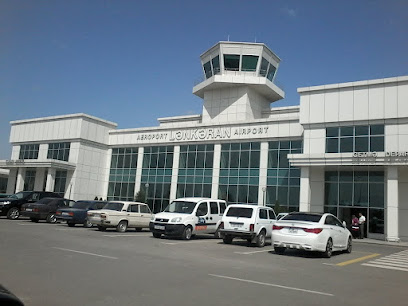
Lənkəran Beynəlxalq Hava Limanı
3.1 km
Discover Azerbaijan's southern charm: Your gateway to lush landscapes, rich culture, and Caspian Sea adventures starts here.
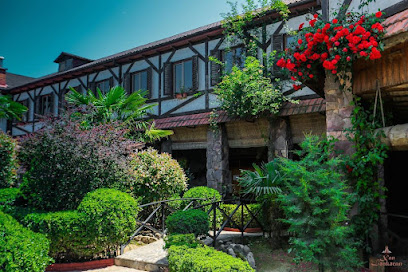
Khan Lankaran Hotel
3.8 km
Experience comfort and Azerbaijani hospitality at Khan Lankaran Hotel, your gateway to exploring the tea region and Caspian Sea.
Unmissable attractions to see

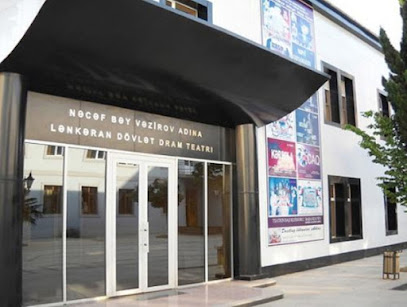
Lankaran State Drama Theater named after Najaf Bey Vazirov
0.3 km
Experience Azerbaijani culture at the Lankaran State Drama Theater, named after Najaf Bey Vazirov, offering diverse performances since 1973.
Lankaran's Old Prison
0.4 km
Explore Lankaran's Old Prison: A historic site with tales of tsarist prisons, Soviet repression, and a rumored connection to Stalin.
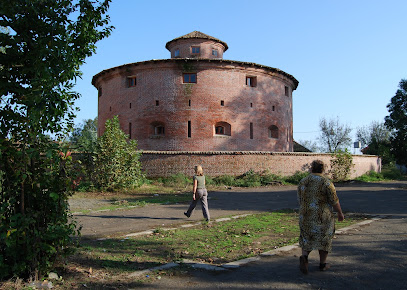
دژ زندان لنکران
0.4 km
Explore Lankaran Fortress: A historical landmark showcasing Azerbaijan's rich heritage and architectural blend of Persian, Russian, and Caucasian influences.
Hazi Aslanov house-museum
0.6 km
Explore the Hazi Aslanov House-Museum in Lankaran, where the legacy of Azerbaijani culture and history comes alive through engaging exhibits and warm hospitality.
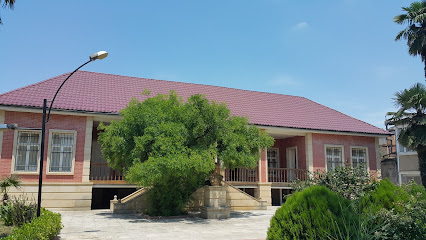
Lankaran Lighthouse
0.6 km
Discover the Lankaran Lighthouse, a historical gem along the Caspian Sea, blending stunning views with rich maritime heritage in Azerbaijan.
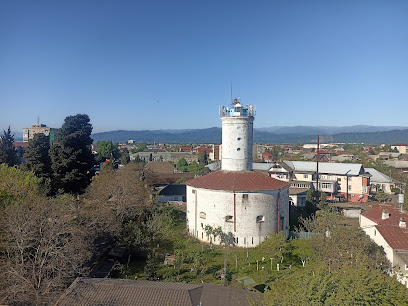
City Bazaar
0.7 km
Experience the vibrant culture and commerce of Lankaran at the City Bazaar, a sensory feast in the heart of the city.
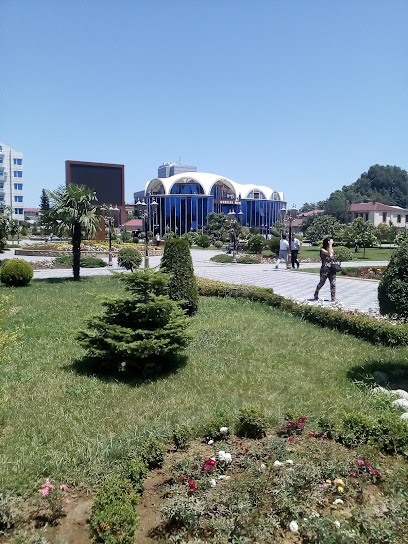
Boyuk Bazar Mosque
0.9 km
Discover the historical Boyuk Bazar Mosque in Lankaran, a beautiful example of Islamic architecture and a cultural landmark.
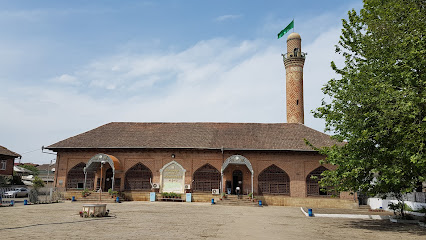
Şəhidlər Dairəsi
2.3 km
Reflect and remember at Şəhidlər Dairəsi in Lankaran, a peaceful park honoring Azerbaijan's martyrs.
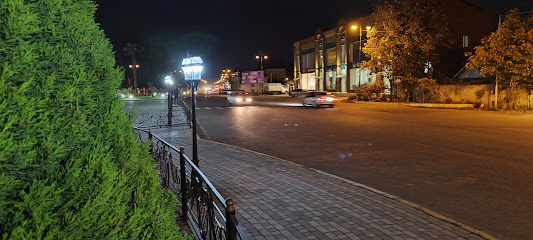
Lankaran Clock Square
3.8 km
Experience the heart of Lankaran at Clock Square, a central gathering place offering a tranquil escape and a glimpse into the city's rich history and vibrant local life.
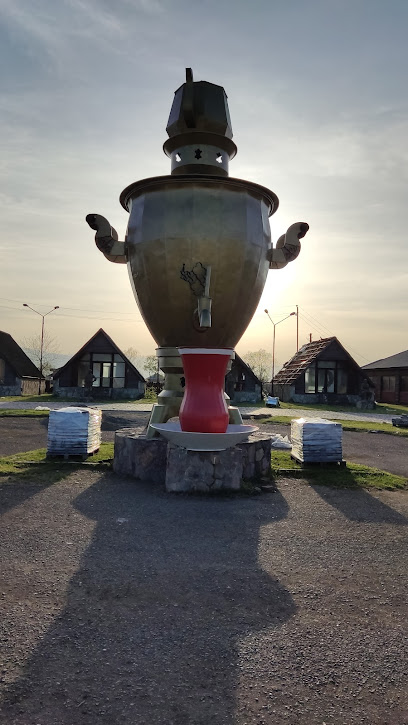
Samovar Statue (Lankaran City)
6.9 km
A monumental tribute to Lankaran's tea heritage, symbolizing Azerbaijani hospitality and the region's deep-rooted connection to tea culture.
İstisu
9.4 km
Discover the serenity of İstisu, a natural thermal spring oasis in Lankaran, perfect for relaxation and rejuvenation amid lush landscapes.
Lankaran region
9.4 km
Discover Lankaran: Azerbaijan's subtropical paradise where Caspian shores meet lush mountains, offering history, culture, and natural beauty.
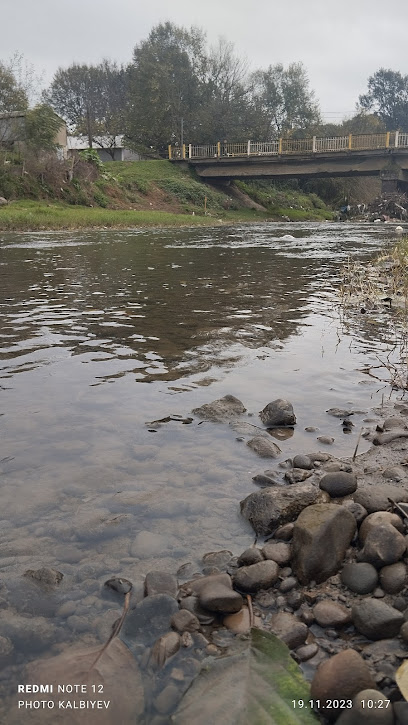
Hirkan park
12.2 km
Discover Hirkan Park in Lankaran: A serene escape into Azerbaijan's rich biodiversity and ancient forests, offering a tranquil nature retreat.
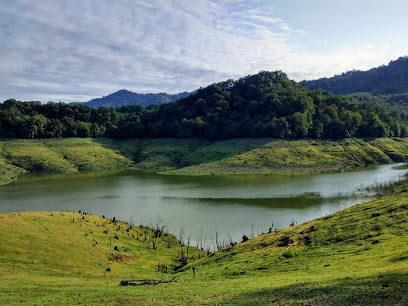
Khanbulan
12.4 km
Discover Khanbulan: Hike scenic trails, picnic by the tranquil reservoir, and immerse yourself in the beauty of Azerbaijan's nature.
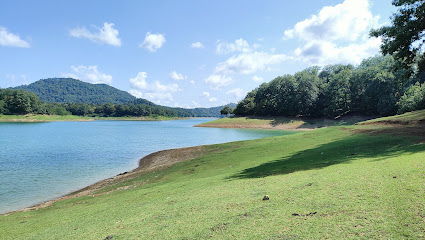
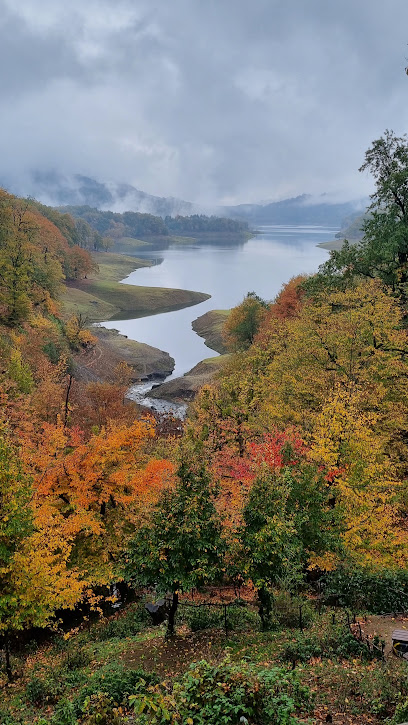
Xanbulan
12.6 km
Discover Xanbulan: A serene Azerbaijani escape with stunning landscapes, tranquil reservoir, and rich cultural experiences near Lankaran.
Essential places to dine

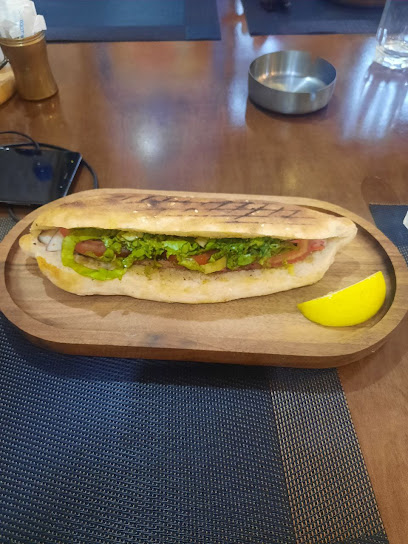
Balık Ekmek Lenkeran (F.Məmmədov küç.)
0.2 km
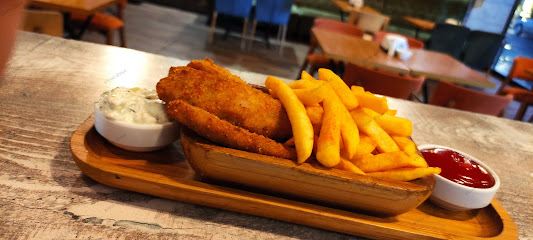
Experience authentic fish and chips at Balık Ekmek Lenkeran in Lankaran – where every bite tells a story of freshness and flavor.
Luxe Lankaran Restaurant & Cafe
0.3 km
Discover authentic Azerbaijani cuisine at Luxe Lankaran Restaurant & Cafe in the heart of Lankaran - where every meal tells a story.
ocaq restoran
0.3 km
Discover the rich flavors of Azerbaijan at Ocaq Restoran in Lankaran – where traditional cuisine meets warm hospitality.
Boranı Restoran (Lənkəran Filialı)
0.4 km
Discover Boranı Restoran in Lənkəran: where family-friendly dining meets authentic Azerbaijani cuisine in a warm and welcoming atmosphere.
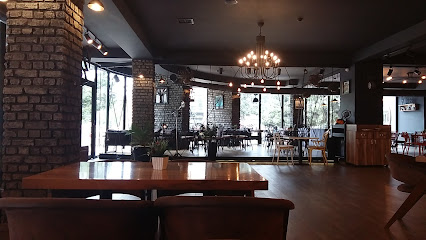
Uzbek Restaurant
0.5 km
Discover the authentic taste of Uzbekistan at Lankaran's beloved Uzbek Restaurant, where every meal is a celebration of flavor and tradition.
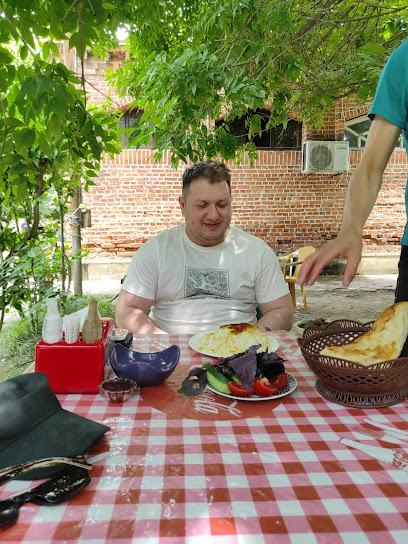
Zeytun
0.5 km
Experience authentic Azerbaijani cuisine at Zeytun in Lənkəran – where every dish tells a story.
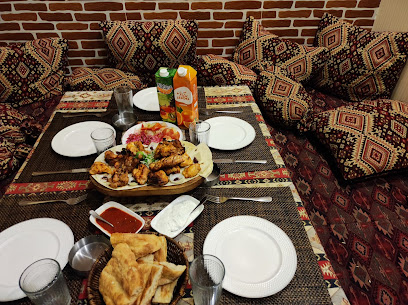
Wave
0.5 km
Discover tranquility at Wave in Lankaran – where comfort meets culinary excellence amidst beautiful coastal landscapes.
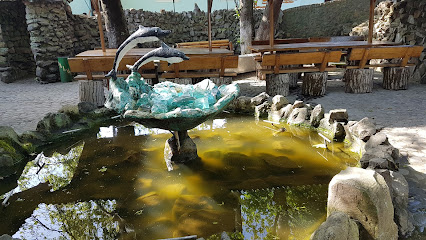
Darçın House
0.5 km
Experience authentic Azerbaijani cuisine at Darçın House in Lankaran – where tradition meets taste.
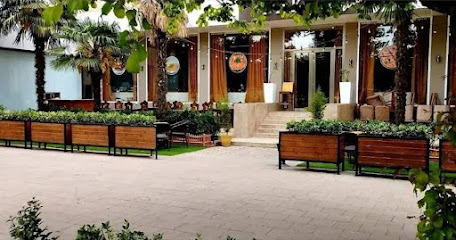
Real cay evi
0.5 km
Experience authentic Azerbaijani cuisine at Real Cay Evi in Lankaran—where tradition meets flavor in every bite.
A'love restaurant
0.5 km
Experience authentic Azerbaijani cuisine at A'love Restaurant in Lankaran - where tradition meets taste.
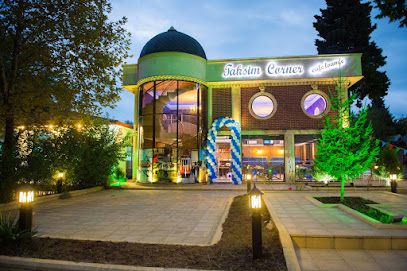
Taksim Corner Cafe Lounge
0.5 km
Experience the best of Azerbaijani cuisine at Taksim Corner Cafe Lounge in Lankaran—a perfect blend of tradition and modernity awaits you.
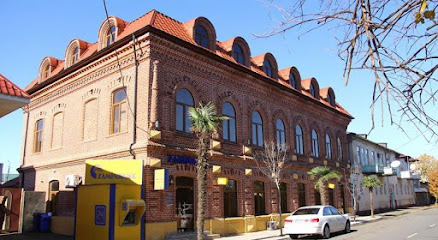
Hotel Mayak
0.8 km
Experience comfort and local charm at Hotel Mayak in Lənkəran, your perfect base for exploring Azerbaijan's coastal beauty.
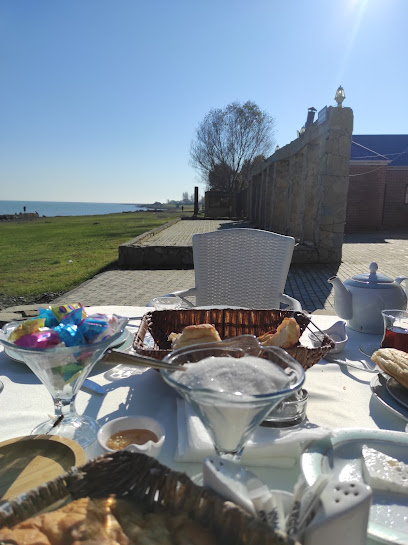
Dəniz Restoran
0.9 km
Experience authentic Azerbaijani flavors at Dəniz Restoran in Lankaran—perfect for families and food lovers alike.
Deniz Hotel & Restaurant
0.9 km
Experience unparalleled comfort and authentic Azerbaijani cuisine at Deniz Hotel & Restaurant in Lankaran.
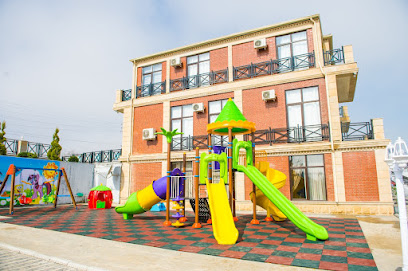
Delfin
1.0 km
Discover the flavors of Azerbaijan at Delfin Restaurant in Lankaran - where tradition meets taste.
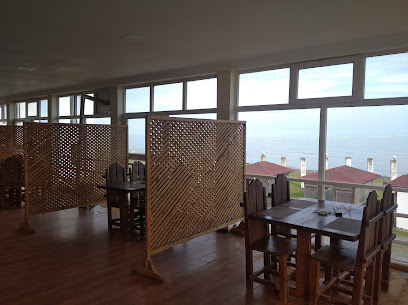
Markets, malls and hidden boutiques

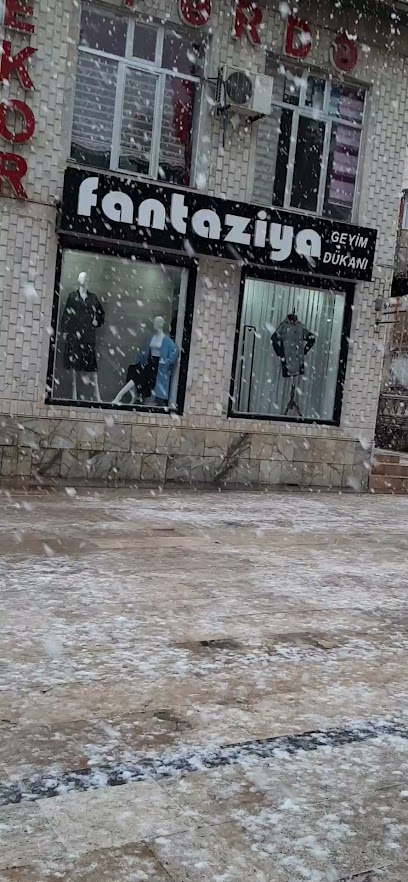
Fantaziya geyim dükanı
0.3 km
Discover the latest trends in women's fashion at Fantaziya Geyim Dükanı, Lankaran's premier clothing store for stylish and affordable attire.
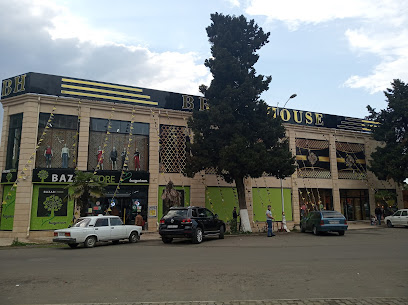
BREND HOUSE
0.3 km
Explore the stylish offerings at Brend House in Lankaran, where local culture meets contemporary fashion for an unforgettable shopping experience.
LC Waikiki
0.4 km
Explore fashion at LC Waikiki in Lankaran, offering trendy and affordable clothing for the whole family in a vibrant shopping atmosphere.
Ucuz Geyim
0.4 km
Explore Ucuz Geyim in Lankaran for a perfect blend of style and affordability, offering a diverse range of trendy clothing for every taste.
Euro Style
0.4 km
Explore the elegance of European fashion blended with local charm at Euro Style in Lankaran.
Hərbi Geyim Mağazası
0.4 km
Discover unique military clothing and accessories in Lankaran's Hərbi Geyim Mağazası, a must-visit for tourists seeking authentic Azerbaijani style.
My Brend
0.4 km
Shop the latest trends and local styles at My Brend, Lankaran's top clothing store for tourists and fashion lovers.
qala xiyabanı
0.4 km
Explore the vibrant fashion scene at Qala Xiyabanı in Lənkəran, where every garment tells a story of Azerbaijani culture and craftsmanship.
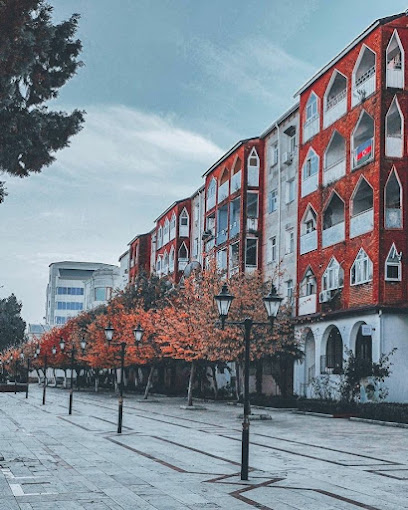
Spartak Geyim Mağazası
0.5 km
Explore local fashion trends at Spartak Geyim Mağazası, Lankaran's premier clothing store showcasing unique styles and traditional Azerbaijani designs.
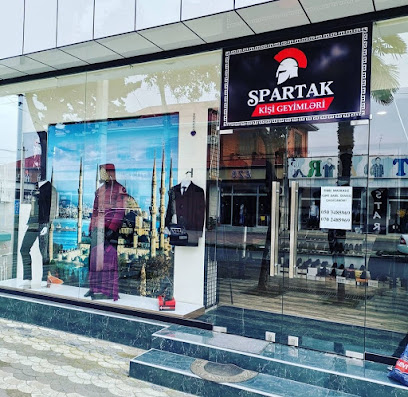
Daisy Gifts Shop
0.5 km
Explore Daisy Gifts Shop in Lankaran for unique souvenirs and artisanal crafts that beautifully reflect Azerbaijan's rich culture.
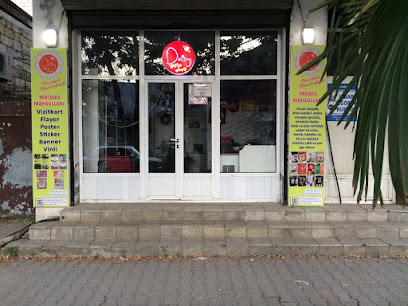
ORGA Gift Shop
0.5 km
Explore the vibrant world of Azerbaijani craftsmanship and find unique souvenirs at ORGA Gift Shop in Lankaran.
Ist Album Gallery
0.6 km
Explore Ist Album Gallery in Lankaran for unique scrapbooking supplies and creative inspiration in a vibrant artistic atmosphere.
Fidan Henna Wedding
0.6 km
Discover the vibrant culture of Azerbaijan at Fidan Henna Wedding, where traditional attire and henna artistry come together in a stunning showcase.
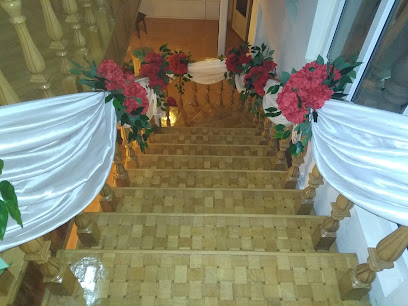
Lənkaran
0.8 km
Explore Lənkaran Shopping Mall: Your Gateway to Unique Shopping and Local Culture in Azerbaijan.
Lənkəran Böyük Bazar
0.8 km
Explore Lənkəran Böyük Bazar: A vibrant clothing store reflecting the rich culture and fashion of Lankaran, perfect for unique finds and local experiences.
Essential bars & hidden hideouts

Sweet Waffle
0.2 km
Sweet Waffle in Lankaran: A dessert haven offering delicious waffles and a cozy atmosphere for tourists seeking sweet indulgence.

Sərin Kokteyl
0.3 km
Experience the vibrant nightlife of Lankaran at Sərin Kokteyl, where refreshing cocktails meet a lively atmosphere for an unforgettable evening.
Bar_ber Huseyn
0.4 km
Experience top-notch grooming at Bar_ber Huseyn in Lankaran, where local charm meets modern style for an unforgettable visit.
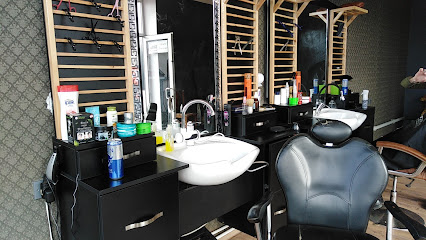
Lankon Wine House
0.4 km
Discover the charm of Lankon Wine House in Lankaran, where exquisite local and international wines await your palate.
Kokteyl
0.4 km
Discover the vibrant cocktail scene at Kokteyl, Lankaran's premier cocktail bar, where every sip is a taste of local flair.
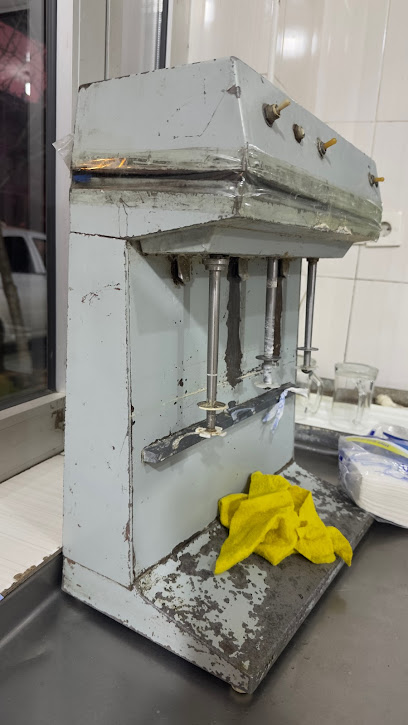
İsinin kopya yeri
0.4 km
Discover the lively atmosphere and local flavors at İsinin Kopya Yeri, a vibrant bar in the heart of Lənkəran, perfect for relaxing and socializing.
Alove Sweet Shop
0.5 km
Discover the sweet treasures of Lankaran at Alove Sweet Shop, a candy store filled with delightful handmade confections that capture local flavors.
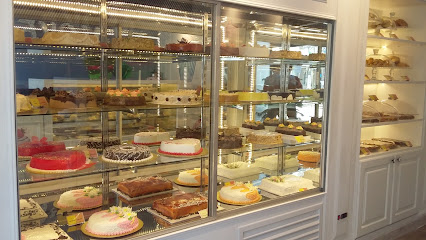
Mirvarim Coffee & Bar
0.6 km
Experience the charm of Mirvarim Coffee & Bar in Lankaran, where a cozy atmosphere meets delightful beverages and local hospitality.
Khan Wine House
1.9 km
Discover the charm of Lankaran at Khan Wine House, where local wines and warm hospitality meet in a cozy atmosphere.
FM ŞƏRAB EVİ
2.1 km
Discover the finest local wines at FM ŞƏRAB EVİ, a charming wine bar in Lankaran, Azerbaijan, perfect for a relaxing tasting experience.
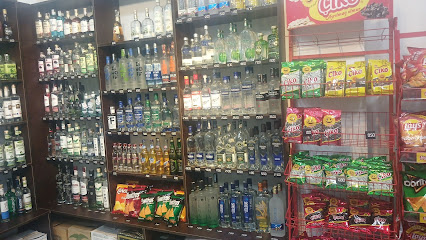
Silavar kokteyl
2.5 km
Discover Silavar Kokteyl in Digah, where expertly crafted cocktails and a lively atmosphere await you for an unforgettable evening.
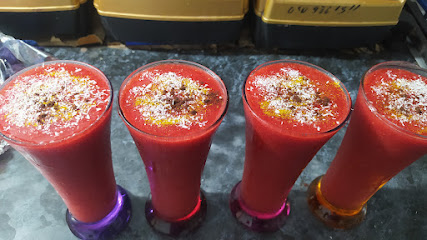
Palidli Sahil Hotel
2.8 km
Discover coastal tranquility at Palidli Sahil Hotel, where comfort meets the stunning shores of Lankaran in Azerbaijan.
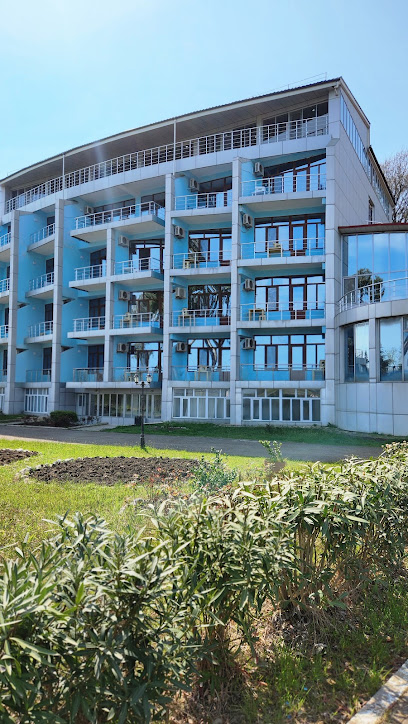
Level 42 Pub & Lounge
2.9 km
Discover the charm of Level 42 Pub & Lounge in Veladi, where relaxation meets local hospitality and delightful beverages await.
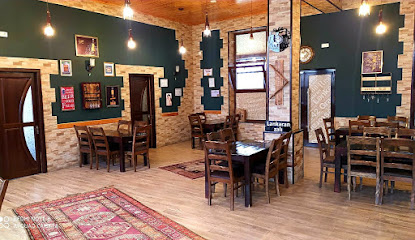
Sahil Cool Cocktail
3.7 km
Discover Sahil Cool Cocktail in Lankaran, where innovative cocktails meet a vibrant atmosphere, perfect for unwinding after a day of exploration.
Boyniiii cemilll
6.0 km
Discover the vibrant nightlife and local flavors at Boyniiii Cemilll, a must-visit bar in Lankaran, Azerbaijan.


