

Free Shirvan Region Travel Guide & Mobile App
Explore Shirvan Region with free travel guides. Discover regional history, expert tips, proposed trips, and audio guides on web or mobile app.


Explore Shirvan’s medieval heritage, craft villages, vineyards, mountain landscapes and broad agricultural plains in central-eastern Azerbaijan.
Read more about Shirvan Region
When is the best time to visit Shirvan Region?
Best: June, August–September · 25–29°C| Month | High (°C) | Rainfall (mm) |
|---|---|---|
| January | 6 | 30 |
| February | 8 | 30 |
| March | 13 | 35 |
| April | 18 | 40 |
| May | 23 | 45 |
| June (best) | 27 | 30 |
| July | 30 | 20 |
| August (best) | 29 | 20 |
| September (best) | 25 | 25 |
| October | 20 | 30 |
| November | 14 | 35 |
| December | 9 | 30 |
Getting to and around Shirvan Region
How to get there
Transportation
Top city travel guides in Shirvan Region
The cities of Shirvan Region, and the easiest places to base yourself.

Swipe for more cities
Destinations in Shirvan Region
Resorts, valleys and scenic spots worth a trip of their own.

Swipe for more destinations
Best attractions in Shirvan Region
Shirvan’s attractions are spread across a changing landscape rather than concentrated in one major resort. Shamakhi anchors the historical itinerary with the Juma Mosque, the Yeddi Gumbaz cemetery and the nearby Diri Baba mausoleum at Maraza, whose carved setting and unusual form make it one of the region’s most memorable monuments. The old craft village of Lahij, in Ismayilli district, offers stone lanes, traditional houses and workshops associated particularly with copperworking, while Basgal is known for village architecture and textile traditions. Around Pirgulu, the terrain becomes wooded and mountainous, providing opportunities for walking, rural stays and visits to the Shamakhi Astrophysical Observatory. The approaches to these hills contrast with the dry agricultural plains around Shamakhi and Agsu. Further east and south, the wider Shirvan landscape leads towards lowland wetlands and the Caspian-facing districts, although these are best treated as separate excursions because roads and distances vary. Visitors interested in archaeology, Islamic architecture, village crafts and countryside scenery will find more depth by combining several smaller sites than by rushing between headline attractions.
-
Historical place
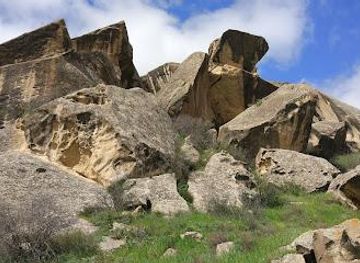
Gobustan Rock Art Cultural Landscape
Explore ancient rock art, mud volcanoes, and musical stones at this UNESCO World Heritage Site near Baku, revealing Azerbaijan's rich history.
-
Tourist attraction
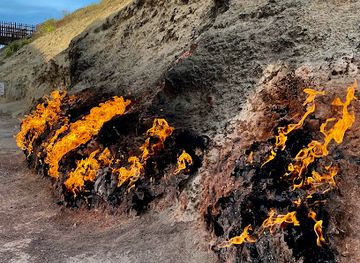
Yanar dağ
Witness the eternal flames of Yanar Dag, a natural wonder where fire dances on a hillside, fueled by Azerbaijan's rich gas reserves.
-
Museum
Gobustan National Park Museum
Explore ancient rock art & mud volcanoes at Gobustan National Park Museum, a UNESCO site near Baku, Azerbaijan. Discover prehistoric culture & history.
-
Volcano
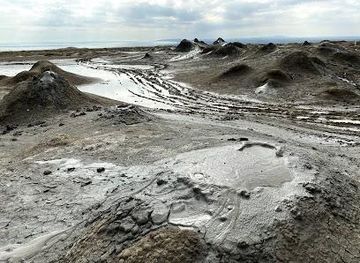
Gobustan Mud Volcano
Discover Azerbaijan's unique mud volcanoes in Gobustan: a geological marvel offering otherworldly landscapes and fascinating natural phenomena.

Best landmarks in Shirvan Region
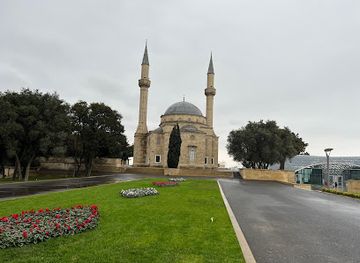
The Juma Mosque in Shamakhi is Shirvan’s most important surviving religious landmark and a visible link to the city’s long history as a centre of Islamic culture. On the outskirts of the city, Yeddi Gumbaz means “Seven Domes” and refers to a cemetery complex connected with the Shirvanshah era and later local history; its surviving mausoleums stand among the remains of the former Shamakhi urban landscape. At Maraza, the Diri Baba mausoleum is built into a rocky setting and is distinguished by its compact, sculptural architecture. In the western part of the region, Lahij’s stone-paved lanes, traditional houses and working copperware workshops form a valuable vernacular landmark rather than a single monument. Basgal’s historic village fabric and links with silk and kelaghayi production provide another expression of Shirvan’s cultural landscape. The wooded ridges around Pirgulu and the open Pirsaat valley are natural landmarks that help explain the region’s geography, marking the transition from semi-arid plain to the foothills of the Greater Caucasus.
-
National park
Dənizkənarı Milli Park
Experience Baku's vibrant heart at Dənizkənarı Milli Park: a blend of history, culture, and stunning Caspian Sea views.
-
Park
Highland Park
Experience Baku's beauty from above at Highland Park: panoramic views, historical significance, and a serene escape in the heart of the city.
-
Business center
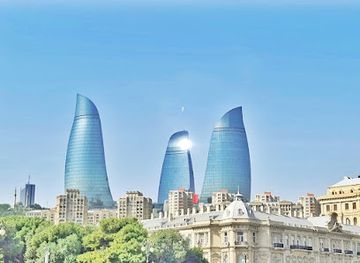
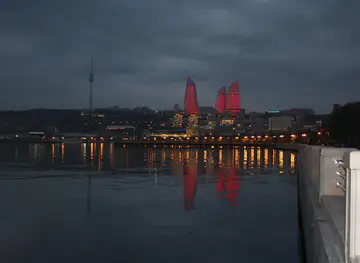
Flame Towers
Experience the iconic Flame Towers in Baku, Azerbaijan: a modern architectural marvel symbolizing the nation's fiery heritage and offering stunning city views and luxurious amenities.
-
Religious destination
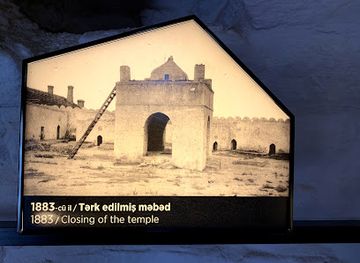
Atashgah Zoroastrian Fire Temple
Explore the Ateshgah Fire Temple in Baku, a historical site showcasing Zoroastrian, Hindu, and Sikh traditions and Azerbaijan's rich cultural heritage.

Explore Shirvan Region on the map
Plan your trip on one map. See where the top cities, national parks and sights are, and book hotels and experiences in a few clicks.
Best hotels in Shirvan Region
Best restaurants in Shirvan Region
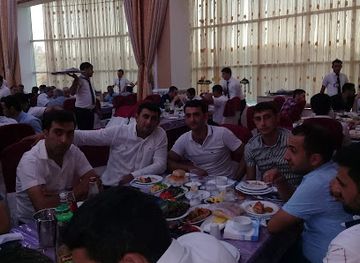
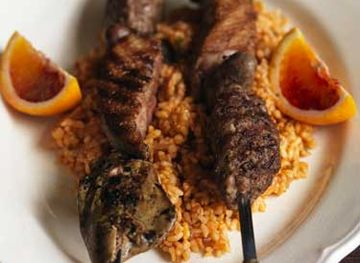
Dining in Shirvan reflects Azerbaijan’s wider culinary traditions while drawing on the produce of its plains, foothills and village households. In Shamakhi and other towns, look for plov, dolma, kebabs, qutab, soups, fresh herbs and salads, alongside tea served with preserves, fruit or nuts. Mountain areas add dairy products, seasonal greens and home-style dishes, while the warmer lowlands support fruit growing and agricultural production. Rural restaurants and family-run guesthouses may offer food prepared in a more traditional style, but menus can be limited and advance communication is useful for special dietary requirements. Markets and roadside stalls are good places to find seasonal produce, dried fruit and local honey. Shirvan also has a long association with viticulture, and modern wineries and countryside dining have become part of the region’s developing food-and-drink identity. As elsewhere in Azerbaijan, restaurants range from informal cafés to more polished establishments, with service and card facilities varying considerably outside the larger towns.
-
Restaurant
Yeganә Şadlıq Sarayı
Discover authentic Azerbaijani cuisine at Yeganә Şadlıq Sarayı in Shirvan – where tradition meets flavor.
-
Restaurant
Zeyneb Ailevi Türk Restoranı
Experience authentic Turkish cuisine at Zeyneb Ailevi Türk Restoranı in Shirvan – where tradition meets flavor.
-
Restaurant
Urfa Ailevi Restoranı
Discover the authentic taste of Azerbaijan at Urfa Ailevi Restoranı in Shirvan - where tradition meets flavor.
-
Restaurant
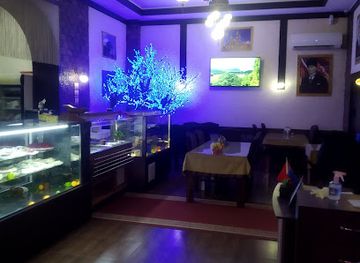
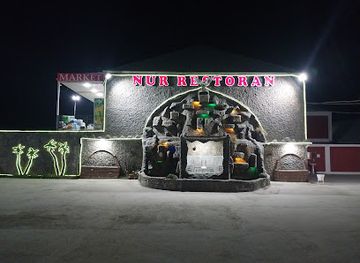
Nur ailəvi istirahət mərkəzi
Experience the flavors of Azerbaijan at Nur ailəvi istirahət mərkəzi, where family-friendly dining meets serene surroundings.
Best bars in Shirvan Region
Nightlife in Shirvan is modest and generally centred on tea houses, cafés, hotel restaurants and traditional venues rather than dedicated clubs. Shamakhi offers the broadest choice for an evening meal, tea or a quiet drink, while rural towns and villages tend to close earlier and place greater emphasis on family dining and conversation. Wine-producing areas may provide tastings or cellar visits when arranged in advance, but these are not a substitute for a large urban bar scene. Guesthouses in the hills sometimes organise meals around local products, and summer evenings can be spent outdoors where weather and accommodation allow. Visitors should not expect the late-night entertainment found in Baku; the appeal lies in food, tea, music on selected evenings and the slower pace of rural Azerbaijan. Alcohol is available in appropriate establishments, while tea remains a central and widely enjoyed part of everyday hospitality.
-
Bar
Lələ PUB
Discover the lively spirit of Lələ PUB in Shorsulu, where local culture meets vibrant nightlife and refreshing drinks.
-
Cocktail bar
Əkbərin kokteyli
Discover the essence of mixology at Əkbərin Kokteyli, Salyan's premier cocktail bar offering innovative drinks in a vibrant atmosphere.
-
 Bar
BarMosunun kafesi
Discover the charm of Kolanı at Mosunun Kafesi, where local flavors and a cozy atmosphere meet for a memorable experience.
-
Bar
Əqrəb bar
Discover the lively nightlife at Əqrəb Bar in Alat, where local culture meets vibrant ambiance for an unforgettable evening.
Best nightclubs in Shirvan Region
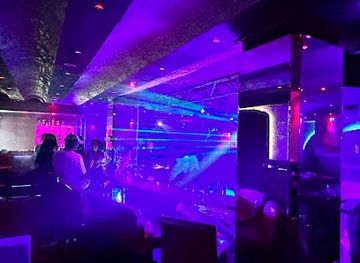
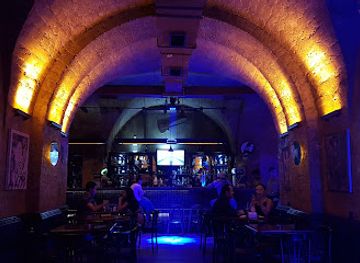
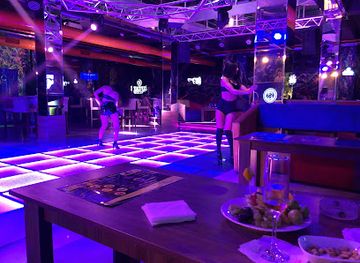
Nightlife in Shirvan is modest and generally centred on tea houses, cafés, hotel restaurants and traditional venues rather than dedicated clubs. Shamakhi offers the broadest choice for an evening meal, tea or a quiet drink, while rural towns and villages tend to close earlier and place greater emphasis on family dining and conversation. Wine-producing areas may provide tastings or cellar visits when arranged in advance, but these are not a substitute for a large urban bar scene. Guesthouses in the hills sometimes organise meals around local products, and summer evenings can be spent outdoors where weather and accommodation allow. Visitors should not expect the late-night entertainment found in Baku; the appeal lies in food, tea, music on selected evenings and the slower pace of rural Azerbaijan. Alcohol is available in appropriate establishments, while tea remains a central and widely enjoyed part of everyday hospitality.
-
Night club
Nightoffice
Experience the electrifying nightlife at Nightoffice, Baku's must-visit nightclub, where the beats never stop and the fun is endless.
-
Night club
Otto
Discover Baku's nightlife at Otto Night Club, where the music is vibrant and the atmosphere is electrifying, perfect for an unforgettable night out.
-
Night club
Status Club Baku
Discover the electrifying nightlife at Status Club Baku, where vibrant music and thrilling dance create unforgettable experiences.
-
Night club
hiss club
Dive into Baku's nightlife at Hiss Club, where music, dance, and vibrant energy create unforgettable experiences.

Best shops in Shirvan Region
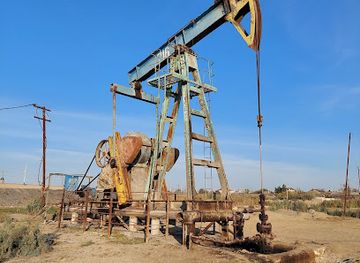
Shopping in Shirvan is strongest in local produce, village crafts and practical souvenirs rather than large-scale retail. Shamakhi’s shops and markets offer fruit, nuts, preserves, tea, honey and other Azerbaijani food products, with availability changing by season. Lahij is particularly associated with hand-made copperware, including household vessels and decorative pieces, and its workshops allow visitors to see how craft traditions remain connected to everyday commerce. In and around Basgal, textiles and kelaghayi-style silk headscarves reflect the region’s historic links with silk production, although quality, provenance and prices vary. Small town markets are useful for fresh produce and household goods, while more formal fashion, electronics and international brands are better sought in Baku outside the region. When buying metalwork or textiles, inspect the finish and ask whether an item is locally made. Pack fragile purchases carefully, and carry cash for smaller workshops and market stalls.
-
Farm
Şirvan şəhəri
Experience the agricultural charm of Şirvan, a serene city in Azerbaijan known for its lush landscapes and rich cultural heritage.
-
Shopping mall
Köhne Bazar
Explore Köhne Bazar in Shirvan for an unforgettable shopping experience filled with local culture, delicious food, and vibrant atmosphere.
-
Grocery store
Arcline Şirvan Ofice
Experience the heart of Shirvan with local flavors and fresh produce at Arcline Şirvan, your go-to grocery destination.
-
Store
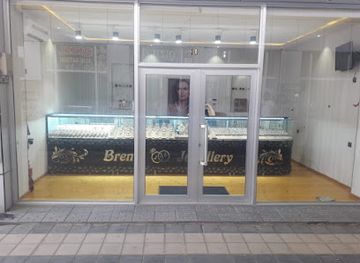
Brend Etriyyat
Explore Brend Etriyyat in Şirvan for authentic local shopping and a taste of Azerbaijani culture.

Get your free copy of our complete guide to Shirvan Region, delivered straight to you.
Everything on this page, from attractions and restaurants to essentials and local phrases, in one PDF you can read offline, print or share.
Already have an account? Sign in
Your Shirvan Region guide is ready.
We'll send it to · Not you? Sign out

Getting your guide ready…
We are putting together a fresh copy of the Shirvan Region guide. This can take up to a minute.
This can take a few moments. If your browser asks, choose Allow so the download can start. You'll find the guide in your Downloads folder.
Nothing happened? Download it again
Sorry, the guide is taking longer than usual. Please try again in a minute, or get it by email instead.
Shirvan Region essentials
Currency and Payment
Safety
Emergency Situations
Do's and Don'ts
Local Tips
From Eve
Local phrases worth knowing
You don't need to get them perfect. A few words go a long way, and locals appreciate the effort.
Basics
| English | Local | Say it |
|---|---|---|
| Hello | Salam | [sah-lahm] |
| Goodbye | Allaha əmanət | [ah-lah-hah eh-mah-net] |
| Yes | Bəli | [beh-lee] |
| No | Xeyr | [khayr] |
| Please/You're welcome | Zəhmət olmasa | [zeh-met ol-mah-sah] |
| Thank you | Təşəkkür edirəm | [teh-shehk-oor eh-dee-rahm] |
| Excuse me/Sorry | Bağışlayın | [bah-ghish-lah-yin] |
| How are you? | Necəsən? | [neh-jeh-sen?] |
| Fine. And you? | Yaxşı. Bəs siz? | [yahkh-shee. behs siz?] |
| Do you speak English? | İngiliscə danışırsınız? | [een-gee-lee-jah dah-nah-sheer-sin-iz?] |
| I don't understand | Mən anlamıram | [men ahn-lah-meh-rahm] |
Eating & Drinking
| English | Local | Say it |
|---|---|---|
| I'd like to see the menu, please | Menyuya baxmaq istəyirəm, zəhmət olmasa | [men-yoo-yah bahkh-maq ees-teh-yeh-rahm, zeh-met ol-mah-sah] |
| I don't eat meat | Mən ət yemirəm | [men eht ye-meh-rahm] |
| Cheers! | Şərəf! | [shah-rehf] |
| I would like to pay, please | Ödənişi etmək istəyirəm, zəhmət olmasa | [oh-deh-nee-shee eht-mak ees-teh-yeh-rahm, zeh-met ol-mah-sah] |
Emergencies
| English | Local | Say it |
|---|---|---|
| Help! | Kömək edin! | [keh-mehk eh-deen!] |
| Go away! | Get! | [geh-t!] |
| Call the Police! | Polis çağırın! | [poh-lees chah-ghir-in!] |
| Call a doctor! | Həkim çağırın! | [heh-keem chah-ghir-in!] |
| I'm lost | Mən itmişəm | [men eet-meh-shahm] |
| I'm ill | Mən xəstəyəm | [men khes-teh-yehm] |
Shopping
| English | Local | Say it |
|---|---|---|
| I'd like to buy... | Mən ... almaq istəyirəm | [men ... al-maq ees-teh-yeh-rahm] |
| I'm just looking | Mən sadəcə baxıram | [men sah-deh-jeh bah-khee-rahm] |
| How much is it? | Bu nə qədərdir? | [boo neh geh-dehr-deer?] |
| That's too expensive | Bu çox bahadır | [boo chohkh bah-hah-dir] |
| Can you lower the price? | Qiyməti aşağı sala bilərsinizmi? | [kee-mah-tee ah-shah-yee sah-lah beh-leh-rah-sin-iz-mi?] |
Time & Numbers
| English | Local | Say it |
|---|---|---|
| What time is it? | Saat neçədidir? | [sah-aht neh-cheh-dee-dir?] |
| It's one o'clock | Saat birdir | [sah-aht beer-deer] |
| Half past (10) | On beşdir | [on behsh-deer] |
| Morning | Səhər | [seh-hair] |
| Afternoon | Gündüz | [goon-dooz] |
| Evening | Axşam | [akh-shahm] |
| Yesterday | Dünən | [doo-nen] |
| Today | Bu gün | [boo gyoon] |
| Tomorrow | Sabah | [sah-bah] |
| 1 | 1 | [bir] |
| 2 | 2 | [iki] |
| 3 | 3 | [üç] |
| 4 | 4 | [dörd] |
| 5 | 5 | [beş] |
| 6 | 6 | [altı] |
| 7 | 7 | [yeddi] |
| 8 | 8 | [səkkiz] |
| 9 | 9 | [doqquz] |
| 10 | 10 | [on] |
Transport & Directions
| English | Local | Say it |
|---|---|---|
| Where's a/the...? | Harada ... var? | [har-ah-dah ... vahr?] |
| What's the address? | Ünvan nədir? | [oon-vahn neh-deer?] |
| Can you show me (on the map)? | Məni xəritədə göstərə bilərsinizmi? | [mah-nee kheh-ree-teh-deh gohs-teh-reh beh-leh-rah-sin-iz-mi?] |
| When's the next (bus)? | Növbəti (avtobus) nə vaxtdır? | [nohv-beh-tee (av-toh-boos) neh vahkh-deer?] |
| A ticket (to ....) | Bir bilet (....) | [beer bee-let (....)] |
History of Shirvan Region
Early Settlement and Caucasian Crossroads
The Shirvan landscape has been occupied since antiquity, with settled agriculture, pastoral movement and trade shaped by its position between the Caspian lowlands and the Greater Caucasus. Archaeological remains across central Azerbaijan record successive communities and changing political influences, although individual sites vary greatly in interpretation and preservation. The region’s geography made it both a productive agricultural zone and a corridor linking the Caspian coast with inland mountain routes. This combination helped settlements around modern Shamakhi and the surrounding plains develop importance long before the medieval state that became known as Shirvan.
The Shirvanshahs and Shamakhi
From the early medieval period, the rulers known as the Shirvanshahs controlled a substantial territory in what is now eastern Azerbaijan, with Shamakhi serving for centuries as their principal political centre. The dynasty navigated pressure from neighbouring powers while supporting urban life, religious institutions and commerce. Earthquakes and military upheavals repeatedly affected Shamakhi, yet its role as a regional capital left a lasting architectural and cultural imprint. The city’s mosques, cemeteries and mausoleums are reminders of an era when Shirvan was a major polity rather than simply a geographical name.
Islamic Scholarship, Trade and Craft
Medieval Shirvan participated in the commercial and intellectual networks of the Caucasus, Iran and the wider Caspian world. Towns and villages supported mosques, caravan movement and specialist crafts, while mountain settlements benefited from access to timber, metals and pastoral products. Shamakhi was especially important as an urban and trading centre. In places such as Lahij and Basgal, craft traditions developed within a wider regional economy rather than in isolation. Copperworking, silk-related production and textile skills continued through later political changes and remain part of the region’s cultural identity.
Earthquakes, Conflict and Political Change
Shirvan’s history was repeatedly altered by earthquakes, invasions and competition among regional powers. Shamakhi suffered destructive earthquakes, including major shocks in the eighteenth century, and political authority shifted between local rulers and larger empires. The Shirvanshah dynasty eventually gave way to new systems of control, including Safavid and later Iranian influence. These upheavals explain why the region’s surviving heritage is often found in religious monuments, cemeteries, village street plans and fragments of former urban centres rather than in a single intact medieval capital.
Russian Imperial Incorporation
During the early nineteenth century, the territories of present-day Azerbaijan were drawn into the Russian Empire through a series of wars and treaties. Shirvan consequently entered a new administrative and economic framework, while older connections with Iranian Azerbaijan continued to influence culture and commerce. Imperial rule brought new bureaucratic structures, military roads and changing patterns of trade. The region nevertheless retained its predominantly Muslim social character and local craft economy, with Shamakhi continuing to function as an important regional centre despite earlier disasters.
Soviet Transformation and Rural Modernisation
Under Soviet rule, Shirvan was reorganised through collective agriculture, new administrative boundaries and state-directed investment. Farming, viticulture and transport were reshaped, while education and public services expanded in ways that changed village life. Religious institutions were restricted, and many historic buildings lost their original functions. At the same time, roads and modern towns connected the central plains more closely with Baku and other parts of Azerbaijan. The contemporary landscape of agricultural fields, rebuilt settlements and surviving monuments reflects both these Soviet transformations and older regional patterns.
Independent Azerbaijan and Heritage Revival
Since Azerbaijan regained independence in 1991, Shirvan’s historic monuments, craft traditions and wine-producing potential have received renewed attention. Restoration and tourism initiatives have focused on places such as Shamakhi, Lahij and Basgal, while rural accommodation and improved roads have made parts of the region more accessible. The revival is selective and ongoing: many sites remain working religious or village spaces rather than museum environments. This combination of heritage conservation, local production and small-scale tourism is shaping Shirvan’s role within Azerbaijan’s wider cultural and regional development.
Shirvan Region in Photos
Browse through our photo collection highlighting the charm and character of the destination.
Neighbouring regions of Shirvan Region
The closest regions to Shirvan Region, if you have time for more than one.
-

-

-

-
-


Swipe for more regions
Explore more
Explore more of Azerbaijan
Discover Azerbaijan: A captivating blend of ancient heritage, stunning natural landscapes, and vibrant modernity at the crossroads of Europe and Asia.
Explore Azerbaijan