

Free Mugan Plain Travel Guide & Mobile App
Explore Mugan Plain with free travel guides. Discover regional history, expert tips, proposed trips, and audio guides on web or mobile app.


Explore Azerbaijan’s Mugan Plain for wide agricultural landscapes, river wetlands, rural towns and the meeting of Kura–Aras cultures.
Read more about Mugan Plain
When is the best time to visit Mugan Plain?
Best: May–June, September · 25–30°C| Month | High (°C) | Rainfall (mm) |
|---|---|---|
| January | 8 | 30 |
| February | 10 | 25 |
| March | 15 | 35 |
| April | 20 | 30 |
| May (best) | 25 | 30 |
| June (best) | 30 | 20 |
| July | 34 | 10 |
| August | 33 | 10 |
| September (best) | 27 | 20 |
| October | 20 | 25 |
| November | 15 | 30 |
| December | 10 | 30 |
Getting to and around Mugan Plain
How to get there
Transportation
Top city travel guides in Mugan Plain
The cities of Mugan Plain, and the easiest places to base yourself.

Swipe for more cities
Best attractions in Mugan Plain
The Mugan Plain’s attractions are primarily geographical, environmental and cultural rather than monumental. Sabirabad offers access to the lower Kura–Aras landscape, where broad waterways, canals and cultivated fields reveal the relationship between irrigation and settlement. Around Salyan and the lower Kura basin, riverine habitats and wetlands provide opportunities for birdwatching and quiet observation, although access should be arranged carefully and locally. Imishli, Saatli and Bilasuvar are useful town stops for markets, everyday Azerbaijani life and views of the agricultural economy. Rural drives bring changing patterns of cotton, grain, vegetables, orchards and pasture, with village mosques, cemeteries and small civic buildings providing local points of interest. The region is also suited to visitors curious about Soviet-era irrigation infrastructure and the transformation of semi-arid land into productive farmland. Facilities can be sparse outside district centres, so these experiences are best planned with local transport, water and daylight in mind rather than treated as conventional, fully serviced attractions.
-
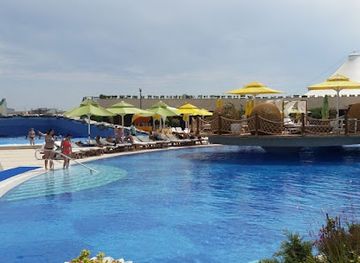
Water park
Dalga Beach Aquapark Resort
Experience Azerbaijan's largest water park with thrilling slides, relaxing pools, and a private Caspian Sea beach at Dalga Beach Aquapark Resort.
Best landmarks in Mugan Plain
The most important landmarks of the Mugan Plain are its rivers, irrigation works and lowland settlements. The Kura and Aras form the defining natural framework of the region, and the area near their confluence outside Sabirabad is especially significant for understanding Mughan’s geography. Canals, pumping stations and embankments, many developed or expanded during the Soviet period, are reminders that the region’s modern agricultural landscape is heavily engineered. Sabirabad’s urban centre serves as a practical reference point for the surrounding river plain, while mosques, cemeteries and civic buildings in Sabirabad, Saatli, Imishli, Bilasuvar and Salyan preserve elements of local community history. Towards Salyan, the lower Kura’s channels and wetlands create a different kind of landmark, with reed beds and open water replacing the more uniform cultivated fields. These are working landscapes rather than decorative monuments, so access, photography and visits to infrastructure should be approached with local guidance.
-
National park
Dənizkənarı Milli Park
Experience Baku's vibrant heart at Dənizkənarı Milli Park: a blend of history, culture, and stunning Caspian Sea views. Open 24/7, free entry!
-
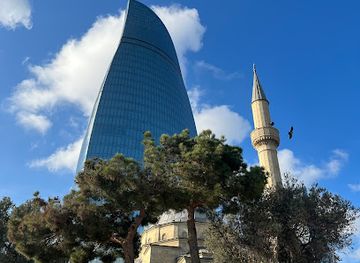
Business center
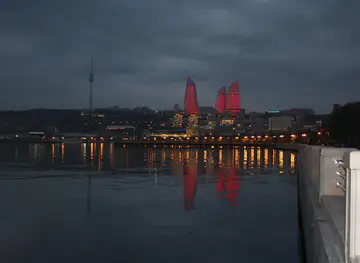
Flame Towers
Baku's iconic trio of flame-shaped skyscrapers, symbolizing Azerbaijan's fiery history with dazzling LED light shows every night.
-
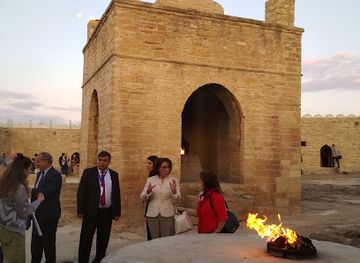
Religious destination
Atashgah Zoroastrian Fire Temple
Explore the Ateshgah Fire Temple, a historical site near Baku where Zoroastrian, Hindu, and Sikh traditions intertwine around a sacred flame.
-
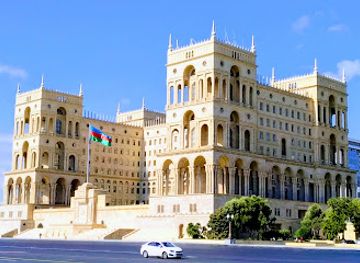
 Art museum
Palace of the Shirvanshahs
Explore the Palace of the Shirvanshahs in Baku, a UNESCO World Heritage site showcasing Azerbaijan's rich history and stunning medieval architecture.
Explore Mugan Plain on the map
Plan your trip on one map. See where the top cities, national parks and sights are, and book hotels and experiences in a few clicks.
Best hotels in Mugan Plain
Best restaurants in Mugan Plain
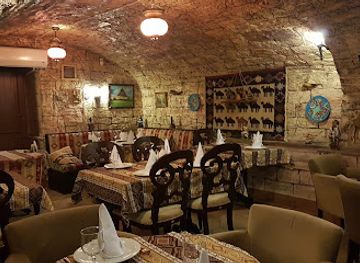
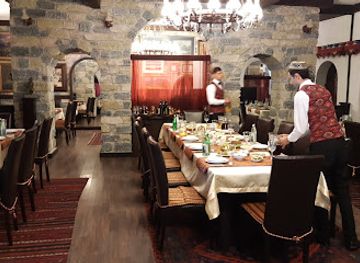
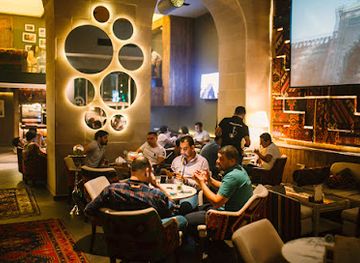
Dining in the Mugan Plain is mainly local and practical, centred on cafés, family-run restaurants, roadside stops and town-market produce rather than a formal restaurant circuit. Menus commonly reflect wider Azerbaijani cooking, including plov, kebabs, soups, stuffed vegetables, bread, yoghurt-based dishes and salads, with ingredients shaped by the agricultural plain. Seasonal melons, grapes, vegetables, herbs and other farm produce are particularly relevant to the region, while tea remains a customary part of hospitality. In Sabirabad, Imishli, Saatli and Salyan, visitors can find more choice and should look for busy establishments serving freshly prepared food. Rural meals may be simple but closely connected to local farming, with poultry, lamb, dairy products and preserved foods appearing according to season. Vegetarian travellers should explain their requirements clearly, as meat features prominently in many traditional dishes.
-
Restaurant
Nergiz Restaurant
Discover authentic Azerbaijani flavors at Nergiz Restaurant in Baku’s bustling Fountain Square – where tradition meets modern dining.
-
Restaurant
Shirvanshah Museum Restaurant
Experience authentic Azerbaijani flavors in a culturally rich atmosphere at Shirvanshah Museum Restaurant in Baku.
-
Restaurant
MALACANNES - Shisha Lounge
Experience Baku's vibrant nightlife at MALACANNES - Shisha Lounge with exquisite cuisine and delightful shisha flavors.
-
Restaurant
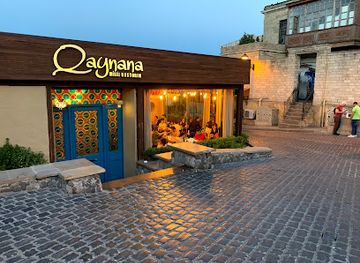
Qaynana Restaurant
Experience authentic Azerbaijani flavors at Qaynana Restaurant in Baku - a culinary delight for every traveler.
Best bars in Mugan Plain
Evening life in the Mugan Plain is subdued and concentrated in district centres rather than organised around a major club scene. Cafés, tea houses and family restaurants are the principal places to spend an evening, with conversation, tea and informal dining more common than late-night entertainment. Sabirabad, Imishli, Saatli and Salyan offer the greatest choice of cafés and casual venues, while smaller villages generally become quiet after dark. Some restaurants may serve beer or spirits, but alcohol is not central to every social setting and visitors should follow the atmosphere of the venue. Live music and celebrations occur mainly through local or private occasions rather than a dependable visitor nightlife programme. Arrange return transport in advance when staying outside town centres, since rural taxis and late services can be limited.
-
Brewpub
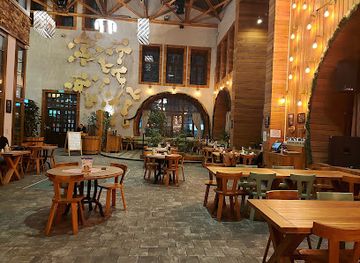
Paulaner Baku
Discover the vibrant flavors of Baku at Paulaner Baku, a premier brewpub offering authentic German beer and a diverse menu in a lively atmosphere.
-
Bar
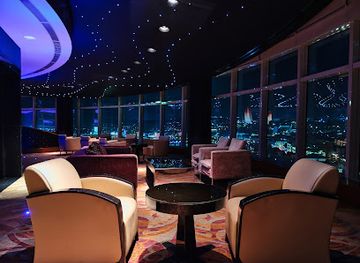
360 Bar, Hilton Baku
Experience breathtaking views and exquisite cocktails at Baku's premier rooftop lounge, 360 Bar at Hilton Baku.
-
Irish pub
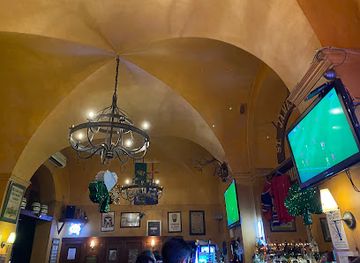
Finnegan's
Discover the vibrant atmosphere of Finnegan's Irish Pub in Baku, where traditional Irish charm meets local hospitality in a lively setting.
-
Bar
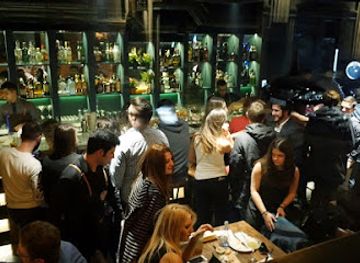
Barfly Social Hub
Experience Baku's nightlife at Barfly Social Hub, a cozy cocktail bar in the old town known for its fantastic drinks and live music.
Best nightclubs in Mugan Plain
Evening life in the Mugan Plain is subdued and concentrated in district centres rather than organised around a major club scene. Cafés, tea houses and family restaurants are the principal places to spend an evening, with conversation, tea and informal dining more common than late-night entertainment. Sabirabad, Imishli, Saatli and Salyan offer the greatest choice of cafés and casual venues, while smaller villages generally become quiet after dark. Some restaurants may serve beer or spirits, but alcohol is not central to every social setting and visitors should follow the atmosphere of the venue. Live music and celebrations occur mainly through local or private occasions rather than a dependable visitor nightlife programme. Arrange return transport in advance when staying outside town centres, since rural taxis and late services can be limited.
-
Night club
Nightoffice
Dive into Baku's vibrant nightlife at Nightoffice, where electrifying beats and stylish ambiance create unforgettable nights.
-
Club
MOJO club
Dive into Baku's nightlife at MOJO Club, where great music and vibrant energy create unforgettable experiences.
-
Night club
Pasifico Lounge and Dining
Discover Pasifico Lounge and Dining, where exquisite dining meets exhilarating nightlife along Baku's stunning Seaside Boulevard.
-
Night club
Status Club Baku
Discover the electrifying nightlife at Status Club Baku, where the music never stops and every night is a celebration.


Best shops in Mugan Plain
Shopping in the Mugan Plain is concentrated in the markets and high streets of Sabirabad, Salyan, Imishli, Saatli and Bilasuvar. Local bazaars are the best places to see the produce of the irrigated lowlands, including seasonal fruit, melons, vegetables, herbs, dairy products, pickles and other staples for household use. Small food shops and roadside stalls may also sell local honey, preserves, dried produce and bread, although availability varies by season. Retail in the district towns is mostly practical, with clothing, household goods, agricultural supplies and everyday groceries rather than specialist luxury shopping. Visitors looking for portable souvenirs can consider packaged regional foods or Azerbaijani tea, while craft and souvenir choice is generally more limited than in Baku or major heritage destinations. Carry cash for market purchases and ask permission before photographing vendors or stalls.
-
Shopping mall
Ganjlik Mall
Explore Ganjlik Mall in Baku, a premier shopping destination with high-end retail, diverse dining, and entertainment options for an unforgettable experience.
-
Shopping mall
Park Bulvar Mall
Discover the ultimate shopping experience at Park Bulvar Mall, Baku's premier shopping destination with a variety of shops, dining, and entertainment.
-
Shopping mall
28 Mall
Discover the ultimate shopping experience in Baku at 28 Mall, where fashion, dining, and entertainment come together in one vibrant location.
-
Jewelry store
Xtravaganza DM
Explore elegance at Xtravaganza DM, Baku's premier destination for exquisite jewelry and luxurious shopping experiences.



Get your free copy of our complete guide to Mugan Plain, delivered straight to you.
Everything on this page, from attractions and restaurants to essentials and local phrases, in one PDF you can read offline, print or share.
Already have an account? Sign in
Your Mugan Plain guide is ready.
We'll send it to · Not you? Sign out

Getting your guide ready…
We are putting together a fresh copy of the Mugan Plain guide. This can take up to a minute.
This can take a few moments. If your browser asks, choose Allow so the download can start. You'll find the guide in your Downloads folder.
Nothing happened? Download it again
Sorry, the guide is taking longer than usual. Please try again in a minute, or get it by email instead.
Mugan Plain essentials
Currency and Payment
Safety
Emergency Situations
Do's and Don'ts
Local Tips
From Eve
Local phrases worth knowing
You don't need to get them perfect. A few words go a long way, and locals appreciate the effort.
Basics
| English | Local | Say it |
|---|---|---|
| Hello | Salam | [sah-lahm] |
| Goodbye | Sağ ol | [sah-ol] |
| Yes | Bəli | [beh-lee] |
| No | Xeyr | [khayr] |
| Please/You're welcome | Zəhmət olmasa | [zeh-met ol-ma-sah] |
| Thank you | Təşəkkür edirəm | [teh-sheh-kyoor eh-dee-rem] |
| Excuse me/Sorry | Bağışlayın | [bah-ghish-lah-yin] |
| How are you? | Necəsən? | [neh-jeh-sen] |
| Fine. And you? | Yaxşı. Siz? | [yahk-shee. seez?] |
| Do you speak English? | İngilis dilində danışırsınız? | [een-gee-lees dee-lin-deh dah-nee-hr-sin-iz] |
| I don't understand | Mən başa düşmürəm | [men bah-shah doosh-moo-rem] |
Eating & Drinking
| English | Local | Say it |
|---|---|---|
| I'd like to see the menu, please | Zəhmət olmasa, menyuya baxmaq istəyirəm | [zeh-met ol-ma-sah, men-yoo-ya bakh-maq ees-teh-yeh-rem] |
| I don't eat meat | Mən ət yemirəm | [men aht ye-mee-rem] |
| Cheers! | Şərab! | [sheh-rahb] |
| I would like to pay, please | Zəhmət olmasa, ödəmək istəyirəm | [zeh-met ol-ma-sah, oh-deh-mek ees-teh-yeh-rem] |
Emergencies
| English | Local | Say it |
|---|---|---|
| Help! | Kömək! | [kuh-mehk] |
| Go away! | Get buradan! | [get boo-ra-dan] |
| Call the Police! | Polis çağırın! | [po-lees chah-guh-rin] |
| Call a doctor! | Həkim çağırın! | [heh-keem chah-guh-rin] |
| I'm lost | Mən itmişəm | [men it-meh-shem] |
| I'm ill | Mən xəstəyəm | [men khes-teh-yem] |
Shopping
| English | Local | Say it |
|---|---|---|
| I'd like to buy... | Mən ... almaq istəyirəm | [men ... al-maq ees-teh-yeh-rem] |
| I'm just looking | Mən sadəcə baxıram | [men sah-deh-jeh bakh-ih-ram] |
| How much is it? | Bu nə qədərdir? | [boo neh keh-dehr-dir] |
| That's too expensive | Bu çox bahadır | [boo chohk bah-hah-dir] |
| Can you lower the price? | Qiyməti endirə bilərsiniz? | [kee-mah-teh en-dee-reh bi-lir-sin-iz] |
Time & Numbers
| English | Local | Say it |
|---|---|---|
| What time is it? | Saat neçədədir? | [sah-aht neh-cheh-dah-dir] |
| It's one o'clock | Saat birdir | [sah-aht beer-dir] |
| Half past (10) | Onun yarısıdır | [oh-noon yah-ree-sah-dir] |
| Morning | Səhər | [seh-her] |
| Afternoon | Gündüz | [gun-dooz] |
| Evening | Axşam | [akh-shahm] |
| Yesterday | Dünən | [dü-nen] |
| Today | Bu gün | [boo gyoon] |
| Tomorrow | Sabah | [sah-bah] |
| 1 | Bir | [beer] |
| 2 | İki | [ee-kee] |
| 3 | Üç | [ooch] |
| 4 | Dörd | [dord] |
| 5 | Beş | [besh] |
| 6 | Altı | [ahl-tuh] |
| 7 | Yeddi | [yeh-dee] |
| 8 | Səkkiz | [seh-kkeez] |
| 9 | Doqquz | [dok-kuz] |
| 10 | On | [on] |
Transport & Directions
| English | Local | Say it |
|---|---|---|
| Where's a/the ...? | Harada ... var? | [har-ah-dah ... var?] |
| What's the address? | Ünvan nədir? | [oon-vahn neh-dir] |
| Can you show me (on the map)? | Mənə (xəritədə) göstərə bilərsiniz? | [meh-neh (kheh-ree-tah-deh) goos-teh-reh bi-lir-sin-iz] |
| When's the next (bus)? | Nə vaxt növbəti (avtobus) gələcək? | [neh vahkt noov-beh-tee (av-toh-bus) geh-lah-jek] |
| A ticket (to ...) | Bir bilet ( ... ) | [beer bee-let ( ... )] |
History of Mugan Plain
Ancient Mugan and the Kura–Aras Corridor
Mugan formed part of the broad lowland corridor linking the South Caucasus with the Iranian plateau. Its rivers, seasonal wetlands and cultivable soils encouraged settlement, while its open terrain made it a route for armies, traders and pastoral groups. The plain lay within the wider historical zone influenced at different times by powers including the Achaemenids, Parthians, Sasanian Iran and later regional kingdoms. Precise ancient political boundaries shifted repeatedly, but the lasting historical importance of Mugan derives from its position between the Kura and Aras basins and its connection with routes running east towards the Caspian.
Islamic and Medieval Agricultural Landscapes
After the Arab conquest of the South Caucasus, Mugan became part of the Islamic political and cultural world, with changing control under regional dynasties and states. Irrigation and seasonal water use remained central to settlement, while the plain supported farming and pastoral movement. Medieval references to Mughan describe a lowland region rather than a single urban centre, and its boundaries varied according to the source. The historic pattern of villages, cultivated ground and river channels established during earlier centuries continued to influence the region’s rural geography.
Safavid, Afsharid and Qajar-Era Frontier Changes
From the early modern period, Mugan was affected by the competition between Safavid Iran, the Ottoman Empire and later Iranian dynasties. The plain’s proximity to the Aras made it strategically important, although political control and administrative divisions changed over time. In the nineteenth century, the consequences of the Russo-Iranian wars and the treaties that followed placed the Azerbaijani part of Mugan within the Russian Empire, while the wider plain remained divided by the new international frontier along the Aras.
Russian Rule, Settlement and Irrigation
Under the Russian Empire, the Azerbaijani lowlands were incorporated into new administrative structures and became the subject of settlement and agricultural-development policies. The nineteenth and early twentieth centuries brought changes in landholding, population patterns and communications. Irrigation projects were expanded to make more of the plain productive, although water management, disease and seasonal flooding presented serious challenges. The region’s later agricultural economy, particularly its reliance on organised irrigation, had roots in these imperial-era transformations.
The Mughan Soviet Republic of 1919
In the unsettled period following the collapse of the Russian Empire, a short-lived Mughan Soviet Republic was proclaimed in 1919 from the southern lowlands. It emerged amid conflict and political fragmentation during the Russian Civil War and the formation of new states in the South Caucasus. The episode was brief and did not establish a lasting government, but it illustrates the strategic importance of the plain and the instability affecting the region before Soviet power was consolidated in Azerbaijan.
Soviet Collectivisation and the Cotton Economy
During the Soviet period, Mugan was reshaped by collectivised agriculture, planned irrigation and the expansion of cotton production. Canals, pumping systems, roads and collective farms altered both the appearance of the plain and the organisation of rural life. Cotton brought investment and employment but also tied the region closely to central planning and intensive water use. After independence, agriculture remained important, although production patterns diversified and the economic role of cotton changed.
Post-Soviet Rural Transformation
Since Azerbaijan regained independence in 1991, the Mugan Plain has experienced land reform, the breakup of collective farms and the growth of private agricultural holdings. Grain, cotton, vegetables, fodder and livestock all contribute to the regional economy, with results varying according to water availability, market conditions and infrastructure. Towns such as Sabirabad, Saatli, Imishli and Bilasuvar continue to serve extensive rural hinterlands. Contemporary Mugan therefore combines Soviet-built irrigation landscapes with newer private farms, upgraded roads and continuing debates about water and environmental management.
Mugan Plain in Photos
Browse through our photo collection highlighting the charm and character of the destination.
Neighbouring regions of Mugan Plain
The closest regions to Mugan Plain, if you have time for more than one.
-

-

-

-

-


Swipe for more regions
Explore more
Explore more of Azerbaijan
Discover Azerbaijan: A captivating blend of ancient heritage, stunning natural landscapes, and vibrant modernity at the crossroads of Europe and Asia.
Explore Azerbaijan