

Free Sitra Island Travel Guide & Mobile App
Explore Sitra Island with free travel guides. Discover regional history, expert tips, proposed trips, and audio guides on web or mobile app.


Sitra Island, Bahrain, combines fishing heritage, industrial waterfronts, oil history and everyday island life beside the capital’s urban attractions.
Read more about Sitra Island
When is the best time to visit Sitra Island?
Best: March, November–December · 22–27°C| Month | High (°C) | Rainfall (mm) |
|---|---|---|
| January | 20 | 16 |
| February | 21 | 14 |
| March (best) | 24 | 10 |
| April | 29 | 5 |
| May | 34 | 2 |
| June | 37 | 0 |
| July | 38 | 0 |
| August | 38 | 0 |
| September | 36 | 1 |
| October | 32 | 4 |
| November (best) | 27 | 10 |
| December (best) | 22 | 14 |
Getting to and around Sitra Island
How to get there
Transportation
Top city travel guides in Sitra Island
The cities of Sitra Island, and the easiest places to base yourself.

Swipe for more cities
Best attractions in Sitra Island
Sitra’s attractions are primarily geographical, industrial and local rather than a concentrated set of ticketed sights. Causeway approaches provide an immediate sense of the island’s position between Bahrain’s urban core and the Gulf, while drives through its settled districts reveal the relationship between older neighbourhoods and large petroleum facilities. The refinery, storage areas and port infrastructure are working sites rather than visitor attractions, and access is controlled, but they are important to understanding Bahrain’s twentieth-century development from a pearling economy into a modern oil producer. Local waterfront views and fishing-related culture offer a quieter counterpoint to the industrial landscape, although shoreline access varies and should be checked on arrival. Visitors interested in historical context can combine Sitra with museums and heritage quarters in nearby Manama or Muharraq, which are outside the island and provide a fuller account of Bahrain’s pearling, Islamic and commercial history. The island is best suited to travellers interested in infrastructure, maritime geography, contemporary Gulf development and everyday residential life, rather than those seeking beaches, grand monuments or extensive nature reserves.
-
Tourist attraction
Sitra Park
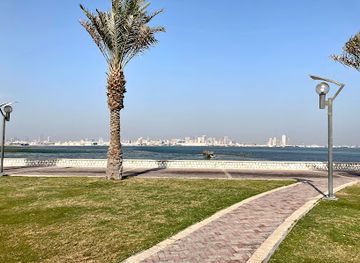
Escape to Sitra Park: A green oasis on Nabih Saleh Island offering recreation, relaxation, and scenic views of the Arabian Gulf.
-
Park
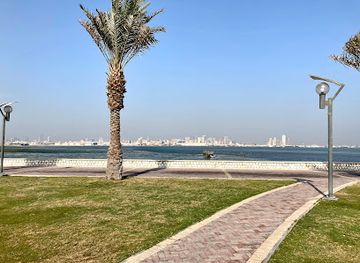
Sitra Bridge Walkway
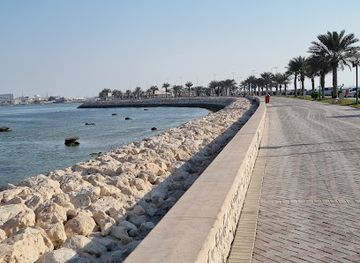
Experience Bahrain's beauty at Sitra Bridge Walkway: a waterfront park perfect for walks, jogging, and stunning sunset views over the Arabian Gulf.
-
Tourist attraction
Sitra fishing jetty
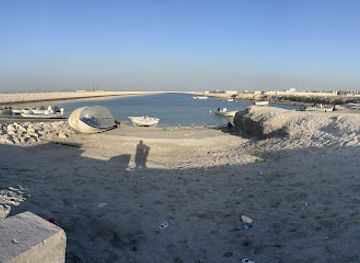
Experience Bahrain's authentic maritime culture at Sitra Fishing Jetty, a vibrant hub offering fresh seafood, stunning views, and a glimpse into local life.
-
Nature preserve
Buhair Valley
Discover Buhair Valley in Riffa: A geological wonder and natural haven with diverse birdlife and tranquil landscapes.

Best landmarks in Sitra Island
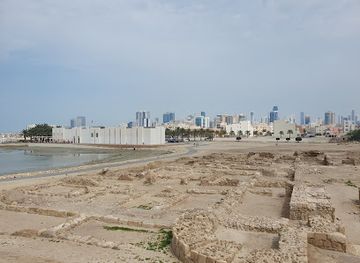
Sitra’s most recognisable landmarks are tied to movement, energy and the sea rather than monumental architecture. The causeway connections are important pieces of everyday infrastructure, linking the island’s residential communities with Bahrain’s metropolitan road network and offering broad views across the shallow Gulf waters. The refinery and associated petroleum storage landscape forms the island’s defining man-made landmark, reflecting the oil industry that transformed Bahrain after the 1930s; these are operational facilities, not places for unescorted visits, and photography may be restricted. The island’s local mosques, compact village streets and waterfront approaches provide a more intimate sense of its settled character, although they should be viewed respectfully and without intruding on private life. Sitra’s significance lies in the contrast between these ordinary community spaces and the scale of its industrial infrastructure. For monumental heritage such as historic houses, forts and archaeological remains, visitors need to continue to sites elsewhere in Bahrain, including Manama, Muharraq or the northern mainland, rather than attributing those landmarks to Sitra.
-
Historical landmark
Bab Al Bahrain
Discover Bahrain's heritage at Bab Al Bahrain, the iconic gateway to Manama Souq, where traditional architecture meets vibrant culture and a sensory feast awaits.
-
Fortress
Bahrain Fort
Explore Bahrain Fort: Uncover 4,000 years of history at this ancient capital and UNESCO World Heritage Site.
-
Park
Sitra Park
Escape to Sitra Park: A serene island retreat with lush greenery, recreational activities, and stunning Arabian Gulf views. Open 24/7!
-
Fortress
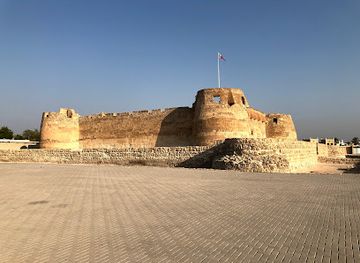
Arad Fort
Explore Arad Fort: A historic Islamic fortress in Bahrain, offering a glimpse into the island's rich military and cultural heritage.
Explore Sitra Island on the map
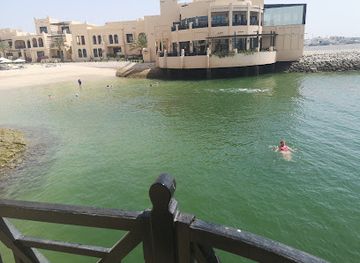
Plan your trip on one map. See where the top cities, national parks and sights are, and book hotels and experiences in a few clicks.
Best hotels in Sitra Island
Best restaurants in Sitra Island
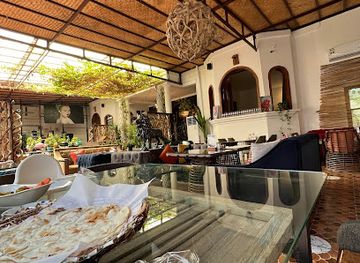
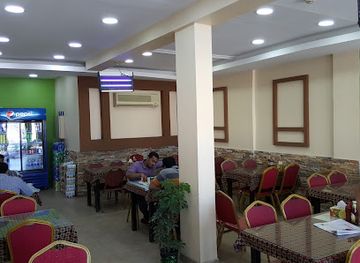
Dining on Sitra is largely local and practical, centred on small restaurants, cafés and takeaway businesses serving Bahraini and wider Gulf staples. Visitors may encounter rice dishes with fish or meat, grilled seafood, flatbreads, hummus, falafel, shawarma, karak tea and sweet dishes influenced by the Gulf’s long trading connections. The island’s coastal setting gives seafood a natural place in its food culture, although not every business is directly tied to local fishing and menus change. For a more varied restaurant scene, the Manama metropolitan area across the causeways offers established Bahraini cooking, Persian and South Asian food, cafés, hotel dining and contemporary international restaurants; these venues are outside Sitra and should be treated as nearby options rather than island establishments. Small eateries are generally more useful for experiencing everyday meals than for formal dining, while larger choices are concentrated on the mainland. During hot weather, eat indoors or choose a shaded setting, and carry cash for modest local businesses that may not accept cards.
-
Restaurant
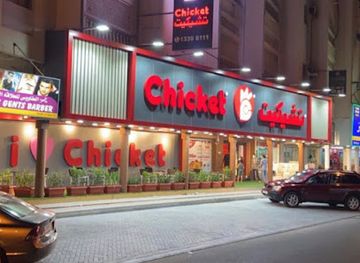
Chicket
Discover Chicket in Sitra – where delicious fried chicken meets Bahraini hospitality!
-
Restaurant
Al Roshinah Restaurant
Experience authentic Bahraini flavors at Al Roshinah Restaurant in Sanad - where tradition meets taste.
-
Restaurant
Al Naeem Grill
Discover authentic Middle Eastern flavors at Al Naeem Grill in Sitra – where every dish tells a story.
-
Restaurant
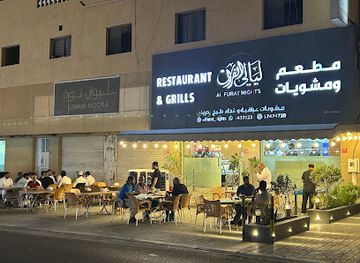
ليالي الفرات - Al Furat Nights Restaurant & Grills
Discover authentic Bahraini cuisine at Al Furat Nights Restaurant & Grills - where tradition meets flavor in every dish.
Best bars in Sitra Island
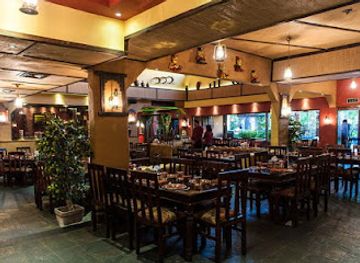
Sitra does not have a major independent nightlife district, and its evening character is shaped more by cafés, casual restaurants and neighbourhood social life than by clubs. After dark, the island’s industrial roads quieten while local food businesses and tea shops provide informal places to sit and eat. Visitors seeking licensed bars, hotel lounges, live music or nightclubs normally travel to Manama and the wider capital area, outside Sitra, where Bahrain’s principal international nightlife is concentrated. Alcohol is available only under national licensing rules and should be consumed in permitted venues, not in public or residential areas. Evening drives can be pleasant in cooler weather, but industrial zones are not leisure promenades and some roads may have restricted access. Check current venue arrangements independently, since businesses, entertainment programmes and opening patterns can change.
-
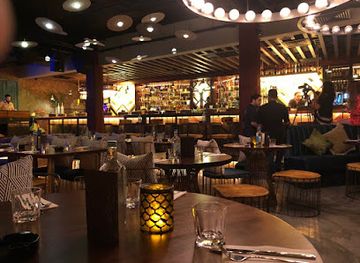
Lounge
LNT Lounge
Discover the lively spirit of Bahrain at LNT Lounge, where exquisite drinks and vibrant nightlife await in Manama's heart.
-
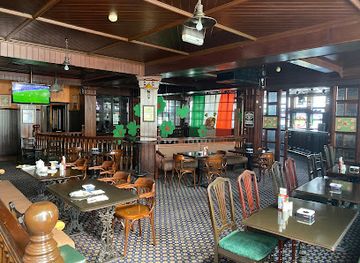
Irish pub
JJ's Irish Restaurant
Savor the essence of Ireland at JJ's Irish Restaurant, where hearty meals and a lively pub atmosphere await in Manama.
-
Restaurant
Hazel Rooftop Lounge
Experience luxury dining and stunning views at Hazel Rooftop Lounge in Manama, the ultimate destination for a vibrant night out.
-
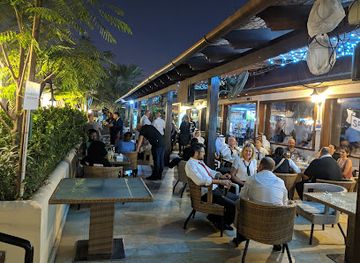
Bar
British Club
Experience the lively atmosphere of the British Club in Bahrain, a social haven for tourists featuring great food, drinks, and live entertainment.
Best nightclubs in Sitra Island
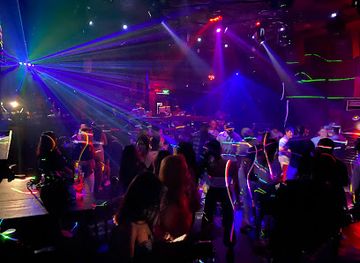
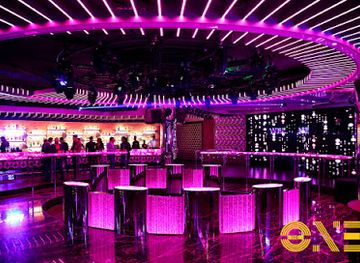
Sitra does not have a major independent nightlife district, and its evening character is shaped more by cafés, casual restaurants and neighbourhood social life than by clubs. After dark, the island’s industrial roads quieten while local food businesses and tea shops provide informal places to sit and eat. Visitors seeking licensed bars, hotel lounges, live music or nightclubs normally travel to Manama and the wider capital area, outside Sitra, where Bahrain’s principal international nightlife is concentrated. Alcohol is available only under national licensing rules and should be consumed in permitted venues, not in public or residential areas. Evening drives can be pleasant in cooler weather, but industrial zones are not leisure promenades and some roads may have restricted access. Check current venue arrangements independently, since businesses, entertainment programmes and opening patterns can change.
-
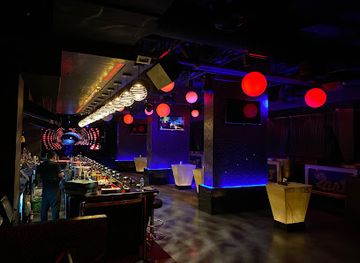
Disco club
Klub 360
Discover the electrifying nightlife at Klub 360, a top disco club in Manama offering vibrant music, great drinks, and unforgettable experiences.
-
Night club
Club Wrangler Bahrain
Experience the vibrant nightlife at Club Wrangler Bahrain, where electrifying music and exceptional service create unforgettable memories.
-
Night club
The One
Discover Manama's nightlife at The One, a premier club offering lively music, delicious drinks, and an unforgettable atmosphere.
-
Night club
Pulse Bahrain
Pulse Bahrain: An electrifying night club experience in Manama, blending Arabic beats with international vibes for unforgettable nights.

Best shops in Sitra Island
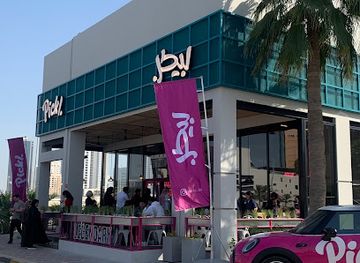
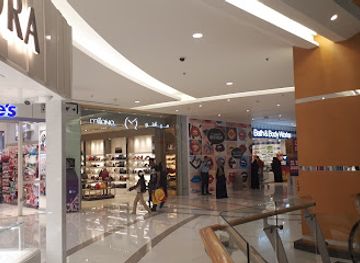
Shopping on Sitra is mainly local and functional, with neighbourhood groceries, small convenience shops, cafés and service businesses rather than a large destination retail centre. Visitors may find everyday Bahraini foods, dates, spices, tea, packaged sweets and modest household goods, but the island is not the primary place in Bahrain for antiques, designer shopping or extensive craft retail. For regional produce and souvenirs, the wider Manama area offers a broader selection of markets, supermarkets, specialist food shops and independent retailers, while Muharraq is better known for heritage-oriented shopping and traditional urban streets; both are outside Sitra. Buy food products in sealed packaging if they are intended for travel, and carry cash for smaller purchases. The most meaningful souvenir from the island is often an understanding of its maritime and industrial character rather than a product uniquely made there.
-
Shopping mall
The Avenues
Discover a world of shopping, dining, and entertainment at The Avenues, Manama's premier shopping destination.
-
Shopping mall
Al Aali Mall
Discover Al Aali Mall in Seef, Bahrain - a premier shopping destination featuring boutique stores, diverse dining, and family-friendly entertainment.
-
Shopping mall
Al Enma Mall
Experience the best of shopping, dining, and entertainment at Al Enma Mall in Riffa, Bahrain's vibrant shopping destination.
-
Shopping mall
Saar Mall
Explore Saar Mall in Bahrain - your ultimate shopping destination featuring a vibrant mix of stores, dining, and community events.

Get your free copy of our complete guide to Sitra Island, delivered straight to you.
Everything on this page, from attractions and restaurants to essentials and local phrases, in one PDF you can read offline, print or share.
Already have an account? Sign in
Your Sitra Island guide is ready.
We'll send it to · Not you? Sign out

Getting your guide ready…
We are putting together a fresh copy of the Sitra Island guide. This can take up to a minute.
This can take a few moments. If your browser asks, choose Allow so the download can start. You'll find the guide in your Downloads folder.
Nothing happened? Download it again
Sorry, the guide is taking longer than usual. Please try again in a minute, or get it by email instead.
Sitra Island essentials
Currency and Payment
Safety
Emergency Situations
Do's and Don'ts
Local Tips
From Eve
Local phrases worth knowing
You don't need to get them perfect. A few words go a long way, and locals appreciate the effort.
Basics
| English | Local | Say it |
|---|---|---|
| Hello | مرحبا | [Marhaban] |
| Goodbye | مع السلامة | [Ma'a as-salama] |
| Yes | نعم | [Na'am] |
| No | لا | [La] |
| Please/You're welcome | من فضلك | [Min fadlik] |
| Thank you | شكرا | [Shukran] |
| Excuse me/Sorry | عفوا | [Afwan] |
| How are you? | كيف حالك؟ | [Kayfa halak?] |
| Fine. And you? | بخير، وأنت؟ | [Bikhair, wa anta?] |
| Do you speak English? | هل تتحدث الإنجليزية؟ | [Hal tatahaddath al-ingliziyyah?] |
| I don't understand | لا أفهم | [La afham] |
Eating & Drinking
| English | Local | Say it |
|---|---|---|
| I'd like to see the menu, please | أود رؤية القائمة، من فضلك | [Awad ru'yat al-qa'imah, min fadlik] |
| I don't eat meat | لا أتناول اللحم | [La atanaawal al-lahm] |
| Cheers! | في صحتك! | [Fi sihhatak!] |
| I would like to pay, please | أود الدفع، من فضلك | [Awad ad-daf'a, min fadlik] |
Emergencies
| English | Local | Say it |
|---|---|---|
| Help! | المساعدة! | [Al-musa'adah!] |
| Go away! | ابتعد! | [Ibt'id!] |
| Call the Police! | اتصل بالشرطة! | [Ittasil bil-shurta!] |
| Call a doctor! | اتصل بطبيب! | [Ittasil bi-tabeeb!] |
| I'm lost | أنا ضائع | [Ana da'i'] |
| I'm ill | أنا مريض | [Ana marid] |
Shopping
| English | Local | Say it |
|---|---|---|
| I'd like to buy... | أود شراء... | [Awad shira'a...] |
| I'm just looking | أنا فقط أنظر | [Ana faqat anzur] |
| How much is it? | كم ثمنه؟ | [Kam thamanuh?] |
| That's too expensive | هذا غالي جدا | [Hatha ghali jidan] |
| Can you lower the price? | هل يمكنك تخفيض السعر؟ | [Hal yumkinuka takhfid as-si'r?] |
Time & Numbers
| English | Local | Say it |
|---|---|---|
| What time is it? | كم الساعة؟ | [Kam as-saa'ah?] |
| It's one o'clock | الساعة واحدة | [As-saa'ah wahidah] |
| Half past (10) | نصف (10) | [Nisf (10)] |
| Morning | صباحا | [Sabahan] |
| Afternoon | بعد الظهر | [Ba'd al-zuhar] |
| Evening | مساء | [Masa'a] |
| Yesterday | أمس | [Ams] |
| Today | اليوم | [Al-yawm] |
| Tomorrow | غدا | [Ghadan] |
| 1 | واحد | [Wahid] |
| 2 | اثنان | [Ithnan] |
| 3 | ثلاثة | [Thalatha] |
| 4 | أربعة | [Arba'a] |
| 5 | خمسة | [Khamsa] |
| 6 | ستة | [Sitta] |
| 7 | سبعة | [Sab'a] |
| 8 | ثمانية | [Thamaniyah] |
| 9 | تسعة | [Tis'a] |
| 10 | عشرة | [Ashara] |
Transport & Directions
| English | Local | Say it |
|---|---|---|
| Where's a/the...? | أين الـ...؟ | [Ayn al...?] |
| What's the address? | ما هو العنوان؟ | [Ma huwa al-'unwan?] |
| Can you show me (on the map)? | هل يمكنك أن تريني (على الخريطة)؟ | [Hal yumkinuka an turini (ala al-kharita)?] |
| When's the next (bus)? | متى يأتي (الباص) التالي؟ | [Mata ya'ti (al-bas) at-tali?] |
| A ticket (to ....) | تذكرة (إلى ....) | [Tadhkirah (ila ....)] |
History of Sitra Island
Dilmun’s Maritime World
Sitra forms part of the wider island environment associated with Dilmun, the ancient Gulf civilisation that flourished through maritime trade between Mesopotamia, eastern Arabia and the Indus region. Although Sitra is not principally known for a single monumental archaeological site, its coastal position belongs to the same shallow-water landscape that made Bahrain an important entrepôt in antiquity. Trade, fishing and movement by boat shaped settlement around the islands for centuries, establishing a maritime pattern that remained relevant long after Dilmun’s political prominence had faded.
Pearling, Fishing and Coastal Villages
Before the oil era, Sitra’s communities were connected to Bahrain’s traditional maritime economy. Pearling was conducted seasonally across the Gulf, while fishing, small-scale trade and boat-related work supported life around the coast. The island’s villages developed as close-knit settlements linked by kinship, religious institutions and access to the sea. The collapse of the Gulf pearl industry in the early twentieth century brought economic hardship across Bahrain, but fishing and coastal commerce continued to influence Sitra’s identity even as new industries began to dominate its shoreline.
The Arrival of Commercial Oil
Bahrain became the first Gulf state on which commercial oil was discovered, with drilling at Jebel Dukhan producing a major find in 1932. Production and export altered the kingdom’s economy, administration and built environment. Sitra’s strategic position near deep-water approaches and the capital made it suitable for petroleum storage, processing and maritime infrastructure. The development of these facilities changed the island from a primarily coastal community into an important component of Bahrain’s emerging oil network.
Sitra Refinery and Industrialisation
An oil refinery was established at Sitra in the 1930s, helping convert Bahrain’s new petroleum wealth into fuel and other refined products. The refinery and associated storage and port installations became prominent features of the island and supported the expansion of technical, transport and service employment. Industrialisation also encouraged migration, urban growth and new infrastructure across Bahrain. Sitra therefore represents not only an industrial site but also the physical consequences of the kingdom’s transition from a pearling economy to a modern hydrocarbon-based state.
War, Trade and the Gulf Waterfront
During the twentieth century, Sitra’s oil facilities and maritime position gave the island importance beyond local commerce. Petroleum infrastructure was connected to changing regional trade patterns and to the strategic significance of the Gulf during periods of international tension and war. Storage tanks, loading facilities and industrial roads became part of a modern waterfront landscape unlike the traditional fishing shores that preceded them. The island’s history consequently reflects the wider Gulf transformation in which ports, energy and international shipping reshaped coastal societies.
Reclamation and Contemporary Bahrain
Modern Sitra has been shaped by land reclamation, causeway construction, industrial expansion and the growth of Bahrain’s metropolitan area. These changes have brought residential districts and major infrastructure into closer relationship with the capital while reducing the prominence of some former shoreline activities. Today, local communities, marine traditions and heavy industry coexist within a compact and heavily used island environment. Sitra’s contemporary landscape illustrates Bahrain’s continuing negotiation between historic coastal settlement, economic development and limited land and water resources.
Sitra Island in Photos
Browse through our photo collection highlighting the charm and character of the destination.
Neighbouring regions of Sitra Island
The closest regions to Sitra Island, if you have time for more than one.
-

-

-

-

-


Swipe for more regions

