

Free Northern Region Travel Guide & Mobile App
Explore Northern Region with free travel guides. Discover regional history, expert tips, proposed trips, and audio guides on web or mobile app.


Explore Northern Bahrain for Dilmun archaeology, Bahrain Fort, village communities, palm landscapes and easy access to the island’s cultural heart.
Read more about Northern Region
When is the best time to visit Northern Region?
Best: May, September–October · 21–29°C| Month | High (°C) | Rainfall (mm) |
|---|---|---|
| January | 8 | 70 |
| February | 10 | 60 |
| March | 15 | 65 |
| April | 21 | 70 |
| May (best) | 26 | 80 |
| June | 31 | 90 |
| July | 34 | 100 |
| August | 34 | 90 |
| September (best) | 29 | 80 |
| October (best) | 21 | 70 |
| November | 14 | 65 |
| December | 7 | 70 |
Getting to and around Northern Region
How to get there
Transportation
Top city travel guides in Northern Region
The cities of Northern Region, and the easiest places to base yourself.
-

-

-


Swipe for more cities
Destinations in Northern Region
Resorts, valleys and scenic spots worth a trip of their own.

Swipe for more destinations
Best attractions in Northern Region
Northern Governorate’s attractions are centred on archaeology, village landscapes and the close relationship between Bahrain’s ancient history and its modern communities. Qal’at al-Bahrain, or Bahrain Fort, is the region’s principal heritage destination, combining a substantial fort with a vast settlement mound and a museum explaining the site’s Dilmun, Islamic and Portuguese layers. Inland, the remains at Barbar and Saar provide a more intimate encounter with ancient temples, homes and craft activity. These sites are not isolated rural ruins: they stand among roads, houses, mosques and surviving palm-growing areas, giving visitors a sense of historical continuity. The villages of Budaiya, Diraz, Bani Jamra and surrounding communities offer opportunities to observe local architecture, small shops, cafés and everyday life, while the northern coast provides sea views and quieter evening settings rather than a resort-style beach circuit. Visitors interested in traditional crafts can also look for cultural and handicraft experiences in the wider northern settlements, subject to current opening arrangements. The region is compact enough for a day of sightseeing, but its archaeological importance rewards slower visits and some advance planning.
-
Shopping mall
Dragon City Bahrain
Experience a unique fusion of Chinese culture and Bahraini hospitality at Dragon City, the Kingdom's largest retail and wholesale hub.
-
Tourist attraction
The Pearl Monument
A symbol of Qatar's pearling history, the Pearl Monument on Doha's Corniche offers stunning views and a glimpse into the nation's heritage.
-
Mosque
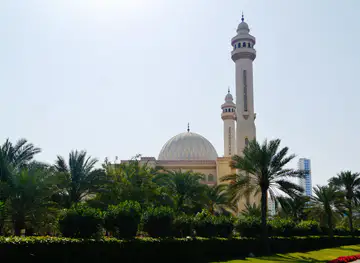
Al Fateh Grand Mosque
Discover Bahrain's iconic Al Fateh Grand Mosque: a majestic blend of Islamic architecture, history, and cultural significance in the heart of Manama.
-
Fortress
Bahrain Fort
Discover Bahrain's ancient capital at Qal'at al-Bahrain, a UNESCO World Heritage Site with 4,500 years of history and stunning coastal views.


Best landmarks in Northern Region
Bahrain Fort is Northern Bahrain’s most recognisable landmark, its stone walls and towers rising from a broad archaeological mound beside the former harbour. The visible fort belongs largely to the medieval and Portuguese-era history of the site, while the layers beneath it connect the monument to Dilmun’s ancient trading world. The Barbar Temple ruins are important for their massive stone elements and evidence of a long-lived religious complex dating to the Dilmun period. At Saar, the archaeological remains are less monumental but significant for revealing the structure of an ancient settlement, including domestic and craft areas. The northern villages add a different kind of landmark character: mosques, traditional compounds, palm gardens and older lanes persist amid modern housing in places such as Diraz, Barbar and Budaiya. Along the coast near Karbabad and the fort, the open horizon and low shoreline form a geographical counterpoint to the crowded urban areas further east. Together, these places show Northern Governorate as a layered cultural landscape rather than a collection of isolated monuments.
-
Shopping mall
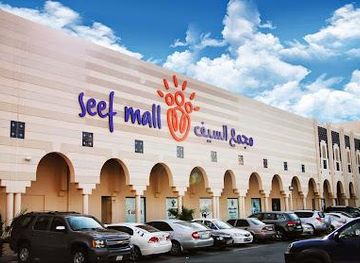
Seef Mall
Discover Seef Mall in Manama: A premier destination for shopping, dining, and entertainment with over 300 outlets and family-friendly attractions.
-
Water park
The Lost Paradise of Dilmun Water Park
Experience Bahrain's largest water park, a thrilling escape into a world of ancient history and aquatic adventures for the whole family.
-
Historical landmark
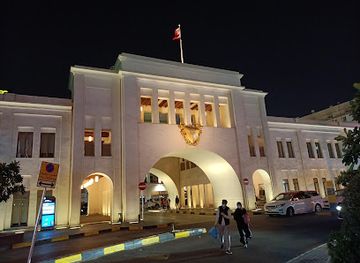
Bab Al Bahrain
Explore Bahrain's history at Bab Al Bahrain, the iconic gateway to Manama's vibrant souq and cultural heart.
-
Park
Marina Beach Garden Park
Escape to Manama's scenic Marina Beach Garden Park: a 24/7 coastal oasis with walking paths, play areas, and stunning Gulf views.



Explore Northern Region on the map
Plan your trip on one map. See where the top cities, national parks and sights are, and book hotels and experiences in a few clicks.
Best hotels in Northern Region
Best restaurants in Northern Region
Dining in Northern Governorate is shaped by Bahraini home cooking, Gulf flavours and the practical food culture of established villages and expanding residential areas. Restaurants and cafés in Saar, Budaiya, Hamad Town and nearby communities offer machboos, grilled meats, rice dishes, flatbreads, hummus, falafel and seafood, alongside South Asian and international cuisines reflecting Bahrain’s diverse population. Bahraini specialities such as muhammar, a sweet rice dish often served with fish, and spiced breakfast dishes can appear on local menus, although availability varies by establishment. Bakeries and casual cafés are useful for flatbreads, savoury pastries, karak tea and Arabic coffee, while family restaurants tend to be more prominent than destination fine dining. The coastal setting does not mean every restaurant specialises in seafood, but fish and prawns are common across the island’s wider culinary culture. For a more local experience, combine heritage sightseeing with a meal in a village commercial area and ask staff about daily dishes rather than relying only on international hotel restaurants.
-
Middle Eastern
Zyara Restaurant
Discover the essence of Middle Eastern cuisine at Zyara Restaurant in Karbabad - where flavor meets tradition.
-
Restaurant
Coco's
Discover the vibrant flavors of Bahrain at Coco's - where tradition meets modernity in an unforgettable dining experience.
-
Middle Eastern
Villa Mamas Bahrain
Discover the exquisite flavors of Middle Eastern cuisine at Villa Mamas Bahrain, where fine dining meets organic excellence.
-
French
Café Lilou
Experience the charm of French cuisine at Café Lilou in Adliya - where every bite tells a story.


Best bars in Northern Region
Northern Governorate has a relatively restrained nightlife scene, with evening life focused on cafés, restaurants, family gatherings and local commercial streets rather than a concentrated club district. Saar, Budaiya and larger urban areas contain cafés open into the evening, where visitors can find tea, coffee, desserts and informal meals. Some licensed hotel and restaurant venues in Bahrain offer alcohol, but the most substantial bar and nightclub selection is generally associated with Manama and major hotels outside the governorate. In Northern Bahrain, the more characteristic evening activity is a late meal, a café visit or a drive through the villages and coastal roads when temperatures are lower. Opening arrangements and licensed alcohol service vary, particularly during Ramadan and other religious periods, so visitors should check locally and dress appropriately.
-
Lounge
LNT Lounge
Experience the dynamic nightlife at LNT Lounge in Manama, where exquisite drinks meet a vibrant atmosphere for an unforgettable night out.
-
Irish pub
JJ's Irish Restaurant
Discover the heart of Irish hospitality at JJ's Irish Restaurant in Manama, where delicious cuisine meets a lively pub atmosphere.
-
Restaurant
Hazel Rooftop Lounge
Discover the exquisite dining experience at Hazel Rooftop Lounge in Manama, where luxury meets breathtaking views and exceptional cuisine.
-
Pub
Old Beams Restaurant
Discover the charm of Old Beams Restaurant in Manama, where history meets modern dining in a cozy and welcoming pub atmosphere.


Best nightclubs in Northern Region
Northern Governorate has a relatively restrained nightlife scene, with evening life focused on cafés, restaurants, family gatherings and local commercial streets rather than a concentrated club district. Saar, Budaiya and larger urban areas contain cafés open into the evening, where visitors can find tea, coffee, desserts and informal meals. Some licensed hotel and restaurant venues in Bahrain offer alcohol, but the most substantial bar and nightclub selection is generally associated with Manama and major hotels outside the governorate. In Northern Bahrain, the more characteristic evening activity is a late meal, a café visit or a drive through the villages and coastal roads when temperatures are lower. Opening arrangements and licensed alcohol service vary, particularly during Ramadan and other religious periods, so visitors should check locally and dress appropriately.
-
Lounge
LNT Lounge
Experience the vibrant nightlife of Manama at LNT Lounge, where delicious cuisine meets a lively atmosphere.
-
Night club
W Club Lounge
Experience the energy of Seef at W Club Lounge, where exceptional cocktails, vibrant music, and unforgettable nights come together.
-
Disco club
Klub 360
Dive into the electrifying nightlife at Klub 360, Manama's premier disco club and lounge with top DJs and an unforgettable atmosphere.
-
Night club
Club Wrangler Bahrain
Discover the ultimate nightlife experience at Club Wrangler Bahrain, where vibrant music and an energetic atmosphere create unforgettable nights.



Best shops in Northern Region
Shopping in Northern Governorate is primarily local and practical, centred on neighbourhood retail strips, supermarkets, bakeries, cafés and independent shops rather than a major luxury mall district. Saar, Budaiya and Hamad Town are useful areas for everyday goods, mobile services, clothing, sweets and casual dining, while smaller village shops provide a closer view of ordinary local commerce. Visitors looking for regional products can seek out Bahraini dates, Arabic sweets, spices, coffee, perfumes and packaged foods, checking labels and provenance when buying gifts. Traditional craft associations and cultural centres in the northern villages may offer opportunities to see or purchase handmade work, including palm-based items and other crafts, although availability and opening arrangements change. For a broader selection of high-end retail and international brands, Manama and larger shopping developments elsewhere on the island are more appropriate and lie outside Northern Governorate. Bargaining is not expected in ordinary fixed-price shops, though polite negotiation may be possible in some independent or market-style settings.
-
Shopping mall
The Avenues
Discover The Avenues, Bahrain's premier shopping mall, featuring luxury brands, diverse dining options, and vibrant entertainment for all ages.
-
Shopping mall
Dragon City Bahrain
Shop, dine, and explore the cultural essence of Bahrain at Dragon City – a vibrant shopping paradise for all.
-
Shopping mall
Seef Mall
Explore Seef Mall in Manama for a unique shopping experience with diverse dining and entertainment options in a vibrant atmosphere.
-
Shopping mall
Ramli Mall
Discover the ultimate shopping experience at Ramli Mall, A'ali's top destination for shopping, dining, and entertainment.



Get your free copy of our complete guide to Northern Region, delivered straight to you.
Everything on this page, from attractions and restaurants to essentials and local phrases, in one PDF you can read offline, print or share.
Already have an account? Sign in
Your Northern Region guide is ready.
We'll send it to · Not you? Sign out

Getting your guide ready…
We are putting together a fresh copy of the Northern Region guide. This can take up to a minute.
This can take a few moments. If your browser asks, choose Allow so the download can start. You'll find the guide in your Downloads folder.
Nothing happened? Download it again
Sorry, the guide is taking longer than usual. Please try again in a minute, or get it by email instead.
Northern Region essentials
Currency and Payment
Safety
Emergency Situations
Do's and Don'ts
Local Tips
From Eve
Local phrases worth knowing
You don't need to get them perfect. A few words go a long way, and locals appreciate the effort.
Basics
| English | Local | Say it |
|---|---|---|
| Hello | Hi | [Hai] |
| Goodbye | Bye | [Bai] |
| Yes | Yeah | [Yea] |
| No | Nope | [Nope] |
| Please/You're welcome | Sure | [Shur] |
| Thank you | Thanks | [Thangs] |
| Excuse me/Sorry | Sorry | [Sori] |
| How are you? | How's it going? | [Hows it goin?] |
| Fine. And you? | Good. You? | [Gud. Yoo?] |
| Do you speak English? | Do you know English? | [Do you no English?] |
| I don't understand | I don't get it | [I dont get it] |
Eating & Drinking
| English | Local | Say it |
|---|---|---|
| I'd like to see the menu, please | Can I see the menu? | [Can I see the menu?] |
| I don't eat meat | I don't do meat | [I dont do meat] |
| Cheers! | Cheers! | [Cheers!] |
| I would like to pay, please | Can I get the bill? | [Can I get the bill?] |
Emergencies
| English | Local | Say it |
|---|---|---|
| Help! | Help! | [Help!] |
| Go away! | Leave me alone! | [Leav me alone!] |
| Call the Police! | Call the cops! | [Call the cops!] |
| Call a doctor! | Get a doctor! | [Get a doctor!] |
| I'm lost | I'm lost | [I'm lost] |
| I'm ill | I'm not feeling well | [I'm not feelin well] |
Shopping
| English | Local | Say it |
|---|---|---|
| I'd like to buy... | I want to buy... | [I want to buy...] |
| I'm just looking | I'm just browsing | [I'm just browsing] |
| How much is it? | What's the price? | [Wats the price?] |
| That's too expensive | That's way too much | [That's way too much] |
| Can you lower the price? | Can you make it cheaper? | [Can you make it cheaper?] |
Time & Numbers
| English | Local | Say it |
|---|---|---|
| What time is it? | What time? | [Wut time?] |
| It's one o'clock | It's 1 o'clock | [It's 1 o'clock] |
| Half past (10) | Half past 10 | [Half past 10] |
| Morning | Morning | [Morning] |
| Afternoon | Afternoon | [Afternoon] |
| Evening | Evening | [Evening] |
| Yesterday | Yesterday | [Yesterday] |
| Today | Today | [Today] |
| Tomorrow | Tomorrow | [Tomorrow] |
| 1 | One | [One] |
| 2 | Two | [Two] |
| 3 | Three | [Three] |
| 4 | Four | [Four] |
| 5 | Five | [Five] |
| 6 | Six | [Six] |
| 7 | Seven | [Seven] |
| 8 | Eight | [Eight] |
| 9 | Nine | [Nine] |
| 10 | Ten | [Ten] |
Transport & Directions
| English | Local | Say it |
|---|---|---|
| Where's a/the...? | Where's the ...? | [Where's the ...?] |
| What's the address? | What's the address? | [What's the address?] |
| Can you show me (on the map)? | Can you point it out? | [Can you point it out?] |
| When's the next (bus)? | When's the next bus? | [When's the next bus?] |
| A ticket (to ....) | A ticket to ... | [A ticket to ...] |
History of Northern Region
Dilmun and the Early Settled Landscape
From the third millennium BCE, Bahrain was a central place in Dilmun, a Gulf civilisation whose prosperity depended on maritime trade between Mesopotamia, Arabia and the wider Indian Ocean world. Northern Bahrain contains important evidence of this period, including temple remains at Barbar, the settlement at Saar and extensive burial landscapes elsewhere on the island. Freshwater springs, date cultivation and access to sea routes supported permanent communities. The archaeological remains show that the northern part of the island was not merely a peripheral settlement but part of a sophisticated network of religious, commercial and social life.
Barbar Temple and Dilmun Religious Practice
The temple complex at Barbar represents several phases of Dilmun religious construction dating broadly from the third to the second millennium BCE. Its monumental stone architecture, ceremonial features and associated water installation suggest a site of considerable ritual importance. Although much of the wider settlement has disappeared beneath later development, the surviving remains demonstrate the technical skill and religious organisation of ancient Bahrain. The temple is especially significant because it connects Northern Bahrain’s modern villages with a much older sacred landscape that had maritime links across the Gulf.
Saar Settlement and the Ancient Villages
The archaeological site at Saar preserves the remains of a substantial Dilmun-era settlement, including domestic buildings, craft areas and burial evidence. Excavations have helped historians reconstruct how people lived beyond the island’s ceremonial centres, including the organisation of homes, production and community space. Saar’s importance lies in this everyday perspective: it complements the more monumental evidence at Barbar and Bahrain Fort. The site also illustrates how ancient settlements were later overlaid by the continuing occupation and agricultural use that characterise Northern Bahrain.
Qal’at al-Bahrain and the Ancient Harbour
Qal’at al-Bahrain is built over a large archaeological mound formed by successive settlements dating back to the Dilmun period. Its location beside a former harbour helped make the area a centre of administration and trade. The surviving fort is a later structure, but the mound beneath it records changing political powers, commercial connections and patterns of urban life over thousands of years. Recognised as a UNESCO World Heritage Site in 2005, the site is one of the clearest places in Northern Bahrain to understand the island’s long role in Gulf history.
Islamic and Portuguese Bahrain
Northern Bahrain continued to matter after the ancient Dilmun period, as new Islamic settlements and trading networks developed around the island. Qal’at al-Bahrain’s later fortifications belong to this continuing strategic history. Portuguese forces captured Bahrain in 1521 and used the fort as part of their effort to control Gulf trade routes, before their rule ended in the early seventeenth century. The site’s layered architecture reflects this succession of powers more effectively than a single-period monument would, linking medieval regional politics with the maritime competition of the early modern Gulf.
Pearling, Agriculture and Village Society
For centuries, Northern Bahrain’s communities combined date cultivation, fishing, seafaring and the pearling economy. Coastal villages supplied divers, boatmen, merchants and craftspeople, while inland palm gardens depended on the island’s traditional water resources. The collapse of the pearling economy in the 1930s, followed by the growth of oil and modern commerce, altered work and settlement patterns across Bahrain. Older village layouts, palm plots, craft traditions and coastal memories remain important reminders of this earlier social and economic order, even where modern roads and housing have transformed the landscape.
Modern Urban Expansion
The twentieth and early twenty-first centuries brought rapid population growth, new roads, public services and large residential developments to Northern Bahrain. Hamad Town became one of the most prominent planned urban areas, while older communities such as Saar, Barbar, Diraz and Budaiya expanded alongside new housing. This transformation created a mixed landscape in which archaeological sites, mosques, family compounds, commercial strips and remaining agricultural land stand close together. Northern Governorate therefore offers visitors a practical view of Bahrain’s transition from village and pearling society to a densely connected modern state.
Northern Region in Photos
Browse through our photo collection highlighting the charm and character of the destination.
Neighbouring regions of Northern Region
The closest regions to Northern Region, if you have time for more than one.
-
-

-

-

-


Swipe for more regions
Explore more

Explore more of Bahrain
Discover Bahrain, where modernity meets history, from bustling markets to ancient ruins, and from luxurious shopping to serene beaches.
Explore Bahrain