

Free Jid Ali Travel Guide & Mobile App
Explore Jid Ali with free travel guides. Discover regional history, expert tips, proposed trips, and audio guides on web or mobile app.


Jid Ali offers a practical base for exploring central Bahrain, with local cafés, suburban life and easy access to A’ali and Isa Town.
Read more about Jid Ali
When is the best time to visit Jid Ali?
Best: March, November–December · 22–28°C| Month | High (°C) | Rainfall (mm) |
|---|---|---|
| January | 20 | 16 |
| February | 22 | 13 |
| March (best) | 25 | 10 |
| April | 31 | 3 |
| May | 37 | 1 |
| June | 39 | 0 |
| July | 41 | 0 |
| August | 40 | 0 |
| September | 38 | 0 |
| October | 34 | 3 |
| November (best) | 28 | 8 |
| December (best) | 22 | 13 |
Getting to and around Jid Ali
How to get there
Transportation
Top city travel guides in Jid Ali
The cities of Jid Ali, and the easiest places to base yourself.

Swipe for more cities
Best attractions in Jid Ali
Jid Ali’s attractions are modest and closely tied to everyday life rather than a formal tourist circuit. The settlement offers a useful view of central Bahrain’s residential landscape, where family homes, local mosques, small groceries, cafés and roadside businesses stand alongside newer development. Its principal advantage is access: short road journeys connect visitors with the archaeological and craft traditions of neighbouring A’ali, the commercial life of Isa Town and the larger urban districts around Riffa. These places lie outside Jid Ali and should be treated as separate excursions. There is little reason to expect a concentration of museums, monumental ruins or landscaped visitor complexes within the locality itself. Instead, Jid Ali works well for travellers interested in contemporary Bahrain, local food and the gradual joining of formerly distinct villages into one metropolitan area. The flat terrain and compact geography also make it a practical starting point for exploring the island by car, taxi or organised tour, provided each destination is checked individually before setting out.
-
Theme park
Kids Kingdom
Manama's premier family theme park on the scenic Sea Front, offering thrilling rides and interactive fun for unforgettable memories.
-
Park
King Faisal Corniche
Experience the beauty of Bahrain at King Faisal Corniche: panoramic views, cultural landmarks, and a vibrant waterfront atmosphere in the heart of Manama.
-
Park
The Avenues Park
Escape to tranquility at The Avenues Park in Manama, a green oasis offering relaxation, recreation, and community engagement amidst the city bustle.
-
Amusement park
Jumpup Trampoline Park
Experience high-flying fun at Bahrain's first trampoline park! Perfect for families, friends, and thrill-seekers of all ages in Tubli.


Best landmarks in Jid Ali
Jid Ali is not defined by a major castle, historic mosque complex or monumental civic building, and its most representative landmarks are the ordinary features of a long-established Bahraini residential settlement: local mosques, neighbourhood streets, family compounds and the roads linking it with surrounding communities. The locality’s principal landmark value is therefore geographical, showing how central Bahrain’s villages have become connected through suburban growth. Nearby A’ali, outside Jid Ali, is associated with one of Bahrain’s most important concentrations of ancient burial mounds, which provide a visible link to the island’s Dilmun-era archaeological heritage. Isa Town, also outside the locality, offers a contrasting urban setting with larger public and commercial facilities. Visitors should distinguish these neighbouring destinations from Jid Ali itself, whose significance lies in its lived-in character and position within Bahrain’s continuously developing central plain.
-
Water park
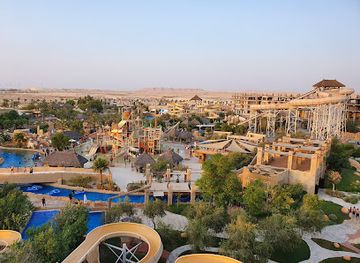
The Lost Paradise of Dilmun Water Park
Experience thrilling water rides and ancient history at Bahrain's largest water park, a unique family destination.
-
Historical landmark
Bab Al Bahrain
Explore Bahrain's heritage at Bab Al Bahrain, the iconic gateway to Manama Souq, offering a vibrant cultural and shopping experience.
-
Hotel
Four Seasons Hotel Bahrain Bay
Experience luxury and serenity at Four Seasons Hotel Bahrain Bay, an iconic island retreat in the heart of Manama with stunning views.
-
Wildlife park
Al Areen Wildlife Park
Discover Arabian wildlife at Al Areen Wildlife Park, a conservation center dedicated to preserving endangered species and promoting environmental awareness.


Explore Jid Ali on the map
Plan your trip on one map. See where the top cities, national parks and sights are, and book hotels and experiences in a few clicks.
Best hotels in Jid Ali
Best restaurants in Jid Ali
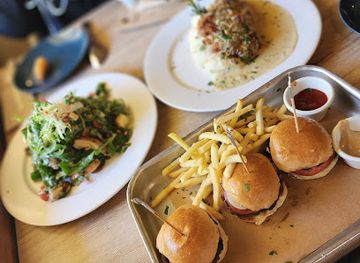
Dining in Jid Ali is primarily local and informal, with neighbourhood cafés, bakeries, tea shops and casual restaurants serving the mixed culinary influences found across Bahrain. Visitors can expect Gulf-style rice and grilled dishes alongside Arabic mezze, flatbreads, shawarma, South Asian curries, biryani and inexpensive snacks. Fresh juices, karak tea and Arabic coffee are common choices for a short stop, while bakeries provide practical breakfasts and breads for the road. The locality is not known as a concentrated fine-dining destination, so more elaborate restaurant experiences are generally found in larger commercial or hotel districts elsewhere on the island. Small establishments can be busy at mealtimes and may have limited English-language menus, although staff often accommodate international visitors. Bahrain’s wider food culture is best understood by combining a Jid Ali café or takeaway with markets, traditional food areas and restaurants in neighbouring towns.
-
Persian
Tabreez Restaurant
Discover exquisite Persian flavors at Tabreez Restaurant in South Sehla - a must-visit dining experience for food lovers.
-
Restaurant
AYSHA BAHLOOL RESTAURANT
Experience authentic Bahraini cuisine at Aysha Bahlool Restaurant in Manama—where every dish tells a story.
-
Restaurant
Coco's
Experience the vibrant flavors of Bahrain at Coco's Restaurant in Manama – where every meal is a celebration.
-
Indian
Karavali Restaurant
Discover authentic South Indian seafood delights at Karavali Restaurant in Manama - where flavor meets tradition.



Best bars in Jid Ali
Jid Ali has no major nightlife district and evening activity is largely neighbourhood-based. Residents and visitors generally spend evenings in cafés, tea shops, casual restaurants and family-oriented food venues rather than in dedicated clubs. The atmosphere becomes livelier after sunset, particularly during cooler months, but it remains dispersed across local streets and commercial roads. Larger hotels and entertainment venues elsewhere in Bahrain provide the country’s more developed bar, live-music and nightclub options; these are outside Jid Ali and require road transport. Alcohol is available only in licensed establishments and is not a feature of ordinary neighbourhood life. For a locally grounded evening, a late meal, karak tea or a drive through the surrounding central districts is more representative than searching for a concentrated club scene.
-
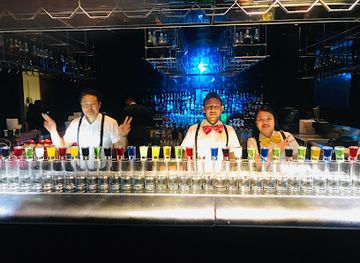
Lounge
LNT Lounge
Discover the lively ambiance of LNT Lounge in Manama, Bahrain, where exquisite drinks and culinary delights meet vibrant nightlife.
-
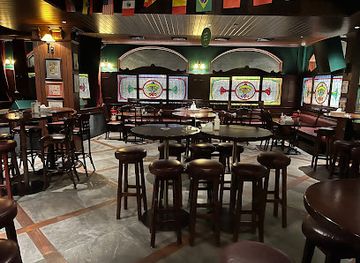
Irish pub
JJ's Irish Restaurant
Discover the heart of Irish cuisine and culture at JJ's Irish Restaurant, a lively spot in Manama blending authentic flavors with unforgettable entertainment.
-
Restaurant
Hazel Rooftop Lounge
Indulge in a luxurious dining experience with stunning skyline views at Hazel Rooftop Lounge in the heart of Manama, Bahrain.
-
Pub
Old Beams Restaurant
Discover the inviting atmosphere and delicious cuisine at Old Beams Restaurant, a beloved pub in the heart of Manama's Adliya district.



Best nightclubs in Jid Ali
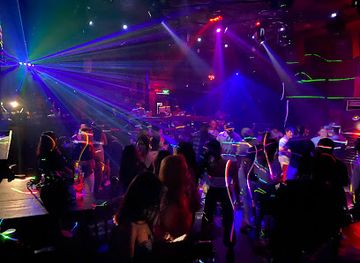
Jid Ali has no major nightlife district and evening activity is largely neighbourhood-based. Residents and visitors generally spend evenings in cafés, tea shops, casual restaurants and family-oriented food venues rather than in dedicated clubs. The atmosphere becomes livelier after sunset, particularly during cooler months, but it remains dispersed across local streets and commercial roads. Larger hotels and entertainment venues elsewhere in Bahrain provide the country’s more developed bar, live-music and nightclub options; these are outside Jid Ali and require road transport. Alcohol is available only in licensed establishments and is not a feature of ordinary neighbourhood life. For a locally grounded evening, a late meal, karak tea or a drive through the surrounding central districts is more representative than searching for a concentrated club scene.
-
Night club
W Club Lounge
Discover the electrifying nightlife at W Club Lounge in Seef, Bahrain, where exceptional drinks and live entertainment create unforgettable experiences.
-
Night club
Club Wrangler Bahrain
Experience the vibrant nightlife of Manama at Club Wrangler Bahrain, where dance and music create unforgettable memories in a stylish atmosphere.
-
Night club
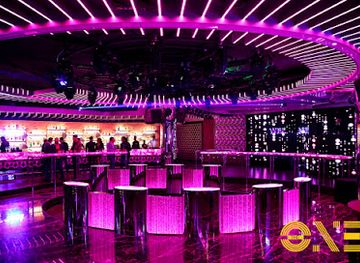
The One
Discover the energy of Manama's nightlife at The One, an iconic night club offering unforgettable music, dancing, and camaraderie.
-
Night club
Cavallo club
Discover Cavallo Club, a vibrant nightlife hotspot in Manama, Bahrain, where dancing and socializing create unforgettable memories.

Best shops in Jid Ali
Shopping in Jid Ali is practical and neighbourhood-centred, with small groceries, bakeries, pharmacies, mobile-phone shops and everyday service businesses rather than a major destination mall. Local stores are useful for bottled water, snacks, toiletries and inexpensive food for day trips. For a broader retail experience, visitors can travel to the commercial areas of Isa Town, A’ali, Riffa or Manama, all outside Jid Ali, where larger shops, supermarkets and specialist businesses are available. Bahrain’s regional products, including dates, sweets, spices, coffee and packaged food, make suitable purchases, while traditional crafts and souvenirs are easier to find in established markets and heritage-oriented shopping areas elsewhere on the island. Bargaining should not be assumed in ordinary fixed-price shops, though it may be accepted in some traditional market settings. Check transport and opening arrangements before making a dedicated shopping journey.
-
Shopping mall
Seef Mall - Isa Town
Experience shopping, dining, and entertainment at Seef Mall, the heart of Isa Town's vibrant retail scene.
-
Game store
Ice Games
Discover the ultimate gaming experience at Ice Games in Jid Ali, where excitement meets a vast selection of video games and accessories.
-
 Gift shop
Details Concept Store & Online Shop
Explore the exquisite collection of gifts, furniture, and decor at Details Concept Store in Bahrain Mall, where unique finds await every visitor.
-
Shopping mall
Bahrain_unique
Explore Bahrain Unique, a shopping haven in Manama offering a diverse mix of brands, delightful dining, and family-friendly entertainment for tourists.


Get your free copy of our complete guide to Jid Ali, delivered straight to you.
Everything on this page, from attractions and restaurants to essentials and local phrases, in one PDF you can read offline, print or share.
Already have an account? Sign in
Your Jid Ali guide is ready.
We'll send it to · Not you? Sign out

Getting your guide ready…
We are putting together a fresh copy of the Jid Ali guide. This can take up to a minute.
This can take a few moments. If your browser asks, choose Allow so the download can start. You'll find the guide in your Downloads folder.
Nothing happened? Download it again
Sorry, the guide is taking longer than usual. Please try again in a minute, or get it by email instead.
Jid Ali essentials
Currency and Payment
Safety
Emergency Situations
Do's and Don'ts
Local Tips
From Eve
Local phrases worth knowing
You don't need to get them perfect. A few words go a long way, and locals appreciate the effort.
Basics
| English | Local | Say it |
|---|---|---|
| Hello | مرحبا | [Marhaban] |
| Goodbye | مع السلامة | [Ma'a as-salama] |
| Yes | نعم | [Na'am] |
| No | لا | [La] |
| Please/You're welcome | من فضلك | [Min fadlik] |
| Thank you | شكرا | [Shukran] |
| Excuse me/Sorry | عذرا | [Udhraan] |
| How are you? | كيف حالك؟ | [Kayfa halak?] |
| Fine. And you? | بخير. وانت؟ | [Bikhayr. Wa anta?] |
| Do you speak English? | هل تتحدث الإنجليزية؟ | [Hal tatahaddath al-ingliziya?] |
| I don't understand | لا أفهم | [La afham] |
Eating & Drinking
| English | Local | Say it |
|---|---|---|
| I'd like to see the menu, please | أود رؤية القائمة، من فضلك | [Awad ru'yat al-qaimah, min fadlik] |
| I don't eat meat | لا آكل اللحم | [La akul al-lahm] |
| Cheers! | في صحتك! | [Fi sihtak!] |
| I would like to pay, please | أود الدفع، من فضلك | [Awad ad-daf', min fadlik] |
Emergencies
| English | Local | Say it |
|---|---|---|
| Help! | نجدة! | [Najda!] |
| Go away! | ابتعد! | [Ibt'id!] |
| Call the Police! | اتصل بالشرطة! | [Ittasil bil-shurta!] |
| Call a doctor! | اتصل بالطبيب! | [Ittasil bil-tabeeb!] |
| I'm lost | أنا ضائع | [Ana da'i'] |
| I'm ill | أنا مريض | [Ana marid] |
Shopping
| English | Local | Say it |
|---|---|---|
| I'd like to buy... | أود شراء... | [Awad shir'a...] |
| I'm just looking | أنا فقط أنظر | [Ana faqat anzur] |
| How much is it? | كم ثمنه؟ | [Kam thamanu?] |
| That's too expensive | هذا مكلف جدا | [Hatha mukallaf jiddan] |
| Can you lower the price? | هل يمكنك تخفيض السعر؟ | [Hal yumkinuka takhfid as-si'r?] |
Time & Numbers
| English | Local | Say it |
|---|---|---|
| What time is it? | كم الساعة؟ | [Kam as-saa'a?] |
| It's one o'clock | الساعة الواحدة | [As-saa'a al-wahidah] |
| Half past (10) | نصف بعد (10) | [Nisf ba'd (10)] |
| Morning | صباحا | [Sabahan] |
| Afternoon | بعد الظهر | [Ba'd al-zuhur] |
| Evening | مساء | [Masa'a] |
| Yesterday | أمس | [Ams] |
| Today | اليوم | [Al-yawm] |
| Tomorrow | غدا | [Ghadan] |
| 1 | واحد | [Wahid] |
| 2 | اثنان | [Ithnan] |
| 3 | ثلاثة | [Thalatha] |
| 4 | أربعة | [Arba'a] |
| 5 | خمسة | [Khamsa] |
| 6 | ستة | [Sitta] |
| 7 | سبعة | [Sab'a] |
| 8 | ثمانية | [Thamaniya] |
| 9 | تسعة | [Tis'a] |
| 10 | عشرة | [Ashara] |
Transport & Directions
| English | Local | Say it |
|---|---|---|
| Where's a/the...? | أين...؟ | [Ayna...?] |
| What's the address? | ما هو العنوان؟ | [Ma huwa al-'unwan?] |
| Can you show me (on the map)? | هل يمكنك أن تريني (على الخريطة)؟ | [Hal yumkinuka an turini (ala al-kharita)?] |
| When's the next (bus)? | متى يأتي (الحافلة) التالية؟ | [Mata ya'ti (al-hafilah) at-taliya?] |
| A ticket (to ....) | تذكرة (إلى....) | [Tadhkirah (ila....)] |
History of Jid Ali
Dilmun and the Early Settlement of Bahrain
Bahrain was the centre of Dilmun, an influential Bronze Age trading civilisation that connected Mesopotamia with the Arabian Peninsula and the wider Gulf. The principal archaeological evidence is concentrated elsewhere on the island, particularly around burial fields and ancient settlement sites near A’ali and the north-western coast, rather than being a clearly defined monument within Jid Ali. Nevertheless, Jid Ali’s position in central Bahrain places it within the same inhabited island landscape that supported agriculture, trade and burial traditions over many centuries. The survival of archaeological sites around neighbouring communities gives the locality a deeper historical setting than its modern suburban appearance suggests.
Tylos, Islam and the Medieval Gulf
After the Dilmun period, Bahrain was known in the Hellenistic and later classical world as Tylos, and the islands continued to participate in Gulf commerce. Islam reached Bahrain in the seventh century, after which religious, political and trading connections linked the archipelago to wider communities in eastern Arabia. The villages that developed across the island were shaped by access to wells, date cultivation, fishing and local trade. Although Jid Ali is not chiefly known for a surviving ancient monument, its modern village identity belongs to this long pattern of settlement across Bahrain’s central plain.
Portuguese Control and Regional Rivalry
The Portuguese seized Bahrain in the sixteenth century, seeking to control Gulf trade routes and the island’s valuable pearl fisheries. Their rule formed part of a wider contest involving Persian powers, Arab rulers and European maritime interests. Portuguese influence is most visibly represented by Bahrain Fort, which lies outside Jid Ali, but the political instability of the period affected communities throughout the island. Later changes in regional power gradually reduced Portuguese control and helped establish the political conditions under which Bahrain’s local ruling dynasty expanded its authority.
Pearling, Agriculture and Village Society
For centuries, Bahrain’s economy depended heavily on pearling, fishing, date cultivation and small-scale trade. Coastal pearling communities and inland villages were economically connected, while freshwater springs and cultivated areas supported settlement on an otherwise arid island. Jid Ali developed within this broader network of villages rather than as an isolated town. The collapse of the natural pearl industry in the early twentieth century caused major social and economic disruption, encouraging new forms of employment and accelerating the transformation of traditional communities.
Oil and the Transformation of Bahrain
Bahrain became the first Gulf Arab state to discover oil, in 1932. Petroleum revenues changed transport, employment, education, housing and public infrastructure, gradually drawing village areas into a more connected national urban system. The effects were particularly significant on the main island, where roads and new services reduced the isolation of older settlements. Jid Ali’s present form, with residential streets and access to surrounding towns, reflects this twentieth-century shift from a landscape organised around agriculture and pearling to one shaped by wage employment, vehicles and expanding suburbs.
Urban Expansion and Contemporary Jid Ali
Late twentieth- and early twenty-first-century development brought denser housing, improved roads, schools, retail services and closer links between central Bahraini communities. Jid Ali now forms part of a wider built-up area near Isa Town, A’ali and Riffa, while retaining the scale and social character of a local residential settlement. Its history is therefore also a story of urban absorption: a village once understood as a distinct community has become connected to Bahrain’s metropolitan network without losing the everyday institutions, neighbourhood businesses and family compounds that give it a local identity.
Neighbouring regions of Jid Ali
The closest regions to Jid Ali, if you have time for more than one.
-
-

-

-

-


Swipe for more regions
Explore more

Explore more of Bahrain
Discover Bahrain, where modernity meets history, from bustling markets to ancient ruins, and from luxurious shopping to serene beaches.
Explore Bahrain