

Free Central Region Travel Guide & Mobile App
Explore Central Region with free travel guides. Discover regional history, expert tips, proposed trips, and audio guides on web or mobile app.


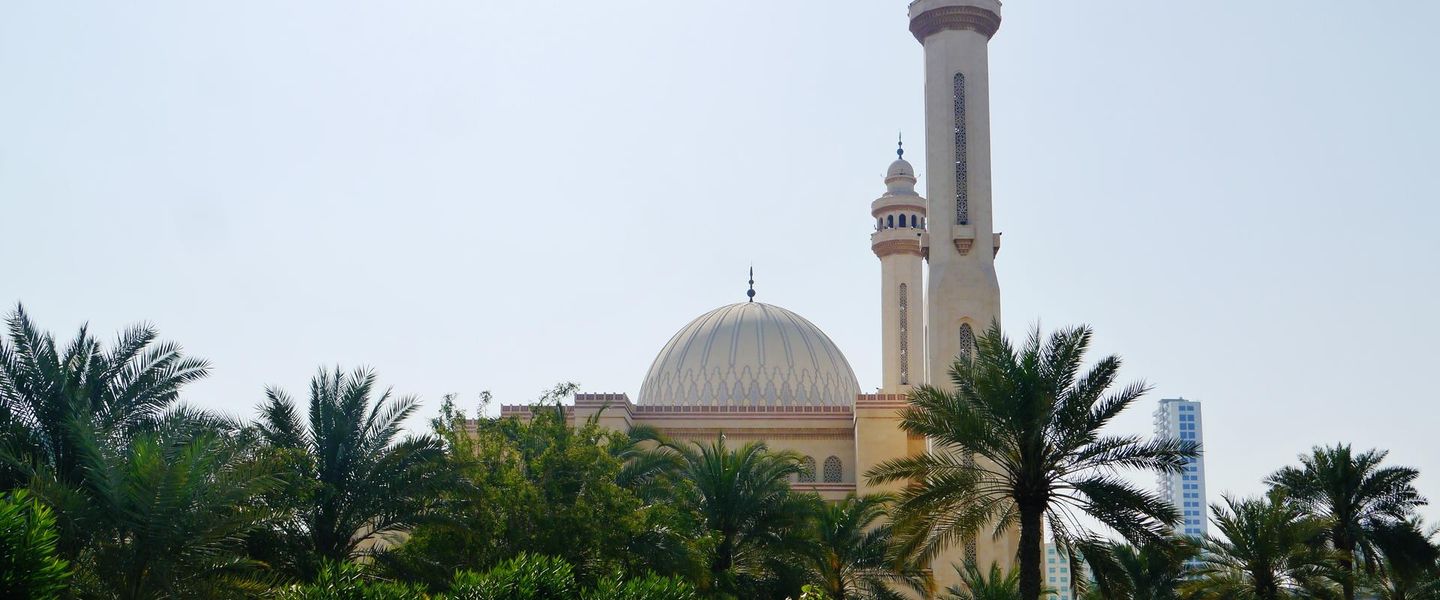


Explore Central Region Bahrain for Dilmun burial mounds, A’ali pottery, local markets and the everyday culture of the island’s urban heart.
Read more about Central Region
When is the best time to visit Central Region?
Best: December–February · 24–25°C| Month | High (°C) | Rainfall (mm) |
|---|---|---|
| January (best) | 24 | 10 |
| February (best) | 24 | 8 |
| March | 27 | 7 |
| April | 31 | 5 |
| May | 36 | 3 |
| June | 39 | 1 |
| July | 40 | 1 |
| August | 40 | 1 |
| September | 38 | 3 |
| October | 34 | 5 |
| November | 30 | 7 |
| December (best) | 25 | 8 |
Getting to and around Central Region
How to get there
Transportation
Top city travel guides in Central Region
The cities of Central Region, and the easiest places to base yourself.
-

-

-

-

-

-


Swipe for more cities
Destinations in Central Region
Resorts, valleys and scenic spots worth a trip of their own.

Swipe for more destinations
Best attractions in Central Region
Central Region’s attractions are varied but dispersed, reflecting its character as a lived urban area rather than a purpose-built resort zone. A’ali’s Dilmun burial mounds are the region’s most important heritage experience, with ancient funerary landscapes appearing beside modern streets and residential neighbourhoods. The area is also associated with traditional pottery, and visitors may find workshops where clay vessels are made using techniques connected to Bahrain’s craft history, subject to local opening arrangements. Isa Town offers a planned urban setting, public facilities and traditional shopping streets, while Salmabad and surrounding districts reveal the workshops and commercial activity of contemporary Bahrain. Tubli provides an environmental perspective through the remaining coastal wetland and mangrove landscape of Tubli Bay, although access and views vary by location. Local cafés, bakeries and family restaurants add cultural interest, while the broad road network makes Central Region a convenient base for excursions to attractions elsewhere on the island. Manama’s major museums and waterfront heritage sites are nearby but lie outside this region, as do the Bahrain International Circuit and the Tree of Life in the south.
-
Tourist attraction
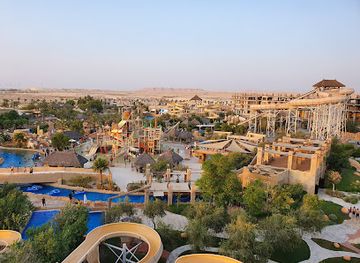
The Lost Paradise of Dilmun Water Park
Experience thrilling rides and ancient history at Lost Paradise of Dilmun Water Park, Bahrain's largest water park, for an unforgettable family adventure.
-
Tourist attraction
Bab Al Bahrain
Explore Bahrain's heritage at Bab Al Bahrain, the iconic gateway to Manama's vibrant souq, offering a sensory delight of culture and commerce.
-
Tourist attraction
The Lagoon Park
Experience waterfront leisure at The Lagoon Park in Amwaj, Bahrain, with diverse dining, shopping, and entertainment for all ages.
-
Tourist attraction
Marina Beach Garden Park
Escape to Manama's tranquil Marina Beach Garden Park for stunning sea views and a relaxing atmosphere.


Best landmarks in Central Region
The burial-mound fields of A’ali are Central Region’s defining landmarks, forming a distinctive archaeological silhouette across a district otherwise dominated by roads and housing. They represent the funerary culture of Dilmun and help explain Bahrain’s importance in Bronze Age Gulf history, even where individual mounds are not arranged as a formal visitor complex. A’ali’s pottery kilns and workshops are less monumental but equally significant as symbols of living craft heritage, connecting contemporary production with an established local tradition. Isa Town’s planned urban layout is another important marker of Bahrain’s twentieth-century transformation, reflecting the expansion of public housing, education and state infrastructure after the oil era began. Tubli Bay, on the region’s eastern side, is a natural landmark whose remaining wetland and mangrove habitat contrast with the surrounding built environment. Together these places express Central Region’s layered identity: ancient burial landscapes, working craft culture, planned modern settlement and a pressured coastal ecosystem.
-
Water park
The Lost Paradise of Dilmun Water Park
Experience a thrilling escape into ancient history and aquatic adventures at Bahrain's largest water park, Lost Paradise of Dilmun.
-
Historical landmark
Bab Al Bahrain
Explore Bahrain's heritage at Bab Al Bahrain, the gateway to Manama's vibrant souq and a symbol of the kingdom's rich history.
-
Hotel
Four Seasons Hotel Bahrain Bay
Experience luxury and breathtaking views at the iconic Four Seasons Hotel Bahrain Bay, located on a private island in the heart of Manama.
-
Park
Marina Beach Garden Park
Escape to Manama's scenic Marina Beach Garden Park for waterfront views, family fun, and tranquil relaxation in a vibrant coastal setting.


Explore Central Region on the map
Plan your trip on one map. See where the top cities, national parks and sights are, and book hotels and experiences in a few clicks.
Best hotels in Central Region
Best restaurants in Central Region
Dining in Central Region is mainly local, informal and neighbourhood-based, with the greatest choice found along busy roads in Isa Town, A’ali, Jid Ali, Sanad and surrounding districts. Bahraini specialities such as machboos, spiced rice with fish or meat, chicken or lamb machboos, grilled seafood, harees and richly seasoned stews appear alongside wider Gulf, South Asian and Middle Eastern cuisines. Small restaurants and cafés are useful places to try flatbreads, savoury snacks, cardamom-scented coffee and sweet dishes such as Bahraini halwa, while bakeries provide breads and pastries for everyday meals. A’ali’s craft identity is often paired with traditional food experiences rather than formal fine dining. Food shops and local markets are practical places to look for dates, spices and packaged regional products. Restaurant styles range from family dining rooms and tea shops to modern casual venues; menus, service hours and payment methods vary, so checking locally is sensible.
-
Restaurant
Coco's
Experience the flavors of Bahrain at Coco's in Manama - where local charm meets global cuisine.
-
Middle Eastern
Villa Mamas Bahrain
Experience authentic Middle Eastern fine dining at Villa Mamas in Bahrain, where organic ingredients meet exquisite flavors in every dish.
-
Indian
Karavali Restaurant
Savor authentic Indian and seafood delicacies at Karavali Restaurant in Manama – a culinary paradise for food lovers.
-
French
Café Lilou
Experience authentic French flavors at Café Lilou in Manama's Adliya district; perfect for breakfast lovers and culinary enthusiasts alike.


Best bars in Central Region
Central Region’s evening culture is quieter and more residential than the concentrated nightlife areas of Manama. Evenings commonly centre on cafés, juice bars, tea shops, dessert places, family restaurants and informal gatherings, particularly around Isa Town and the main commercial roads. Traditional Bahraini coffee and tea culture is more representative of the region than a major club scene, while licensed hotel venues elsewhere on the island provide a broader choice of bars and late-night entertainment. Some restaurants host occasional live music or extended evening service, but schedules can change and are best confirmed directly. Visitors seeking a relaxed local night can explore a café or sample neighbourhood dining rather than expecting a dedicated entertainment district. Alcohol is available only under Bahrain’s national licensing rules and is not a defining feature of Central Region’s social life.
-
Lounge
LNT Lounge
Experience the vibrant nightlife at LNT Lounge, a perfect blend of relaxation and excitement in Manama, Bahrain.
-
Irish pub
JJ's Irish Restaurant
Discover the heart of Ireland in Manama at JJ's Irish Restaurant, where authentic cuisine meets vibrant pub culture.
-
Restaurant
Hazel Rooftop Lounge
Discover the elegance of Hazel Rooftop Lounge in Manama, offering stunning views, exquisite cuisine, and a vibrant atmosphere perfect for any occasion.
-
Pub
Old Beams Restaurant
Discover the heart of Manama's pub culture at Old Beams Restaurant, where hearty meals and a warm atmosphere await.


Best nightclubs in Central Region
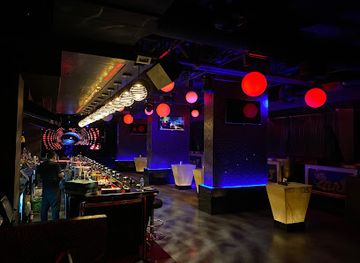
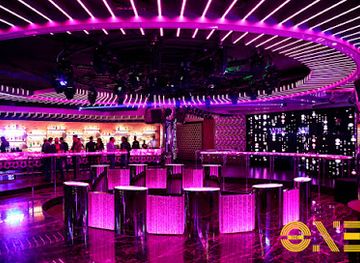
Central Region’s evening culture is quieter and more residential than the concentrated nightlife areas of Manama. Evenings commonly centre on cafés, juice bars, tea shops, dessert places, family restaurants and informal gatherings, particularly around Isa Town and the main commercial roads. Traditional Bahraini coffee and tea culture is more representative of the region than a major club scene, while licensed hotel venues elsewhere on the island provide a broader choice of bars and late-night entertainment. Some restaurants host occasional live music or extended evening service, but schedules can change and are best confirmed directly. Visitors seeking a relaxed local night can explore a café or sample neighbourhood dining rather than expecting a dedicated entertainment district. Alcohol is available only under Bahrain’s national licensing rules and is not a defining feature of Central Region’s social life.
-
Night club
W Club Lounge
Experience the vibrant nightlife of Seef at W Club Lounge, an upscale night club offering luxury, music, and unforgettable memories.
-
Disco club
Klub 360
Discover the vibrant nightlife of Manama at Klub 360, where electrifying music and a lively atmosphere create unforgettable memories.
-
Night club
Club Wrangler Bahrain
Discover the vibrant nightlife of Manama at Club Wrangler Bahrain, where great music and a lively atmosphere await every night.
-
Night club
The One
Experience the vibrant nightlife of Manama at The One, Bahrain's premier nightclub, featuring top DJs and an electrifying atmosphere.

Best shops in Central Region
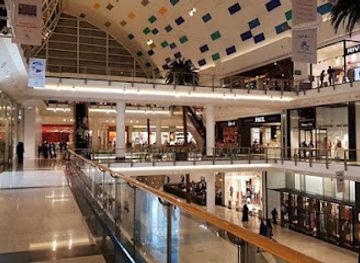
Shopping in Central Region is chiefly practical and local, with market streets, neighbourhood shops, workshops and small commercial centres rather than a single major luxury retail district. Isa Town is useful for traditional shopping and everyday goods, while the roads through A’ali, Salmabad and nearby districts contain businesses selling household items, clothing, food and craft products. A’ali is the natural place to look for Bahraini pottery and clay vessels, although designs, availability and workshop access vary. Visitors can also seek dates, spices, Arabic sweets, coffee, halwa and packaged foods at groceries and specialist food shops. Small independent businesses may prefer cash, and bargaining should be polite and proportionate rather than assumed. For international brands and large-scale malls, Manama and other parts of Bahrain offer broader choice outside Central Region; the central area is better suited to local products, practical purchases and craft-related souvenirs.
-
Shopping mall
City Centre Bahrain
Discover shopping, dining, and entertainment at City Centre Bahrain, the largest mall in the country, perfect for all your retail adventures.
-
Shopping mall
The Avenues
Discover The Avenues, Bahrain's ultimate shopping mall, where international brands meet local flavors in a vibrant atmosphere.
-
Shopping mall
Bahrain Mall
Explore Bahrain Mall, a dynamic shopping destination offering diverse retail, dining, and entertainment experiences in the heart of Manama.
-
Shopping mall
Ansar Gallery
Explore Ansar Gallery: A premier shopping mall in Tubli, offering diverse retail, delicious dining, and family-friendly entertainment in a vibrant atmosphere.


Get your free copy of our complete guide to Central Region, delivered straight to you.
Everything on this page, from attractions and restaurants to essentials and local phrases, in one PDF you can read offline, print or share.
Already have an account? Sign in
Your Central Region guide is ready.
We'll send it to · Not you? Sign out

Getting your guide ready…
We are putting together a fresh copy of the Central Region guide. This can take up to a minute.
This can take a few moments. If your browser asks, choose Allow so the download can start. You'll find the guide in your Downloads folder.
Nothing happened? Download it again
Sorry, the guide is taking longer than usual. Please try again in a minute, or get it by email instead.
Central Region essentials
Currency and Payment
Safety
Emergency Situations
Do's and Don'ts
Local Tips
From Eve
Local phrases worth knowing
You don't need to get them perfect. A few words go a long way, and locals appreciate the effort.
Basics
| English | Local | Say it |
|---|---|---|
| Hello | Hi | [Hai] |
| Goodbye | Bye | [Bai] |
| Yes | Yeah | [Yea] |
| No | Nope | [Nope] |
| Please/You're welcome | Please/You're welcome | [Please/You're welcome] |
| Thank you | Thanks | [Thangs] |
| Excuse me/Sorry | Excuse me/Sorry | [Excuse me/Sorry] |
| How are you? | How's it going? | [How's it goin'?] |
| Fine. And you? | I'm good. You? | [I'm good. You?] |
| Do you speak English? | Do you speak English? | [Do you speak English?] |
| I don't understand | I don't get it | [I don't get it] |
Eating & Drinking
| English | Local | Say it |
|---|---|---|
| I'd like to see the menu, please | Can I see the menu? | [Can I see the menu?] |
| I don't eat meat | I don't eat meat | [I don't eat meat] |
| Cheers! | Cheers! | [Cheers!] |
| I would like to pay, please | Can I get the check, please? | [Can I get the check, please?] |
Emergencies
| English | Local | Say it |
|---|---|---|
| Help! | Help! | [Help!] |
| Go away! | Leave me alone! | [Leave me alone!] |
| Call the Police! | Call the cops! | [Call the cops!] |
| Call a doctor! | Get a doctor! | [Get a doctor!] |
| I'm lost | I'm lost | [I'm lost] |
| I'm ill | I'm not feeling well | [I'm not feeling well] |
Shopping
| English | Local | Say it |
|---|---|---|
| I'd like to buy... | I want to buy... | [I want to buy...] |
| I'm just looking | Just browsing | [Just browsing] |
| How much is it? | How much? | [How much?] |
| That's too expensive | That's pricey | [That's pricey] |
| Can you lower the price? | Can you give me a better price? | [Can you give me a better price?] |
Time & Numbers
| English | Local | Say it |
|---|---|---|
| What time is it? | What time is it? | [What time is it?] |
| It's one o'clock | It's 1 o'clock | [It's 1 o'clock] |
| Half past (10) | Half past 10 | [Half past 10] |
| Morning | Morning | [Morning] |
| Afternoon | Afternoon | [Afternoon] |
| Evening | Evening | [Evening] |
| Yesterday | Yesterday | [Yesterday] |
| Today | Today | [Today] |
| Tomorrow | Tomorrow | [Tomorrow] |
| 1 | 1 | [1] |
| 2 | 2 | [2] |
| 3 | 3 | [3] |
| 4 | 4 | [4] |
| 5 | 5 | [5] |
| 6 | 6 | [6] |
| 7 | 7 | [7] |
| 8 | 8 | [8] |
| 9 | 9 | [9] |
| 10 | 10 | [10] |
Transport & Directions
| English | Local | Say it |
|---|---|---|
| Where's a/the...? | Where's the...? | [Where's the...?] |
| What's the address? | What's the address? | [What's the address?] |
| Can you show me (on the map)? | Can you show me on the map? | [Can you show me on the map?] |
| When's the next (bus)? | When's the next bus? | [When's the next bus?] |
| A ticket (to ....) | A ticket to... | [A ticket to...] |
History of Central Region
Dilmun and the Bronze Age Burial Mounds
A’ali and neighbouring parts of central Bahrain contain extensive burial mounds associated with Dilmun, the Bronze Age civilisation that made Bahrain an important Gulf centre of trade and religion. The mounds were built over many centuries for members of different social groups, producing one of the most distinctive archaeological landscapes on the island. Although modern roads and housing now surround many of them, the burial fields preserve evidence of ancient settlement patterns, funerary beliefs and long-distance connections. Their presence gives Central Region a direct physical link to the period when Bahrain was known in Mesopotamian records as a prosperous entrepôt.
Islamic Bahrain and the Rise of Local Settlements
After the spread of Islam to Bahrain in the seventh century, the island developed as a network of agricultural settlements, trading communities and religious centres. Central districts benefited from fertile date-growing areas and access to the routes linking inland villages with the coast and Manama. Water management, wells and palm gardens shaped settlement for centuries, even as changing political authorities competed for control of the Gulf. Much of the region’s older social geography, including village-based communities later absorbed into the expanding urban area, reflects this long transition from oasis settlement to modern suburb.
Pearling, Agriculture and Traditional Crafts
Before oil transformed Bahrain’s economy, livelihoods combined offshore pearling with fishing, date cultivation, trade and skilled crafts. Central villages supported households connected to the pearling economy, while workshops produced pottery and other practical goods for local use. A’ali’s pottery tradition is especially important because it demonstrates the continuing role of craft production in Bahrain’s cultural history. The prosperity and uncertainty of the pearling era shaped family networks, seasonal work and social differences across the island, leaving a legacy still visible in craft practices, foodways and the form of older settlements.
Oil, Education and the Modern Urban Transformation
The discovery of oil in Bahrain in 1932 accelerated changes that affected every central district. New employment, roads, schools, public services and housing altered the relationship between village communities and the national economy. Isa Town was developed as a planned settlement during this period of modernisation, while surrounding villages gradually became part of a continuous urban belt. The growth of education and public-sector institutions also expanded opportunities beyond pearling, agriculture and craft work. Central Bahrain consequently became a meeting point between older village identities and the infrastructure of a modern island state.
The Former Central Governorate
Bahrain’s system of governorates changed over time as the expanding urban population required different administrative arrangements. The Central Governorate was one of the country’s four governorates until it was abolished in 2014, when its districts were redistributed mainly between the Northern and Southern Governorates. The former designation remains useful in travel writing because it describes a recognisable central zone containing Isa Town, A’ali, Jid Ali, Jurdab, Sanad, Salmabad and Tubli. Understanding this administrative history helps visitors interpret older maps, addresses and local references that still use the term Central Region.
Contemporary Bahrain and Urban Pressure
In recent decades, central Bahrain has experienced dense residential growth, road expansion and the conversion of open or agricultural land to urban uses. Tubli Bay and the remaining palm landscapes illustrate the environmental pressures accompanying this transformation, while archaeological mounds survive within and beside modern neighbourhoods. The region’s current identity is therefore neither wholly historic nor entirely new: it is a lived urban landscape where ancient heritage, local crafts, family districts, commercial corridors and national development projects overlap. This layered character is one of Central Region’s most revealing features.
Central Region in Photos
Browse through our photo collection highlighting the charm and character of the destination.
Neighbouring regions of Central Region
The closest regions to Central Region, if you have time for more than one.
-

-

-

-

-


Swipe for more regions
Explore more

Explore more of Bahrain
Discover Bahrain, where modernity meets history, from bustling markets to ancient ruins, and from luxurious shopping to serene beaches.
Explore Bahrain