

Free Muharraq Island Travel Guide & Mobile App
Explore Muharraq Island with free travel guides. Discover regional history, expert tips, proposed trips, and audio guides on web or mobile app.


Explore Muharraq Island for Bahrain’s UNESCO pearling heritage, historic houses, Arad Fort, coastal neighbourhoods and modern waterfront life.
Read more about Muharraq Island
When is the best time to visit Muharraq Island?
Best: March–April, November · 24–28°C| Month | High (°C) | Rainfall (mm) |
|---|---|---|
| January | 20 | 14 |
| February | 21 | 12 |
| March (best) | 24 | 9 |
| April (best) | 28 | 4 |
| May | 33 | 1 |
| June | 36 | 0 |
| July | 38 | 0 |
| August | 38 | 0 |
| September | 36 | 0 |
| October | 32 | 3 |
| November (best) | 27 | 6 |
| December | 22 | 11 |
Getting to and around Muharraq Island
How to get there
Transportation
Top city travel guides in Muharraq Island
The cities of Muharraq Island, and the easiest places to base yourself.
-

-

-
-


Swipe for more cities
Best attractions in Muharraq Island
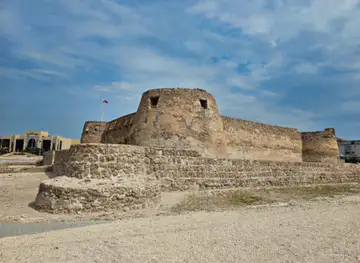
Muharraq Island’s attractions centre on the relationship between a historic pearling town and a rapidly modernising Gulf landscape. In old Muharraq, the Pearling Path brings together restored merchant houses, family residences, religious buildings and former commercial spaces, including Shaikh Isa bin Ali Al Khalifa House, the Siyadi houses and other sites associated with the pearl trade. The route is valuable because it reveals an inhabited urban pattern rather than presenting a single isolated monument. Bu Maher Fort, at the southern edge of the old town, adds a maritime and defensive perspective, while boats traditionally departed from this area towards the oyster beds. Arad Fort offers a contrasting experience, with low defensive walls set beside the tidal environment of Arad Bay. Contemporary attractions are concentrated in newer parts of the island, including waterfront promenades, marinas, cafés and leisure developments around Amwaj Islands and Diyar Al Muharraq. Busaiteen provides everyday neighbourhood life and seafood-oriented dining, while the airport and port landscapes illustrate the island’s modern economic role. Visits are most rewarding when historic walks are balanced with short journeys between these distinct districts.
-
Tourist attraction
The Lagoon Park
Experience waterfront leisure at The Lagoon Park in Amwaj Islands, Bahrain, with diverse dining, shopping, and entertainment for all ages.
-
Tourist attraction
Marina Beach Garden Park
Escape to Manama's waterfront haven: Marina Beach Garden Park offers relaxation, recreation, and stunning views of the Arabian Gulf.
-
Mosque
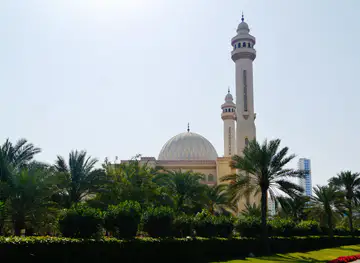
Al Fateh Grand Mosque
Discover Islamic art and culture at Bahrain's Al Fateh Grand Mosque, a stunning architectural marvel and one of the largest mosques in the world.
-
Park
Dohat Arad Park
Escape to a serene oasis in Muharraq, Bahrain, with lush greenery, walking paths, and a tranquil lagoon perfect for relaxation and recreation.



Best landmarks in Muharraq Island
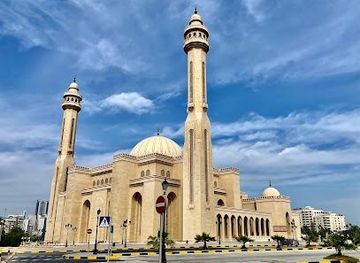
The defining landmarks of Muharraq Island are closely associated with pearling, defence and the changing relationship between the town and the sea. Shaikh Isa bin Ali Al Khalifa House is one of the island’s most important traditional residences, recognised for its courtyards, decorative details and insight into elite domestic life before modernisation. The Siyadi houses, linked to a prominent pearling family, embody the wealth generated by the industry and form a key part of the Pearling Path. Bu Maher Fort, at the southern tip of historic Muharraq, marks the maritime approach to the old town and is traditionally associated with departures to the pearl banks. Arad Fort is the island’s most prominent defensive structure, its compact Arab-Islamic design and position beside Arad Bay creating a strong contrast with surrounding roads and modern development. The restored lanes and houses of old Muharraq are themselves a landmark urban landscape, retaining the scale of a former Gulf pearling town. Beyond the historic core, the airport, reclaimed waterfronts and high-rise developments of the north-east provide visible reminders that Muharraq Island is also one of Bahrain’s principal zones of contemporary expansion.
-
Shopping mall
The Avenues
Experience world-class shopping, dining, and entertainment at The Avenues Bahrain, a unique waterfront destination in the heart of Manama.
-
Historical landmark
Bab Al Bahrain
Explore Bahrain's rich history and vibrant culture at Bab Al Bahrain, the iconic gateway to the bustling Manama Souq.
-
International airport
Bahrain International Airport
Experience seamless travel at Bahrain International Airport, your gateway to global connections and Bahraini hospitality.
-
 Hotel
Four Seasons Hotel Bahrain Bay
Experience luxury and stunning views at this iconic waterfront hotel on its own private island in the heart of Manama, Bahrain.


Explore Muharraq Island on the map
Plan your trip on one map. See where the top cities, national parks and sights are, and book hotels and experiences in a few clicks.
Best hotels in Muharraq Island
Best restaurants in Muharraq Island
Muharraq Island’s dining scene reflects Bahrain’s position at the meeting point of Gulf, Arab, Persian and South Asian food traditions. In and around the old city, visitors can look for traditional Bahraini cooking such as machboos, in which seasoned rice is served with fish, chicken or meat, as well as hearty stews, grilled seafood, flatbreads, dates and sweet treats including halwa. Local cafés and informal eateries are useful places to encounter cardamom coffee, karak tea and breakfast dishes, while established restaurants around Busaiteen, the airport and newer waterfront developments offer a broader international selection. Seafood remains especially appropriate on an island with a strong fishing and pearling history, although the character of dining varies between family-run establishments, modern cafés, hotel restaurants and waterfront venues. Bakeries and small food shops provide practical options during heritage walks. Menus may include dishes from the wider Gulf rather than Muharraq alone, so regional food is best understood as part of Bahrain’s shared national culinary culture, expressed through local ingredients, household recipes and the island’s long trading connections.
-
Restaurant
Palestine Nights Restaurant
Experience authentic Middle Eastern flavors at Palestine Nights Restaurant in Muharraq - a culinary gem not to be missed.
-
Turkish
Al Shoala Restaurant
Experience authentic Turkish cuisine at Al Shoala Restaurant in Muharraq - where every dish tells a story.
-
Middle Eastern
Freej Bin Rashdan Bahraini Cuisine
Savor authentic Bahraini cuisine at Freej Bin Rashdan - a culinary journey through Bahrain's rich flavors.
-
Restaurant
Alameer Restaurant - Muharraq
Experience authentic Bahraini cuisine at Alameer Restaurant in Muharraq – where tradition meets flavor in every dish.


Best bars in Muharraq Island
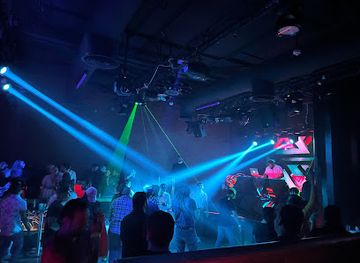
Muharraq Island is not Bahrain’s main late-night entertainment centre, and its historic quarters are better suited to early evening cultural walks, cafés and quiet meals than to clubbing. Nightlife is concentrated in licensed hotel venues and contemporary waterfront developments, particularly around the airport corridor and Amwaj Islands, where visitors may find restaurants, lounges and occasional live entertainment subject to changing schedules. Traditional cafés and informal restaurants provide a more local evening rhythm, while Busaiteen has a range of casual dining options. Alcohol is available only in licensed establishments and should not be consumed in public spaces. The old city is generally most atmospheric before late evening, when heritage buildings and narrow streets can be explored respectfully without disturbing residents. Anyone seeking a larger concentration of bars, clubs or live-music venues may find more choice in nearby Manama, outside Muharraq Island, with taxis providing the practical connection.
-
Turkish
Al Shoala Restaurant
Experience authentic Turkish cuisine at Al Shoala Restaurant in Muharraq, where every dish tells a story of rich flavors and tradition.
-
Lounge
LNT Lounge
Experience the vibrant nightlife and exquisite dining at LNT Lounge, the perfect fusion of bar, restaurant, and club in Manama.
-
Irish pub
JJ's Irish Restaurant
Discover the vibrant atmosphere and authentic Irish cuisine at JJ's Irish Restaurant in Manama, where every meal is a celebration of Ireland.
-
Restaurant
Hazel Rooftop Lounge
Experience the luxurious dining of Hazel Rooftop Lounge, where stunning views meet exquisite cuisine in the heart of Manama.


Best nightclubs in Muharraq Island
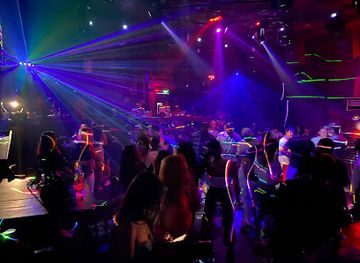
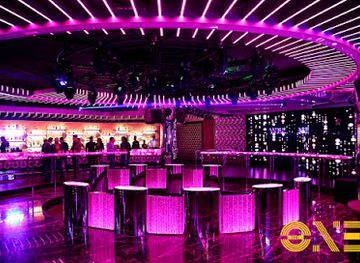
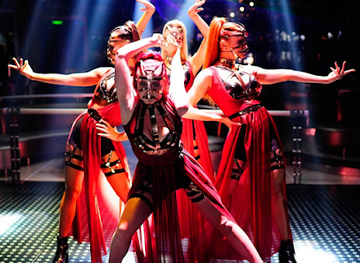
Muharraq Island is not Bahrain’s main late-night entertainment centre, and its historic quarters are better suited to early evening cultural walks, cafés and quiet meals than to clubbing. Nightlife is concentrated in licensed hotel venues and contemporary waterfront developments, particularly around the airport corridor and Amwaj Islands, where visitors may find restaurants, lounges and occasional live entertainment subject to changing schedules. Traditional cafés and informal restaurants provide a more local evening rhythm, while Busaiteen has a range of casual dining options. Alcohol is available only in licensed establishments and should not be consumed in public spaces. The old city is generally most atmospheric before late evening, when heritage buildings and narrow streets can be explored respectfully without disturbing residents. Anyone seeking a larger concentration of bars, clubs or live-music venues may find more choice in nearby Manama, outside Muharraq Island, with taxis providing the practical connection.
-
Disco club
Klub 360
Discover the electrifying atmosphere of Klub 360, Bahrain's top disco club and lounge, where unforgettable nights await you.
-
Night club
Club Wrangler Bahrain
Dive into the electrifying nightlife of Club Wrangler Bahrain, a premier venue in Manama for unforgettable music, dancing, and vibrant socializing.
-
Night club
The One
Discover the electrifying nightlife at The One, Manama's premier night club, where unforgettable experiences await every night.
-
Night club
Pulse Bahrain
Discover the pulsating nightlife of Bahrain at Pulse, where music, dance, and cocktails create unforgettable moments.
Best shops in Muharraq Island
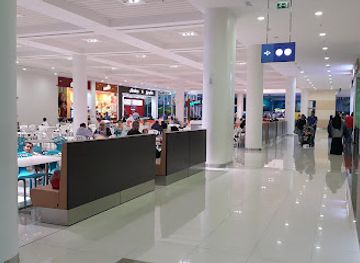
Shopping on Muharraq Island ranges from small traditional shops in and around the old city to modern retail and waterfront developments. The historic centre is a useful place to look for dates, sweets, spices, coffee, modest souvenirs and everyday goods, while independent food shops reflect Bahrain’s Gulf and wider regional connections. Visitors interested in the pearling heritage may find pearl-related products and jewellery, but quality and provenance vary, so purchases should be made from reputable sellers with clear information about materials and treatment. Newer areas such as Amwaj Islands and Diyar Al Muharraq provide contemporary cafés, boutiques and convenience retail rather than a traditional bazaar atmosphere. Busaiteen is more neighbourhood-oriented, with practical shops and local food outlets. For a broader choice of established malls and international brands, nearby Manama is generally more suitable and lies outside Muharraq Island. When visiting heritage districts, prioritise crafts, food products and books connected with Bahrain’s history over mass-produced items inaccurately presented as local.
-
Shopping mall
The Avenues
Explore The Avenues in Bahrain: a vibrant shopping haven with diverse retail, exquisite dining, and unforgettable entertainment experiences.
-
Shopping mall
Dragon City Bahrain
Explore Dragon City Bahrain, a lively shopping mall with diverse brands, delectable dining, and exciting entertainment experiences.
-
Shopping mall
Mall of Dilmunia
Explore the Mall of Dilmunia, Bahrain's vibrant shopping paradise featuring an aquarium, restaurants, and family-friendly entertainment.
-
Shopping mall
Seef Mall (Muharraq)
Discover a shopping paradise at Seef Mall in Muharraq, where luxury brands, delicious dining, and entertainment await every visitor.


Get your free copy of our complete guide to Muharraq Island, delivered straight to you.
Everything on this page, from attractions and restaurants to essentials and local phrases, in one PDF you can read offline, print or share.
Already have an account? Sign in
Your Muharraq Island guide is ready.
We'll send it to · Not you? Sign out

Getting your guide ready…
We are putting together a fresh copy of the Muharraq Island guide. This can take up to a minute.
This can take a few moments. If your browser asks, choose Allow so the download can start. You'll find the guide in your Downloads folder.
Nothing happened? Download it again
Sorry, the guide is taking longer than usual. Please try again in a minute, or get it by email instead.
Muharraq Island essentials
Currency and Payment
Safety
Emergency Situations
Do's and Don'ts
Local Tips
From Eve
Local phrases worth knowing
You don't need to get them perfect. A few words go a long way, and locals appreciate the effort.
Basics
| English | Local | Say it |
|---|---|---|
| Hello | مرحبا | [Marhaban] |
| Goodbye | مع السلامة | [Ma'a as-salama] |
| Yes | نعم | [Na'am] |
| No | لا | [La] |
| Please/You're welcome | من فضلك | [Min fadlik] |
| Thank you | شكرا | [Shukran] |
| Excuse me/Sorry | عفوا | [Afwan] |
| How are you? | كيف حالك؟ | [Kayfa halak?] |
| Fine. And you? | بخير. وأنت؟ | [Bikhayr. Wa anta?] |
| Do you speak English? | هل تتحدث الإنجليزية؟ | [Hal tatahaddath al-ingliziyya?] |
| I don't understand | لا أفهم | [La afham] |
Eating & Drinking
| English | Local | Say it |
|---|---|---|
| I'd like to see the menu, please | أود رؤية القائمة، من فضلك | [Awad ru'yat al-qa'ima, min fadlik] |
| I don't eat meat | لا أتناول اللحم | [La atanawal al-lahm] |
| Cheers! | في صحتك! | [Fi sihtak!] |
| I would like to pay, please | أود الدفع، من فضلك | [Awad ad-da'f, min fadlik] |
Emergencies
| English | Local | Say it |
|---|---|---|
| Help! | نجدة! | [Najda!] |
| Go away! | اخرج! | [Ukhruj!] |
| Call the Police! | اتصل بالشرطة! | [Ittasil bil-shurtah!] |
| Call a doctor! | اتصل بطبيب! | [Ittasil bi-tabeeb!] |
| I'm lost | أنا ضائع | [Ana da'i'] |
| I'm ill | أنا مريض | [Ana marid] |
Shopping
| English | Local | Say it |
|---|---|---|
| I'd like to buy... | أود شراء... | [Awad shir'a...] |
| I'm just looking | أنا فقط أبحث | [Ana faqat abḥath] |
| How much is it? | كم ثمنه؟ | [Kam thamanuh?] |
| That's too expensive | هذا غالي جداً | [Hatha ghali jiddan] |
| Can you lower the price? | هل يمكنك تخفيض السعر؟ | [Hal yumkinuka takhfid as-si'r?] |
Time & Numbers
| English | Local | Say it |
|---|---|---|
| What time is it? | كم الساعة؟ | [Kam as-saa'a?] |
| It's one o'clock | الساعة واحدة | [As-saa'a wahida] |
| Half past (10) | نصف الساعة (10) | [Nisf as-saa'a (10)] |
| Morning | صباحا | [Sabahan] |
| Afternoon | بعد الظهر | [Ba'd az-zahr] |
| Evening | مساءا | [Masa'an] |
| Yesterday | أمس | [Ams] |
| Today | اليوم | [Al-yawm] |
| Tomorrow | غداً | [Ghadan] |
| 1 | واحد | [Wahid] |
| 2 | اثنان | [Ithnan] |
| 3 | ثلاثة | [Thalatha] |
| 4 | أربعة | [Arba'a] |
| 5 | خمسة | [Khamsa] |
| 6 | ستة | [Sitta] |
| 7 | سبعة | [Sab'a] |
| 8 | ثمانية | [Thamaniya] |
| 9 | تسعة | [Tis'a] |
| 10 | عشرة | [Ashara] |
Transport & Directions
| English | Local | Say it |
|---|---|---|
| Where's a/the...? | أين...؟ | [Ayna...?] |
| What's the address? | ما هو العنوان؟ | [Ma huwa al-'unwan?] |
| Can you show me (on the map)? | هل يمكنك إرشادي (على الخريطة)؟ | [Hal yumkinuka irshadi (ala al-kharita)?] |
| When's the next (bus)? | متى تأتي الحافلة القادمة؟ | [Mata ta'ti al-hafilah al-qadimah?] |
| A ticket (to ....) | تذكرة (إلى ....) | [Tadhkirah (ila....)] |
History of Muharraq Island
Dilmun and Bahrain’s Ancient Maritime World
Muharraq Island forms part of the wider Bahrain archipelago, whose waters and settlements were connected with Dilmun, an important Bronze Age trading civilisation in the Gulf. The island’s modern urban districts have altered much of the surface landscape, so its ancient importance is less visibly concentrated here than at some archaeological sites elsewhere in Bahrain. Nevertheless, the surrounding sea routes, freshwater resources and position between Mesopotamia and the Arabian Peninsula help explain why the islands became a significant centre of exchange. Muharraq’s later maritime economy developed within this much older pattern of Gulf navigation and commerce.
Islamic Settlement and Gulf Trade
After the arrival and consolidation of Islam in Bahrain, settlements across the islands participated in regional trade, religious life and pearling. Muharraq developed as a maritime community linked to fishing, boat building and commerce, while its buildings and neighbourhoods reflected the climate and social organisation of Gulf towns. Courtyard houses, shaded passages and wind towers were practical responses to heat as well as expressions of status. Subsequent dynasties and changing regional powers influenced Bahrain, but the island’s enduring identity remained closely tied to the sea and to the communities that worked its waters.
The Al Khalifa Era and Muharraq’s Political Importance
The Al Khalifa family established its rule in Bahrain in the late eighteenth century, and Muharraq became an important centre of political and commercial life. The island’s location offered access to maritime routes and to the pearling grounds, while its merchant families accumulated wealth through trade and the export of pearls. Historic residences associated with the ruling family and prosperous pearl merchants preserve evidence of this period. By the early twentieth century, political and commercial focus increasingly shifted towards Manama, but Muharraq retained a central place in Bahrain’s social and cultural history.
The Pearling Economy
For centuries, pearling was the foundation of Muharraq’s prosperity. Pearl divers, boat owners, merchants, craftsmen and seasonal workers formed an interdependent economy that reached well beyond the island’s shoreline. The industry shaped family fortunes, architecture and public life, with large houses standing alongside more modest homes and spaces connected with boat crews and processing. The international pearl market declined sharply in the twentieth century because of cultivated pearls and wider economic change. The surviving urban fabric is now recognised through the Pearling Path, which records not just luxury and merchant wealth but the labour and organisation that sustained the industry.
Oil, Aviation and Modernisation
The discovery of oil in Bahrain in the early twentieth century transformed the kingdom’s economy and reduced its dependence on pearling. Muharraq Island became increasingly important to modern infrastructure: Bahrain’s airport developed on the island, while roads, industrial facilities and expanded housing altered long-established patterns of settlement. The airport’s presence made the island an international gateway, even as the historic core remained a compact traditional town. Modernisation brought new employment and services, but it also created the challenge of conserving old houses and streets amid rapid urban growth and changes in land use.
Heritage Conservation and Waterfront Expansion
Late twentieth- and early twenty-first-century development brought extensive reclamation, new roads and large residential and leisure projects to Muharraq Island. At the same time, restoration work in old Muharraq placed greater emphasis on preserving the architecture and stories of the pearling era. The Pearling Path was inscribed on the UNESCO World Heritage List in 2012, giving international recognition to a connected urban landscape rather than a single monument. Today the island presents Bahrain’s historical transition particularly clearly: traditional houses, working port areas, airport infrastructure and new waterfront districts coexist within a relatively compact territory.
Muharraq Island in Photos
Browse through our photo collection highlighting the charm and character of the destination.
Neighbouring regions of Muharraq Island
The closest regions to Muharraq Island, if you have time for more than one.
-

-

-
-

-


Swipe for more regions
Explore more

Explore more of Bahrain
Discover Bahrain, where modernity meets history, from bustling markets to ancient ruins, and from luxurious shopping to serene beaches.
Explore Bahrain