
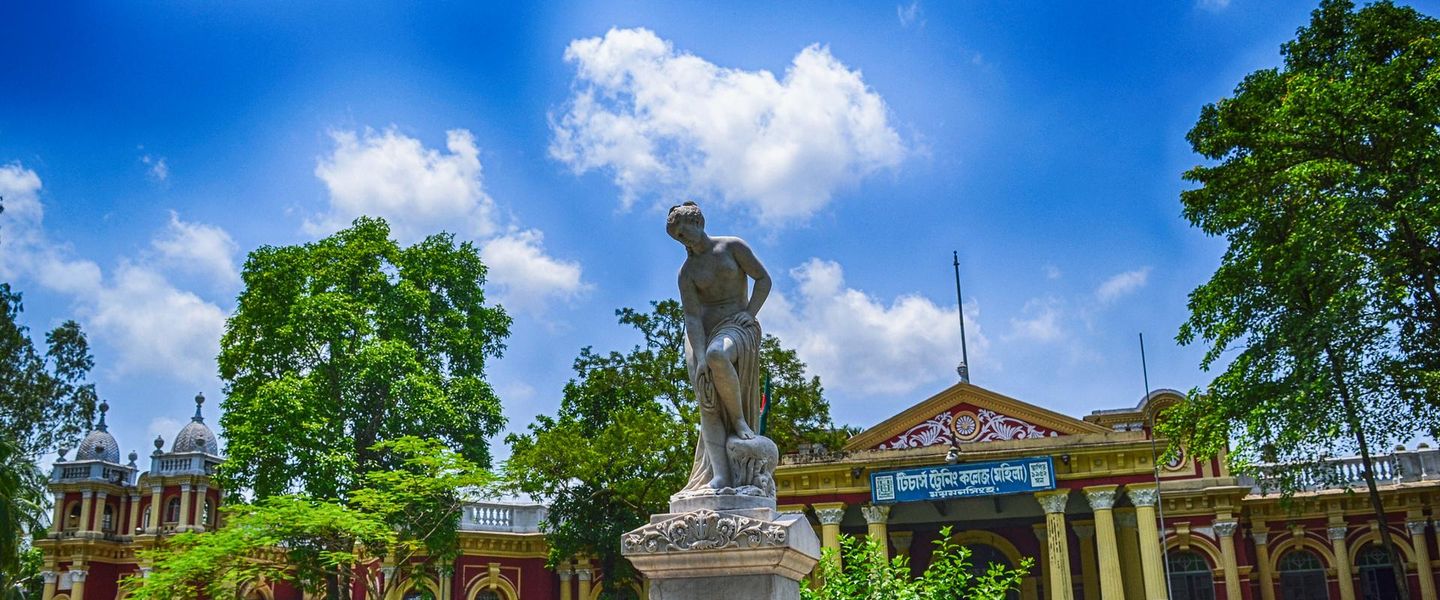
Greater Mymensingh, Bangladesh Travel Guide
Discover the timeless charm of Greater Mymensingh, where history, nature, and culture come together to create an unforgettable travel experience.
Greater Mymensingh in Bangladesh is a diverse and captivating region, offering a mix of natural beauty, historical landmarks, and vibrant local culture. Nestled in the central part of the country, this area is known for its lush green landscapes, serene rivers, and rich history. Visitors can explore the ancient town of Mymensingh, which boasts colonial-era architecture and numerous museums. The Muktagacha Rajbari is a must-see palace that tells the tale of the region's royal past. Nature enthusiasts will enjoy the scenic beauty of the Brahmaputra River, perfect for leisurely boat rides and picturesque sunsets. For those interested in the local culture, Greater Mymensingh is home to various festivals and traditional crafts. The area is famous for its Nakshi Kantha, a type of embroidered quilt that makes for a unique souvenir. The local cuisine, featuring dishes like fresh river fish and pithas, offers a delightful culinary experience. Whether you're a history buff, nature lover, or culture enthusiast, Greater Mymensingh has something to offer everyone.

Know before you go
Hi, I'm Eve. Here are a few practical things to know before exploring Greater Mymensingh.
- Best time to visit is during winter (November to February) when the weather is most pleasant.
- Hire a local guide to get insightful stories and historical context about the landmarks.
- Respect local customs and traditions, especially when visiting religious sites.
- Try the local pithas, especially during the Bangla New Year.
- Carry cash as credit card facilities may not be widely available.
Top City Travel Guides in Greater Mymensingh
The cities of Greater Mymensingh, and the easiest places to base yourself.

Destinations in Greater Mymensingh
Resorts, valleys and scenic spots worth a trip of their own.


Explore Greater Mymensingh: Things to Do, Places to Eat, Hotels & More
Handpicked recommendations for top attractions, local dining, accommodations, and more

Top Attractions & Sightseeing in Greater Mymensingh
Top-rated picks
Best Attractions

Alexander Castle
Explore Alexander Castle in Mymensingh, a historic landmark blending European architecture with Bangladeshi heritage, once visited by Tagore and Gandhi.

Circuit House Park, Mymensingh
Discover a serene riverside oasis in Mymensingh at Circuit House Park, offering lush greenery and historical charm on the Brahmaputra River.

Moyna Deep
Discover Moyna Deep in Mymensingh: A serene island escape with lush greenery, clear waters, and a rich history waiting to be explored.

Shashi Lodge
Explore Shashi Lodge in Mymensingh: A majestic palace showcasing European architecture and zamindari history, now a captivating museum.

Best landmarks in Greater Mymensingh
Top-rated picks
Best Landmarks

Shashi Lodge
Explore Shashi Lodge in Mymensingh, a majestic palace showcasing a unique blend of European and Bengali architecture, offering a glimpse into the Zamindari era and the region's rich history.

Alexander Castle
Explore Alexander Castle in Mymensingh: A historic landmark that once hosted Tagore and Gandhi, now a library preserving tales of Bengal's past.

Shapla Square, Mymensingh
Discover the vibrant heart of Mymensingh at Shapla Square: a historical landmark, cultural hub, and serene escape, offering lush gardens and a taste of local life.

Hasan Monjil
Discover Hasan Monjil in Mymensingh: A historical landmark showcasing Mughal-Colonial architecture, lush gardens, and the rich cultural heritage of Bangladesh, offering a serene escape.

Best restaurants in Greater Mymensingh
Top-rated picks
Best Restaurants

Sarinda Restaurant
Discover the vibrant flavors of Bangladesh at Sarinda Restaurant in Mymensingh – where culinary traditions meet modern dining.

Avanti Restaurant
Discover authentic Italian flavors at Avanti Restaurant in Mymensingh – where every meal feels like a slice of Italy.

Dhansiri Restaurant
Experience the rich flavors of Bangladesh at Dhansiri Restaurant in Mymensingh - where tradition meets taste.

Himu Adda Restaurant
Experience authentic Bangladeshi flavors at Himu Adda Restaurant in Mymensingh - where every meal tells a story.

Best bars in Greater Mymensingh
Top-rated picks
Best Bars

Sarinda Restaurant
Discover Mymensingh's culinary gem at Sarinda Restaurant, where delicious local and international dishes await in a cozy setting.

Avanti Restaurant
Explore Avanti Restaurant in Mymensingh for a delightful pizza experience and a warm dining atmosphere.

Sorgoram Restaurant, Mymensingh
Discover the authentic taste of Bangladeshi cuisine at Sorgoram Restaurant in Mymensingh, where flavor meets tradition.

Himu Adda Restaurant
Experience the authentic flavors of Bangladesh at Himu Adda Restaurant in Mymensingh, where delicious food and excellent service await.

Best nightclubs in Greater Mymensingh
Top-rated picks
Best Nightclubs

Dhumketu Club
Experience the charm of Mymensingh at Dhumketu Club, a social haven for relaxation and cultural immersion.

BAU Club
Experience the vibrant nightlife at BAU Club in Mymensingh, where music, dance, and unforgettable memories await you.

চাটাম ঘর, বাকৃবি
Experience the vibrant atmosphere of Chattam Ghar, a charming bar in Mymensingh, surrounded by the beauty of Bangladesh Agricultural University.

Best shops in Greater Mymensingh
Top-rated picks
Best Shops

Notun Bazaar
Experience the vibrant culture and rich flavors of Mymensingh at Notun Bazaar, a must-visit market for all tourists.

Alka Nadi Bangla Complex
Explore Alka Nadi Bangla Complex, Mymensingh's premier shopping mall offering diverse shops, delicious dining, and vibrant entertainment for all.

Krishna Cabin, Ganginarpar, Mymensingh
Experience the sweetness of Mymensingh at Krishna Cabin, a bakery offering a delightful array of local sweets and pastries.

Palika Shopping Center, Mymensingh
Experience the vibrant shopping scene and local delights at Palika Shopping Center in Mymensingh, a must-visit destination for tourists.

Explore Greater Mymensingh on the Map
A handpicked selection of must-see spots in Greater Mymensingh, mapped for you.
Greater Mymensingh Essentials
-
Greater Mymensingh is accessible from the capital city, Dhaka, which is approximately 120 kilometers away. You can travel by train, bus, or car. The train journey from Dhaka to Mymensingh takes around 3 to 4 hours and offers scenic views of the countryside. Several bus services operate from Dhaka to Mymensingh, with the journey taking roughly 4 hours. If you prefer driving, the route via the Dhaka-Mymensingh Highway (N3) is straightforward and takes about 2.5 to 3 hours depending on traffic.
-
Within Greater Mymensingh, local transportation options include rickshaws, CNG auto-rickshaws, and buses. Rickshaws are ideal for short distances, while CNG auto-rickshaws are suitable for longer trips within the city. Public buses and minibuses connect different parts of Mymensingh and nearby towns. For a more comfortable and flexible option, you can hire a private car or taxi.
-
The official currency in Bangladesh is the Bangladeshi Taka (BDT). Credit cards are accepted in some hotels, restaurants, and larger shops, but cash is preferred, especially in smaller establishments and rural areas. ATMs are available in Mymensingh, but it is advisable to carry sufficient cash for convenience. Currency exchange services are also available in major towns.
-
Greater Mymensingh is generally safe for tourists, but standard precautions should be taken. Avoid walking alone at night and be cautious in crowded areas to prevent pickpocketing. Areas with a higher risk of crime targeting tourists include the bus terminals and crowded markets. Always keep an eye on your belongings and avoid displaying valuable items openly.
-
In case of emergency, dial 999 for police, fire, and medical assistance. Mymensingh Medical College Hospital is the primary medical facility in the region. It is advisable to have travel insurance that covers medical emergencies. For minor health issues, there are numerous pharmacies in the area where you can purchase over-the-counter medications.
-
Fashion: Do dress modestly, covering shoulders and knees, especially when visiting religious sites. Avoid wearing revealing clothing. Religion: Do respect local customs and traditions. Remove your shoes and cover your head when entering mosques and temples. Public Transport: Do be respectful and offer your seat to elderly passengers. Don’t eat or drink on public transport. Greetings: Do greet people with a smile and a slight bow or nod. A handshake is also acceptable, especially among men. Eating & Drinking: Do try local delicacies and accept food offerings graciously. Don’t refuse hospitality, as it is considered impolite.
-
To experience Greater Mymensingh like a local, visit the traditional markets and bazaars where you can buy fresh produce, handmade crafts, and local textiles. Engage with locals, who are often friendly and eager to share stories about their culture and history. Don't miss visiting the Shoshi Lodge, a historic palace, and the Brahmaputra River for a serene boat ride. For a unique experience, attend a traditional folk music performance or a local festival.
When is the best time to visit Greater Mymensingh?
Useful Local Phrases for Greater Mymensingh
You don't need to speak the language perfectly. Even learning a few simple words can make conversations warmer—and locals usually appreciate the effort.
— Eve

Here are the phrases I use most often in Greater Mymensingh. Try a few—you'll be surprised how far they go! 😊
❤️
-
- Helloহ্যালো
[Hyalo] - Goodbyeবিদায়
[Biday] - Yesহ্যাঁ
[Hya] - Noনা
[Na] - Please/You're welcomeঅনুগ্রহ করে
[Onugroho kore] - Thank youধন্যবাদ
[Dhonnobad] - Excuse me/Sorryমাফ করবেন
[Maf korben] - How are you?আপনি কেমন আছেন?
[Apni kemon achen?] - Fine. And you?ভাল। এবং আপনি?
[Bhalo. Ebong apni?] - Do you speak English?আপনি কি ইংরেজি বলতে পারেন?
[Apni ki Ingreji bolte paren?] - I don't understandআমি বুঝতে পারছি না
[Ami bujhte parchi na]
- Helloহ্যালো
-
- I'd like to see the menu, pleaseঅনুগ্রহ করে মেনু দেখাবেন?
[Onugroho kore menu dekhaben?] - I don't eat meatআমি মাংস খাই না
[Ami mangsho khai na] - Cheers!সুস্বাদু!
[Suswadu!] - I would like to pay, pleaseঅনুগ্রহ করে আমি বিল দিতে চাই
[Onugroho kore ami bil dite chai]
- I'd like to see the menu, pleaseঅনুগ্রহ করে মেনু দেখাবেন?
-
- Help!সাহায্য করুন!
[Sahajjo korun!] - Go away!চলে যাও!
[Chole jao!] - Call the Police!পুলিশ ডাকুন!
[Polish dakun!] - Call a doctor!ডাক্তারের ডাকুন!
[Daktar er dakun!] - I'm lostআমি হারিয়ে গেছি
[Ami hariye gechi] - I'm illআমি অসুস্থ
[Ami oshustho]
- Help!সাহায্য করুন!
-
- I'd like to buy...আমি কিনতে চাই...
[Ami kinte chai...] - I'm just lookingআমি শুধু দেখছি
[Ami shudhu dekhchhi] - How much is it?এটার দাম কত?
[Etar dam koto?] - That's too expensiveএটা খুব দামি
[Eta khub dami] - Can you lower the price?তুমি কি দাম কমাতে পার?
[Tumi ki dam komate par?]
- I'd like to buy...আমি কিনতে চাই...
-
- What time is it?এখন কতটা সময়?
[Ekhon koto ta shomoy?] - It's one o'clockএখন একটা বাজে
[Ekhon ekta baze] - Half past (10)১০টার অর্ধেক
[10 tar ardhek] - Morningসকাল
[Shokal] - Afternoonদুপুর
[Dupur] - Eveningসন্ধ্যা
[Shondhya] - Yesterdayগতকাল
[Gatokaal] - Todayআজ
[Aj] - Tomorrowকাল
[Kal] - 1১
[1] - 2২
[2] - 3৩
[3] - 4৪
[4] - 5৫
[5] - 6৬
[6] - 7৭
[7] - 8৮
[8] - 9৯
[9] - 10১০
[10]
- What time is it?এখন কতটা সময়?
-
- Where's a/the...?কোথায় একটি...?
[Kothay ekti...?] - What's the address?ঠিকানা কি?
[Thikana ki?] - Can you show me (on the map)?আপনি আমাকে (মানচিত্রে) দেখাতে পারেন?
[Apni amake (manchitre) dekhate paren?] - When's the next (bus)?পরবর্তী (বাস) কখন?
[Poroborti (bas) kokhon?] - A ticket (to ....)একটি টিকেট (....)
[Ekti ticket (....)]
- Where's a/the...?কোথায় একটি...?
History of Greater Mymensingh
-
Greater Mymensingh, an administrative region in Bangladesh, was officially established in 1787 during British colonial rule. The region includes the districts of Mymensingh, Jamalpur, Sherpur, Tangail, Netrakona, and Kishoreganj. Originally part of the Bengal Presidency, it has evolved over the centuries into a significant cultural and economic hub.
-
The Brahmaputra River has played a crucial role in the history and development of Greater Mymensingh. Flowing through the heart of the region, the river has been a vital waterway for trade, agriculture, and transportation. The fertile lands along its banks have supported agriculture and sustained local communities for centuries.
-
Established in 1961, Mymensingh Agricultural University (now Bangladesh Agricultural University) is one of the oldest and most prestigious agricultural institutions in Bangladesh. The university has significantly contributed to the development of agricultural practices and research in the country, making Mymensingh a key center for agricultural education.
-
During the British colonial period, the zamindari system was prevalent in Greater Mymensingh. Wealthy landlords, or zamindars, owned vast estates and played a significant role in the region's social and economic life. Their influence is still evident in the area's architecture, with many old zamindar mansions and estates dotting the landscape.
-
Greater Mymensingh was a crucial battleground during the Bangladesh Liberation War of 1971. The region witnessed significant military engagements and acts of resistance against Pakistani forces. The local population played a vital role in the struggle for independence, and several war memorials and monuments in the area commemorate their sacrifices.
-
Greater Mymensingh is rich in cultural heritage and traditions. The region is known for its vibrant folk music, particularly the Mymensingh Geetika, a collection of ballads and songs that reflect the area's history and culture. Annual festivals such as Pahela Baishakh (Bengali New Year) and Durga Puja are celebrated with great enthusiasm, showcasing the region's diverse cultural tapestry.
-
Greater Mymensingh is home to several indigenous communities, including the Garo and Hajong people. These communities have unique customs, languages, and traditions that contribute to the cultural diversity of the region. Their distinctive festivals, dances, and crafts offer a glimpse into their rich cultural heritage.
-
The Mymensingh Museum, housed in a historic zamindar mansion, is a treasure trove of artifacts that reflect the region's history and culture. The museum's collection includes antiquities, traditional crafts, and relics from the British colonial period, providing visitors with an immersive experience of Greater Mymensingh's past.
Neighbouring Regions of Greater Mymensingh
The closest regions to Greater Mymensingh, if you have time for more than one.



Your all‑in‑one travel companion app
Explore expert travel guides, compare and book tours, experiences, hotels, and more—all from the palm of your hand. Download now for seamless trip planning wherever your wanderlust takes you.


Explore More of Bangladesh

Looking beyond Greater Mymensingh? Discover Bangladesh for broader travel guides, local hot-spots, and regional highlights.
Explore BangladeshGreater Mymensingh in Photos
Browse through our photo collection highlighting the charm and character of the destination.
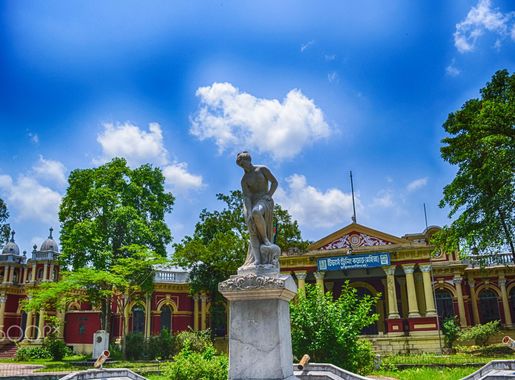


The Allure of Greater Mymensingh
Greater Mymensingh in Bangladesh is a diverse and captivating region, offering a mix of natural beauty, historical landmarks, and vibrant local culture. Nestled in the central part of the country, this area is known for its lush green landscapes, serene rivers, and rich history. Visitors can explore the ancient town of Mymensingh, which boasts colonial-era architecture and numerous museums. The Muktagacha Rajbari is a must-see palace that tells the tale of the region's royal past. Nature enthusiasts will enjoy the scenic beauty of the Brahmaputra River, perfect for leisurely boat rides and picturesque sunsets. For those interested in the local culture, Greater Mymensingh is home to various festivals and traditional crafts. The area is famous for its Nakshi Kantha, a type of embroidered quilt that makes for a unique souvenir. The local cuisine, featuring dishes like fresh river fish and pithas, offers a delightful culinary experience. Whether you're a history buff, nature lover, or culture enthusiast, Greater Mymensingh has something to offer everyone.