
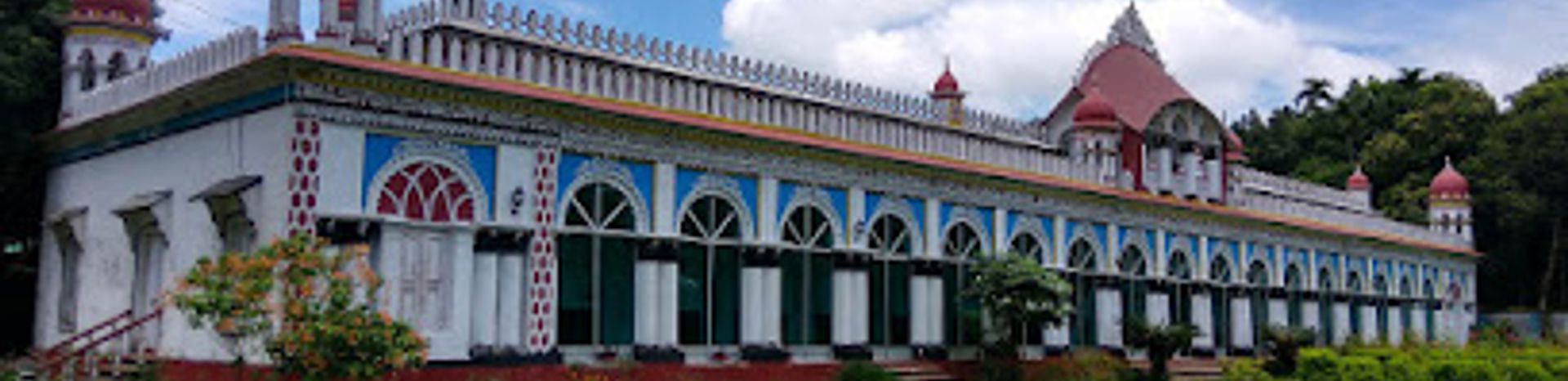
Dhanbari Nawab Palace: A Glimpse into Bengal's Aristocratic Past
Explore the opulent Dhanbari Nawab Palace: A blend of Mughal and European architecture in a beautifully preserved heritage resort.
The Dhanbari Nawab Palace, constructed between 1919 and 1923 by the Nawab family of Dhanbari, showcases a blend of Mughal and European architectural styles. Today, it stands as a heritage site, offering visitors a unique glimpse into the opulence of Bengal's aristocracy during the early 20th century.
A brief summary to Dhanbari Nawab Palace
- MXG4+H56, Dhanbari, BD
- +8801625-711057
- Monday 9 am-6 pm
- Tuesday 9 am-6 pm
- Wednesday 9 am-6 pm
- Thursday 9 am-6 pm
- Friday 9 am-6 pm
- Saturday 9 am-6 pm
- Sunday 9 am-6 pm
Local tips
- Visit during the cooler months (November to February) for a more comfortable experience.
- Allow at least 2-3 hours to explore the palace and its grounds.
- Consider staying overnight in one of the cottages to fully experience the serene atmosphere.
- Check for any cultural events or exhibitions happening during your visit.

Getting There
-
Public Transport
From Dhaka, take a bus from Mohakhali Bus Terminal directly to Dhanbari. Binimoy Bus Service stops beside the palace, but it is a local service and may take 6-7 hours. Alternatively, take a Nirala Transport bus to Tangail in around 3 hours. From Tangail, hire a CNG auto rickshaw to reach the palace, which is about a 2-hour ride. Bus fare from Dhaka to Tangail is approximately ৳150.
-
Taxi
Taxis or ride-sharing services can be hired from Tangail to reach Dhanbari Nawab Palace. The ride will take approximately 2 hours. Negotiate the fare beforehand. A taxi from Dhaka to Kishmat Dhanbari would cost approximately $23 - $35.
Discover more about Dhanbari Nawab Palace
Iconic landmarks you can’t miss

Madhupur tract
21.7 km
Explore the Madhupur Tract: Where natural beauty meets cultural heritage in the heart of Bangladesh. Discover forests, wildlife, and indigenous traditions.
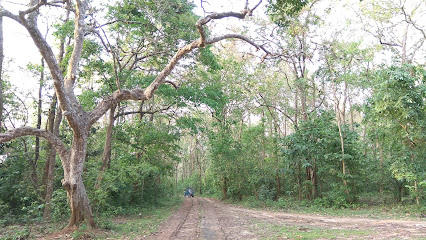
Hasan Monjil
46.6 km
Discover Hasan Monjil in Mymensingh: A historical landmark showcasing Mughal-Colonial architecture, lush gardens, and the rich cultural heritage of Bangladesh, offering a serene escape.
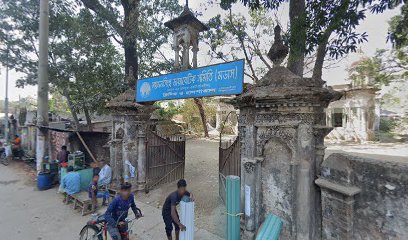
Shaheed Jabbar Memorial Library and Museum
61.8 km
Discover the legacy of language martyr Abdul Jabbar at this poignant memorial and library in Gafargaon, a tribute to the spirit of the 1952 Language Movement and Bengali identity.
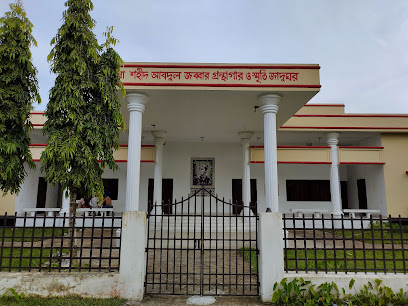
Bhawal Kachari
64.4 km
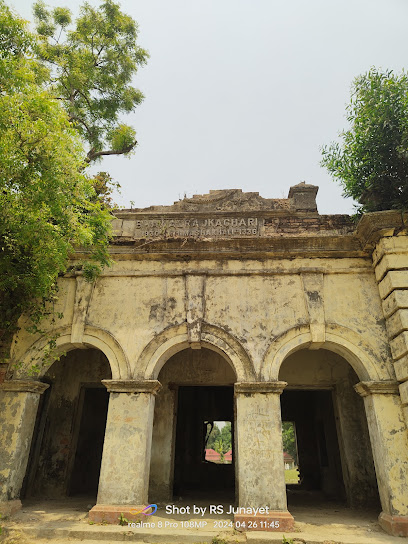
Explore Bhawal Kachari in Shilar Bazar: A window into Bangladesh's history and the architectural legacy of the Bhawal Estate.
Boiragir Bhita
69.1 km
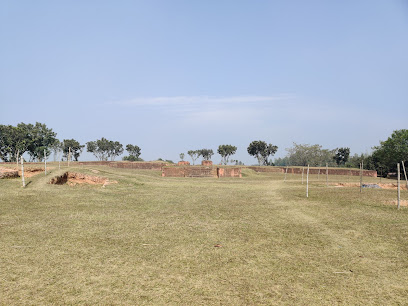
Explore ancient temple ruins at Boiragir Bhita near Mahasthangarh, revealing Bengal's rich Pala dynasty history and religious heritage.
Bhawal Resort & Spa
76.6 km
Escape to tranquility at Bhawal Resort & Spa, a serene getaway nestled in the lush Bhawal forest near Dhaka.

Masterbari
81.2 km
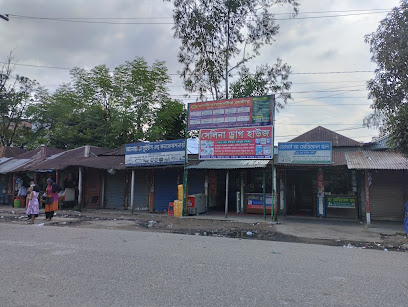
Experience the vibrant culture and commerce of Gazipur at Masterbari, a bustling marketplace offering local crafts, street food, and the famous special tea.
Raja View Tower
85.2 km
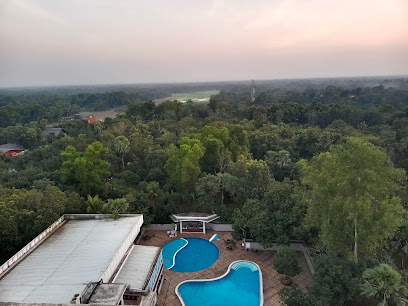
Discover panoramic views and serene luxury at Raja View Tower, Gazipur, a perfect escape blending heritage with modern comfort, offering a unique retreat near Dhaka.
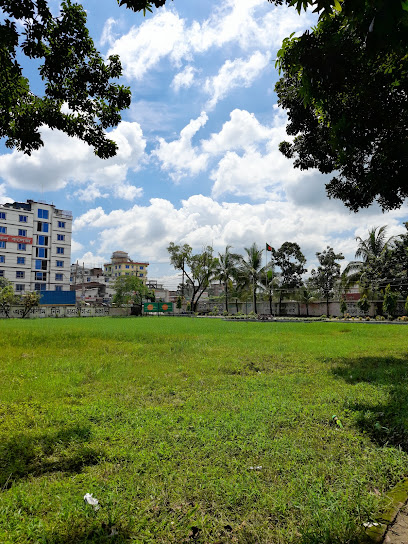
Bhawal College Playground
87.3 km
Escape to nature in the heart of Gazipur at Bhawal College Playground, a perfect spot for family fun and relaxation.
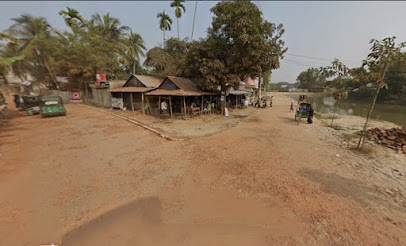
Bhramman kandi mor (ভ্রাম্যনকান্দি মোড়)
88.0 km
Discover the rich cultural heritage and architectural beauty of Bhramman Kandi Mor, a must-visit historical landmark in Bangladesh.
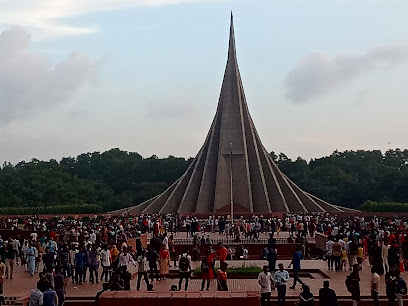
National Martyrs' Monument
90.3 km
Explore the National Martyrs' Monument in Savar, a powerful symbol of Bangladesh's resilience and a tribute to the heroes of the Liberation War.
Prantik Gate
93.2 km
Discover Prantik Gate, your entry to Jahangirnagar University's serene campus, rich history, and vibrant student life, a unique blend of nature and culture in Savar, Bangladesh.
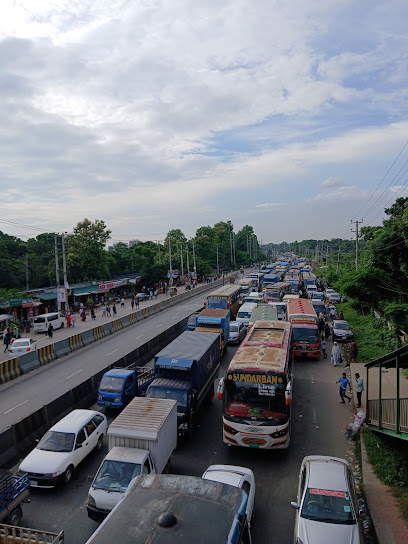
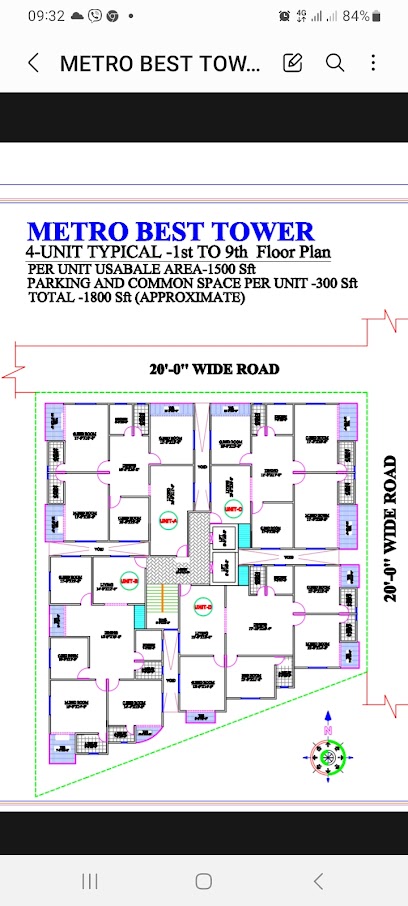
Metro Best Tower
98.3 km
Discover panoramic views and modern architecture at Metro Best Tower in Dhaka, a vibrant landmark offering a unique perspective on the city's dynamic blend of culture and progress.
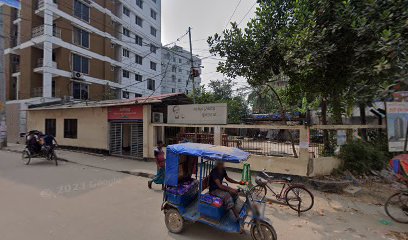
শহীদ মিনার
98.7 km
A poignant symbol of Bangladesh's Language Movement, the Shaheed Minar honors linguistic pride and cultural identity, drawing visitors to reflect on history and heritage.
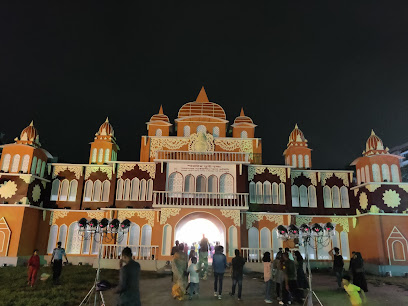
Uttara Sector 11 No Park
99.3 km
Escape the city bustle at Uttara Sector 11 No Park: a green oasis for relaxation, recreation, and community connection in Dhaka.
Unmissable attractions to see

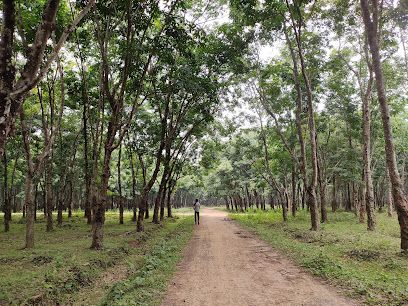
Madhupur Rubber Garden
6.5 km
Discover the serene beauty of Madhupur Rubber Garden: a sprawling plantation offering nature, culture, and a glimpse into sustainable agriculture in Bangladesh.
Barendro region, Modhupur Gorh and Lalmai hills
10.5 km
Discover Bangladesh's ancient Pleistocene uplands: Barendro, Modhupur, and Lalmai, offering unique landscapes, history, and biodiversity.
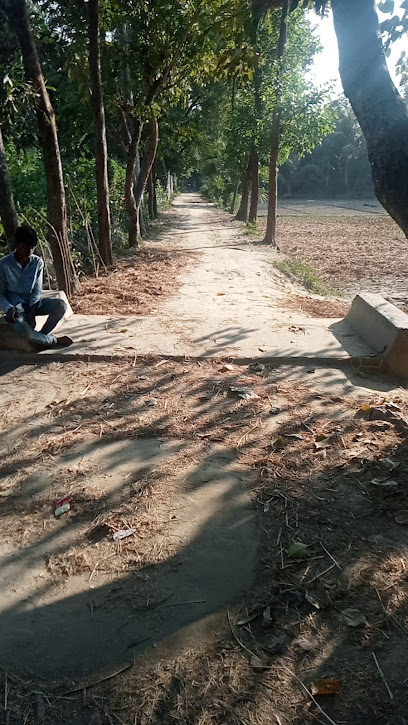
Lake Manda
12.4 km
Discover the tranquility of Lake Manda, a serene natural retreat in the heart of Bangladesh, perfect for relaxation and scenic views.
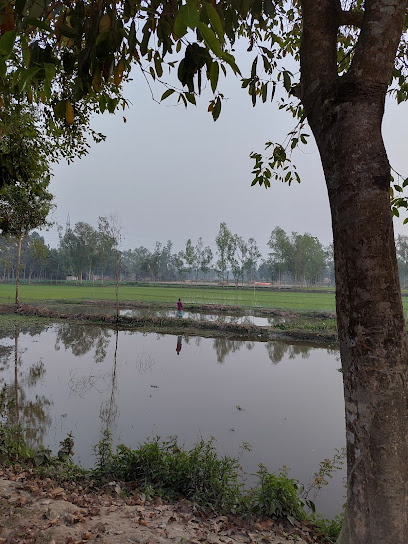
Madhupur National Park
12.7 km
Discover Bangladesh's natural beauty and cultural heritage at Madhupur National Park, a serene escape near Dhaka.
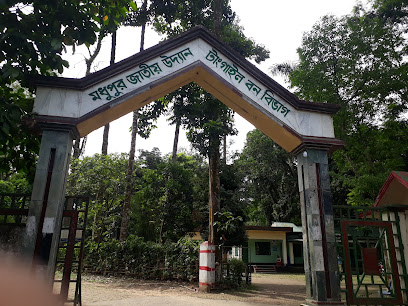
Sontospur Rubber Garden
22.3 km
Discover the serene beauty and agricultural heritage of Sontospur Rubber Garden, a tranquil escape in the heart of Madhupur, Bangladesh.
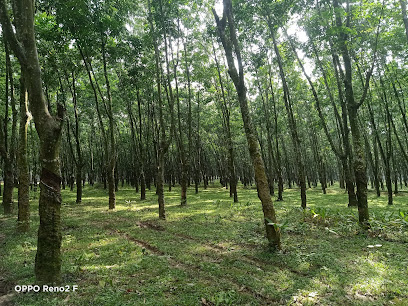
Muktagacha Jomidar Bari ~ Muktagacha,Mymensigh
32.0 km
Explore the historical Muktagacha Jomidar Bari in Mymensingh, Bangladesh, and discover the legacy of the Acharya Chowdhury zamindars.

Hard point
32.9 km
Enjoy scenic riverside views and a relaxing atmosphere at Hard Point, a popular tourist spot in Sirajganj.
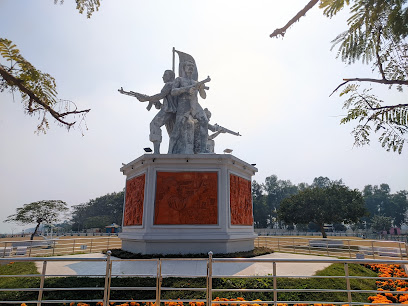
Sirajganj Cross Bar 3, BWDB
34.2 km
Escape to the serene banks of the Jamuna River at Sirajganj Cross Bar 3, a perfect spot for relaxation and scenic views.
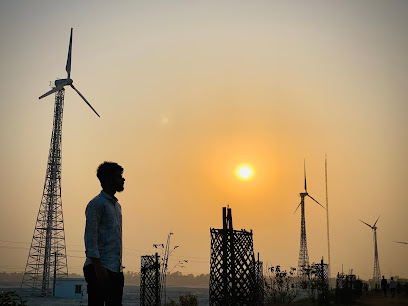
Sirajganj Cross bar 3 ( chaina Badh)
34.2 km
Discover the scenic beauty and engineering marvel of Sirajganj Cross Bar 3, where the Jamuna River meets local culture in a tranquil riverside setting.
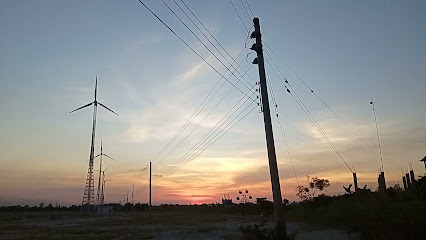
China badh
34.5 km
Discover the historic China Badh in Sirajganj: A scenic embankment offering stunning river views and a tranquil escape.
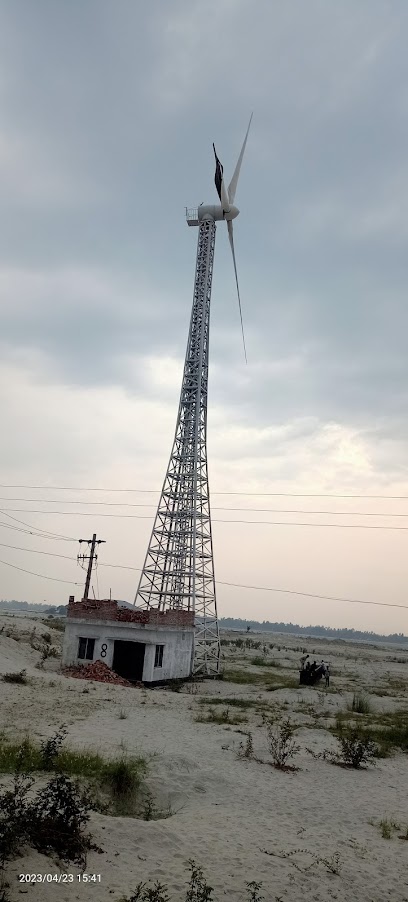
Bangabandhu Jamuna Bridge
35.6 km
Experience the grandeur of the Bangabandhu Jamuna Bridge, a symbol of Bangladesh's progress connecting the nation's east and west.
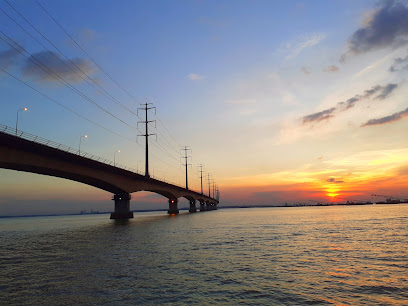
ORCHID Parjatan Kendra & Resort
41.0 km
Discover tranquility at ORCHID Parjatan Kendra & Resort in Sherpur: nature, recreation, and community spirit blend seamlessly for a perfect getaway.
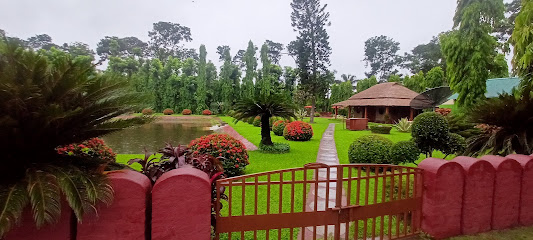
Gunti muth par rail line
41.5 km
Explore the historic Gunti Muth Par Rail Line in Mymensingh, Bangladesh, and experience a captivating journey through the region's railway heritage.
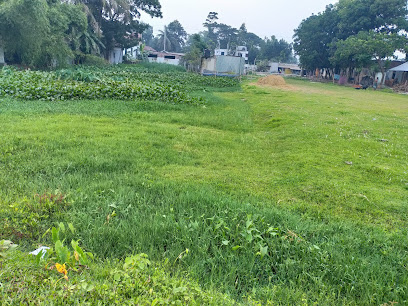
Priyokunjo Park - প্রিয়কুঞ্জ পার্ক, চুরখাই, ময়মনসিংহ
44.2 km
Escape to Priyokunjo Park in Mymensingh for a serene retreat amidst lush greenery and tranquil pathways, perfect for relaxation and nature connection.
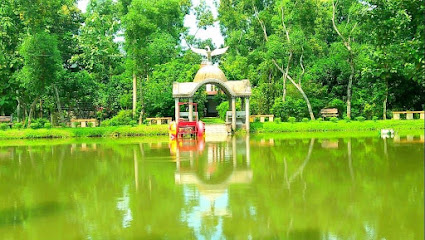
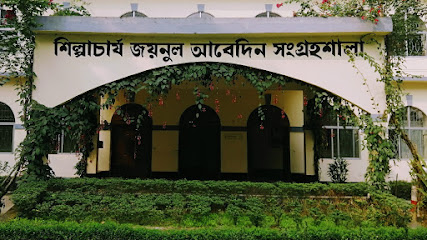
Shilpacharya Zainul Abedin Sangrahashala
45.6 km
Explore the art and legacy of Shilpacharya Zainul Abedin at this Mymensingh museum, showcasing his iconic paintings and contributions to Bangladeshi art.
Essential places to dine

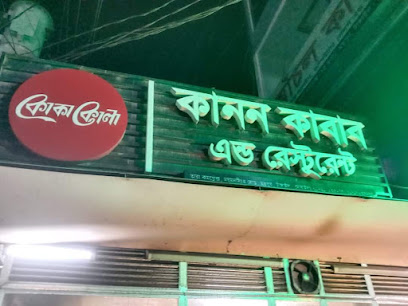
Kanon Kabab & Restaurant
10.7 km
Discover authentic Bangladeshi breakfast and kababs at Kanon Kabab & Restaurant in Madhupur - where flavors come alive!
Boithok Khana / বৈঠকখানা
25.9 km
Discover authentic Bangladeshi flavors at Boithok Khana - the perfect family-friendly dining experience.
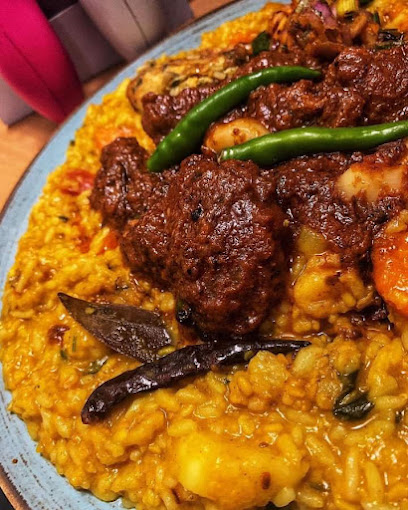
PARK Village Restaurant
34.8 km
Discover culinary delights at PARK Village Restaurant near Bongobondhu Bridge in Tangail - where taste meets scenic beauty.
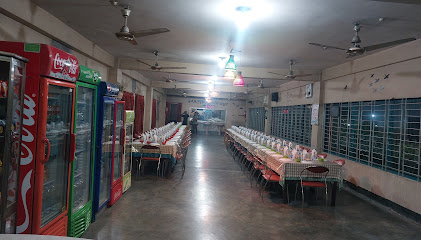
Sky View Restaurant Sirajganj
35.1 km
Discover authentic Indian flavors at Sky View Restaurant Sirajganj with stunning views and vibrant ambiance.
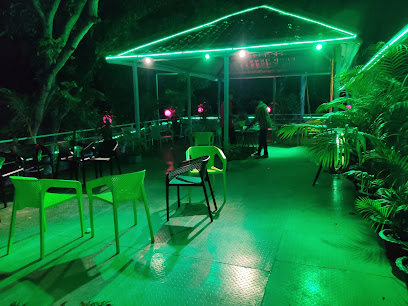
City Bypass Restaurant & Sweetmeet
43.7 km
Experience the best of Bangladeshi cuisine and irresistible desserts at City Bypass Restaurant & Sweetmeet in Mymensingh.
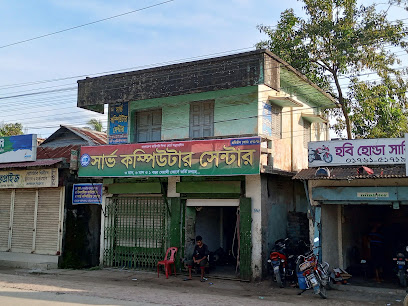
Kababji Cafe & Restaurant
44.6 km
Experience authentic local cuisine at Kababji Cafe & Restaurant in Mymensingh—a serene culinary retreat with flavorful dishes.
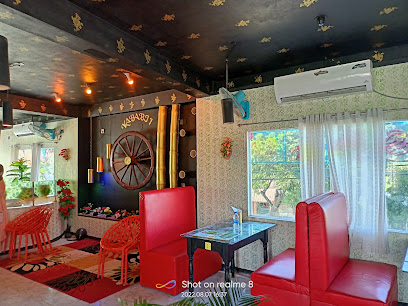
LUMINOUS Cafe & Restaurant
44.6 km
Experience delightful dining at LUMINOUS Cafe & Restaurant in Mymensingh with diverse menus and exceptional service.
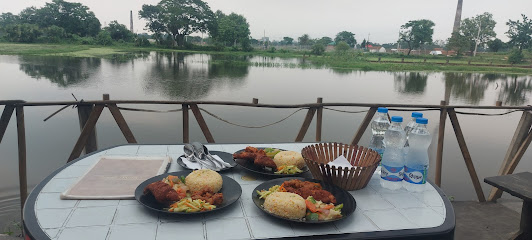
Valenty Restaurant and Coffee House
45.0 km
Experience the rich flavors of Bangladesh at Valenty Restaurant and Coffee House in Mymensingh - a must-visit for food lovers.
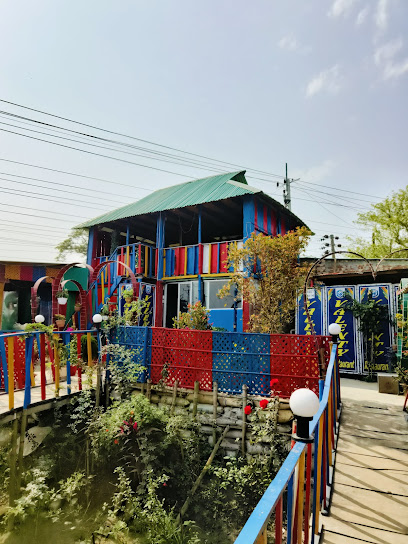
Wabi Sabi
45.2 km
Discover Wabi Sabi in Mymensingh: A culinary journey blending local flavors with international delights in an inviting atmosphere.
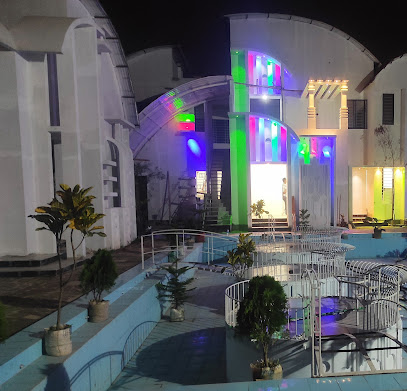
Desh Restaurant
45.4 km
Discover Mymensingh's culinary treasure at Desh Restaurant - where every bite tells a story of Bangladeshi tradition.
Unique Burger and Kabab Ghar.
45.5 km
Discover the best burgers and kebabs in Tangail at Unique Burger and Kabab Ghar – where every bite is a flavor adventure.
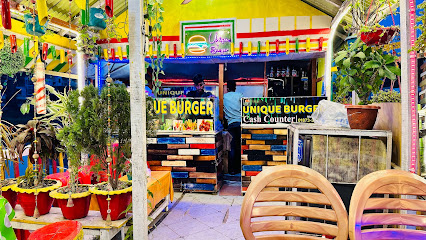
Old Town Restuarant & Party Center
45.9 km
Experience the flavors of Mymensingh at Old Town Restaurant & Party Center - where tradition meets taste in a vibrant atmosphere.
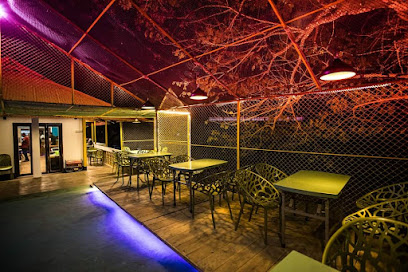
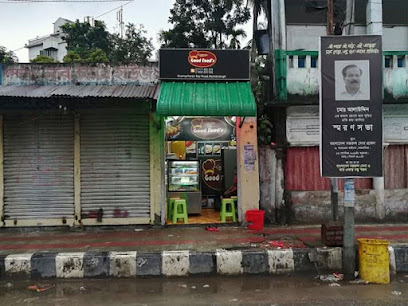
Good Foods restaurant
45.9 km
Discover authentic Bangladeshi flavors at Good Foods Restaurant in Mymensingh – a culinary gem that delights every palate.
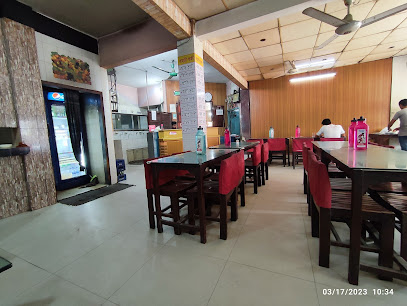
Mughol Darbar Restaurant
45.9 km
Discover authentic Bangladeshi breakfast delights at Mughol Darbar Restaurant in Mymensingh.
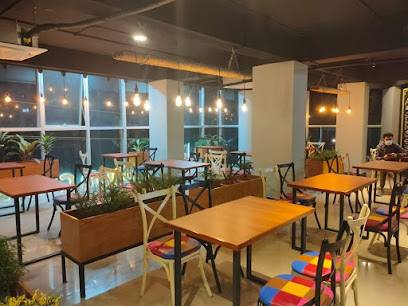
Chillox Mymensingh
46.0 km
Experience the vibrant flavors at Chillox Mymensingh – where fast food meets quality dining in Bangladesh's culinary scene.
Markets, malls and hidden boutiques

SK Unique Fashion Gallery
10.5 km
Explore the rich tapestry of Bangladeshi fashion at SK Unique Fashion Gallery, where unique styles meet local artistry for a shopping experience like no other.
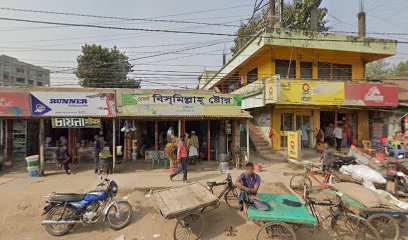
Unique Collection
25.0 km
Discover local flavors and unique souvenirs at Unique Collection Supermarket in Shibgonj Puraton Bazar.
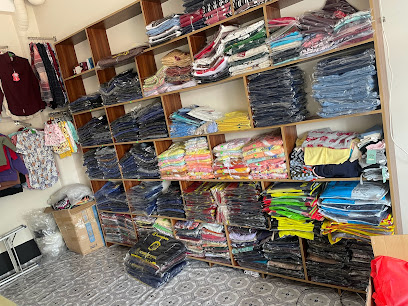
Viail Bazar
32.8 km
Experience the vibrant culture and shopping delights at Viail Bazar, the ultimate destination for tourists seeking local charm in the heart of the city.
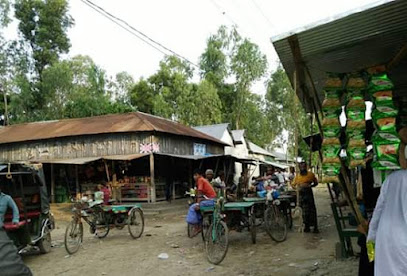
Unique Gadgets Mymensingh
44.7 km
Discover a world of innovative electronics and unique gadgets in Mymensingh - a must-visit for tech lovers and tourists alike.
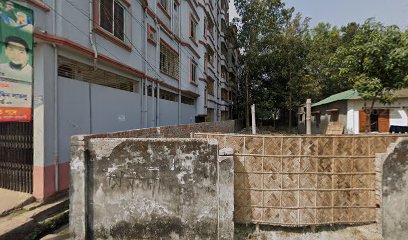
RJ FASHION BD
45.3 km
RJ FASHION BD: Your one-stop destination for transportation services and local shopping in the heart of Mymensingh.
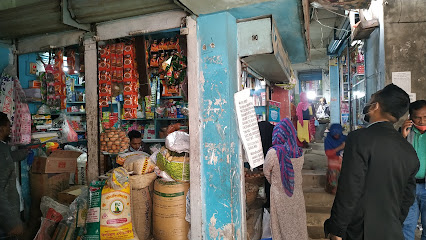
Bismillah gift and accessories shop
45.4 km
Discover the charm of Mymensingh with unique gifts at Bismillah Gift and Accessories Shop, where every item tells a story.
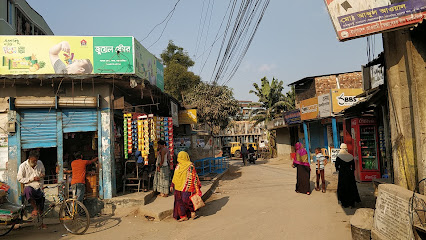
Gonshar Mor
45.5 km
Explore Gonshar Mor in Mymensingh for a delightful shopping and dining experience, blending local culture with modern retail.
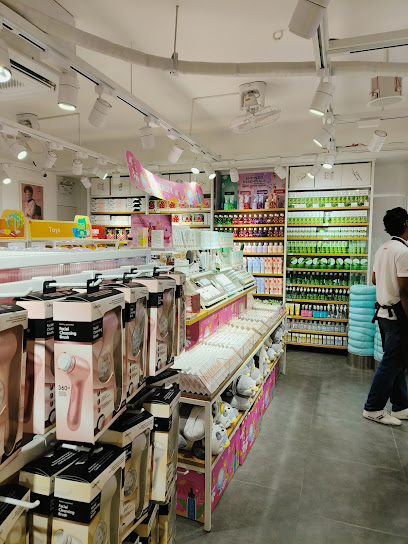
Miniso Mymensingh
46.0 km
Explore a vibrant world of unique gifts and trendy products at Miniso Mymensingh, the perfect shopping destination for tourists and locals alike.
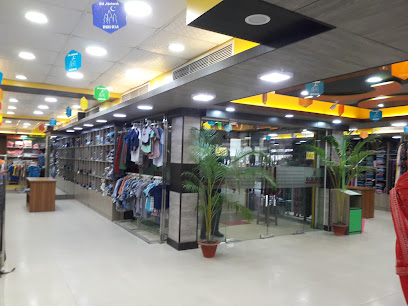
Spark Gear
46.1 km
Discover unique styles and local fashion at Spark Gear, Mymensingh's trendy clothing store for stylish travelers.
Aarong
46.1 km
Experience the essence of Bangladeshi culture at Aarong, a premier clothing store in Mymensingh offering traditional and contemporary garments.
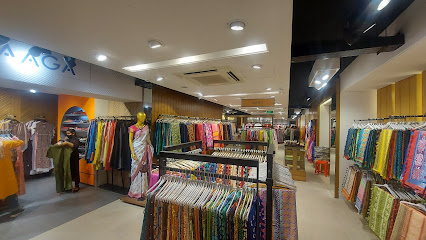
Notun Bazaar
46.1 km
Experience the vibrant culture and rich flavors of Mymensingh at Notun Bazaar, a must-visit market for all tourists.
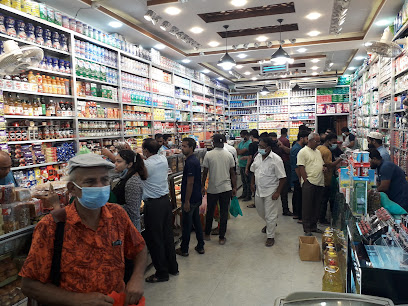
SAILOR
46.1 km
Explore Sailor in Mymensingh for unique fashion finds, blending local culture with modern style in a vibrant shopping atmosphere.
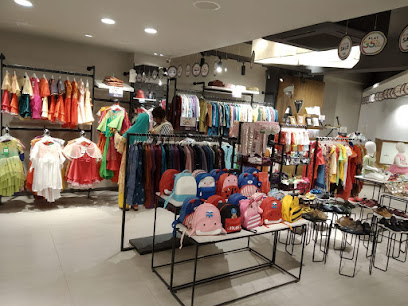
New Misti Kanan, Notun Bazar, Mymensingh
46.1 km
Discover the sweet essence of Mymensingh with a visit to New Misti Kanan, a dessert shop famous for its traditional Bangladeshi sweets and treats.
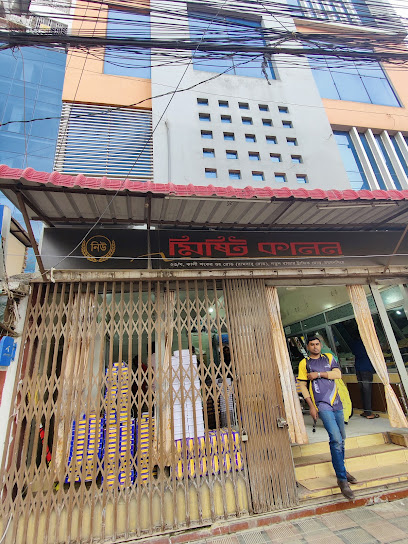
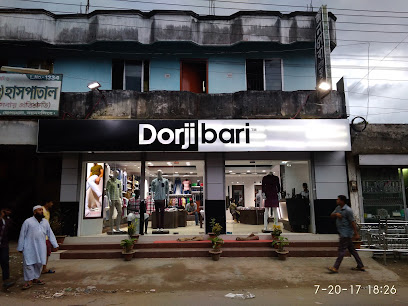
Dorjibari, Dhopakhola, Mymensingh
46.1 km
Discover the essence of local fashion at Dorjibari, a leading men's clothing store in Mymensingh, offering stylish attire for every occasion.
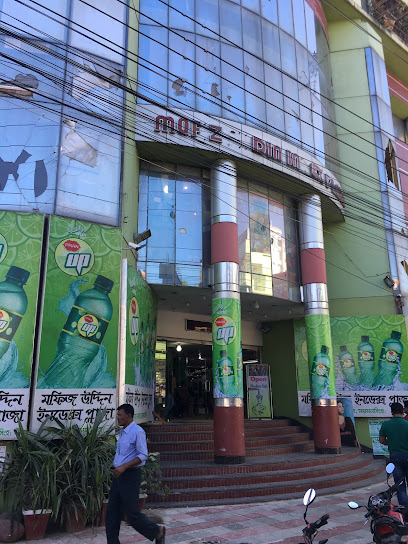
Mofiz Uddin Index Plaza
46.1 km
Explore Mofiz Uddin Index Plaza in Mymensingh for a unique shopping experience with trendy items and local flavors at affordable prices.
Essential bars & hidden hideouts

Ideal Cafe & Sweets
43.5 km
Experience the charm of Ideal Cafe & Sweets in Mymensingh, where delightful sweet treats and refreshing beverages await your taste buds.
Kashbon, Shankipara
45.1 km
Explore Kashbon Lounge in Shankipara for a tranquil escape, offering a cozy atmosphere and delightful beverages perfect for any traveler.
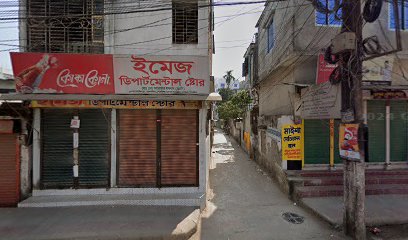
Xyz
45.3 km
Experience the vibrant nightlife of Mymensingh at Xyz Bar, where refreshing drinks and a lively atmosphere await.
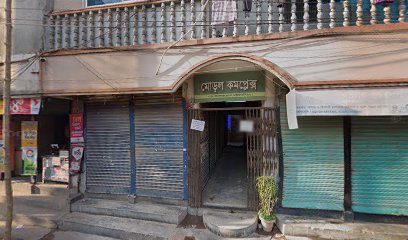
ADDA BARI RESTAURANT & CAFÉ
46.0 km
Experience the rich flavors of Mymensingh at Adda Bari Restaurant & Café, where tradition meets culinary creativity in a charming setting.
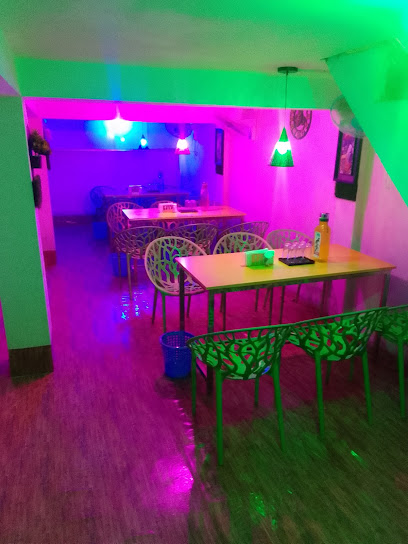
The Minions
46.1 km
Experience a fun dining adventure at The Minions in Mymensingh, where delicious fast food meets delightful ambiance for the whole family.
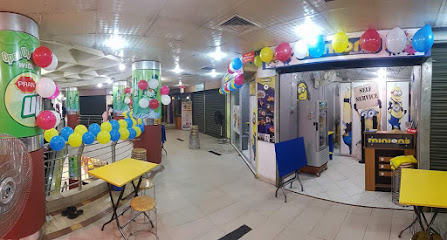
শুভ দে
46.1 km
Discover the lively charm of শুভ দে, a bar in Mymensingh where local culture meets vibrant nightlife for an unforgettable experience.
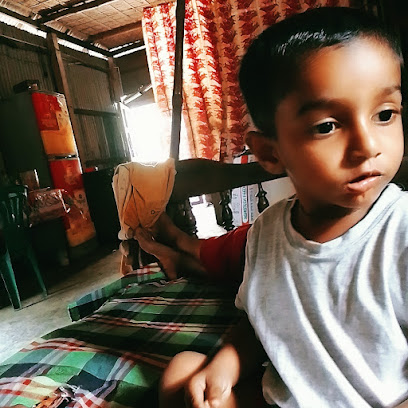
HomeCity Network
46.3 km
Discover Mymensingh's vibrant nightlife at HomeCity Network - a modern bar offering exquisite drinks and a welcoming atmosphere.
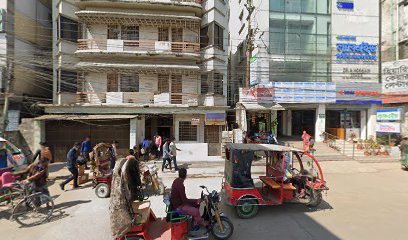
Revert Cafe
46.3 km
Experience the inviting ambiance and diverse menu at Revert Cafe, a hidden culinary gem in Mymensingh, Bangladesh.
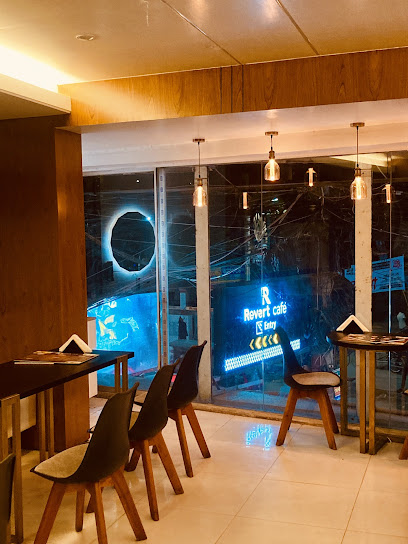
Press Club Canteen
46.4 km
Experience authentic Bangladeshi cuisine at Press Club Canteen in Mymensingh, where local flavors and a warm atmosphere await every traveler.
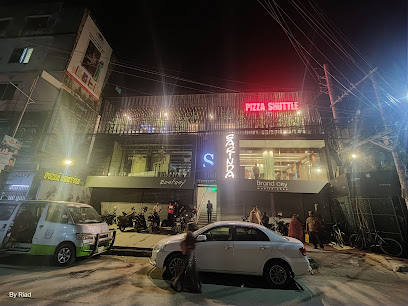
Big Burger & Igloo Selecta Ice Cream Parlour
46.5 km
Explore the vibrant flavors of Mymensingh at Big Burger & Igloo Selecta Ice Cream Parlour, where delicious fast food meets delightful ice cream.
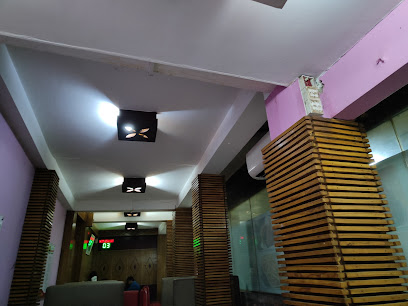
Manik Vaier Store ( Manio)
46.9 km
Discover Mymensingh's vibrant nightlife at Manik Vaier Store (Manio), where great drinks and friendly vibes await you.
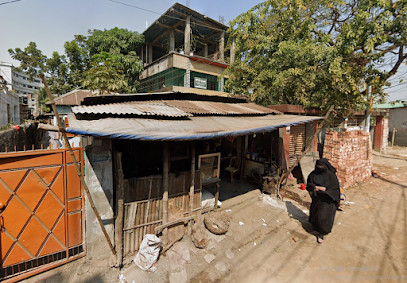
Monir
47.4 km
Experience Mymensingh's vibrant nightlife at Monir, a bar that immerses you in local culture with a lively atmosphere and delightful drinks.
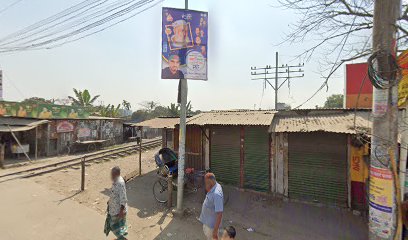
মি চাজক? (Mi Chajok?)
47.5 km
Discover the vibrant flavors of Bangladeshi cuisine at Mi Chajok, a culinary haven in Mymensingh offering a unique dining experience.
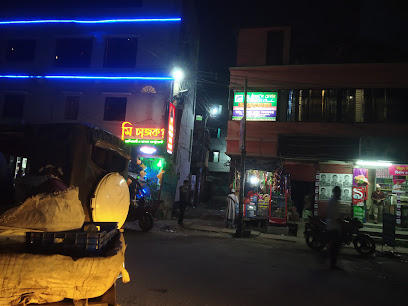
Mokul
47.6 km
Discover Mokul, a vibrant bar in Mymensingh, offering a perfect blend of local flavors and a lively atmosphere for an unforgettable night out.
Sabbir Store
47.9 km
Discover the charm of Sabbir Store, a cozy bar in Mymensingh offering local beverages and a welcoming atmosphere for tourists and locals alike.
Nightclubs & after hour spots

Club Beara Bazer
17.0 km
Dive into the vibrant nightlife of Bangladesh at Club Beara Bazer, where music and culture come alive in an unforgettable atmosphere.
Sherpur
36.9 km
Discover the vibrant nightlife and local culture at Sherpur's lively bar scene, perfect for unwinding and socializing in a friendly atmosphere.
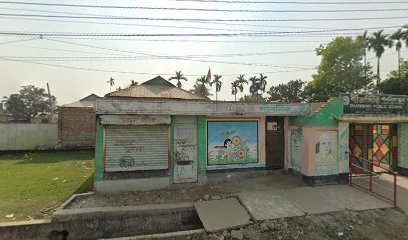
Telespati Media
42.3 km
Discover Telespati Media, the ultimate adult entertainment club for an electrifying nightlife experience in the heart of the city.
Rafiq Uddin Bhuiyan Stadium, Mymensingh
45.0 km
Discover the exhilaration of live sports at Rafiq Uddin Bhuiyan Stadium, Mymensingh, a cultural hub for sports enthusiasts and local events.
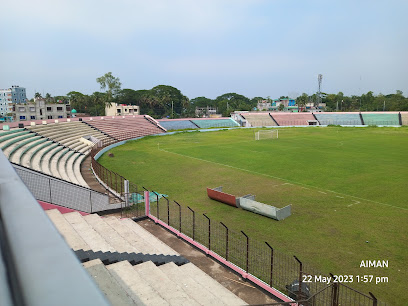
BAU Club
48.5 km
Experience the vibrant nightlife at BAU Club in Mymensingh, where music, dance, and unforgettable memories await you.
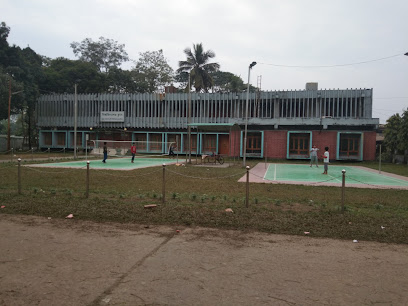
Dhumketu Club
48.6 km
Experience the charm of Mymensingh at Dhumketu Club, a social haven for relaxation and cultural immersion.
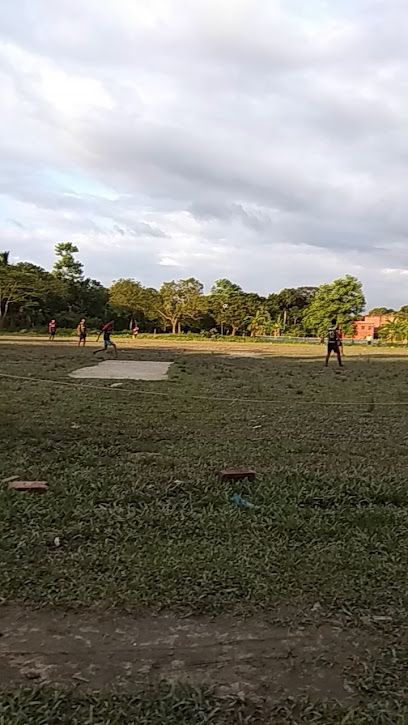
Isadighi Sorzo sontan kriya sohggo club
49.0 km
Unleash your night at Isadighi Sorzo Sontan Kriya Sohggo Club, where vibrant beats and electric atmosphere create unforgettable memories.

Nanur kutha
59.3 km
Discover the excitement of Nanur Kutha, the premier night club in Tarafpur, offering vibrant nightlife and unforgettable experiences.
Teguri Oturkhana
75.0 km
Discover the electric nightlife of Teguri Oturkhana - where music, dance, and fun unite for an unforgettable experience in Bera.
Nostho Zone
76.0 km
Dive into the vibrant nightlife of Bangladesh at Nostho Zone, where unforgettable moments await in a lively atmosphere.
Style Hok Bindas
77.3 km
Dive into the exciting nightlife of Bangladesh at Style Hok Bindas, where unforgettable experiences and electrifying music await.
Fana Hotale See place
86.1 km
Discover the electrifying nightlife at Fana Hotale See Place, a top night club for an unforgettable experience in local entertainment.
Adnan Sagor
86.9 km
Discover the vibrant nightlife of Tikuaile at Adnan Sagor, a night club where music and entertainment come alive every night.
Night club নাইট ক্লাব
89.3 km
Experience the vibrant nightlife of Bangladesh at Night Club নাইট ক্লাব – a must-visit destination for dancing and unforgettable memories.
Dhaka Royal Club Limited
99.8 km
Discover relaxation and sophistication at the Dhaka Royal Club Limited, a premier social club in Uttara, perfect for unwinding and socializing.


