Background

Patershol: A Medieval Culinary Haven

Discover Patershol in Ghent: a captivating blend of medieval charm, culinary delights, and cultural treasures in a historic neighborhood with cobblestone streets and architectural gems.

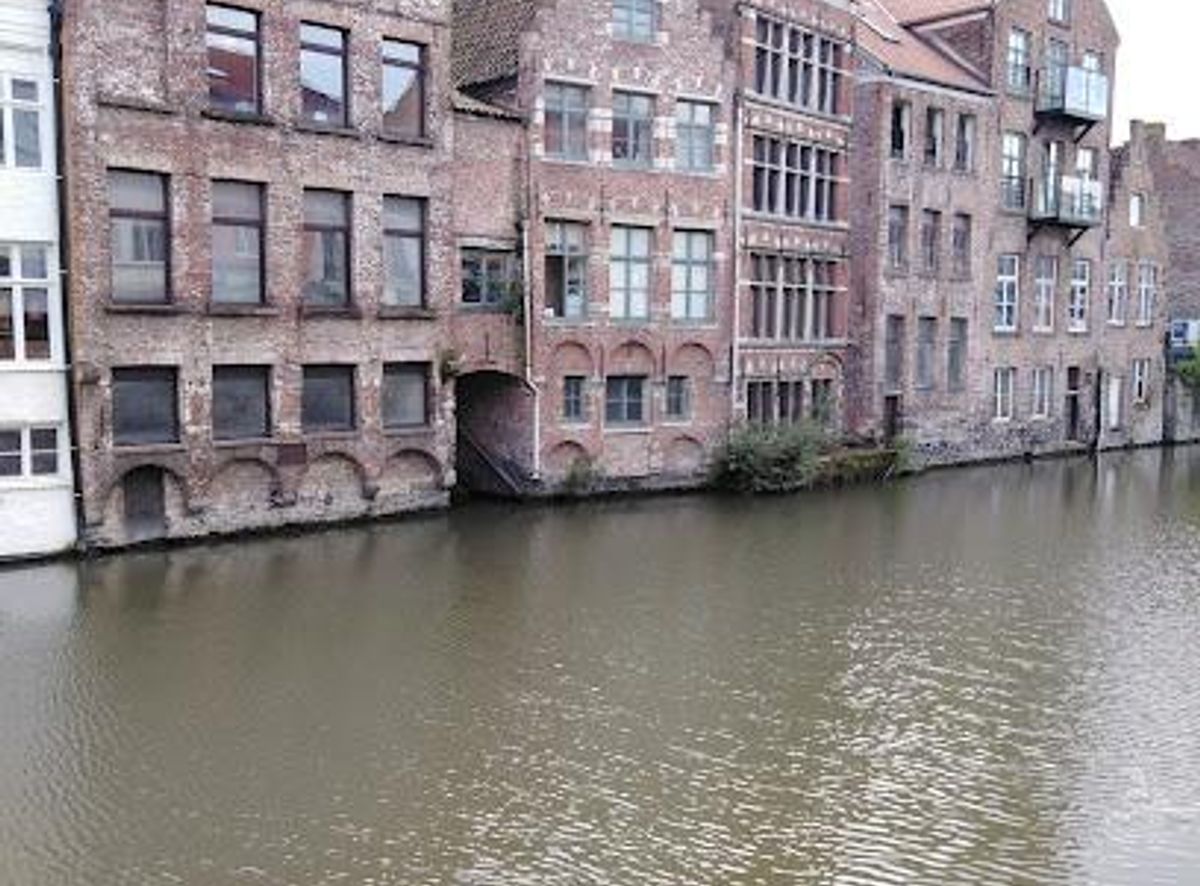
Patershol, a captivating neighborhood in Ghent, Belgium, invites visitors to step back in time and immerse themselves in its medieval charm. Characterized by narrow, winding cobblestone streets and well-preserved architecture dating back to the 17th and 18th centuries, Patershol offers a unique blend of historical ambiance and modern vibrancy. Once a military area and later home to monks and working-class families, it has transformed into one of Ghent's most desirable districts, boasting an array of restaurants, cafes, and boutiques. The neighborhood's name, meaning 'priests' burrow,' hints at its rich past, while its present-day atmosphere is alive with the flavors of traditional Flemish cuisine and international fare. Patershol is a feast for the senses, offering a picturesque setting for leisurely strolls and unforgettable dining experiences.

A brief summary to Patershol

  • Ghent, Arrondissement of Ghent, BE

Local tips

  • Explore the neighborhood on foot to fully appreciate its intricate network of cobblestone streets and hidden alleyways.
  • Sample traditional Flemish cuisine at one of Patershol's many restaurants, savoring local specialties in a historic setting.
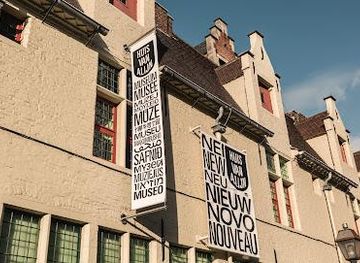
  • Visit the Huis van Alijn museum to gain insights into the history of everyday life in Flanders.
  • Keep an eye out for hidden boutiques and artisan workshops, where you can discover unique souvenirs and local crafts.
  • Enjoy a leisurely stroll along the Kraanlei, taking in the picturesque views of the Leie River and the surrounding architecture.
widget icon

Getting There

  • Walking

    Patershol is best explored on foot due to its narrow, winding streets. From Gravensteen Castle, walk northeast along Jan Breydelstraat, then turn right onto Oudburg. Continue along Oudburg, and you'll find yourself entering the heart of Patershol. The walk is approximately 5 minutes and offers a direct immersion into the neighborhood's unique atmosphere. Be mindful of the cobblestone streets and wear comfortable shoes.

  • Public Transport

    If arriving by public transport, the nearest tram stop is 'Gent Gravensteen' served by tram line 1. From the tram stop, walk northeast along Jan Breydelstraat, then turn right onto Oudburg. Continue along Oudburg, and you'll find yourself entering the heart of Patershol. A single tram fare is approximately €3 if purchased via contactless payment on the tram. Alternatively, a 10-ride card costs around €18 and can be purchased at 'Lijnwinkel' shops or vending machines.

  • Taxi/Ride-Share

    Taxis and ride-sharing services can drop you off at the edge of Patershol, as vehicle access within the neighborhood is restricted. A taxi from Ghent-Sint-Pieters railway station to the Oudburg, near Patershol, will cost approximately €12-€18, depending on traffic. From there, it's a short walk into the neighborhood. Be aware that during peak hours, traffic congestion may increase the fare.

  • Driving

    Driving directly into Patershol is not recommended due to the narrow streets and limited parking. The closest parking garage is 'P1 Vrijdagmarkt'. From the parking garage, walk towards the Vrijdagmarkt, then cross the Zuivelbrugje bridge and turn left into Kraanlei. This route leads you directly into Patershol. Parking at P1 Vrijdagmarkt costs approximately €3 per hour.

Unlock the Best of Patershol

Buy tickets

    No tickets available

Book tours with entry

    No tours available

Book tours without entry

    No tours available

Discover more about Patershol

Patershol, nestled in the heart of Ghent, Belgium, is a captivating neighborhood that beckons travelers to explore its labyrinthine streets and discover its rich tapestry of history and culture. This enchanting district, characterized by its narrow, cobblestone alleyways and well-preserved medieval architecture, offers a unique glimpse into Ghent's past while simultaneously embracing the vibrancy of modern life. Originally a military quarter owned by the Counts of Flanders, Patershol's story began to unfold in the late 13th century when monks established a presence in the area, giving rise to its name, which translates to 'priests' burrow.' Over the centuries, it evolved into a bustling residential area, particularly during the 19th century when it became home to many working-class families. This transformation left an indelible mark on the neighborhood, shaping its character and contributing to its unique architectural landscape. As you wander through Patershol's narrow streets, you'll be transported back in time, marveling at the well-preserved buildings that line the thoroughfares. Many of these structures date back to the 17th and 18th centuries, showcasing a blend of architectural styles that reflect the neighborhood's diverse history. Keep an eye out for the charming details that adorn these buildings, from ornate facades to intricate carvings, each telling a story of the past. In the 15th century, the Council of Flanders was housed in the nearby Gravensteen castle, which led lawyers and magistrates to settle in the area. Later, tradesmen and craftsmen also moved in. By the 19th century, industrialization led to the Patershol becoming a working-class neighborhood. Many of the large buildings were divided into smaller dwellings, resulting in the creation of slums. However, from the end of the 19th century, the area became a source of inspiration for artists. Today, Patershol is renowned as one of Ghent's most desirable neighborhoods, attracting visitors with its unique blend of historical charm and contemporary appeal. The area is a culinary haven, boasting an array of restaurants and cafes that cater to every palate. From traditional Flemish cuisine to international flavors, the dining scene in Patershol is as diverse as its history. Many of these eateries are housed in historic buildings, offering a unique dining experience where you can savor your meal surrounded by centuries-old architecture. Beyond its culinary delights, Patershol is also home to several cultural attractions that offer insights into Ghent's rich heritage. The Huis van Alijn, a museum dedicated to the history of everyday life in Flanders, provides a fascinating glimpse into the region's past. The Caermersklooster, a former Carmelite monastery, now serves as a cultural center, hosting exhibitions and events throughout the year. Patershol's charm extends beyond its historical landmarks and culinary offerings. The neighborhood is a vibrant hub of activity, with a lively atmosphere that permeates its streets. Take a leisurely stroll through its narrow alleyways, and you'll discover hidden boutiques, art galleries, and artisan workshops, each offering a unique glimpse into Ghent's creative spirit. The neighborhood is separated from the rest of the historic city center by the Lys river. The area originated in the 11th or 12th century in the shadow of the Castle of the Counts and had its heyday in the 17th and 18th centuries, when magistrates and lawyers built majestic mansions there. After a period as a working-class district in the 19th century, the neighborhood fell into decline. It was not until the 1980s that the Patershol came back into the spotlight and many buildings were restored. Today, you will find a succession of restaurants and cafés. There are also two museums here: Huis van Alijn and Kunsthal Gent. Whether you're a history buff, a food enthusiast, or simply seeking a unique and charming destination, Patershol offers an unforgettable experience. Lose yourself in its labyrinthine streets, savor its culinary delights, and immerse yourself in its rich tapestry of history and culture. Patershol is more than just a neighborhood; it's a journey through time, a celebration of creativity, and a testament to the enduring spirit of Ghent.

Popular Experiences near Patershol

Popular Hotels near Patershol

Select Currency