

Free Condroz Travel Guide & Mobile App
Explore Condroz with free travel guides. Discover regional history, expert tips, proposed trips, and audio guides on web or mobile app.


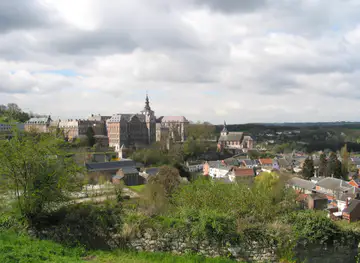
Explore Belgium’s Condroz region for limestone villages, medieval castles, rural walks, local food and quiet Walloon countryside between the Meuse and Ardennes.
Read more about Condroz
When is the best time to visit Condroz?
Best: June–August · 21–23°C| Month | High (°C) | Rainfall (mm) |
|---|---|---|
| January | 5 | 70 |
| February | 7 | 60 |
| March | 10 | 70 |
| April | 14 | 60 |
| May | 18 | 80 |
| June (best) | 21 | 80 |
| July (best) | 23 | 80 |
| August (best) | 22 | 80 |
| September | 20 | 70 |
| October | 15 | 70 |
| November | 9 | 70 |
| December | 6 | 80 |
Getting to and around Condroz
How to get there
Transportation
Top city travel guides in Condroz
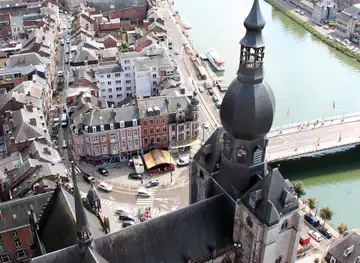
The cities of Condroz, and the easiest places to base yourself.
-
-

-

-

-

-


Swipe for more cities
Best attractions in Condroz
Condroz’s attractions are best experienced as a sequence of small discoveries across a rural landscape. Historic castles provide the strongest architectural focus: Château de Modave occupies a wooded site above the Hoyoux valley, while Château de Spontin preserves a fortified presence near the village of the same name. Crupet, in the municipality of Assesse, is known for its stone houses, church and watermill setting, and makes a rewarding stop on a village-based itinerary. The Domaine Provincial de Chevetogne, near Ciney, combines extensive grounds, gardens, woodland, play areas and walking routes. Around the region’s edges, the Meuse valley at Huy and Dinant adds museums, river scenery and urban heritage, though the towns have distinct identities of their own. Outdoor visitors will find marked walks and cycle routes across limestone plateaux, wooded valleys and farmland, while families can combine estate gardens with short nature trails. Smaller churches, chapels, mills, farm courtyards and local museums reward unhurried travel more than checklist sightseeing.
-
Catholic cathedral
Cathedral of Our Lady
Explore the breathtaking Gothic architecture and remarkable artistry of the Cathedral of Our Lady, a UNESCO World Heritage site in Antwerp.
-
City park
St. Roch Park
Discover Ciney's enchanting St. Roch Park: a historic green space with majestic trees, a charming castle, and a disc golf course for outdoor fun.
-
Castle
Château Fort de Montaigle
Discover the majestic ruins of Château Fort de Montaigle, a cultural landmark steeped in history and surrounded by breathtaking natural beauty.
-
Theme park
Family Park Sierk
Discover Family Park Sierk in De Haan, Belgium, where unforgettable family fun and adventure await for children aged 2 to 10.


Best landmarks in Condroz
The limestone-built villages and isolated castles of Condroz form its most recognisable visual landmarks. Château de Modave, overlooking the Hoyoux valley, combines a powerful historic setting with an eighteenth-century interior shaped by later reconstruction. Château de Spontin retains towers, walls and a moat-like defensive composition that reflects the strategic importance of local lordships. In Crupet, the compact church, stone houses, former mill and surrounding valley create a particularly coherent village scene. The collegiate church of Notre-Dame at Dinant stands outside the core upland character of Condroz but is a useful landmark on the region’s Meuse-facing edge, while Huy’s fortification and hilltop heritage reflect the valley’s separate military and urban history. Beyond buildings, the broad ridges, wooded folds and stream valleys are defining natural landmarks: roads and trails repeatedly open onto long views across cultivated plateaux. Farm courtyards, chapels and stone bridges are less monumental but equally important to the region’s historic identity, revealing how local geology and agriculture shaped everyday architecture.
-
Plaza
Grand Place
Explore Grand Place, the breathtaking central square of Brussels, a UNESCO World Heritage site filled with stunning architecture and vibrant culture.
-
Tourist attraction
Atomium
Discover the Atomium in Brussels: A stunning architectural landmark that offers breathtaking views, interactive exhibitions, and a rich cultural experience.
-
Fountain
Manneken Pis
Explore the whimsical Manneken Pis, a small yet iconic fountain in Brussels symbolizing the city's playful spirit and rich cultural heritage.
-
Castle
Gravensteen
Explore Gravensteen, a stunning medieval castle in Ghent, Belgium, showcasing rich history and breathtaking architecture in a picturesque setting.


Explore Condroz on the map
Plan your trip on one map. See where the top cities, national parks and sights are, and book hotels and experiences in a few clicks.
Best hotels in Condroz
Best restaurants in Condroz
Dining in Condroz reflects Wallonia’s agricultural setting and the region’s proximity to the Meuse valley. Village restaurants, brasseries and rural inns commonly serve seasonal cooking based on meat, poultry, vegetables, bread and regional cheeses, while cafés provide practical stops in market towns such as Ciney, Huy and Dinant. Local beers, including those associated with the Ciney brewing tradition, are a natural accompaniment, and menus may also feature products from nearby farms and artisan producers. Walloon specialities such as boulets, freshwater fish from the wider river region, game in season and substantial tart or pastry desserts appear alongside more contemporary Belgian cooking; they should not all be treated as Condroz inventions. Farmers’ markets and specialist food shops are useful for cheeses, charcuterie, honey, bread and beer to take away. In small villages, evening dining can be limited and opening patterns vary, so reservations are sensible, particularly at weekends and during holiday periods.
-
Hamburger
The Huggy’s Bar
Discover gourmet hamburgers in Nandrin at The Huggy’s Bar – where flavor meets friendly service in a vibrant setting.
-
Fine Dining
L’air du temps
Discover culinary artistry at L’air du temps, where exquisite flavors meet sustainable practices in the heart of Eghezee.
-
Belgian
Qu'on se le dise
Experience authentic Belgian cuisine at Qu'on se le dise in Seraing - where tradition meets taste.
-
Japanese
Keyaki Condroz
Experience authentic Japanese cuisine at Keyaki Condroz with exquisite barbecue and sushi offerings in Nandrin.


Best bars in Condroz
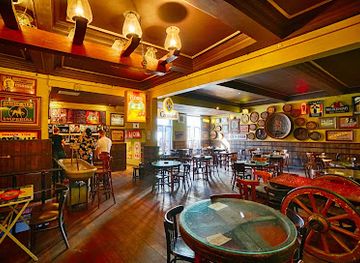
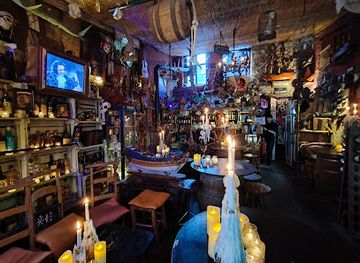
Evenings in Condroz are generally centred on traditional cafés, village bars, brasseries and restaurants rather than a large nightclub scene. Ciney and Huy offer the broadest choice of places to meet for a beer, dinner or occasional live performance, while Dinant provides a more visitor-oriented evening setting along the Meuse. In smaller settlements, historic inns and local cafés may close earlier and are often busiest around community events, weekends or market days. Belgian beer culture is prominent, with regional and national beers available alongside soft drinks and wine, but drinking is only one part of the social landscape. Some breweries and restaurants offer tastings or food pairings, usually subject to their own arrangements. Visitors staying in the countryside should organise a taxi or designated driver in advance, as late public transport between villages is limited.
-
Bar
Delirium Café
Experience the ultimate beer adventure at Delirium Café in Brussels, where over 2,000 beers await in a vibrant and friendly atmosphere.
-
Brasserie
L' Amirauté
Experience the charm of French cuisine at L'Amirauté, a delightful brasserie by the Ourthe River in Esneux, Belgium.
-
Hamburger
The Huggy’s Bar
Experience the best hamburgers in Nandrin at The Huggy’s Bar, where quality meets flavor in a vibrant and welcoming atmosphere.
-
Bar
Tortuga
Discover Tortuga, a cozy bar in Durbuy, offering a unique selection of drinks and a vibrant atmosphere for the perfect night out.


Best nightclubs in Condroz
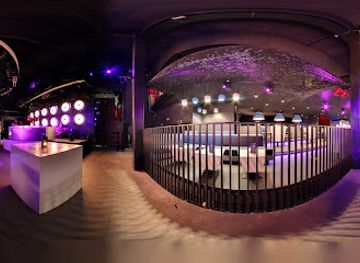
Evenings in Condroz are generally centred on traditional cafés, village bars, brasseries and restaurants rather than a large nightclub scene. Ciney and Huy offer the broadest choice of places to meet for a beer, dinner or occasional live performance, while Dinant provides a more visitor-oriented evening setting along the Meuse. In smaller settlements, historic inns and local cafés may close earlier and are often busiest around community events, weekends or market days. Belgian beer culture is prominent, with regional and national beers available alongside soft drinks and wine, but drinking is only one part of the social landscape. Some breweries and restaurants offer tastings or food pairings, usually subject to their own arrangements. Visitors staying in the countryside should organise a taxi or designated driver in advance, as late public transport between villages is limited.
-
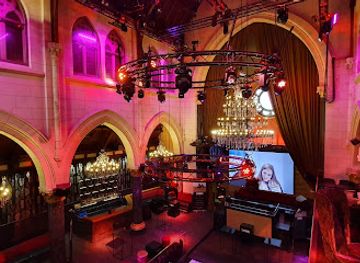
Night club
Versuz
Discover the electrifying nightlife at Versuz, Hasselt's premier night club, where music, dance, and vibrant crowds create unforgettable memories.
-
Disco club
Spirito Brussels
Discover Spirito Brussels, the ultimate disco club in Ixelles, where vibrant nightlife meets stylish ambiance and unforgettable experiences await.
-
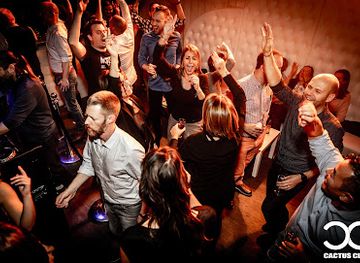
Night club
Cactus Club
Experience the vibrant nightlife at Cactus Club in Auderghem, a must-visit night club with eclectic music and an energetic crowd.
-
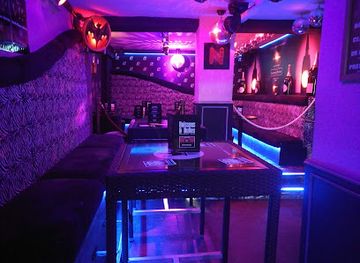
Disco club
Nostalgia Club
Discover the vibrant nightlife at Nostalgia Club in Brussels, where the dance floor comes alive with eclectic music and a welcoming crowd.
Best shops in Condroz
Shopping in Condroz is concentrated in market towns rather than large retail districts. Ciney, Huy and Dinant provide the widest choice of everyday shops, food retailers, cafés, galleries and independent businesses, while smaller villages are more likely to offer a bakery, convenience shop or occasional local producer. Markets and farm shops are useful for Belgian cheeses, bread, honey, preserves, charcuterie and regional beers, with availability varying by town and day. Craft and heritage shopping tends to consist of pottery, artwork, books, antiques and small gifts rather than a single distinctive regional craft tradition. Visitors interested in beer can look for bottles from Belgian breweries, including products associated with Ciney, while local food shops make practical places to assemble a picnic. Check market days locally and carry cash for smaller stalls, although many established retailers accept cards. The most rewarding purchases are often edible and connected to the farming landscape rather than mass-produced souvenirs.
-
Gift shop
Action
Explore Action, your go-to gift shop in Liège for DIY supplies, home goods, and unique finds that inspire creativity and joy.
-
Furniture store
Mailleux Furniture
Discover exquisite furniture and home décor at Mailleux Furniture in Neupré, Belgium—where craftsmanship meets design.
-
Pet store
Poils et Plumes Neupré
Visit Poils et Plumes Neupré, a pet store that offers a delightful selection of pet supplies and a unique experience for animal lovers in Belgium.
-
Clothing store
ZEB
Discover the latest fashion trends at ZEB, a stylish clothing store in Nandrin, Belgium, offering quality apparel at affordable prices.


Get your free copy of our complete guide to Condroz, delivered straight to you.
Everything on this page, from attractions and restaurants to essentials and local phrases, in one PDF you can read offline, print or share.
Already have an account? Sign in
Your Condroz guide is ready.
We'll send it to · Not you? Sign out

Getting your guide ready…
We are putting together a fresh copy of the Condroz guide. This can take up to a minute.
This can take a few moments. If your browser asks, choose Allow so the download can start. You'll find the guide in your Downloads folder.
Nothing happened? Download it again
Sorry, the guide is taking longer than usual. Please try again in a minute, or get it by email instead.
Condroz essentials
Currency and Payment
Safety
Emergency Situations
Do's and Don'ts
Local Tips
From Eve
Local phrases worth knowing
You don't need to get them perfect. A few words go a long way, and locals appreciate the effort.
Basics
| English | Local | Say it |
|---|---|---|
| Hello | Salut | [sah-loo] |
| Goodbye | Au revoir | [oh ruh-vwahr] |
| Yes | Oui | [wee] |
| No | Non | [noh] |
| Please/You're welcome | S'il vous plaît | [seel voo pleh] |
| Thank you | Merci | [mehr-see] |
| Excuse me/Sorry | Pardon | [par-dohn] |
| How are you? | Comment ça va? | [koh-mahn sah vah] |
| Fine. And you? | Bien. Et vous? | [byahn. eh voo] |
| Do you speak English? | Parlez-vous anglais? | [par-lay voo ahn-glay] |
| I don't understand | Je ne comprends pas | [zhuh nuh kom-prahn pah] |
Eating & Drinking
| English | Local | Say it |
|---|---|---|
| I'd like to see the menu, please | Je voudrais voir le menu, s'il vous plaît | [zhuh voo-dray vwah le meh-nu, seel voo pleh] |
| I don't eat meat | Je ne mange pas de viande | [zhuh nuh mahnj pah duh vyahnd] |
| Cheers! | Santé! | [sahn-tay] |
| I would like to pay, please | Je voudrais payer, s'il vous plaît | [zhuh voo-dray pay-ay, seel voo pleh] |
Emergencies
| English | Local | Say it |
|---|---|---|
| Help! | Au secours! | [oh suh-koor] |
| Go away! | Allez-vous-en! | [ah-lay voo-zahn] |
| Call the Police! | Appelez la police! | [ah-peh-lay lah poh-lees] |
| Call a doctor! | Appelez un médecin! | [ah-peh-lay uhn may-deh-sin] |
| I'm lost | Je suis perdu | [zhuh swee pair-dyoo] |
| I'm ill | Je suis malade | [zhuh swee mah-lahd] |
Shopping
| English | Local | Say it |
|---|---|---|
| I'd like to buy... | Je voudrais acheter... | [zhuh voo-dray ah-she-tay] |
| I'm just looking | Je ne fais que regarder | [zhuh nuh feh kuh ruh-gar-day] |
| How much is it? | C'est combien? | [seh kohm-byen] |
| That's too expensive | C'est trop cher | [seh troh shair] |
| Can you lower the price? | Pouvez-vous baisser le prix? | [poo-vay voo beh-say le pree] |
Time & Numbers
| English | Local | Say it |
|---|---|---|
| What time is it? | Quelle heure est-il? | [kel uhr eh-teel] |
| It's one o'clock | Il est une heure | [eel eh toon uhr] |
| Half past (10) | Dix heures et demie | [dees uhr eh duh-mee] |
| Morning | Matin | [ma-tan] |
| Afternoon | Après-midi | [ah-preh mee-dee] |
| Evening | Soir | [swahr] |
| Yesterday | Hier | [ee-ehr] |
| Today | Aujourd'hui | [oh-zhoor-dwee] |
| Tomorrow | Demain | [duh-muhn] |
| 1 | Un | [uhn] |
| 2 | Deux | [duhr] |
| 3 | Trois | [trwah] |
| 4 | Quatre | [katr] |
| 5 | Cinq | [sank] |
| 6 | Six | [sees] |
| 7 | Sept | [set] |
| 8 | Huit | [weet] |
| 9 | Neuf | [nurf] |
| 10 | Dix | [dees] |
Transport & Directions
| English | Local | Say it |
|---|---|---|
| Where's a/the...? | Où est un/le...? | [oo eh uhn/luh] |
| What's the address? | Quelle est l'adresse? | [kel eh lah-dress] |
| Can you show me (on the map)? | Pouvez-vous me montrer (sur la carte)? | [poo-vay voo muh mon-tray (sur lah kart)] |
| When's the next (bus)? | Quand est le prochain (bus)? | [kahn eh luh proh-shen (boos)] |
| A ticket (to ....) | Un billet (pour....) | [uhn bee-yay (poor....)] |
History of Condroz
The Condrusi and the Ancient Landscape
The name Condroz is generally connected with the Condrusi, a people mentioned by Julius Caesar among the communities of north-eastern Gaul during the Roman conquest. The ancient territory cannot be mapped precisely onto the modern natural region, but the association reflects the area’s long-standing identity as a distinct landscape south of the Meuse. Prehistoric occupation and later rural settlement were encouraged by fertile soils, watercourses and accessible limestone plateaux.
Roman Roads and Agricultural Settlement
Roman administration brought roads, taxation and new patterns of settlement to the wider Condroz. Routes crossing the plateaux connected communities and helped integrate the area with nearby towns and river corridors. Archaeological evidence from the region indicates long agricultural continuity, although the landscape seen today is the product of many later changes. Roman influence is therefore best understood through settlement patterns, roads and the organisation of the countryside rather than through a single surviving monument.
Medieval Lordships, Churches and Castles
During the Middle Ages, Condroz was divided among lordships and came under the influence of neighbouring powers, particularly the Prince-Bishopric of Liège and the County of Namur. Fortified residences and castles guarded local estates and routes, while parish churches and religious foundations structured village life. Modave, Spontin and other historic sites preserve elements of this medieval and early modern inheritance, although many buildings were rebuilt or transformed over subsequent centuries.
Stone Architecture and Rural Estates
From the early modern period into the nineteenth century, the region’s agricultural economy shaped a distinctive built environment. Farmhouses, barns, village houses and manor estates were constructed or repaired in local limestone, often around enclosed courtyards. Landholding families, religious institutions and prosperous farmers influenced the appearance of settlements, while mills used streams and small rivers for processing grain. Much of Condroz’s architectural appeal comes from this continuity between geology, farming and settlement.
The Meuse Valley and Industrial Change
The Meuse valley at and around the edges of Condroz experienced much stronger industrialisation than the upland countryside. Huy and Andenne became associated with river trade, metalworking, quarrying and other industries, benefiting from water transport and later railway connections. These developments created a contrast between industrial towns and the agricultural plateaux behind them. Roads and railways also made it easier for rural produce and workers to move between villages and the valley.
Twentieth-Century Agriculture and Rural Renewal
The twentieth century brought mechanisation, consolidation of farms and changes in village populations across Condroz. Some traditional buildings lost their original agricultural functions, while others were restored as homes, inns or cultural properties. At the same time, local authorities and conservation organisations increasingly recognised the value of the region’s landscapes, walking routes and heritage villages. Contemporary Condroz balances productive agriculture with tourism based on rural scenery, historic architecture and outdoor recreation.
Condroz in Photos
Browse through our photo collection highlighting the charm and character of the destination.
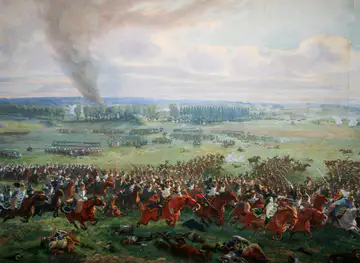
Neighbouring regions of Condroz
The closest regions to Condroz, if you have time for more than one.
-
-

-

-

-


Swipe for more regions
Explore more

Explore more of Belgium
Discover Belgium: A blend of medieval charm, culinary delights, and stunning landscapes. Explore historic cities, savor exquisite chocolates, and enjoy a perfect getaway.
Explore Belgium