

Free Wallonia Travel Guide & Mobile App
Explore Wallonia with free travel guides. Discover regional history, expert tips, proposed trips, and audio guides on web or mobile app.


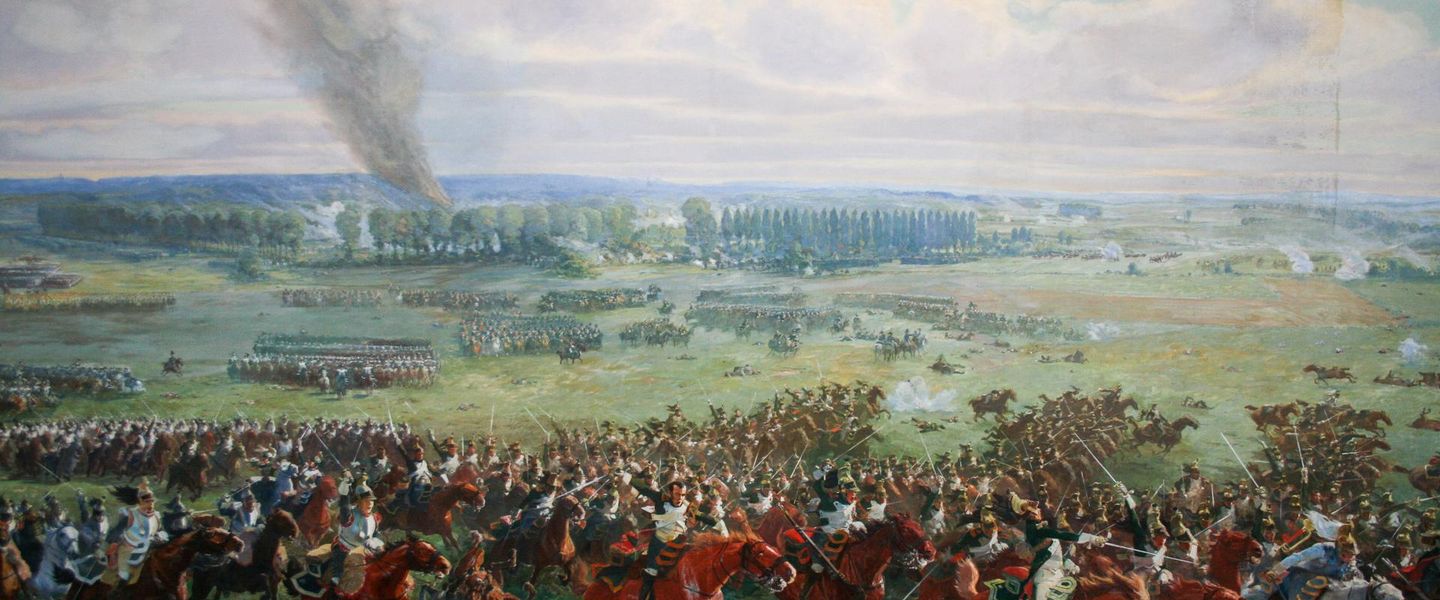


Explore Wallonia’s historic cities, Ardennes forests, river valleys, abbeys, battlefields and distinctive French-speaking Belgian food culture.
Read more about Wallonia
When is the best time to visit Wallonia?
Best: June–August · 21–23°C| Month | High (°C) | Rainfall (mm) |
|---|---|---|
| January | 6 | 55 |
| February | 6 | 45 |
| March | 11 | 50 |
| April | 14 | 45 |
| May | 18 | 55 |
| June (best) | 21 | 65 |
| July (best) | 23 | 70 |
| August (best) | 23 | 70 |
| September | 19 | 55 |
| October | 15 | 50 |
| November | 10 | 60 |
| December | 8 | 60 |
Getting to and around Wallonia
How to get there
Transportation
Top city travel guides in Wallonia
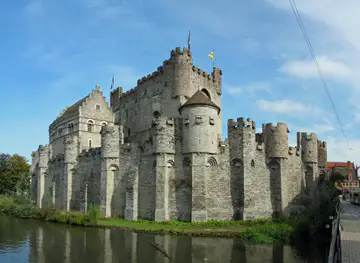
The cities of Wallonia, and the easiest places to base yourself.
-

-
-

-

-

-


Swipe for more cities
Destinations in Wallonia
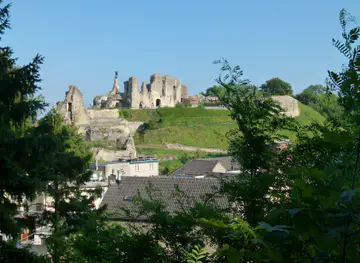
Resorts, valleys and scenic spots worth a trip of their own.
-

-
-

-

-

-


Swipe for more destinations
Best attractions in Wallonia
Wallonia’s attractions range from major urban museums and historic squares to forest trails, caves and river activities. Namur’s citadel provides a starting point for understanding the Meuse valley, while Liège offers museums, churches and industrial history in a large urban setting. Mons and Tournai have notable historic centres, and Waterloo preserves sites associated with the 1815 battle. In the Ardennes, visitors can explore the caves at Han-sur-Lesse, kayak on selected stretches of the Lesse or Ourthe, and walk through wooded landscapes around Bouillon, La Roche-en-Ardenne and Bastogne. The High Fens offers a markedly different environment of open moorland, peatland and raised boardwalks. Castles at Bouillon, Modave and other rural locations add architectural interest, while abbeys such as Orval and Maredsous connect heritage with brewing and monastic traditions. Former mining and industrial sites, particularly in Hainaut and the Meuse valley, provide a substantial cultural counterpoint to the countryside.
-
Tourist attraction
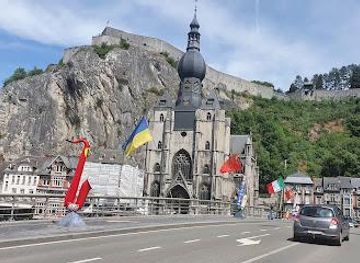
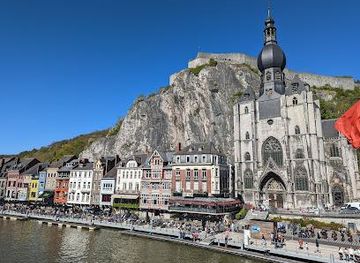
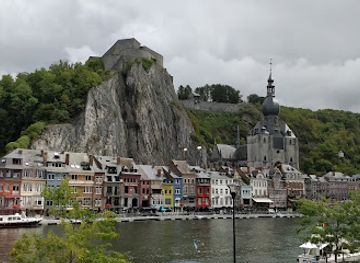
Citadelle de Dinant
Discover the breathtaking Citadelle de Dinant, a historical fortress offering stunning views and rich cultural heritage in the heart of Belgium.
-
Hindu temple
Radhadesh domain
Explore Radhadesh Domain in Durbuy: A unique fusion of spirituality, culinary excellence, and cultural heritage awaits.
-
Bridge
Pont Charles de Gaulle
Discover the stunning Pont Charles de Gaulle in Dinant, a beautiful bridge that seamlessly blends history with breathtaking views of the Meuse River.
-
Catholic church
Notre Dame de Dinant
Discover the breathtaking beauty and rich history of Notre Dame de Dinant, a Gothic cathedral in Belgium's picturesque town, perfect for culture and architecture enthusiasts.

Best landmarks in Wallonia
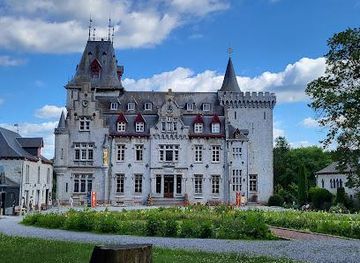
Wallonia’s most recognisable landmarks often occupy strategic heights or river crossings. The Citadel of Namur rises above the meeting of the Meuse and Sambre, while the Citadel of Dinant overlooks the Meuse beside the town’s distinctive riverside church. Bouillon Castle dominates a bend of the Semois and reflects the military importance of the medieval Ardennes. In Liège, the Palais des Princes-Évêques and the city’s historic churches recall the long power of the Prince-Bishopric, while Tournai Cathedral is a major Romanesque and Gothic presence in the west. Mons Grand-Place and belfry express the civic history of Hainaut, and Waterloo’s Lion mound marks a battlefield landscape south of Brussels within Walloon Brabant. The High Fens provides a natural landmark of a different kind: an elevated expanse of moorland whose open horizons contrast with the enclosed valleys and forests elsewhere in the region.
-
Plaza
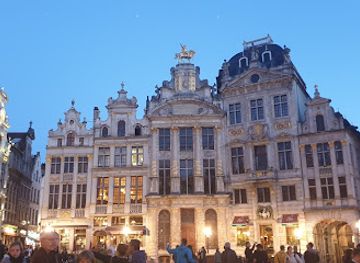
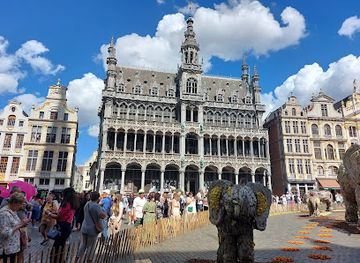
Grand Place
Experience the breathtaking beauty and rich history of Grand Place, the heart of Brussels, surrounded by stunning architecture and vibrant culture.
-
Tourist attraction
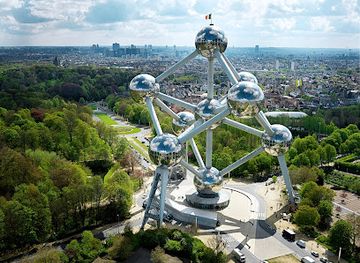
Atomium
Discover the Atomium, Brussels' iconic symbol of innovation, offering stunning views and engaging exhibitions in a unique architectural masterpiece.
-
Fountain
Manneken Pis
Discover the whimsical charm of Manneken Pis, the iconic fountain and symbol of Brussels, showcasing the city's playful spirit and rich culture.

Explore Wallonia on the map
Plan your trip on one map. See where the top cities, national parks and sights are, and book hotels and experiences in a few clicks.
Best hotels in Wallonia
Best restaurants in Wallonia
Walloon food is rooted in hearty regional cooking, farm produce and the culinary traditions of French-speaking Belgium. Liège-style meatballs are served with a sweet-savoury sauce, while Herve cheese brings a distinctive flavour from the eastern province of Liège. Nivelles is associated with tarte al djote, a savoury tart made with green chard and cheese, and Dinant is known for its hard, honey-coloured couque biscuits. Ardennes ham, game dishes and trout appear on menus in the wooded south, often accompanied by potatoes, seasonal vegetables or sauces made with local beer. Rural inns, brasseries and cafés are especially useful for traditional cooking, while Liège, Namur, Mons and Charleroi offer broader contemporary dining. Abbey beers, farmhouse products and locally made desserts are common features, and markets provide opportunities to sample cheeses, cured meats, bread and regional produce without relying solely on formal restaurants.
-
Restaurant
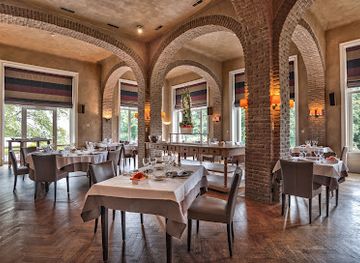
Château de Namur
Experience exquisite Belgian cuisine with stunning views at Château de Namur, where history meets hospitality.
-
Fine Dining
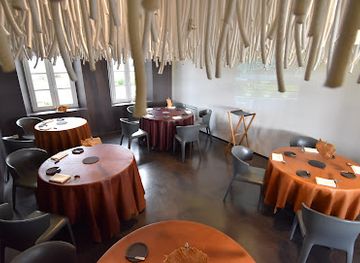
L’air du temps
Experience culinary artistry at L’air du temps in Éghezée – where local flavors meet innovative fine dining.
-
Brewery
Le Café Ardennais
Discover Le Café Ardennais: A charming brewery in Dinant offering delicious local brews and hearty meals in a cozy atmosphere.
-
Fine Dining
Attablez Vous
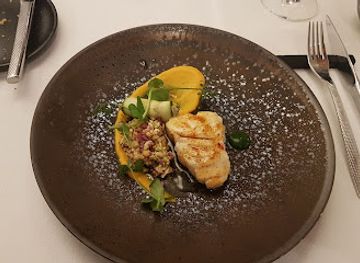
Experience exquisite fine dining at Attablez Vous in Namur, where culinary artistry meets exceptional service.
Best bars in Wallonia
Evening life in Wallonia varies considerably between the larger cities and the rural south. Liège has the broadest concentration of late-opening bars, music venues and student-oriented nightlife, while Namur, Mons and Charleroi offer bars, cinemas, theatres and live performances around their central districts. In smaller towns, the traditional pub, brasserie and historic inn remain more important than nightclubs. Ardennes resorts and outdoor towns often have a relaxed evening scene centred on restaurants, beer cafés and seasonal events rather than a large club culture. Belgian beer is widely available, including products from Walloon breweries and abbeys, but wine, soft drinks and increasingly varied alcohol-free choices are also easy to find. Check local arrangements before travelling to rural areas, where venues may close earlier and public transport after an evening out can be limited.
-
Bar
Barnabeer
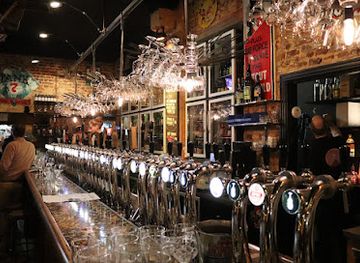
Experience the vibrant atmosphere of Barnabeer, Namur's go-to bar and café, renowned for its diverse beer selection and welcoming ambiance.
-
Bar
Nirvana Bar
Experience the vibrant charm of Nirvana Bar in Charleroi, where great drinks and lively atmosphere meet for an unforgettable night out.
-
Bar
La vie est Belge
Discover the vibrant atmosphere and rich Belgian culture at La vie est Belge, the perfect bar for locals and tourists in Mons.
-
Bar
Tortuga
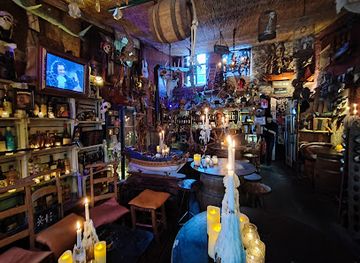
Experience the vibrant atmosphere and local charm of Tortuga, the perfect bar in Durbuy for unforgettable drinks and delightful evenings.

Best nightclubs in Wallonia
Evening life in Wallonia varies considerably between the larger cities and the rural south. Liège has the broadest concentration of late-opening bars, music venues and student-oriented nightlife, while Namur, Mons and Charleroi offer bars, cinemas, theatres and live performances around their central districts. In smaller towns, the traditional pub, brasserie and historic inn remain more important than nightclubs. Ardennes resorts and outdoor towns often have a relaxed evening scene centred on restaurants, beer cafés and seasonal events rather than a large club culture. Belgian beer is widely available, including products from Walloon breweries and abbeys, but wine, soft drinks and increasingly varied alcohol-free choices are also easy to find. Check local arrangements before travelling to rural areas, where venues may close earlier and public transport after an evening out can be limited.
-
Disco club
FLAGDEL
Dive into the vibrant nightlife of Namur at FLAGDEL, a top disco club where music and fun come alive until dawn.
-
Disco club
Le RETRO Discothèque
Experience the vibrant nightlife of Gembloux at Le RETRO Discothèque, where the music is alive and the dance floor awaits.
-
Night club
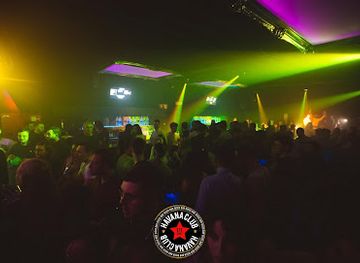
Havana Club Mons
Discover the pulsating nightlife at Havana Club Mons, where music, dance, and vibrant energy come together in the heart of Belgium.
-
Night club
XS Club Belgium
Experience the vibrant nightlife at XS Club Belgium, where electrifying music and an unforgettable atmosphere await every visitor.



Best shops in Wallonia
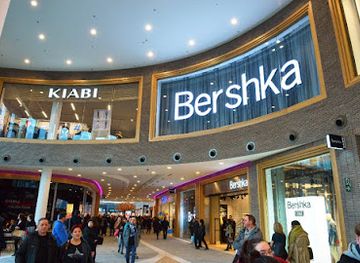
Shopping in Wallonia is strongest in historic city centres and market towns rather than in a single region-wide retail district. Liège, Namur, Mons, Tournai and Charleroi provide mainstream shops alongside independent bookshops, food retailers, cafés and specialist stores. Smaller towns such as Dinant and Durbuy cater to visitors with local food, beer, crafts and household goods, although stock and opening days can be seasonal. Farmers’ markets and village markets are good places to look for Ardennes ham, cheeses, bread, preserves and regional beers. Dinant’s couque biscuits, Walloon brewery products, abbey-associated foods and locally made chocolate are practical souvenirs, while galleries and craft shops offer ceramics, textiles, jewellery and decorative work. In rural areas, farm shops can be more rewarding than conventional shopping centres, but opening times should be checked before making a special journey.
-
Shopping mall
Rive Gauche
Explore Rive Gauche, Charleroi's premier shopping mall, offering a diverse array of stores, dining options, and entertainment for all ages.
-
Shopping mall
Shopping Nivelles
Experience retail therapy at Shopping Nivelles, the premier shopping destination in Belgium with diverse stores and delightful dining options.
-
Shopping mall
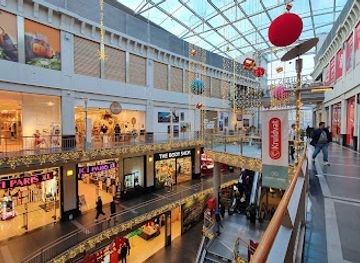
Les Galeries St Lambert
Experience the charm of Les Galeries St Lambert, a shopping paradise in Liège, offering unique shops, delightful dining, and vibrant culture.
-
Collectibles store
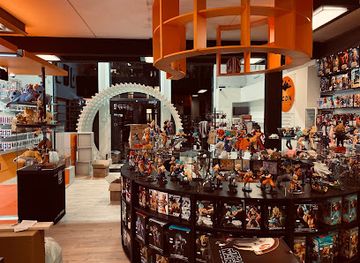
La Cité des Nuages
La Cité des Nuages: Your ultimate destination for unique collectibles and nostalgic treasures in Waterloo, Belgium.

Get your free copy of our complete guide to Wallonia, delivered straight to you.
Everything on this page, from attractions and restaurants to essentials and local phrases, in one PDF you can read offline, print or share.
Already have an account? Sign in
Your Wallonia guide is ready.
We'll send it to · Not you? Sign out

Getting your guide ready…
We are putting together a fresh copy of the Wallonia guide. This can take up to a minute.
This can take a few moments. If your browser asks, choose Allow so the download can start. You'll find the guide in your Downloads folder.
Nothing happened? Download it again
Sorry, the guide is taking longer than usual. Please try again in a minute, or get it by email instead.
Wallonia essentials
Currency and Payment
Safety
Emergency Situations
Do's and Don'ts
Local Tips
From Eve
Local phrases worth knowing
You don't need to get them perfect. A few words go a long way, and locals appreciate the effort.
Basics
| English | Local | Say it |
|---|---|---|
| Hello | Bonjour | [bɔ̃ʒuʁ] |
| Goodbye | Au revoir | [o ʁəvwaʁ] |
| Yes | Oui | [wi] |
| No | Non | [nɔ̃] |
| Please/You're welcome | S'il vous plaît/De rien | [sil vu ple/ də ʁjɛ̃] |
| Thank you | Merci | [mɛʁsi] |
| Excuse me/Sorry | Excusez-moi/Désolé | [ɛkskyze mwa/ dezole] |
| How are you? | Comment ça va? | [kɔmɑ̃ sa va] |
| Fine. And you? | Bien. Et vous? | [bjɛ̃. e vu] |
| Do you speak English? | Parlez-vous anglais? | [paʁle vu ɑ̃ɡlɛ] |
| I don't understand | Je ne comprends pas | [ʒə nə kɔ̃pʁɑ̃ pa] |
Eating & Drinking
| English | Local | Say it |
|---|---|---|
| I'd like to see the menu, please | Je voudrais voir le menu, s'il vous plaît | [ʒə vudʁɛ vwaʁ lə mɛny, sil vu ple] |
| I don't eat meat | Je ne mange pas de viande | [ʒə nə mɑ̃ʒ pa də vjɑ̃d] |
| Cheers! | Santé! | [sɑ̃te] |
| I would like to pay, please | Je voudrais payer, s'il vous plaît | [ʒə vudʁɛ peje, sil vu ple] |
Emergencies
| English | Local | Say it |
|---|---|---|
| Help! | Au secours! | [o səkuʁ] |
| Go away! | Allez-vous-en! | [ale vu zɑ̃] |
| Call the Police! | Appelez la police! | [aple la pɔlis] |
| Call a doctor! | Appelez un médecin! | [aple ɛ̃ mɛdɛsɛ̃] |
| I'm lost | Je suis perdu | [ʒə sɥi pɛʁdy] |
| I'm ill | Je suis malade | [ʒə sɥi malad] |
Shopping
| English | Local | Say it |
|---|---|---|
| I'd like to buy... | Je voudrais acheter... | [ʒə vudʁɛ aʃte] |
| I'm just looking | Je regarde juste | [ʒə ʁəɡaʁd ʒyst] |
| How much is it? | C'est combien? | [sɛ kɔ̃bjɛ̃] |
| That's too expensive | C'est trop cher | [sɛ tʁo ʃɛʁ] |
| Can you lower the price? | Pouvez-vous baisser le prix? | [puve vu bɛse lə pʁi] |
Time & Numbers
| English | Local | Say it |
|---|---|---|
| What time is it? | Quelle heure est-il? | [kɛl œʁ ɛ til] |
| It's one o'clock | Il est une heure | [il ɛ yn œʁ] |
| Half past (10) | Dix heures et demie | [di zœʁ e dəmi] |
| Morning | Matin | [matɛ̃] |
| Afternoon | Après-midi | [apʁɛ midi] |
| Evening | Soir | [swaʁ] |
| Yesterday | Hier | [jɛʁ] |
| Today | Aujourd'hui | [oʒuʁdʁi] |
| Tomorrow | Demain | [dəmɛ̃] |
| 1 | Un | [ɛ̃] |
| 2 | Deux | [dø] |
| 3 | Trois | [tʁwa] |
| 4 | Quatre | [katʁ] |
| 5 | Cinq | [sɛ̃k] |
| 6 | Six | [si] |
| 7 | Sept | [sɛt] |
| 8 | Huit | [ɥit] |
| 9 | Neuf | [nœf] |
| 10 | Dix | [di] |
Transport & Directions
| English | Local | Say it |
|---|---|---|
| Where's a/the...? | Où est un/le...? | [u ɛ ɛ̃/lə] |
| What's the address? | Quelle est l'adresse? | [kɛl ɛ l'adʁɛs] |
| Can you show me (on the map)? | Pouvez-vous me montrer (sur la carte)? | [puve vu mə mɔ̃tʁe (syʁ la kaʁt)] |
| When's the next (bus)? | Quand est le prochain (bus)? | [kɑ̃ ɛ lə pʁɔʃɛ̃ (bys)] |
| A ticket (to ....) | Un billet (pour ....) | [ɛ̃ bijɛ (puʁ ....)] |
History of Wallonia
Prehistoric and Roman Wallonia
Wallonia contains important prehistoric evidence, including caves and archaeological sites in the Meuse and Lesse valleys. The Romans incorporated large parts of present-day Belgium into their provincial system, building roads, settlements and agricultural estates. Tongeren, now in neighbouring Flanders, was a major regional centre, while Roman routes crossed areas that later became Wallonia. Although much of the visible Roman fabric has disappeared, archaeology, road alignments and museum collections demonstrate how imperial administration connected the region to wider northern European networks.
Medieval Counties, Principalities and Towns
During the Middle Ages, Wallonia was divided among powerful territories including the County of Namur, the County of Hainaut, the Duchy of Luxembourg and the Prince-Bishopric of Liège. River trade, religious foundations and fortified settlements encouraged the growth of towns such as Namur, Dinant, Tournai and Liège. Castles and citadels controlled strategic valleys and crossings, while abbeys shaped agriculture, education and artistic production. The region’s later political complexity helps explain the different architectural and cultural identities found across its cities.
Burgundian and Habsburg Rule
From the fifteenth century, many Walloon territories were drawn into the Burgundian Netherlands and subsequently the Habsburg Netherlands. This brought stronger dynastic administration and linked local economies to important commercial centres across the Low Countries. Religious institutions, civic guilds and prosperous merchants funded churches, town halls and works of art. The period also saw repeated military disruption, because the southern Netherlands occupied a strategic position between France and the Holy Roman Empire.
Revolution, French Rule and the Creation of Belgium
The French Revolutionary and Napoleonic periods transformed Wallonia’s political and administrative structures, reducing the power of old ecclesiastical and aristocratic institutions. After the defeat of Napoleon, the region became part of the United Kingdom of the Netherlands before the Belgian Revolution of 1830. The new Belgian state incorporated Wallonia as one of its principal economic and political areas. French became the dominant language of administration and public life, while local dialects and German remained important in particular communities.
Coal, Iron and Industrialisation
In the nineteenth century, Wallonia became one of continental Europe’s leading industrial regions. Coalfields in Hainaut and Liège powered ironworks, glassmaking, engineering and railways, while the Meuse and Sambre valleys developed dense industrial settlements. Families such as the Cockerills became associated with major industrial enterprises, especially around Liège. Immigration from elsewhere in Belgium and later from southern Europe changed the social character of mining and manufacturing communities. Former collieries, workers’ districts and industrial museums now preserve this formative history.
The World Wars and the Battle of the Bulge
Wallonia was heavily affected by both world wars because of its industrial capacity and strategic position. Towns and infrastructure suffered occupation, fighting and economic disruption. In the winter of 1944–45, the Ardennes became the setting for the Battle of the Bulge, Germany’s last major offensive on the Western Front. Museums, memorials and military cemeteries around Bastogne and the wider Ardennes document the campaign and its impact on local communities, while also placing the fighting within the broader history of Belgium’s liberation.
Regional Autonomy and Economic Transformation
Belgium’s federal reforms gave Wallonia its own regional institutions and responsibilities, while French became the principal public language of the region. Since the late twentieth century, Wallonia has faced the decline of traditional coal, steel and heavy manufacturing, followed by efforts to develop technology, logistics, tourism, culture and renewable energy. Former industrial sites have gained new uses, and cities such as Charleroi and Liège continue to reshape their urban identities. The present region therefore combines deep industrial memory with active cultural and economic renewal.
Wallonia in Photos
Browse through our photo collection highlighting the charm and character of the destination.
Neighbouring regions of Wallonia
The closest regions to Wallonia, if you have time for more than one.
-

-

-

-

-


Swipe for more regions
Explore more

Explore more of Belgium
Discover Belgium: A blend of medieval charm, culinary delights, and stunning landscapes. Explore historic cities, savor exquisite chocolates, and enjoy a perfect getaway.
Explore Belgium