

County of Namur, Belgium Travel Guide
Explore the County of Namur in Belgium: A blend of historical charm, natural beauty, and vibrant local culture nestled between the Meuse and Sambre rivers.
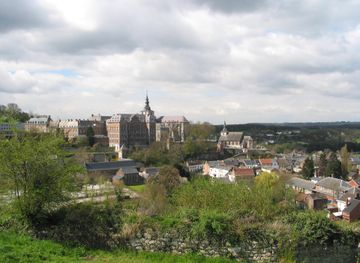
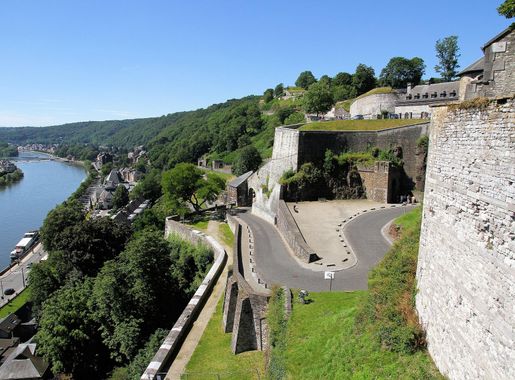
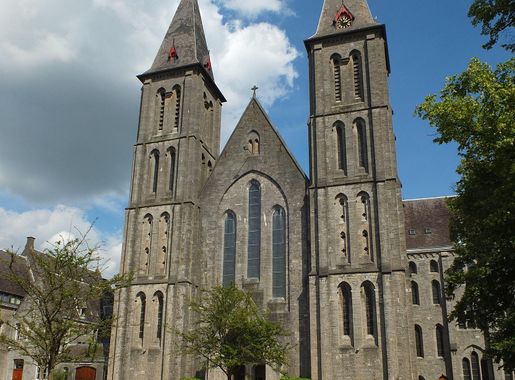
The County of Namur is a stunning region located in Wallonia, the French-speaking part of Belgium. Known for its picturesque landscapes, Namur is framed by the Meuse and Sambre rivers, creating a serene and beautiful environment. The capital city, also named Namur, boasts a rich history that dates back to Roman times and offers an array of cultural and historical attractions. One of the most iconic landmarks in Namur is the Citadel, a massive fortress that provides breathtaking views of the surrounding area. The citadel is a testament to the region's strategic importance throughout history. Visitors can explore its extensive tunnels and learn about its storied past at the on-site museum. The city of Namur also features charming streets, vibrant markets, and delightful cafes where you can experience the local cuisine. Beyond the city, the County of Namur offers numerous outdoor activities. The Ardennes Forest is perfect for hiking, cycling, and nature walks. The region is also dotted with picturesque villages like Dinant, which is famous for its stunning cliffs and the Collegiate Church of Notre Dame. Whether you're interested in history, nature, or simply enjoying the local culture, the County of Namur has something for everyone.

Know before you go
Hi, I'm Eve. Here are a few practical things to know before exploring County of Namur.
- Visit the Citadel early in the morning to avoid crowds and enjoy the best views.
- Try the local specialty, 'escargots de Namur,' at one of the city's traditional restaurants.
- Take a boat trip on the Meuse River for a unique perspective of the region.
- Wear comfortable shoes as the cobbled streets in the city can be uneven.
- Explore the Ardennes Forest for a day trip if you love outdoor activities.
Top City Travel Guides in County of Namur
The cities of County of Namur, and the easiest places to base yourself.


Destinations in County of Namur
Resorts, valleys and scenic spots worth a trip of their own.
Explore County of Namur: Things to Do, Places to Eat, Hotels & More
Handpicked recommendations for top attractions, local dining, accommodations, and more

Top Attractions & Sightseeing in County of Namur
Top-rated picks
Best Attractions

Citadelle de Namur
Discover the Citadelle de Namur, a stunning fortress that embodies Belgium's rich history and offers spectacular views of the Sambre and Meuse rivers.

Lion's Mound
Explore the historic Lion's Mound in Belgium, a monument commemorating the Battle of Waterloo, and enjoy breathtaking views and rich history.

Les Jardins d’Annevoie
Explore the enchanting Les Jardins d’Annevoie, a breathtaking botanical garden in Belgium, where nature and artistry come to life in stunning landscapes.

Parc attractif Reine Fabiola
Explore the enchanting Parc Attractif Reine Fabiola in Namur, a vibrant amusement center with thrilling rides and family-friendly attractions.

Best landmarks in County of Namur
Top-rated picks
Best Landmarks

Citadelle de Namur
Discover the historic Citadelle de Namur, a captivating fortress offering panoramic views, lush gardens, and a glimpse into Belgium's rich history.

Les Jardins d’Annevoie
Explore the enchanting Les Jardins d’Annevoie, a botanical garden in Belgium offering stunning landscapes, serene water features, and diverse plant life.

Parc attractif Reine Fabiola
Experience the ultimate family adventure at Parc Attractif Reine Fabiola in Namur, Belgium, a delightful amusement park filled with fun attractions and beautiful landscapes.

parc Louise-Marie
Experience the beauty of Parc Louise-Marie, a serene city park in Namur with lush gardens, historical monuments, and family-friendly activities.

Best restaurants in County of Namur
Top-rated picks
Best Restaurants

Brasserie François
Discover the flavors of Belgium at Brasserie François in Namur - where tradition meets culinary innovation.

Le Panorama
Experience exquisite dining at Le Panorama in Namur, where breathtaking views meet exceptional culinary delights.

La Brasserie du Quai
Experience exquisite French dining with stunning river views at La Brasserie du Quai in Namur.

Château de Namur
Experience exquisite dining at Château de Namur amidst rich history and stunning views in the heart of Belgium.

Best bars in County of Namur
Top-rated picks
Best Bars

Barnabeer
Experience the vibrant atmosphere of Barnabeer, a top bar and café in Namur, renowned for its diverse drink selection and welcoming ambiance.

Café Havana
Discover Café Havana, a vibrant cocktail bar in Namur, offering an array of creative drinks and a lively atmosphere perfect for socializing.

Court Jester (The)
Experience the vibrant atmosphere of The Court Jester in Namur, where great drinks and friendly faces await you in this charming bar and café.

Boulevard du Rhum
Experience the vibrant cocktail scene of Namur at Boulevard du Rhum, where creativity meets flavor in an inviting atmosphere.

Best nightclubs in County of Namur
Top-rated picks
Best Nightclubs

FLAGDEL
Experience the vibrant nightlife of Namur at FLAGDEL, a top disco club offering electrifying beats and a lively atmosphere for all party enthusiasts.

The world upside down - Namur
Experience the unique charm of The World Upside Down, a vibrant bar in Namur offering a delightful selection of drinks and an inviting atmosphere.

Club Namur
Explore Club Namur, a unique paper store offering books, CDs, games, and crafts in the heart of beautiful Namur, Belgium.

Havana Lounge
Discover the vibrant spirit of Havana Lounge in Namur, where relaxation meets excitement in a lively atmosphere perfect for socializing.

Best shops in County of Namur
Top-rated picks
Best Shops

Citadelle de Namur
Discover the Citadelle de Namur, a historical fortress with stunning views and rich stories of Belgium’s past, perfect for every traveler.

Decathlon Namur
Explore Decathlon Namur for an unparalleled selection of sporting goods, bicycles, and outdoor gear, perfect for adventurers and sports enthusiasts.

INNO Namur
Discover fashion, beauty, and style at INNO Namur, a premier department store in the heart of Belgium's beautiful Namur.

C&A
Explore a wide range of stylish clothing for all ages at C&A Namur, where fashion meets affordability and quality.

Explore County of Namur on the Map
A handpicked selection of must-see spots in County of Namur, mapped for you.
County of Namur Essentials
-
Namur is conveniently located in the southern part of Belgium. The nearest major international airports are Brussels Airport (BRU) and Charleroi Airport (CRL). From these airports, you can take a train or rent a car to reach Namur. The train ride from Brussels to Namur takes approximately one hour, and trains run frequently. For those driving, Namur is well-connected by highways, making it accessible from various parts of Belgium and neighboring countries.
-
Namur offers a variety of transportation options. The city has an efficient public transportation system, including buses and trains operated by TEC (Transport En Commun). For local travel, consider renting a bike or using the city's bike-sharing program. Taxis are available but can be more expensive. For exploring the surrounding areas, renting a car provides flexibility and convenience.
-
Belgium uses the Euro (EUR) as its official currency. Credit and debit cards are widely accepted in Namur, including in hotels, restaurants, and shops. ATMs are readily available throughout the city for cash withdrawals. It is advisable to carry some cash, especially for smaller establishments and markets that may not accept card payments.
-
Namur is generally a safe destination for tourists. However, like any city, it is important to remain vigilant. Avoid walking alone at night in poorly lit areas and be cautious with your belongings in crowded places. There are no specific high-crime areas targeting tourists, but standard precautions should always be taken.
-
In case of emergency, dial 112 for immediate assistance, which is the general emergency number for police, fire, and medical services in Belgium. There are several hospitals and medical facilities in Namur. It is recommended to have travel insurance that covers medical emergencies. Pharmacies are available for minor health issues and over-the-counter medications.
-
Fashion: Do dress smart-casual when dining out or visiting cultural sites. Avoid overly casual clothing in more formal settings. Religion: Do respect local customs, especially in religious sites. Cover your shoulders and knees when entering churches. Public Transport: Do validate your ticket before boarding. Don't talk loudly or play music on public transport. Greetings: Do greet people with a handshake. A friendly 'Bonjour' or 'Bonsoir' is appreciated. Eating & Drinking: Do try local specialties like the Namur strawberry or the local beer. Don't refuse food or drink offered by a host; it's considered impolite.
-
To experience Namur like a local, visit the local markets such as the Namur Sunday Market where you can buy fresh produce and artisanal goods. Take a leisurely walk along the Meuse River or explore the Citadel of Namur for stunning views. Engage with locals; they are often friendly and willing to share insights about the city's history and culture. For a unique experience, consider taking a boat tour on the Meuse River.
When is the best time to visit County of Namur?
Useful Local Phrases for County of Namur
You don't need to speak the language perfectly. Even learning a few simple words can make conversations warmer—and locals usually appreciate the effort.
— Eve

Here are the phrases I use most often in County of Namur. Try a few—you'll be surprised how far they go! 😊
❤️
-
- HelloBonjour
[bɔnʒuʁ] - GoodbyeAu revoir
[o ʁəvwaʁ] - YesOui
[wi] - NoNon
[nɔ̃] - Please/You're welcomeS'il vous plaît / Je vous en prie
[sil vu plɛ / ʒə vu zɑ̃ pʁi] - Thank youMerci
[mɛʁsi] - Excuse me/SorryExcusez-moi / Désolé
[ɛkskyze mwa / dezole] - How are you?Comment ça va?
[kɔmɑ̃ sa va] - Fine. And you?Bien. Et vous?
[bjɛ̃. e vu] - Do you speak English?Parlez-vous anglais?
[paʁle vu ɑ̃ɡlɛ] - I don't understandJe ne comprends pas
[ʒə nə kɔ̃pʁɑ̃ pa]
- HelloBonjour
-
- I'd like to see the menu, pleaseJe voudrais voir le menu, s'il vous plaît
[ʒə vudʁɛ vwaʁ lə məny, sil vu plɛ] - I don't eat meatJe ne mange pas de viande
[ʒə nə mɑ̃ʒ pa də vjɑ̃d] - Cheers!Santé!
[sɑ̃te] - I would like to pay, pleaseJe voudrais payer, s'il vous plaît
[ʒə vudʁɛ peje, sil vu plɛ]
- I'd like to see the menu, pleaseJe voudrais voir le menu, s'il vous plaît
-
- Help!À l'aide!
[a lɛd] - Go away!Allez-vous-en!
[ale vu zɑ̃] - Call the Police!Appelez la police!
[aple la pɔlis] - Call a doctor!Appelez un docteur!
[aple ɛ̃ dɔktœʁ] - I'm lostJe suis perdu
[ʒə sɥi pɛʁdy] - I'm illJe suis malade
[ʒə sɥi malad]
- Help!À l'aide!
-
- I'd like to buy...Je voudrais acheter...
[ʒə vudʁɛ aʃte] - I'm just lookingJe regarde juste
[ʒə ʁəɡaʁd ʒyst] - How much is it?C'est combien?
[sɛ kɔ̃bjɛ̃] - That's too expensiveC'est trop cher
[sɛ tʁo ʃɛʁ] - Can you lower the price?Pouvez-vous baisser le prix?
[puve vu bɛse lə pʁi]
- I'd like to buy...Je voudrais acheter...
-
- What time is it?Quelle heure est-il?
[kɛl œʁ ɛ il] - It's one o'clockIl est une heure
[il ɛ yn œʁ] - Half past (10)Dix heures et demie
[dis œʁ e dəmi] - MorningMatin
[matɛ̃] - AfternoonAprès-midi
[apʁɛ midi] - EveningSoir
[swaʁ] - YesterdayHier
[jɛʁ] - TodayAujourd'hui
[oʒuʁdɥi] - TomorrowDemain
[dəmɛ̃] - 1Un
[ɛ̃] - 2Deux
[dø] - 3Trois
[tʁwa] - 4Quatre
[katʁ] - 5Cinq
[sɛ̃k] - 6Six
[sis] - 7Sept
[sɛt] - 8Huit
[ɥit] - 9Neuf
[nœf] - 10Dix
[dis]
- What time is it?Quelle heure est-il?
-
- Where's a/the...?Où est un/une...?
[u ɛ ɛ̃/yn] - What's the address?Quelle est l'adresse?
[kɛl ɛ lɛdʁɛs] - Can you show me (on the map)?Pouvez-vous me montrer (sur la carte)?
[puve vu mə mɔ̃tʁe (syʁ la kaʁt)] - When's the next (bus)?Quand est le prochain (bus)?
[kɑ̃ ɛ lə pʁɔʃɛ̃ (bys)] - A ticket (to ....)Un billet (pour ....)
[ɛ̃ bijɛ (puʁ ....)]
- Where's a/the...?Où est un/une...?
History of County of Namur
-
The County of Namur, nestled in the heart of Belgium, traces its origins back to the early Middle Ages. Originally part of the Carolingian Empire, the region was first mentioned in historical records in the 10th century. Over the centuries, Namur developed as a significant feudal territory and became a crucial center of power in the region.
-
The impressive Citadel of Namur stands as a testament to the region's strategic importance throughout history. Originally constructed in the Roman era, the citadel was expanded significantly during the Middle Ages. Its commanding position at the confluence of the Sambre and Meuse rivers made it a key defensive site. The fortress saw numerous battles and sieges, particularly during the wars of the 17th and 18th centuries.
-
Throughout the medieval period, Namur was a vibrant center of commerce and culture. The county flourished under the rule of the Counts of Namur, who played a significant role in the political and economic landscape of the region. The city of Namur became known for its bustling markets, skilled artisans, and its strategic position as a trade hub.
-
In 1429, the County of Namur was sold to Philip the Good, Duke of Burgundy. This marked the beginning of Namur's integration into the larger Burgundian State. The region benefitted from the economic growth and political stability brought by Burgundian rule, which also saw the enhancement of Namur's fortifications and urban infrastructure.
-
Following the death of Charles the Bold in 1477, Namur became part of the Spanish Netherlands. The region endured significant turmoil during the Eighty Years' War, with multiple invasions and occupations. After the Treaty of Utrecht in 1713, Namur came under Austrian control, heralding a period of relative peace and reconstruction.
-
The 19th century brought significant industrial development to Namur. The region's rich natural resources, particularly coal and iron, fueled the growth of industries such as steel production and manufacturing. The expansion of the railway network further bolstered Namur's economic importance, transforming it into a bustling industrial hub.
-
Namur's strategic location meant it played a significant role in both World Wars. During World War I, the city was heavily fortified and saw intense fighting during the Battle of Namur in 1914. In World War II, Namur was again a focal point during the German invasion of Belgium in 1940. The city experienced significant damage but also witnessed remarkable acts of resistance and resilience.
-
Today, Namur is the capital of the Wallonia region and a vibrant cultural and administrative center. The city seamlessly blends its rich historical heritage with modern amenities. Visitors can explore its well-preserved medieval architecture, enjoy numerous cultural festivals, and experience the warm hospitality of its residents. Namur's historical sites, such as the Citadel, continue to draw tourists from around the world, offering a glimpse into the region's storied past.
Neighbouring Regions of County of Namur
The closest regions to County of Namur, if you have time for more than one.



Your all‑in‑one travel companion app
Explore expert travel guides, compare and book tours, experiences, hotels, and more—all from the palm of your hand. Download now for seamless trip planning wherever your wanderlust takes you.


Explore More of Belgium

Looking beyond County of Namur? Discover Belgium for broader travel guides, local hot-spots, and regional highlights.
Explore BelgiumCounty of Namur in Photos
Browse through our photo collection highlighting the charm and character of the destination.




Enchanting County of Namur: Belgium's Hidden Gem
The County of Namur is a stunning region located in Wallonia, the French-speaking part of Belgium. Known for its picturesque landscapes, Namur is framed by the Meuse and Sambre rivers, creating a serene and beautiful environment. The capital city, also named Namur, boasts a rich history that dates back to Roman times and offers an array of cultural and historical attractions. One of the most iconic landmarks in Namur is the Citadel, a massive fortress that provides breathtaking views of the surrounding area. The citadel is a testament to the region's strategic importance throughout history. Visitors can explore its extensive tunnels and learn about its storied past at the on-site museum. The city of Namur also features charming streets, vibrant markets, and delightful cafes where you can experience the local cuisine. Beyond the city, the County of Namur offers numerous outdoor activities. The Ardennes Forest is perfect for hiking, cycling, and nature walks. The region is also dotted with picturesque villages like Dinant, which is famous for its stunning cliffs and the Collegiate Church of Notre Dame. Whether you're interested in history, nature, or simply enjoying the local culture, the County of Namur has something for everyone.