

Free Fagne-Famenne Travel Guide & Mobile App
Explore Fagne-Famenne with free travel guides. Discover regional history, expert tips, proposed trips, and audio guides on web or mobile app.


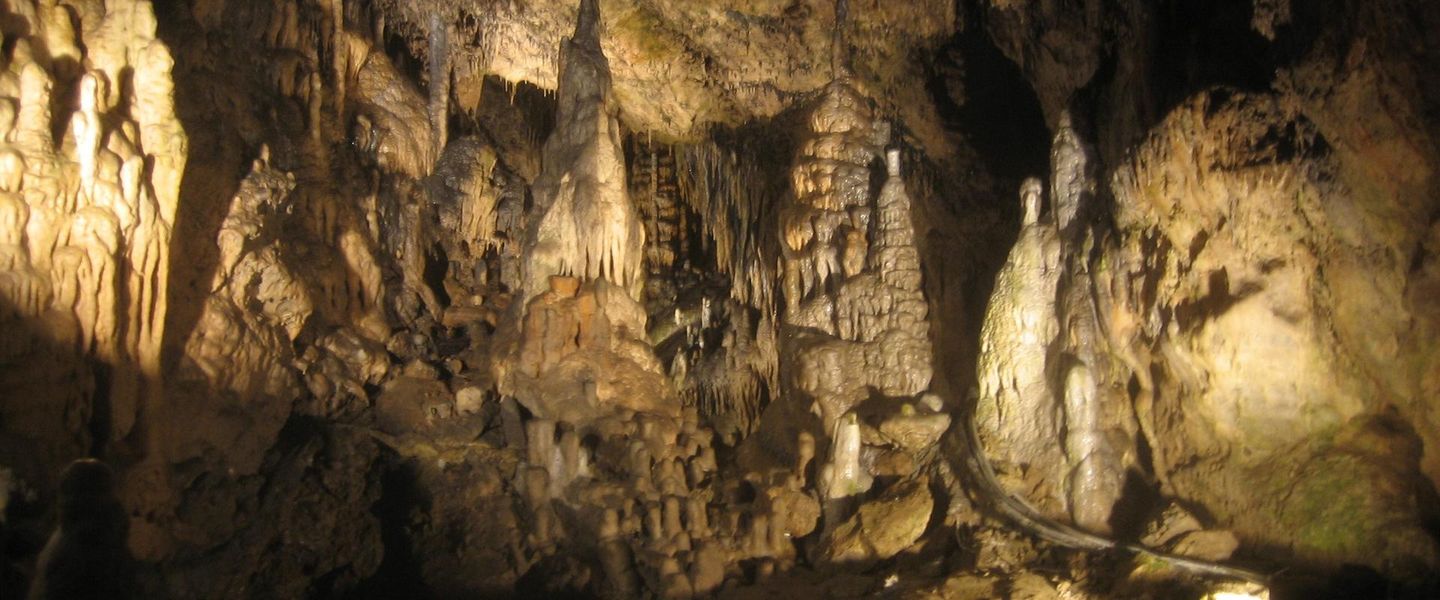


Explore Fagne-Famenne in Belgium for limestone caves, wooded valleys, historic towns, river activities and the flavours of rural Wallonia.
Read more about Fagne-Famenne
When is the best time to visit Fagne-Famenne?
Best: June–August · 20–22°C| Month | High (°C) | Rainfall (mm) |
|---|---|---|
| January | 5 | 65 |
| February | 6 | 60 |
| March | 10 | 65 |
| April | 13 | 60 |
| May | 17 | 65 |
| June (best) | 20 | 75 |
| July (best) | 22 | 75 |
| August (best) | 22 | 75 |
| September | 19 | 70 |
| October | 14 | 75 |
| November | 9 | 70 |
| December | 6 | 75 |
Getting to and around Fagne-Famenne
How to get there
Transportation
Top city travel guides in Fagne-Famenne
The cities of Fagne-Famenne, and the easiest places to base yourself.
-

-

-

-


Swipe for more cities
Best attractions in Fagne-Famenne
Fagne-Famenne’s attractions are built around the relationship between limestone geology, wooded valleys and historic settlements. The Caves of Han-sur-Lesse provide the region’s most developed underground experience, combining a major cave system with interpretation of the surrounding karst landscape. Around Rochefort, visitors can explore religious heritage, rural scenery and wildlife-focused attractions, while the valleys near Durbuy, Hotton and Barvaux-sur-Ourthe are suited to walking, cycling and river activities. Castles and historic estates, including Lavaux-Sainte-Anne, add architectural interest beyond the better-known towns. Marked trails cross forests, meadows and limestone grasslands, and the Lesse, Lomme and Ourthe offer opportunities for canoeing where conditions and local arrangements permit. Small museums, village churches, local produce outlets and heritage displays provide a quieter counterpoint to the principal attractions. The area is best explored as a collection of contrasting valleys rather than as one compact sightseeing circuit.
-
Tourist attraction
Domain of the Caves of Han
Explore stunning caves, a wildlife park, and ancient history in the heart of the Belgian Ardennes.
-
National park
High Fens-Eifel Nature Park
Experience the breathtaking beauty of High Fens-Eifel Nature Park, a national treasure offering diverse wildlife, stunning landscapes, and outdoor adventures in Belgium.
-
Castle
Castle of Reinhardstein
Explore a beautifully restored medieval castle in the heart of the Belgian Ardennes, offering history, stunning views, and a glimpse into the past.
-
Museum
Maison Leffe
Explore the history and craftsmanship of Leffe beer at Maison Leffe in Dinant, a must-visit destination for beer lovers and cultural enthusiasts alike.
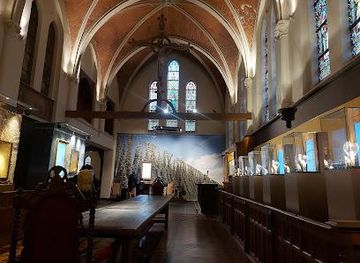
Best landmarks in Fagne-Famenne
The Caves of Han are Fagne-Famenne’s most recognisable natural landmark, where the Lesse has carved a large underground passage through the limestone and created one of Belgium’s best-known cave landscapes. Durbuy’s compact old town, enclosed by the Ourthe and overlooked by the remains of its castle, is the region’s most immediately recognisable historic townscape. Rochefort Abbey, still closely linked with the town’s religious and brewing identity, represents the enduring influence of medieval monastic foundations. Château de Lavaux-Sainte-Anne is an important Renaissance-era castle surrounded by the rural landscapes of the Famenne area, with towers, water and estate buildings forming a distinctive ensemble. The limestone ridges, dry grasslands and wooded gorges of the Calestienne are landmarks in a broader geographical sense, revealing why caves, sinkholes and unusual valley forms are so characteristic here. Historic stone farms, village churches and river crossings complete the region’s visual identity.
-
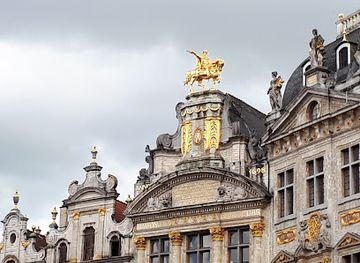
Plaza
Grand Place
Explore the stunning Grand Place, a UNESCO World Heritage site in Brussels, surrounded by magnificent architecture and vibrant cultural experiences.
-
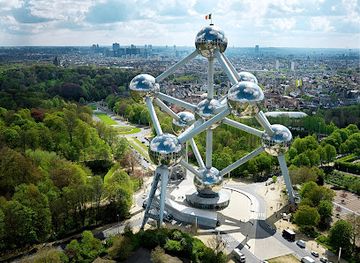
Tourist attraction
Atomium
Explore the Atomium, a stunning architectural wonder in Brussels, blending history, culture, and breathtaking views of the city.
-
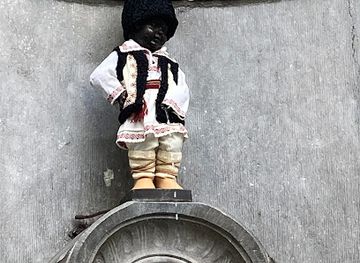
Fountain
Manneken Pis
Explore the whimsical Manneken Pis, an iconic fountain in Brussels, offering a glimpse into the city's playful history and vibrant culture.
-
Castle
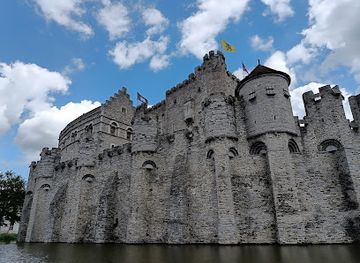
Gravensteen
Explore Gravensteen Castle in Ghent: A historic fortress with medieval architecture, torture museum, and panoramic city views.
Explore Fagne-Famenne on the map
Plan your trip on one map. See where the top cities, national parks and sights are, and book hotels and experiences in a few clicks.
Best hotels in Fagne-Famenne
Best restaurants in Fagne-Famenne
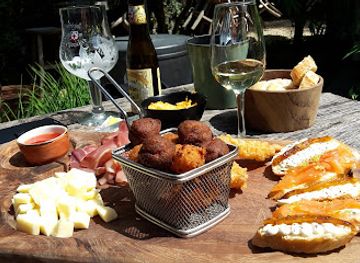
Eating in Fagne-Famenne reflects the substantial cooking of rural Wallonia, with menus often shaped by the seasons and by nearby farms and forests. Game, beef, freshwater fish, charcuterie, cheeses, potatoes, mushrooms and locally grown vegetables appear in traditional restaurants and country inns, while cafés and bakeries provide simpler meals and regional pastries. Rochefort is strongly associated with its Trappist beer, brewed at the abbey, and Belgian beer generally features prominently alongside food from the region. Around Durbuy and other frequent visitor centres, dining ranges from informal brasseries and riverside cafés to more polished restaurants, while villages tend to offer a smaller choice that may require advance planning. Farmers’ markets, farm shops and local food producers are useful places to find cheeses, preserves, honey and seasonal specialities. Menus may be more limited outside the main towns, particularly on quiet weekdays and in winter.
-
Brewpub
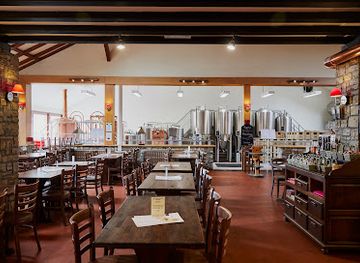
Brasserie des Fagnes
Experience the best of Belgian brewing at Brasserie des Fagnes - where craft beer meets delightful cuisine in a vibrant setting.
-
Tapas
Le 7 by Juliette
Experience the vibrant flavors of Spain at Le 7 by Juliette in Durbuy - where every bite tells a story.
-
Wok restaurant
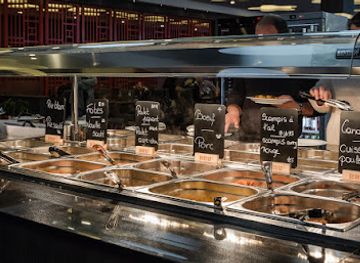
Wokgarden
Discover the authentic flavors of Asia at Wokgarden in Marche-en-Famenne – where culinary tradition meets modern dining.
-
Restaurant
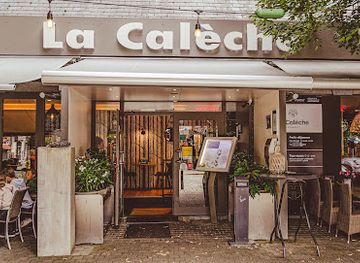
Hôtel-restaurant La Caleche
Discover authentic Belgian cuisine and cozy accommodations at Hôtel-restaurant La Caleche in scenic Durbuy.
Best bars in Fagne-Famenne
Evening life in Fagne-Famenne is generally relaxed and town-based rather than centred on large nightclubs. Traditional cafés, Belgian beer bars, hotel lounges and restaurant terraces provide the main social settings in Rochefort, Marche-en-Famenne, Durbuy and the larger villages. Visitors will find opportunities to sample regional beers, including Rochefort’s Trappist range, as well as Belgian ales from breweries elsewhere in the country. Some venues host live music or small cultural events, but programmes and opening arrangements vary by season. Durbuy has the most tourism-oriented evening atmosphere in the smaller historic centres, while Marche-en-Famenne offers a broader urban choice. In rural districts, evenings are quieter, with the emphasis on dining, conversation and walking through illuminated historic streets rather than late-night entertainment.
-
Resort hotel
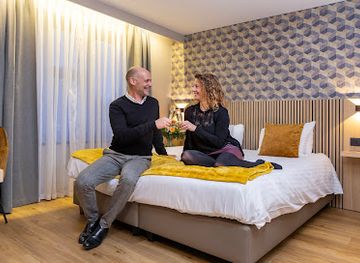
Hotel Quartier Latin
Discover the elegance of Hotel Quartier Latin, a perfect blend of luxury, comfort, and local charm in Marche-en-Famenne, Belgium.
-
Bar
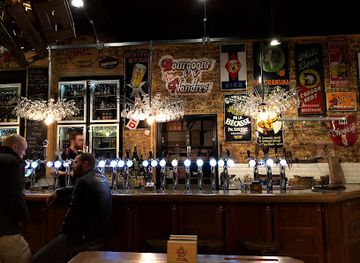
Barnabeer
Discover the heart of Namur at Barnabeer, where delightful drinks and a warm atmosphere await every visitor.
-
Belgian
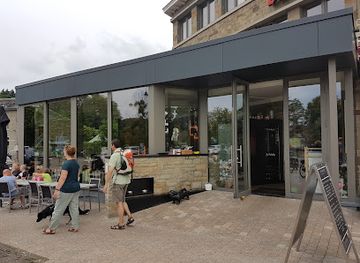
Le Jacquemart
Experience the essence of Belgian cuisine at Le Jacquemart in Hotton, where tradition meets modern taste in a cozy setting.
-
 Hotel
HotelLe Domaine Des Hautes Fagnes
Experience the serene beauty of Le Domaine Des Hautes Fagnes, a wellness retreat in the breathtaking High Fens of Belgium.
Best nightclubs in Fagne-Famenne
Evening life in Fagne-Famenne is generally relaxed and town-based rather than centred on large nightclubs. Traditional cafés, Belgian beer bars, hotel lounges and restaurant terraces provide the main social settings in Rochefort, Marche-en-Famenne, Durbuy and the larger villages. Visitors will find opportunities to sample regional beers, including Rochefort’s Trappist range, as well as Belgian ales from breweries elsewhere in the country. Some venues host live music or small cultural events, but programmes and opening arrangements vary by season. Durbuy has the most tourism-oriented evening atmosphere in the smaller historic centres, while Marche-en-Famenne offers a broader urban choice. In rural districts, evenings are quieter, with the emphasis on dining, conversation and walking through illuminated historic streets rather than late-night entertainment.
-
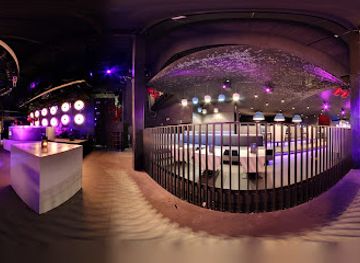
Night club
Versuz
Experience the electrifying nightlife at Versuz, Hasselt's premier night club, where vibrant music and exceptional ambiance await you.
-
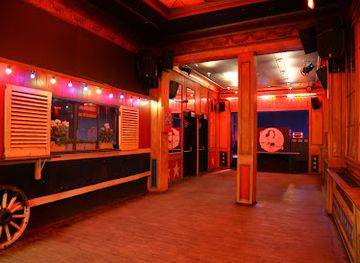
Dance club
Madame Moustache
Discover the dynamic nightlife of Brussels at Madame Moustache, an energetic dance club blending disco, live music, and unforgettable memories.
-
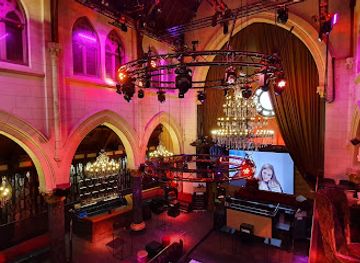
Disco club
Spirito Brussels
Immerse yourself in the electrifying atmosphere of Spirito Brussels, a premier disco club in Ixelles, where unforgettable nights await.
-
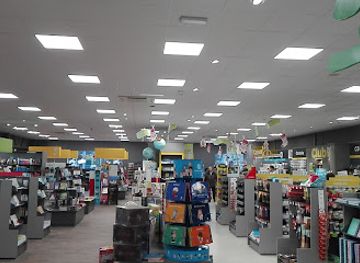
Book store
Club Marche-en-Famenne
Discover the vibrant Club Marche-en-Famenne, a treasure trove of books, games, and crafts in the heart of Belgium.
Best shops in Fagne-Famenne
Shopping in Fagne-Famenne is concentrated in the market towns and visitor centres rather than in large retail districts. Marche-en-Famenne provides the broadest everyday choice, with high-street shops, cafés and practical services, while Rochefort, Durbuy, Hotton and smaller towns offer independent boutiques, galleries, craft shops and food retailers in more compact settings. Visitors can look for Belgian beers, including Rochefort beer where legally and commercially available, regional cheeses, charcuterie, honey, preserves, biscuits and other farm-produced goods. Durbuy has a stronger visitor-oriented selection of decorative items, gifts and artisan products, whereas rural markets and farm shops are more useful for seasonal produce. Antiques, pottery, woodwork, textiles and locally made souvenirs appear in selected independent shops, but stock and opening days vary. Market schedules should be checked locally, particularly outside the summer season, when some smaller outlets operate limited hours.
-
Shopping mall
Les Galeries St Lambert
Explore the vibrant Les Galeries St Lambert, a shopping haven in Liège with fashion, dining, and entertainment for every traveler.
-
Outlet mall
Designer Outlet Luxembourg
Explore incredible savings on top brands at Designer Outlet Luxembourg, your ultimate shopping destination in Belgium.
-
Shopping mall
Espace Shopping Hydrion
Discover a shopping haven at Espace Shopping Hydrion in Arlon, where retail, dining, and entertainment come together for an unforgettable experience.
-
Resort hotel
Hotel Quartier Latin
Experience luxury and comfort at Hotel Quartier Latin, your gateway to the charming town of Marche-en-Famenne.
Get your free copy of our complete guide to Fagne-Famenne, delivered straight to you.
Everything on this page, from attractions and restaurants to essentials and local phrases, in one PDF you can read offline, print or share.
Already have an account? Sign in
Your Fagne-Famenne guide is ready.
We'll send it to · Not you? Sign out

Getting your guide ready…
We are putting together a fresh copy of the Fagne-Famenne guide. This can take up to a minute.
This can take a few moments. If your browser asks, choose Allow so the download can start. You'll find the guide in your Downloads folder.
Nothing happened? Download it again
Sorry, the guide is taking longer than usual. Please try again in a minute, or get it by email instead.
Fagne-Famenne essentials
Currency and Payment
Safety
Emergency Situations
Do's and Don'ts
Local Tips
From Eve
Local phrases worth knowing
You don't need to get them perfect. A few words go a long way, and locals appreciate the effort.
Basics
| English | Local | Say it |
|---|---|---|
| Hello | Bonjour | [bɔ̃ʒuʁ] |
| Goodbye | Au revoir | [o ʁəvwaʁ] |
| Yes | Oui | [wi] |
| No | Non | [nɔ̃] |
| Please/You're welcome | S'il vous plaît | [sil vu ple] |
| Thank you | Merci | [mɛʁsi] |
| Excuse me/Sorry | Excusez-moi | [ɛkskyze mwa] |
| How are you? | Comment ça va? | [kɔmɑ̃ sa va] |
| Fine. And you? | Bien. Et vous? | [bjɛ̃ e vu] |
| Do you speak English? | Parlez-vous anglais? | [paʁle vu ɑ̃ɡlɛ] |
| I don't understand | Je ne comprends pas | [ʒə nə kɔ̃pʁɑ̃ pa] |
Eating & Drinking
| English | Local | Say it |
|---|---|---|
| I'd like to see the menu, please | Je voudrais voir le menu, s'il vous plaît | [ʒə vudʁɛ vwaʁ lə məny s'il vu ple] |
| I don't eat meat | Je ne mange pas de viande | [ʒə nə mɑ̃ʒ pa də vjɑ̃d] |
| Cheers! | Santé! | [sɑ̃te] |
| I would like to pay, please | Je voudrais payer, s'il vous plaît | [ʒə vudʁɛ peje s'il vu ple] |
Emergencies
| English | Local | Say it |
|---|---|---|
| Help! | À l'aide! | [a lɛd] |
| Go away! | Allez-vous-en! | [ale vu zɑ̃] |
| Call the Police! | Appelez la police! | [aple la pɔlis] |
| Call a doctor! | Appelez un médecin! | [aple ɛ̃ mɛdɛsɛ̃] |
| I'm lost | Je suis perdu | [ʒə sɥi pɛʁdy] |
| I'm ill | Je suis malade | [ʒə sɥi malad] |
Shopping
| English | Local | Say it |
|---|---|---|
| I'd like to buy... | Je voudrais acheter... | [ʒə vudʁɛ aʃte] |
| I'm just looking | Je regarde juste | [ʒə ʁəɡaʁd ʒyst] |
| How much is it? | C'est combien? | [se kɔ̃bjɛ̃] |
| That's too expensive | C'est trop cher | [se tʁo ʃɛʁ] |
| Can you lower the price? | Pouvez-vous baisser le prix? | [puve vu bɛse lə pʁi] |
Time & Numbers
| English | Local | Say it |
|---|---|---|
| What time is it? | Quelle heure est-il? | [kɛl œʁ ɛ il] |
| It's one o'clock | Il est une heure | [il ɛ yn œʁ] |
| Half past (10) | Dix heures et demie | [dis œʁ e dəmi] |
| Morning | Matin | [matɛ̃] |
| Afternoon | Après-midi | [apʁɛ midi] |
| Evening | Soir | [swaʁ] |
| Yesterday | Hier | [jɛʁ] |
| Today | Aujourd'hui | [oʒuʁdɥi] |
| Tomorrow | Demain | [dəmɛ̃] |
| 1 | Un | [œ̃] |
| 2 | Deux | [dø] |
| 3 | Trois | [tʁwa] |
| 4 | Quatre | [katʁ] |
| 5 | Cinq | [sɛ̃k] |
| 6 | Six | [sis] |
| 7 | Sept | [sɛt] |
| 8 | Huit | [ɥit] |
| 9 | Neuf | [nœf] |
| 10 | Dix | [dis] |
Transport & Directions
| English | Local | Say it |
|---|---|---|
| Where's a/the...? | Où est un/une...? | [u ɛ ɛ̃ yn/yn] |
| What's the address? | Quelle est l'adresse? | [kɛl ɛ l'adʁɛs] |
| Can you show me (on the map)? | Pouvez-vous me montrer (sur la carte)? | [puve vu mə mɔ̃tʁe syʁ la kaʁt] |
| When's the next (bus)? | Quand est le prochain (bus)? | [kɑ̃ ɛ lə pʁɔʃɛ̃ bys] |
| A ticket (to ....) | Un billet (pour ....) | [ɛ̃ bijɛ pʊʁ] |
History of Fagne-Famenne
Prehistoric Caves and Early Settlement
The limestone of Fagne-Famenne has preserved evidence of human activity over many periods. Caves around Han-sur-Lesse and Rochefort were used, visited or adapted by prehistoric communities, while the valleys provided water, shelter and routes through the landscape. The region’s karst geology created spaces that were both practical and symbolic, although individual cave deposits vary considerably in archaeological importance. Today, underground tours and local museums help visitors understand how geological processes and human settlement have interacted across the Lesse and Lomme valleys.
Roman Roads and Rural Landscapes
Roman rule brought new patterns of administration, movement and agricultural organisation to the territory that includes Fagne-Famenne. The region was not a major Roman urban centre, but its valleys and plateaux formed part of a wider network linking settlements and estates in what is now southern Belgium. Rural production, metalworking and road travel contributed to the Romanised landscape. Later fields, woodland boundaries and routeways do not simply reproduce the Roman map, yet they reflect the long continuity of settlement in a region where agriculture remained fundamental.
Medieval Castles, Towns and Abbeys
During the Middle Ages, control of river crossings, valleys and agricultural land shaped the development of settlements such as Durbuy and Rochefort. Small fortified centres and castles protected local lordships, while religious institutions managed estates, forests and forms of rural production. Rochefort Abbey, founded in the thirteenth century, became one of the area’s most important religious foundations and remains central to the town’s identity. The medieval legacy is visible in historic street plans, stone buildings, castle sites and village churches across the region.
Quarrying, Farming and Rural Industry
Fagne-Famenne’s limestone was used in construction, walls and local infrastructure, and quarrying became an important complement to farming in suitable districts. The region’s villages developed around mixed agriculture, forestry and small-scale crafts rather than heavy industrial cities. Dry-stone features, farm buildings and abandoned or active extraction sites reveal how communities adapted to the underlying geology. Cattle, dairy production, woodland management and seasonal work all contributed to the rural economy, while local markets connected villages with towns such as Rochefort and Marche-en-Famenne.
The Growth of Caves and Countryside Tourism
From the nineteenth century onwards, improved roads, railways and organised cave exploration made the valleys of the Lesse and Lomme more accessible to visitors. The Caves of Han became one of Belgium’s best-known subterranean attractions, helping establish a tourist economy based on geology, scenery and rural recreation. Durbuy, Rochefort and other settlements also benefited from the growing appeal of historic towns, river landscapes and forest excursions. Tourism did not replace farming, but it added accommodation, guiding, transport and hospitality to the region’s economic life.
Twentieth-Century Conflict and Reconstruction
The wider Ardennes and Famenne area experienced military movement and disruption during both world wars, with the Second World War leaving particularly strong memories in southern Belgium. Roads, villages and strategic valleys were affected by the German advance and the Allied response during the winter of 1944–45, although the most famous Battle of the Bulge sites lie across a broader area than Fagne-Famenne itself. Post-war reconstruction, improved transport and the growth of domestic tourism gradually reshaped the region while preserving much of its rural settlement pattern.
Conservation and Contemporary Outdoor Tourism
In recent decades, attention has increasingly focused on protecting the region’s caves, limestone grasslands, rivers, forests and wildlife. Management of sensitive habitats has become important alongside farming, forestry and recreation, particularly where paths, canoeing and visitor facilities concentrate use. Fagne-Famenne’s modern identity therefore combines a working countryside with nature interpretation, walking, cycling, caving and heritage tourism. The challenge is to make these landscapes accessible without damaging the geological and ecological features that distinguish them.
Fagne-Famenne in Photos
Browse through our photo collection highlighting the charm and character of the destination.
Neighbouring regions of Fagne-Famenne
The closest regions to Fagne-Famenne, if you have time for more than one.
-

-

-

-

-


Swipe for more regions
Explore more

Explore more of Belgium
Discover Belgium: A blend of medieval charm, culinary delights, and stunning landscapes. Explore historic cities, savor exquisite chocolates, and enjoy a perfect getaway.
Explore Belgium