

Meuse Valley, Belgium Travel Guide
Discover the Meuse Valley in Belgium: A blend of natural beauty, historic charm, and cultural richness perfect for a relaxing getaway or an adventurous trip.
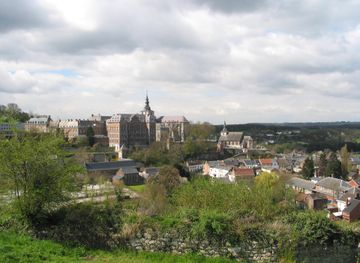
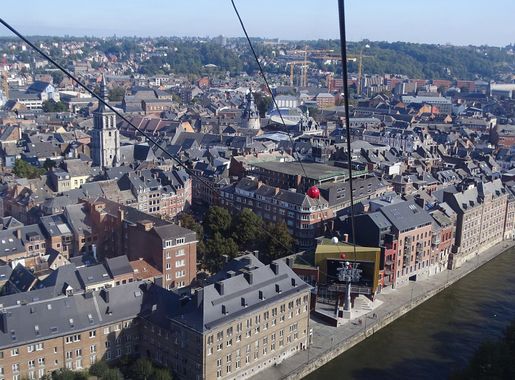
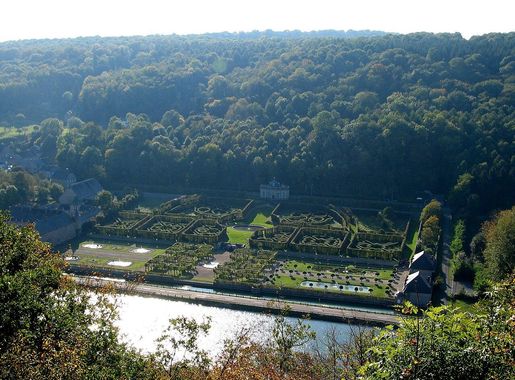
The Meuse Valley in Belgium is a stunning region that offers a mix of natural beauty, historic towns, and cultural experiences. The valley is carved by the Meuse River, which meanders through picturesque landscapes, lush forests, and charming villages. Whether you are keen on outdoor activities or simply wish to soak in the serene environment, the Meuse Valley promises a rejuvenating experience. Visitors can explore the medieval citadel of Namur, which offers breathtaking views of the river and the surrounding area. The town itself has cobblestone streets and a variety of cafes and shops to explore. Further along the river, Dinant awaits with its impressive cliffs and the iconic Collegiate Church of Notre-Dame. The town is also the birthplace of Adolphe Sax, the inventor of the saxophone, and features a museum dedicated to his life and work. For those who love nature, the Ardennes region, which flanks the Meuse Valley, provides ample opportunities for hiking, cycling, and even kayaking on the river. The lush, green forests and rolling hills create a perfect backdrop for outdoor adventures. Additionally, the valley is home to several castles and gardens, making it an ideal destination for history buffs and nature lovers alike.

Know before you go
Hi, I'm Eve. Here are a few practical things to know before exploring Meuse Valley.
- Visit the Namur Citadel early in the morning to avoid crowds and enjoy the best views.
- Try the local cuisine, especially the traditional 'boulets à la Liégeoise' in Dinant.
- Rent a bike to explore the scenic routes along the Meuse River for a more immersive experience.
- Check the local event calendar for music festivals and cultural events, especially in the summer months.
- Wear comfortable shoes as the towns have many cobblestone streets and walking paths.
Top City Travel Guides in Meuse Valley
The cities of Meuse Valley, and the easiest places to base yourself.


Explore Meuse Valley: Things to Do, Places to Eat, Hotels & More
Handpicked recommendations for top attractions, local dining, accommodations, and more

Top Attractions & Sightseeing in Meuse Valley
Top-rated picks
Best Attractions
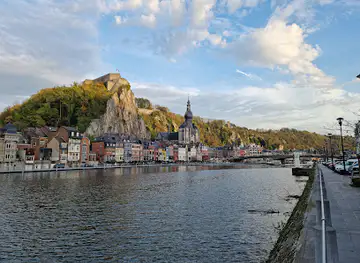
Citadelle de Dinant
Explore the historic Citadelle de Dinant, a majestic fortress offering breathtaking views and a journey through Belgium's rich history.

Citadelle de Namur
Discover the Citadelle de Namur: a historic fortress with stunning views, rich culture, and beautiful gardens in the heart of Belgium.

Bouillon Castle
Explore Bouillon Castle, a historic fortress in Belgium, offering stunning views and a glimpse into the medieval past of the Ardennes region.

Le Tombeau du Géant à Botassart
Explore Le Tombeau du Géant à Botassart, a breathtaking scenic spot perfect for hiking and nature lovers in the heart of Belgium.

Best landmarks in Meuse Valley
Top-rated picks
Best Landmarks

Grand Place
Discover the grandeur of the Grand Place, Brussels' stunning central square, rich in history and architectural beauty, perfect for every traveler.

Atomium
Explore the Atomium in Brussels, a stunning cultural landmark offering breathtaking views, engaging exhibits, and rich history in a unique architectural masterpiece.

Manneken Pis
Discover the whimsical Manneken Pis in Brussels, the iconic fountain that symbolizes the city's playful spirit and rich cultural heritage.

Gravensteen
Discover the rich history and stunning architecture of Gravensteen, a medieval castle in the heart of Ghent, Belgium, captivating tourists with its tales of the past.

Best restaurants in Meuse Valley
Top-rated picks
Best Restaurants

Aux Armes de Bruxelles
Experience authentic Belgian cuisine at Aux Armes de Bruxelles, where tradition meets flavor in every dish.

Café Walvis
Discover authentic Belgian flavors at Café Walvis in Brussels – your perfect spot for delicious cuisine and vibrant social experiences.

Le Panorama
Experience exquisite dining at Le Panorama with stunning views over the Meuse Valley in Namur - where great food meets breathtaking scenery.

Château de Namur
Experience culinary excellence and historic charm at Château de Namur, a premier restaurant and hotel destination in Belgium.

Best bars in Meuse Valley
Top-rated picks
Best Bars
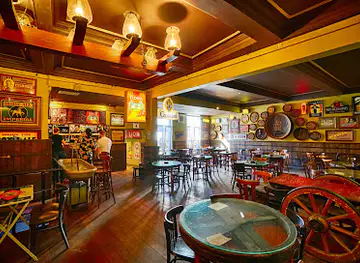
Delirium Café
Experience the vibrant atmosphere and vast selection of beers at Delirium Café, a must-visit destination for beer lovers in Brussels.

Le Trappiste
Experience the best of Bruges at Le Trappiste, where craft beers and artisanal coffee come together in a cozy atmosphere.

Barnabeer
Experience the vibrant culture of Namur at Barnabeer, a cozy bar and café offering a delightful selection of local brews and tasty snacks.

Le Panorama
Experience breathtaking views and exquisite local cuisine at Le Panorama, the ultimate dining destination in Namur.

Best nightclubs in Meuse Valley
Top-rated picks
Best Nightclubs

Versuz
Discover the vibrant nightlife of Hasselt at Versuz, where electrifying music and unforgettable experiences come alive.

Spirito Brussels
Discover the upscale nightlife at Spirito Brussels, where vibrant music and stunning decor create an unforgettable disco experience.

Carré
Dive into the exhilarating nightlife at Carré, Willebroek’s top disco club, where every night promises unforgettable moments and vibrant entertainment.

C12
Dive into the vibrant nightlife of C12, Brussels' premier disco club, where music, diversity, and unforgettable experiences come together.

Best shops in Meuse Valley
Top-rated picks
Best Shops

Citadelle de Dinant
Explore the historic Citadelle de Dinant, a stunning fortress offering breathtaking views of the Meuse River and a glimpse into Belgium's rich history.

City2
Experience the best of shopping and dining at City2, Brussels' premier shopping mall, where style meets convenience.

Primark
Discover affordable fashion and stylish homeware at Primark, a top shopping destination in Brussels for all ages.

Espace Shopping Hydrion
Espace Shopping Hydrion: Your ultimate shopping retreat in Arlon, Belgium, featuring diverse stores, delightful dining, and a vibrant atmosphere.

Explore Meuse Valley on the Map
A handpicked selection of must-see spots in Meuse Valley, mapped for you.
Meuse Valley Essentials
-
The Meuse Valley is accessible via several major cities. The nearest international airport is Brussels Airport, about 100 kilometers away. From Brussels, you can take a train to Namur or Dinant, which are key towns in the Meuse Valley. The journey by train takes approximately 1 to 1.5 hours. Alternatively, you can rent a car at the airport and drive, which will take around 1.5 hours depending on traffic conditions.
-
Once in the Meuse Valley, you can use a combination of public transportation and walking to explore the area. Trains and buses connect the main towns, such as Namur and Dinant, to smaller villages. Biking is also a popular option, and there are several well-maintained bike paths along the Meuse River. Car rentals are available and provide flexibility for exploring remote areas.
-
Belgium uses the Euro (EUR) as its currency. Credit and debit cards are widely accepted in hotels, restaurants, and shops. It is advisable to carry some cash for small purchases and in rural areas where card payments may not be accepted. ATMs are readily available in towns and cities.
-
The Meuse Valley is generally a safe destination for tourists. However, it is wise to take standard precautions. Avoid poorly lit areas at night and be mindful of your belongings in crowded places. While there are no specific high-crime areas targeting tourists, always stay vigilant and aware of your surroundings.
-
In case of emergency, dial 112 for immediate assistance, which connects you to police, fire, and medical services. The major towns have hospitals and medical facilities. It is recommended to have travel insurance that covers medical emergencies. Pharmacies are available in towns for over-the-counter medications.
-
Fashion: Do dress comfortably and appropriately for the weather. When visiting religious sites, avoid wearing revealing clothing. Religion: Do respect local religious customs and remove your hat when entering churches. Public Transport: Do validate your ticket before boarding trains and buses. Don’t eat or drink on public transport. Greetings: Do greet people with a handshake. A polite 'Bonjour' or 'Bonsoir' is appreciated. Eating & Drinking: Do try local specialties and be open to tasting new dishes. Don’t rush meals; dining is often a leisurely activity.
-
To experience the Meuse Valley like a local, visit the local markets in towns like Namur and Dinant, where you can buy fresh produce and artisanal goods. Engage with locals, who are often friendly and willing to share insights about the region. Don’t miss visiting the citadel of Namur and the picturesque town of Dinant. For a unique experience, take a boat trip on the Meuse River, offering stunning views of the valley.
When is the best time to visit Meuse Valley?
Useful Local Phrases for Meuse Valley
You don't need to speak the language perfectly. Even learning a few simple words can make conversations warmer—and locals usually appreciate the effort.
— Eve

Here are the phrases I use most often in Meuse Valley. Try a few—you'll be surprised how far they go! 😊
❤️
-
- HelloHowdy
[haʊdi] - GoodbyeSee ya
[si jə] - YesYep
[jɛp] - NoNope
[noʊp] - Please/You're welcomeSure thing
[ʃʊr θɪŋ] - Thank youThanks
[θæŋks] - Excuse me/SorryPardon me
[pɑrdən mi] - How are you?How ya doin'?
[haʊ jə ˈduɪn] - Fine. And you?Good. You?
[ɡʊd ju] - Do you speak English?You speak English?
[ju spiːk ˈɪŋɡlɪʃ] - I don't understandI ain't gettin' it
[aɪ eɪnt ˈɡɛtɪn ɪt]
- HelloHowdy
-
- I'd like to see the menu, pleaseCan I see the menu?
[kæn aɪ si ðə ˈmɛnju] - I don't eat meatI'm a vegetarian
[aɪm ə ˌvɛdʒəˈtɛriən] - Cheers!Cheers!
[ʧɪrz] - I would like to pay, pleaseCan I get the check?
[kæn aɪ ɡɛt ðə ʧɛk]
- I'd like to see the menu, pleaseCan I see the menu?
-
- Help!Help!
[hɛlp] - Go away!Get lost!
[ɡɛt lɔst] - Call the Police!Call 911!
[kɔl naɪn wʌn wʌn] - Call a doctor!Get a doctor!
[ɡɛt ə ˈdɑktər] - I'm lostI'm lost
[aɪm lɔst] - I'm illI'm sick
[aɪm sɪk]
- Help!Help!
-
- I'd like to buy...I wanna buy...
[aɪ ˈwɑnə baɪ] - I'm just lookingJust browsing
[dʒʌst ˈbraʊzɪŋ] - How much is it?What’s the price?
[wʌts ðə praɪs] - That's too expensiveThat costs too much
[ðæt kɔsts tu mʌʧ] - Can you lower the price?Can you bring it down?
[kæn ju brɪŋ ɪt daʊn]
- I'd like to buy...I wanna buy...
-
- What time is it?What time is it?
[wʌt taɪm ɪt] - It's one o'clockIt's one
[ɪts wʌn] - Half past (10)Half past ten
[hæf pæst tɛn] - MorningMorning
[ˈmɔrnɪŋ] - AfternoonAfternoon
[ˌæftərˈnun] - EveningEvening
[ˈivnɪŋ] - YesterdayYesterday
[ˈjɛstərdeɪ] - TodayToday
[təˈdeɪ] - TomorrowTomorrow
[təˈmɔroʊ] - 1One
[wʌn] - 2Two
[tu] - 3Three
[θri] - 4Four
[fɔr] - 5Five
[faɪv] - 6Six
[sɪks] - 7Seven
[ˈsɛvən] - 8Eight
[eɪt] - 9Nine
[naɪn] - 10Ten
[tɛn]
- What time is it?What time is it?
-
- Where's a/the...?Where's the...?
[wɛr z ðə] - What's the address?What's the address?
[wʌts ði əˈdrɛs] - Can you show me (on the map)?Can you point it out?
[kæn ju pɔɪnt ɪt aʊt] - When's the next (bus)?When's the next bus?
[wɛn z ðə nɛkst bʌs] - A ticket (to ....)One ticket to...
[wʌn ˈtɪkɪt tu]
- Where's a/the...?Where's the...?
History of Meuse Valley
-
The Meuse Valley has been inhabited since the Neolithic era, around 4000 BCE. Archaeological sites near the town of Hastière reveal early human settlements, showcasing primitive tools and pottery. These early communities were primarily agrarian, relying on the fertile lands along the Meuse River for sustenance.
-
During the Roman Empire, the Meuse Valley was a significant thoroughfare connecting the northern provinces to the rest of the empire. The Romans established roads, fortifications, and towns such as Namur and Dinant, which served as strategic military and trading posts. Remnants of Roman villas and artifacts can still be found in the region.
-
The Middle Ages saw the construction of numerous castles and fortresses along the Meuse River, reflecting the area's strategic importance. The Citadel of Namur, built in the 10th century, is one of the most notable examples. These fortifications were often the scenes of battles and sieges, especially during the feudal conflicts and the Hundred Years' War.
-
The town of Dinant is famously the birthplace of Adolphe Sax, the inventor of the saxophone, in 1814. Sax's innovation had a profound impact on music, especially jazz. The town celebrates this heritage with a museum dedicated to Sax and numerous saxophone sculptures adorning the streets.
-
In the 19th century, the Meuse Valley became an industrial hub, particularly known for its metalworking industry. The proximity to coal mines and the river facilitated the growth of factories and foundries. Places like Liège and Charleroi became synonymous with industrial prowess, contributing significantly to Belgium's economic development.
-
The Meuse Valley was a critical battleground during both World Wars. In World War I, the Battle of the Frontiers saw fierce fighting in the area. During World War II, the German Ardennes Offensive, also known as the Battle of the Bulge, passed through this region. These conflicts left a lasting mark, with numerous war memorials and cemeteries commemorating the fallen.
-
Today, the Meuse Valley is celebrated for its rich cultural heritage. The region hosts numerous festivals, such as the Citadel Music Festival in Namur and the Bathtub Regatta in Dinant. The scenic landscapes, historical landmarks, and vibrant cultural scene make it a popular destination for tourists and history enthusiasts alike.
Neighbouring Regions of Meuse Valley
The closest regions to Meuse Valley, if you have time for more than one.



Your all‑in‑one travel companion app
Explore expert travel guides, compare and book tours, experiences, hotels, and more—all from the palm of your hand. Download now for seamless trip planning wherever your wanderlust takes you.


Explore More of Belgium

Looking beyond Meuse Valley? Discover Belgium for broader travel guides, local hot-spots, and regional highlights.
Explore BelgiumMeuse Valley in Photos
Browse through our photo collection highlighting the charm and character of the destination.




Meuse Valley: Belgium's Scenic Escape
The Meuse Valley in Belgium is a stunning region that offers a mix of natural beauty, historic towns, and cultural experiences. The valley is carved by the Meuse River, which meanders through picturesque landscapes, lush forests, and charming villages. Whether you are keen on outdoor activities or simply wish to soak in the serene environment, the Meuse Valley promises a rejuvenating experience. Visitors can explore the medieval citadel of Namur, which offers breathtaking views of the river and the surrounding area. The town itself has cobblestone streets and a variety of cafes and shops to explore. Further along the river, Dinant awaits with its impressive cliffs and the iconic Collegiate Church of Notre-Dame. The town is also the birthplace of Adolphe Sax, the inventor of the saxophone, and features a museum dedicated to his life and work. For those who love nature, the Ardennes region, which flanks the Meuse Valley, provides ample opportunities for hiking, cycling, and even kayaking on the river. The lush, green forests and rolling hills create a perfect backdrop for outdoor adventures. Additionally, the valley is home to several castles and gardens, making it an ideal destination for history buffs and nature lovers alike.