

Free Entre-Sambre-et-Meuse Travel Guide & Mobile App
Explore Entre-Sambre-et-Meuse with free travel guides. Discover regional history, expert tips, proposed trips, and audio guides on web or mobile app.


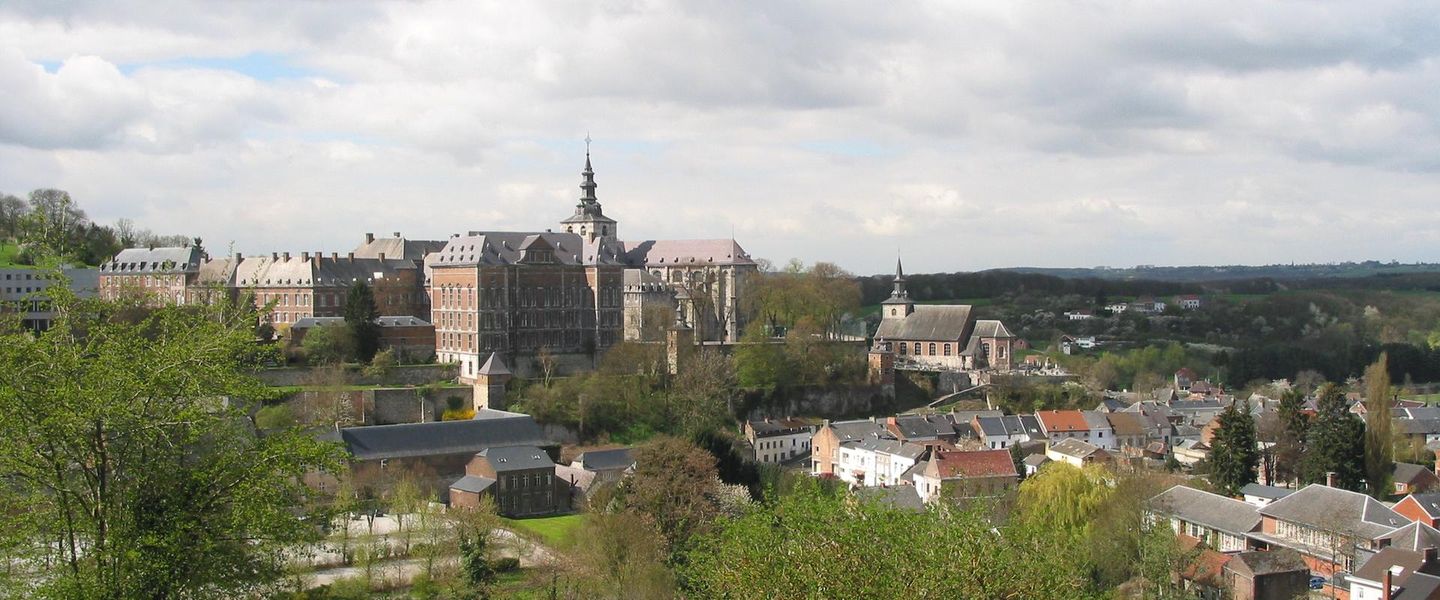


Explore Entre-Sambre-et-Meuse in Belgium for UNESCO-listed folkloric marches, abbeys, forested lakes, historic towns and Chimay's food heritage.
Read more about Entre-Sambre-et-Meuse
Getting to and around Entre-Sambre-et-Meuse
How to get there
Transportation
Top city travel guides in Entre-Sambre-et-Meuse
The cities of Entre-Sambre-et-Meuse, and the easiest places to base yourself.
-

-

-

-


Swipe for more cities
Best attractions in Entre-Sambre-et-Meuse
Entre-Sambre-et-Meuse offers a varied collection of attractions spread across a rural and semi-industrial landscape. In Thuin, visitors can combine the historic hillside town and its belfry with the ruins of Aulne Abbey, one of the region's most evocative monastic sites. Walcourt, Florennes and Fosses-la-Ville provide churches, old streets and religious heritage, while local museums and interpretation centres explain the area's craft, rural and industrial past. The Lakes of Eau d'Heure form the principal outdoor recreation zone, with walking, cycling, sailing and other water-based activities around a large wooded lake system. South of Philippeville, the Viroin-Hermeton Nature Park introduces limestone valleys, forests, meadows and villages suited to hiking and nature observation. Around Couvin, geological and subterranean heritage adds another dimension to the countryside. The folkloric marches are a major cultural attraction, but they are living community events rather than staged performances, so visitors should attend respectfully and check dates in advance.
-
Park
Parc du Cinquantenaire
Explore the beauty and history of Parc du Cinquantenaire, a stunning park in Brussels featuring gardens, museums, and a majestic arch.
-
Castle
Bouillon Castle
Explore Bouillon Castle, a stunning medieval fortress that offers breathtaking views and a deep dive into the rich history of the Crusades.
-
Historical landmark
Lion's Mound
Discover the historic Lion's Mound in Braine-l'Alleud, Belgium, a remarkable landmark commemorating the Battle of Waterloo with stunning views and rich history.
-
Park
Parc Georges Henri
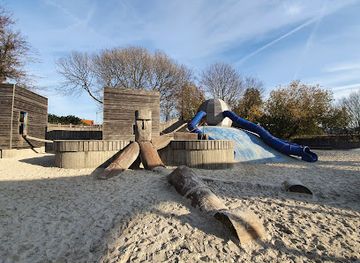
Explore the serene beauty of Parc Georges Henri in Woluwe-Saint-Lambert, a perfect park for relaxation, recreation, and family fun in Brussels.
Best landmarks in Entre-Sambre-et-Meuse
The belfry of Thuin is one of Entre-Sambre-et-Meuse's most recognisable architectural markers, rising above a historic hillside town shaped by the valleys of the Sambre and Biesmelle. Nearby Aulne Abbey provides a contrasting landmark: its ruined church, cloisters and monastic buildings evoke centuries of religious and agricultural power. The Basilica of Saint Maternus at Walcourt is an important pilgrimage and architectural focus, linking the town to a long Marian tradition. In the south, Chimay Castle, set above the Eau Blanche valley, symbolises the area's princely history, although its present appearance reflects later rebuilding. The Lakes of Eau d'Heure are a major geographical landmark rather than a single monument, their broad water surfaces and wooded shores altering the surrounding landscape. The limestone valleys and wooded ridges of Viroinval provide a natural counterpoint, while the belfries, churches and old street plans of Fosses-la-Ville and Florennes preserve the region's medieval and early-modern identity.
-
Plaza
Grand Place
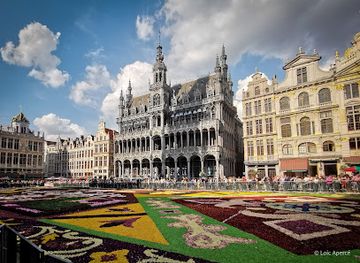
Discover the breathtaking beauty and rich history of Grand Place, Brussels' central square, a UNESCO World Heritage site that captivates every visitor.
-
Tourist attraction
Atomium
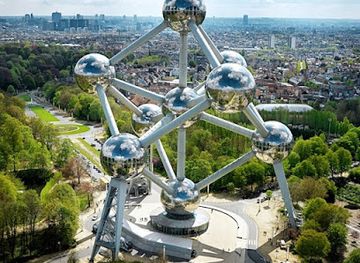
Explore Brussels's iconic Atomium: a symbol of science, history, and stunning panoramic views from this unique atomic-age structure.
-
Fountain
Manneken Pis
Discover the whimsical charm of Manneken Pis, Brussels' iconic fountain representing the city's playful spirit and rich cultural heritage.
-
Castle
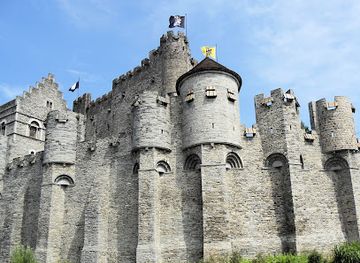
Gravensteen
Discover the rich history and stunning architecture of Gravensteen, a medieval castle in the heart of Ghent, Belgium, perfect for history enthusiasts and travelers alike.
Explore Entre-Sambre-et-Meuse on the map
Plan your trip on one map. See where the top cities, national parks and sights are, and book hotels and experiences in a few clicks.
Best hotels in Entre-Sambre-et-Meuse
Best restaurants in Entre-Sambre-et-Meuse
Dining in Entre-Sambre-et-Meuse is rooted in Walloon comfort food, farmhouse produce and the region's brewing traditions. Menus in village restaurants, cafés and traditional inns may feature pork, poultry, game when seasonally available, potatoes, rich sauces, soups and rustic tarts, alongside Belgian staples shared with the wider country. Chimay is the best-known local food name, combining Trappist beer with cheeses made in connection with the abbey tradition; the southern area is also associated with escavèche de Chimay, a sweet-and-sour fish preparation traditionally served cold. Around the lakes and historic towns, visitors will find casual brasseries, cafés and family restaurants, while rural addresses tend to favour set menus and local ingredients. Farm shops and markets are useful for cheese, bread, charcuterie and seasonal produce. Beer is important, but regional dining also includes soft drinks, coffee and non-alcoholic choices, making it easy to explore the food culture without treating alcohol as its centre.
-
Brewpub
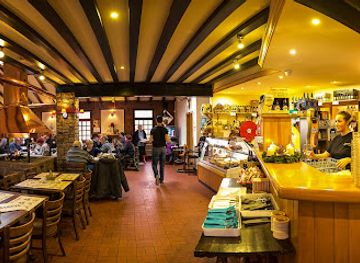
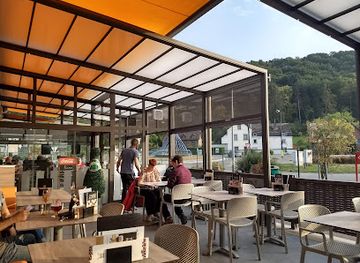
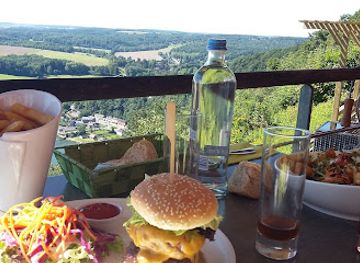
Brasserie des Fagnes
Experience authentic Belgian cuisine at Brasserie des Fagnes in Couvin – where local flavors meet a vibrant brewpub atmosphere.
-
Belgian
La Romance
Experience authentic Belgian cuisine at La Romance in Floreffe – where tradition meets flavor in every bite.
-
Restaurant
Les 7 Meuses Restaurant & Accommodation Insolites Wellness Hôteliers & Familiaux
Experience culinary delights and serene accommodations at Les 7 Meuses in Profondeville—a perfect getaway for relaxation and indulgence.
-
Belgian
Restaurant Le Sambre & Meuse
Discover the culinary magic of Belgium at Restaurant Le Sambre & Meuse with delightful dishes and inviting atmosphere.
Best bars in Entre-Sambre-et-Meuse
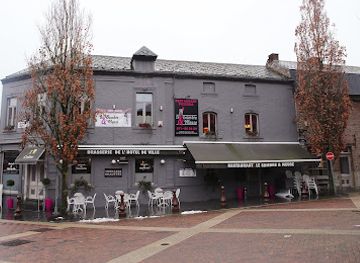
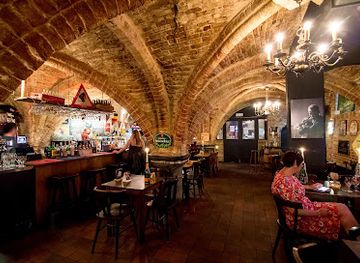
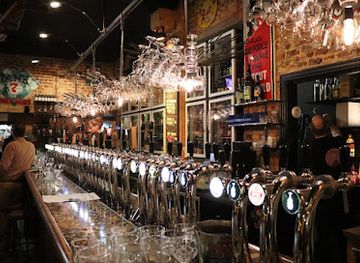
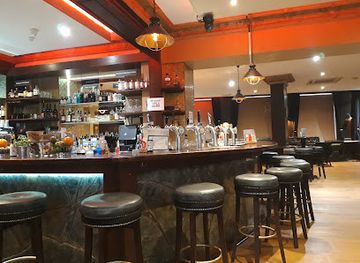
Evening life is generally low-key and dispersed rather than centred on a large club scene. Traditional cafés, village bars, brasseries and historic inns provide the main social settings, particularly in Thuin, Chimay, Walcourt, Couvin and the larger market towns. Around the Sambre, former industrial communities have more urban-style cafés and occasional live-music programming, while the southern countryside tends to quieten earlier. Chimay beer is widely associated with the region, and some establishments offer locally produced or Belgian craft beers alongside wine and soft drinks. During folkloric marches and summer events, temporary refreshment areas and community celebrations can make evenings busier, but arrangements vary from one locality to another. Visitors seeking late-night clubs will find a greater choice in nearby Charleroi or Namur, outside the rural core of Entre-Sambre-et-Meuse, rather than in the region itself.
-
Bar
Delirium Café
Discover the iconic Delirium Café in Brussels, home to over 2,000 beers and a lively atmosphere that embodies the city's rich beer culture.
-
Bar
Le Trappiste
Experience the charm of Bruges at Le Trappiste, a cozy bar and café offering an expansive selection of local Belgian beers and delicious light fare.
-
Bar
Barnabeer
Experience the vibrant atmosphere of Barnabeer, Namur's top bar and café, known for its exceptional beer selection and warm hospitality.
-
Bar
Citizen Fox
Citizen Fox: A chic bar and cafe in Mons, perfect for drinks, light bites, and a vibrant atmosphere.

Best nightclubs in Entre-Sambre-et-Meuse
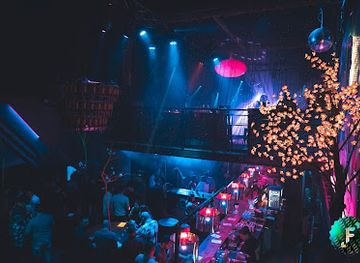
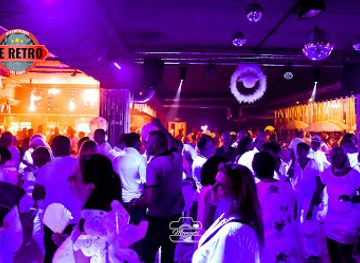
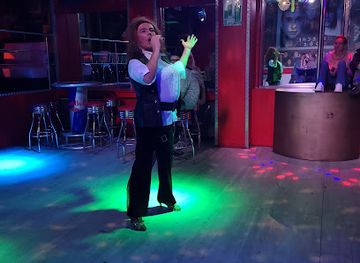
Evening life is generally low-key and dispersed rather than centred on a large club scene. Traditional cafés, village bars, brasseries and historic inns provide the main social settings, particularly in Thuin, Chimay, Walcourt, Couvin and the larger market towns. Around the Sambre, former industrial communities have more urban-style cafés and occasional live-music programming, while the southern countryside tends to quieten earlier. Chimay beer is widely associated with the region, and some establishments offer locally produced or Belgian craft beers alongside wine and soft drinks. During folkloric marches and summer events, temporary refreshment areas and community celebrations can make evenings busier, but arrangements vary from one locality to another. Visitors seeking late-night clubs will find a greater choice in nearby Charleroi or Namur, outside the rural core of Entre-Sambre-et-Meuse, rather than in the region itself.
-
Disco club
FLAGDEL
Discover the lively nightlife at FLAGDEL, Namur's premier disco club and bar, where unforgettable nights and vibrant music await.
-
Disco club
Le RETRO Discothèque
Dive into the vibrant nightlife of Gembloux at Le RETRO Discothèque, where music, dancing, and fun await every visitor.
-
Night club
Only4You
Discover the electrifying nightlife at Only4You Night Club in Merbes-le-Château, where music and fun unite for an unforgettable experience.
-
Disco club
El Pogona
Experience the electrifying energy of El Pogona, Charleroi's premier disco club and café, where nightlife comes alive with vibrant music and dance.
Best shops in Entre-Sambre-et-Meuse
Shopping is concentrated in market towns and village high streets rather than large retail districts. Thuin, Chimay, Walcourt, Couvin, Florennes and Fosses-la-Ville offer independent food shops, bakeries, cafés, small gift shops and practical local services, with the atmosphere varying according to market days and seasonal trade. Regional products make the most distinctive purchases: Chimay cheese and beer, Belgian chocolate, farmhouse preserves, bread, charcuterie and other produce from local makers. Markets and temporary stalls connected with folkloric marches or summer events can be good places to find food and crafts, but their dates are local and changeable. Near the Lakes of Eau d'Heure, shops are oriented more towards outdoor recreation and holiday needs than designer retail. For antiques, galleries, specialist fashion and major shopping centres, visitors generally travel to larger nearby cities such as Charleroi or Namur, outside the principal rural area.
-
Store
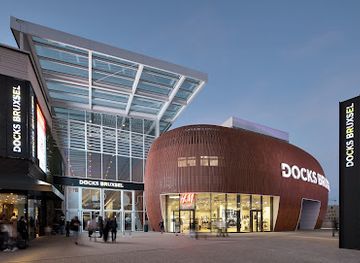
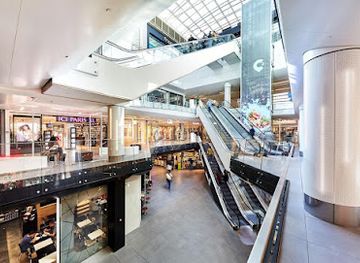
Docks Bruxsel
Discover Docks Bruxsel: A dynamic shopping mall in Brussels offering diverse boutiques, delightful dining, and vibrant entertainment.
-
Shopping mall
City2
Discover City2, Brussels' premier shopping mall, offering a vibrant mix of international brands, local boutiques, and delightful dining options.
-
Shopping mall
Rive Gauche
Discover Rive Gauche, Charleroi's vibrant shopping mall offering fashion, dining, and entertainment in a modern atmosphere.
-
Shopping mall
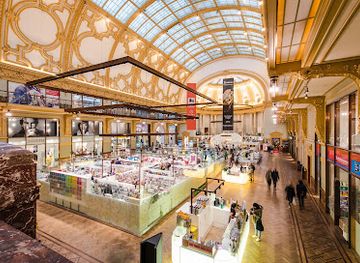
Stadsfeestzaal
Explore Stadsfeestzaal in Antwerp, a stunning shopping mall blending history with modernity, offering diverse retail and dining experiences.
Get your free copy of our complete guide to Entre-Sambre-et-Meuse, delivered straight to you.
Everything on this page, from attractions and restaurants to essentials and local phrases, in one PDF you can read offline, print or share.
Already have an account? Sign in
Your Entre-Sambre-et-Meuse guide is ready.
We'll send it to · Not you? Sign out

Getting your guide ready…
We are putting together a fresh copy of the Entre-Sambre-et-Meuse guide. This can take up to a minute.
This can take a few moments. If your browser asks, choose Allow so the download can start. You'll find the guide in your Downloads folder.
Nothing happened? Download it again
Sorry, the guide is taking longer than usual. Please try again in a minute, or get it by email instead.
Entre-Sambre-et-Meuse essentials
Currency and Payment
Safety
Emergency Situations
Do's and Don'ts
Local Tips
From Eve
Local phrases worth knowing
You don't need to get them perfect. A few words go a long way, and locals appreciate the effort.
Basics
| English | Local | Say it |
|---|---|---|
| Hello | Salut | [sah-loo] |
| Goodbye | Au revoir | [oh ruh-vwahr] |
| Yes | Oui | [wee] |
| No | Non | [noh] |
| Please/You're welcome | S'il vous plaît | [seel voo pleh] |
| Thank you | Merci | [mehr-see] |
| Excuse me/Sorry | Excusez-moi | [ehk-skew-zay mwah] |
| How are you? | Comment ça va? | [koh-mahn sah vah] |
| Fine. And you? | Bien. Et vous? | [byan. eh voo] |
| Do you speak English? | Parlez-vous anglais? | [par-lay voo ahn-glay] |
| I don't understand | Je ne comprends pas | [zhuh nuh kom-prahnd pah] |
Eating & Drinking
| English | Local | Say it |
|---|---|---|
| I'd like to see the menu, please | Je voudrais voir le menu, s'il vous plaît | [zhuh voo-dray vwar luh meh-nu, seel voo pleh] |
| I don't eat meat | Je ne mange pas de viande | [zhuh nuh mahnzh pah duh vyahnd] |
| Cheers! | Santé! | [sahn-tay] |
| I would like to pay, please | Je voudrais payer, s'il vous plaît | [zhuh voo-dray pay-ay, seel voo pleh] |
Emergencies
| English | Local | Say it |
|---|---|---|
| Help! | Au secours! | [oh se-koor] |
| Go away! | Allez-vous-en! | [ah-lay voo-zahn] |
| Call the Police! | Appelez la police! | [ah-peh-lay lah po-lees] |
| Call a doctor! | Appelez un docteur! | [ah-peh-lay uhn dok-teur] |
| I'm lost | Je suis perdu | [zhuh swee pair-dyoo] |
| I'm ill | Je suis malade | [zhuh swee mah-lahd] |
Shopping
| English | Local | Say it |
|---|---|---|
| I'd like to buy... | Je voudrais acheter... | [zhuh voo-dray ah-sheh-tay] |
| I'm just looking | Je regarde juste | [zhuh ruh-gard zhuhst] |
| How much is it? | C'est combien? | [say kohm-byen] |
| That's too expensive | C'est trop cher | [say troh shair] |
| Can you lower the price? | Pouvez-vous baisser le prix? | [poo-vay voo beh-say luh pree] |
Time & Numbers
| English | Local | Say it |
|---|---|---|
| What time is it? | Quelle heure est-il? | [kel uhr eh-teel] |
| It's one o'clock | Il est une heure | [eel eh tyoon uhr] |
| Half past (10) | Dix heures et demie | [dees uhr eh duh-mee] |
| Morning | Matin | [mah-tahn] |
| Afternoon | Après-midi | [ah-pray mee-dee] |
| Evening | Soir | [swahr] |
| Yesterday | Hier | [ee-air] |
| Today | Aujourd'hui | [ozhoor dwee] |
| Tomorrow | Demain | [duh-man] |
| 1 | Un | [uhn] |
| 2 | Deux | [duh] |
| 3 | Trois | [trwah] |
| 4 | Quatre | [ka-truh] |
| 5 | Cinq | [sank] |
| 6 | Six | [sees] |
| 7 | Sept | [set] |
| 8 | Huit | [weet] |
| 9 | Neuf | [nuhf] |
| 10 | Dix | [dees] |
Transport & Directions
| English | Local | Say it |
|---|---|---|
| Where's a/the...? | Où est un/une...? | [oo eh uhn/oon] |
| What's the address? | Quelle est l'adresse? | [kel eh la-dress] |
| Can you show me (on the map)? | Pouvez-vous me montrer (sur la carte)? | [poo-vay voo muh mohn-tray (sur la kart)] |
| When's the next (bus)? | Quand est le prochain (bus)? | [kahn eh luh pro-shen (bus)] |
| A ticket (to ....) | Un billet (pour ....) | [uhn bee-yay (pour ....)] |
History of Entre-Sambre-et-Meuse
Prehistoric caves and early settlement
The valleys and limestone uplands of Entre-Sambre-et-Meuse contain evidence of very early human occupation. Caves and rock shelters in the southern districts, particularly around Couvin and Viroinval, were used at different periods by prehistoric communities, while later farming settlements emerged on the more fertile plateaux. The region's geology, with limestone outcrops, wooded ridges and river valleys, influenced where people lived and travelled. Archaeological remains are not always presented as large monumental sites, but they form an important background to the area's walking routes, museums and protected landscapes.
Roman roads and the medieval landscape
Roman administration brought roads, agricultural organisation and new links between settlements in the Sambre and Meuse hinterlands. After the Roman period, power became more fragmented, and medieval religious foundations played a major role in shaping the countryside. Abbeys at Aulne, Florennes and other locations held land, managed agriculture and became centres of religious and economic life. Medieval towns and fortifications developed around strategic routes, including those connecting the County of Namur, the principality of Liège and the wider Hainaut region.
Walcourt, Thuin and the medieval principality
During the Middle Ages, settlements such as Walcourt and Thuin acquired religious, commercial and strategic importance. Walcourt grew around its significant Marian pilgrimage tradition and collegiate church, while Thuin occupied a defensible position above the Biesmelle and Sambre valleys. The area was affected by the overlapping influence of Hainaut, Namur and Liège, and its political boundaries changed over time. Churches, belfries, town layouts and surviving earthworks preserve elements of this period, even where later rebuilding has altered the original medieval fabric.
Aulne Abbey and the monastic economy
Aulne Abbey, in the present municipality of Thuin, was founded in the seventh century and later became a Cistercian monastery. Its estates helped organise farming, forestry and river-valley activity across a substantial rural territory. The abbey was damaged and partly destroyed during the upheavals of the French Revolution, leaving the atmospheric ruins seen today. Its history illustrates how religious institutions were also agricultural and economic powers, and how the suppression of monasteries permanently changed the ownership and appearance of the Walloon countryside.
Industry in the Sambre basin
From the eighteenth and especially the nineteenth century, the northern part of Entre-Sambre-et-Meuse was drawn into the industrial expansion of the Sambre basin. Coal mining, ironworking, glassmaking and metal processing transformed towns and villages near Charleroi and the Sambre, bringing railways, workers' housing and new commercial connections. Not every part of the cultural region industrialised equally: the southern districts remained more agricultural and forested. This contrast between industrial valley and rural upland remains one of the area's most distinctive geographical and historical features.
The origins of the folkloric marches
The religious marches for which Entre-Sambre-et-Meuse is known took their modern form chiefly during the nineteenth century, although some processions have older roots. Companies of marchers, often wearing historical or military-style uniforms, accompany local saints and religious statues through the streets, with drums, fifes and ceremonial gunfire contributing to the public spectacle. These events express parish devotion, family participation and village identity as well as historical memory. Their continuing importance led UNESCO to recognise the Marches of Entre-Sambre-et-Meuse as intangible cultural heritage in 2021.
War, reconstruction and changing rural life
The region's position between major Belgian cities and routes through the Meuse and Sambre corridors exposed it to the effects of both World Wars. Military movements, occupation and damage affected communities, transport infrastructure and industrial production, while memorials and cemeteries record the human cost. After 1945, mining and heavy industry declined, and many rural communities experienced changes in employment and population. Tourism, heritage conservation, outdoor recreation and food production now complement the remaining industrial economy, without erasing the area's working landscape.
Entre-Sambre-et-Meuse in Photos
Browse through our photo collection highlighting the charm and character of the destination.
Neighbouring regions of Entre-Sambre-et-Meuse
The closest regions to Entre-Sambre-et-Meuse, if you have time for more than one.
-

-

-

-

-


Swipe for more regions
Explore more

Explore more of Belgium
Discover Belgium: A blend of medieval charm, culinary delights, and stunning landscapes. Explore historic cities, savor exquisite chocolates, and enjoy a perfect getaway.
Explore Belgium