

Free Gaume Travel Guide & Mobile App
Explore Gaume with free travel guides. Discover regional history, expert tips, proposed trips, and audio guides on web or mobile app.


Explore Gaume in southern Belgium for Trappist heritage, forested valleys, Lorraine villages, local pâté, walking routes and quiet rural scenery.
Read more about Gaume
When is the best time to visit Gaume?
Best: June–August · 22–24°C| Month | High (°C) | Rainfall (mm) |
|---|---|---|
| January | 6 | 70 |
| February | 7 | 60 |
| March | 12 | 65 |
| April | 15 | 55 |
| May | 19 | 65 |
| June (best) | 22 | 70 |
| July (best) | 24 | 70 |
| August (best) | 23 | 65 |
| September | 20 | 60 |
| October | 15 | 65 |
| November | 10 | 70 |
| December | 7 | 75 |
Getting to and around Gaume
How to get there
Transportation
Top city travel guides in Gaume
The cities of Gaume, and the easiest places to base yourself.

Swipe for more cities
Best attractions in Gaume
Gaume’s attractions are spread across a rural landscape rather than concentrated in one urban centre. The principal heritage visit is Orval Abbey near Villers-devant-Orval, where medieval ruins, monastic history and wooded surroundings provide a deeper experience than a single architectural viewpoint. In Virton, the Musée gaumais introduces the archaeology, folklore, crafts and domestic life of southern Belgium, making it a useful starting point for understanding the region. Chiny and Florenville open access to the Semois valley, with riverside paths, forest walks and viewpoints defining the outdoor offer. Torgny adds a distinctly Lorraine village experience, with pale stone buildings, south-facing slopes and a small-scale wine tradition. Across Gaume, marked walking and cycling routes pass through beech woods, farmland, streams and quiet settlements. The area suits visitors who enjoy combining a museum or abbey with a half-day outdoors, rather than moving between a long list of formal attractions. Seasonal village events, local food producers and the changing colours of the forest add a cultural dimension to the landscape.
-
Grand Place
Discover the architectural splendor and vibrant atmosphere of Grand Place, a must-visit UNESCO World Heritage site in the heart of Brussels.
-
Tourist attraction
Gravensteen
Explore the impressive Gravensteen Castle in Ghent, a historical marvel that showcases medieval architecture and captivating stories of the past.
-
Tourist attraction
Bastogne War Museum
Explore the impactful history of World War II at Bastogne War Museum, where bravery and sacrifice are brought to life through immersive exhibits.
-
Tourist attraction
Maredsous Abbey
Discover Maredsous Abbey: a historic Benedictine monastery in the scenic Molignée Valley, known for its architecture, cheese, and beer.


Best landmarks in Gaume
Orval Abbey is Gaume’s defining landmark: its medieval ruins, surviving arches and later monastic complex occupy a wooded valley whose setting is inseparable from the site’s identity. In Torgny, the compact group of pale limestone houses, farm buildings and south-facing streets expresses Gaume’s architectural relationship with French Lorraine and makes the village one of the region’s most recognisable settlements. Chiny’s historic position above the Semois recalls the medieval County of Chiny, while the river and surrounding woodland provide the town with a strong geographical landmark. Florenville is associated with the broad Semois landscape and viewpoints over the valley, where forested slopes form a more natural than monumental presence. Virton’s civic centre and cultural institutions represent the region’s principal town, with the Musée gaumais preserving objects and stories that give context to its built environment. Across the countryside, churches, roadside crosses, old farmsteads and stone village houses form a quieter landmark network, reflecting generations of farming, religious practice and borderland exchange.
-
Tourist attraction
Citadelle de Dinant
Discover the breathtaking views and rich history at Citadelle de Dinant, a must-visit fortress in the heart of Belgium.
-
Tourist attraction
Abbaye d'Orval
Discover the serene beauty and rich heritage of Orval Abbey, a Trappist monastery renowned for its exquisite beer and historic charm.
-
Tourist attraction
Musée Gaumais
Explore the captivating Musée Gaumais in Virton, Belgium, where art, history, and archaeology come together in an engaging experience for all ages.
-
Nature preserve
Roche A L'Appel
Explore Roche A L'Appel, a mesmerizing nature preserve in Florenville, Belgium, perfect for outdoor adventures and serene retreats.


Explore Gaume on the map
Plan your trip on one map. See where the top cities, national parks and sights are, and book hotels and experiences in a few clicks.
Best hotels in Gaume
Best restaurants in Gaume
Gaume’s cooking reflects southern Belgian and French-Lorraine influences, with pâté gaumais as its best-known regional speciality. This savoury meat pie is found in bakeries, cafés and traditional restaurants, where it may be served as a substantial snack or part of a casual meal. Menus also draw on local pork, game where legally and seasonally available, farmhouse vegetables, cheeses and bread, while river-valley and rural restaurants often emphasise hearty dishes suited to walkers and cooler weather. Virton and Florenville offer the broadest range of cafés, brasseries and evening dining, whereas villages are more likely to have a small number of inns or family-run establishments. Markets and food shops are useful for picnic supplies, including regional pâtés, cheese, preserves and honey. Orval beer and Orval cheese are closely associated with the abbey, although both are distributed well beyond Gaume. Torgny’s vineyards add a modest local wine interest, best understood as part of the village’s agricultural character rather than a large commercial wine region.
-
Restaurant
Au Coeur de la Gaume
Discover authentic local cuisine at Au Coeur de la Gaume in Virton - A must-visit restaurant for food enthusiasts exploring Belgium.
-
Restaurant
Le Chameleux
Experience the heart of Belgian cuisine at Le Chameleux in Florenville – where delicious meals meet warm hospitality.
-
Restaurant
L'Épisode
Discover L'Épisode: An enchanting restaurant in Herbeumont offering exquisite Belgian cuisine and a delightful atmosphere.
-
Restaurant
Le Moulin Cambier
Discover exquisite French cuisine and enchanting ambiance at Le Moulin Cambier in Chiny – a must-visit culinary destination.


Best bars in Gaume
Evening life in Gaume is predominantly low-key and social, centred on cafés, traditional pubs, brasseries and village restaurants rather than a substantial nightclub scene. Virton has the widest choice of places to meet for a drink or meal, while Florenville serves visitors exploring the Semois valley. In smaller communities, historic inns and local cafés may provide the main evening activity, with opening patterns varying by season and day of the week. Belgian beers are widely available, alongside French-influenced wines and local products associated with Orval. Occasional concerts, cultural programmes and village fêtes bring a livelier atmosphere, particularly during the warmer months, but these should be checked locally rather than assumed to run year-round. Visitors staying in rural accommodation should plan dinner and transport in advance, as late-night services can be limited and many countryside roads are poorly suited to unfamiliar driving after dark.
-
Brewpub
Le Relais de Chassepierre
Experience the charm of Le Relais de Chassepierre, a brewpub and bed & breakfast offering delightful local cuisine and serene surroundings.
-
Bar
L'enfant Terrible
Discover the vibrant atmosphere and exquisite cocktails at L'enfant Terrible, a must-visit bar and restaurant in Habay, Belgium.
-
Bar
Le Point B'arts
Experience local culture and vibrant atmosphere at Le Point B'arts, a must-visit bar in Étalle, Belgium, for every traveler.
-
Bar
Cap.56
Discover the cozy charm of Cap.56, a beloved bar and café in Florenville offering a warm atmosphere and delightful drinks.


Best nightclubs in Gaume
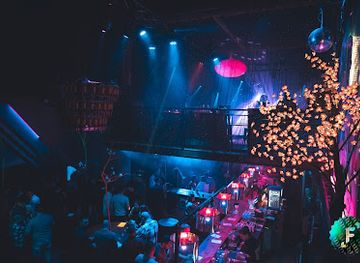
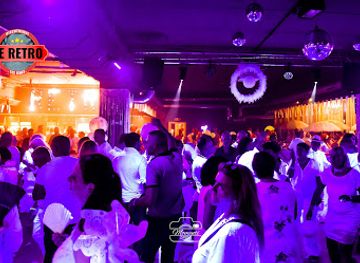
Evening life in Gaume is predominantly low-key and social, centred on cafés, traditional pubs, brasseries and village restaurants rather than a substantial nightclub scene. Virton has the widest choice of places to meet for a drink or meal, while Florenville serves visitors exploring the Semois valley. In smaller communities, historic inns and local cafés may provide the main evening activity, with opening patterns varying by season and day of the week. Belgian beers are widely available, alongside French-influenced wines and local products associated with Orval. Occasional concerts, cultural programmes and village fêtes bring a livelier atmosphere, particularly during the warmer months, but these should be checked locally rather than assumed to run year-round. Visitors staying in rural accommodation should plan dinner and transport in advance, as late-night services can be limited and many countryside roads are poorly suited to unfamiliar driving after dark.
-
Disco club
FLAGDEL
Discover the electrifying nightlife at FLAGDEL, Namur's premier disco club, where music, dancing, and socializing create unforgettable experiences.
-
Disco club
Nostalgia Club
Dive into the heart of Brussels' nightlife at Nostalgia Club, where music, dancing, and good vibes await every weekend.
-
Disco club
Le RETRO Discothèque
Discover the vibrant nightlife of Gembloux at Le RETRO Discothèque, a premier destination for music, dance, and unforgettable memories.
-
Karaoke bar
Les Tourets karaoké, Cabaret
Experience the vibrant nightlife of Les Tourets in Florenville, where karaoke, cabaret, and unforgettable entertainment come together for a night of fun.


Best shops in Gaume
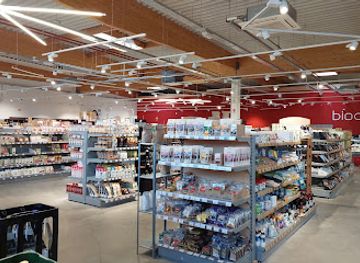
Shopping in Gaume is focused on market-town services, local food and small independent businesses rather than large retail complexes. Virton offers the broadest selection of everyday shops, cafés, bakeries, food specialists and seasonal market stalls, while Florenville provides a practical base for regional produce and gifts. Look for pâté gaumais, local cheeses, honey, preserves, bread and products connected with Orval, bearing in mind that some branded items are distributed nationally and are not all made in the immediate area. Torgny’s wine-growing identity gives the village a particular interest for visitors seeking local bottles and farm-based products, subject to availability. Craft shops, galleries, bookshops and makers’ stalls appear in the larger villages and at local events, with ceramics, woodwork and textiles more likely to be found through small-scale outlets than permanent shopping arcades. Market days and village fêtes can be the best occasions for meeting producers, but schedules change, so confirm details locally before making a special journey.
-
Outlet mall
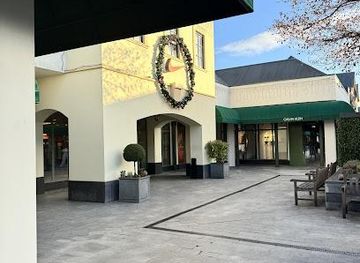
Designer Outlet Luxembourg
Shop luxury brands at discounted prices in a beautiful outdoor setting at Designer Outlet Luxembourg in Messancy.
-
Outlet mall
Designer Outlet Luxembourg
Discover unbeatable deals on designer brands at Designer Outlet Luxembourg, a top shopping destination for savvy travelers and fashion lovers alike.
-
Shopping mall
Espace Shopping Hydrion
Discover Espace Shopping Hydrion: Arlon's vibrant shopping mall with diverse stores, dining, and entertainment for an unforgettable shopping experience.
-
Fishing club
Jacquet Pêche
Discover the best fishing gear and community at Jacquet Pêche, a premier fishing club in the heart of Chiny, Belgium.


Get your free copy of our complete guide to Gaume, delivered straight to you.
Everything on this page, from attractions and restaurants to essentials and local phrases, in one PDF you can read offline, print or share.
Already have an account? Sign in
Your Gaume guide is ready.
We'll send it to · Not you? Sign out

Getting your guide ready…
We are putting together a fresh copy of the Gaume guide. This can take up to a minute.
This can take a few moments. If your browser asks, choose Allow so the download can start. You'll find the guide in your Downloads folder.
Nothing happened? Download it again
Sorry, the guide is taking longer than usual. Please try again in a minute, or get it by email instead.
Gaume essentials
Currency and Payment
Safety
Emergency Situations
Do's and Don'ts
Local Tips
From Eve
Local phrases worth knowing
You don't need to get them perfect. A few words go a long way, and locals appreciate the effort.
Basics
| English | Local | Say it |
|---|---|---|
| Hello | Salut | [sah-loo] |
| Goodbye | Au revoir | [oh ruh-vwahr] |
| Yes | Oui | [wee] |
| No | Non | [noh] |
| Please/You're welcome | S'il vous plaît | [seel voo pleh] |
| Thank you | Merci | [mehr-see] |
| Excuse me/Sorry | Excusez-moi | [ehk-skew-zay mwah] |
| How are you? | Comment ça va? | [koh-mohn sah vah] |
| Fine. And you? | Bien. Et vous? | [byehn. eh voo] |
| Do you speak English? | Parlez-vous anglais? | [par-lay voo ahn-glay] |
| I don't understand | Je ne comprends pas | [zhuh nuh kom-prahn pah] |
Eating & Drinking
| English | Local | Say it |
|---|---|---|
| I'd like to see the menu, please | Je voudrais voir le menu, s'il vous plaît | [zhuh voo-dray vwar luh meh-nu, seel voo pleh] |
| I don't eat meat | Je ne mange pas de viande | [zhuh nuh mahnj pah duh vyahnd] |
| Cheers! | Santé! | [sahn-tay] |
| I would like to pay, please | Je voudrais payer, s'il vous plaît | [zhuh voo-dray pay-ay, seel voo pleh] |
Emergencies
| English | Local | Say it |
|---|---|---|
| Help! | À l'aide! | [ah lehd] |
| Go away! | Allez-vous-en! | [ah-lay voo-zahn] |
| Call the Police! | Appelez la police! | [ah-peh-lay lah poh-lees] |
| Call a doctor! | Appelez un médecin! | [ah-peh-lay uhn meh-deh-sahn] |
| I'm lost | Je suis perdu | [zhuh swee pair-due] |
| I'm ill | Je suis malade | [zhuh swee mah-lahd] |
Shopping
| English | Local | Say it |
|---|---|---|
| I'd like to buy... | Je voudrais acheter... | [zhuh voo-dray ah-she-tay] |
| I'm just looking | Je regarde juste | [zhuh ruh-gard zhoost] |
| How much is it? | C'est combien? | [say kohm-byen] |
| That's too expensive | C'est trop cher | [say troh shair] |
| Can you lower the price? | Pouvez-vous baisser le prix? | [poo-vay voo beh-say luh pree] |
Time & Numbers
| English | Local | Say it |
|---|---|---|
| What time is it? | Quelle heure est-il? | [kel uhr eh-teel] |
| It's one o'clock | Il est une heure | [eel eh oon uhr] |
| Half past (10) | Dix heures et demie | [deez uhr eh duh-mee] |
| Morning | Matin | [mah-tan] |
| Afternoon | Après-midi | [ah-pray mee-dee] |
| Evening | Soir | [swahr] |
| Yesterday | Hier | [ee-air] |
| Today | Aujourd'hui | [oh-zhoor dwee] |
| Tomorrow | Demain | [duh-mahn] |
| 1 | Un | [uhn] |
| 2 | Deux | [duhr] |
| 3 | Trois | [trwah] |
| 4 | Quatre | [katr] |
| 5 | Cinq | [sank] |
| 6 | Six | [sees] |
| 7 | Sept | [seht] |
| 8 | Huit | [weet] |
| 9 | Neuf | [nuhf] |
| 10 | Dix | [deez] |
Transport & Directions
| English | Local | Say it |
|---|---|---|
| Where's a/the...? | Où est un/une...? | [oo eh uhn/oon] |
| What's the address? | Quelle est l'adresse? | [kel eh luh-dress] |
| Can you show me (on the map)? | Pouvez-vous me montrer (sur la carte)? | [poo-vay voo muh mohn-tray (sur lah kart)] |
| When's the next (bus)? | Quand est le prochain (bus)? | [kahn eh luh pro-shan (boos)] |
| A ticket (to ....) | Un billet (pour ...) | [uhn bee-yay (poor ...)] |
History of Gaume
Prehistoric and Gallo-Roman Gaume
Archaeological evidence shows that the Gaume area was occupied long before the modern towns appeared. Its position between the Meuse basin, Lorraine and the Ardennes encouraged movement and settlement, while fertile limestone soils supported agriculture. During the Roman period, the territory formed part of the wider Civitas Treverorum and was connected to regional routes linking settlements in present-day Belgium, France and Luxembourg. Remains and artefacts interpreted through local museums, particularly the Musée gaumais in Virton, help explain how farming, trade and Roman cultural influence shaped southern Belgium.
The Medieval County of Chiny
From the eleventh century, much of the area was associated with the County of Chiny, a medieval principality whose influence extended across parts of today’s southern Luxembourg province and neighbouring territories. Chiny developed around a strategic site above the Semois, and the county’s history remains visible in the town’s medieval associations and in the region’s network of churches, villages and former religious foundations. Political control later passed through larger dynastic powers, but the memory of Chiny remains central to Gaume’s historical identity.
The Foundation of Orval Abbey
Orval Abbey was founded in the early twelfth century in a secluded valley near the present Belgian-French border. The monastery became an important religious and economic institution, managing land, forests and agricultural activity over several centuries. Its name is traditionally linked to the legend of a golden valley, reflected in the abbey’s emblem. The complex was damaged and abandoned during the upheavals of the French Revolution, leaving the atmospheric ruins that visitors see today. A new Cistercian community established the modern abbey in the twentieth century.
Gaume within the Southern Netherlands and Lorraine
For centuries Gaume occupied a borderland between political territories that changed hands while local speech and customs retained a strong Lorraine character. The region became part of the Austrian Netherlands before the French Revolutionary and Napoleonic era, and later entered the United Kingdom of the Netherlands. After the Belgian Revolution of 1830, it formed part of the new Belgian state. These political transitions did not erase Gaume’s French language or its close cultural connections with neighbouring French Lorraine.
Rural Economy and Nineteenth-Century Change
Agriculture, forestry and small-scale craft production long dominated Gaume’s economy. The nineteenth century brought better roads and rail connections, helping link Virton and surrounding communities with industrial centres beyond the region. Ironworking and the wider development of the Luxembourg and Lorraine steel belt affected employment and trade, even though Gaume itself remained largely rural. These changes encouraged movement between villages and industrial towns, while farms, sawmills, local markets and food production continued to structure everyday life.
War, Reconstruction and Regional Identity
Gaume’s position near the French border made it vulnerable during both World Wars. Villages, roads and rail infrastructure were affected by military movements, occupation and disruption, and local communities experienced the wider hardships imposed on Belgium. After 1945, improved roads and changing agriculture contributed to the region’s gradual shift towards tourism, conservation and service-based work. Museums, heritage organisations and local festivals now present Gaume as a distinct cultural area within Wallonia, defined by its French language, Lorraine traditions and wooded southern landscape.
Gaume in Photos
Browse through our photo collection highlighting the charm and character of the destination.
Neighbouring regions of Gaume
The closest regions to Gaume, if you have time for more than one.
-

-
-

-
-


Swipe for more regions
Explore more

Explore more of Belgium
Discover Belgium: A blend of medieval charm, culinary delights, and stunning landscapes. Explore historic cities, savor exquisite chocolates, and enjoy a perfect getaway.
Explore Belgium