

Free Ardennes Travel Guide & Mobile App
Explore Ardennes with free travel guides. Discover regional history, expert tips, proposed trips, and audio guides on web or mobile app.


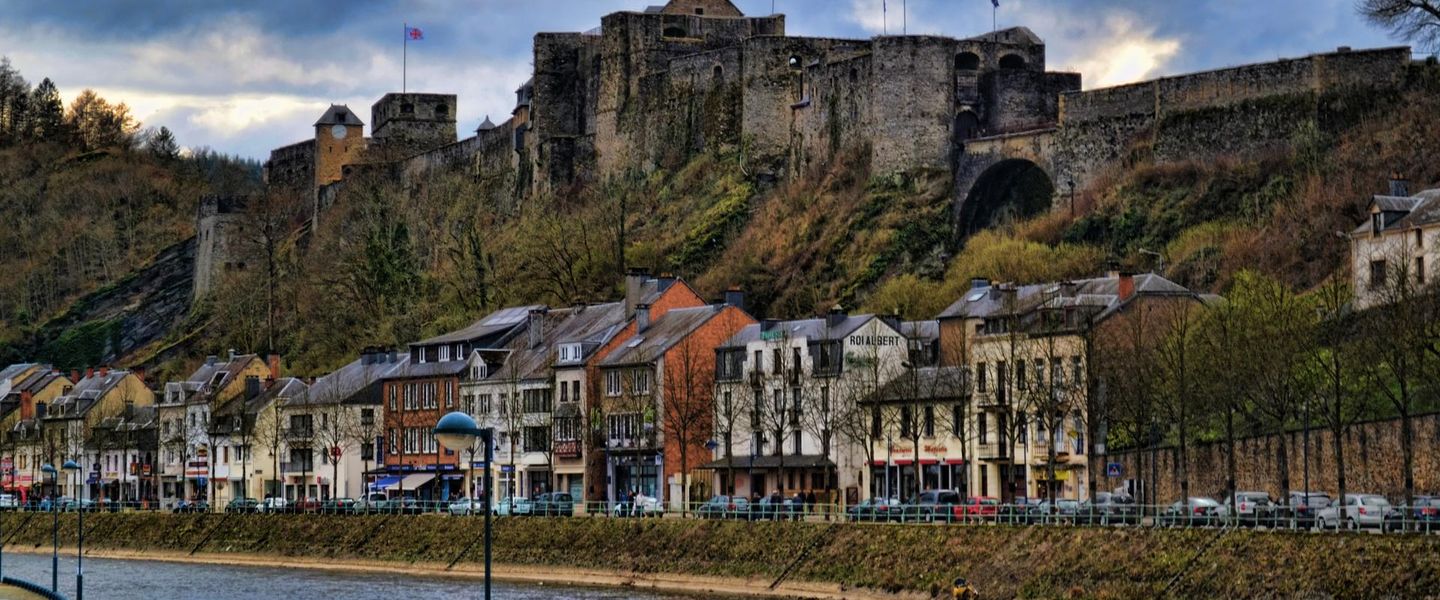


Explore Belgium's Ardennes for forested valleys, medieval castles, wartime history, outdoor adventure and hearty Walloon food.
Read more about Ardennes
When is the best time to visit Ardennes?
Best: June–August · 21–23°C| Month | High (°C) | Rainfall (mm) |
|---|---|---|
| January | 5 | 70 |
| February | 6 | 60 |
| March | 10 | 70 |
| April | 13 | 60 |
| May | 18 | 70 |
| June (best) | 21 | 80 |
| July (best) | 23 | 90 |
| August (best) | 22 | 80 |
| September | 19 | 70 |
| October | 14 | 80 |
| November | 8 | 90 |
| December | 5 | 80 |
Getting to and around Ardennes
How to get there
Transportation
Top city travel guides in Ardennes
The cities of Ardennes, and the easiest places to base yourself.
-

-

-

-

-

-


Swipe for more cities
Destinations in Ardennes
Resorts, valleys and scenic spots worth a trip of their own.

Swipe for more destinations
Best attractions in Ardennes
The Belgian Ardennes offer a varied mixture of outdoor landscapes, heritage and historically informed tourism. River valleys around the Semois, Ourthe, Lesse and Amblève provide walking routes, viewpoints, cycling roads and opportunities for canoeing where conditions and local operators permit. The Caves of Han, near Han-sur-Lesse, combine underground geology with a wider wildlife and nature attraction, while the higher Hautes Fagnes present peatland, heath and boardwalk scenery rather than the enclosed woodland typical of lower valleys. Castles and ruins at Bouillon and La Roche-en-Ardenne give the region its medieval character, and Stavelot Abbey adds museums and architectural history. Bastogne's wartime museums and memorial sites explain the Battle of the Bulge through military and civilian perspectives. Spa contributes resort history, parks and cultural venues, while smaller towns and villages offer churches, stone houses, local museums and access to marked trails. The attraction landscape is strongest when experienced as a combination of a principal town, a historical site and a section of countryside rather than as a checklist of isolated sights.
-
Tourist attraction
place Ducale
Discover the captivating beauty and rich history of Place Ducale in Charleville-Mézières, a must-visit tourist attraction in France.
-
Tourist attraction
Ardennes Regional Nature Park
Explore the Ardennes Regional Nature Park: A Nature Lover's Haven with Stunning Landscapes and Abundant Wildlife.
-
Tourist attraction
Château Féodal de La Roche-en-Ardenne
Experience the rich history and breathtaking views at Château Féodal de La Roche-en-Ardenne, a medieval castle in the heart of the Ardennes.
-
Tourist attraction
Maison Leffe
Explore the rich heritage of Leffe beer at Maison Leffe in Dinant, Belgium – a captivating museum experience for beer lovers and cultural enthusiasts.
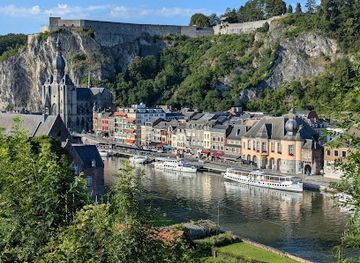
Best landmarks in Ardennes
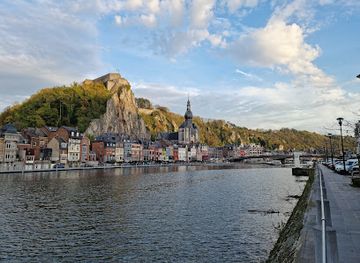
Bouillon Castle is the Ardennes' most imposing medieval landmark, occupying a rocky ridge above the Semois and reflecting the strategic importance of the valley in the Middle Ages. The ruins of La Roche-en-Ardenne Castle rise above the Ourthe and create the defining silhouette of the town, while the Bastogne Mardasson Memorial, shaped as a five-pointed star, commemorates American soldiers who fought in the Battle of the Bulge. Stavelot Abbey is an important architectural and historical landmark in the eastern Ardennes, preserving the memory of a major monastic foundation within a later urban setting. Spa's parks, villas and public buildings express the formal layout of a European resort town and form part of the UNESCO-listed Great Spa Towns of Europe. In the countryside, the high plateaux and peatlands of the Hautes Fagnes are geographical landmarks as much as natural attractions, contrasting with the enclosed river valleys. Stone churches, farmhouses and old bridges throughout the region add a quieter vernacular layer to its better-known monuments.
-
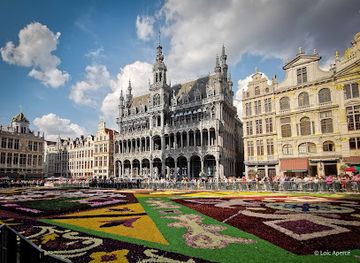
Plaza
Grand Place
Experience the grandeur of Brussels at the Grand Place, a UNESCO World Heritage site with stunning architecture and a vibrant cultural scene.
-
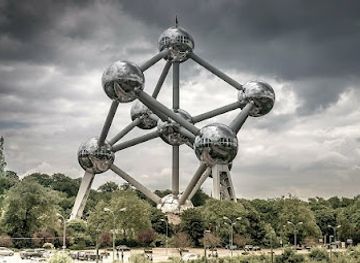
Tourist attraction
Atomium
Explore the Atomium, Brussels' iconic architectural marvel, offering cultural insights and panoramic views of the city.
-
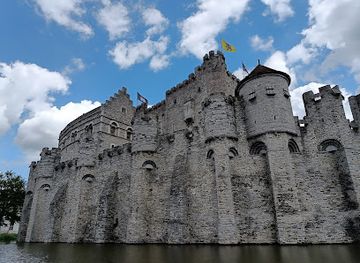
Castle
Gravensteen
Discover the grandeur of Gravensteen, Ghent's historic castle, where medieval history and stunning architecture come alive for every visitor.
-
Tourist attraction
Citadelle de Dinant
Experience history and breathtaking views at the Citadelle de Dinant, a spectacular fortress overlooking the picturesque town of Dinant in Belgium.
Explore Ardennes on the map
Plan your trip on one map. See where the top cities, national parks and sights are, and book hotels and experiences in a few clicks.
Best hotels in Ardennes
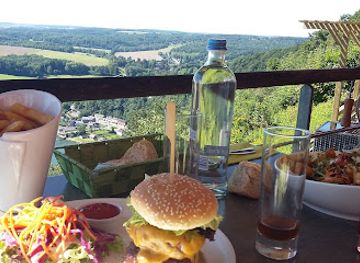
Best restaurants in Ardennes
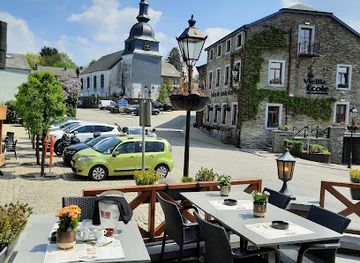
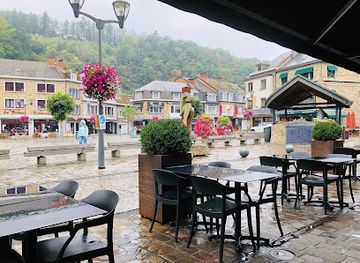
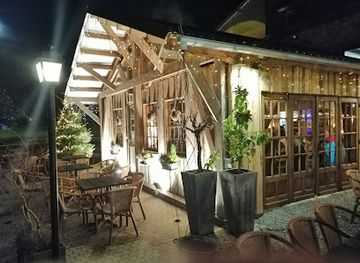
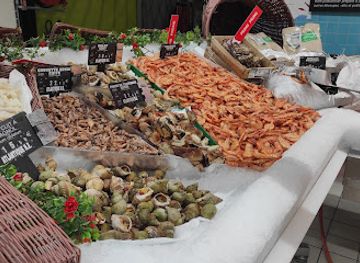
Ardennes dining is closely connected with woodland, farms and clear rivers. Jambon d'Ardenne, a protected regional ham, is commonly encountered in meals and food shops, while trout, game, mushrooms, local cheeses and seasonal vegetables appear on menus in valley towns and rural inns. Hearty stews, pâtés, breads and potato-based dishes suit the region's cool climate, and the southern Gaume area has a particularly recognisable identity through pâté gaumais and local products associated with Orval. Belgian beer is widely available, alongside smaller regional breweries and drinks from beyond the Ardennes. Restaurants range from traditional brasseries and family-run cafés to modern kitchens in Spa, Durbuy, Bastogne and other visitor centres. Markets, farm shops and delicatessens are useful for picnic supplies, especially before a walk in a sparsely serviced valley. Menus often reflect the wider Walloon culinary tradition as much as a narrowly defined Ardennes cuisine, so regional character is best found through local produce and seasonal preparation rather than through one single signature dish.
-
Restaurant
Point de vue
Discover breathtaking views and exquisite dining at Point de Vue in Rochehaut - where every meal is a scenic delight.
-
Restaurant
Signé Jeanne
Savor authentic French cuisine at Signé Jeanne, where every dish tells a story amidst the charm of La Roche-en-Ardenne.
-
Restaurant
Le Quai Son
Discover authentic Belgian cuisine at Le Quai Son in La Roche-en-Ardenne—where local flavors meet vibrant atmosphere.
-
Restaurant
Les 7 Meuses Restaurant & Accommodation Insolites Wellness Hôteliers & Familiaux
Experience the perfect blend of fine dining and serene accommodation at Les 7 Meuses in Profondeville, Belgium.
Best bars in Ardennes
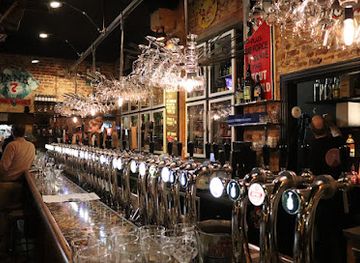
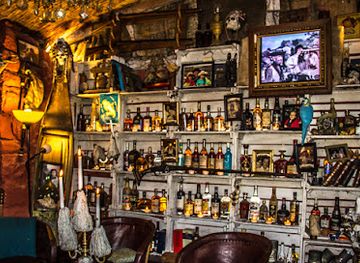
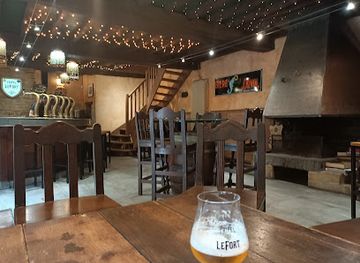
Evening life in the Belgian Ardennes is generally centred on cafés, traditional pubs, hotel bars, brasseries and village restaurants rather than a large club scene. Spa has the broadest resort-oriented evening offer, with bars and cultural venues, while Bastogne, Durbuy, Bouillon, La Roche-en-Ardenne and Stavelot provide places to eat and drink after outdoor activities or museum visits. Local and Belgian beers are prominent, and some breweries offer tastings or visitor facilities, but arrangements vary and should be checked ahead. In smaller villages, evenings can be quiet once restaurants close, with seasonal activity increasing during holidays and summer weekends. Live music and community events occur in several towns, though they are not necessarily permanent fixtures. Visitors should plan transport carefully after dark, as rural buses are limited and walking along unlit roads is unsafe.
-
Bar
Barnabeer
Discover Barnabeer in Namur: A charming bar and café offering a delightful selection of local beers and snacks in a cozy atmosphere.
-
Bar
Tortuga
Experience the lively atmosphere and delightful drinks at Tortuga, a must-visit bar in Durbuy for every traveler seeking fun and relaxation.
-
Bar
Le Vert Bock
Experience the vibrant atmosphere and local charm of Le Vert Bock, a celebrated bar in the heart of Charleville-Mézières, France.
-
Restaurant
Le Cor de Chasse
Experience authentic Belgian cuisine and warm hospitality at Le Cor de Chasse, a charming restaurant and hotel in Wéris, near Durbuy.
Best nightclubs in Ardennes
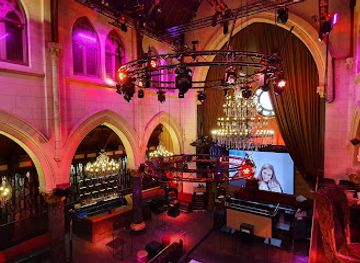
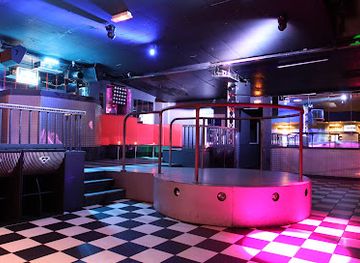
Evening life in the Belgian Ardennes is generally centred on cafés, traditional pubs, hotel bars, brasseries and village restaurants rather than a large club scene. Spa has the broadest resort-oriented evening offer, with bars and cultural venues, while Bastogne, Durbuy, Bouillon, La Roche-en-Ardenne and Stavelot provide places to eat and drink after outdoor activities or museum visits. Local and Belgian beers are prominent, and some breweries offer tastings or visitor facilities, but arrangements vary and should be checked ahead. In smaller villages, evenings can be quiet once restaurants close, with seasonal activity increasing during holidays and summer weekends. Live music and community events occur in several towns, though they are not necessarily permanent fixtures. Visitors should plan transport carefully after dark, as rural buses are limited and walking along unlit roads is unsafe.
-
Night club
Versuz
Experience the vibrant nightlife of Hasselt at Versuz, Belgium's premier night club with electrifying music and unforgettable parties.
-
Disco club
Spirito Brussels
Discover the vibrant nightlife of Brussels at Spirito, a top disco club in Ixelles with electrifying music and a lively atmosphere.
-
Disco club
LA GUINGUETTE DE BOULZICOURT
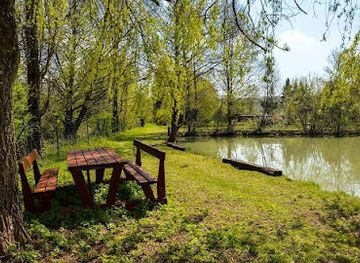
Discover the vibrant nightlife at La Guinguette de Boulzicourt, a disco club by the pristine Etang de la Prée, where music and fun unite.
-
Disco club
Club La Marlière
Discover the vibrant nightlife of Sapogne-et-Feuchères at Club La Marlière, the ultimate disco destination for dancing and fun.

Best shops in Ardennes
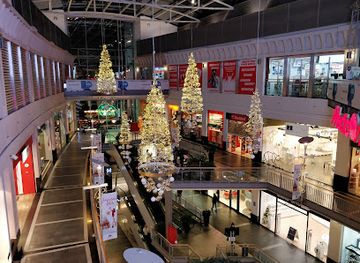
Shopping in the Belgian Ardennes is concentrated in small town centres rather than large retail districts. Bastogne, Spa, Marche-en-Famenne, Bouillon, La Roche-en-Ardenne, Malmedy and Durbuy offer practical high-street shops alongside cafés, galleries, delicatessens and independent retailers, though the pattern varies by town and season. Food is the most reliable regional purchase: look for jambon d'Ardenne, pâtés, cheeses, honey, preserves, biscuits, chocolate and Belgian beer. The Gaume area has additional links with products associated with Orval and pâté gaumais. Craft shops and galleries may feature woodwork, ceramics, textiles, artwork and locally inspired gifts, while antique and second-hand shops appear in some historic centres. Markets and farm shops are useful for picnic provisions and seasonal produce, but schedules differ between municipalities. In rural areas, opening hours can be limited outside the main visitor season, so larger towns are the better choice for dependable everyday shopping.
-
Shopping mall
Les Galeries St Lambert
Discover the vibrant shopping experience at Les Galeries St Lambert in Liège, where modern retail meets rich Belgian culture.
-
Outlet mall
Designer Outlet Luxembourg
Discover unrivaled savings and premium fashion at Designer Outlet Luxembourg, your go-to destination for stylish shopping in a charming setting.
-
Supermarket
Intermarché SUPER Givet
Explore the culinary treasures of Givet at Intermarché SUPER, where fresh local produce meets exceptional quality in every aisle.
-
Shopping mall
Centre commercial du Bultia
Explore the lively Centre Commercial du Bultia in Gerpinnes, Belgium, where shopping, dining, and entertainment come together for an unforgettable experience.

Get your free copy of our complete guide to Ardennes, delivered straight to you.
Everything on this page, from attractions and restaurants to essentials and local phrases, in one PDF you can read offline, print or share.
Already have an account? Sign in
Your Ardennes guide is ready.
We'll send it to · Not you? Sign out

Getting your guide ready…
We are putting together a fresh copy of the Ardennes guide. This can take up to a minute.
This can take a few moments. If your browser asks, choose Allow so the download can start. You'll find the guide in your Downloads folder.
Nothing happened? Download it again
Sorry, the guide is taking longer than usual. Please try again in a minute, or get it by email instead.
Ardennes essentials
Currency and Payment
Safety
Emergency Situations
Do's and Don'ts
Local Tips
From Eve
Local phrases worth knowing
You don't need to get them perfect. A few words go a long way, and locals appreciate the effort.
Basics
| English | Local | Say it |
|---|---|---|
| Hello | Salut | [sah-loo] |
| Goodbye | Au revoir | [oh ruh-vwahr] |
| Yes | Oui | [wee] |
| No | Non | [noh] |
| Please/You're welcome | S'il vous plaît | [seel voo pleh] |
| Thank you | Merci | [mehr-see] |
| Excuse me/Sorry | Excusez-moi | [ex-kew-zay mwah] |
| How are you? | Comment ça va? | [koh-mohn sah vah] |
| Fine. And you? | Bien. Et vous? | [byahn. eh voo] |
| Do you speak English? | Parlez-vous anglais? | [par-lay voo ahn-glay] |
| I don't understand | Je ne comprends pas | [zhuh nuh kohm-prahn pah] |
Eating & Drinking
| English | Local | Say it |
|---|---|---|
| I'd like to see the menu, please | Je voudrais voir le menu, s'il vous plaît | [zhuh voo-dray vwar luh meh-nu, seel voo pleh] |
| I don't eat meat | Je ne mange pas de viande | [zhuh nuh mahnj pah duh vyahnd] |
| Cheers! | Santé! | [sahn-tay] |
| I would like to pay, please | Je voudrais payer, s'il vous plaît | [zhuh voo-dray pay-ay, seel voo pleh] |
Emergencies
| English | Local | Say it |
|---|---|---|
| Help! | Au secours! | [oh suh-koor] |
| Go away! | Allez-vous-en! | [ah-lay voo-zahn] |
| Call the Police! | Appelez la police! | [ah-peh-lay lah poh-lees] |
| Call a doctor! | Appelez un médecin! | [ah-peh-lay uhn meh-deh-sahn] |
| I'm lost | Je suis perdu | [zhuh swee pair-dyoo] |
| I'm ill | Je suis malade | [zhuh swee mah-lahd] |
Shopping
| English | Local | Say it |
|---|---|---|
| I'd like to buy... | Je voudrais acheter... | [zhuh voo-dray ah-sheh-tay] |
| I'm just looking | Je regarde juste | [zhuh ruh-gard zhoost] |
| How much is it? | C'est combien? | [seh kohm-byen] |
| That's too expensive | C'est trop cher | [seh troh shair] |
| Can you lower the price? | Pouvez-vous baisser le prix? | [poo-vay voo beh-say luh pree] |
Time & Numbers
| English | Local | Say it |
|---|---|---|
| What time is it? | Quelle heure est-il? | [kell uhr eh-teel] |
| It's one o'clock | Il est une heure | [eel eh toon uhr] |
| Half past (10) | Dix et demi | [dees eh duh-mee] |
| Morning | Matin | [mah-tahn] |
| Afternoon | Après-midi | [ah-pray mee-dee] |
| Evening | Soir | [swahr] |
| Yesterday | Hier | [ee-ehr] |
| Today | Aujourd'hui | [oh-zhoor dwee] |
| Tomorrow | Demain | [duh-manh] |
| 1 | Un | [uhn] |
| 2 | Deux | [duhr] |
| 3 | Trois | [trwah] |
| 4 | Quatre | [katr] |
| 5 | Cinq | [sank] |
| 6 | Six | [sees] |
| 7 | Sept | [set] |
| 8 | Huit | [weet] |
| 9 | Neuf | [nuhf] |
| 10 | Dix | [dees] |
Transport & Directions
| English | Local | Say it |
|---|---|---|
| Where's a/the...? | Où est un/une...? | [oo eh uhn/oon] |
| What's the address? | Quelle est l'adresse? | [kell eh luh-dress] |
| Can you show me (on the map)? | Pouvez-vous me montrer (sur la carte)? | [poo-vay voo muh mohn-tray (suhr lah kart)] |
| When's the next (bus)? | Quand est le prochain (bus)? | [kahn eh luh pro-shen (boos)] |
| A ticket (to ....) | Un billet (pour ....) | [uhn bee-yay (poor ....)] |
History of Ardennes
Prehistoric settlement and the Roman frontier
The Ardennes were not an empty wilderness before the Middle Ages. Archaeological evidence records prehistoric settlement, farming and movement through the uplands, while later Celtic communities occupied the wider region. Roman power brought roads, estates and military administration to parts of what is now southern Belgium, linking the forested interior with settlements and routes in the Meuse and Moselle basins. The region remained less densely urbanised than the coastal and central Belgian plains, but its timber, minerals and strategic valleys gave it continuing importance. Traces of Roman roads, excavated sites and place-name evidence help explain the Ardennes' long role as a corridor between northern Gaul and the lands farther east.
Medieval castles, abbeys and lordships
From the early medieval period, the Ardennes were divided among powerful ecclesiastical institutions and secular lordships. Monasteries helped organise settlement, woodland management and agriculture, while castles controlled river crossings, passes and market routes. Bouillon became the best-known stronghold, associated with Godfrey of Bouillon and the First Crusade, although its history also reflects centuries of regional rivalry. Other fortifications and abbeys developed at places including La Roche-en-Ardenne, Stavelot and Malmedy. Their surviving walls, churches and earthworks reveal a landscape shaped by political fragmentation rather than by one single Ardennes dynasty.
Forestry, ironworking and rural industries
For centuries, the Ardennes economy combined small farms with extensive woodland use. Timber supplied construction and fuel, while charcoal supported ironworking in valleys where streams provided power. The region also developed quarrying, slate production, tanning and other craft industries, often on a modest scale. These activities altered the forest but did not eliminate it, and many villages retain houses, workshops and industrial traces connected with this rural economy. Improved roads and later railways linked remote valleys with larger markets. In the nineteenth century, industrial growth was especially visible around the Amblève and in parts of the eastern Ardennes, even as much of the interior remained agricultural.
Spa and the rise of European resort culture
The mineral waters of Spa drew visitors from across Europe from the seventeenth century onwards and gave the town an international reputation as a health resort. By the eighteenth and nineteenth centuries, drinking cures, bathing, promenading and gambling had created an elaborate leisure economy supported by hotels, villas, parks and public buildings. Spa's influence extended beyond medicine: the word “spa” entered several languages through the town's fame. Its resort architecture and urban landscape form part of the UNESCO-listed Great Spa Towns of Europe, providing a distinctive contrast with the more rural and forested character of much of the surrounding Ardennes.
The First World War and the eastern borderlands
The Ardennes and adjacent eastern Belgian districts experienced occupation, military movement and civilian hardship during the First World War. Towns and villages near the German frontier were affected by the shifting political geography of the region, while railways and roads acquired strategic importance. After the war, Belgium's incorporation of the German-speaking cantons of Eupen and Malmedy added a complex linguistic and historical dimension to the eastern Ardennes. German remains an official language in Belgium's German-speaking Community, although French is dominant in much of the broader Ardennes travel area.
The Battle of the Bulge, 1944–45
The winter German offensive in the Ardennes was the largest land battle fought by the United States Army during the Second World War. Beginning in December 1944, the offensive pushed through the wooded and snowy terrain towards the Meuse, producing intense fighting around Bastogne, St Vith, La Roche-en-Ardenne and other communities. The siege of Bastogne became a defining episode, while civilians faced destruction, displacement and reprisals across the region. Museums, military cemeteries, memorials and preserved sites now form an important historical network, presenting both military operations and the experiences of local populations.
Conservation and the modern outdoor region
During the later twentieth century, the decline of several traditional industries and the growth of domestic tourism encouraged the Ardennes to develop as a destination for walking, cycling, canoeing and nature study. Forest management, protected landscapes and regional parks became increasingly important, particularly in the highlands and river valleys. The creation and expansion of nature reserves, including areas of the Hautes Fagnes, reflect efforts to conserve peatlands, heath, woodland and wet meadows. Today the region balances tourism, forestry, farming, hunting and biodiversity protection, making environmental awareness part of the practical experience of visiting the Ardennes.
Ardennes in Photos
Browse through our photo collection highlighting the charm and character of the destination.
Neighbouring regions of Ardennes
The closest regions to Ardennes, if you have time for more than one.
-

-

-

-

-


Swipe for more regions
Explore more

Explore more of Belgium
Discover Belgium: A blend of medieval charm, culinary delights, and stunning landscapes. Explore historic cities, savor exquisite chocolates, and enjoy a perfect getaway.
Explore Belgium