

Free Land of Waas Travel Guide & Mobile App
Explore Land of Waas with free travel guides. Discover regional history, expert tips, proposed trips, and audio guides on web or mobile app.


Explore Belgium’s Land of Waas for Scheldt landscapes, polder villages, Mercator heritage, cycling routes and Flemish food between Antwerp and Ghent.
Read more about Land of Waas
When is the best time to visit Land of Waas?
Best: June–August · 23–25°C| Month | High (°C) | Rainfall (mm) |
|---|---|---|
| January | 6 | 50 |
| February | 7 | 45 |
| March | 11 | 50 |
| April | 14 | 55 |
| May | 19 | 60 |
| June (best) | 23 | 60 |
| July (best) | 25 | 65 |
| August (best) | 24 | 65 |
| September | 21 | 60 |
| October | 16 | 55 |
| November | 10 | 50 |
| December | 7 | 55 |
Getting to and around Land of Waas
How to get there
Transportation
Top city travel guides in Land of Waas
The cities of Land of Waas, and the easiest places to base yourself.

Swipe for more cities
Best attractions in Land of Waas
Waasland’s attractions are spread across an accessible mixture of towns, villages, river landscapes and rural districts. In Sint-Niklaas, the Mercator Museum introduces the life and work of Gerardus Mercator, who was born in nearby Rupelmonde, while the broad Grote Markt provides an urban focus for exploring the city. Along the Scheldt, Rupelmonde and Temse offer river heritage, walking and cycling opportunities, while Fort Liefkenshoek near Kallo presents the military history of a strategic waterway. Bazel is home to Wissekerke Castle and an attractive historic village setting. In the north, the Verbeke Foundation near Kemzeke combines contemporary art with an expansive landscape of buildings, vegetation and installations. Elsewhere, recreational areas, village churches, cycling routes, polders and wooded paths offer slower-paced outdoor experiences. The region is not defined by one monumental attraction; its appeal lies in connecting several modest but distinctive places and observing how agriculture, water management, port development and historic settlement coexist.
-
Tourist attraction
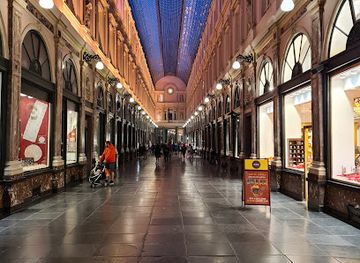
Royal Gallery of Saint Hubert
Explore the Royal Gallery of Saint Hubert - a historic shopping arcade in Brussels, blending culture, art, and exquisite Belgian delicacies.
-
Tourist attraction
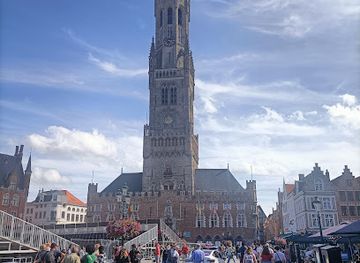
Belfry of Bruges
Discover the breathtaking views and rich history at the Belfry of Bruges, a UNESCO World Heritage Site and iconic symbol of Flemish architecture.
-
Museum
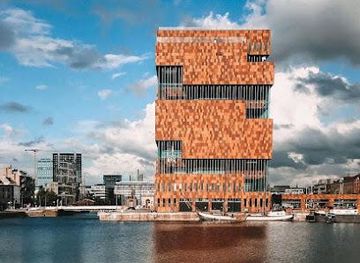
MAS - Museum aan de Stroom
Discover the depths of Antwerp's history and culture at the MAS - Museum aan de Stroom, where every exhibit tells a story.
-
Tourist attraction
Menin Gate
Explore the Menin Gate, a monumental war memorial in Ypres, Belgium, honoring the bravery of soldiers lost in World War I amidst stunning architecture.
Best landmarks in Land of Waas
The broad Grote Markt of Sint-Niklaas is one of Waasland’s defining civic spaces, giving the region an urban landmark as well as a useful orientation point. In Bazel, Wissekerke Castle stands out for its long association with local aristocratic history and its setting within a historic village environment. Fort Liefkenshoek, near Kallo on the Scheldt, is a more defensive landmark, representing the strategic importance of the river and the approaches to Antwerp. Rupelmonde’s connection with Gerardus Mercator gives the village particular symbolic importance in European cartographic history, while the Scheldt embankments around Temse and Rupelmonde are geographical landmarks shaped by tides, dykes and river trade. In the north, the industrial and rural landscapes around the left bank of the Port of Antwerp form a striking contemporary counterpart to older villages and polders. Together these places express Waasland’s identity more accurately than a single historic monument: an area shaped by water, mapping, defence, agriculture and modern logistics.
-
Plaza
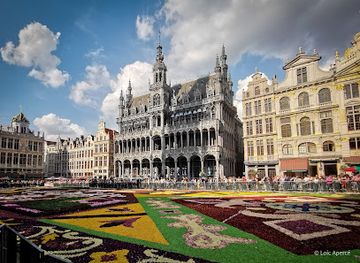
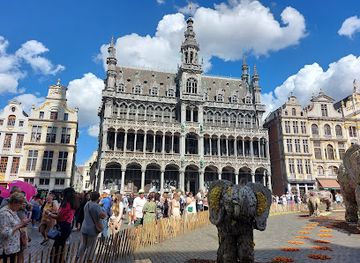
Grand Place
Discover the architectural splendor and vibrant atmosphere of Grand Place, Brussels' stunning central square, a UNESCO World Heritage Site.
-
Tourist attraction
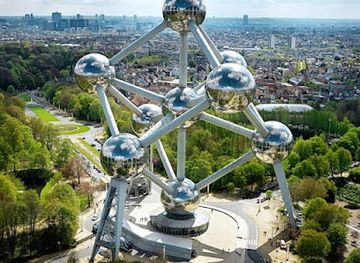
Atomium
Explore the Atomium in Brussels, a stunning architectural landmark offering panoramic views, cultural exhibitions, and a glimpse into Belgium's local history.
-
Fountain
Manneken Pis
Discover the whimsical charm of Manneken Pis, the iconic fountain of Brussels, symbolizing the city's playful spirit and rich history.
-
Castle
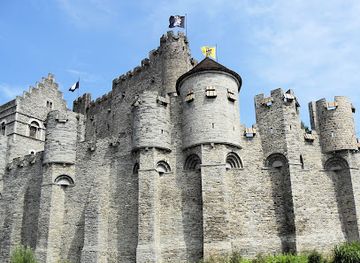
Gravensteen
Discover Gravensteen, the iconic medieval castle in Ghent, where history, stunning architecture, and breathtaking views await every visitor.
Explore Land of Waas on the map
Plan your trip on one map. See where the top cities, national parks and sights are, and book hotels and experiences in a few clicks.
Best hotels in Land of Waas
Best restaurants in Land of Waas
Dining in Waasland follows the broad Flemish and Belgian pattern of cafés, brasseries, bakeries, village restaurants and substantial family cooking, with the larger towns offering the widest choice. Menus commonly include Belgian staples such as beef and beer stew, croquettes, mussels when in season, salads, steak, chips and waffles, alongside seasonal asparagus, game or locally sourced farm produce. The Scheldt and nearby waterways give river communities a maritime association, although the region’s food culture is not limited to seafood. Sint-Niklaas, Temse and Beveren are practical places for varied dining, while smaller villages are better suited to traditional inns and relaxed brasserie meals. Belgian beer is central to many menus, and local cafés often provide pastries, coffee and light lunches. Markets and specialist food shops are useful for bread, cheese, chocolate and provisions for a cycling day, while opening days and evening service can be limited in rural areas.
-
Belgian
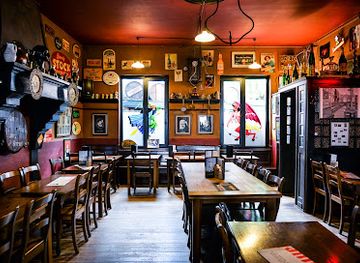
Au Vieux Spijtigen Duivel
Discover authentic Belgian cuisine at Au Vieux Spijtigen Duivel – where history meets flavor in every dish.
-
Brasserie
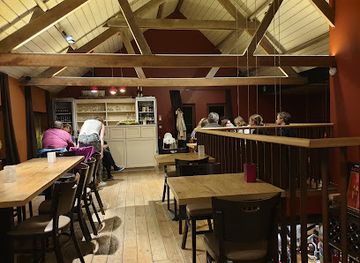
't Zonneken
Experience authentic Belgian cuisine at 't Zonneken in Sint-Niklaas - where every meal is a celebration of flavor and hospitality.
-
Coffee shop
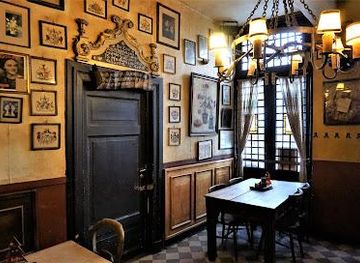
La Fleur en Papier Doré
Brussels' bohemian estaminet where Surrealist legacy meets living culture in an enchanting cabinet of curiosities.
-
Brasserie
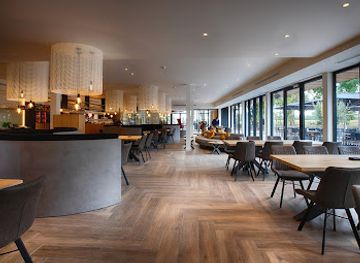
Brasserie Het Zomerhuis
Experience authentic Belgian cuisine at Brasserie Het Zomerhuis in Stekene - a must-visit culinary destination.
Best bars in Land of Waas
Evening life in Waasland is centred on cafés, brasseries, traditional pubs and restaurants rather than a large club scene. Sint-Niklaas has the broadest choice of late-opening bars and places for an evening drink, with additional cafés around the centres of Beveren, Temse and Lokeren. Village pubs offer a more local and unhurried atmosphere, often with Belgian beer lists and simple food, while occasional live music and cultural programming add variety. Visitors should not expect the scale of nightlife found in neighbouring Antwerp or Ghent; those cities are outside Waasland and are better suited to major club nights and extensive concert programmes. In rural districts, evening transport can be limited, so arrange a return journey before heading out. Beer is an important part of Belgian hospitality, but enjoying the region’s evening culture does not require drinking alcohol.
-
Bar
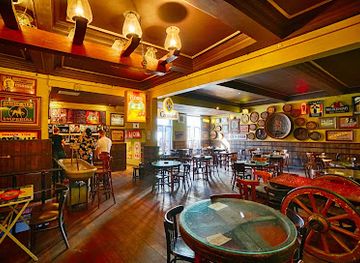
Delirium Café
Experience the vibrant atmosphere and vast beer selection of Delirium Café, a must-visit bar in the heart of Brussels.
-
Bar
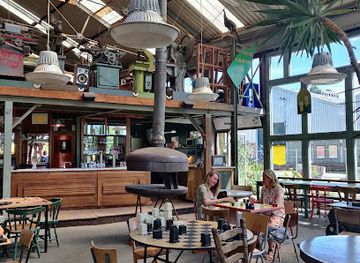
Bar Paniek
Discover Bar Paniek, a charming bar in a historic boat shed by the docks, offering a cozy atmosphere and a diverse drink selection in Antwerp.
-
Bar
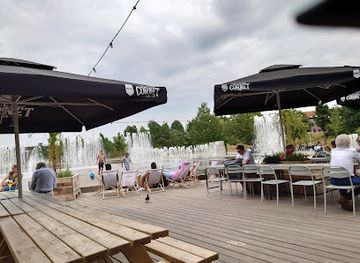
Bar Noord
Discover Bar Noord in Antwerp: A lively bar and restaurant offering a delicious menu and vibrant atmosphere for an unforgettable dining experience.
-
Cocktail bar
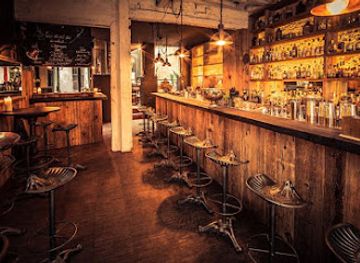
Dogma
Discover Dogma, Antwerp's premier cocktail bar known for innovative drinks and a vibrant atmosphere, perfect for socializing and indulgence.
Best nightclubs in Land of Waas
Evening life in Waasland is centred on cafés, brasseries, traditional pubs and restaurants rather than a large club scene. Sint-Niklaas has the broadest choice of late-opening bars and places for an evening drink, with additional cafés around the centres of Beveren, Temse and Lokeren. Village pubs offer a more local and unhurried atmosphere, often with Belgian beer lists and simple food, while occasional live music and cultural programming add variety. Visitors should not expect the scale of nightlife found in neighbouring Antwerp or Ghent; those cities are outside Waasland and are better suited to major club nights and extensive concert programmes. In rural districts, evening transport can be limited, so arrange a return journey before heading out. Beer is an important part of Belgian hospitality, but enjoying the region’s evening culture does not require drinking alcohol.
-
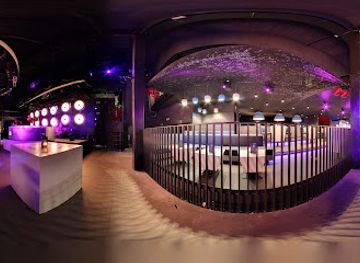
Night club
Versuz
Experience the vibrant nightlife of Hasselt at Versuz, the ultimate destination for unforgettable parties and electrifying music.
-
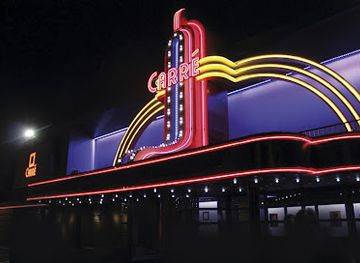
Disco club
Carré
Dive into the vibrant nightlife at Carré, Willebroek's premier disco club featuring a dazzling LED dance floor and an electric atmosphere.
-
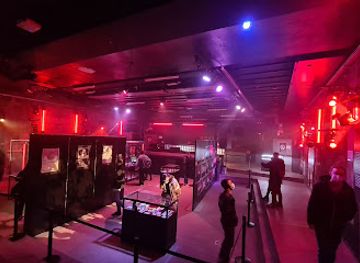
Night club
Fuse
Experience the vibrant nightlife of Brussels at Fuse, a premier night club known for its electrifying atmosphere and top-tier DJs.
-
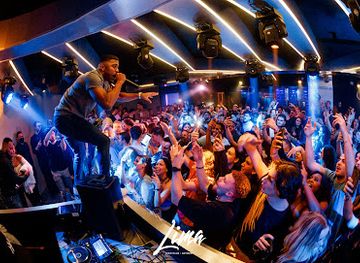
Night club
Club Lima
Experience the electrifying nightlife of Antwerp at Club Lima, where dance and music come together in a vibrant atmosphere.
Best shops in Land of Waas
Shopping in Waasland is concentrated in the town centres, with Sint-Niklaas providing the largest selection of high-street shops, department-store-style retail and independent businesses. Beveren, Temse and Lokeren offer smaller-scale shopping streets, services and cafés suited to a town-centre visit rather than a dedicated retail trip. Weekly markets and seasonal stalls can be useful for bread, cheese, flowers, fruit, vegetables and other everyday produce, although schedules vary and should be checked locally. Specialist shops and bakeries are good places to look for Belgian chocolate, biscuits, regional beers and other edible gifts. In villages and rural areas, shopping is more limited but may include farm-gate produce, antiques, galleries or craft-oriented businesses. The region is not primarily a luxury-shopping destination; its most appropriate purchases are food, beer, books, small design objects and locally made crafts, combined with a visit to a market town or heritage site.
-
Shopping mall
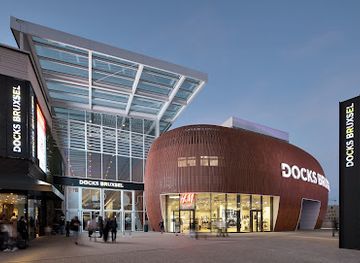
Docks Bruxsel
Experience the best of shopping and dining at Docks Bruxsel, Brussels' vibrant shopping mall with diverse offerings and entertainment.
-
Shopping mall
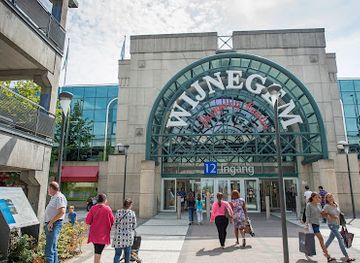
Wijnegem - Shop Eat Enjoy
Experience the ultimate shopping adventure at Wijnegem - Shop Eat Enjoy, Belgium's vibrant shopping mall with diverse stores and delightful dining.
-
Shopping mall
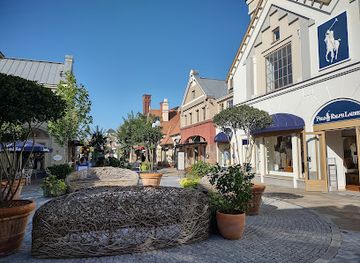
Maasmechelen Village
Discover luxury shopping and a charming atmosphere at Maasmechelen Village, your ultimate Belgian shopping destination.
-
Shopping mall
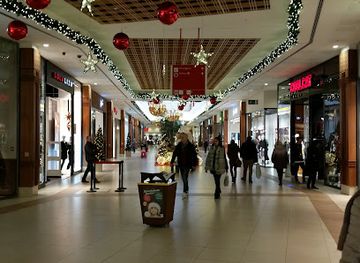
Waasland Shopping Center
Discover the Waasland Shopping Center, where shopping meets entertainment in Sint-Niklaas, Belgium, offering a diverse range of stores and dining options.
Get your free copy of our complete guide to Land of Waas, delivered straight to you.
Everything on this page, from attractions and restaurants to essentials and local phrases, in one PDF you can read offline, print or share.
Already have an account? Sign in
Your Land of Waas guide is ready.
We'll send it to · Not you? Sign out

Getting your guide ready…
We are putting together a fresh copy of the Land of Waas guide. This can take up to a minute.
This can take a few moments. If your browser asks, choose Allow so the download can start. You'll find the guide in your Downloads folder.
Nothing happened? Download it again
Sorry, the guide is taking longer than usual. Please try again in a minute, or get it by email instead.
Land of Waas essentials
Currency and Payment
Safety
Emergency Situations
Do's and Don'ts
Local Tips
From Eve
Local phrases worth knowing
You don't need to get them perfect. A few words go a long way, and locals appreciate the effort.
Basics
| English | Local | Say it |
|---|---|---|
| Hello | Howdy | [haʊdi] |
| Goodbye | See ya | [si jə] |
| Yes | Yep | [jɛp] |
| No | Nope | [noʊp] |
| Please/You're welcome | Sure thing | [ʃʊr θɪŋ] |
| Thank you | Thanks | [θæŋks] |
| Excuse me/Sorry | Pardon me | [ˈpɑrdən mi] |
| How are you? | How ya doin'? | [haʊ jə ˈduɪn] |
| Fine. And you? | Good. You? | [ɡʊd. jə?] |
| Do you speak English? | Do ya speak English? | [du jə spiːk ˈɪŋɡlɪʃ] |
| I don't understand | I don't get it | [aɪ doʊnt ɡɛt ɪt] |
Eating & Drinking
| English | Local | Say it |
|---|---|---|
| I'd like to see the menu, please | Can I see the menu, please? | [kæn aɪ si ðə ˈmɛnju, pliz?] |
| I don't eat meat | I ain't eatin' meat | [aɪ eɪnt ˈiːtɪn miːt] |
| Cheers! | Cheers! | [ʧɪrz] |
| I would like to pay, please | I'd like to settle up, please | [aɪd laɪk tə ˈsɛtl ʌp, pliz] |
Emergencies
| English | Local | Say it |
|---|---|---|
| Help! | Help! | [hɛlp] |
| Go away! | Leave me alone! | [liːv mi əˈloʊn] |
| Call the Police! | Call the cops! | [kɔl ðə kɑps] |
| Call a doctor! | Get a doctor! | [ɡɛt ə ˈdɑktər] |
| I'm lost | I'm turned around | [aɪm tɜrnd əˈraʊnd] |
| I'm ill | I'm not feelin' well | [aɪm nɑt ˈfiːlɪn wɛl] |
Shopping
| English | Local | Say it |
|---|---|---|
| I'd like to buy... | I want to buy... | [aɪ wɑnt tə baɪ...] |
| I'm just looking | Just browsing | [dʒʌst ˈbraʊzɪŋ] |
| How much is it? | What's the price? | [wʌts ðə praɪs?] |
| That's too expensive | That's a bit pricey | [ðæts ə bɪt ˈpraɪsi] |
| Can you lower the price? | Can ya drop the price? | [kæn jə drɑp ðə praɪs?] |
Time & Numbers
| English | Local | Say it |
|---|---|---|
| What time is it? | What time is it? | [wʌt taɪm ɪz ɪt?] |
| It's one o'clock | It's one o'clock | [ɪts wʌn əˈklɑk] |
| Half past (10) | Half past ten | [hæf pæst tɛn] |
| Morning | Mornin' | [ˈmɔrnɪn] |
| Afternoon | Afternoon | [ˌæf.tərˈnun] |
| Evening | Evenin' | [ˈiːv.nɪŋ] |
| Yesterday | Yesterday | [ˈjɛstərˌdeɪ] |
| Today | Today | [təˈdeɪ] |
| Tomorrow | Tomorrow | [təˈmɔroʊ] |
| 1 | One | [wʌn] |
| 2 | Two | [tu] |
| 3 | Three | [θri] |
| 4 | Four | [fɔr] |
| 5 | Five | [faɪv] |
| 6 | Six | [sɪks] |
| 7 | Seven | [ˈsɛvən] |
| 8 | Eight | [eɪt] |
| 9 | Nine | [naɪn] |
| 10 | Ten | [tɛn] |
Transport & Directions
| English | Local | Say it |
|---|---|---|
| Where's a/the...? | Where's the...? | [wɛrz ðə...?] |
| What's the address? | What's the address? | [wʌts ði ˈædrɛs?] |
| Can you show me (on the map)? | Can ya point it out (on the map)? | [kæn jə pɔɪnt ɪt aʊt (ɑn ðə mæp)?] |
| When's the next (bus)? | When's the next bus? | [wɛnz ðə nɛkst bʌs?] |
| A ticket (to ....) | A ticket to... | [ə ˈtɪkɪt tə...] |
History of Land of Waas
Prehistoric and Roman Waasland
The lowlands of Waasland have long been shaped by the relationship between dry ground, waterways and the Scheldt. Archaeological evidence from the wider area records prehistoric occupation, while Roman roads, settlements and finds demonstrate that the region formed part of a connected landscape rather than an isolated rural margin. Much of the modern appearance came later through drainage and reclamation, so earlier communities occupied a landscape whose watercourses and shorelines were more changeable than those seen today.
Medieval Settlement and Land Reclamation
During the medieval period, religious institutions, local lords and farming communities helped organise settlement and cultivation across Waasland. Dykes, drainage channels and managed fields gradually made low-lying land more productive, although flooding remained a continual threat. Towns such as Sint-Niklaas, Temse and Beveren developed as local centres for administration, trade and craft production. The region’s scattered villages, field patterns and water-management features still reflect this long process of adapting settlement to the Scheldt basin.
Castles, Lords and the Scheldt Frontier
Waasland’s position near the Scheldt and the approaches to Antwerp gave it strategic importance. Fortified sites and seigneurial residences guarded waterways, roads and estates, while noble families exercised influence over villages and agricultural land. Wissekerke Castle at Bazel, rebuilt and developed over several centuries, is a prominent surviving expression of this social order. The region’s historic houses and village churches likewise preserve traces of the political and religious structures that shaped rural Flanders before the modern Belgian state.
Gerardus Mercator and the Age of Maps
Gerardus Mercator was born in 1512 in Rupelmonde, today part of the municipality of Kruibeke. He became one of Europe’s most influential cartographers, producing maps and globes whose accuracy and presentation transformed geographical knowledge. His name is closely associated with the Mercator projection, developed for navigation, although the projection is only one part of his wider work. The Mercator Museum in Sint-Niklaas and the heritage of Rupelmonde provide a regional setting for understanding his career and the importance of mapping in early modern Europe.
Fortifications and the Scheldt Campaigns
The Scheldt corridor was repeatedly contested during the early modern period because control of the river affected access to Antwerp and the wider Low Countries. Fort Liefkenshoek, together with other defensive works in the area, formed part of changing systems of river defence. Its history reflects the shifting political boundaries and military pressures that affected Belgium and the Netherlands. Rather than representing one isolated conflict, the fort illustrates how Waasland’s waterways connected local life to larger European struggles.
Agriculture, Textiles and Industrial Change
For centuries, Waasland combined arable farming, livestock rearing and village crafts with commercial activity in its market towns. During the nineteenth and twentieth centuries, textile production and associated manufacturing became important to the economy of Sint-Niklaas and surrounding communities. Industrialisation altered employment, housing and transport, while agriculture remained visible in the polder and rural districts. Railway connections strengthened links with Antwerp and Ghent, helping the region develop from a primarily agrarian landscape into a mixed urban, industrial and service economy.
Port Expansion and Contemporary Waasland
The expansion of the Port of Antwerp across the Scheldt and into the northern part of Waasland has been one of the region’s most consequential modern transformations. Logistics, petrochemicals, transport infrastructure and river shipping brought employment and investment, but also created pressure on villages, farmland and historic landscapes. The story of Doel and the surrounding left-bank port area illustrates these tensions particularly clearly. Modern Waasland is therefore both a historic rural region and an important part of Belgium’s international economic infrastructure.
Land of Waas in Photos
Browse through our photo collection highlighting the charm and character of the destination.
Neighbouring regions of Land of Waas
The closest regions to Land of Waas, if you have time for more than one.
-

-

-

-

-


Swipe for more regions

