

County of Flanders, Belgium Travel Guide
Discover the timeless charm of Flanders, Belgium's northern gem, with its medieval cities, rich culture, and delectable cuisine. Perfect for history buffs and food lovers alike.
The County of Flanders is a region in Belgium known for its rich history, medieval towns, and stunning architecture. Situated in the northern part of the country, Flanders offers visitors a delightful blend of cultural experiences, picturesque landscapes, and culinary delights. It's a place where cobblestone streets meet vibrant cities, and where every corner tells a story from the past. Start your journey in Bruges, often referred to as the 'Venice of the North' due to its intricate network of canals. This UNESCO World Heritage Site is famous for its well-preserved medieval buildings, charming squares, and the iconic Belfry tower. A canal boat tour is a must to truly appreciate the city's beauty from a different perspective. Next, head to Ghent, a vibrant city that seamlessly blends the old and the new. Ghent boasts impressive landmarks such as Gravensteen Castle and St. Bavo's Cathedral, home to the world-famous Ghent Altarpiece. The city's lively atmosphere, bustling markets, and trendy cafes make it a favorite among both tourists and locals. The city of Antwerp, known for its diamond district and vibrant fashion scene, is another highlight of Flanders. Visit the Cathedral of Our Lady to see masterpieces by the Baroque artist Peter Paul Rubens, and explore the bustling Grote Markt with its stunning guildhalls and lively atmosphere. Don't miss the Museum aan de Stroom (MAS) for a panoramic view of the city. Flanders is also renowned for its culinary scene, offering everything from hearty stews and fresh seafood to world-famous Belgian waffles and chocolates. Pair your meals with some of the finest Belgian beers, many of which are brewed in the region's historic abbeys. Nature lovers will appreciate the serene countryside of Flanders, dotted with quaint villages and scenic cycling routes. The Flanders Fields, a poignant reminder of World War I, offer a powerful insight into the region's history. Visiting the various memorials and museums in this area can be a deeply moving experience.

Know before you go
Hi, I'm Eve. Here are a few practical things to know before exploring County of Flanders.
- Consider renting a bike to explore the countryside and smaller towns. Flanders is known for its excellent cycling routes.
- Try local specialties such as 'waterzooi' (a creamy stew) and 'moules-frites' (mussels with fries) for an authentic culinary experience.
- Many museums and attractions in larger cities offer discounted tickets or free entry on certain days; check in advance to plan your visit.
- If visiting during peak tourist seasons, book accommodations and popular attractions in advance to avoid disappointment.
- Learning a few basic phrases in Dutch can be helpful, as it is the primary language spoken in Flanders.
Top City Travel Guides in County of Flanders
The cities of County of Flanders, and the easiest places to base yourself.


Destinations in County of Flanders
Resorts, valleys and scenic spots worth a trip of their own.


Explore County of Flanders: Things to Do, Places to Eat, Hotels & More
Handpicked recommendations for top attractions, local dining, accommodations, and more

Top Attractions & Sightseeing in County of Flanders
Top-rated picks
Best Attractions

In Flanders Fields Museum
Explore the In Flanders Fields Museum in Ypres, a significant war museum dedicated to the history and legacy of World War I.

Het Arsenaal
Explore Het Arsenaal in Vlissingen, a unique amusement park that combines thrilling rides with an aquarium and children's museum for endless family fun.

The Monk
Experience the vibrant atmosphere of The Monk in Bruges, where sports, billiards, and Belgian brews come together for an unforgettable night.

Castle Loppem
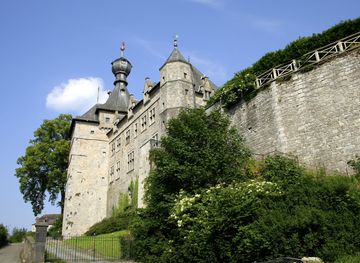
Explore Castle Loppem: A stunning blend of history, architecture, and nature in Zedelgem, Belgium, perfect for every history buff and nature lover.

Best landmarks in County of Flanders
Top-rated picks
Best Landmarks

Atomium
Discover the Atomium in Brussels, an architectural masterpiece offering breathtaking views, cultural exhibitions, and a unique insight into the city's history.

Manneken Pis
Discover Manneken Pis, the iconic fountain of Brussels, a playful symbol of the city’s spirit and its rich cultural heritage.

Gravensteen
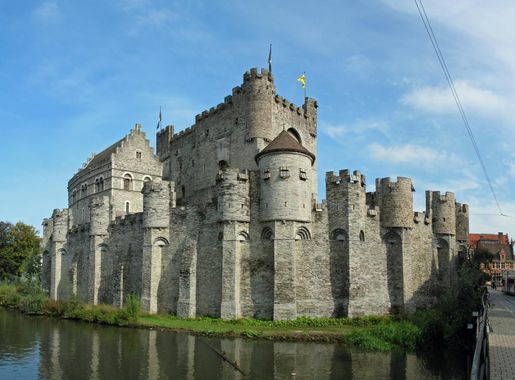
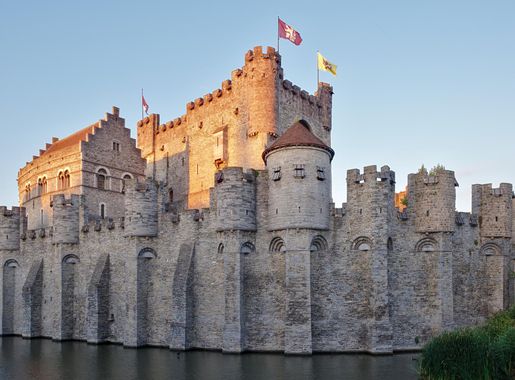
Explore the historic Gravensteen castle in Ghent, Belgium, a magnificent medieval fortress rich in history and stunning architecture.

Fort Breendonk
Discover the poignant history of Fort Breendonk, a military fortress turned museum dedicated to the memories of those who suffered during World War II.

Best restaurants in County of Flanders
Top-rated picks
Best Restaurants

Fin de Siècle
Discover authentic Belgian cuisine at Fin de Siècle in Brussels - where tradition meets taste in a cozy atmosphere.

Restaurant Vrijmoed
Discover culinary artistry at Restaurant Vrijmoed in Ghent - where innovative Belgian cuisine meets elegant dining.

Au Pleysier
Experience the perfect blend of traditional Belgian flavors and modern French cuisine at Au Pleysier in Brussels.

Revue
Discover Revue: A premier dining destination in Ghent offering exquisite Belgian cuisine and an unforgettable culinary experience.

Best bars in County of Flanders
Top-rated picks
Best Bars

Delirium Café
Explore the vibrant Delirium Café in Brussels, with over 2000 beers and a lively atmosphere that makes for an unforgettable experience.

Moeder Lambic Fontainas
Experience the ultimate beer haven at Moeder Lambic Fontainas, featuring an extensive selection of lambic beers in a vibrant atmosphere.

De Garre
Experience the authentic charm of Bruges at De Garre, a medieval tavern serving an extensive selection of exquisite Belgian beers.

Le Trappiste
Discover Le Trappiste, a cozy bar and café in Bruges, where you can savor an extensive selection of local beers in a warm and inviting atmosphere.

Best nightclubs in County of Flanders
Top-rated picks
Best Nightclubs

Kompass
Dive into the electrifying nightlife at Kompass, Ghent's premier night club, where unforgettable music and vibrant energy meet.

Discotheek Lagoa
Discover the electrifying atmosphere of Discotheek Lagoa, a premier night club in Menen, Belgium, perfect for experiencing local techno culture.

Club Exo
Dive into the vibrant nightlife at Club Exo, a premier disco club in Sint-Niklaas, where music, dance, and unforgettable memories await.

Abacho
Discover the unique silent disco experience at Abacho, Ghent's vibrant night club, where you choose your music and dance the night away.

Best shops in County of Flanders
Top-rated picks
Best Shops

Docks Bruxsel
Discover Docks Bruxsel, Brussels' vibrant shopping mall with diverse stores and delightful dining options, perfect for every traveler.

Wijnegem - Shop Eat Enjoy
Discover the vibrant shopping experience at Wijnegem - Shop Eat Enjoy, Belgium's premier destination for shopping, dining, and entertainment.

City2
City2: Your ultimate shopping destination in Brussels with diverse shops, dining options, and a vibrant atmosphere for every visitor.

Maasmechelen Village
Experience luxury shopping at Maasmechelen Village, a charming outlet destination in Belgium with top brands and delightful dining options.

Explore County of Flanders on the Map
A handpicked selection of must-see spots in County of Flanders, mapped for you.
County of Flanders Essentials
-
The County of Flanders is well-connected by various modes of transportation. The nearest major international airport is Brussels Airport (BRU), located approximately 60 kilometers from Ghent, a central city in Flanders. From the airport, you can take a direct train to various cities in Flanders, including Ghent, Bruges, and Antwerp. Train services are frequent and efficient, making it easy to reach your destination. Additionally, you can access Flanders by car via the extensive European motorway network or by international bus services.
-
Flanders boasts an extensive public transportation network, including trains, trams, and buses operated by De Lijn and NMBS/SNCB. Trains are the fastest way to travel between major cities, while trams and buses are ideal for local travel. Renting a bicycle is a popular and eco-friendly way to explore the cities and countryside, thanks to the well-maintained cycling paths. Taxis and ride-sharing services are also available but can be more expensive.
-
The official currency in Belgium is the Euro (EUR). Credit and debit cards are widely accepted in most hotels, restaurants, and shops. However, it is advisable to carry some cash, especially when visiting smaller towns or local markets. ATMs are readily available throughout Flanders, and cash can be withdrawn using international credit or debit cards.
-
Flanders is generally a safe region for tourists. However, as with any travel destination, it is wise to take standard precautions. Avoid leaving valuables unattended and be cautious in crowded areas to prevent pickpocketing. Some areas in larger cities like Antwerp may have higher crime rates, so it is best to stay vigilant, especially at night. Always keep an eye on your belongings and avoid poorly lit areas.
-
In case of an emergency, dial 112 for immediate assistance, which connects you to police, fire, and medical services. Major cities have hospitals and clinics equipped to handle emergencies. Pharmacies are also widely available for minor health issues and over-the-counter medications. It is advisable to have travel insurance that covers medical emergencies.
-
Fashion: Do dress smartly and casually; Belgians appreciate neatness. Avoid overly casual attire in upscale restaurants or events. Religion: Do respect religious customs; when visiting churches, dress modestly and speak quietly. Public Transport: Do validate your ticket before boarding. Don't talk loudly or eat on public transport. Greetings: Do greet people with a handshake. A friendly 'bonjour' or 'goedendag' is appreciated. Eating & Drinking: Do try local specialties like waffles, chocolate, and beer. Don't rush meals; Belgians enjoy leisurely dining.
-
To experience Flanders like a local, make sure to visit local markets like the Vrijdagmarkt in Ghent or the Grote Markt in Bruges. Engage with locals at cafés and pubs, especially when trying Belgian beer. Explore beyond the tourist hotspots to discover hidden gems such as small villages and countryside trails. Participate in local festivals and events to get a true sense of Flemish culture and traditions.
When is the best time to visit County of Flanders?
Useful Local Phrases for County of Flanders
You don't need to speak the language perfectly. Even learning a few simple words can make conversations warmer—and locals usually appreciate the effort.
— Eve

Here are the phrases I use most often in County of Flanders. Try a few—you'll be surprised how far they go! 😊
❤️
-
- HelloHallo
[HAH-loh] - GoodbyeTot ziens
[toht ZEENS] - YesJa
[YAH] - NoNee
[NAY] - Please/You're welcomeAlstublieft
[AL-stu-BLEEFT] - Thank youDank u
[DANK oo] - Excuse me/SorrySorry
[SOR-ee] - How are you?Hoe gaat het?
[hoo GAHT het] - Fine. And you?Goed. En jij?
[ghood. en YAY?] - Do you speak English?Spreekt u Engels?
[SPRAYKT oo ENG-els?] - I don't understandIk begrijp het niet
[ik be-GRIPE het NEET]
- HelloHallo
-
- I'd like to see the menu, pleaseIk zou graag de menukaart zien, alstublieft
[ik zow GHRAHkh de MENU-kaart ZEEN, AL-stu-BLEEFT] - I don't eat meatIk eet geen vlees
[ik EET ghayn VLEYS] - Cheers!Proost!
[PROHST] - I would like to pay, pleaseIk zou graag betalen, alstublieft
[ik zow GHRAHkh be-TAH-len, AL-stu-BLEEFT]
- I'd like to see the menu, pleaseIk zou graag de menukaart zien, alstublieft
-
- Help!Help!
[HELP] - Go away!Ga weg!
[GA vek] - Call the Police!Bel de politie!
[BEL de po-LEET-sie] - Call a doctor!Bel een dokter!
[BEL een DOK-ter] - I'm lostIk ben verdwaald
[ik BEN fer-DWAHLD] - I'm illIk ben ziek
[ik BEN ZEEK]
- Help!Help!
-
- I'd like to buy...Ik zou graag ... kopen
[ik zow GHRAHkh ... KOH-pen] - I'm just lookingIk kijk gewoon
[ik KAIK ghe-VON] - How much is it?Hoeveel kost het?
[hoo-VAYL kost het?] - That's too expensiveDat is te duur
[dat is te DUR] - Can you lower the price?Kunt u de prijs verlagen?
[kunt oo de PRAYS fer-LAH-ghen?]
- I'd like to buy...Ik zou graag ... kopen
-
- What time is it?Hoe laat is het?
[hoo LAHT is het?] - It's one o'clockHet is één uur
[het is AYEN OOR] - Half past (10)Half elf
[HALF ELF] - MorningOchtend
[OKH-tent] - AfternoonMiddag
[MID-dahg] - EveningAvond
[AH-vond] - YesterdayGisteren
[GHIS-ter-en] - TodayVandaag
[van-DAHG] - TomorrowMorgen
[MOR-ghen] - 11
[EEN] - 22
[TWEE] - 33
[DRIE] - 44
[VIER] - 55
[VIJF] - 66
[ZES] - 77
[ZEVEN] - 88
[ACHT] - 99
[NEGEN] - 1010
[TIEN]
- What time is it?Hoe laat is het?
-
- Where's a/the...?Waar is een/de...?
[VAHR is een/de...?] - What's the address?Wat is het adres?
[vat is het a-DRES?] - Can you show me (on the map)?Kunt u me (op de kaart) laten zien?
[kunt oo meh (op de KAART) LAH-ten ZEEN?] - When's the next (bus)?Wanneer komt de volgende (bus)?
[van-NAYR komt de VOL-gende (BUS)?] - A ticket (to ....)Een ticket (naar ....)
[een ti-KET (NAHR ....)]
- Where's a/the...?Waar is een/de...?
History of County of Flanders
-
During the Middle Ages, the County of Flanders was one of the most prosperous regions in Europe. Its wealth was primarily derived from the textile industry, with cities like Bruges, Ghent, and Ypres becoming major centers of cloth production and trade. The region's strategic location along major trade routes facilitated extensive commerce with England, France, and the German states.
-
On July 11, 1302, the Battle of the Golden Spurs took place near Kortrijk. This significant conflict saw the forces of the County of Flanders, primarily composed of infantry militia, defeating the heavily armored knights of the French king. The battle is celebrated annually in Flanders as a symbol of Flemish resistance and ingenuity.
-
In the 15th century, the County of Flanders came under the control of the Duchy of Burgundy. This period marked a cultural and economic renaissance for the region. The Burgundian court, with its opulent lifestyle and patronage of the arts, attracted artists, musicians, and scholars, contributing to the flourishing of Flemish art and culture.
-
In the late 16th century, the County of Flanders became embroiled in the Eighty Years' War (1568–1648) as the Dutch provinces sought independence from Spanish rule. The region suffered greatly during this conflict, with many cities being besieged and devastated. The war eventually led to the division of the Low Countries, with Flanders remaining under Spanish control while the northern provinces formed the Dutch Republic.
-
In the 19th century, Flanders experienced significant industrial growth, particularly in the textile and steel industries. Cities like Ghent and Antwerp became industrial powerhouses, attracting workers from rural areas and contributing to urbanization. The construction of canals and railways further boosted economic development, making Flanders a vital industrial region in Belgium.
-
The landscapes of Flanders are scarred by the devastating battles of World War I. The infamous Battle of Ypres, along with other significant conflicts, took place on Flanders soil, resulting in immense loss of life and destruction. Today, the region is dotted with memorials and cemeteries, such as Tyne Cot Cemetery and the Menin Gate, serving as poignant reminders of the war's impact.
-
Flanders boasts a rich cultural heritage, from its medieval architecture and art to its vibrant festivals and traditions. The preservation of Flemish identity and language has been a central theme throughout its history, particularly during periods of foreign rule. Today, Flanders is a dynamic region that celebrates its unique cultural legacy while embracing modernity.
Neighbouring Regions of County of Flanders
The closest regions to County of Flanders, if you have time for more than one.


Your all‑in‑one travel companion app
Explore expert travel guides, compare and book tours, experiences, hotels, and more—all from the palm of your hand. Download now for seamless trip planning wherever your wanderlust takes you.


Explore More of Belgium

Looking beyond County of Flanders? Discover Belgium for broader travel guides, local hot-spots, and regional highlights.
Explore BelgiumCounty of Flanders in Photos
Browse through our photo collection highlighting the charm and character of the destination.




The Enchanting County of Flanders: Belgium's Crown Jewel
The County of Flanders is a region in Belgium known for its rich history, medieval towns, and stunning architecture. Situated in the northern part of the country, Flanders offers visitors a delightful blend of cultural experiences, picturesque landscapes, and culinary delights. It's a place where cobblestone streets meet vibrant cities, and where every corner tells a story from the past. Start your journey in Bruges, often referred to as the 'Venice of the North' due to its intricate network of canals. This UNESCO World Heritage Site is famous for its well-preserved medieval buildings, charming squares, and the iconic Belfry tower. A canal boat tour is a must to truly appreciate the city's beauty from a different perspective. Next, head to Ghent, a vibrant city that seamlessly blends the old and the new. Ghent boasts impressive landmarks such as Gravensteen Castle and St. Bavo's Cathedral, home to the world-famous Ghent Altarpiece. The city's lively atmosphere, bustling markets, and trendy cafes make it a favorite among both tourists and locals. The city of Antwerp, known for its diamond district and vibrant fashion scene, is another highlight of Flanders. Visit the Cathedral of Our Lady to see masterpieces by the Baroque artist Peter Paul Rubens, and explore the bustling Grote Markt with its stunning guildhalls and lively atmosphere. Don't miss the Museum aan de Stroom (MAS) for a panoramic view of the city. Flanders is also renowned for its culinary scene, offering everything from hearty stews and fresh seafood to world-famous Belgian waffles and chocolates. Pair your meals with some of the finest Belgian beers, many of which are brewed in the region's historic abbeys. Nature lovers will appreciate the serene countryside of Flanders, dotted with quaint villages and scenic cycling routes. The Flanders Fields, a poignant reminder of World War I, offer a powerful insight into the region's history. Visiting the various memorials and museums in this area can be a deeply moving experience.