

Free Flemish Brabant Travel Guide & Mobile App
Explore Flemish Brabant with free travel guides. Discover regional history, expert tips, proposed trips, and audio guides on web or mobile app.


Explore Flemish Brabant for Leuven's heritage, wooded walks, pilgrimage towns, farm landscapes and easy access to central Belgium.
Read more about Flemish Brabant
When is the best time to visit Flemish Brabant?
Best: June–August · 21–23°C| Month | High (°C) | Rainfall (mm) |
|---|---|---|
| January | 6 | 60 |
| February | 7 | 50 |
| March | 11 | 55 |
| April | 15 | 60 |
| May | 19 | 70 |
| June (best) | 21 | 75 |
| July (best) | 23 | 75 |
| August (best) | 23 | 75 |
| September | 20 | 70 |
| October | 16 | 65 |
| November | 10 | 70 |
| December | 7 | 75 |
Getting to and around Flemish Brabant
How to get there
Transportation
Top city travel guides in Flemish Brabant
The cities of Flemish Brabant, and the easiest places to base yourself.
-

-

-

-

-

-


Swipe for more cities
Destinations in Flemish Brabant
Resorts, valleys and scenic spots worth a trip of their own.
-
-

-


Swipe for more destinations
Best attractions in Flemish Brabant
Flemish Brabant offers a balanced mix of urban heritage, religious sites, woodland and working countryside. Leuven provides the richest concentration of museums, university buildings, historic streets and cultural venues, while Diest and Tienen offer smaller historic centres shaped by trade, religion and industry. Scherpenheuvel is an important destination for religious architecture and pilgrimage, and Halle combines a substantial basilica with access to the Hallerbos. The forest is especially noted for its spring bluebells, but its paths and habitats support walking in other seasons too. In the west, Gaasbeek Castle and its park introduce visitors to aristocratic estate history, while the Pajottenland is better experienced through cycling, village churches, farm landscapes and food producers than through a single attraction. The province also contains opportunities for birdwatching, casual walking and cycling along quieter lanes, waterways and woodland routes. Around Leuven, research institutions and contemporary cultural life add a modern dimension, while the airport and canal districts reveal the province's role in national transport and commerce. These contrasts make Flemish Brabant particularly suitable for itineraries that alternate between museums and market squares, forests and cultivated hills, or historic architecture and present-day university life.
-
Tourist attraction
ZOO Planckendael
Discover the captivating wildlife and lush landscapes of ZOO Planckendael, a premier zoo in Mechelen, Belgium, dedicated to conservation and education.
-
Park
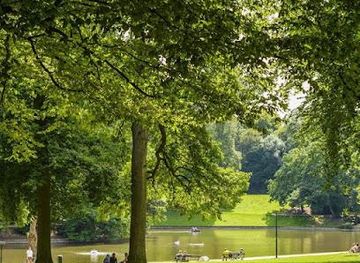
Bois de la Cambre
Discover Brussels' beloved Bois de la Cambre: a historic park offering a tranquil escape with a lake, trails, and recreational activities.
-
Museum
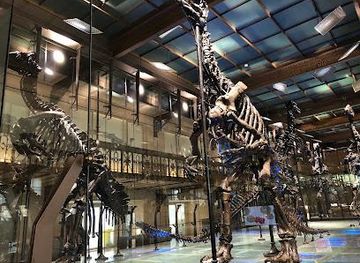
Royal Belgian institute of Natural Sciences
Explore Europe's largest Dinosaur Gallery and vast natural science collections at Brussels' Royal Belgian Institute of Natural Sciences!
-
Museum
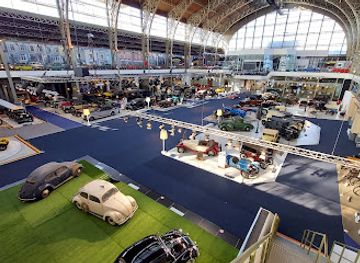
Autoworld
Explore over a century of automotive history at Autoworld, Brussels. Discover vintage cars, royal limousines, and the evolution of vehicle technology.

Best landmarks in Flemish Brabant
Leuven's late-Gothic town hall is Flemish Brabant's most recognisable architectural landmark, its elaborate façade overlooking the Grote Markt beside St Peter's Church. The city's Great Beguinage, with brick houses and waterways arranged in a historic urban quarter, represents the enduring importance of religious and communal life. In Scherpenheuvel, the domed Basilica of Our Lady dominates the town and is a major expression of seventeenth-century Catholic Baroque. Halle's Basilica of Saint Martin is another powerful religious landmark, distinguished by its Gothic architecture and long pilgrimage tradition. Diest retains sections of its historic urban fabric and the Beguinage, while the strategic character of the town is reflected in its remaining defensive elements. In the west, Gaasbeek Castle stands within an estate landscape of parkland and woodland, offering a striking example of a historic noble residence. The Hallerbos provides a natural landmark rather than a built monument: its broadleaf woodland and seasonal bluebell carpet have become closely associated with the province. Together these places show how Flemish Brabant's identity rests on architecture, devotion, civic history and managed landscapes.
-
Plaza
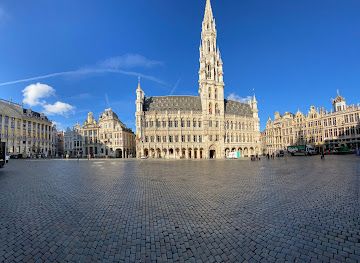
Grand Place
Explore the Grand Place, Brussels' stunning central square, a UNESCO World Heritage site filled with rich history, stunning architecture, and vibrant culture.
-
Tourist attraction
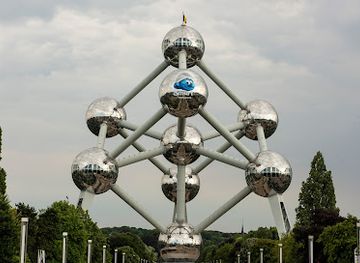
Atomium
Discover the Atomium in Brussels: A stunning architectural landmark with breathtaking views, cultural exhibitions, and a vibrant event venue.
-
Fountain
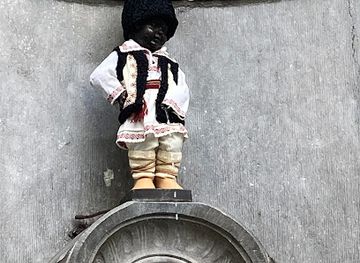
Manneken Pis
Discover the whimsical Manneken Pis, a beloved fountain symbolizing Brussels' playful spirit and rich cultural history.
-
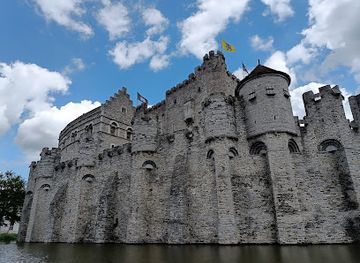
Castle
Gravensteen
Discover the rich history and stunning architecture of Gravensteen, Ghent's iconic medieval castle and a highlight of Belgian heritage.
Explore Flemish Brabant on the map
Plan your trip on one map. See where the top cities, national parks and sights are, and book hotels and experiences in a few clicks.
Best hotels in Flemish Brabant
Best restaurants in Flemish Brabant
Dining in Flemish Brabant reflects both Flemish Brabant's agricultural setting and Belgium's wider culinary traditions. Leuven has the broadest choice, from student cafés and bakeries to contemporary restaurants, traditional brasseries and beer-focused establishments. Across the province, menus commonly feature Belgian staples such as fries, croquettes, seasonal game, beef and dishes based on local vegetables, while rural inns and cafés often provide a more informal setting. The Pajottenland and Senne valley are strongly associated with lambic and related beer traditions, and fruit-growing contributes to regional drinks, desserts and preserves. Around Tienen, the historic importance of sugar beet is part of the area's industrial and food identity, although it should not be confused with a single signature dish. Farmers' markets, farm shops and village bakeries are useful places to encounter local produce, including fruit, bread, dairy products and regional beers. In university towns, international and vegetarian options sit alongside established Flemish cooking, giving the region's dining scene more range than its rural image might suggest.
-
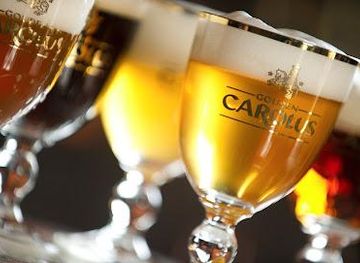
Brewery
Brewery Het Anker
Discover 550 years of brewing mastery at Het Anker, where historic copper kettles craft award-winning Gouden Carolus amid Mechelen's begijnhof charm, with tours, tastings, and beer-infused feasts.
-
Restaurant
Spaans Dak
Experience modern French cuisine in Oud-Heverlee at Spaans Dak, where culinary artistry meets elegant dining.
-
Restaurant
Brasserie Brouwershof
Experience authentic Belgian cuisine at Brasserie Brouwershof in Haacht – where tradition meets taste.
-
Coffee shop
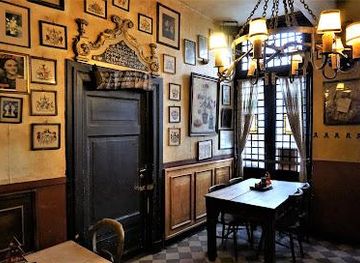
La Fleur en Papier Doré
Brussels' surrealist estaminet where Magritte's graffiti meets Belgian brews in a timeless trove of bohemian treasures and cultural whispers.
Best bars in Flemish Brabant
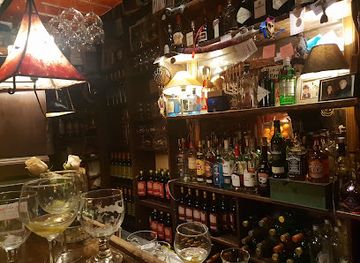
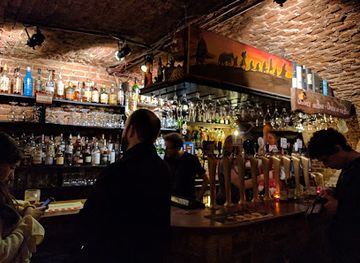
Evening life in Flemish Brabant is most concentrated in Leuven, where the large student population supports a dense choice of cafés, beer bars, casual restaurants, live-music spaces and late-opening venues. The historic centre blends atmospheric old cafés with contemporary drinking places, but visitors should remember that local licensing and opening arrangements change. In towns such as Halle, Diest and Tienen, nightlife is smaller in scale and generally centres on cafés, brasseries, seasonal events and occasional live music rather than a major club scene. The Pajottenland and other rural districts favour village pubs, breweries and convivial dining, with evenings often ending earlier and public transport less convenient. Flemish Brabant's beer culture is significant, particularly through lambic-related traditions in the west and the wider Belgian brewing landscape, but exploring it does not require alcohol: cafés, cultural programmes and evening walks through historic centres provide alternatives.
-
Bar
Delirium Café
Explore Delirium Café in Brussels, an iconic bar with over 2,000 beers, vibrant ambiance, and a taste of Belgian brewing heritage.
-
Bar
Bar Des Amis
Experience the charm of Brussels at Bar Des Amis, where local flavors and a cozy atmosphere create unforgettable moments.
-
Bar
Goupil Le Fol
Discover the cozy ambiance and vibrant selection of drinks at Goupil Le Fol, a unique bar experience in the heart of Brussels.
-
Bar
La Porte Noire
Discover La Porte Noire in Brussels: A lively bar with an extensive beer selection and a welcoming atmosphere.


Best nightclubs in Flemish Brabant
Evening life in Flemish Brabant is most concentrated in Leuven, where the large student population supports a dense choice of cafés, beer bars, casual restaurants, live-music spaces and late-opening venues. The historic centre blends atmospheric old cafés with contemporary drinking places, but visitors should remember that local licensing and opening arrangements change. In towns such as Halle, Diest and Tienen, nightlife is smaller in scale and generally centres on cafés, brasseries, seasonal events and occasional live music rather than a major club scene. The Pajottenland and other rural districts favour village pubs, breweries and convivial dining, with evenings often ending earlier and public transport less convenient. Flemish Brabant's beer culture is significant, particularly through lambic-related traditions in the west and the wider Belgian brewing landscape, but exploring it does not require alcohol: cafés, cultural programmes and evening walks through historic centres provide alternatives.
-
Night club
Rumba & Co
Experience the vibrant nightlife of Leuven at Rumba & Co, where music and dance unite for unforgettable nights.
-
Disco club
Crew Club
Dive into Tremelo's nightlife at Crew Club, where vibrant disco beats meet a cozy café atmosphere for unforgettable nights.
-
Night club
MANÏ BRUSSELS
Discover the exhilarating nightlife at MANÏ Brussels, where great music, vibrant energy, and unforgettable experiences await.
-
Gay night club
CAVE
Experience the vibrant nightlife at CAVE, Brussels' premier gay night club, where music, dance, and inclusivity come together.


Best shops in Flemish Brabant
Leuven is the province's principal shopping centre, combining pedestrianised historic streets, independent boutiques, bookshops, specialist food retailers and familiar Belgian fashion outlets. Its university population gives the city a lively market for books, design, gifts and international groceries, while the surrounding historic centre provides cafés between shopping stops. Halle, Diest and Tienen offer more compact high streets with local services, bakeries, delicatessens, antiques and independent shops rather than large-scale destination retail. In rural Flemish Brabant, farm shops and periodic markets are more useful for regional purchases, including fruit, preserves, bread, dairy products, chocolates and locally brewed beers. The Pajottenland is particularly suitable for looking for lambic-related products and produce connected with orchard and farming traditions. Craft shops, galleries and seasonal stalls appear in some historic towns, but opening days and stock vary, so visitors should not assume every village operates a permanent market. For practical souvenirs, choose regional food or beer from a reputable shop and check packaging requirements before travelling internationally.
-
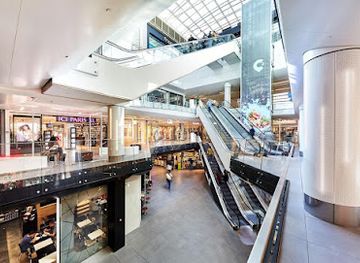
Shopping mall
Docks Bruxsel
Explore the vibrant Docks Bruxsel shopping mall in Brussels, where shopping, dining, and entertainment converge in a lively atmosphere.
-
Shopping mall
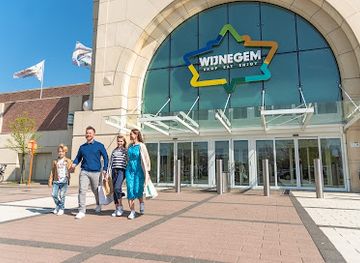
Wijnegem - Shop Eat Enjoy
Explore Wijnegem - Shop Eat Enjoy, a premier shopping mall in Belgium, offering a unique blend of retail therapy, dining delights, and entertainment experiences.
-
Shopping mall
City2
Explore City2, Brussels' premier shopping destination featuring diverse stores, trendy boutiques, and delightful dining options for every visitor.
-
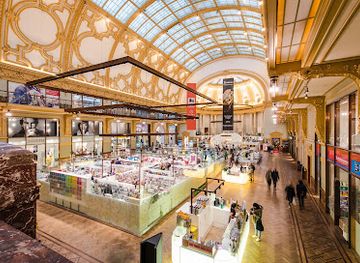
Shopping mall
Stadsfeestzaal
Explore Stadsfeestzaal, Antwerp's stunning shopping mall that blends historic architecture with modern retail and delightful dining experiences.

Get your free copy of our complete guide to Flemish Brabant, delivered straight to you.
Everything on this page, from attractions and restaurants to essentials and local phrases, in one PDF you can read offline, print or share.
Already have an account? Sign in
Your Flemish Brabant guide is ready.
We'll send it to · Not you? Sign out

Getting your guide ready…
We are putting together a fresh copy of the Flemish Brabant guide. This can take up to a minute.
This can take a few moments. If your browser asks, choose Allow so the download can start. You'll find the guide in your Downloads folder.
Nothing happened? Download it again
Sorry, the guide is taking longer than usual. Please try again in a minute, or get it by email instead.
Flemish Brabant essentials
Currency and Payment
Safety
Emergency Situations
Do's and Don'ts
Local Tips
From Eve
Local phrases worth knowing
You don't need to get them perfect. A few words go a long way, and locals appreciate the effort.
Basics
| English | Local | Say it |
|---|---|---|
| Hello | Hallo | [hal-lo] |
| Goodbye | Tot ziens | [tot zeens] |
| Yes | Ja | [ya] |
| No | Nee | [nay] |
| Please/You're welcome | Alstublieft | [als-tu-bleeft] |
| Thank you | Dank u | [dank oo] |
| Excuse me/Sorry | Excuseer | [ex-cuseer] |
| How are you? | Hoe gaat het? | [hoo gaat het] |
| Fine. And you? | Goed. En jij? | [goot. en yay] |
| Do you speak English? | Spreekt u Engels? | [spreekt oo eng-els] |
| I don't understand | Ik begrijp het niet | [ik be-greef het neet] |
Eating & Drinking
| English | Local | Say it |
|---|---|---|
| I'd like to see the menu, please | Ik zou graag de menukaart zien, alstublieft | [ik zou grahg de me-nu-kaart zien, als-tu-bleeft] |
| I don't eat meat | Ik eet geen vlees | [ik eet ghen vlay-s] |
| Cheers! | Proost! | [proast] |
| I would like to pay, please | Ik zou graag betalen, alstublieft | [ik zou grahg be-ta-len, als-tu-bleeft] |
Emergencies
| English | Local | Say it |
|---|---|---|
| Help! | Help! | [help] |
| Go away! | Ga weg! | [ga vek] |
| Call the Police! | Bel de politie! | [bel de po-li-tie] |
| Call a doctor! | Bel een dokter! | [bel een dok-ter] |
| I'm lost | Ik ben verdwaald | [ik ben ver-dwaald] |
| I'm ill | Ik ben ziek | [ik ben zeek] |
Shopping
| English | Local | Say it |
|---|---|---|
| I'd like to buy... | Ik zou graag ... kopen | [ik zou grahg ... ko-pen] |
| I'm just looking | Ik kijk gewoon rond | [ik kijk ghewon ront] |
| How much is it? | Hoeveel kost het? | [hoo-veel kost het] |
| That's too expensive | Dat is te duur | [dat is te dur] |
| Can you lower the price? | Kunt u de prijs verlagen? | [kunt oo de preis ver-la-gen] |
Time & Numbers
| English | Local | Say it |
|---|---|---|
| What time is it? | Hoe laat is het? | [hoo laat is het] |
| It's one o'clock | Het is één uur | [het is een oor] |
| Half past (10) | Half elf | [half elf] |
| Morning | Ochtend | [ok-tend] |
| Afternoon | Namiddag | [na-mid-dag] |
| Evening | Avond | [a-vond] |
| Yesterday | Gisteren | [gis-te-ren] |
| Today | Vandaag | [van-daag] |
| Tomorrow | Morgen | [mor-gen] |
| 1 | 1 | [1] |
| 2 | 2 | [2] |
| 3 | 3 | [3] |
| 4 | 4 | [4] |
| 5 | 5 | [5] |
| 6 | 6 | [6] |
| 7 | 7 | [7] |
| 8 | 8 | [8] |
| 9 | 9 | [9] |
| 10 | 10 | [10] |
Transport & Directions
| English | Local | Say it |
|---|---|---|
| Where's a/the...? | Waar is een/de...? | [waar is een/de...?] |
| What's the address? | Wat is het adres? | [wat is het a-dres] |
| Can you show me (on the map)? | Kunt u het me laten zien (op de kaart)? | [kunt oo het me la-ten zien (op de kaart)] |
| When's the next (bus)? | Wanneer is de volgende (bus)? | [wan-neer is de vol-gen-de (bus)] |
| A ticket (to ....) | Een ticket (naar ...) | [een ti-ket (naar ...)] |
History of Flemish Brabant
Roman Roads and Early Settlement
Flemish Brabant occupied a strategic position in the Roman landscape of northern Gaul. Roads linking major settlements crossed the fertile central Belgian plain, and the area around Leuven, Tienen and the Dijle basin supported agriculture and settlement. Tienen, known in Roman times as Atuatuca Tungrorum's wider regional neighbour and an important local centre, has produced substantial archaeological evidence of Roman occupation. Later communities inherited routes, field patterns and river crossings that continued to influence the growth of medieval towns.
The Medieval Duchy of Brabant
During the Middle Ages, the territory became part of the Duchy of Brabant, an important principality within the Low Countries. Leuven developed as a commercial and political centre, while towns such as Diest, Tienen and Halle benefited from markets, religious institutions and fortified or strategically placed sites. Churches, beguinages, town halls and surviving street plans reflect the prosperity of this period. The Brabantian political and cultural legacy remains visible in the architectural character of many Flemish Brabant towns.
Leuven University and Urban Learning, from 1425
The foundation of the University of Leuven in 1425 transformed the town into one of Europe's enduring centres of higher learning. Its presence attracted scholars, religious communities and institutions, while shaping the city's economy and public life over centuries. Although the university's history was disrupted by political and linguistic changes, Leuven's collegiate buildings, libraries and academic traditions remain central to Flemish Brabant's identity. The university also contributes to the province's contemporary reputation for research, technology and international exchange.
Pilgrimage, Catholic Culture and Scherpenheuvel
Religious devotion strongly influenced the region's landscape, particularly around Halle and Scherpenheuvel. Scherpenheuvel grew into a major pilgrimage destination and received its distinctive domed basilica in the seventeenth century, during the Counter-Reformation. Churches, chapels, roadside shrines and processional traditions were established across the Brabant countryside. These sites reflect both popular devotion and the efforts of Catholic institutions to shape religious life in the Southern Netherlands during a period of political and confessional conflict.
War, Fortifications and the Brabant Towns
Flemish Brabant's position between Brussels, eastern Brabant and the routes towards the Meuse repeatedly exposed its towns to military upheaval. Diest, Halle, Leuven and other settlements were affected by the conflicts that shaped the Low Countries, including the Dutch Revolt, the wars of the seventeenth century and the campaigns of the French Revolutionary and Napoleonic era. Defensive walls, gates, citadels and military landscapes were altered or dismantled over time, but the historic cores of several towns still reveal their strategic origins.
Agriculture, Brewing and the Sugar Industry
For centuries, farming formed the economic foundation of the province, with grain, fruit, livestock and market gardening adapted to local soils and landscapes. Brewing developed in towns and villages, while the Senne valley and Pajottenland became associated with spontaneous-fermentation lambic traditions. From the nineteenth century, sugar production became especially important around Tienen, where beet cultivation and processing reshaped the local economy. These industries connected Flemish Brabant's rural communities to expanding national markets and remain part of its culinary and industrial heritage.
Industrialisation, Railways and the Modern Province
The nineteenth century brought railways, canals, factories and faster links between Flemish Brabant and Brussels. Leuven became increasingly connected to national industry and commerce, while Vilvoorde and the canal belt developed manufacturing and transport-related activity. The growth of Brussels also transformed municipalities such as Zaventem, Machelen and surrounding areas, particularly after the establishment and expansion of the national airport after the Second World War. Today the province combines historic towns and farming districts with research, logistics, aviation and suburban economies.
Flemish Brabant in Photos
Browse through our photo collection highlighting the charm and character of the destination.
Neighbouring regions of Flemish Brabant
The closest regions to Flemish Brabant, if you have time for more than one.
-

-

-

-

-


Swipe for more regions
Explore more

Explore more of Belgium
Discover Belgium: A blend of medieval charm, culinary delights, and stunning landscapes. Explore historic cities, savor exquisite chocolates, and enjoy a perfect getaway.
Explore Belgium