

Free East Flanders Travel Guide & Mobile App
Explore East Flanders with free travel guides. Discover regional history, expert tips, proposed trips, and audio guides on web or mobile app.


Explore East Flanders for Ghent's medieval towers, Scheldt waterways, cycling hills, historic market towns and food-rich Flemish culture.
Read more about East Flanders
When is the best time to visit East Flanders?
Best: June–August · 21–23°C| Month | High (°C) | Rainfall (mm) |
|---|---|---|
| January | 6 | 65 |
| February | 7 | 55 |
| March | 10 | 65 |
| April | 13 | 60 |
| May | 18 | 70 |
| June (best) | 21 | 80 |
| July (best) | 23 | 85 |
| August (best) | 23 | 85 |
| September | 19 | 75 |
| October | 14 | 70 |
| November | 10 | 75 |
| December | 7 | 80 |
Getting to and around East Flanders
How to get there
Transportation
Top city travel guides in East Flanders
The cities of East Flanders, and the easiest places to base yourself.
-

-

-
-

-

-


Swipe for more cities
Destinations in East Flanders
Resorts, valleys and scenic spots worth a trip of their own.
-

-

-


Swipe for more destinations
Best attractions in East Flanders
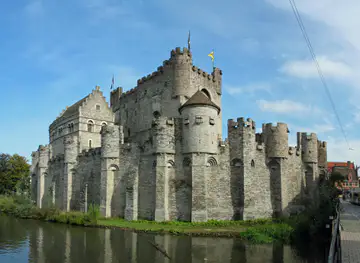
East Flanders offers a varied concentration of urban heritage, museums and river landscapes. Ghent is the principal attraction centre, with the Gravensteen, Saint Bavo's Cathedral, the Ghent Altarpiece and museums covering fine art, design, city history and industrial heritage. The provincial capital's former docks and canal-side quarters also reward exploration beyond the main monuments. In Oudenaarde, tapestry collections and civic architecture explain the town's historic craft economy, while the Gallo-Roman Museum at Velzeke presents the region's ancient past. Dendermonde and Aalst provide further historic centres and lively local traditions, and Sint-Niklaas is a useful base for the Waasland. Outdoors, the Kalkense Meersen wetlands and Scheldt floodplains suit walking and cycling, while the Leie valley around Deinze and Sint-Martens-Latem has long attracted artists and landscape visitors. Southern East Flanders is the province's main hill country, with cycling routes, walking trails and panoramic farmland around Oudenaarde, Ronse and Geraardsbergen. The result is a destination where major city culture, small-town heritage and accessible countryside can be combined without requiring a single style of travel.
-
Castle
Castle of the Counts
Explore Ghent's iconic medieval fortress, the Castle of the Counts, a historic landmark with a turbulent past and stunning city views.
-
Castle
Gravensteen
Explore Gravensteen Castle in Ghent: a captivating journey through medieval history, architecture, and intriguing exhibits in a stunning fortress.
-
Catholic cathedral
Saint Bavo's Cathedral
Explore Ghent's iconic cathedral, home to the Mystic Lamb and centuries of art, history, and architectural splendor.
-
Stadium
KAA Gent Stadium
Experience the thrill of Belgian football at KAA Gent Stadium, a modern arena with a vibrant atmosphere and top-notch facilities.


Best landmarks in East Flanders
Ghent's medieval skyline is East Flanders' defining architectural landmark: the Belfry, Saint Nicholas' Church and Saint Bavo's Cathedral form a powerful sequence of towers above the historic centre, while the Gravensteen remains one of the most recognisable castles in Belgium. The Graslei and Korenlei quays preserve a dense row of historic guild and merchant houses beside the Leie. Oudenaarde's town hall, an ornate early sixteenth-century building, expresses the wealth generated by the town's textile and tapestry trade, and its former cloth-centre identity remains central to local heritage. Dendermonde's Grote Markt and belfry represent the civic importance of the Scheldt-Dender town, while Aalst's belfry is another visible reminder of medieval urban government. In the south, the Muur van Geraardsbergen is a celebrated steep cobbled road and cycling landmark, notable for both its physical severity and its place in Flemish cycling culture. The Scheldt floodplains and wooded ridges of the Vlaamse Ardennen provide natural landmarks that contrast with the province's urban towers.
-
Castle
Gravensteen
Explore the medieval wonder of Gravensteen in Ghent, Belgium, a captivating castle steeped in history and breathtaking views.
-
 Catholic church
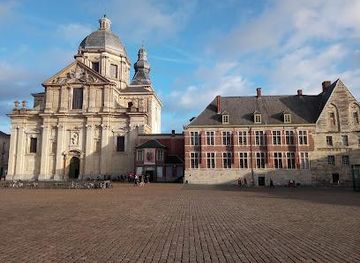
Saint Nicholas' Church
Discover Ghent's iconic Saint Nicholas' Church: a stunning example of Scheldt Gothic architecture with a rich history and beautiful interior.
-
Abbey
Sint-Pietersabdij
Explore Ghent's historic St. Peter's Abbey: a serene oasis with stunning architecture, gardens, and a rich cultural heritage.
-
Historical landmark
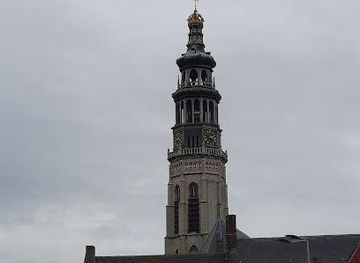
Tall John Abbey Tower
Discover the Tall John Abbey Tower in Middelburg: a historical landmark offering stunning views and rich cultural heritage.

Explore East Flanders on the map
Plan your trip on one map. See where the top cities, national parks and sights are, and book hotels and experiences in a few clicks.
Best hotels in East Flanders
Best restaurants in East Flanders
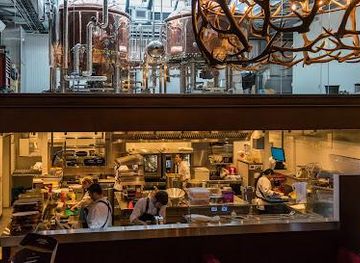
Dining in East Flanders ranges from busy urban restaurants in Ghent to traditional cafés, bakeries and brasseries in market towns and villages. Belgian classics such as chips, mussels when in season, waffles, chocolate and beers are widely available, while Ghent is particularly well suited to international dining and contemporary vegetarian cooking. Gentse waterzooi, a creamy stew associated with Ghent and traditionally prepared with fish or chicken, remains a notable local reference, alongside mustard, pralines and regional baked goods. The province's rural areas support farm shops, seasonal produce and straightforward dishes served in inns or cafés, while the Scheldt and Leie corridors provide opportunities for riverside dining. In Oudenaarde and the Vlaamse Ardennen, local beer culture is closely tied to cycling and country excursions. Menus vary considerably by town and season, so reservations are useful for sought-after restaurants in Ghent and for smaller rural establishments with limited sittings.
-
Restaurant
Slot Ostende
Medieval castle restaurant, brewery, and hotel blending 13th-century history with contemporary Dutch hospitality.
-
Restaurant
De Graslei
Experience authentic Belgian cuisine at De Graslei in Ghent, where culinary tradition meets stunning canal views.
-
Italian
Firenze
Experience authentic Italian cuisine at Firenze in Ghent—where traditional flavors meet warm hospitality.
-
Vegan
Greenway Ghent
Discover delicious vegan fast food at Greenway Ghent—where health meets flavor in the heart of Belgium.


Best bars in East Flanders
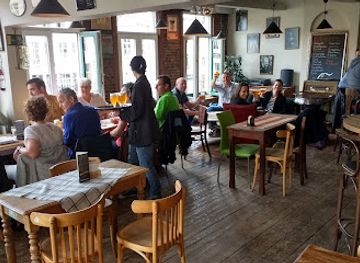
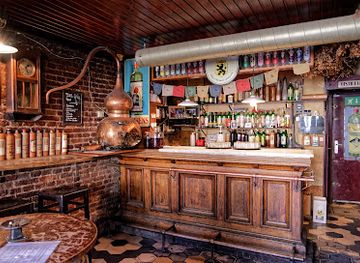
Ghent has East Flanders' broadest evening scene, shaped by its university population, historic centre and concentration of music venues, cafés and restaurants. Traditional brown cafés, Belgian beer bars and late-opening city-centre venues sit alongside cocktail bars and spaces for live performance, although arrangements and opening patterns change. The Oude Beestenmarkt and surrounding central streets are associated with student and evening activity, while the former industrial waterfronts host occasional cultural events rather than a single permanent nightlife district. Aalst, Sint-Niklaas, Dendermonde and Oudenaarde offer smaller selections of pubs, cafés and music venues, often focused on local social life rather than all-night clubbing. In rural East Flanders, evenings generally centre on village pubs, restaurants and seasonal festivities. Visitors should use public transport or a designated driver when moving between small towns, as late connections are more limited outside Ghent.
-
Beer hall
Het Waterhuis aan de Bierkant
Experience the best of Belgian beer culture at Het Waterhuis aan de Bierkant in Ghent, a charming beer hall by the canals offering unique local brews.
-
Bar
't Dreupelkot
Discover the unique flavors of jenever at 't Dreupelkot, a beloved bar in Ghent, offering over 50 exquisite varieties in a cozy atmosphere.
-
Pub
De Geus van Gent
Experience the authentic taste of Ghent at De Geus van Gent, a charming pub and café offering local cuisine and a vibrant atmosphere.
-
Pub
De Karper
Discover the vibrant atmosphere and local flavors at De Karper, Ghent's beloved pub with a wide selection of drinks and delicious fare.


Best nightclubs in East Flanders
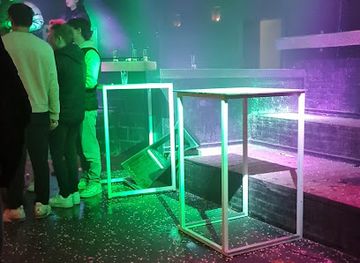
Ghent has East Flanders' broadest evening scene, shaped by its university population, historic centre and concentration of music venues, cafés and restaurants. Traditional brown cafés, Belgian beer bars and late-opening city-centre venues sit alongside cocktail bars and spaces for live performance, although arrangements and opening patterns change. The Oude Beestenmarkt and surrounding central streets are associated with student and evening activity, while the former industrial waterfronts host occasional cultural events rather than a single permanent nightlife district. Aalst, Sint-Niklaas, Dendermonde and Oudenaarde offer smaller selections of pubs, cafés and music venues, often focused on local social life rather than all-night clubbing. In rural East Flanders, evenings generally centre on village pubs, restaurants and seasonal festivities. Visitors should use public transport or a designated driver when moving between small towns, as late connections are more limited outside Ghent.
-
Night club
Kompass
Dive into the electrifying nightlife of Ghent at Kompass, a premier night club offering unforgettable parties and a vibrant atmosphere.
-
Night club
Decadance
Dive into Ghent's nightlife at Decadance, where electrifying music and vibrant crowds create unforgettable experiences.
-
Night club
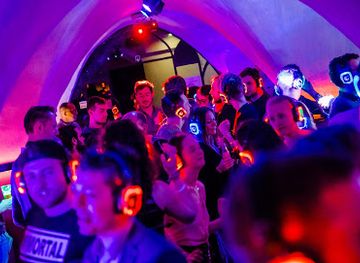
Abacho
Discover unique nightlife at Abacho, Ghent's top silent disco club offering music, drinks, and unforgettable dancing experiences.
-
Night club
Niche Club
Experience the exhilarating nightlife at Niche Club in Ghent, where vibrant music and an electric atmosphere await party enthusiasts.


Best shops in East Flanders
Ghent offers East Flanders' widest shopping choice, combining pedestrianised central streets, independent design shops, bookshops, fashion retailers, food specialists and established high-street brands. Its historic centre is particularly useful for Belgian chocolate, beer, lace-inspired goods and contemporary craft, although visitors should distinguish locally made products from generic souvenirs. Market squares and weekly markets in towns such as Aalst, Dendermonde, Oudenaarde and Sint-Niklaas provide everyday produce, flowers, clothing and regional food rather than a single uniform tourist market. Oudenaarde is a good place to look for tapestry-related heritage and locally produced goods, while rural areas around the Vlaamse Ardennen and Meetjesland have farm shops selling seasonal produce, cheese, bread and drinks. Sint-Niklaas functions as the main retail centre of the Waasland, with a larger urban shopping offer than the surrounding villages. Independent galleries, antique dealers and craft studios are most rewarding when explored as part of a town visit rather than treated as a fixed shopping trail.
-
Shopping mall
Wijnegem - Shop Eat Enjoy
Explore the ultimate shopping and dining experience at Wijnegem - Shop Eat Enjoy, where style meets satisfaction in the heart of Belgium.
-
Shopping mall
Waasland Shopping Center
Explore Waasland Shopping Center in Sint-Niklaas, a shopping haven featuring diverse stores, delightful dining, and family-friendly entertainment options.
-
Shopping mall
Shoppingcenter Gent Zuid
Discover Shopping Center Gent Zuid: Your ultimate shopping destination in Ghent, featuring diverse shops, delicious dining, and vibrant entertainment.
-
Shopping mall
Molecule Koopcenter
Explore the vibrant shopping experience at Molecule Koopcenter in Anzegem, Belgium, where diverse stores and delightful dining await every visitor.


Get your free copy of our complete guide to East Flanders, delivered straight to you.
Everything on this page, from attractions and restaurants to essentials and local phrases, in one PDF you can read offline, print or share.
Already have an account? Sign in
Your East Flanders guide is ready.
We'll send it to · Not you? Sign out

Getting your guide ready…
We are putting together a fresh copy of the East Flanders guide. This can take up to a minute.
This can take a few moments. If your browser asks, choose Allow so the download can start. You'll find the guide in your Downloads folder.
Nothing happened? Download it again
Sorry, the guide is taking longer than usual. Please try again in a minute, or get it by email instead.
East Flanders essentials
Currency and Payment
Safety
Emergency Situations
Do's and Don'ts
Local Tips
From Eve
Local phrases worth knowing
You don't need to get them perfect. A few words go a long way, and locals appreciate the effort.
Basics
| English | Local | Say it |
|---|---|---|
| Hello | Hallo | [ha-lo] |
| Goodbye | Tot ziens | [tot zeens] |
| Yes | Ja | [ya] |
| No | Nee | [nay] |
| Please/You're welcome | Alstublieft | [al-stu-bleeft] |
| Thank you | Dank u | [dank oo] |
| Excuse me/Sorry | Excuseer | [ex-ku-seer] |
| How are you? | Hoe gaat het? | [hoo gaat het] |
| Fine. And you? | Goed. En jij? | [hoot. en yay] |
| Do you speak English? | Spreekt u Engels? | [spreekt oo en-gels] |
| I don't understand | Ik begrijp het niet | [ik be-graif het neet] |
Eating & Drinking
| English | Local | Say it |
|---|---|---|
| I'd like to see the menu, please | Ik zou graag de menukaart willen zien, alstublieft | [ik zow grahkh de me-nu-kart wil-len zeen, al-stu-bleeft] |
| I don't eat meat | Ik eet geen vlees | [ik eet ghen vles] |
| Cheers! | Proost! | [prohst] |
| I would like to pay, please | Ik zou graag willen betalen, alstublieft | [ik zow grahkh wil-len be-ta-len, al-stu-bleeft] |
Emergencies
| English | Local | Say it |
|---|---|---|
| Help! | Help! | [help] |
| Go away! | Ga weg! | [ga vek] |
| Call the Police! | Bel de politie! | [bel de po-li-tie] |
| Call a doctor! | Bel een dokter! | [bel een dok-ter] |
| I'm lost | Ik ben verdwaald | [ik ben ver-dwaald] |
| I'm ill | Ik ben ziek | [ik ben zeek] |
Shopping
| English | Local | Say it |
|---|---|---|
| I'd like to buy... | Ik wil graag kopen... | [ik vil grahkh ko-pen] |
| I'm just looking | Ik kijk gewoon rond | [ik kayk ge-woon ront] |
| How much is it? | Hoeveel kost het? | [hoo-veel kost het] |
| That's too expensive | Dat is te duur | [dat is te dur] |
| Can you lower the price? | Kunt u de prijs verlagen? | [kunt oo de prijs ver-la-ghen] |
Time & Numbers
| English | Local | Say it |
|---|---|---|
| What time is it? | Hoe laat is het? | [hoo laat is het] |
| It's one o'clock | Het is één uur | [het is een oor] |
| Half past (10) | Half tien | [half teen] |
| Morning | Ochtend | [okh-tend] |
| Afternoon | Middag | [mid-dahg] |
| Evening | Avond | [a-vond] |
| Yesterday | Gisteren | [gis-te-ren] |
| Today | Vandaag | [van-dahg] |
| Tomorrow | Morgen | [mor-ghen] |
| 1 | 1 | [een] |
| 2 | 2 | [twee] |
| 3 | 3 | [drie] |
| 4 | 4 | [vier] |
| 5 | 5 | [vijf] |
| 6 | 6 | [zes] |
| 7 | 7 | [zeven] |
| 8 | 8 | [acht] |
| 9 | 9 | [negen] |
| 10 | 10 | [tien] |
Transport & Directions
| English | Local | Say it |
|---|---|---|
| Where's a/the...? | Waar is een/de...? | [vaar is een/de] |
| What's the address? | Wat is het adres? | [vat is het a-dres] |
| Can you show me (on the map)? | Kunt u me (op de kaart) laten zien? | [kunt oo me (op de kaart) la-ten zeen] |
| When's the next (bus)? | Wanneer is de volgende (bus)? | [van-neer is de vol-gen-de (bus)] |
| A ticket (to ....) | Een ticket (naar ...) | [een ti-ket (naar ...)] |
History of East Flanders
Prehistoric and Roman Settlement
East Flanders has been occupied since prehistoric times, with archaeological evidence of farming communities and later Roman activity across the Scheldt and Dender basins. The Gallo-Roman Museum at Velzeke, near Zottegem, interprets an important settlement in the southern part of the province, where Roman roads, trade and military administration influenced local life. Roman occupation did not erase existing communities, but it connected the region to wider networks extending across northern Gaul. Archaeological collections and reconstructed routes help explain why the river valleys and gently elevated southern lands remained attractive for settlement over many centuries.
The Medieval Growth of Ghent
Ghent grew during the early and central Middle Ages around the confluence of the Scheldt and Leie, with religious foundations and a strategically placed stronghold supporting its development. By the later Middle Ages it had become one of the major textile and commercial cities of northern Europe. Wealth from woollen cloth financed churches, civic buildings and powerful guilds, while the Gravensteen expressed the authority of the Counts of Flanders. Ghent's dense medieval centre, canals and towers still reflect the political and economic importance it achieved during this period.
Towns, Guilds and the County of Flanders
Across East Flanders, medieval towns developed around river crossings, markets, religious institutions and textile production. Dendermonde occupied a strategically important position at the meeting of the Dender and Scheldt, while Oudenaarde became prominent for cloth and later tapestry. Aalst, Sint-Niklaas and smaller market centres were connected through regional trade. Urban autonomy was expressed through guild organisation and civic privileges, although local communities remained within the wider political framework of the County of Flanders and, successively, larger Burgundian and Habsburg territories.
Tapestry and Renaissance Oudenaarde
From the sixteenth century, Oudenaarde became a leading European centre for tapestry production. Workshops produced richly woven wall hangings for courts, churches and wealthy households, using designs influenced by Renaissance art and international trade. The industry depended on skilled labour, imported materials and export networks, and its success helped fund the town's impressive civic architecture. The later decline of large-scale tapestry production did not remove its cultural importance: museums, surviving works and the town hall continue to document an industry that linked a relatively small East Flemish town to the wider European art market.
Religious Conflict and Political Change
The sixteenth century brought religious conflict, iconoclasm and political upheaval to the towns and villages of East Flanders. The region passed through the disturbances of the Dutch Revolt and later came under Spanish Habsburg authority, while Catholic institutions were rebuilt and reorganised. Ghent's changing political fortunes reflected wider tensions between urban privileges, central government and religious allegiance. Churches, former convent sites and civic buildings across the province preserve traces of these transformations, although many medieval interiors were altered or lost during periods of conflict and later reform.
Industrialisation and the Textile Economy
The nineteenth century transformed East Flanders through mechanised textile production, expanding commerce and new transport links. Ghent became a major industrial centre, with cotton mills, warehouses, canals and working-class districts reshaping the city beyond its medieval core. Railways improved connections between Ghent, Aalst, Sint-Niklaas, Oudenaarde and surrounding towns, while the Scheldt remained vital for freight. Industrial growth brought employment and urban expansion but also difficult working and living conditions. Today, restored mills, museums and former docklands reveal how decisively manufacturing influenced the province.
The First World War and Reconstruction
East Flanders was occupied during the First World War, and towns, transport networks and industries were affected by military administration, shortages and disruption. The province was not the principal site of the Western Front, but its position behind the front made it important for movement, supply and civilian life. The interwar years brought rebuilding and further modernisation, while the Second World War again imposed occupation and material hardship. Memorials, cemeteries and local archives provide reminders of how international conflicts altered everyday life in Flemish communities.
Post-war Renewal and a Contemporary Province
After 1945, East Flanders moved from a predominantly industrial economy towards a more varied combination of services, education, logistics, technology, culture and tourism. Ghent's university and cultural institutions became major forces in this transition, while former industrial sites were adapted for housing, events and creative work. Smaller towns retained manufacturing, agriculture and regional administrative roles, and the Scheldt landscape gained greater attention for flood management, biodiversity and recreation. The contemporary province therefore combines a substantial urban centre with enduring rural economies and a growing interest in heritage and landscape conservation.
East Flanders in Photos
Browse through our photo collection highlighting the charm and character of the destination.
Neighbouring regions of East Flanders
The closest regions to East Flanders, if you have time for more than one.
-

-

-

-

-


Swipe for more regions
Explore more

Explore more of Belgium
Discover Belgium: A blend of medieval charm, culinary delights, and stunning landscapes. Explore historic cities, savor exquisite chocolates, and enjoy a perfect getaway.
Explore Belgium