

Free Campine (Kempen) Travel Guide & Mobile App
Explore Campine (Kempen) with free travel guides. Discover regional history, expert tips, proposed trips, and audio guides on web or mobile app.


Explore Belgium's Campine for heathland walks, canal cycling, historic colonies, forest landscapes and distinctive towns from Turnhout to Lommel.
Read more about Campine (Kempen)
When is the best time to visit Campine (Kempen)?
Best: June–August · 21–23°C| Month | High (°C) | Rainfall (mm) |
|---|---|---|
| January | 5 | 60 |
| February | 6 | 50 |
| March | 10 | 50 |
| April | 13 | 50 |
| May | 18 | 60 |
| June (best) | 21 | 70 |
| July (best) | 23 | 80 |
| August (best) | 22 | 80 |
| September | 20 | 70 |
| October | 15 | 60 |
| November | 9 | 60 |
| December | 5 | 70 |
Getting to and around Campine (Kempen)
How to get there
Transportation
Top city travel guides in Campine (Kempen)
The cities of Campine (Kempen), and the easiest places to base yourself.
-

-

-

-

-

-


Swipe for more cities
Destinations in Campine (Kempen)
Resorts, valleys and scenic spots worth a trip of their own.
-
-
-
-

-


Swipe for more destinations
Best attractions in Campine (Kempen)
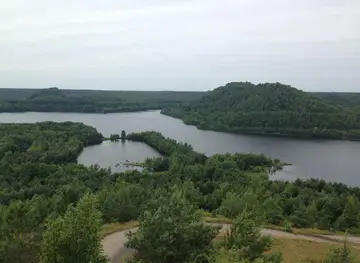
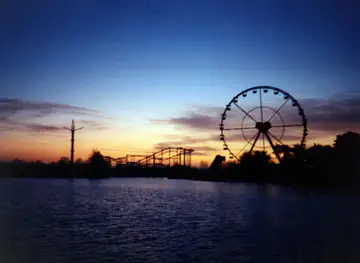
The Campine's attractions are distributed through a landscape of heath, pine forest, canals and market towns rather than concentrated in one historic centre. Turnhout offers the National Playing Card Museum and a beguinage, while nearby Kasterlee is home to Bobbejaanland, a large amusement park suited to families. The former colonies at Merksplas and Wortel provide an unusual combination of social history, farm landscapes and long avenues. Around Mol and Dessel, canals, lakes and cycling routes reveal the region's industrial and recreational sides, with Postel Abbey offering a more contemplative destination. Lommel combines woodland recreation with the pale dunes and open space of the Lommelse Sahara. In the Limburg section of the Campine, the Hoge Kempen National Park provides extensive walking and cycling opportunities through heath, forest, ponds and former mining landscapes. Smaller museums, village churches, farms, gardens and local cultural centres fill the spaces between the principal sites. Visitors should allow for changing distances and access arrangements, since a nature reserve or heritage complex may be several kilometres from the nearest railway station.
-
Park
Stadspark Valkenberg
Discover Breda's green heart: Stadspark Valkenberg, a historic park offering tranquility, cultural events, and a vibrant atmosphere in the city center, easily accessible from the central station.
-
Army museum
Fort Eben-Emael
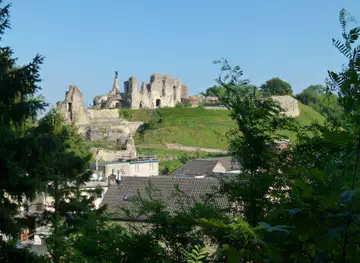
Explore Fort Eben-Emael, a military museum in Liège, Belgium, rich in history and architectural marvels, perfect for history enthusiasts and curious travelers.
-
National park
National Park Hoge Kempen
Discover the breathtaking landscapes and rich biodiversity of National Park Hoge Kempen, Belgium's first national park, perfect for outdoor adventures.
-
Performing arts theater
Chassé Theater & Cinema Breda
Experience the best of theater, film, and live entertainment at Breda's premier cultural destination, Chassé Theater & Cinema, a modern hub for arts and community engagement.


Best landmarks in Campine (Kempen)
The Campine's most recognisable landmarks reflect religious history, social reform, industrial change and distinctive natural scenery. Turnhout Beguinage, a historic enclosed community of houses and religious buildings, illustrates the architectural and social history of Flemish beguine life. Postel Abbey near Mol remains a prominent religious landmark in an otherwise open rural setting, its long association with cultivation helping explain the surrounding landscape. Merksplas Colony and Wortel Colony are marked by planned avenues, farms and institutional buildings that embody nineteenth-century ideas about poverty, labour and discipline; together they belong to the UNESCO-listed Colonies of Benevolence. The Kempens Canal and related waterways are less monumental but equally characteristic, with locks, bridges and towpaths showing how engineering reshaped the sandy interior. In Lommel, the Lommelse Sahara is a striking natural landmark of pale sand, woodland and open heath. Further east, the elevated forest and heath landscapes of the Hoge Kempen National Park provide the Campine with one of Belgium's clearest large-scale natural symbols.
-
Plaza
Grand Place
Discover the architectural splendor and vibrant culture of Grand Place, Brussels' iconic central square and UNESCO World Heritage site.
-
Tourist attraction
Atomium
Explore Brussels's iconic Atomium: a symbol of science, history, and stunning panoramic views from this unique modernist landmark.
-
Fountain
Manneken Pis
Meet Brussels' most famous resident! A small bronze statue with a big history and an even bigger wardrobe, Manneken Pis is a must-see.
-
Castle
Gravensteen
Discover the rich history and stunning architecture of Gravensteen, Ghent's iconic medieval castle and a top tourist attraction.


Explore Campine (Kempen) on the map
Plan your trip on one map. See where the top cities, national parks and sights are, and book hotels and experiences in a few clicks.
Best hotels in Campine (Kempen)
Best restaurants in Campine (Kempen)
Dining in the Campine is closely tied to Belgian café and brasserie culture, with regional variations shaped by farming, market gardening and the sandy interior. Turnhout, Geel, Mol and Lommel offer the broadest choice of restaurants, while villages and cycling routes are associated with cafés, bakeries and traditional inns. Seasonal vegetables and soft fruit from the wider Antwerp Campine, including the market-gardening area around Hoogstraten, appear in local kitchens and shops. Belgian staples such as chips, croquettes, stews, waffles and beer are common, but the region's food identity is often expressed through local produce rather than one defining dish. Abbey products associated with Postel, including beer and cheese made under the abbey's name or regional tradition, are popular purchases, though availability varies. Look for bakeries, farm shops and producers selling dairy, bread, fruit and regional beers, and expect menus in rural establishments to be shorter and more seasonal than those in larger towns.
-
Restaurant
Lamershof
Discover authentic German cuisine at Lamershof in Kempen - where traditional flavors meet modern dining experiences.
-
Restaurant
Venga Kempen
Discover culinary excellence at Venga Kempen - where tradition meets modern taste in a vibrant atmosphere.
-
Turkish
Restaurant Ela
Experience authentic Turkish cuisine at Restaurant Ela in Kempen—where flavors meet tradition in a cozy setting.
-
Restaurant
de Waterkant
Experience authentic Belgian cuisine at De Waterkant in Lommel – where every dish tells a story of flavor and tradition.


Best bars in Campine (Kempen)
Evening life in the Campine is generally centred on cafés, brown pubs, brasseries and village restaurants rather than a large club scene. Turnhout has the widest urban choice, including bars around its centre and venues connected with local cultural life; Geel and Mol also offer student, music and restaurant-oriented evenings. In smaller towns, traditional pubs and terraces provide the main social setting, often with an extensive Belgian beer selection, while breweries and specialist beer cafés offer opportunities to explore local styles without treating drinking as the region's only evening activity. The area around Bobbejaanland becomes busier during its operating season, but this should not be confused with a permanent nightlife district. In the Limburg Campine, evenings are often quiet once visitors leave the national-park and forest areas, with restaurants and accommodation bars providing the principal options. Opening days and late-night transport vary, so rural visitors should arrange a return journey in advance.
-
Bar
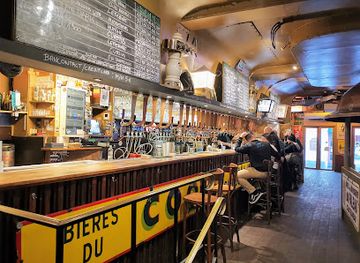
Delirium Café
Discover Delirium Café in Brussels, where over 2,000 beers await in a vibrant and welcoming atmosphere.
-
Irish pub
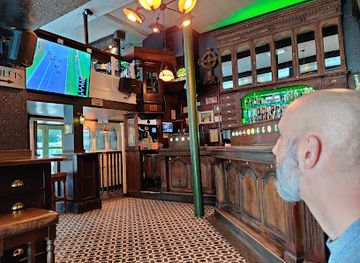
o'reilly's Irish Pub Brussels
Experience the charm of Ireland at O'Reilly's Irish Pub in Brussels, where delicious food, lively music, and great drinks await.
-
Bar
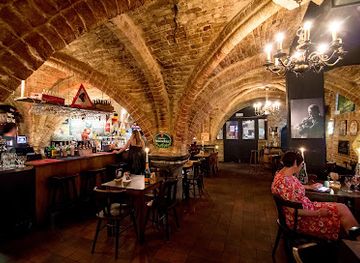
Le Trappiste
Discover the charm of Bruges at Le Trappiste, a cozy bar and cafe offering a wide selection of local beers and delicious snacks in a warm atmosphere.
-
Bar
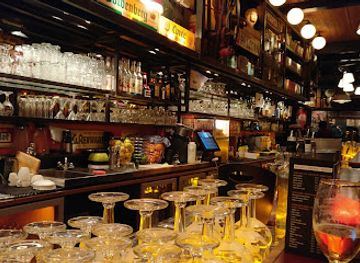
Bar Des Amis
Experience the vibrant nightlife of Brussels at Bar Des Amis, where a diverse selection of drinks and a welcoming atmosphere await.
Best nightclubs in Campine (Kempen)
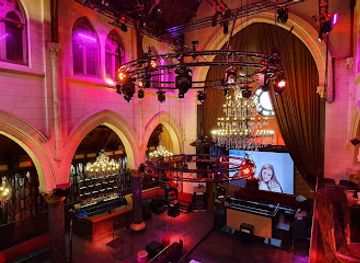
Evening life in the Campine is generally centred on cafés, brown pubs, brasseries and village restaurants rather than a large club scene. Turnhout has the widest urban choice, including bars around its centre and venues connected with local cultural life; Geel and Mol also offer student, music and restaurant-oriented evenings. In smaller towns, traditional pubs and terraces provide the main social setting, often with an extensive Belgian beer selection, while breweries and specialist beer cafés offer opportunities to explore local styles without treating drinking as the region's only evening activity. The area around Bobbejaanland becomes busier during its operating season, but this should not be confused with a permanent nightlife district. In the Limburg Campine, evenings are often quiet once visitors leave the national-park and forest areas, with restaurants and accommodation bars providing the principal options. Opening days and late-night transport vary, so rural visitors should arrange a return journey in advance.
-
Night club
Versuz
Experience the pulse of Hasselt's nightlife at Versuz, a premier night club known for its electrifying atmosphere and world-class DJs.
-
Disco club
Spirito Brussels
Experience the vibrant nightlife of Spirito Brussels, a chic disco club where energy and style come together for an unforgettable evening.
-
Disco club
Millennium nightclub
Discover the pulse of Herselt's nightlife at Millennium Nightclub, a vibrant disco club perfect for dancing and socializing.
-
Night club
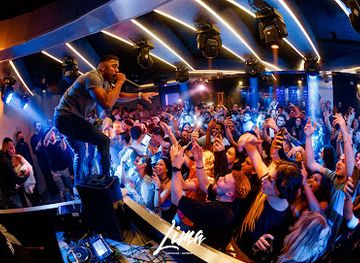
Club Lima
Discover the electrifying nightlife of Antwerp at Club Lima, where dance beats, vibrant crowds, and unforgettable moments await.


Best shops in Campine (Kempen)
Shopping in the Campine is concentrated in the high streets of Turnhout, Geel, Mol, Lommel and other market towns, where independent retailers sit alongside national chains and everyday services. Turnhout is the strongest choice for cultural shopping, with books, design, paper-related products and items connected with its playing-card heritage. In smaller towns, weekly markets and bakeries are useful for bread, seasonal fruit, cheese and prepared food, while farm shops around the agricultural parts of the region sell local produce when in season. Visitors may also find Belgian beer, abbey-associated products from the Postel area, chocolate, biscuits and regional confectionery in specialist food shops. Craft and antiques are more likely to appear in individual galleries, estate sales and village shops than in a single dedicated district. Lommel and the Hoge Kempen area add outdoor and cycling-related retail, as well as nature-themed souvenirs. Check market days locally, since schedules differ between municipalities and some rural shops keep limited hours.
-
Shopping mall
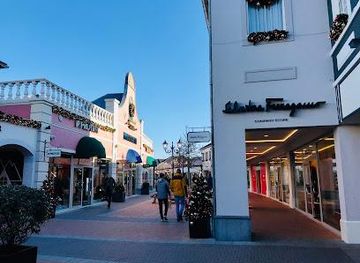
Designer Outlet Roermond
Shop luxury brands at unbeatable prices in the heart of Roermond - a shopper's haven awaits you at Designer Outlet Roermond!
-
Shopping mall
Docks Bruxsel
Explore Docks Bruxsel, Brussels' premier shopping mall with diverse stores and delectable dining options for every taste.
-
Shopping mall
City2
Explore City2, Brussels' premier shopping mall, featuring a vast selection of shops, eateries, and entertainment in a vibrant atmosphere.
-
Shopping mall
Woluwe Shopping Center
Discover shopping bliss at Woluwe Shopping Center, where fashion, food, and fun come together in Woluwe-Saint-Lambert.


Get your free copy of our complete guide to Campine (Kempen), delivered straight to you.
Everything on this page, from attractions and restaurants to essentials and local phrases, in one PDF you can read offline, print or share.
Already have an account? Sign in
Your Campine (Kempen) guide is ready.
We'll send it to · Not you? Sign out

Getting your guide ready…
We are putting together a fresh copy of the Campine (Kempen) guide. This can take up to a minute.
This can take a few moments. If your browser asks, choose Allow so the download can start. You'll find the guide in your Downloads folder.
Nothing happened? Download it again
Sorry, the guide is taking longer than usual. Please try again in a minute, or get it by email instead.
Campine (Kempen) essentials
Currency and Payment
Safety
Emergency Situations
Do's and Don'ts
Local Tips
From Eve
Local phrases worth knowing
You don't need to get them perfect. A few words go a long way, and locals appreciate the effort.
Basics
| English | Local | Say it |
|---|---|---|
| Hello | Hallo | [Hah-lo] |
| Goodbye | Tot ziens | [Tot zeens] |
| Yes | Ja | [Yah] |
| No | Nee | [Nay] |
| Please/You're welcome | Alsjeblieft | [Al-she-bleeft] |
| Thank you | Dank je | [Dahnk yuh] |
| Excuse me/Sorry | Neem me niet kwalijk | [Naym meh neet kwa-lik] |
| How are you? | Hoe gaat het? | [Hoo ghat het] |
| Fine. And you? | Goed. En jij? | [Ghoot. En yay?] |
| Do you speak English? | Spreek je Engels? | [Sprayk yuh Eng-els] |
| I don't understand | Ik begrijp het niet | [Ik be-ghrayf het neet] |
Eating & Drinking
| English | Local | Say it |
|---|---|---|
| I'd like to see the menu, please | Ik zou graag het menu willen zien, alsjeblieft | [Ik zow grahkh het meh-nu wil-len zeen, al-she-bleeft] |
| I don't eat meat | Ik eet geen vlees | [Ik eet ghen vlays] |
| Cheers! | Proost! | [Prohst] |
| I would like to pay, please | Ik zou graag willen betalen, alsjeblieft | [Ik zow grahkh wil-len beh-ta-len, al-she-bleeft] |
Emergencies
| English | Local | Say it |
|---|---|---|
| Help! | Help! | [Help] |
| Go away! | Ga weg! | [Gah vehg] |
| Call the Police! | Bel de politie! | [Bel de po-lee-tsie] |
| Call a doctor! | Bel een dokter! | [Bel ayn dok-ter] |
| I'm lost | Ik ben verdwaald | [Ik ben fer-dwahlt] |
| I'm ill | Ik ben ziek | [Ik ben zeek] |
Shopping
| English | Local | Say it |
|---|---|---|
| I'd like to buy... | Ik zou graag ... kopen | [Ik zow grahkh ... koh-pen] |
| I'm just looking | Ik kijk alleen maar | [Ik kayk ah-layn mar] |
| How much is it? | Hoeveel kost het? | [Hoo-veel kost het] |
| That's too expensive | Dat is te duur | [Daht is te dur] |
| Can you lower the price? | Kun je de prijs verlagen? | [Kun yuh de prays ver-lah-ghen] |
Time & Numbers
| English | Local | Say it |
|---|---|---|
| What time is it? | Hoe laat is het? | [Hoo laat is het] |
| It's one o'clock | Het is één uur | [Het is ayn oor] |
| Half past (10) | Half tien | [Half teen] |
| Morning | Ochtend | [Okh-tent] |
| Afternoon | Middag | [Mid-dahkh] |
| Evening | Avond | [Ah-vont] |
| Yesterday | Gisteren | [Ghis-te-ren] |
| Today | Vandaag | [Vahn-dahkh] |
| Tomorrow | Morgen | [Mor-ghen] |
| 1 | 1 | [Eyn] |
| 2 | 2 | [Twee] |
| 3 | 3 | [Drie] |
| 4 | 4 | [Vier] |
| 5 | 5 | [Vijf] |
| 6 | 6 | [Zes] |
| 7 | 7 | [Zeven] |
| 8 | 8 | [Acht] |
| 9 | 9 | [Negen] |
| 10 | 10 | [Tien] |
Transport & Directions
| English | Local | Say it |
|---|---|---|
| Where's a/the...? | Waar is een ...? | [Waar is ayn ...?] |
| What's the address? | Wat is het adres? | [Wat is het ah-dres] |
| Can you show me (on the map)? | Kun je me (op de kaart) laten zien? | [Kun yuh meh (op de kaart) lah-ten zeen] |
| When's the next (bus)? | Wanneer is de volgende (bus)? | [Vahn-neer is de vol-ghende (bus)] |
| A ticket (to ....) | Een ticket (naar ...) | [Ayn tik-ket (nahr ...)] |
History of Campine (Kempen)
Prehistoric Flint Working in the Sandy Interior
The Campine was occupied long before its modern towns developed. Archaeological evidence from the region, particularly around Lommel, records prehistoric flint extraction and working. Flint was valuable for making tools, and the activities associated with obtaining it demonstrate that the sandy interior was part of wider networks of movement and exchange. Many archaeological traces are not presented as dramatic monuments, but they help explain the depth of human settlement beneath the later heathland and woodland landscape.
Taxandria and the Medieval Landscape
In the early medieval period, the wider Campine was associated with Taxandria, a historical name for the sandy region north of the Belgian-Meuse area. Settlement remained relatively dispersed, with villages, fields, common heath and marshy ground forming a landscape very different from the intensively cultivated lowlands. Medieval towns such as Turnhout and Hoogstraten grew as local centres, while churches, lordships and religious institutions established lasting territorial influence.
Abbeys, Heath and Agricultural Settlement
Religious foundations played an important role in transforming parts of the Campine. The Premonstratensian Abbey of Postel, founded in the twelfth century, became a major spiritual and agricultural presence near Mol. Monastic and later commercial initiatives brought land into cultivation, managed woodland and connected scattered settlements. Much of the region nevertheless remained poor, sandy and dependent on a careful balance between farming, grazing, peat or turf extraction and the use of common heath.
Turnhout, Printing and Playing Cards
Turnhout developed a specialised printing industry that became especially associated with playing cards. From the eighteenth and nineteenth centuries onwards, local printers built expertise in card production, creating an economic and cultural identity that remains central to the town's heritage. The industry linked the Campine to international trade while also supporting related skills in illustration, printing and paper production. The National Playing Card Museum preserves this story and places it within the broader history of graphic manufacture.
Nineteenth-Century Colonies of Benevolence
The nineteenth century brought organised experiments in land reclamation and social administration to the Campine. Agricultural colonies at Wortel and Merksplas were established within the Belgian system of colonies of benevolence, combining cultivation, discipline and assistance for poor or marginalised populations. Their avenues, farms, fields and institutional buildings remain unusually legible in the landscape. Wortel Colony and Merksplas Colony form part of the transnational UNESCO World Heritage listing for the Colonies of Benevolence.
Canals, Industry and the Opening of the Kempen
Canal construction and improved roads changed the Campine from a relatively isolated sandy interior into a region linked to Belgian and international markets. The navigation canals around Herentals, Mol, Dessel and Bocholt supported agriculture, trade and industry, while the Kempen Canal system created new settlements and working landscapes along its banks. Glassmaking, metalworking, sand extraction and other industries expanded in the nineteenth and twentieth centuries, leaving a legacy of towpaths, factory sites and engineered waterways.
Modern Science, Care and Nature Conservation
Twentieth-century Campine history combined industrial development with new public institutions and environmental protection. Mol became a major Belgian centre for nuclear research, while Geel's long tradition of community-based family care for people with mental illness continued into the modern era. At the same time, forests, heath and former industrial land increasingly came to be protected for recreation and biodiversity. The Hoge Kempen National Park represents this later transformation, presenting former working landscapes as an important part of contemporary regional heritage.
Campine (Kempen) in Photos
Browse through our photo collection highlighting the charm and character of the destination.
Neighbouring regions of Campine (Kempen)
The closest regions to Campine (Kempen), if you have time for more than one.
-

-

-

-
-


Swipe for more regions
Explore more

Explore more of Belgium
Discover Belgium: A blend of medieval charm, culinary delights, and stunning landscapes. Explore historic cities, savor exquisite chocolates, and enjoy a perfect getaway.
Explore Belgium