

Duchy of Limburg, Belgium Travel Guide
Explore the Duchy of Limburg: A picturesque region in Belgium offering a blend of history, culture, and nature. Perfect for a peaceful retreat and diverse adventures.
Nestled in the eastern part of Belgium, the Duchy of Limburg is a region rich in history, culture, and natural beauty. Known for its picturesque landscapes, Limburg is dotted with quaint villages, lush forests, and rolling hills. The region offers a peaceful retreat for those looking to escape the hustle and bustle of city life while still enjoying a variety of activities and attractions. From medieval castles to modern art galleries, Limburg has something for everyone. The Duchy of Limburg is also home to a number of historic towns and cities, each with its own unique charm. Stroll through the cobblestone streets of Hasselt, the capital of Limburg, and discover its vibrant cafés, boutique shops, and fascinating museums. Visit the city of Tongeren, Belgium's oldest town, and explore its impressive Roman and medieval heritage, including the stunning Basilica of Our Lady and the renowned Gallo-Roman Museum. Nature lovers will find plenty to do in Limburg, with its extensive network of cycling and hiking trails. The Hoge Kempen National Park, Belgium's only national park, is a must-visit for its diverse flora and fauna, beautiful heathlands, and serene lakes. For a more leisurely experience, take a boat trip along the Maas River and enjoy the tranquil scenery. Whether you're interested in history, culture, or outdoor activities, the Duchy of Limburg promises an unforgettable experience.

Know before you go
Hi, I'm Eve. Here are a few practical things to know before exploring Duchy of Limburg.
- Rent a bike to explore the extensive cycling paths. Limburg is known for its well-maintained and scenic routes.
- Visit on a Sunday to experience the local markets in towns like Hasselt and Tongeren.
- Make time to visit the Hoge Kempen National Park. It's perfect for hiking, picnicking, and bird-watching.
- Try the local cuisine, especially the Limburgse vlaai, a traditional fruit pie.
- Plan your visit in spring or summer for the best weather and vibrant landscapes.
Top City Travel Guides in Duchy of Limburg
The cities of Duchy of Limburg, and the easiest places to base yourself.

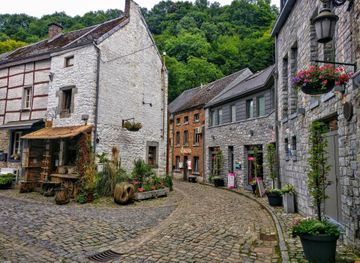


Destinations in Duchy of Limburg
Resorts, valleys and scenic spots worth a trip of their own.


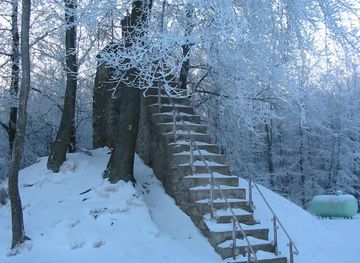
Explore Duchy of Limburg: Things to Do, Places to Eat, Hotels & More
Handpicked recommendations for top attractions, local dining, accommodations, and more

Top Attractions & Sightseeing in Duchy of Limburg
Top-rated picks
Best Attractions

Aachen Cathedral
Discover the architectural splendor and historical richness of Aachen Cathedral, a UNESCO World Heritage Site and a must-see in Germany.

Carolus Thermen
Experience ultimate relaxation at Carolus Thermen, Aachen's luxurious thermal spa offering rejuvenating baths and wellness treatments amidst serene surroundings.

Labyrinth Three Countries Point
Experience the magic of the Labyrinth at the Three Countries Point, where nature, adventure, and culinary delights converge in a captivating setting.

Nationalpark Eifel
Discover the breathtaking landscapes and rich biodiversity of Nationalpark Eifel, Germany's premier destination for nature lovers and outdoor enthusiasts.

Best landmarks in Duchy of Limburg
Top-rated picks
Best Landmarks

Japanese Garden
Explore the Japanese Garden in Hasselt, a tranquil park showcasing exquisite landscapes and a touch of Japanese culture, perfect for relaxation.

National Park Hoge Kempen
Discover the breathtaking landscapes and rich biodiversity of Belgium's only national park, National Park Hoge Kempen, a haven for nature enthusiasts.

Limburg Cathedral
Discover the breathtaking Limburg Cathedral, a Gothic masterpiece steeped in history and spirituality, located in the heart of Limburg an der Lahn.

Terhills
Explore Terhills: Where a former mine transforms into a stunning natural landscape with hiking, water sports, and panoramic views.

Best restaurants in Duchy of Limburg
Top-rated picks
Best Restaurants

Hotel The Century
Discover luxury and comfort at Hotel The Century in Hasselt - where modern elegance meets local charm.

Hotel-Restaurant Bütgenbacher Hof
Discover culinary delights and rejuvenating wellness at Hotel-Restaurant Bütgenbacher Hof in beautiful Bütgenbach, Belgium.

De Molen Grill
Experience authentic Belgian cuisine at De Molen Grill in Genk, where grilled specialties meet local flavors in a cozy atmosphere.

L’Angelo Rosso
Experience the essence of Italy at L’Angelo Rosso in Sint-Truiden - where authentic flavors meet warm hospitality.

Best bars in Duchy of Limburg
Top-rated picks
Best Bars

Delirium Café
Experience the vibrant atmosphere and extensive beer selection at Delirium Café, a must-visit bar in the heart of Brussels.

Café Falstaff
Discover the delightful Café Falstaff in Maastricht, a perfect blend of local charm and diverse cuisine in a cozy setting.

Versuz
Versuz, Hasselt's iconic night club, where unforgettable nights of dance, music, and fun come alive in a vibrant atmosphere.

The Irish Times Pub
Discover the authentic Irish experience in Hasselt at The Irish Times Pub, where great food, drinks, and live music create unforgettable moments.

Best nightclubs in Duchy of Limburg
Top-rated picks
Best Nightclubs

Versuz
Experience the vibrant nightlife of Hasselt at Versuz, a premier night club featuring top DJs, thrilling music, and unforgettable dance floors.

FLAGDEL
Dive into the electrifying nightlife at FLAGDEL, Namur's premier disco club, where music, dancing, and fun come alive until the early hours.

Acte 6
Dive into the electrifying nightlife of Welkenraedt at Acte 6, a disco club that promises unforgettable nights filled with music, dance, and vibrant energy.

Crew Club
Discover the electric nightlife of Tremelo at Crew Club, where dancing, delicious drinks, and vibrant vibes come together for an unforgettable experience.

Best shops in Duchy of Limburg
Top-rated picks
Best Shops

Designer Outlet Roermond
Experience luxury shopping at Designer Outlet Roermond with an array of designer brands at unbeatable prices in a vibrant atmosphere.

Docks Bruxsel
Discover the vibrant shopping and dining hub of Docks Bruxsel, where fashion meets flavor in the heart of Brussels.

City2
Explore City2, a vibrant shopping mall in Brussels, offering a diverse selection of shops, dining, and a lively atmosphere for all visitors.

Maasmechelen Village
Experience luxury shopping in a charming village atmosphere at Maasmechelen Village, Belgium's premier outlet destination.

Explore Duchy of Limburg on the Map
A handpicked selection of must-see spots in Duchy of Limburg, mapped for you.
Duchy of Limburg Essentials
-
The Duchy of Limburg in Belgium is well-connected and easily accessible. The nearest major airport is Brussels Airport (BRU), which is approximately 100 kilometers away. From Brussels, you can take a train to Liège-Guillemins station, and then a regional train or bus to various parts of Limburg. Alternatively, you can rent a car at the airport for a more flexible travel experience.
-
Limburg has an efficient public transportation system. The region is well-served by trains and buses operated by SNCB and TEC respectively. For getting around within cities and towns, local buses are convenient. Cycling is also popular, thanks to the well-maintained cycle paths. Taxis and car rentals are available but can be more expensive. For a unique experience, consider renting an e-bike or joining a guided bike tour.
-
Belgium uses the Euro (EUR) as its official currency. Credit and debit cards are widely accepted in hotels, restaurants, and shops. However, it is advisable to carry some cash for small purchases, especially in rural areas. ATMs are readily available in most towns and cities within Limburg.
-
The Duchy of Limburg is generally a safe destination for tourists. Violent crime is rare, but petty theft such as pickpocketing can occur, especially in crowded places and tourist hotspots. Areas like city centers and major attractions are generally safe, but always stay vigilant and keep an eye on your belongings. Avoid poorly lit areas at night and use common sense precautions.
-
In case of an emergency, dial 112 for immediate assistance, which connects you to police, fire, and medical services. Major hospitals and medical facilities are available in cities like Liège. It is advisable to have travel insurance that covers medical emergencies. Pharmacies ('apotheek' in Dutch) are available for minor health issues and over-the-counter medications.
-
Fashion: Do dress smartly and comfortably. Casual attire is generally acceptable, but dress modestly when visiting religious sites. Avoid overly revealing clothing. Religion: Do show respect in religious settings, such as churches. Cover your head if required and maintain silence. Public Transport: Do respect personal space and give up your seat to elderly passengers. Don't eat or drink on public transport. Greetings: Do greet people with a handshake. A friendly 'Bonjour' or 'Goedemorgen' is appreciated. Eating & Drinking: Do try local specialties like Limburg pie. Don't rush your meal; dining is a leisurely activity.
-
To experience Limburg like a local, visit the local markets where you can find fresh produce and regional specialties. Participate in cycling tours to explore the scenic countryside. Engage with locals, who are often friendly and willing to share their knowledge about the area. Don’t miss visiting historical sites such as the Alden Biesen Castle and the Gallo-Roman Museum for a deeper understanding of the region's history.
When is the best time to visit Duchy of Limburg?
Useful Local Phrases for Duchy of Limburg
You don't need to speak the language perfectly. Even learning a few simple words can make conversations warmer—and locals usually appreciate the effort.
— Eve

Here are the phrases I use most often in Duchy of Limburg. Try a few—you'll be surprised how far they go! 😊
❤️
-
- HelloHallo
[HAH-lo] - GoodbyeTot ziens
[TOT zeens] - YesJa
[YAH] - NoNee
[NAY] - Please/You're welcomeAlsjeblieft
[AL-sye-bleeft] - Thank youDank je
[DANK yuh] - Excuse me/SorrySorry
[SOR-ree] - How are you?Hoe gaat het?
[WHO gaht het?] - Fine. And you?Goed. En jij?
[GHUHD. En yay?] - Do you speak English?Spreek je Engels?
[SPRAYK yuh ENG-els?] - I don't understandIk begrijp het niet
[IK beh-GRIPE het neet]
- HelloHallo
-
- I'd like to see the menu, pleaseIk zou graag de menukaart zien, alsjeblieft
[IK zow ghRAHGH duh MAY-nu-kart zeen, AL-sye-bleeft] - I don't eat meatIk eet geen vlees
[IK eet ghane VLES] - Cheers!Proost!
[PROHST] - I would like to pay, pleaseIk zou graag betalen, alsjeblieft
[IK zow ghRAHGH beh-TAH-len, AL-sye-bleeft]
- I'd like to see the menu, pleaseIk zou graag de menukaart zien, alsjeblieft
-
- Help!Help!
[HELP] - Go away!Ga weg!
[GHAA vehg!] - Call the Police!Bel de politie!
[BEL duh po-LEE-tsee!] - Call a doctor!Bel een dokter!
[BEL ayn DOK-ter!] - I'm lostIk ben verdwaald
[IK ben vur-DWAHLD] - I'm illIk ben ziek
[IK ben ZEEK]
- Help!Help!
-
- I'd like to buy...Ik zou graag ... kopen
[IK zow ghRAHGH ... KOH-pen] - I'm just lookingIk kijk gewoon
[IK KIK ghe-WOHN] - How much is it?Hoeveel kost het?
[WHO-veel KOST het?] - That's too expensiveDat is te duur
[DAT is tuh DUR] - Can you lower the price?Kun je de prijs verlagen?
[KUN yuh duh PRYS vur-LAH-ghen?]
- I'd like to buy...Ik zou graag ... kopen
-
- What time is it?Hoe laat is het?
[WHO laat is het?] - It's one o'clockHet is één uur
[HET is EEN OOR] - Half past (10)Half elf
[HALF ELF] - MorningOchtend
[OKH-tend] - AfternoonMiddag
[MID-dahg] - EveningAvond
[AH-vont] - YesterdayGisteren
[GHIS-te-ren] - TodayVandaag
[VAN-dahg] - TomorrowMorgen
[MOR-ghen] - 11
[EEN] - 22
[TWEE] - 33
[DRIE] - 44
[VIER] - 55
[Vijf] - 66
[Zes] - 77
[Zeven] - 88
[Acht] - 99
[Negen] - 1010
[Tien]
- What time is it?Hoe laat is het?
-
- Where's a/the...?Waar is een/de...?
[VAAR is ayn/de...?] - What's the address?Wat is het adres?
[VAT is het ah-DRES?] - Can you show me (on the map)?Kun je het me laten zien (op de kaart)?
[KUN yuh het meh LAH-ten zeen (op duh kaart)?] - When's the next (bus)?Wanneer is de volgende (bus)?
[VAHN-neer is duh VOL-ghen-de (bus)?] - A ticket (to ....)Een kaartje (naar ...)
[EEN KAART-ye (naahr ...)]
- Where's a/the...?Waar is een/de...?
History of Duchy of Limburg
-
The Duchy of Limburg was established in the 11th century and originally served as a buffer state between the powerful neighboring regions of the Holy Roman Empire and France. The duchy was named after its capital, Limburg, which was strategically situated on the river Vesdre. The first duke, Walram I, played a crucial role in the establishment of the duchy, leveraging the region's strategic location and natural resources to secure its autonomy.
-
In the late 13th century, the duchy was embroiled in the War of Limburg Succession (1283-1288). This conflict arose after the death of Duke Waleran IV, who left no male heir. The war pitted the forces of the Duke's daughter, Ermengarde, against those of her uncle, Reinald of Guelders. The Battle of Worringen in 1288 marked a decisive end to the war, with Reinald's forces emerging victorious. This victory led to the duchy's integration into the Duchy of Brabant.
-
During the 14th and 15th centuries, the Duchy of Limburg experienced a period of economic prosperity. Trade flourished, and the region became known for its high-quality textiles, particularly wool and linen. The town of Limburg itself became a bustling center of commerce, with merchants from across Europe visiting its markets. The duchy's prosperity during this period is reflected in its well-preserved medieval architecture, such as the impressive castle and the Church of Saint George.
-
In the early 16th century, the Duchy of Limburg came under the control of the Habsburg dynasty as part of the Spanish Netherlands. This period saw significant administrative and social changes, as the Habsburgs sought to centralize power and impose Catholicism. The region's strategic importance remained, and numerous fortifications were built or reinforced, including the citadel of Limburg. However, the duchy's prosperity declined as it became a battleground in the Eighty Years' War (1568-1648) between the Spanish and the Dutch.
-
In the late 17th century, the Duchy of Limburg was occupied by French forces during the War of the Grand Alliance (1688-1697). The French occupation brought significant changes to the region's administration and infrastructure, including the construction of new roads and fortifications. The Treaty of Ryswick in 1697 eventually returned the duchy to Habsburg control, but the French influence remained evident in the region's architecture and cultural practices.
-
Following the War of the Spanish Succession (1701-1714), the Duchy of Limburg became part of the Austrian Netherlands. The Habsburgs introduced a series of reforms aimed at modernizing the region's economy and administration. The duchy benefited from improved agricultural practices and increased trade, particularly with the burgeoning industrial centers of the nearby Meuse valley. This period also saw the growth of Limburg's cultural institutions, including the establishment of schools and the promotion of local arts.
-
The late 18th and early 19th centuries were marked by the upheaval of the Napoleonic Wars. The Duchy of Limburg was annexed by France in 1795, becoming part of the Meuse-Inférieure department. Under French rule, the region underwent significant administrative reorganization, including the introduction of the Napoleonic Code. The duchy also witnessed the spread of revolutionary ideas, leading to social and political changes that would shape its future development. After Napoleon's defeat, Limburg became part of the United Kingdom of the Netherlands in 1815.
-
In 1830, the Belgian Revolution led to the creation of the modern state of Belgium, and the Duchy of Limburg was divided between Belgium and the Netherlands. The Belgian part of Limburg became a province within the new nation. The 19th and 20th centuries saw significant industrial development, particularly in coal mining and steel production. Today, Limburg is known for its rich cultural heritage, picturesque landscapes, and vibrant local traditions, attracting visitors from around the world.
Neighbouring Regions of Duchy of Limburg
The closest regions to Duchy of Limburg, if you have time for more than one.


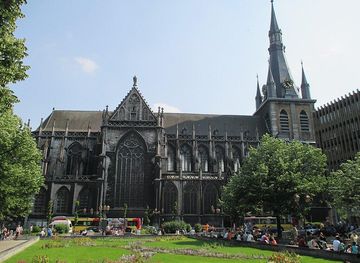


Your all‑in‑one travel companion app
Explore expert travel guides, compare and book tours, experiences, hotels, and more—all from the palm of your hand. Download now for seamless trip planning wherever your wanderlust takes you.


Explore More of Belgium

Looking beyond Duchy of Limburg? Discover Belgium for broader travel guides, local hot-spots, and regional highlights.
Explore BelgiumDuchy of Limburg in Photos
Browse through our photo collection highlighting the charm and character of the destination.


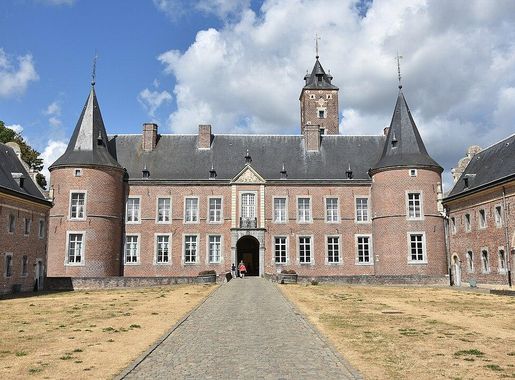

Discover the Charm of Duchy of Limburg: Belgium's Hidden Gem
Nestled in the eastern part of Belgium, the Duchy of Limburg is a region rich in history, culture, and natural beauty. Known for its picturesque landscapes, Limburg is dotted with quaint villages, lush forests, and rolling hills. The region offers a peaceful retreat for those looking to escape the hustle and bustle of city life while still enjoying a variety of activities and attractions. From medieval castles to modern art galleries, Limburg has something for everyone. The Duchy of Limburg is also home to a number of historic towns and cities, each with its own unique charm. Stroll through the cobblestone streets of Hasselt, the capital of Limburg, and discover its vibrant cafés, boutique shops, and fascinating museums. Visit the city of Tongeren, Belgium's oldest town, and explore its impressive Roman and medieval heritage, including the stunning Basilica of Our Lady and the renowned Gallo-Roman Museum. Nature lovers will find plenty to do in Limburg, with its extensive network of cycling and hiking trails. The Hoge Kempen National Park, Belgium's only national park, is a must-visit for its diverse flora and fauna, beautiful heathlands, and serene lakes. For a more leisurely experience, take a boat trip along the Maas River and enjoy the tranquil scenery. Whether you're interested in history, culture, or outdoor activities, the Duchy of Limburg promises an unforgettable experience.