

Free Alibori Travel Guide & Mobile App
Explore Alibori with free travel guides. Discover regional history, expert tips, proposed trips, and audio guides on web or mobile app.


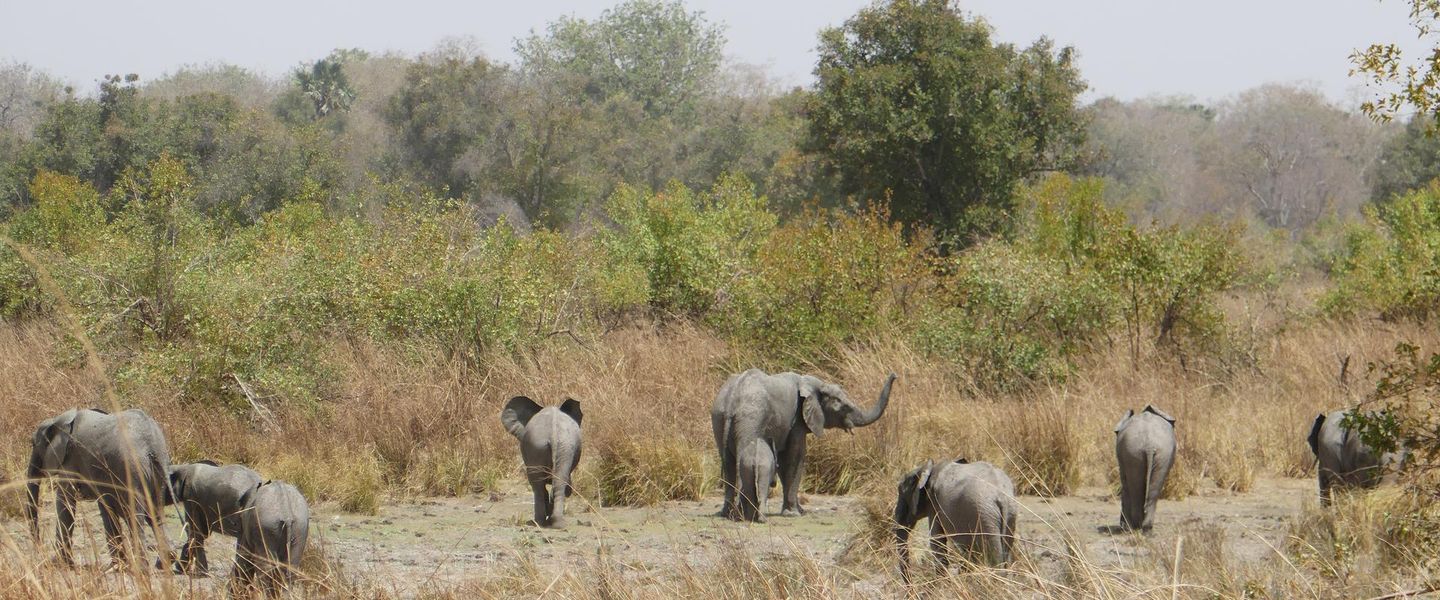


Explore Alibori in northern Benin for Niger River landscapes, W National Park, savannah wildlife, market towns and cross-border cultural heritage.
Read more about Alibori
When is the best time to visit Alibori?
Best: December–January · 31–33°C| Month | High (°C) | Rainfall (mm) |
|---|---|---|
| January (best) | 33 | 1 |
| February | 36 | 1 |
| March | 37 | 3 |
| April | 37 | 8 |
| May | 35 | 14 |
| June | 33 | 19 |
| July (best) | 31 | 24 |
| August | 31 | 24 |
| September | 32 | 20 |
| October | 33 | 14 |
| November | 33 | 6 |
| December (best) | 33 | 2 |
Getting to and around Alibori
How to get there
Transportation
Destinations in Alibori
Resorts, valleys and scenic spots worth a trip of their own.

Swipe for more destinations
Best attractions in Alibori
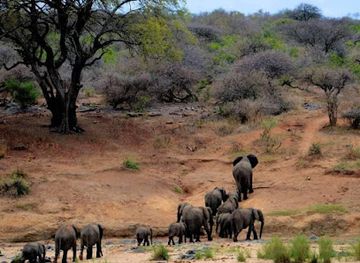
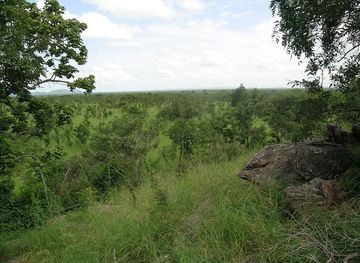
Alibori’s attractions are defined by landscape, wildlife and everyday regional life rather than a dense collection of built monuments. The department’s principal nature destination is Benin’s sector of W National Park, where Sudanian savannah, riverine habitats and gallery woodland provide a setting for guided wildlife observation, birdwatching and conservation-focused travel. The Niger River around Malanville and Karimama offers a contrasting environment of floodplains, farming settlements and fishing activity, although river access should be arranged locally and approached with care. Kandi, Banikoara, Gogounou and Ségbana provide opportunities to experience northern market culture, agricultural commerce and the movement of goods across the department. Rural journeys reveal changing vegetation, seasonal watercourses and pastoral landscapes, but require preparation because services are widely spaced. Alibori is best suited to travellers interested in protected nature, cross-border history, river environments and the cultural geography of northern Benin, rather than visitors seeking a conventional sightseeing circuit.
-
National park
W National Park Benin
Explore the breathtaking wilderness of W National Park in Benin, a UNESCO site rich in biodiversity and stunning natural landscapes.
-
National park
Parque nacional W de Níger
Explore the breathtaking landscapes and diverse wildlife of Parque Nacional W de Níger, a UNESCO World Heritage site in the heart of Niger.
-
Nature preserve
W du Benin National Park
Explore the stunning landscapes and rich biodiversity of W du Benin National Park, a premier nature preserve in the heart of Benin.
-
 National park
West National Park Benin
Explore the breathtaking landscapes and diverse wildlife of West National Park, Benin—a hidden treasure for nature lovers and adventurers.
Best landmarks in Alibori
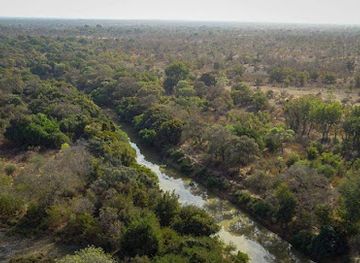
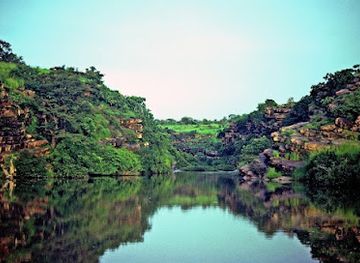
The Niger River is Alibori’s defining geographical landmark, forming a broad northern boundary and giving Malanville and Karimama their distinctive riverine setting. Its channels, floodplains and surrounding agricultural land illustrate how water shapes settlement and trade in an otherwise increasingly dry landscape. W National Park is the department’s most important protected landmark, recognised by the characteristic bend of the Niger and by the wider transboundary conservation area extending into Niger and Burkina Faso. Within the settled region, the market towns of Kandi and Malanville are significant not for a single monumental structure but for their position in long-standing commercial and cultural networks. Roads, market spaces, mosques and civic buildings should be viewed as part of living communities rather than open-air museum exhibits. The Alibori and Sota river systems add further geographical definition, creating seasonal contrasts between wooded savannah, cultivated land and wetter low-lying areas.
-
National park
W National Park Benin
Explore the remarkable landscapes and rich biodiversity of W National Park in Benin, a haven for nature lovers and adventurers alike.
-
Nature preserve
W du Benin National Park
Experience the breathtaking landscapes and diverse wildlife of W du Benin National Park, a true natural wonder in the heart of Benin.
Explore Alibori on the map
Plan your trip on one map. See where the top cities, national parks and sights are, and book hotels and experiences in a few clicks.
Best hotels in Alibori
Best restaurants in Alibori
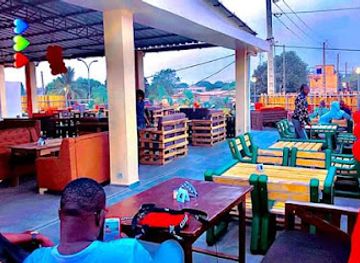
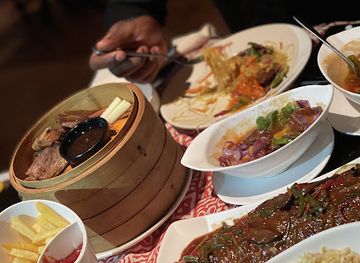
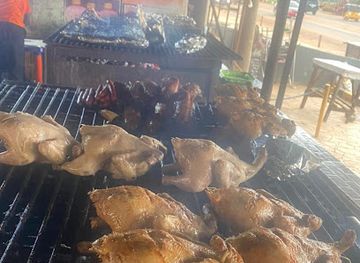
Dining in Alibori is practical, regional and closely connected with local markets. Small eateries and roadside restaurants commonly serve dishes based on rice, maize, millet, sorghum, beans and cassava, often accompanied by sauces, vegetables, grilled meat or freshwater fish where supplies permit. In communities along the Niger, fish may feature more prominently, while inland menus reflect farming and pastoral economies. Regional staples associated with the wider north of Benin include pâte, a firm maize or other grain preparation eaten with sauce, and rice-based meals served with spicy or peanut-rich accompaniments. Kandi and Malanville offer the broadest choice of informal dining, cafés and hotel restaurants, whereas rural areas may have limited alternatives after dark. Markets are useful places to encounter seasonal fruit, roasted foods and local snacks, but travellers should choose busy, well-cooked outlets, drink treated or bottled water and carry provisions when travelling long distances.
-
Restaurant
Dody’s Pizza & Pasta
Experience authentic Italian flavors at Dody’s Pizza & Pasta in Parakou - where every meal is a delightful journey through Italy.
-
Restaurant
Lounge Bar Chez Nabil
Discover the vibrant energy and delightful local flavors at Lounge Bar Chez Nabil in Parakou.
-
Chinese
Kateri's Bamboo House (Restaurant)
Experience the rich flavors of China and India at Kateri's Bamboo House in Benin City – where culinary diversity meets delightful ambiance.
-
Restaurant
Naira Grill
Experience the vibrant flavors of Nigeria at Naira Grill in Benin City – where every meal is a celebration of taste.
Best bars in Alibori
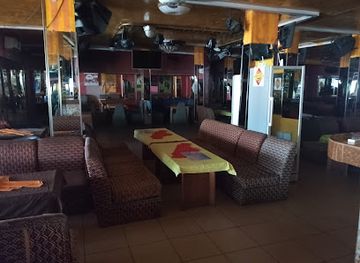
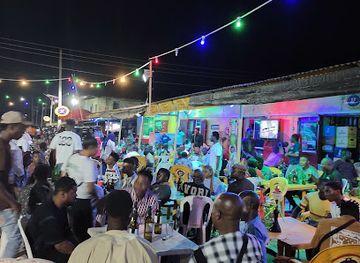
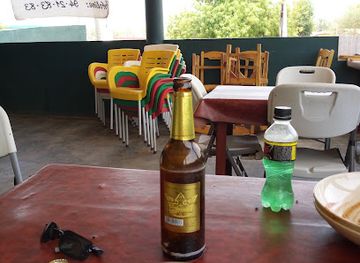
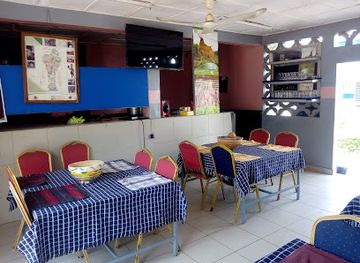
Alibori does not have a large, concentrated nightclub scene. Evening life is centred mainly on modest bars, local restaurants, hotel terraces and small neighbourhood venues in Kandi, Malanville and other larger towns. These places may offer soft drinks, beer and occasional music, while conversation and social gatherings are generally more prominent than late-night clubbing. In smaller settlements, nightlife becomes quieter after dark, and rural accommodation may have no entertainment facilities. Visitors should avoid assuming that border towns operate on a fixed schedule: opening arrangements, electricity supply and local events can vary. A relaxed meal, an early evening drink or a culturally respectful conversation with a guide is usually more realistic than searching for a major entertainment district. Travellers should arrange return transport before going out and exercise particular caution with road travel at night.
-
Bar
Bar-restaurant le Shérif
Discover the vibrant charm of Bar-Restaurant Le Shérif in Parakou, where local cuisine meets a lively atmosphere for an unforgettable experience.
-
Bar
SB Bar
Experience the vibrant nightlife at SB Bar in Benin City, where traditional flavors meet a lively atmosphere and refreshing drinks.
-
Restaurant
AEFI
Experience the vibrant flavors of Kandi at AEFI, where delicious local cuisine meets a warm and inviting atmosphere.
-
Bar
RESTAURANT LE SAHEL
Discover the vibrant culinary scene at Restaurant Le Sahel, where local flavors meet international cuisine in a welcoming atmosphere.

Best nightclubs in Alibori
Alibori does not have a large, concentrated nightclub scene. Evening life is centred mainly on modest bars, local restaurants, hotel terraces and small neighbourhood venues in Kandi, Malanville and other larger towns. These places may offer soft drinks, beer and occasional music, while conversation and social gatherings are generally more prominent than late-night clubbing. In smaller settlements, nightlife becomes quieter after dark, and rural accommodation may have no entertainment facilities. Visitors should avoid assuming that border towns operate on a fixed schedule: opening arrangements, electricity supply and local events can vary. A relaxed meal, an early evening drink or a culturally respectful conversation with a guide is usually more realistic than searching for a major entertainment district. Travellers should arrange return transport before going out and exercise particular caution with road travel at night.
-
Club
Joker Benin City - Club Joker | Joker Hotel | Joker Kitchen
Discover the vibrant nightlife of Benin City at Joker, a premier club and restaurant offering an unforgettable blend of music, food, and drinks.
-
Club
Club Rave Lavida
Discover the electrifying nightlife of Club Rave Lavida in Benin City, where vibrant music and an unforgettable atmosphere await.
-
Disco club
Club Zigi
Discover the heart of Benin City's nightlife at Club Zigi, a vibrant disco club with electrifying music and an unforgettable atmosphere.
-
Non-governmental organization
Club RFI Banikoara, Bénin
Discover the vibrant culture at Club RFI in Banikoara, Bénin - where community, art, and entertainment come together.


Best shops in Alibori
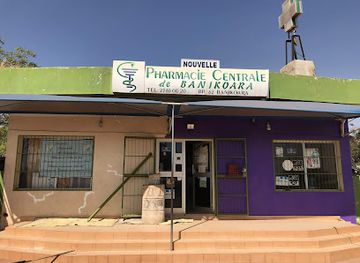
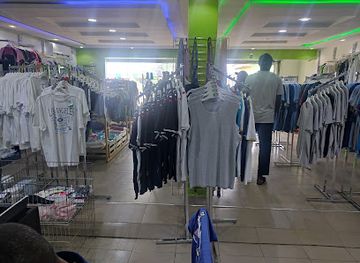
Shopping in Alibori is primarily a market experience rather than a formal retail activity. Kandi and Malanville have the broadest range of shops and market stalls, while smaller towns and villages serve local agricultural and household needs. Visitors may find woven goods, leather items, practical clothing, baskets, pottery, grain products, dried foods and seasonal produce, although selection varies and many goods are not produced exclusively in the department. Markets also show Alibori’s cross-border role, with merchandise moving through networks connected to Niger and Nigeria. Buy food products from clean, busy stalls, ask before photographing vendors and bargain politely only where negotiation is clearly part of the transaction. For a meaningful souvenir, locally made craftwork or carefully packaged regional produce is preferable to protected natural materials, archaeological objects or wildlife products, which should never be purchased.
-
Supermarket
Market Kandi Alhaji
Explore the vibrant essence of Kandi at Market Kandi Alhaji, a bustling supermarket offering local produce and authentic cultural experiences.
-
Shopping mall
1k Shop
Explore the vibrant 1k Shop in Benin City for an unforgettable shopping adventure filled with local culture and great deals.
-
Outlet mall
SODECO
Discover SODECO, Kandi's premier outlet mall, where shopping meets local culture in a vibrant atmosphere.
-
Shopping mall
LA RELEVE SARL/ Dépôt LA BIENVENUE
Discover the vibrant shopping scene at La Releve SARL in Kandi, where local culture meets modern retail experiences.
Get your free copy of our complete guide to Alibori, delivered straight to you.
Everything on this page, from attractions and restaurants to essentials and local phrases, in one PDF you can read offline, print or share.
Already have an account? Sign in
Your Alibori guide is ready.
We'll send it to · Not you? Sign out

Getting your guide ready…
We are putting together a fresh copy of the Alibori guide. This can take up to a minute.
This can take a few moments. If your browser asks, choose Allow so the download can start. You'll find the guide in your Downloads folder.
Nothing happened? Download it again
Sorry, the guide is taking longer than usual. Please try again in a minute, or get it by email instead.
Alibori essentials
Currency and Payment
Safety
Emergency Situations
Do's and Don'ts
Local Tips
From Eve
Local phrases worth knowing
You don't need to get them perfect. A few words go a long way, and locals appreciate the effort.
Basics
| English | Local | Say it |
|---|---|---|
| Hello | Barka | [Bar-kah] |
| Goodbye | Sai | [Sigh] |
| Yes | Iye | [Ee-yeh] |
| No | A'a | [Ah-ah] |
| Please/You're welcome | Don Allah | [Dawn Ah-lah] |
| Thank you | Nagode | [Nah-goh-deh] |
| Excuse me/Sorry | Yi hakuri | [Yee hah-koo-ree] |
| How are you? | Lafiya lau? | [Lah-fee-yah lah-oo] |
| Fine. And you? | Lafiya. Kai fa? | [Lah-fee-yah. Kai fah?] |
| Do you speak English? | Ka ka yi turanci? | [Kah kah yee too-ran-chee] |
| I don't understand | Ban fahimta | [Bahn fah-heem-tah] |
Eating & Drinking
| English | Local | Say it |
|---|---|---|
| I'd like to see the menu, please | Zan so in ji menu, don Allah | [Zahn soh een jee meh-noo, dawn Ah-lah] |
| I don't eat meat | Ban ci nama | [Bahn chee nah-mah] |
| Cheers! | Lafiya! | [Lah-fee-yah!] |
| I would like to pay, please | Zan so in biya, don Allah | [Zahn soh een bee-yah, dawn Ah-lah] |
Emergencies
| English | Local | Say it |
|---|---|---|
| Help! | Taimako! | [Tie-mah-koh!] |
| Go away! | Tafi! | [Tah-fee!] |
| Call the Police! | Kira 'yan sanda! | [Kee-rah yan sahn-dah!] |
| Call a doctor! | Kira likita! | [Kee-rah lee-kee-tah!] |
| I'm lost | Na bata hanya | [Nah bah-tah hahn-yah] |
| I'm ill | Ina da ciwo | [Ee-nah dah chee-woh] |
Shopping
| English | Local | Say it |
|---|---|---|
| I'd like to buy... | Zan so in sayar... | [Zahn soh een sah-yahr...] |
| I'm just looking | Ina kallon | [Ee-nah kah-lon] |
| How much is it? | Nawa ne? | [Nah-wah neh?] |
| That's too expensive | Wannan yana da tsada | [Wahn-nahn yah-nah dah tsah-dah] |
| Can you lower the price? | Za ka iya rage farashin? | [Zah kah ee-yah rah-geh fah-rah-sheen?] |
Time & Numbers
| English | Local | Say it |
|---|---|---|
| What time is it? | Wane lokaci ne? | [Wah-neh loh-kah-chee neh?] |
| It's one o'clock | Karfe daya | [Kahr-feh dah-yah] |
| Half past (10) | Rabi bayan (10) | [Rah-bee bye-ahn (10)] |
| Morning | Safiya | [Sah-fee-yah] |
| Afternoon | Yamma | [Yah-mah] |
| Evening | Yammaci | [Yah-mah-chee] |
| Yesterday | Jiya | [Jee-yah] |
| Today | Yau | [Yah-oo] |
| Tomorrow | Gobe | [Goh-beh] |
| 1 | Daya | [Dah-yah] |
| 2 | Biyu | [Bee-yoo] |
| 3 | Uku | [Oo-koo] |
| 4 | Hudu | [Hoo-doo] |
| 5 | Biyar | [Bee-yahr] |
| 6 | Shida | [Shee-dah] |
| 7 | Bakwai | [Bah-kwhy] |
| 8 | Takwas | [Tah-kwahs] |
| 9 | Tara | [Tah-rah] |
| 10 | Goma | [Goh-mah] |
Transport & Directions
| English | Local | Say it |
|---|---|---|
| Where's a/the...? | Ina ...? | [Ee-nah ...?] |
| What's the address? | Menene adireshin? | [Meh-neh-neh ah-dee-reh-sheen?] |
| Can you show me (on the map)? | Za ka iya nuna mini (a taswirar)? | [Zah kah ee-yah noo-nah mee-nee (ah tahs-wee-rah)?] |
| When's the next (bus)? | Yaushe ne na gaba (bas)? | [Yah-oo-sheh neh nah gah-bah (buhs)?] |
| A ticket (to ....) | Tikit (zuwa ...) | [Tee-ket (zoo-wah ...)] |
History of Alibori
Early Niger Basin and Borgu Societies
The territory of present-day Alibori lies within a long-established zone of movement along the Niger basin and the savannah corridors of northern Benin. Farming, herding, fishing and regional exchange linked communities across what are now Benin, Niger, Nigeria and Burkina Faso. Archaeological evidence in the wider region points to ancient settlement and iron-working traditions, although many sites are not developed for tourism. The historical importance of Alibori comes partly from its position between river systems and overland routes rather than from a single monumental archaeological centre.
Borgu Kingdoms and Bariba Influence
For centuries, the Borgu area was shaped by Bariba-speaking political traditions and kingdoms whose influence extended across the modern Benin–Nigeria border. Authority was organised through courts, cavalry traditions, tribute and relationships between rulers and local communities. Present-day Alibori forms part of this broader historical world, especially around the southern and central parts of the department. Political borders later divided communities and markets that had long been connected, but Bariba cultural and historical influence remains important in northern Benin.
Dendi and Songhai Connections
Along the Niger River and in the northern borderlands, Dendi communities preserve links with the wider Songhai cultural sphere. Trade, Islamic scholarship and river transport connected settlements in present-day Benin with centres farther upstream and across the Sahel. Malanville and Karimama occupy a particularly important geographical setting within this riverine zone. The region’s language patterns, religious institutions, commercial networks and foodways reflect centuries of interaction rather than a single isolated cultural tradition.
Islamic Scholarship and Regional Trade
Islam spread through northern Benin gradually via merchants, clerics and political networks, becoming especially influential in Niger-bordering and market communities. Towns in Alibori participated in trade involving grain, livestock, textiles and other goods moving between the coast and the Sahel. Markets helped connect agricultural producers with river and overland routes, while seasonal migration shaped relations between farming and pastoral communities. These networks pre-date colonial rule and continue to influence the department’s commercial geography.
French Colonial Incorporation
During the late nineteenth and early twentieth centuries, French forces extended control over the territories that became part of Dahomey, later Benin. Colonial administration introduced new boundaries, taxation systems, roads and forms of political authority, while incorporating existing rulers and communities unevenly. Northern areas such as Alibori were governed within a wider colonial structure that reoriented trade towards French-controlled routes. The modern departmental framework is a later administrative development, but many contemporary border and transport patterns have roots in this period.
Independence and the Modern Borderland
Benin became independent in 1960, after which northern departments experienced the continuing importance of agriculture, livestock, regional commerce and cross-border exchange. Alibori’s proximity to Niger and Nigeria has made customs, transport and market conditions significant parts of local life. The creation and management of protected areas, including Benin’s part of W National Park, added conservation to the department’s economic and political priorities. Today, its identity combines historic frontier cultures with the practical realities of modern borders and rural development.
Alibori in Photos
Browse through our photo collection highlighting the charm and character of the destination.
Neighbouring regions of Alibori
The closest regions to Alibori, if you have time for more than one.
-

-

-

-

-


Swipe for more regions
Explore more
Explore more of Benin
Discover Benin: A land of vibrant culture, historical treasures, and natural beauty, where every corner tells a story.
Explore Benin