

Free Plateau Travel Guide & Mobile App
Explore Plateau with free travel guides. Discover regional history, expert tips, proposed trips, and audio guides on web or mobile app.


Explore Plateau in southern Benin for Kétou’s Yoruba heritage, lively markets, red-earth countryside and a quieter route between Porto-Novo and Nigeria.
Read more about Plateau
When is the best time to visit Plateau?
Best: May–June, September · 22–27°C| Month | High (°C) | Rainfall (mm) |
|---|---|---|
| January | 4 | 70 |
| February | 6 | 60 |
| March | 10 | 80 |
| April | 16 | 90 |
| May (best) | 22 | 100 |
| June (best) | 27 | 110 |
| July | 30 | 120 |
| August | 29 | 110 |
| September (best) | 24 | 100 |
| October | 16 | 90 |
| November | 10 | 80 |
| December | 5 | 70 |
Getting to and around Plateau
How to get there
Transportation
Best attractions in Plateau
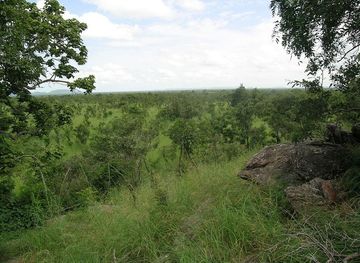
Plateau’s attractions centre on cultural heritage, local markets and rural landscapes rather than large-scale resort facilities. Kétou is the department’s principal historical destination, with the Akaba Idena historic gates and associated royal heritage providing insight into the former Kétou kingdom. Local guides can help visitors understand the ceremonial and political meaning of these places, as well as the boundaries between public heritage and sacred sites. Pobè and Sakété offer opportunities to observe everyday commerce, agricultural produce and the movement of goods through southern Benin’s market towns. Around Adja-Ouèrè and Ifangni, the appeal lies in wooded countryside, farms and the experience of travelling through communities linked by local roads and trade. Outdoor visits should be approached as guided rural excursions rather than formal park experiences: facilities, signage and transport may be limited, and access can change with weather or local custom. The department is well suited to travellers interested in history, living traditions, photography of landscapes and markets, and the cultural geography of the Benin–Nigeria borderlands.
-
Tourist attraction
Benin en Image
Explore the captivating cultural heritage of Benin at Benin en Image, a vibrant tourist attraction in Cotonou showcasing stunning art and photography.

Best landmarks in Plateau
The Akaba Idena gates at Kétou are Plateau’s most recognisable historic landmarks. Traditionally associated with the entrances and defensive history of the former Kétou kingdom, they represent the political importance of a Yoruba state whose influence reached across the modern Benin–Nigeria border. Their significance is not only architectural: the site belongs to a broader landscape of royal memory, oral history and ceremonial practice, so visitors should follow local guidance about access and photography. Kétou’s royal precinct and related traditional spaces are also important, although their appearance and public accessibility may vary. Elsewhere in the department, the most characteristic landmarks are less monumental: market squares, roadside trading corridors, red-earth roads, cultivated land and town-centre buildings express the region’s agricultural and commercial identity. Pobè’s role as departmental capital gives it civic importance, while the roads linking Pobè, Sakété, Adja-Ouèrè, Ifangni and Kétou reveal how Plateau’s settlements are connected. These places are best understood as a network of cultural landmarks rather than as a concentration of grand monuments.
-
Market
Dantokpa Market
Experience the heart of Cotonou at Dantokpa Market, West Africa's largest marketplace, brimming with vibrant culture, local delicacies, and unique crafts.
-
Conference center
Congress Palace
Discover the Congress Palace in Cotonou, a modern architectural marvel and cultural hub, perfect for conferences and local events.
-
Sculpture
Amazon Statue
Discover the Amazon Statue in Cotonou, a breathtaking sculpture symbolizing Benin's rich heritage and a must-see for cultural enthusiasts.
-
 Hotel
La Casa Del Papa
Experience the serene beauty and rich culture of Ouidah at La Casa Del Papa, your perfect coastal retreat in Benin.


Explore Plateau on the map
Plan your trip on one map. See where the top cities, national parks and sights are, and book hotels and experiences in a few clicks.
Best hotels in Plateau
Best restaurants in Plateau
Dining in Plateau is generally informal, local and closely connected to market supply. Small restaurants, roadside cooking places and food stalls serve staples such as pâte made from maize or cassava, rice, beans, yams, fried plantain and sauces prepared with tomato, pepper, vegetables or ground ingredients. Chicken, goat, beef and fish may be available, while smoked or dried fish reflects the wider foodways of southern Benin even though Plateau is inland. Kétou and Pobè offer the broadest choice of modest eateries, but menus and opening arrangements can be unpredictable outside the main centres. Fresh produce from surrounding farms appears in local markets, and visitors may find regional variations in Yoruba-influenced cooking alongside dishes shared across Benin. Bottled water is the simplest choice for travellers, and it is sensible to eat food that is freshly cooked and served hot when using informal stalls.
-
Restaurant
La Cabane du Pêcheur
Experience authentic Beninese seafood at La Cabane du Pêcheur in Cotonou – where every dish tells a story.
-
Restaurant
Restaurant Le Teranga
Experience culinary excellence at Restaurant Le Teranga in Cotonou, where local flavors meet international cuisine in a vibrant setting.
-
Restaurant
Mimi's Bénin
Discover the authentic taste of Benin at Mimi's Bénin - where local flavors meet international cuisine in Cotonou.
-
Restaurant
Le Hublot
Discover culinary delights at Le Hublot in Cotonou - where Belgian flavors meet stunning beachside views.


Best bars in Plateau
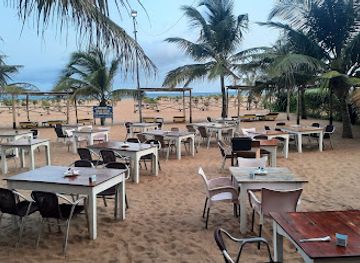
Plateau has a modest evening scene focused on neighbourhood bars, maquis, restaurants and informal gathering places rather than a substantial nightclub circuit. In Pobè, Kétou and Sakété, evenings may involve music, conversation, football broadcasts and locally available beer or soft drinks, while smaller communities generally become quiet after dark. Some restaurants and bars offer regional or contemporary popular music, but schedules, venues and opening arrangements are not fixed enough to plan around in advance. Nightlife is more social than club-oriented, and visitors should dress appropriately, keep valuables secure and arrange transport before settling in for the evening. In rural areas, it is usually better to return to accommodation before late night, particularly when roads are poorly lit or motorcycle transport is the only option.
-
Bar
Code Bar
Discover the lively atmosphere of Code Bar in Cotonou, where vibrant nightlife meets delicious drinks and friendly faces.
-
Lounge
Rehab Lounge
Experience lively nights filled with music, great food, and fun activities at Rehab Lounge, the ultimate entertainment destination in Benin City.
-
Lounge
La Villa Classic Lounge Bar
Discover the vibrant atmosphere of La Villa Classic Lounge Bar in Cotonou, where local flavors meet a stylish ambiance for unforgettable experiences.
-
Restaurant
Restaurant Chill n' Grill cotonou
Experience vibrant dining at Chill n' Grill in Cotonou, where delicious grilled dishes meet an exciting nightlife atmosphere in a perfect blend.


Best nightclubs in Plateau
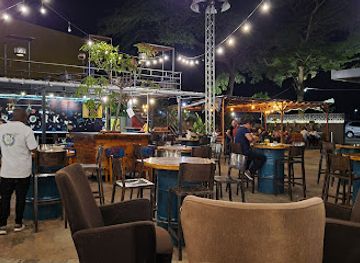
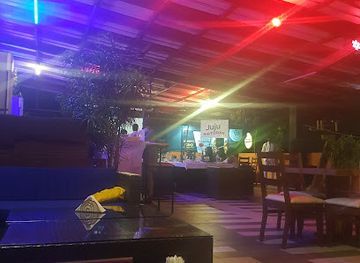
Plateau has a modest evening scene focused on neighbourhood bars, maquis, restaurants and informal gathering places rather than a substantial nightclub circuit. In Pobè, Kétou and Sakété, evenings may involve music, conversation, football broadcasts and locally available beer or soft drinks, while smaller communities generally become quiet after dark. Some restaurants and bars offer regional or contemporary popular music, but schedules, venues and opening arrangements are not fixed enough to plan around in advance. Nightlife is more social than club-oriented, and visitors should dress appropriately, keep valuables secure and arrange transport before settling in for the evening. In rural areas, it is usually better to return to accommodation before late night, particularly when roads are poorly lit or motorcycle transport is the only option.
-
Bar
Code Bar
Discover Cotonou's nightlife at Code Bar, a lively bar known for its cocktails, vibrant atmosphere, and exciting live entertainment.
-
Night club
LE BLACK
Experience the lively nightlife of Cotonou at LE BLACK, where music, dance, and culture come alive.
-
Club
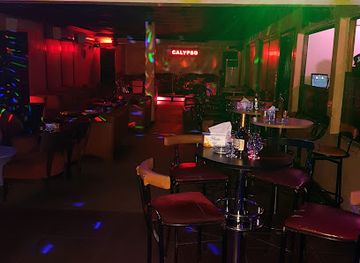
Calypso Night Club
Experience the vibrant nightlife at Calypso Night Club in Cotonou, where music, dance, and a welcoming atmosphere await.
-
Bar
Le Djabi lounge bar
Experience the vibrant nightlife of Cotonou at Le Djabi Lounge Bar, where delicious tapas and refreshing drinks await in a lively atmosphere.

Best shops in Plateau
Shopping in Plateau is centred on markets and independent traders rather than large retail complexes. Pobè, Kétou and Sakété are the main places to browse everyday goods, farm produce, clothing, household items and foodstuffs brought in from surrounding villages and wider trading routes. Markets are particularly useful for seeing the department’s agricultural economy, with seasonal vegetables, maize, cassava, yams, beans, fruit and processed products appearing alongside prepared foods. Visitors may also find woven goods, simple craftwork, carved objects and locally made household items, although availability changes and quality varies. Kétou is the most natural place to look for souvenirs connected with Yoruba heritage, but purchases should be made respectfully and without buying objects that may be sacred, protected or of uncertain provenance. Carry cash in small denominations, ask before photographing traders or stalls, and remember that market shopping is primarily a local economic activity rather than a curated tourist experience.
-
Market
Dantokpa Market
Explore Dantokpa Market: A vibrant cultural experience in Cotonou, Benin, filled with local crafts, spices, and traditional treasures.
-
Fresh food market
Marche Ganhi
Discover the heart of Cotonou at Marche Ganhi, a vibrant fresh food market offering local flavors, handicrafts, and an authentic Beninese experience.
-
Book store
Librairie Notre Dame
Explore the literary treasures of Librairie Notre Dame in Cotonou, where books and culture intertwine in a charming bookstore setting.
-
Book store
Uniben Book Shop
Discover a haven for book lovers at Uniben Book Shop in Benin City, where literature comes alive with a diverse selection of titles and a welcoming atmosphere.


Get your free copy of our complete guide to Plateau, delivered straight to you.
Everything on this page, from attractions and restaurants to essentials and local phrases, in one PDF you can read offline, print or share.
Already have an account? Sign in
Your Plateau guide is ready.
We'll send it to · Not you? Sign out

Getting your guide ready…
We are putting together a fresh copy of the Plateau guide. This can take up to a minute.
This can take a few moments. If your browser asks, choose Allow so the download can start. You'll find the guide in your Downloads folder.
Nothing happened? Download it again
Sorry, the guide is taking longer than usual. Please try again in a minute, or get it by email instead.
Plateau essentials
Currency and Payment
Safety
Emergency Situations
Do's and Don'ts
Local Tips
From Eve
Local phrases worth knowing
You don't need to get them perfect. A few words go a long way, and locals appreciate the effort.
Basics
| English | Local | Say it |
|---|---|---|
| Hello | Hello | [Hello] |
| Goodbye | Goodbye | [Goodbye] |
| Yes | Yes | [Yes] |
| No | No | [No] |
| Please/You're welcome | Please | [Please] |
| Thank you | Thank you | [Thank you] |
| Excuse me/Sorry | Excuse me | [Excuse me] |
| How are you? | How are you? | [How are you?] |
| Fine. And you? | Fine. And you? | [Fine. And you?] |
| Do you speak English? | Do you speak English? | [Do you speak English?] |
| I don't understand | I don't understand | [I don't understand] |
Eating & Drinking
| English | Local | Say it |
|---|---|---|
| I'd like to see the menu, please | I'd like to see the menu, please | [I'd like to see the menu, please] |
| I don't eat meat | I don't eat meat | [I don't eat meat] |
| Cheers! | Cheers! | [Cheers!] |
| I would like to pay, please | I would like to pay, please | [I would like to pay, please] |
Emergencies
| English | Local | Say it |
|---|---|---|
| Help! | Help! | [Help!] |
| Go away! | Go away! | [Go away!] |
| Call the Police! | Call the Police! | [Call the Police!] |
| Call a doctor! | Call a doctor! | [Call a doctor!] |
| I'm lost | I'm lost | [I'm lost] |
| I'm ill | I'm ill | [I'm ill] |
Shopping
| English | Local | Say it |
|---|---|---|
| I'd like to buy... | I'd like to buy... | [I'd like to buy...] |
| I'm just looking | I'm just looking | [I'm just looking] |
| How much is it? | How much is it? | [How much is it?] |
| That's too expensive | That's too expensive | [That's too expensive] |
| Can you lower the price? | Can you lower the price? | [Can you lower the price?] |
Time & Numbers
| English | Local | Say it |
|---|---|---|
| What time is it? | What time is it? | [What time is it?] |
| It's one o'clock | It's one o'clock | [It's one o'clock] |
| Half past (10) | Half past (10) | [Half past (10)] |
| Morning | Morning | [Morning] |
| Afternoon | Afternoon | [Afternoon] |
| Evening | Evening | [Evening] |
| Yesterday | Yesterday | [Yesterday] |
| Today | Today | [Today] |
| Tomorrow | Tomorrow | [Tomorrow] |
| 1 | 1 | [1] |
| 2 | 2 | [2] |
| 3 | 3 | [3] |
| 4 | 4 | [4] |
| 5 | 5 | [5] |
| 6 | 6 | [6] |
| 7 | 7 | [7] |
| 8 | 8 | [8] |
| 9 | 9 | [9] |
| 10 | 10 | [10] |
Transport & Directions
| English | Local | Say it |
|---|---|---|
| Where's a/the...? | Where's a/the...? | [Where's a/the...?] |
| What's the address? | What's the address? | [What's the address?] |
| Can you show me (on the map)? | Can you show me (on the map)? | [Can you show me (on the map)?] |
| When's the next (bus)? | When's the next (bus)? | [When's the next (bus)?] |
| A ticket (to ....) | A ticket (to ....) | [A ticket (to ....)] |
History of Plateau
Early Yoruba Settlement and Kétou’s Foundations
The eastern part of present-day Plateau belongs to a wider Yoruba cultural and historical zone extending into south-western Nigeria. Kétou, traditionally known as Kétu, developed as an important Yoruba kingdom and political centre. Oral traditions connect its ruling lineage with the broader history of Yoruba migration and state formation, although accounts vary between communities. The kingdom’s legacy remains important because it helps explain the languages, customs, royal institutions and cross-border relationships found in the department today.
The Kingdom of Kétou
For centuries, Kétou exercised authority over surrounding settlements through a monarchy whose influence was expressed in royal ritual, chiefly institutions and defended entrances to the town. Its position on routes linking inland communities with the coast and the Yoruba territories to the east gave it commercial as well as political importance. The historic memory of the kingdom is still visible in Kétou’s royal heritage, ceremonial traditions and the continued significance of the oba, the Yoruba term commonly used for a king.
Regional Trade and Borderland Exchange
Plateau developed within a network of market routes connecting southern Benin with Porto-Novo, the lower Ouémé region and communities across the present-day Nigerian border. Agricultural goods, textiles, palm products and household commodities moved through these routes, while people, languages and religious practices crossed political boundaries. The modern border did not erase these older connections. Kétou, Ifangni and nearby settlements continue to reflect the commercial and cultural character of a borderland where national identities coexist with older regional affiliations.
Nineteenth-Century Conflicts and Expanding External Influence
During the nineteenth century, the kingdoms and communities of southern Benin faced shifting pressures from regional warfare, the expansion of neighbouring powers and the growing commercial influence of European merchants on the coast. Kétou’s strategic position made it part of these wider political changes. The period altered local balances of power and prepared the ground for European conquest, although authority remained primarily in the hands of African rulers and communities until the colonial occupation.
French Colonial Rule and Administrative Reorganisation
French conquest brought the territory into the colony of Dahomey, later incorporated into French West Africa. Colonial administration reorganised existing political structures, imposed new forms of taxation and justice, and connected local production to wider systems serving the colonial economy. Roads and administrative links strengthened the relationship between Plateau’s market towns and the coast. Many present-day boundaries and bureaucratic arrangements have roots in this period, even though local languages, royal memories and community institutions continued to shape social life.
Post-Independence Plateau
After Dahomey became independent as the Republic of Dahomey in 1960, and later Benin, Plateau remained an agricultural and trading region in the south-east of the country. Pobè became the departmental capital when Benin’s administrative departments were reorganised in the 1990s. Contemporary Plateau combines elected local government with enduring customary and religious institutions. Its development has been influenced by road connections, cross-border commerce, population growth and the continuing importance of farming, while Kétou’s historical identity has gained renewed significance for cultural tourism.
Plateau in Photos
Browse through our photo collection highlighting the charm and character of the destination.
Neighbouring regions of Plateau
The closest regions to Plateau, if you have time for more than one.
-

-

-

-

-


Swipe for more regions
Explore more
Explore more of Benin
Discover Benin: A land of vibrant culture, historical treasures, and natural beauty, where every corner tells a story.
Explore Benin