Free Atacora Travel Guide & Mobile App
Explore Atacora with free travel guides. Discover regional history, expert tips, proposed trips, and audio guides on web or mobile app.


Explore Atacora in northern Benin for mountain scenery, Batammariba tata houses, Pendjari wildlife, waterfalls and distinctive regional food.
Read more about Atacora
When is the best time to visit Atacora?
Best: December–February · 31–33°C| Month | High (°C) | Rainfall (mm) |
|---|---|---|
| January (best) | 31 | 10 |
| February (best) | 33 | 15 |
| March | 35 | 20 |
| April | 36 | 25 |
| May | 35 | 30 |
| June | 33 | 40 |
| July | 32 | 45 |
| August | 31 | 40 |
| September | 32 | 35 |
| October | 32 | 30 |
| November | 33 | 20 |
| December (best) | 31 | 15 |
Getting to and around Atacora
How to get there
Transportation
Destinations in Atacora
Resorts, valleys and scenic spots worth a trip of their own.

Swipe for more destinations
Best attractions in Atacora
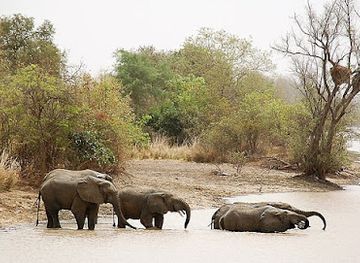
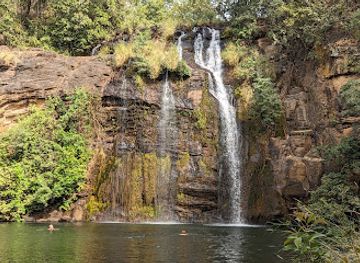
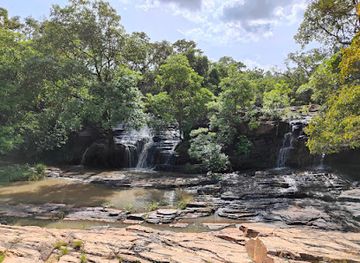
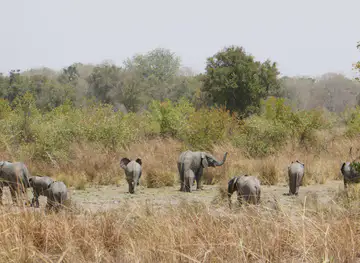
Atacora’s attractions combine living cultural heritage, protected savanna and mountain landscapes. Natitingou’s Musée Régional introduces the department’s communities, objects and traditions, while the town’s market and craft activity provide a practical starting point for understanding northern Benin. Around Boukoumbé, guided visits reveal Batammariba tata compounds and the agricultural landscapes in which they remain part of everyday life. These are inhabited places, so interpretation and permission matter as much as the architecture itself. Pendjari National Park is the region’s major wildlife attraction, offering seasonal possibilities for viewing West African savanna species in woodland, grassland and riverine habitats; access and conservation arrangements should be checked in advance. Near Tanguiéta, Tanougou Falls provides a contrasting setting of pools, rocks and vegetation, particularly after the rains. The Atacora range also supports walks, viewpoints and rural excursions, although heat, uneven paths and limited transport require preparation. Smaller towns, village markets, craft workshops and agricultural areas complete the visitor landscape, giving the department a stronger emphasis on guided cultural and nature-based travel than on conventional urban sightseeing.
-
National park
Pendjari National Park
Explore Pendjari National Park – A UNESCO World Heritage site filled with diverse wildlife and breathtaking landscapes in Benin.
-
Tourist attraction
Chutes de Tanougou
Explore the breathtaking Chutes de Tanougou, a stunning waterfall in Benin surrounded by lush landscapes and rich biodiversity, perfect for nature lovers.
-
Tourist attraction
Koutammakou, the Land of the Batammariba
Explore Koutammakou, a UNESCO World Heritage Site showcasing the stunning architecture and rich cultural heritage of the Batammariba people in Togo.
-
Tourist attraction
Chutes de Kota
Explore the breathtaking beauty of Chutes de Kota, a stunning waterfall in Koussanzamou, Benin, perfect for nature lovers and adventure seekers.
Best landmarks in Atacora
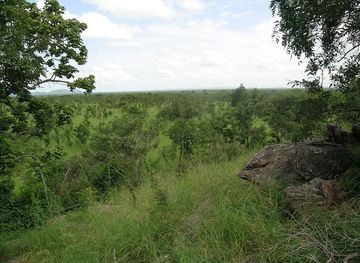
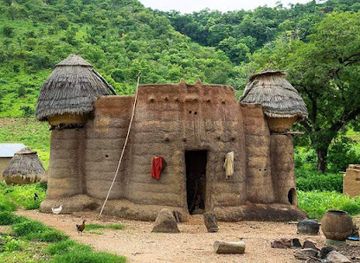
The tata compounds of the Batammariba around Boukoumbé are Atacora’s most distinctive architectural landmarks. Built from earth and shaped with towers, terraces and enclosed courtyards, they express a close relationship between domestic life, farming, defence and belief; their importance is best understood through local interpretation rather than detached photography. In Natitingou, the former colonial administrative setting that houses the Musée Régional provides a more institutional landmark and a useful reminder of the town’s role in French colonial governance and modern departmental administration. The Atacora mountain chain forms the region’s defining natural horizon, with Mount Sokbaro, near the Benin–Togo border, recognised as the country’s highest point. Around Tanguiéta, the Tanougou Falls landscape offers a landmark of a different kind, where seasonal watercourses cut through rocky terrain below the mountains. Farther west, the Pendjari River and its surrounding protected savanna are geographically and ecologically significant features, even though they are experienced as a broad landscape rather than a single monument.
-
Market
Dantokpa Market
Explore Dantokpa Market in Cotonou, a vibrant hub of culture, crafts, and culinary delights, making it one of West Africa's largest and most colorful markets.
-
Sculpture
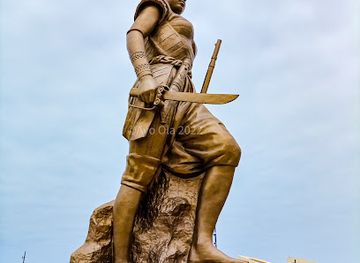
Amazon Statue
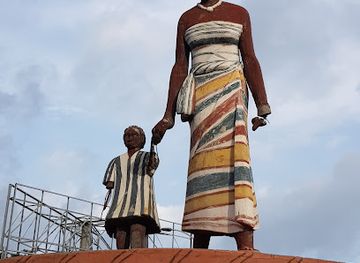
Explore the Amazon Statue in Cotonou, a breathtaking sculpture celebrating the strength and legacy of women in Benin's vibrant culture.
-
Tourist attraction
Pythons Temple
Discover the Pythons Temple in Ouidah, a sacred site where spirituality and culture intertwine amidst the revered pythons of Vodun tradition.
-
Restaurant
Obama beach
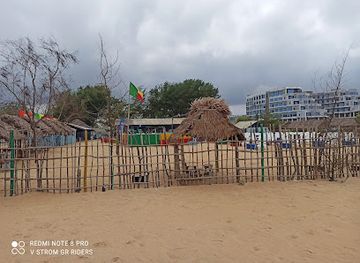
Experience the taste of Benin at Obama Beach, where fresh seafood meets stunning coastal views in Cotonou.

Explore Atacora on the map
Plan your trip on one map. See where the top cities, national parks and sights are, and book hotels and experiences in a few clicks.
Best hotels in Atacora
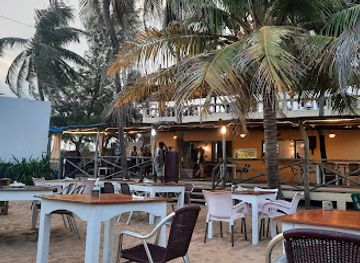
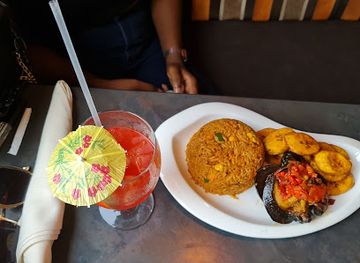
Best restaurants in Atacora
Food in Atacora is rooted in northern Benin’s farming economy, with yam, maize, sorghum, millet, rice, beans and seasonal vegetables appearing in everyday meals. Dishes are commonly served with sauces containing tomato, leafy vegetables, groundnuts or chilli, while grilled meat and poultry are available in larger towns and along major roads. In the mountain and savanna belt, locally produced shea, honey and grains may be sold through markets or small food stalls. Tchoukoutou, a traditional sorghum beer, is an important part of social and culinary life in some communities, though visitors should accept it respectfully and drink cautiously in hot conditions. Natitingou offers the widest choice of modest restaurants, cafés and hotel dining rooms, while Boukoumbé and Tanguiéta are better approached through local eateries, guesthouses and pre-arranged meals. Market breakfasts and roadside food can be rewarding, but choose busy, clean-looking vendors and carry drinking water. Dining outside the main towns is usually simple, seasonal and closely linked to local availability rather than a formal restaurant scene.
-
Restaurant
La Cabane du Pêcheur
Experience authentic Beninese seafood cuisine at La Cabane du Pêcheur in Cotonou—where freshness meets flavor in every bite.
-
Chinese
Kateri's Bamboo House (Restaurant)
Discover Kateri's Bamboo House in Benin City – where Chinese flavors meet Indian spices in an inviting atmosphere.
-
 Hotel
HotelHôtel Totora
Discover comfort and culture at Hôtel Totora in Natitingou - your ideal base for exploring Benin's vibrant landscapes.
-
Hotel
Hotêl Kaba
Experience the charm of Benin at Hotêl Kaba in Natitingou—affordable comfort awaits your arrival.
Best bars in Atacora
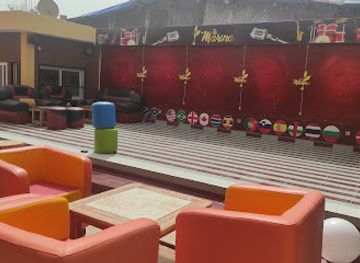
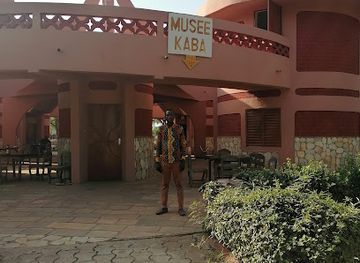
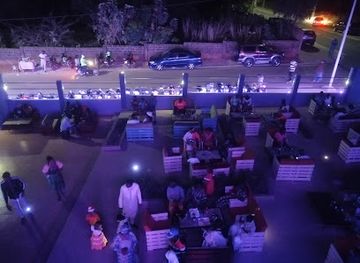
Atacora does not have a large, concentrated nightclub scene. Evening life is more likely to centre on beer gardens, modest bars, hotel terraces, roadside establishments and social gatherings in Natitingou, Tanguiéta and other larger towns. Local beer, including sorghum-based tchoukoutou in appropriate settings, is part of the region’s drinking culture, while bottled beer and soft drinks are widely available. Music may come from recorded playlists, informal performances or occasional community events rather than from permanent entertainment venues. In Boukoumbé and rural areas, evenings are quieter, with guesthouse dining, conversation and early starts for excursions taking precedence over late nights. Use reputable transport after dark, keep valuables secure and avoid treating alcohol as a substitute for cultural engagement. Opening arrangements and venue availability can change, so ask accommodation staff or trusted local contacts for current information rather than relying on old listings.
-
Bar
VIP XXL
Discover the vibrant nightlife of Natitingou at VIP XXL, a lively bar offering a great selection of drinks and a friendly atmosphere for all.
-
African
Place kaba (rond point)
Experience the rich flavors of African cuisine at Place Kaba, a vibrant spot in Natitingou that brings together locals and travelers alike.
-
Live music bar
Bar Restaurant Jazz Tata
Discover the vibrant atmosphere of Bar Restaurant Jazz Tata in Natitingou, where live music and local cuisine create unforgettable experiences.
-
Lounge
Papayo Bar Restaurant
Discover the vibrant atmosphere and delicious local cuisine at Papayo Bar Restaurant in Natitingou, where relaxation meets cultural delight.
Best nightclubs in Atacora
Atacora does not have a large, concentrated nightclub scene. Evening life is more likely to centre on beer gardens, modest bars, hotel terraces, roadside establishments and social gatherings in Natitingou, Tanguiéta and other larger towns. Local beer, including sorghum-based tchoukoutou in appropriate settings, is part of the region’s drinking culture, while bottled beer and soft drinks are widely available. Music may come from recorded playlists, informal performances or occasional community events rather than from permanent entertainment venues. In Boukoumbé and rural areas, evenings are quieter, with guesthouse dining, conversation and early starts for excursions taking precedence over late nights. Use reputable transport after dark, keep valuables secure and avoid treating alcohol as a substitute for cultural engagement. Opening arrangements and venue availability can change, so ask accommodation staff or trusted local contacts for current information rather than relying on old listings.
-
Club
Joker Benin City - Club Joker | Joker Hotel | Joker Kitchen
Discover the excitement of Joker Benin City, a vibrant club, bar, restaurant, and hotel that offers unforgettable nightlife and dining experiences.
-
Night club
LE BLACK
Experience the vibrant nightlife of Cotonou at LE BLACK, the premier night club featuring electrifying music and an unforgettable atmosphere.
-
Lounge
SMART NIGHT CLUB
Discover Cotonou's vibrant nightlife at Smart Night Club, where every night is an unforgettable celebration of music and dance.
-
Non-governmental organization
Club RFI Banikoara, Bénin
Explore the cultural heartbeat of Benin at Club RFI Banikoara - a unique non-governmental organization fostering community and creativity.



Best shops in Atacora
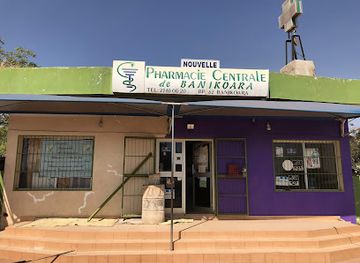
Shopping in Atacora is centred on markets, small-town high streets and locally made products rather than large retail complexes. Natitingou has the broadest selection of everyday goods, fabrics, household items, foodstuffs and crafts, while markets in Boukoumbé, Tanguiéta and other towns provide a more direct connection with rural production. Visitors may find woven textiles, baskets, pottery, carved objects, leather goods and shea-based products, although quality and availability vary by season and place. Local food products such as dried grains, honey, shea butter and spices can make practical souvenirs when properly packaged for travel. Ask about the origin and intended cultural use of crafts, and bargain mildly rather than treating every purchase as a contest. Rural artisans and market sellers may operate without fixed opening hours or card facilities, so carry small CFA notes and inspect fragile goods before buying. Imported clothing and manufactured goods are also common, making it useful to distinguish genuinely regional products from general West African merchandise.
-
Grocery store
Angel's Floor
Explore the best of local and international flavors at Angel's Floor, Natitingou's premier grocery store for travelers.
-
Shopping mall
SUPER MARCHE "A LA SOURCE"
Experience local culture and vibrant shopping at Super Marche 'A La Source' in Natitingou, a must-visit destination for tourists seeking authentic Beninese experiences.
-
Electronics store
Chimaoge Ohanaga Shopping Plaza (Igbo Avin
Discover the Chimaoge Ohanaga Shopping Plaza, Kérou's go-to electronics store for all your tech needs, open daily from 7 AM to midnight.
-
Shopping mall
Dokounmavemede
Explore the vibrant shopping scene at Dokounmavemede, a must-visit mall in Natitingou, blending local culture with diverse shopping options.
Get your free copy of our complete guide to Atacora, delivered straight to you.
Everything on this page, from attractions and restaurants to essentials and local phrases, in one PDF you can read offline, print or share.
Already have an account? Sign in
Your Atacora guide is ready.
We'll send it to · Not you? Sign out

Getting your guide ready…
We are putting together a fresh copy of the Atacora guide. This can take up to a minute.
This can take a few moments. If your browser asks, choose Allow so the download can start. You'll find the guide in your Downloads folder.
Nothing happened? Download it again
Sorry, the guide is taking longer than usual. Please try again in a minute, or get it by email instead.
Atacora essentials
Currency and Payment
Safety
Emergency Situations
Do's and Don'ts
Local Tips
From Eve
Local phrases worth knowing
You don't need to get them perfect. A few words go a long way, and locals appreciate the effort.
Basics
| English | Local | Say it |
|---|---|---|
| Hello | Bonjour | [bohn-zhoor] |
| Goodbye | Au revoir | [oh ruh-vwahr] |
| Yes | Oui | [wee] |
| No | Non | [noh] |
| Please/You're welcome | S'il vous plaît | [seel voo pleh] |
| Thank you | Merci | [mehr-see] |
| Excuse me/Sorry | Excusez-moi | [ehk-skew-zay mwah] |
| How are you? | Comment ça va? | [koh-mahn sah vah] |
| Fine. And you? | Bien. Et vous? | [byehn. eh voo] |
| Do you speak English? | Parlez-vous anglais? | [par-lay voo ahn-glay] |
| I don't understand | Je ne comprends pas | [zhuh nuh kohm-prahn pah] |
Eating & Drinking
| English | Local | Say it |
|---|---|---|
| I'd like to see the menu, please | Je voudrais voir le menu, s'il vous plaît | [zhuh voo-dray vwar luh meh-nu, seel voo pleh] |
| I don't eat meat | Je ne mange pas de viande | [zhuh nuh mahnj pah duh vyahnd] |
| Cheers! | Santé! | [sahn-tay] |
| I would like to pay, please | Je voudrais payer, s'il vous plaît | [zhuh voo-dray pay-ay, seel voo pleh] |
Emergencies
| English | Local | Say it |
|---|---|---|
| Help! | Au secours! | [oh suh-koor] |
| Go away! | Allez-vous en! | [ah-lay voo zahn] |
| Call the Police! | Appelez la police! | [ah-peh-lay lah poh-lees] |
| Call a doctor! | Appelez un docteur! | [ah-peh-lay uh doh-kteur] |
| I'm lost | Je suis perdu | [zhuh swee pair-doo] |
| I'm ill | Je suis malade | [zhuh swee mah-lahd] |
Shopping
| English | Local | Say it |
|---|---|---|
| I'd like to buy... | Je voudrais acheter... | [zhuh voo-dray ah-sheh-tay] |
| I'm just looking | Je regarde juste | [zhuh reh-gard zhoost] |
| How much is it? | C'est combien? | [say kohm-byen] |
| That's too expensive | C'est trop cher | [say troh shair] |
| Can you lower the price? | Pouvez-vous baisser le prix? | [poo-vay voo beh-say luh pree] |
Time & Numbers
| English | Local | Say it |
|---|---|---|
| What time is it? | Quelle heure est-il? | [kel uhr eh-teel] |
| It's one o'clock | Il est une heure | [eel eh yoon uhr] |
| Half past (10) | Dix heures et demie | [dees uhr eh duh-mee] |
| Morning | Matin | [mah-tan] |
| Afternoon | Après-midi | [ah-pray mee-dee] |
| Evening | Soir | [swahr] |
| Yesterday | Hier | [ee-ehr] |
| Today | Aujourd'hui | [oh-zhoor-dwee] |
| Tomorrow | Demain | [duh-mahn] |
| 1 | Un | [uhn] |
| 2 | Deux | [duhr] |
| 3 | Trois | [trwah] |
| 4 | Quatre | [katr] |
| 5 | Cinq | [sank] |
| 6 | Six | [sees] |
| 7 | Sept | [set] |
| 8 | Huit | [weet] |
| 9 | Neuf | [nuhf] |
| 10 | Dix | [deez] |
Transport & Directions
| English | Local | Say it |
|---|---|---|
| Where's a/the...? | Où est un/une...? | [oo eh uh/oon] |
| What's the address? | Quelle est l'adresse? | [kel eh luh-dress] |
| Can you show me (on the map)? | Pouvez-vous me montrer (sur la carte)? | [poo-vay voo muh mohn-tray (sur lah kart)] |
| When's the next (bus)? | Quand est le prochain (bus)? | [kahn eh luh proh-shen (boos)] |
| A ticket (to ....) | Un billet (pour....) | [uhn bee-yay (poor....)] |
History of Atacora
Early settlement and Atacora landscapes
The Atacora mountains and adjoining savanna have supported human settlement, cultivation and movement for centuries. Communities developed farming systems adapted to seasonal rainfall, rocky uplands and valley soils, growing crops such as millet, sorghum and yam. Archaeological evidence and oral traditions point to long histories of migration and interaction across what are now northern Benin, Togo and Burkina Faso. The region’s cultural landscape cannot be reduced to a single kingdom or ethnic history; it reflects successive movements of communities and the exchange of languages, agricultural knowledge and building traditions.
Batammariba settlement and tata architecture
The Batammariba, or Ditamari, became especially associated with the construction of fortified earthen compounds known as tata. These multi-level structures combined domestic, defensive and symbolic functions, with thick walls, towers, courtyards and spaces for animals and grain. Their form responded to local materials, climate and historical insecurity, while also expressing social and spiritual ideas. In Atacora, particularly around Boukoumbé and the northern mountain valleys, tata architecture remains part of a living cultural environment rather than merely an archaeological record.
Regional kingdoms and long-distance exchange
Before colonial rule, northern Benin was connected to several political and commercial zones, including the Bariba influence centred farther east around Nikki and the wider networks of the Dendi and Borgu regions. Atacora communities also traded across the mountain frontier towards present-day Togo and Burkina Faso. Livestock, grain, textiles and other goods moved along local routes, while political authority varied between centralised states, village leaders and community institutions. These overlapping connections helped give Atacora its linguistic and cultural diversity.
French conquest and colonial administration
French expansion into northern Dahomey intensified during the late nineteenth century, bringing military campaigns, treaties and new administrative structures. The area that became Atacora was incorporated into French colonial territory and later administered within French West Africa. Natitingou developed as an administrative centre, while roads and government stations linked the mountain region with southern markets. Colonial rule altered systems of authority, taxation, labour and trade, although local communities retained important forms of land management, architecture and social organisation.
Independence and the formation of modern Atacora
Dahomey achieved independence from France in 1960 and became the Republic of Benin in 1975. Atacora emerged as one of the country’s northern departments, with Natitingou serving as its administrative capital. State education, healthcare, roads and agricultural programmes gradually expanded, while the region remained more rural and less densely connected than southern Benin. Administrative boundaries and decentralisation later created communes such as Boukoumbé, Tanguiéta, Matéri and Kouandé, giving local authorities a larger role in public administration.
Pendjari conservation and wildlife tourism
The Pendjari area was designated a protected reserve during the colonial period and later developed as a national park within Benin’s northern conservation system. Its savanna, woodland and river environments preserve habitat for wildlife that has declined elsewhere in West Africa. Conservation has brought tourism, research and employment opportunities, but also requires careful management of local access, livelihoods and security. The park’s history is therefore part of a wider story involving changing ideas about protected land, community relations and the protection of regional ecosystems.
Contemporary cultural heritage and conservation challenges
Today, Atacora’s heritage is represented through its tata compounds, craft traditions, oral knowledge, museums and cultural landscapes, while its natural heritage is associated with Pendjari and the Atacora mountains. Tourism remains comparatively small and is influenced by road conditions, seasonal weather and security developments in the wider border region. The preservation of earthen architecture and wildlife depends on local participation, responsible visitation and practical investment. The department’s contemporary identity consequently combines agricultural life, cultural continuity, environmental stewardship and gradual development of visitor infrastructure.
Atacora in Photos
Browse through our photo collection highlighting the charm and character of the destination.
Neighbouring regions of Atacora
The closest regions to Atacora, if you have time for more than one.
-

-
-

-

-


Swipe for more regions