

Collines, Benin Travel Guide
Discover the serene hills and rich cultural heritage of Collines, Benin, where nature, history, and tradition come together in a picturesque setting.
Nestled in the heart of Benin, the Collines region is a captivating destination characterized by its rolling hills, lush landscapes, and rich cultural heritage. This picturesque area offers a serene escape from the bustling city life, making it a perfect choice for nature lovers and adventure seekers alike. The Collines region is home to several charming villages where visitors can experience the traditional way of life. The local markets are a vibrant hub of activity, offering a variety of handmade crafts, fresh produce, and delicious local cuisine. Don't miss the opportunity to try the regional specialty, 'amiwo,' a flavorful maize-based dish that is sure to tantalize your taste buds. Outdoor enthusiasts will find plenty to do in Collines, from hiking through the scenic hills to exploring the diverse wildlife in the nearby reserves. The region's natural beauty is complemented by its rich history, with several ancient sites and monuments that tell the story of Benin's past. A visit to the Taneka villages, with their unique thatched-roof huts and traditional rituals, provides a fascinating glimpse into the local culture. Whether you're seeking relaxation or adventure, the Collines region in Benin offers a unique and memorable experience. Its blend of natural beauty, cultural richness, and warm hospitality makes it a must-visit destination for any traveler.

Know before you go
Hi, I'm Eve. Here are a few practical things to know before exploring Collines.
- Visit the local markets early in the morning for the best selection of fresh produce and handmade crafts.
- Hire a local guide to explore the Taneka villages and learn about their unique customs and traditions.
- Pack comfortable hiking shoes to fully enjoy the scenic trails and natural beauty of the region.
- Try the regional specialty, 'amiwo,' at a local eatery for an authentic taste of Benin's cuisine.
- Bring a good camera to capture the breathtaking landscapes and vibrant local life.

Best landmarks in Collines
Top-rated picks
Best Landmarks

Dantokpa Market
Explore Dantokpa Market in Cotonou, a vibrant hub of culture, commerce, and culinary delights in West Africa's largest market.

Congress Palace
Discover the Congress Palace in Cotonou, a modern conference center that showcases the vibrant culture and dynamic business environment of Benin.

Pythons Temple
Discover the spiritual heart of Benin at Pythons Temple, a serene sanctuary where Vodun traditions come alive amidst the majestic pythons.

Obama beach
Experience the serene beauty and vibrant culture of Obama Beach in Cotonou, where relaxation meets local charm along the stunning coastline.

Best restaurants in Collines
Top-rated picks
Best Restaurants

La Cabane du Pêcheur
Experience authentic Beninese cuisine at La Cabane du Pêcheur in Cotonou – where every meal tells a story.
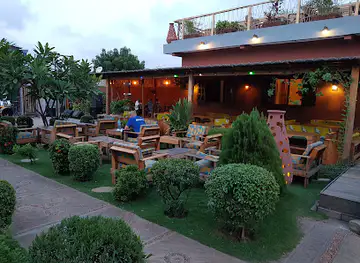
Le Lieu Unique
Discover the vibrant flavors of Benin at Le Lieu Unique - where local culture meets culinary creativity in Cotonou's heart.

Le Hublot
Experience delightful Belgian cuisine and fresh seafood at Le Hublot, a top-rated restaurant by Fidjrosse Plage in Cotonou.

L'Imprévu
Experience authentic Beninese cuisine at L'Imprévu in Cotonou – where local flavors meet international flair.

Best bars in Collines
Top-rated picks
Best Bars

Capitol Bar/Restaurant
Discover the vibrant dining experience at Capitol Bar/Restaurant, where delicious local flavors meet a lively social atmosphere in the heart of the city.

Bar Le PENIEL
Experience authentic Beninese cuisine at Bar Le PENIEL, a charming restaurant in Dassa-Zoumé offering delicious dishes and a warm atmosphere.

Perchoir Bar restaurant
Discover the vibrant Perchoir Bar in Save, where affordable drinks and a lively atmosphere create the perfect evening escape.
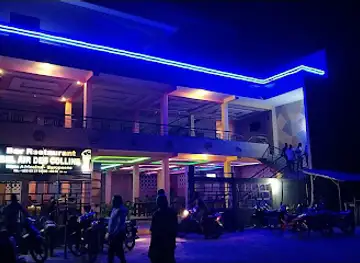
Bar/Restaurant Bel Air des Collines
Discover the perfect blend of local flavors and breathtaking views at Bar/Restaurant Bel Air des Collines in Dassa-Zoumé.

Best nightclubs in Collines
Top-rated picks
Best Nightclubs

La Villa Classic Lounge Bar
Discover the chic ambiance of La Villa Classic Lounge Bar in Cotonou, where stylish design meets a vibrant social scene, perfect for all occasions.

LE BLACK
Discover the heartbeat of Cotonou's nightlife at LE BLACK, a premier night club boasting electrifying music and an unforgettable atmosphere.

Calypso Night Club
Discover the heart of Cotonou's nightlife at Calypso Night Club, where vibrant music and unforgettable experiences await.

Club truth
Discover the vibrant nightlife at Club Truth in Benin City, where pulsating beats and electric energy create unforgettable experiences.

Best shops in Collines
Top-rated picks
Best Shops

ViV La ViV Boutique ( Head Office)
Explore ViV La ViV Boutique in Benin City for stylish women's and children's clothing, offering unique fashion pieces and exceptional customer service.

Soha Roundabout
Discover the vibrant Soha Roundabout in Savalou - your ultimate shopping destination for local crafts, delicious cuisine, and lively cultural experiences.

Statue of Soha Gbaguidi I.
Discover the rich cultural heritage of Savalou at the magnificent Statue of Soha Gbaguidi I., a true symbol of local pride and artistry.

Ets BAYEDJE ( Chez Mr Koffi)
Explore Ets BAYEDJE in Dassa-Zoumé for fresh local produce, household items, and a taste of authentic Beninese culture.

Explore Collines on the Map
A handpicked selection of must-see spots in Collines, mapped for you.
Collines Essentials
-
Collines is located in the central part of Benin. The main international gateway to Benin is Cotonou Cadjehoun Airport (COO) in Cotonou, approximately 150 kilometers away from the Collines region. From Cotonou, you can take a domestic flight to Parakou Airport, which is closer to Collines. Alternatively, you can travel by road; buses and taxis are available for hire. The journey by road typically takes around 3 to 4 hours depending on traffic and road conditions.
-
Within Collines, transportation options include local taxis, motorbike taxis (locally known as 'zemidjans'), and minibuses. Car rentals are also available for those who prefer to explore at their own pace. Public transport is generally affordable, but it's essential to agree on the fare before starting your journey. For shorter distances within towns and villages, walking is often a convenient option.
-
The official currency in Benin is the West African CFA Franc (XOF). Credit cards are accepted in some hotels and larger establishments, but cash is king, especially in rural areas like Collines. It is advisable to carry small denominations of CFA Francs for easier transactions. ATMs are available in larger towns, but it is wise to withdraw sufficient cash in Cotonou before heading to Collines.
-
Collines is generally a safe region for tourists, but like any travel destination, standard precautions should be taken. Avoid walking alone at night and keep personal belongings secure, especially in crowded areas. While Collines does not have specific high-crime areas targeting tourists, it is advisable to stay vigilant. It's always good practice to check for any travel advisories before your trip.
-
In case of emergency, dial 117 for police assistance and 118 for medical emergencies. Collines has local police stations and medical facilities in larger towns. It is highly recommended to have travel insurance that covers medical emergencies. Pharmacies are available for minor health issues, but ensure to carry any essential medications you may need.
-
Fashion: Do dress modestly, particularly in rural areas and when visiting religious sites. Avoid wearing revealing clothing. Religion: Do respect local customs and traditions. Remove your shoes before entering religious sites. Public Transport: Do be respectful and polite; offer your seat to elderly passengers. Don’t eat or drink on public transport. Greetings: Do greet people with a handshake or a slight bow. Using the right hand is considered respectful. Eating & Drinking: Do try local dishes and accept food offerings graciously. Don’t refuse hospitality as it is considered impolite.
-
To experience Collines like a local, visit the vibrant local markets where you can buy fresh produce and traditional crafts. Engage with the locals; they are often friendly and eager to share their culture and traditions. Don't miss out on visiting the historical sites and natural attractions like the Dassa-Zoumé hills and the Savalou sacred forests. Participating in local festivals can also provide a unique cultural experience.
When is the best time to visit Collines?
Useful Local Phrases for Collines
You don't need to speak the language perfectly. Even learning a few simple words can make conversations warmer—and locals usually appreciate the effort.
— Eve

Here are the phrases I use most often in Collines. Try a few—you'll be surprised how far they go! 😊
❤️
-
- HelloBonjour
[Bohn-zhoor] - GoodbyeAu revoir
[Oh ruh-vwahr] - YesOui
[Wee] - NoNon
[Nohn] - Please/You're welcomeS'il vous plaît
[Seel voo pleh] - Thank youMerci
[Mehr-see] - Excuse me/SorryExcusez-moi
[Ex-kew-zay mwah] - How are you?Comment ça va?
[Koh-mahn sah vah] - Fine. And you?Bien. Et vous?
[Byehn. Eh voo] - Do you speak English?Parlez-vous anglais?
[Par-lay voo ahn-glay] - I don't understandJe ne comprends pas
[Zhuh nuh kom-prahnd pah]
- HelloBonjour
-
- I'd like to see the menu, pleaseJe voudrais voir le menu, s'il vous plaît
[Zhuh voo-dray vwar luh meh-nu, seel voo pleh] - I don't eat meatJe ne mange pas de viande
[Zhuh nuh mahnj pah duh vyahnd] - Cheers!Santé!
[Sahn-tay] - I would like to pay, pleaseJe voudrais payer, s'il vous plaît
[Zhuh voo-dray pay-ay, seel voo pleh]
- I'd like to see the menu, pleaseJe voudrais voir le menu, s'il vous plaît
-
- Help!Au secours!
[Oh suh-koor] - Go away!Allez-vous-en!
[Ah-lay voo-zahn] - Call the Police!Appelez la police!
[Ah-peh-lay lah poh-lees] - Call a doctor!Appelez un médecin!
[Ah-peh-lay uhn meh-deh-sahn] - I'm lostJe suis perdu
[Zhuh swee pair-due] - I'm illJe suis malade
[Zhuh swee mah-lahd]
- Help!Au secours!
-
- I'd like to buy...Je voudrais acheter...
[Zhuh voo-dray ah-sheh-tay] - I'm just lookingJe regarde juste
[Zhuh ruh-gard zhoost] - How much is it?C'est combien?
[Say kohm-byen] - That's too expensiveC'est trop cher
[Say troh shair] - Can you lower the price?Pouvez-vous baisser le prix?
[Poo-vay voo beh-say luh pree]
- I'd like to buy...Je voudrais acheter...
-
- What time is it?Quelle heure est-il?
[Kell uhr eh-teel] - It's one o'clockIl est une heure
[Eel eh oon uhr] - Half past (10)Dix heures et demie
[Dee-zh uhr eh deh-mee] - MorningMatin
[Mah-tan] - AfternoonAprès-midi
[Ah-preh-mee-dee] - EveningSoir
[Swar] - YesterdayHier
[Ee-air] - TodayAujourd'hui
[Oh-zhoor-dwee] - TomorrowDemain
[Duh-mahn] - 1Un
[Uhn] - 2Deux
[Duh] - 3Trois
[Trwah] - 4Quatre
[Kah-truh] - 5Cinq
[Sank] - 6Six
[Sees] - 7Sept
[Set] - 8Huit
[Wheat] - 9Neuf
[Nurf] - 10Dix
[Dee]
- What time is it?Quelle heure est-il?
-
- Where's a/the...?Où est un/une...?
[Oo eh uhn/oon] - What's the address?Quelle est l'adresse?
[Kell eh l'ah-dress] - Can you show me (on the map)?Pouvez-vous me montrer (sur la carte)?
[Poo-vay voo muh mohn-tray (sur lah kart)] - When's the next (bus)?Quand est le prochain (bus)?
[Kahn eh luh proh-shan (boos)] - A ticket (to ....)Un billet (pour ....)
[Uhn bee-yay (poor ....)]
- Where's a/the...?Où est un/une...?
History of Collines
-
The Collines region, known for its picturesque hills and valleys, was home to several powerful kingdoms before the arrival of Europeans. Among these, the Kingdom of Dahomey, renowned for its military prowess and complex social structure, had significant influence over the area. This era was marked by the rise of local chieftains and the establishment of organized societies that thrived on agriculture, trade, and craftsmanship.
-
In the late 19th century, the Collines region fell under French colonial rule, becoming part of French Dahomey. The French introduced new administrative structures, built infrastructure, and exploited the region's natural resources. The local population experienced both the benefits of modernization and the hardships of colonial exploitation. The period also saw the introduction of Christianity and Western education, which coexisted with traditional beliefs and practices.
-
Benin gained independence from France on August 1, 1960. The post-independence period in the Collines region, like in the rest of the country, was marked by political instability and a series of coups. The region played a crucial role in the transition to Marxist-Leninist rule in 1972 and later in the democratic reforms of the 1990s. These changes brought about significant socio-political transformations, impacting local governance, economic activities, and social dynamics.
-
The Collines region is rich in cultural heritage, with a diverse population that includes the Yoruba, Mahi, and Nagot ethnic groups. Each group has its own unique traditions, languages, and festivals. The region is known for its vibrant ceremonies, traditional music, dance, and art. These cultural expressions are not only a source of local pride but also attract visitors seeking an authentic experience of Beninese culture.
-
Collines is renowned for its natural beauty, featuring rolling hills, lush forests, and scenic landscapes. Key attractions include the Tanougou Falls, the sacred forests of Savalou, and the Okpara Dam. The region is a hotspot for ecotourism, offering opportunities for hiking, bird watching, and exploring the rich biodiversity. Efforts are being made to promote sustainable tourism practices that preserve the environment while benefiting local communities.
Neighbouring Regions of Collines
The closest regions to Collines, if you have time for more than one.


Your all‑in‑one travel companion app
Explore expert travel guides, compare and book tours, experiences, hotels, and more—all from the palm of your hand. Download now for seamless trip planning wherever your wanderlust takes you.


Explore More of Benin
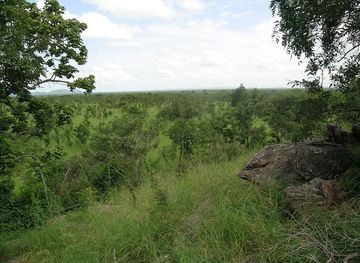
Looking beyond Collines? Discover Benin for broader travel guides, local hot-spots, and regional highlights.
Explore BeninCollines in Photos
Browse through our photo collection highlighting the charm and character of the destination.


The Serene Hills of Collines, Benin
Nestled in the heart of Benin, the Collines region is a captivating destination characterized by its rolling hills, lush landscapes, and rich cultural heritage. This picturesque area offers a serene escape from the bustling city life, making it a perfect choice for nature lovers and adventure seekers alike. The Collines region is home to several charming villages where visitors can experience the traditional way of life. The local markets are a vibrant hub of activity, offering a variety of handmade crafts, fresh produce, and delicious local cuisine. Don't miss the opportunity to try the regional specialty, 'amiwo,' a flavorful maize-based dish that is sure to tantalize your taste buds. Outdoor enthusiasts will find plenty to do in Collines, from hiking through the scenic hills to exploring the diverse wildlife in the nearby reserves. The region's natural beauty is complemented by its rich history, with several ancient sites and monuments that tell the story of Benin's past. A visit to the Taneka villages, with their unique thatched-roof huts and traditional rituals, provides a fascinating glimpse into the local culture. Whether you're seeking relaxation or adventure, the Collines region in Benin offers a unique and memorable experience. Its blend of natural beauty, cultural richness, and warm hospitality makes it a must-visit destination for any traveler.