

Free Borgou Travel Guide & Mobile App
Explore Borgou with free travel guides. Discover regional history, expert tips, proposed trips, and audio guides on web or mobile app.


Explore Borgou in northern Benin for Parakou’s markets, Nikki’s royal heritage, savanna landscapes, local cuisine and Bariba cultural traditions.
Read more about Borgou
When is the best time to visit Borgou?
Best: December–February · 31–34°C| Month | High (°C) | Rainfall (mm) |
|---|---|---|
| January (best) | 32 | 2 |
| February (best) | 34 | 3 |
| March | 35 | 8 |
| April | 35 | 15 |
| May | 34 | 40 |
| June | 33 | 70 |
| July | 32 | 90 |
| August | 31 | 120 |
| September | 32 | 90 |
| October | 33 | 60 |
| November | 32 | 30 |
| December (best) | 31 | 5 |
Getting to and around Borgou
How to get there
Transportation
Explore Borgou on the map
Plan your trip on one map. See where the top cities, national parks and sights are, and book hotels and experiences in a few clicks.
Best hotels in Borgou
Best restaurants in Borgou
Dining in Borgou is informal, filling and closely connected to local agriculture. In Parakou, visitors find simple restaurants, street stalls and cafés serving rice, beans, grilled meat, pâte made from maize or other grains, yam dishes and sauces enriched with vegetables, spices or meat. Wagasi, a firm fresh cheese associated with northern Benin, may appear in markets and cooked dishes, while shea products and locally produced grains reflect the department’s agricultural economy. Roadside vendors commonly offer breakfast and lunch rather than elaborate evening meals, and choice becomes more limited away from Parakou. Ask locally about seasonal fruit, grilled chicken, beef and fish, and use sensible care with raw food and unboiled water. Markets are useful for tasting regional produce, but visitors should not assume that every stall follows the same hygiene standards. In larger towns, restaurants may also serve familiar West African and international dishes, though the strongest sense of place comes from eating simply and observing how food moves from farm and market to table.
-
Hotel
Kobourou City Hotel
Discover unparalleled comfort at Kobourou City Hotel in Parakou—your gateway to Benin's rich culture and hospitality.
-
Restaurant
Dody’s Pizza & Pasta
Discover authentic Italian cuisine blended with local flavors at Dody’s Pizza & Pasta in Parakou - A true culinary delight.
-
Restaurant
Lounge Bar Chez Nabil
Discover the vibrant atmosphere and diverse menu at Lounge Bar Chez Nabil in Parakou – where local culture meets delightful cuisine.
-
Bar
Le Mono
Discover the heart of Parakou's nightlife at Le Mono - where local culture meets vibrant socializing.


Best bars in Borgou
Parakou has Borgou’s most developed evening scene, with neighbourhood bars, beer gardens, restaurants, music venues and informal spaces where residents meet after work. The atmosphere is generally social rather than built around a large, concentrated nightclub district, and music styles may range from popular Beninese and West African recordings to live or locally performed music. In Nikki and smaller towns, evening entertainment is more likely to centre on modest bars, food stalls, family compounds and community occasions than on dedicated clubs. Opening arrangements and venue status can change, so ask accommodation staff or trusted local contacts for current recommendations. Visitors should moderate alcohol consumption, keep transport plans in mind and avoid walking alone on unfamiliar roads late at night. During major cultural celebrations such as Gaani, public activity can continue later than usual, but ceremonial events should not be treated simply as nightlife.
-
Bar
Le Mono
Experience the lively atmosphere of Le Mono, Parakou's prime bar for local refreshments and vibrant entertainment.
-
Bar
Bar-restaurant le Shérif
Experience local flavors and vibrant nightlife at Bar-Restaurant Le Shérif in Parakou, the perfect spot for tourists to unwind and socialize.
-
Bar
Himalaya Bar Restaurant
Experience the lively ambiance and authentic flavors at Himalaya Bar Restaurant in Parakou, where local culture meets exquisite dining.
-
Bar
NO STRESS
Discover NO STRESS in Parakou, where relaxation meets vibrant nightlife, offering a unique bar experience with a local twist.


Best nightclubs in Borgou
Parakou has Borgou’s most developed evening scene, with neighbourhood bars, beer gardens, restaurants, music venues and informal spaces where residents meet after work. The atmosphere is generally social rather than built around a large, concentrated nightclub district, and music styles may range from popular Beninese and West African recordings to live or locally performed music. In Nikki and smaller towns, evening entertainment is more likely to centre on modest bars, food stalls, family compounds and community occasions than on dedicated clubs. Opening arrangements and venue status can change, so ask accommodation staff or trusted local contacts for current recommendations. Visitors should moderate alcohol consumption, keep transport plans in mind and avoid walking alone on unfamiliar roads late at night. During major cultural celebrations such as Gaani, public activity can continue later than usual, but ceremonial events should not be treated simply as nightlife.
-
Restaurant
Lounge Bar Chez Nabil
Discover the lively nightlife and delicious cuisine at Lounge Bar Chez Nabil, the must-visit restaurant in Parakou for an unforgettable experience.
-
Bar
Le Mono
Experience the vibrant culture of Parakou at Le Mono, where local flavors and a lively atmosphere await every visitor.
-
Bar
Bar-restaurant le Shérif
Experience the lively ambiance and authentic flavors of Bar-Restaurant le Shérif in Parakou, a must-visit for an unforgettable night out.
-
Bar
Mix Club Parakou
Experience the vibrant nightlife at Mix Club Parakou, where music, drinks, and fun come together for an unforgettable evening in Benin.



Best shops in Borgou
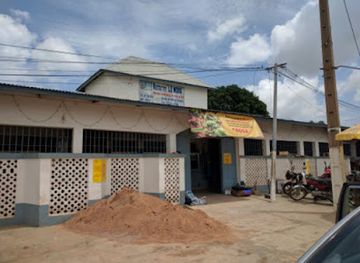
Shopping in Borgou is centred on markets and practical local commerce rather than a specialised luxury retail scene. Parakou offers the widest selection of clothing, household goods, mobile phones, food products and regional merchandise, while markets in smaller towns are useful for observing the movement of grain, yams, livestock, shea products and seasonal produce. Visitors may find woven items, leather goods, simple jewellery, carved objects and textiles, although quality and availability vary and some products are imported rather than locally made. Wagasi cheese, dried foods, shea-based products and spices can make distinctive purchases when properly packaged for travel. Bargain courteously, inspect goods before paying and carry cash in smaller notes. If buying craftwork or ceremonial-looking objects, ask about their origin and avoid purchasing items that may have cultural or legal restrictions. Parakou is the best place to compare products and prices, while rural markets offer a more direct view of everyday trading traditions.
-
Fashion accessories store
BABSALLA
Explore BABSALLA in Parakou, a fashion accessories haven offering trendy clothing and unique finds for every style and occasion.
-
Shoe store
Crystal'Shop
Explore Crystal'Shop, a shoe store that offers a captivating selection of footwear, perfect for enhancing your travel wardrobe with style.
-
 Gift shop
Maison GBETABLE
Discover unique handcrafted souvenirs at Maison GBETABLE in Parakou, a must-visit gift shop showcasing the artistry of Benin.
-
Fashion accessories store
LeBonEmarket BENIN
Discover the best in fashion accessories and stylish gadgets at LeBonEmarket, your go-to store in Benin for all your trendy needs.


Get your free copy of our complete guide to Borgou, delivered straight to you.
Everything on this page, from attractions and restaurants to essentials and local phrases, in one PDF you can read offline, print or share.
Already have an account? Sign in
Your Borgou guide is ready.
We'll send it to · Not you? Sign out

Getting your guide ready…
We are putting together a fresh copy of the Borgou guide. This can take up to a minute.
This can take a few moments. If your browser asks, choose Allow so the download can start. You'll find the guide in your Downloads folder.
Nothing happened? Download it again
Sorry, the guide is taking longer than usual. Please try again in a minute, or get it by email instead.
Borgou essentials
Currency and Payment
Safety
Emergency Situations
Do's and Don'ts
Local Tips
From Eve
Local phrases worth knowing
You don't need to get them perfect. A few words go a long way, and locals appreciate the effort.
Basics
| English | Local | Say it |
|---|---|---|
| Hello | Bonjour | [bɔ̃ʒuʁ] |
| Goodbye | Au revoir | [o ʁəvwaʁ] |
| Yes | Oui | [wi] |
| No | Non | [nɔ̃] |
| Please/You're welcome | S'il vous plaît | [sil vu ple] |
| Thank you | Merci | [mɛʁsi] |
| Excuse me/Sorry | Excusez-moi | [ɛkskyze mwa] |
| How are you? | Comment ça va? | [kɔmɑ̃ sa va] |
| Fine. And you? | Ça va. Et vous? | [sa va e vu] |
| Do you speak English? | Parlez-vous anglais? | [paʁle vu ɑ̃ɡlɛ] |
| I don't understand | Je ne comprends pas | [ʒə nə kɔ̃pʁɑ̃ pa] |
Eating & Drinking
| English | Local | Say it |
|---|---|---|
| I'd like to see the menu, please | Je voudrais voir le menu, s'il vous plaît | [ʒə vudʁɛ vwaʁ lə məny, sil vu ple] |
| I don't eat meat | Je ne mange pas de viande | [ʒə nə mɑ̃ʒ pa də vjɑ̃d] |
| Cheers! | Santé! | [sɑ̃te] |
| I would like to pay, please | Je voudrais payer, s'il vous plaît | [ʒə vudʁɛ peje, sil vu ple] |
Emergencies
| English | Local | Say it |
|---|---|---|
| Help! | Au secours! | [o səkuʁ] |
| Go away! | Allez-vous en! | [ale vu ɑ̃] |
| Call the Police! | Appelez la police! | [apəle la pɔlis] |
| Call a doctor! | Appelez un médecin! | [apəle ɛ̃ mɛdɛsɛ̃] |
| I'm lost | Je suis perdu | [ʒə sɥi pɛʁdy] |
| I'm ill | Je suis malade | [ʒə sɥi malɑd] |
Shopping
| English | Local | Say it |
|---|---|---|
| I'd like to buy... | Je voudrais acheter... | [ʒə vudʁɛ aʃte] |
| I'm just looking | Je regarde juste | [ʒə ʁəɡaʁd ʒyst] |
| How much is it? | C'est combien? | [se kɔ̃bjɛ̃] |
| That's too expensive | C'est trop cher | [se tʁo ʃɛʁ] |
| Can you lower the price? | Pouvez-vous baisser le prix? | [puve vu bɛse lə pʁi] |
Time & Numbers
| English | Local | Say it |
|---|---|---|
| What time is it? | Quelle heure est-il? | [kɛl œʁ ɛt il] |
| It's one o'clock | Il est une heure | [il ɛt yn œʁ] |
| Half past (10) | Dix heures et demie | [di zœʁ e dəmi] |
| Morning | Matin | [matɛ̃] |
| Afternoon | Après-midi | [apʁɛ midi] |
| Evening | Soir | [swaʁ] |
| Yesterday | Hier | [jɛʁ] |
| Today | Aujourd'hui | [oʒuʁdɥi] |
| Tomorrow | Demain | [dəmɛ̃] |
| 1 | Un | [œ̃] |
| 2 | Deux | [dø] |
| 3 | Trois | [tʁwa] |
| 4 | Quatre | [katʁ] |
| 5 | Cinq | [sɛ̃k] |
| 6 | Six | [si] |
| 7 | Sept | [sɛt] |
| 8 | Huit | [ɥit] |
| 9 | Neuf | [nœf] |
| 10 | Dix | [di] |
Transport & Directions
| English | Local | Say it |
|---|---|---|
| Where's a/the...? | Où est un/une...? | [u ɛ ɛ̃ yn] |
| What's the address? | Quelle est l'adresse? | [kɛl ɛ l‿adʁɛs] |
| Can you show me (on the map)? | Pouvez-vous me montrer (sur la carte)? | [puve vu mə mɔ̃tʁe syʁ la kaʁt] |
| When's the next (bus)? | Quand est le prochain (bus)? | [kɑ̃ ɛ lə pʁɔʃɛ̃] |
| A ticket (to ....) | Un billet (pour ....) | [œ̃ bijɛ pʊʁ] |
History of Borgou
Early settlements and savanna trade
The Borgou region has long been shaped by communities living in the wooded savanna between the forested south and the Sahelian north. Farming, livestock keeping and exchange connected settlements to wider routes across present-day Benin, Nigeria, Niger and Burkina Faso. Crops such as millet, sorghum, maize and yams supported established communities, while market networks moved livestock, leather, grain and other goods. Much of this early history survives through oral traditions, place names and political institutions rather than through monumental archaeological remains visible to ordinary visitors.
The Bariba kingdoms of Borgou
From the late medieval period onwards, Bariba-speaking political communities developed into a number of kingdoms and chiefdoms across Borgou. Nikki became the principal seat of the kingdom traditionally known as Bussa or Wasangari Borgou, although authority was distributed among several important centres. Royal households, cavalry traditions, tribute and long-distance trade helped shape the region’s political culture. The institutions associated with kingship remain significant today, particularly during ceremonial gatherings in Nikki, even though modern government administration has replaced the kingdoms’ former political authority.
Islamic and regional commercial influences
Trade routes linking the Borgou kingdoms with Hausa, Dendi, Yoruba and other neighbouring societies brought new commodities, languages, religious ideas and diplomatic relationships. Islam became influential in parts of the region through merchants, scholars and political contacts, while older religious practices continued alongside it. Borgou therefore developed through interaction rather than isolation. The combination of royal traditions, market exchange and cultural links across modern national borders still helps explain the region’s multilingual character and the importance of towns such as Nikki and Parakou.
French conquest and colonial administration
French expansion into northern Dahomey, the colonial name for much of present-day Benin, brought military pressure and new administrative structures to Borgou around the turn of the twentieth century. Existing rulers and courts were progressively subordinated to colonial authority, although some customary institutions were retained or adapted. Roads, taxation and administrative boundaries altered older patterns of movement and governance. Nikki’s royal importance persisted in ceremonial form, while Parakou gained significance as a colonial-era administrative and transport centre.
Parakou and the growth of the north–south corridor
During the twentieth century, Parakou expanded from a regional settlement into one of northern Benin’s principal commercial cities. Improved road connections linked the city with southern Benin and with markets farther north, encouraging trade in agricultural produce, livestock and manufactured goods. The city’s population and cultural mix grew as people moved for commerce, education and public employment. Parakou’s current role as a transport and wholesale centre is therefore the result of several decades of infrastructure development rather than a purely ancient trading tradition.
Cotton, agriculture and contemporary Borgou
Modern Borgou has been strongly influenced by commercial agriculture, especially cotton, alongside food crops, livestock and shea production. Agricultural expansion has brought income and roads but has also increased pressure on soils, vegetation and water resources. Rural communities continue to combine household farming with market production, while Parakou provides processing, trade and services. Since Benin’s independence in 1960, the department has remained an important northern economic base, balancing modern administration with enduring royal, linguistic and community traditions.
Borgou in Photos
Browse through our photo collection highlighting the charm and character of the destination.
Neighbouring regions of Borgou
The closest regions to Borgou, if you have time for more than one.
-

-

-

-

-


Swipe for more regions
Explore more
Explore more of Benin
Discover Benin: A land of vibrant culture, historical treasures, and natural beauty, where every corner tells a story.
Explore Benin